Tuesday, June 9, 2026
Home Blog Page 441

Here’s What To Do If You Feel Guilty For Skipping Workouts Over The Holidays

0

The holiday season is a stressful time, resulting in overeating and skipped workout sessions. Here’s what you can do to erase the guilt and build some peace of mind.

Thanksgiving marks the official start of the holiday season, when Christmas decorations pop up overnight and the countdown to New Year’s begins. It’s also the season where eating, drinking and huddling up for the winter becomes the focus. As we grow older, the holiday season takes on a tint of stress that’s difficult to shake.

For many of us, it’s hard to feel like our healthiest and happiest self, especially for those who have complicated relationships with food. The holiday season exposes us to many of our favorite meals and treats, all in the span of a month. It’s very common for people to gain some weight and to forego some of their workouts and health routines. Still, no matter how much prep you do before hand, it’s tough to control the guilt that this results in.

Here are some tips that can help you feel better in the coming weeks:

Listen to your body

most marijuana users smoke to unwind while listening to rock music poll finds
Photo by McKinsey via rawpixel.com

RELATED: Spending The Holidays Alone? Here’s How To Make The Most Of It

The holidays can stir up a lot of emotions in your life. You can feel excited, happy, anxious and melancholic, all at the same time. These emotions can also spark your appetite, resulting in eating when you’re not hungry, or stress eating, which many of us are participating in right now. Pay attention to how your body feels and give it what it wants, whether that’s food, rest or movement. It’s difficult to be in tune with your body, but the more you try, the easier it becomes.

Don’t “reward” yourself with food 

Cannabis Users Exercise Much More Than You Think
Photo by rawpixel

A comment we often hear throughout our lives is that you should get a good workout in after indulging in a dessert or a meal you’ve looked forward to, burning off all of those calories. While some people feel rewarded by this behavior, working out shouldn’t be associated with some form of punishment or as a way of ridding your body of calories. Or worse yet, something you do to “allow” yourself to eat. You never have to “earn” a meal.

This way of thinking creates a negative relationship with food, one that can transform into disorders and that can cause tons of stress and unhappiness. If you overeat, try your best to forgive yourself. Keep a somewhat regular workout schedule through the holidays, accepting that some weeks will be better than others. If you don’t have time to include a vigorous workout, a light stretch or a yoga session will help you feel better and will ease your anxiety.

Associate workouts with pleasure and feeling good

5 Signs That Indicate Your Workouts Are Paying Off
Photo by Julia Ballew via Unsplash

RELATED: 5 Ways To Have A More Positive Social Media Experience

A lot of people work out because they want to look good. While this provides results and encourages healthy lifestyles, it doesn’t work for everyone. A more positive and accurate approach to fitness would be to see movement and exercise as a complement to a healthy lifestyle, one that works best when supported by healthy eating and a positive relationship with food. At the end of the day, food should be enjoyed since it makes living possible. On significant dates, it should be indulged in and shared with others.

The US Is Sandwiched Between Two Countries With Legal Weed

U.S. lawmakers keep saying that marijuana legalization will pass, but they just can’t make any predictions on the timeline.

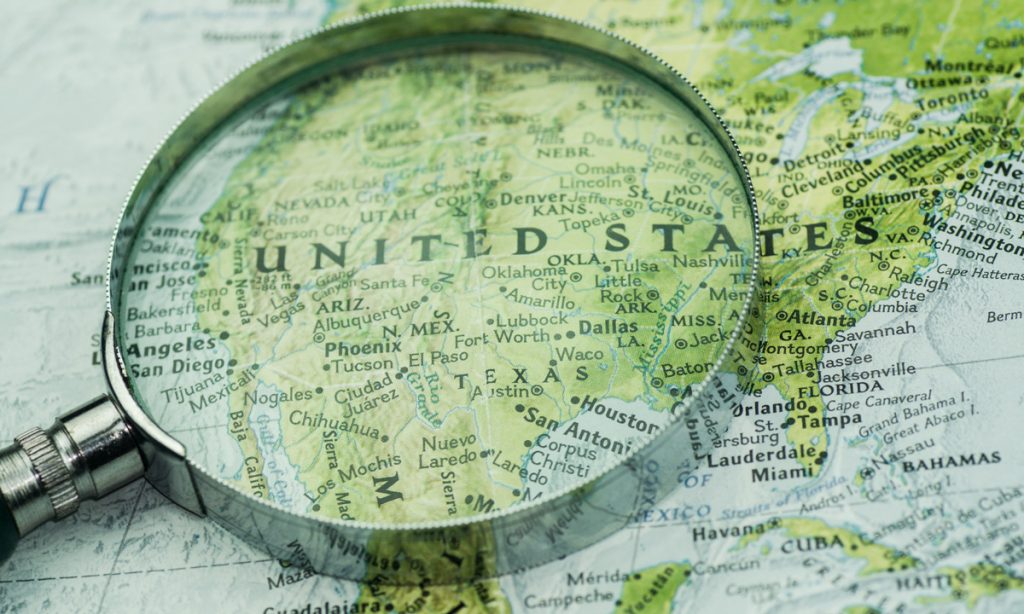
Marijuana is legal nationwide in Canada, and it could soon be in Mexico, as well. So the US is sandwiched between two countries with legal weed. But the United States government has all but refused to even consider marijuana legalization as part of the American way.

Although a slew of states has ended pot prohibition at the state level — allowing weed to be sold like booze — the feds do not have any interest in taking this concept to the big stage. But if the U.S. is about to be sandwiched between two countries with legal weed, could lawmakers have a change of heart? The answer is one part politics and two parts everything else. 

Last week, Mexico’s Senate put its seal of approval on a bill aimed at creating a fully legal cannabis market. The initiative aims to remove the power from the drug cartels and put the plant to work for the national economy in a way that doesn’t bring about waves of brutality and murder. It’s not exactly a done deal, according to a recent report from Reuters. The legislation must first pass the lower House, and some technicalities need to be hashed out before it is a lock. If it happens, though, Mexico will join Canada in operating a taxed and regulated marijuana market. 

It was just a few years ago that the northern nation made the same leap. It was one of the first lines of business brought on by then newly appointed Prime Minister Justin Trudeau. He, too, was sick of the criminal organizations reaping all of the benefits while the country’s youth suffered the consequences. Still, there were and continue to be growing pains with legal weed. Cannabis consumers are still getting a better price on the black market, preventing around 40 percent from moving over to the legal system. But all in all, the business is in reasonably decent shape. 

So, what are the chances that the U.S. government will recognize the legalization efforts to the north and south and make a move to do something similar? For now, the chances are slim. 

In November, more states moved to legalize the leaf for medicinal and recreational purposes. More than half of the nation now recognizes cannabis as a legitimate product. Meanwhile, some of the latest polls show that nearly 70 percent of the U.S. population now supports full-blown legalization. But this sentiment is not resonating in the nation’s capital.

Dem. Lawmaker Tim Ryan: 'Marijuana Should Be Legal In All 50 States'
Photo by runner of art/Getty Images

The Republican-dominated Senate is still morally opposed to marijuana. A lot of the older Republicans, like Senate Majority Leader Mitch McConnell, aren’t about to legalize a substance that they worry might wreak havoc on society. It’s just not consistent with their Bible-belt upbringing.

RELATED: How Medical Marijuana Could Soon Be Prescribed By Doctors Nationwide

And while the Democratic-controlled House is set to vote on a legalization bill (MORE Act) this week, there are still plenty of reservations in the lower chamber. In fact, the upcoming vote was initially scheduled for September, but Democrats thought it best to reschedule it for a later date because they were worried about losing votes. It’s like they aren’t even paying attention to the polls. In short, marijuana isn’t the hot topic on Capitol Hill that cannabis advocates would like the masses to think it is. Congress just isn’t aligned in a way that is going to allow marijuana to go legal anytime soon.

But it is getting there. Just slowly.

U.S. lawmakers keep saying that marijuana legalization will pass, but they just can’t make any predictions on the timeline. “[Cannabis legalization] is going to happen, I’m confident,” Democratic Senator Cory Booker told Politico. “But how it happens and when it happens is the question.”

RELATED: A Right-Leaning Supreme Court Won’t Impede Cannabis Reform, Legal Experts Say

Pro-marijuana lawmakers have been slinging the same “coming soon” spiel for the past decade or more. Sadly, Congress just isn’t going to be equipped to make significant strides on this issue next year. Even president-elect Joe Biden isn’t interested in leading the country into fully legal territory. The most he’s willing to do is decriminalize it and make it more accessible for medicinal purposes.

So, it’s unlikely that Canada and Mexico are going to inspire U.S. lawmakers to join the fun. At best, the United States could see some reforms falling into place that lessens the criminal penalties for pot possession and perhaps even some that allow convicted marijuana offenders some reprieve. But as for marijuana legalization in America, it’s a non-starter.

Cannabis: What Is Its Legal Status in Scandinavia?

While there are countries where the use of cannabis is a way of life, it is a big crime to be found with a cannabis product in many other countries.

What was once an illegal substance is now considered in many countries around the world as being acceptable. As you could guess, I’m talking about cannabis or marijuana. Thanks to its many benefits, cannabis has infiltrated many markets globally, with more and more people joining the bandwagon of users, sellers, transporters, and producers. So, what is its legal status in the Scandinavian world? Well, just a little patience will pay off, as the answer is just around the corner. But first things first: what is cannabis?.

Cannabis Explained

Cannabis is a plant that grows naturally in temperate and tropical conditions. However, by use of what is known as hydroponic technology, many people also grow this plant in just about any climate conditions. THC (tetrahydrocannabinol) is the main psychoactive ingredient in this plant, and it is known for initiating the “high” feeling.

The plant exists in two divisions, which include Cannabis sativa and Cannabis indica. You can differentiate the two by simply looking at their different physical characteristics. Typically, cannabis is consumed in the form of hash oil, hashish, or marijuana, which are made from the plant’s hashish, resin, and dried leaves respectively.

The Legal Situation of Cannabis in Scandinavia

I must explain that the legality of cannabis products depends upon the country. And while there are countries where the use of cannabis is a way of life, it is a big crime to be found with a cannabis product in many other countries. Let’s explore its legality in Scandinavian countries.

Sweden

The cannabis laws here are even tougher, with transportation, selling, usage, and production of the plant all forbidden. However, the country allows limited usage of cannabis for medical purposes. For instance, doctors in Sweden may be allowed to prescribe cannabis-based drugs for patients with multiple sclerosis.
Need more information on cannabis or CBD? Please visit cbdguiden.se, a one-stop shop, education, and FAQ.

Iceland

Any cannabis-related activity here is completely illegal, whether it is consuming, selling, cultivating, or possessing. The government of Iceland first declared the illegality of cannabis in 1969, which means the laws here have been in force for about half a century. If you are found in contravention of the law, you would be liable to a fine or jail, which varies depending on the amount of substance you are found with and what you were doing with it. For instance, if you are caught with more than half a kilogram of cannabis, you may be jailed for no less than three months.

Finland

Just like in Iceland, possessing, selling, transporting, using, or producing cannabis is prohibited. Any person found using cannabis in the country could be liable to summary fines, which are usually imposed by the police. If the user insists on being taken to court, however, the police have no option but to comply. Those found culpable of serious cannabis offenses, such as selling, typically face a trial in the court of law, and the penalties for such people are usually harsher.

RELATED: What The US Can Learn From Holland’s Coffee Shop Cannabis Model

sweden
Photo by Jon Flobrant via Unsplash

Norway

It was not until recently (2018) that the laws on the use and possession of cannabis in Norway were adjusted to favor the country’s citizens. This was upon the realization that the citizens were missing out on the medicinal effects of the substance. As such, Norwegians who are found to be in possession of small amounts of cannabis are not brought to book. Rather, they are treated for any possible addiction issues etc.

Denmark

The Danes are, by law, prohibited from everything cannabis-related. Those found culpable may be fined or jailed, but the same law also protects (since the amendment of the 1955 Euphoriants Act in 2004) the Danes found with limited quantities (less than 10 grams) of cannabis. Such people may only be warned by the authorities. However, they may face the law if they are repeatedly found committing the same offense.

This article originally appeared on Green Market Report and has been reposted with permission. 

These People Are First In Line To Get COVID-19 Vaccine

0

The CDC released guidelines on how COVID-19 vaccines will be distributed, highlighting four groups of people that’ll likely be the first recipients.

There are three promising coronavirus vaccines in the works, from Pzifer, Moderna and AstraZeneca, meaning that the release of the first round of immunizations is imminent. The Advisory Committee on Immunization Practices (ACIP) to the Centers For Disease Control (CDC) released their first guidelines on how they are making important decisions, such as who gets the first round of COVID-19 vaccines. The panel notes four groups of people who’ll likely be the recipients of these inaugural doses.

According to disease experts, one of the proposed vaccines should be ready for distribution by the end of this year. The problem lies in creating enough dosages to treat everyone, which is why vaccines will likely be released to groups, prioritizing those who are most in contact with the virus and people who belong to high risk groups.

5 Coronavirus Testing Myths
Photo by Paul Biris/Getty Images

The panel will distribute doses according to four ethical principles: maximizing benefits and limiting harm, promoting justice, mitigating health inequities and promoting transparency about the plans surrounding the spread of the vaccine.

RELATED: This Is When You’re Most Infectious With COVID-19

According to ACIP’s guidelines, the four groups that should have first access to the vaccine are health care personnel (an estimated 21 million people), essential workers (87 million people), adults with underlying health conditions (100 million people) and adults over the age of 65 who are also considered high risk (53 million people).

RELATED: COVID-19 Tests Are More Accessible — How Often Should You Get One?

It’s estimated that vaccines should be available to anyone who wants them in the U.S by mid-2021. Until then, the government will continue to advise for patience, social distancing, face masks, hand washing, and other important safety measures.

Want To Stay COVID Free This Holiday Season? Don’t Smoke Weed With Others

0

The days of puff, puff, pass are over, if for no other reason than to prevent COVID-19 from conquering the world. 

To further prevent the spread of the novel coronavirus, the Centers for Disease Control and Prevention (CDC) have all but begged Americans not to travel this holiday season. But nobody appears to be listening. Nope, holiday travel is not missing a beat this year, as millions of people presumably do not have any reservations about being Petri-dished together at a time when COVID infection rates are among the highest we’ve seen. 

If you are reading this from home, know that your chances of survival are better than most. That is unless you are among those cannabis users who still insist on smoking weed with others. Then, well, you might be at just as much risk. 

Smoking is the most common form of consumption on the cannabis scene. It is one that almost inevitably means that two or more people are going to be swapping spit with one another in pursuit of a buzz. Many cannabis users continue to defend this practice because it is all about one love and fellowship. 

But smoking weed with the masses is a sure-fire way to get sick. This was true long before the “Rona” was ever a thing. 

In many ways, sharing a joint with someone is just as risky as having unprotected sex or not washing your hands after using a public restroom. It can spread a variety of diseases from the common cold, flu to herpes. In other words, the days of puff, puff, pass are over, if for no other reason than to prevent COVID-19 from conquering the world. 

How To Sniff Out Free Weed At A Party
Photo courtesy of Cannaclusive/Flickr

Marijuana legalization is helping to end the longtime trend of the communal smoke circle. There are now a variety of cannabis products built-for-one sold in retail cannabis dispensaries across the United States. Edibles, beverages, and topicals produce the same mind-numbing effects as smoking, yet they can be enjoyed without sharing bodily fluids with others. But this doesn’t mean that people who want to smoke cannabis are being shut out. Vape pens, flower, and personal-sized pre-rolls are ways for cannabis consumers to keep the tradition of smoking alive. 

RELATED: COVID Might Be The Least Of Your Worries If Traveling With Weed During The Holidays

Legal cannabis dispensaries are now catering to the individual marijuana user just like the alcohol trade does its customers. After all, nobody shares a beer these days. Everyone has their own. Considering that coronavirus cases in the U.S. have reached more than 12 million, marijuana should be no different. 

Still, just because a person refuses to share their weed doesn’t mean they won’t catch the virus. A study published over the summer from the University of Western Australia shows a correlation between cannabis use and COVID infection rates. Most of the connection, however, has more to do with smoking in general than cannabis alone. “Cannabis thus joins tobacco as a SARS2-CoV-2 risk factor,” researchers noted.

RELATED: This Is When You’re Most Infectious With COVID-19

A more recent study shows that excessive marijuana smoking is also putting people at risk for COVID. Once again, these findings are more about how marijuana smoke can weaken the lungs and make a person more susceptible to the virus than the herb being a risk factor. Researchers found that “heavy problematic cannabis use may increase chances of hospitalization due to COVID-19 respiratory complications.”

Therefore, it is advised to avoid smoking marijuana with friends and family during the holiday season. It might not be a bad idea to consider not smoking at all. Instead, look to other consumption methods, like edibles, that will not put your lungs at risk. Even though the jury is still out on a lot of the science surrounding cannabis use and a higher risk for COVID infection, we don’t need science to tell us that putting our mouths where others have gone could make us sick.

What To Expect When You’re Expecting Legal Marijuana

0

Did your state recently legalize marijuana? Here’s an overview of what the next few years will bring.

With so many states recently adopting measures to legalize adult-use (recreational) marijuana it seems like it’s time to give an overview, from a lawyer’s perspective, of what the first few years of legal marijuana generally look like in newly-legalized states. These projections are based on what we have seen in jurisdictions like Washington, Oregon, Colorado, and California, which now have relatively mature marijuana markets.

Rulemaking and Licensing. When a state first legalizes marijuana, a state agency will be tasked with regulating the industry, including issuing licenses. This process will involve agency rulemaking which will be done pursuant to the implementing legislation. I strongly suggest monitoring agency rulemaking as it will provide the public the opportunity to provide comments on the proposed rules.

If you would like to obtain a marijuana license, you need to become an expert on the licensing process. Here are some questions you will need to answer if you want to obtain a license: Will there be a lottery for applications? Will existing medical marijuana operators be given a priority? How will the agency evaluate applications? Perhaps most importantly, what are the relevant licensing timeframes and deadlines? It is imperative that if you apply you do so in a timely manner but also that you keep in mind the application priorities that the regulatory decision makers will have in mind while they review your application.

Business Formation. Individuals who want to operate a marijuana business should apply through a limited liability company (LLC), corporation, or other business entity (not a sole proprietorship or general partnership) so that the stakeholders of the company are shielded from personal liability. The marijuana industry is riskier than most industries so applicants should submit their application through a business entity rather than in a personal capacity.

RELATED: How Medical Marijuana Could Soon Be Prescribed By Doctors Nationwide

You should also carefully select who you are going into business with. Licensing incentives can often create strange bedfellows depending on application priorities. For example, in 2015 Washington State merged its medical marijuana program into the recreational market. As part of this merger, the Washington State Liquor and Cannabis Board (WSLCB) opened a second round of licensing for marijuana retailers. However, dispensary owners who were operational and current on taxes before the recreational and medical market merger were given a priority in their applications. I remember seeing advertisements on Craigslist where dispensary owners were trying to find deep pocket partners to take advantage of their application priorities. That lead to some predictable disputes.

Applicants must vet their potential business partners and corporate governance documents need to spell out how the parties will handle disputes when they inevitably come up.

could marijuana legalization unite a divided country
Photo by strelov/Getty Images

Business Break-Ups. In Washington State, where I practice, I noticed in the first few years after licensing that many business relationships began to deteriorate. I think that this happened for a few reasons. Running a marijuana business is incredibly stressful and that stress can take a serious toll on the interpersonal relationships of stake holders. Additionally, as I outlined above, in the licensing stage people go into business together hastily and find out over time that they are not compatible. Regardless of how it happens, many marijuana businesses are the subject of disputes a few years after licensing.

RELATED: Could Marijuana Legalization Unite A Divided Country?

What makes marijuana business break-ups so challenging is that there is almost always some asset worth fighting over: the marijuana license. This makes it harder for each side to back away and gives each a nuclear option, reporting violations to regulators to cause the license to be revoked or terminated.

In addition, entrepreneurs drawn to the marijuana industry often feel comfortable operating in the “wild west.” After all, they are entering an industry where the commodity is unquestionably illegal under federal law. Key terms are often written on the back of a napkin which was not saved. Handshake deals rarely are reduced to writing. If you are entering this space, do not take this approach! Write things down and keep records in case things go poorly down the road. Also, consider including mandatory arbitration provisions in corporate governance documents so that if a dispute arises, the airing of dirty laundry does not have to take place in open court.

Regulatory Compliance. You can expect state agencies to regulate pretty much every aspect of a marijuana business. Stakeholders in a marijuana business should know these regulations well! Licensees will be expected to trace marijuana from seed-to-sale. They will need to keep records on pretty much any person who enters a licensed facility. Marijuana businesses should also prepare to account for every penny that goes in and out of the business so that regulators can ensure that money is not being diverted to some illicit channel. Eventually, every marijuana business will receive a violation for some instance of non-compliance. Be prepared to defend yourself against these alleged violations.

RELATED: How Joe Biden’s Administration Could Legalize Marijuana

Conclusion. I hope that this article helps to give you an idea of what the next few years will bring if your state has recently legalized marijuana. This is a tough market to succeed in, but there are unique opportunities in marijuana that you may not find in any other field.

Daniel Shortt is a corporate and regulatory attorney based in Seattle, Washington who works extensively with entrepreneurs in the cannabis industry. This article originally appeared on Green Light Law Group and has been reposted with permission. You can contact Daniel at info@gl-lg.com or (206) 430-1336.

5 Ways To Have A More Positive Social Media Experience

Social media is addictive and overwhelming, but it’s also a helpful tool in connecting you with friends and family.

We all know that social media is here to stay. While we might try to fight its influence and the hold it has on our lives, its thriving existence is inevitable, especially now with digital learning and remote work.

Instead of developing a love/hate relationship with it, we should try to change our approach to it. We all know social media produces a great amount of anxiety, but it also makes life easier and is quite enjoyable. And there are ways of having a better experience online.

Here are 5 things you can do in order to have a more positive social media experience:

Comment and reply

Social media encourages us to post about our lives while also allowing us to watch the lives of other people. Depending on the app you use, these interactions can be conducted on a surface level, never encouraging further communication. If you want to have a deeper experience, get to know other people or get back in touch with someone, try other approaches aside from a simple like. Comment on other people’s posts and post replies when someone interacts with you. Don’t fight with strangers, though.

Narrow down which apps you use

Can You Trust CBD Ads On Social Media?
Photo by dole777 via Unsplash

RELATED: 5 Ways To Feel Somewhat Normal During The Pandemic

Social media apps have their pros and cons. While Facebook puts you in touch with distant family and friends, it also puts you in touch with some opinions and comments that you maybe don’t want to see. Instagram doesn’t encourage much contact, but it’s one of the most utilized social media platforms. Twitter opens the floodgates to all kinds of people.

Know your limits when it comes to social media, and what you want to get out of these apps. While there are ways of limiting your exposure to annoying content on all sites, you can also choose to drop apps if they’re not working for you.

Set some rules

In order to have a less charged relationship with social media, be aware of what works for you and set some boundaries. If the news cycle makes you feel stressed, disconnect from it and limit the amount of times you check your phone. If other people’s lives has you questioning your own, take a break from these websites. Take advantage of the limits your apps allow you to set and try to avoid checking your phone last thing at night and first thing in the morning. Progress from there.

No need to follow people or things that stress you out

Tom Brady Smoked Weed In High School, He Says In New Howard Stern Interview
Photo by Andrea Piacquadio via Pexels

RELATED: How To Defuse Political Conversations With Friends And Family

If there’s a family member who posts annoying and ignorant stuff, there’s no need to engage with them. Unfollow or block them and move on with your life. If the news is too triggering for you, set some boundaries or avoid following so many news sites. Try to find a corner of the internet that makes content for you, whether that’s soothing videos of people watering their plants or accounts that post interesting bits of movie trivia.

Mute and block

The mute and block options are available across all sites and are vastly underused. Don’t waste brain space in fighting with others or engaging in internet discussions when you don’t feel like it. Mute threads, block annoying followers, and more. These tools are there to make your social media experience better and more positive, and they will do this if you learn how to use them to your favor.

Best States For Medical Marijuana Dispensaries

Even as recreational marijuana laws are enacted in more states, medical marijuana businesses will continue to be valuable and thrive.

Medical marijuana dispensaries are a vastly different business from recreational dispensaries. Most states have much more stringent licensing requirements for medical dispensaries, and dispensary staff requires more training and knowledge than the average recreational budtender. Yet, despite the extra hurdles required of medical marijuana dispensary owners, there are more markets where medical marijuana is permitted, giving greater opportunities to entrepreneurs in the medicinal space.

Whether you are interested in opening a medical marijuana shop of your own or are merely curious about the best places for medical marijuana shop owners, read on.

California

California is the largest and most populous state where marijuana has been legalized for recreational use, and it is the state with the longest-lived medical marijuana program. Both recreational and medicinal dispensaries have generated several billions of dollars in sales, despite fighting a booming black market. Because taxes for recreational weed are exorbitant and driving many adult recreational users away, entrepreneurs in this state should seriously consider starting with a medicinal shop, which is subject to lower fees and taxes. Even better, there are many counties and municipalities that have banned recreational marijuana businesses but permit medical marijuana use, so entrepreneurs in this space have greater access to less saturated markets.

Arizona

Arizona is poised to pass recreational marijuana regulations, which means the state is on the verge of a major uptick in cannabis interest. Already, marijuana use has been on the rise in the state, with medical marijuana sales growing significantly in every year since 2016. Greater acceptance of all cannabis use throughout the state will undoubtedly drive patients toward medicinal marijuana, especially within the next few years. Both recreational and medicinal dispensary licenses are available to entrepreneurs interested in capitalizing on a market yet to see serious competition.

More Americans Than Ever Are In Support Of Legal Marijuana
Photo by Martijn Baudoin via Unsplash

Oklahoma

Oklahoma boasts one of the more fascinating medical marijuana programs in the country. Unlike other states, where patients must suffer from one (or more) qualifying health conditions, Oklahoma allows patients to work with their doctors to determine whether marijuana might be a viable solution to their health concern. As a result, it is much easier to get medical marijuana in Oklahoma — which means the medical marijuana industry in the state is booming. Though the market is smaller than in states like California and Oregon, Oklahoma’s medical marijuana industry is booming, and there aren’t nearly enough dispensaries to keep up with demand.

Alaska

Though sparsely populated, remarkably rural and quite conservative in its politics, Alaska has enjoyed a long and generally positive relationship with the good green herb. Technically, the state was the first to legalize recreational marijuana — way back in 1975 — but a few complications thwarted recreational sales until 2014.

RELATED: 4 Things You Need To Know Before Visiting A Marijuana Dispensary

Currently, the medical and recreational marijuana industries in Alaska are earning hundreds of millions of dollars per year, and considering that marijuana tourism in the state is also popular, there is plenty of promise for entrepreneurs in this area. However, it might be worth noting that while dispensaries do good business, growers in Alaska are in particularly high demand. Starting a grow op and running a partnered shop might be a lucrative model to ensure enough supply of medicinal-quality goods.

More Legal Marijuana Equals Less Crime? Not So Fast
Photo by nattrass/Getty Images

Oregon

Though Oregon wasn’t the first state to pass any marijuana legalization, it has quickly become the nation’s posterchild of how marijuana regulation can go incredibly right. Oregon’s marijuana industry is perhaps the booming-est, generating record-breaking incomes for almost every month in 2020. Not only is the state’s dominant culture incredibly weed-friendly, but Oregon borders three states with remarkably strict marijuana laws and attracts millions of marijuana tourists every year.

RELATED: These Are The US Cities And States With The Most Dispensaries

What’s more, Oregon weed growers are currently producing more bud than current dispensaries can manage, so there is plenty of space for entrepreneurs to hang their shingle and thrive. Plus, fees and taxes are much lower for Oregon cannabis business owners than they are in other states. If you can’t get ahold of a license, you should be able to find a licensed business for sale.

Even as recreational marijuana laws are enacted in more states, medical marijuana businesses will continue to be valuable and thrive. The sooner you open your medicinal weed shop, the sooner your establishment can see success.

This article originally appeared on Green Market Report and has been reposted with permission.

This Is When You’re Most Infectious With COVID-19

0

As states begin a second wave of lockdown, researchers are beginning to understand COVID-19 a little better.

A new study says that people are most infectious with COVID-19 during their first five days after developing symptoms. These results indicate the importance of abrupt isolation and could help us understand the virus better.

Published in the journal Lancet, the study was conducted by researchers at the University of St Andrews, who examined 98 cases of COVID-19, SARS and MERS, specifically focusing on three key factors: the amount of virus in the body throughout the different stages of the illness, the amount of time people shed viral genetic material, and the isolation of the live virus.

“To our knowledge, this is the first systematic review and meta-analysis that has comprehensively examined and compared viral load and shedding for these three human coronaviruses,”  said study lead author Muge Cevik. “It provides a clear explanation for why SARS-CoV-2 spreads more efficiently than SARS-CoV and MERS-CoV and is so much more difficult to contain.”

The upper respiratory tract is believed to be the main source of transmission, so this discovery is pretty significant, providing some key data on how the virus and the infection work.

Can You Get Sick With COVID-19 More Than Once?
Photo by Polina Tankilevitch via Pexels

“Our findings are in line with contact tracing studies which suggest the majority of viral transmission events occur very early, and especially within the first five days after symptom onset, indicating the importance of self-isolation immediately after symptoms start,” said Cevik.

“We also need to raise public awareness about the range of symptoms linked with the disease, including mild symptoms that may occur earlier on in the course of the infection than those that are more prominent like cough or fever.”

RELATED: What You Need To Know About Face Masks And How They Work

According to the World Health Organization, the most common symptoms of early COVID-19 include fever, dry cough and tiredness. Other less common symptoms include diarrhea, headaches, conjunctivitis, sore throat, aches and pains, and the loss of taste and smell.

When discussing asymptomatic patients, the study found that the virus in their bodies behaves similarly, including the days of peak contagion. Asymptomatic individuals were successful in flushing out the virus more rapidly.

RELATED: What You Should Know About Holiday Parties During The Pandemic

The study was conducted on a small pool of patients, including several who’d been hospitalized with COVID-19. This means that they might have received treatment from hospitals that might have impacted the course of their disease. Still, researchers believe that people who weren’t hospitalized most likely experienced milder symptoms and thus might have cleared the virus faster from their bodies.

4 Tips To Help You Declutter Your Space

0

Decluttering is a process that can make you feel better about your space. It can also grant you some mental health benefits.

Purchases bring people joy, at least momentarily. The feeling of buying something provides us with an instant dose of dopamine, which seems to be in short supply these days. That and the fact that we’re spending tons of time at home means that people are buying stuff more than usual, racking up boxes and objects that they don’t really need.

Decluttering, although not very fun, can be therapeutic. Much like cleaning and organizing, the act of getting rid of things can make us feel like we’re in control and putting our lives in order. Most of the time, visual clutter also contributes to our mental clutter, which is why it’s so beneficial to get rid of stuff.

Here are 4 tips that can help you let of things as you go about and declutter your home:

Visualize the mental benefits

Some Experts Say That Mindfulness & Meditation Can Worsen Anxiety
Photo by Simon Migaj via Unsplash

RELATED: Minimalism Is Growing Increasingly Popular — Here’s Why

Think of decluttering not only as an aesthetic solution but as a mental one too. Objects are charged with emotion and difficult to let go of because of their connection to our personal insecurities, which is why the process can be difficult. Expect some emotional responses and pace yourself, repeatedly asking yourself if you really need these items.

Set realistic goals

Photo by SHOP SLO® via Unsplash

There’s no need to get rid of everything you own and living a minimalist lifestyle. Be realistic with your goals of decluttering. Starting off small with minor changes that are easy to accomplish and that won’t leave you feeling overwhelmed. Set a schedule or weekly reminder that helps you get things done.

Get help from friends

5 Polite Ways To Tell People You Need Alone Time
Photo by Ketut Subiyanto via Pexels

RELATED: How To Work Out In Your Apartment Without Annoying Your Neighbors

If you need some support or someone to hold you accountable, reach out to a friend and have them on the phone when going through your stuff. This friend can provide you with some perspective on whatever item you’re considering discarding, letting you know if there’s some use to it, if they’ve seen you wearing it, etc. Having a friend on the phone can help you feel better and make the whole activity more fun.

Decluttering is not the same as organizing

5 Things You Can Do To Revamp Your Spring Cleaning
Photo by Priscilla Du Preez via Unsplash

While organizing and decluttering are two sides of the same coin, they’re different and should be treated as such. While decluttering results in more organization, the process will result in letting go of items you no longer find useful. It’s more final and could involve more stress than when putting things in their place.

Don't Miss Your Weekly Dose of The Fresh Toast.

Stay informed with exclusive news briefs delivered directly to your inbox every Friday.

We respect your privacy. Unsubscribe anytime.