Tuesday, June 9, 2026
Home Blog Page 548

DEA Seeks To Expand Marijuana Research Opportunities

The agency is making progress to register additional marijuana growers for federally authorized research, and will continue to work with other relevant federal agencies to expedite the necessary next steps.

Late last week, the Drug Enforcement Administration (DEA) and the Department of Justice announced action to further expand opportunities for scientific and medical research on marijuana in the United States.

The Notice of Proposed Rulemaking was filed for public inspection on March 20. The proposed rule was then published in the Federal Register on Monday, March 23. The new approach will expand opportunities for marijuana growers who seek to grow marijuana for research purposes and outline the agency’s proposed process for administering the new program, consistent with applicable law.

“The Drug Enforcement Administration continues to support additional research into marijuana and its components, and we believe registering more growers will advance the scientific and medical research already being conducted,” said DEA Acting Administrator Dhillon. “DEA is making progress to register additional marijuana growers for federally authorized research, and will continue to work with other relevant federal agencies to expedite the necessary next steps.”

RELATED: Why Mice Are Perfect For Marijuana Research

This proposed rule will result in additional registered growers and a larger, more diverse variety of marijuana available for research. The new regulations will enable DEA to evaluate each of the 37 pending applications to grow marijuana for research under the applicable legal standard and conform the overall program to relevant laws.

Marijuana's Schedule I Status Is Preventing Researchers From Studying It
Photo by CasarsaGuru/Getty Images

The release of this Notice of Proposed Rulemaking is the latest and most significant action taken to expand the number of registered marijuana growers in the United States and underscores the federal government’s support for scientific and medical research with marijuana and its chemical constituents.

RELATED: Why Is the DEA Dragging Its Feet To Approve Marijuana Suppliers For Research?

Since the beginning of this Administration, there has been a 58% increase in the number of active researchers registered with DEA to conduct research with marijuana, marijuana extracts, and marijuana derivatives — from 377 in January 2017 to 595 in March 2020. At present, more researchers are registered to conduct research on marijuana, marijuana extracts, and marijuana derivatives than on any other schedule I substance in the United States.

More than 70% of DEA’s total schedule I research registrant population is registered to conduct research on these substances.  To accommodate this growth in research, DEA has increased the annual production quota for marijuana by 575% — from 472 kilograms in 2017 to 3,200 kilograms in 2020.

This article originally appeared on Green Market Report.
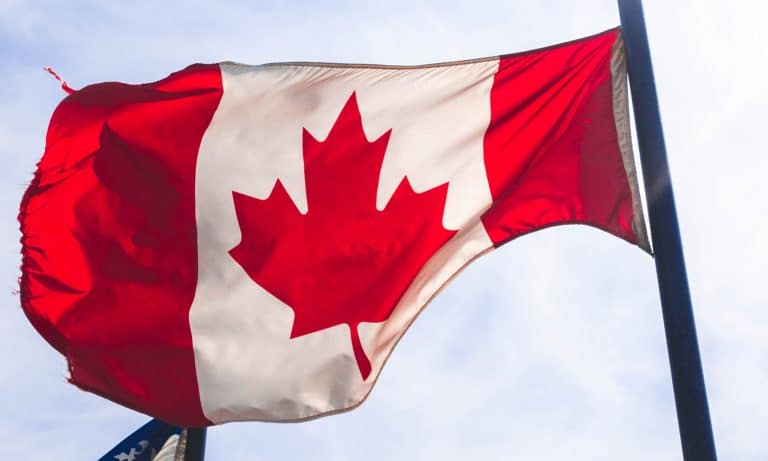
Canadians Are Panic-Buying Marijuana — Could Coronavirus Cause Another Shortage?

Inventory at Canadian cannabis stores are lower than ever due to increased sales, but officials maintain supply is stable.

Marijuana sales hit an unprecedented bump last week, as American consumers stocked up on cannabis goods like it was toilet paper or hand sanitizer. Data now shows Canadian cannabis stores experience a similar coronavirus-related spike in sales, in some provinces.

The Ontario Cannabis Store, which serves as the province’s online monopoly supplier, reported an 80% increase last week in customer volume for an average Saturday. An aggressive drop in prices to increase competitiveness online was in part responsible for the uptick in sales, according to Marijuana Business Daily.

Headset, a cannabis intelligence firm, also confirmed Canadian marijuana stores had increased sales due to coronavirus-related worries. Canadians were spending about $20 CAD more per basket last Monday and some stores more than doubled their normal volume in sales. Headset also hinted at another factor driving these sales — a possible shortage of supply.

RELATED: Marijuana And Liquor Sales Rise As Americans Self-Isolate From Coronavirus

Private retail in the Alberta and British Columbia provinces typically carry around 5.8 weeks of inventory in stores. By the end of last week, those same stores had just over 3 weeks of supply left. Edibles and cannabis-infused drinks, which had only recently become available in legal Canadian markets, have been the most depleted of supplies. Meanwhile, pre-rolled joints have taken a dip in market share, as consumption habits have changed in the coronavirus era.

Border Woes: Transporting CBD Into Canada Is Not OK
Photo by Zach Heiberg via Unsplash

“With edibles, it’s probably the easiest way to get high without touching your face very much,” Headset Director of Analytics Liz Connors told The Fresh Toast. “If you want to share it with someone, they’re pre-wrapped little. So there’s very little risk of transmitting the virus versus sharing a joint. I think it’s a great decision right now.”

RELATED: Canadian Retailers Will Sell ‘Value Brand’ Marijuana To Overcome Black Market Dominance

Around this time last year, the Canadian legal marijuana market experienced a shortage of supply and couldn’t meet consumer demand. But multiple province officials maintain that supply is not a worry, at the moment.

An Ontario Cannabis Store spokesperson confirmed to MJBizDaily they have enough inventory to meet the demand. The Societe Quebecoise du Cannabis, which has a monopoly on marijuana sales in Quebec, also stated they have enough inventory. Many licensed producers also remain fully operational, according to reports.

“We have noticed an increase in sales in the past few days,” SQDC spokesman Fabrice Giguere told CTV News. “The supply is stable, both online and at the branch.”

Staying In? Here Are Some Wellness Practices You Can Do From Home

While suddenly as a society we’re faced with needing to make time for trying new ways to stay spiritually and emotionally-healthy, little items can make a big difference.

As the country prepares for social distancing and longer days indoors, individuals in self-quarantine might feel the effects of cabin fever compounded on top of the winter months that have just passed. 

From parents and caregivers to older adults staying put, the effects of COVID-19 on communities are felt outside, as well as inside America’s homes. Many are struggling with how to stay busy (and sane!) during these uncertain times.  

Recently, The Fresh Toast spoke exclusively to Matthew Milèo, founder of luxury skincare company MILÈO New York, on the importance of self-care in trying times. 

Milèo shared that he felt meditation offered a remarkable break from trying times, suggesting that relaxing the state of mind could help the body as a whole. Read below to find out more of what he had to say about taking a moment to meditate and why it’s so powerful: 

Q: Can you share with our readers who may not have tried meditation before, what should they know? 

Many people think that mediation requires a dark, quiet spot with no distractions around. One of the things I’ve discovered about mediation is how versatile it can be. I like practicing ‘active meditation’ through activities such as swimming, running, or even cleaning. If you have a detailed oriented mind like myself, sometimes having a task to perform is extremely therapeutic and gives a helping hand to transcending into that state of higher consciousness. It’s almost like you’re distracting your body with a shiny new object so your mind can transcend to another dimension. I’ve had my best epiphany swimming laps in the pool or rigorously cleaning the kitchen sink!”

Staying In? Here Are Some Wellness Practices You Can Do From Home
Photo by Antonika Chanel via Unsplash

Q: Are there any barriers to meditation that should be shared?  

While succumbing to a relaxed state of mind may sound incredibly blissful, for some, an overwhelming wave of anxiety or distraught emotion may arise. I like to call this the lotus effect, which is named after one of my favorite meditation visuals of thinking of a blossoming lotus in a murky pond.  

“The lotus flower is one of the most pristine botanical specimens of perfection. The petals are all shaped identical and each are lined with an emollient wax that beads off water and debris which always keeps it clean. In order for the flower to get to that blossoming state of fruition, its seed must travel through dark and dense muddy waters, weaving through other competing lotus stems and buds to get to the surface so it can open and release its beauty to the world.  

“Its journey is chaotic, convoluted, and uncertain. A beginning meditation practice is a lot like that —  journeying to the depths of the mind where unwanted thoughts and feelings have been suppressed within its own corridors, a sudden urge to open the mind’s channel can release an emotional floodgate.

“The body reacts and signals a rush of nervousness, discomfort, fear, and even anger.  But with understanding, compassion, and patience, one’s mediation practice can evolve just like the lotus flower, where one’s mind will eventually break through the surface and the unraveling of one’s true conscious can begin.”

Milèo explained that while suddenly as a society we’re faced with needing to make time for trying new ways to stay spiritually and emotionally-healthy, little items can make a big difference. He shared that when using his oils, he developed a ritual: cupping the hands over the nose and taking five deep breaths in and out. He recommends slowing down, giving permission to enhance the senses and meditating stress away. 

Can Police Search Cars For Marijuana Based On Odor?

In Canada, odors in vehicles while driving will count as “reasonable suspicion” for police to request an oral fluid sample at roadside. But what about the U.S.?

Legal cannabis is still a relatively new industry in North America. Complete legalization of cannabis took place in Canada in October 2019. The laws in Canada and the U.S. with relation to legal cannabis continue to differ for the main reason that the U.S. has not yet federally legalized cannabis (it is only fully legal medically and for adult use in 11 states), although over three-quarters of the American public report being in favor of complete legalization. 

In Canada, the annual cannabis illicit and licit market constitutes about $7.6 billion annually, according to Vividata’s National Cannabis Study 2019While Canada’s black market is still popular among 2.4 million Canadians who buy from unlicensed sources — primarily for reasons like lower price point, trusted relationships, convenience and confusion around what’s legal — it is worth noting that 53% of current cannabis users obtained cannabis from legal sources versus the 38who obtained it from the black market   

RELATED: How To Keep Police From Searching Your Vehicle For Weed

Don’t Fall For Fake Law Enforcement Drug Stops – They're Illegal!
Photo by Randy Faris/Getty Images

“Driving while high” remains a concern for advocates of the responsible consumption of cannabis in Canada. Organizations like Responsible Cannabis Use are doing their part to spread knowledge and information around the federal and provincial rules around possession and consumption with respect to driver safety, police-user interactions and other road-testing information.      

RELATED: Don’t Fall For Fake Law Enforcement Drug Stops — They’re Illegal!

While the social acceptability of cannabis consumption in Canada (46%) is higher than tobacco (39%), it still lags behind drinking alcohol (82%), according to VividataHowever, the less social nature of cannabis consumption when compared to alcohol — owing to a mix of recent legalization, persisting levels of stigma, public legal consumption factors, and COVID-19  — make it a better time to consume cannabis than alcohol.  

In Canada, odors in vehicles while driving will count as “reasonable suspicion” for the police officer to request the driver to provide an oral fluid sample at roadside using Approved Drug Screening Equipment (ADSE) or a Standardized Field Sobriety Testing (SFST).  As of December 2018, police do not need reasonable suspicion to request a breathalyzer to detect alcohol. In the U.S., unlike in Canada, the police cannot search cars for marijuana based on odors alone in states where the possession and use of marijuana is legal.   

What You Should Know About CBD And Heart Health

Some aspects of CBD make it worth investigating when it comes to heart disease prevention, like the compound’s anti-inflammatory and antioxidant features.

CBD studies have demonstrated positive evidence when it comes to treating and preventing a range of illnesses, including degenerative diseases, cancer and metabolic disorders. But what about preventing heart disease and promoting heart health?

While CBD has grown in popularity across the world and has shown plenty of promise in treating diseases and increasing people’s quality of life, studies are still in their infancy and the compound remains without FDA approval in the United States. The one condition the Feds have approved for CBD treatment is epilepsy. With all other treatments, CBD should be administered with care and with the approval of a doctor.

Healthline reports that some aspects of CBD make it worth investigating when it comes to heart disease prevention, like the compound’s anti-inflammatory and antioxidant features. High blood pressure, one of the leading factors for hypertensive heart disease, is easily influenced by stress, one of the main aspects that CBD products treat.

RELATED: Demystifying Marijuana And Heart Health

A study conducted on healthy human subjects demonstrated that CBD managed to lower their blood pressure. These subjects’ results were compared to other volunteers who were given a placebo and who reported no change in their stress level. While this is good news, the effect of CBD on humans with heart conditions or predispositions to these kinds of diseases remains unknown.

Dreaming About Better Heart Health? Here's What Research Suggests
Photo by Ake via rawpixel.com

Other studies conducted on animals show that CBD could protect subjects from strokes, promoting brain recovery and function and increasing cerebral blood flow. Still, there’s no data on how CBD could impact the human brain.

RELATED: 5 Things You Can Do To Protect Your Heart Health

Among the negative side effects associated with CBD, none appear to create complications when it comes to heart disease. The one concern that most experts bring up is the fact that CBD could produce adverse side effects when consumed in conjunction with other substances in medications. This is due to CBD’s interactions with liver enzymes, which process most of the substances we ingest.

As usual, before taking CBD as medication for serious conditions, it’s very important to have an open conversation with a doctor who might prescribe a dosage and a product with your specific case in mind.

Harsh Marijuana Delivery Restrictions Being Eliminated Due To COVID-19

Marijuana deliveries and curbside pickup could become the new normal for marijuana businesses in response to coronavirus.

The ability to safely and reliably purchase cannabis has worried consumers and medical marijuana patients during the coronavirus outbreak. Now, local and state governments have joined in that concern, with numerous officials issuing emergency or temporary orders to expand marijuana delivery and curbside pickup.

In addition, multiple municipalities declared cannabis an “essential good” amidst shelter-in-place orders, meaning buying marijuana was among the approved reasons residents could leave their homes.

This past week saw a consumer demand for marijuana comparable only to that seen on  4/20, with many Americans stocking up on cannabis like it was toilet paper. That unfortunately caused long lines at dispensaries in places like Las Vegas and San Francisco, as well as New Jersey and Pennsylvania. Government officials, previously reluctant to make such changes, have responded by allowing more marijuana deliveries and curbside pick-up options to increase social distancing safety measures.

RELATED: Consumers Are Stocking Up On Weed Like It’s Toilet Paper Amid COVID-19

Michigan Governor Gretchen Whitmer signed an emergency executive order last week that allowed all licensed marijuana retailers to provide home delivery and curbside pickup. (Previously, a separate license was needed to conduct marijuana deliveries.) Nevada has issued a similar emergency order, as the state order all marijuana storefronts closed but allowing any dispensary to conduct deliveries. Illinois followed suit, although the state limited these rule changes only for medical marijuana patients, not recreational customers.

Massachusetts Allows For Legal Marijuana Delivery But Only With Bodycams
Photo by Brett Jordan via Unsplash

Marijuana store employees must adhere to safety protocol that will inhibit further spreading of the coronavirus, particularly for at-risk medical marijuana patients. Policies include drivers applying hand sanitizer between drop-offs and disinfecting common surfaces, employees conducting thermometer checks at the beginning of shifts, and no-touch identification verification process, according to Marijuana Business Daily.

RELATED: NORML Gives Marijuana Consumption Safety Guidelines During Coronavirus Outbreak

Data shared by Jane Technologies with The Fresh Toast shows that new users ordering marijuana online has increased 142% since February. Stores offering both pickup and delivery options have seen delivery sales jump from 26% of sales to 33% of sales. Jane Technologies, an online marijuana products marketplace, also reports the average stores has increased their revenue between 52-130% since January.

Questions linger how long these rule changes to marijuana delivery and pickup options will last. Illinois announced such adjustments will remain in effect only until March 30. But as the coronavirus outbreak and quarantine protocols appear like they will extend beyond that data, governments may have to adjust once again.

Pennsylvania’s Medical Marijuana Rules Relax Thanks To Coronavirus

States with legal marijuana are devising new ways of providing products to people, including relaxing medical marijuana guidelines.

The coronavirus pandemic has affected all sorts of businesses and government. While medical marijuana has been deemed an “essential” product in several states, Pennsylvania’s Department of Health has taken it a step further to ensure most people get access to medical marijuana by temporarily relaxing some of their regulatory requirements.

“We want to be sure cardholders in the medical marijuana program can receive medication for one of 23 serious medical conditions during this difficult time,” Pennsylvania’s Secretary of Health Dr. Rachel Levine told NorthcentralPA.com.

RELATED: Medical Marijuana Considered ‘Essential’ Good During Quarantines

The state’s relaxed rules include allowing dispensary employees to deliver products to patient’s vehicles and giving patients the chance to purchase up to 90-days worth of cannabis products when visiting their local dispensary. Under normal circumstances, patients would have to enter the premises and would only be allowed to purchase up to 30 days of supplies.

you can now grow marijuana in pennsylvania
Photo by tpsdave via Pixabay

When it comes to caregivers, Pennsylvania is now suspending the five patient cap, allowing workers to treat and assist more patients. For medical marijuana card renewals, patients no longer have to visit a physical location. Instead, they can ask for a card renewal remotely and acquire this with presumably more speed.

In the time of this pandemic, states with legal and medicinal marijuana programs have reported increased sales and traffic, with many customers fearing not having marijuana in the case of a lockdown despite the fact that these businesses are considered essential. Given the long lines, traffic and waits of dispensaries, businesses are considering providing delivery options or curbside pickup, which could continue to provide supplies to people and reduce the chance of spreading disease on site.

RELATED: Consumers Are Stocking Up On Weed Like It’s Toilet Paper Amid COVID-19

When it comes to the marijuana black market, dealers are working harder than ever, still making at home deliveries and, as a way of protecting themselves from the germs and bacteria easily found in cash, now accepting electronic forms of payment such as Venmo and PayPal.

Why Canadians Are Choosing Edibles Over Smoking Marijuana

Among first-time health and wellness users, edibles are the second most popular form of consumption — along with vapes — only after concentrates.

There are many ways to consume cannabis. Some like smoking dried flower they can roll in a joint or purchasing pre-rolled joints, while others prefer consuming edibles, whether sweet (donuts) or savory (meatloaf). Still, others prefer their cannabis through vapes, topicals, tinctures, or extracts. Are some forms of cannabis healthier than others?   

A little less than one-half of all Canadian cannabis consumers use cannabis for health and remedy purposes representing a $4.3 billion Canadian market annually. In Canada alone, 511,000 report using cannabis as a remedy/treatment for weight management indicating a unique application of cannabis, according to Vividata’s National Cannabis Consumer Study 2019, Canada’s largest syndicated study of cannabis consumers.

With options that cater to a vast palate of cannabis consumers, some products are perceived to be healthier than others. Although across North America, the preference for dried flower dominates among users, new consumers are seeing the benefits of smoking alternatives, with the potential topicals market pegged to grow by five times in the coming year, appealing especially to seniors, women, and new users.  

RELATED: Canada’s Legalization Of Weed Edibles Is Another Global Social Experiment

Among first-time health and wellness users, edibles are the second most popular form of consumption — along with vapes (26%) — only after concentrates (53%)! This taps into the big potential of cannabis in delivering a personalized patient experience. Barely under one-third of all Canadians (29%) who have medical conditions have a weight management problem, of whom 63% are women, and 37% are men. Health and wellness cannabis brands have the highest perceptions of positivity (29%) over cannabis products in any other category.  

do cannabis products over promise and under deliver
Photo by Jamie Grill/Getty Images

Health and wellness topicals are already a popular method of consuming cannabis for the medically inclined who do not want the cognitive high. Seniors aged 50+ years old are the most likely to use cannabis for weight management issues compared to other age groups. Whereas the different formats of cannabis edibles range from calorie-filled to low-calorie, there are some ingredients that constitute a healthier eating experience for consumers versus others.    

Some observe that a lot of smokers transition into the edibles market. Combusting cannabis or smoking is not the healthiest thing for the lungs, so there will be a lot more movement towards the edibles market as the next generation of healthy cannabis products take to the shelves 

RELATED: Senior Citizens Are The Biggest Marijuana Users In Canada

For reasons such as individualized tastes and health criteria, it will become more and more important for consumers to be able to understand dosage, potency and consistency in cannabisThe data also confirms that “quality” of cannabis remains the top influencer in selecting a product followed by its “form, as more brands cater to the growing palate of health and wellness consumers.  

The healthiest and least known fact about cannabis, however, is that nobody has died of a cannabis overdose, and likely no one will, unless they consumed 15,000 kgs of cannabis in under 15 minutes.  

Hemp Farmers Really Need A Break In 2020

Long before the coronavirus outbreak, the farming community was already struggling — struggling to make ends meet with traditional commodities like corn and soybeans.

There is no nice way of putting this. America, all of it, is taking it on the chin in 2020. We had barely even come out of the gate this year when, all of a sudden, the entire population was forced back inside due to a sneaky virus that nobody seems to understand or have any control over.

As a result, the country has mostly shut down, leaving us all to watch the economy drop dead right from the living room couch. There is no end in sight to the madness either, at least nothing concrete of hope, making it a distinct possibility that our financial stability could soon be in dire straits.

Nobody understands the severity of the situation more than America’s hemp farmers. Long before the Coronapocalypse turned us into a masked society, one teetering on certain doom, the farming community was already struggling — struggling to make ends meet with traditional commodities like corn and soybeans. Farmers are now trying to make big things happen through the cultivation of hemp, a crop that was sold as a salvation’s wing for American dreams.

But it hasn’t been that at all. 

In fact, since President Trump signed the 2018 Farm Bill, allowing for the production of industrial hemp in the United States for the first time since 1937, it has been nothing but despair and dread for those who jumped in with wide-eyed enthusiasm.

In addition to struggling to turn a profit, many are being left with a surplus they cannot unload. Others are being forced into bankruptcy and some are not even making it out alive. According to the Centers for Disease Control And Prevention, farmers in general are more likely to commit suicide than almost any other occupation.

RELATED: Hemp Farmers Still Searching For Companies To Buy Crop

Many farmers complain it is the learning curve associated with hemp, as well as equipment investments and retrofits that have made it next to impossible to achieve profitability with this crop. Others say they can’t make a score with it simply because they can’t find any new markets.  

Regardless of the cause, American hemp, an idea that was supposed to resurrect farming, is now destitute and covered in rags. And this virus that is taking over the world is not helping matters either, not one bit. 

Hemp Farmers Still Searching For Companies To Buy Crop
Photo by CasarsaGuru/Getty Images

While Trump likes to tell Americans that everything is going to be okay, some financial experts say the nation could see a total economic collapse. And since the country has not been in this bizarre place before, there’s just no telling what the economic consequences might be. Recessions are expected worldwide, and that is going to take a toll on everyone involved — starting with farmers.

But it’s almost planting season in the Midwest. Coronavirus or not, farmers cannot postpone getting those seeds into the ground. There are already so many unknowns to contend with — weather conditions, etc. — that the threat of disease is not even being considered.

RELATED: First Year Hemp Growers Struggle To Reach Profitability

And while many in this business agree that this is going to be a different farming year regardless of what happens from this point forward, they are hopeful. But it doesn’t look good right now. Crop prices have continued to take a hit over the past couple of weeks. So with the virus clamping down on established agricultural markets, it is sure to further sabotage efforts to get the hemp scene up and running. Some reports even suggest that investing in hemp is no longer a safe bet. That marijuana might actually be standing on more solid ground, despite its illegal status at the federal level.

One thing is certain: the farming community has its work cut out for it this year, and it desperately needs a break. It is even conceivable that some farmers won’t even entertain hemp production in 2020 to keep the foundation of their plow and pick repertoire from completely crashing down.

Those who decide to move forward with hemp, however, are going to need some serious luck to come out on top. That is, unless, by some strange miracle, science finds that hemp can somehow be used to rid the world of this pesky coronavirus. Sadly, this unlikely scenario is probably the only chance of this crop saving American farmers from scraping the bottom of ruins. 

5 Ways To Reduce Stress If All You Can Think About Is Coronavirus

Escaping the news and the general anxiety that comes with it can be challenging. Here are 5 things you can do to make this situation better.

Stress affects thousands of people on a daily basis, damaging their quality of life and tampering with their health. In the midst of a pandemic, stress gets ramped up exponentially, making an already dangerous issue an even more distressing one.

Stress is associated with dozens of diseases such as heart conditions, diabetes, depression, anxiety, and so much more. Being stressed out is also a bummer, so it’s important to find things to do that can help you manage you condition, no matter where you are and its level of intensity.

Check out these 5 tips that can help you cope with your stress and improve your daily life:

Deep breaths

Taking three deep breaths every time you feel stressed out or before you sit down to do some work sounds pretty silly, but if you make a habit of it, it can do wonders for your stress. Deep breaths are a part of practically every de-stressing practice, like yoga and meditation. A study from Massachusetts’s General Hospital proves that these kinds of activities are extremely important when it comes to stress management.

Meditation

Mediation
Photo by kosal ley via Unsplash

Meditation has been slowly making its way into the mainstream, with thousands of people using it as a tool for relaxation and a way of obtaining some much needed perspective. Is there a better time to pick up this habit than now, when you have all of this free time on your hands (when they’re not being washed)?

RELATED: Marijuana And Liquor Sales Rise As Americans Self-Isolate From Coronavirus

You can start out slow by reading a little bit about the basics of meditation or downloading an app like Headspace, which includes free guided meditations that orient you through the process with some really cute animations.

Unplug from the news and your job

Stress can come from all sorts of sources, from your job to your tv screen. Right now, it’s extremely important to limit your access to the news and social media. While it’s especially important to stay informed nowadays, you can limit your news access to two or three times a day, ensuring you don’t spend more time than necessary exposing yourself to distressing information.

Watch & read different kinds of stuff

Photo by mohamed_hassan via Pixabay

RELATED: What Exactly Does Self-Quarantine Mean?

If you’re social-distancing or self-isolating, you have plenty of time on your hands. Make sure to use this time wisely, by watching or reading stuff you’d normally avoid. Take this opportunity to start reading a book you’ve been putting off or watching a TV show you’ve never had the time or energy to invest in. People all over the web are coming up with quarantine book clubs and other types of virtual gatherings that can make this experience more communal and special.

Exercise

Whether choosing or being forced to stay indoors, it’s extremely important to remain active. Adding exercise to your routine will build up your immune system, keep you healthy and give you a much needed rush of dopamine. Currently, there are hundreds of apps out there that can walk you through guided workouts for free. These at-home routines are different than what people who run outdoors or regularly visit the gym are used to. With virtual workouts, not only do you need less equipment, but you’ll likely use new muscles and push your body in ways that differ from what you’re used to.

Don't Miss Your Weekly Dose of The Fresh Toast.

Stay informed with exclusive news briefs delivered directly to your inbox every Friday.

We respect your privacy. Unsubscribe anytime.