Tuesday, June 9, 2026
Home Blog Page 965

Meghan Markle’s Nephew Is Developing A Cannabis Strain

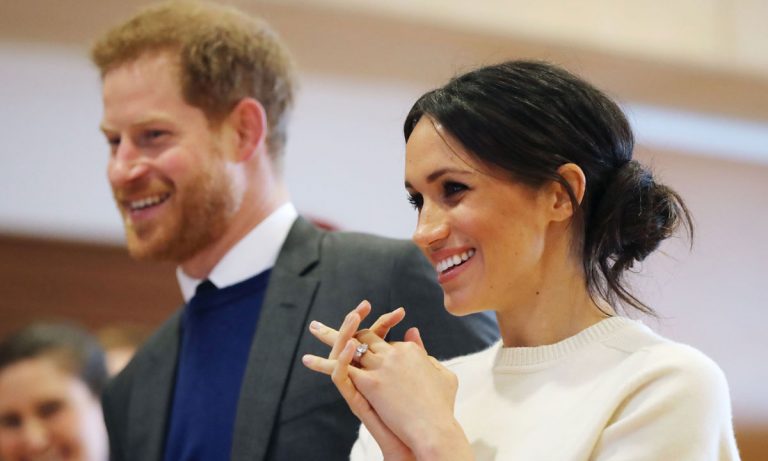
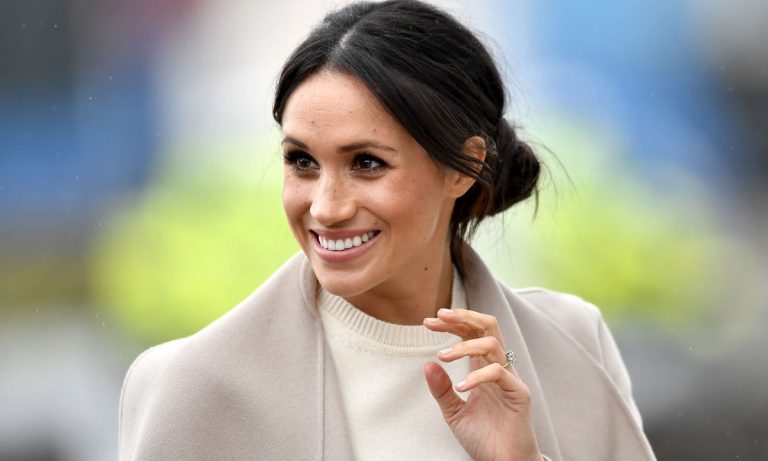
Megan Markle’s nephew is developing a cannabis strain.  Everyone knew there was a chance who family would cash in on her sudden fame being connected with the royal family.  But this is definitely something the royal family is not going to be chill with. The estranged nephew Tyler Dooley gave an interview a couple of weeks ago where he claimed that he was happy for Meghan Markle’s engagement to Prince Harry and that he wished her the best, even though he wasn’t invited to the wedding despite the fact they’re family and grew up together. He has no hard feelings at all.

RELATED: What Meghan Markle Did During Her Secret Trip To Chicago Last Week

Dooley decided the next best thing to being invited to Markle’s wedding was to be with her in spirit. A very high spirit. The Daily Mail reports that even though cannabis isn’t legal in Britain, Dooley is developing a potent strain that’ll be called Markle’s Sparkle. He claims that if Prince Harry and Meghan were to visit him in Grants Pass, Oregon, he’d be more than happy to offer them a sample. Come on guys, he really wants to go the wedding.

While Dooley claims that he doesn’t consume marijuana anymore, his entire family is involved in his business, with his mom doing their advertising. His company is called the Southern Oregon Cannabis Connection, and it began in 2015, back when marijuana was first legalized in Oregon. He now runs the company with two of his friends.

RELATED: Here’s How An Ontario Teen Got Invited To The Royal Wedding

Dooley said that even though England is behind on cannabis law, Markle grew up in California and has an American point of view on marijuana. He also said that “Prince Harry enjoys a good party,”  while reiterating that he’d be happy to show the couple around Oregon.

Player Says 9 Out Of 10 NFL Athletes Use Marijuana

It is popular and has medical benefits – and is the worst kept secret!

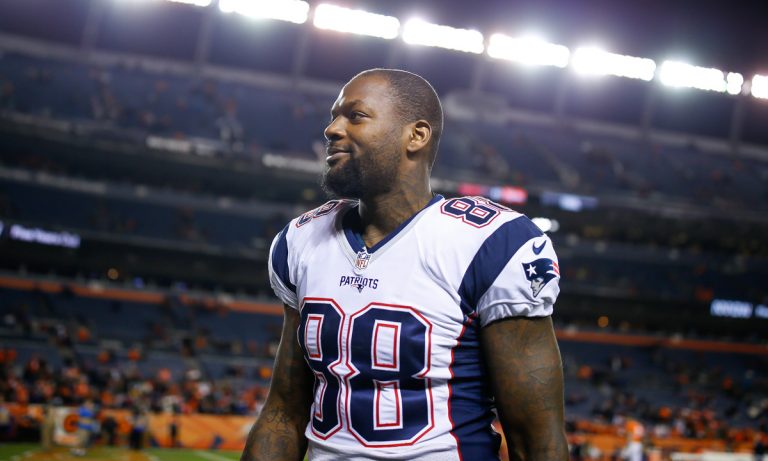
One of the worst kept secrets in the NFL’s is players use marijuana. Despite it increasing popularity, acceptence by the mainstream public and medical benefits, the NFL forbids it.  But Former tight end Martellus Bennett revealed on a past episode of the “Bleacher Report” podcast about use when hosts Chris Simms and Adam Lefkoe asked if over 70 percent of the league uses cannabis.

“I want to say about 89 percent,” Bennett said.

RELATED: Willis McGahee Joins Other Former NFL Pros In Marijuana Activism

One of the hosts was surprised by the number, as that indicates over four out of every five NFL players smoke marijuana. Bennett was then asked if he’s more surprised when a teammate doesn’t smoke weed. “Oh you don’t smoke, bro?” he replied.

Bennett explained how dangerous and addictive painkillers and anti-inflammatory drugs can be—which is why more players now turn to marijuana. In fact it’s why former and current NFL players have advocated for the league to remove cannabis from its banned substances list.

RELATED: Gen Z’rs upending things including weed and voting

“There’s medical marijuana,” Bennett said. “So it’s like, there’s times of the year where your body just hurts so bad, but you don’t want to be popping pills all the time. There are anti-inflammatory drugs you take so long that they start to eat at your liver, kidneys and things like that. A human made that. God made weed.”

NFL players are only subject to testing for marijuana and other drugs of abuse from April through August. Once a player passes that test, he won’t be subject to another test until the following year.

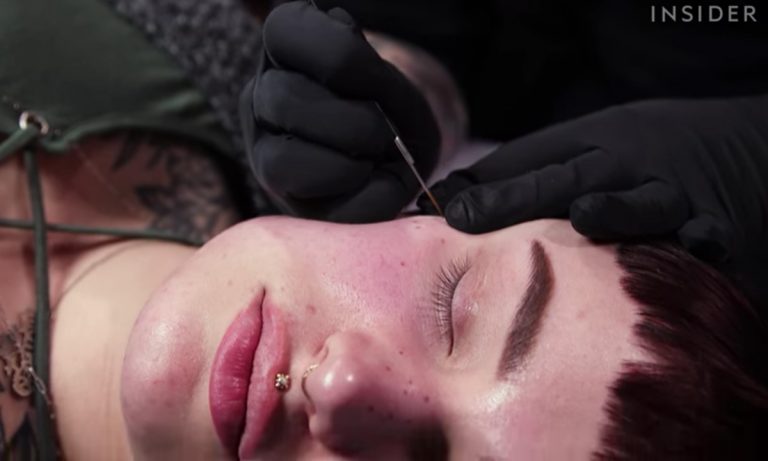
WATCH: People Are Getting Fake Freckles Tattooed On Their Face

Is this part of the Meghan Markle effect? In December 2017, she made headlines after voicing her disappointment that Elle France photoshopped her freckles out of their cover.

Even before that incident, she told Allure: “To this day, my pet peeve is when my skin tone is changed and my freckles are airbrushed out of a photo shoot,” adding that her freckles are one of her favorite feature. “For all my freckle-faced friends out there, I will share with you something my dad told me when I was younger: ‘A face without freckles is a night without stars.’”

And now here we are, a time when people are intentionally getting freckles tattooed onto their faces to add another dimension of character.

Meet Bethany Woloski, a NYC cosmetic tattoo artist:

“I would say about a year and a half ago people started asking about them and it took me awhile to get on board,” she told INSIDER, adding that when she finally decided to try some, they turned out “really cute.”

She says she creates freckles where the sun would naturally hit your face—above the brows, the cheekbones, and the top of the nose. “And then I’ll kind of add a couple in between if the person wants.”

She says she avoids adding perfectly symmetrical freckles on her female clients because it would end up looking “like a doll with freckles stamped on her face.”

To apply the faux freckles, Woloski uses a “stick and poke” method, which is exactly what it sounds like, using a pigment that’s naturally broken down by your own body.

But she’s quick to remind people that even though they’re “freckles,” they are still tattoos that should be taken seriously. If it’s not done properly, by a professional, it could not only look terrible, it will potentially scar you.

Do they look real? Judge for yourself.

5 Companies That Have Incredible Office Perks

0

How cool would it be to go to work every day, only to find that your office is less like a work space and more like one of those decked out “Real World” lofts?

Google is known for it’s exceptional employee perks, like free meals, free cooking classes, on-site gyms and massage therapists. And Facebook, crowned most desirable place to work by Glassdoor in 2017, offers free arcade games, free meals and snacks, an on-site barber shop, and even on-site dental and health care.

And now, Glassdoor has listed some of the 2018 companies that offer the best office perks (not to be confused with employee benefits, like paid vacation and paternity leave). Here are five of the best.

Genentech

This biotech company in San Francisco is, according to Glassdoor, “setting the gold standard when it comes to perks.” They offer shuttle services to their office, which offers on-site child care, car wash facilities, bicycle repair, haircut services, spa treatments and a full-service fitness center.

The Penny Hoarder

The personal finance website headquartered in St. Petersburg, Florida, was voted “the Coolest Office Space” by the Tampa Bay Business Journal, likely because of several things: a library that comes complete with a two-sided fireplace and T-Rex head mantle, according to Glassdoor.

There’s also a room for nursing mothers, a “quiet room” for twice-daily meditation sessions, and an indoor park that features “artificial turf flooring, company-branded yoga mats and beanbag chairs.” There’s also a coffee bar along with air hockey and shuffleboard tables.

Commvault

The data protection and information management software company has one of the coolest office perks at their headquarters in Tinton Falls, NJ: an in-office slide from the fourth to third floors. Also: ping-pong, foosball and pool tables, a fitness center, softball field, basketball court and walking trail, according to Glassdoor. And while the company offers unlimited PTO, why would you want to miss out on all this cool gear? Exactly.

https://giphy.com/gifs/showtime-slide-happyish-gottfrid-xTiTnJpqYrhlhnd21i

Procore Technologies

The best part of the office at this construction management company is its beachside locale in Southern California. If gazing out at calming  waves wasn’t enough, there’s also catered lunches, a dog-friendly office, a gym, and on-site massages and haircuts.

Acquia

Two words: nap room. No, make that three words: beer on tap. This Boston-based cloud company built their office to help motivate employees, which apparently includes snack-stocked kitchens,  foosball, air hockey, ping pong, PS3s, a gym and monthly on-site massages. This is in addition to the non-judgmental naps and beer.

https://giphy.com/gifs/wework-3ov9jPGyeal2ZeB7wc

A Shocking Number Of Doctors On Board With New York Marijuana

Doctors in New York overwhelmingly support medical marijuana, according to a recent survey. According to a study published in the journal Cannabis and Cannabinoid Research71 percent of NY physicians agree that cannabis should be a therapeutic option available to qualifying patients.

Researchers at New York University surveyed practicing physicians to examine their attitudes about medical marijuana. The study concluded 71 percent of said that cannabis ought to be legal for medical purposes, and 76 percent acknowledged having patients who reported using marijuana for symptomatic relief at some point in their lives. The study also revealed 84 percent believe that opioids posed greater risks to patients’ health than cannabis.

These New York results are similar to a 2014 nationwide survey of over 1,500 doctors conducted by WebMD. In that poll, a majority of physicians endorsed medical marijuana.

A total of 164 responses were analyzed in the New York survey. Physician participants were primarily located in New York City and surrounding areas. More than 75 percent reported having patients who used cannabis for symptom control, and 50 percent reported having patients who inquired about marijuana in the past year.

At 69 percent, pain was the most common symptom for which cannabis was recommended. A whopping 84 percent of the doctors say opioids have greater risks than cannabis.

The survey concludes:

Given that the majority of surveyed physicians support [medical marijuana] as an option for patients, few are registered and have adequate knowledge of [medical marijuana]. Although our study sample is small and geographically limited, our survey results highlight key physician issues that are likely applicable to practitioners in other states. Concerted efforts are needed at the federal, state, and academic levels to provide practitioners with evidence-based guidelines for the safe use of [medical marijuana].

Prince Harry Reveals Meghan Markle’s Role In The Commonwealth

The Commonwealth is an association of 53 states from all over the world that were once a part of the British Empire, and that now remain banded together through their shared ideals of democracy and human rights. Over two billion people belong to the Commonwealth, and each country is independent of each other with their own set of laws.

Prince Harry, the Commonwealth’s newly appointed youth ambassador, announced that Meghan Markle would be joining him in this new job. This marks Prince Harry’s first significant role with the organization, where he’ll be in charge of listening and helping over 60 percent of members of the Commonwealth who are under the age of 30.

According to The Telegraph, Prince Harry said that he felt “incredibly grateful” that the woman he’s going to marry would join him in his new job and that he was willing to listen to the Commonwealth’s youth’s concerns and ideas. He also claimed that he’d draw inspiration from his grandmother, who was the “ultimate source of guidance on all things Commonwealth.”

Prince Harry and Meghan Markle’s duties with the Commonwealth will include overseas travels and meeting with young people from all over the world to hear their ideas on how to reach larger audiences and make their voices heard.

According to different sources, once Prince Harry and Meghan Markle are married, they’ll be expected to focus on global issues, while Prince William and Kate Middleton will focus on domestic responsibilities.

How Much Do Millennials Love Marijuana

It’s no secret that younger Americans are more accepting of cannabis than the older generations, but recent poll results show just how much. According to a survey by online pollsters The Tylt, nine out of 10 millennials believe that marijuana is safer than alcohol.

According to the poll, released earlier this month, 84 percent of millennials support legalizing the herb. The survey revealed:

It is interesting to note that more than 8 out of 1o millennials believe that those who are locked up for marijuana-related crimes should be released from incarceration. In 2016, 653,249 people were arrested for marijuana-related offenses — 89 percent of whom were arrested for possession. That’s more than half a million people, yet a 2017 report estimates that 123,000 Americans are now working full-time in the cannabis industry.

Related: Why Are Millennials Dropping Alcohol For Marijuana?

According to its website, The Tylt considers itself to be “the largest and fastest growing social polling and opinion platform among millennials.”

Of course, this is not the first survey to show widespread support for cannabis among younger Americans. A 2017 CBS News poll also demonstrated the trend.

Related: Deep Dive: A Look At America’s Marijuana Evolution

According to the CBS poll, 61 percent of Americans of all ages think marijuana use should be legal, a five-point increase from the previous year and the highest percentage ever recorded in this poll. Among adults between the ages of 18 and 34, 76 percent support legal marijuana use.

Medical Marijuana’s ‘Catch 22’: Why Our Laws Defy Logic

By the time Ann Marie Owen turned to marijuana to treat her pain, she was struggling to walk and talk. She also hallucinated.

For four years, her doctor prescribed the 61-year-old a wide range of opioids for her transverse myelitis, a debilitating disease that caused pain, muscle weakness and paralysis.

The drugs not only failed to ease her symptoms, they hooked her.

When her home state of New York legalized marijuana for the treatment of select medical ailments, Owens decided it was time to swap pills for pot. But her doctors refused to help.

“Even though medical marijuana is legal, none of my doctors were willing to talk to me about it,” she said. “They just kept telling me to take opioids.”

While 29 states have legalized marijuana to treat pain and other ailments, the growing number of Americans like Owen who use marijuana and the doctors who treat them are caught in the middle of a conflict in federal and state laws — a predicament that is only worsened by thin scientific data.

Because the federal government classifies marijuana a Schedule 1 drug — by definition a substance with no currently accepted medical use and a high potential for abuse — research on marijuana or its active ingredients is highly restricted and even discouraged in some cases.

Underscoring the federal government’s position, Health and Human Services Secretary Alex Azar recently pronounced that there was “no such thing as medical marijuana.”

Scientists say that stance prevents them from conducting the high-quality research required for FDA approval, even as some early research indicates marijuana might be a promising alterative to opioids or other medicines.

Patients and physicians, meanwhile, lack guidance when making decisions about medical treatment for an array of serious conditions.

“We have the federal government and the state governments driving a hundred miles an hour in the opposite direction when they should be coming together to obtain more scientific data,” said Dr. Orrin Devinsky, who is researching the effects of cannabidiol, an active ingredient of marijuana, on epilepsy. “It’s like saying in 1960, ‘We’re not going to the moon because no one agrees how to get there.’”

The problem stems partly from the fact that the federal government’s restrictive marijuana research policies have not been overhauled in more than 40 years, researchers say.

Only one federal government contractor grows marijuana for federally funded research. Researchers complain the pot grown by the contractor at the University of Mississippi is inadequate for high-quality studies.

The marijuana, which comes in a micronized powder form, is less potent than the pot offered at dispensaries, researchers say. It also differs from other products offered at dispensaries, such as so-called edibles that are eaten like snacks. The difference makes it difficult to compare the real-life effects of the marijuana compounds.

Researchers also face time-consuming and costly hurdles in completing the complicated federal application process for using marijuana in long-term clinical trials.

“It’s public policy before science,” said Dr. Chinazo Cunningham, a primary care doctor who is the lead investigator on one of the few federally funded studies exploring marijuana as a treatment for pain. “The federal government’s policies really make it much more difficult.”

Cunningham, who received a five-year, $3.8 million federal grant, will not be administering marijuana directly to participants. Instead, she will follow 250 HIV-positive and HIV-negative adults with chronic pain who use opioids and have been certified to get medical marijuana from a dispensary.

“It’s a catch-22,” said Cunningham, who is with the Albert Einstein College of Medicine. “We’re going to be looking at all of these issues — age, disease, level of pain — but when we’re done, there’s the danger that people are going to say ‘Oh, it’s anecdotal’ or that it’s inherently flawed because it’s not a randomized trial.’’

Without clear answers, hospitals, doctors and patients are left to their own devices, which can result in poor treatment and needless suffering.

Hospitals and other medical facilities have to decide what to do with newly hospitalized patients who normally take medical marijuana at home.

Some have a “don’t ask, don’t tell” approach, said Devinsky, who sometimes advises his patients to use it. Others ban its use and substitute opioids or other prescriptions.

Young adults, for instance, have had to stop taking cannabidiol compounds for their epilepsy because they’re in federally funded group homes, said Devinsky, the director of NYU Langone’s Comprehensive Epilepsy Center.

“These kids end up getting seizures again,” he said. “This whole situation has created a hodgepodge of insanity.”

The Trump administration, however, has resisted policy changes.

Last year, the Drug Enforcement Administration had been gearing up to allow facilities other than the University of Mississippi to grow pot for research. But after the DEA received 26 applications from other growers, Attorney General Jeff Sessions halted the initiative.

The Department of Veterans Affairs also recently announced it would not fund studies of using marijuana compounds to treat ailments such as pain.

The DEA and HHS have cited concerns about medical supervision, addiction and a lack of “well-controlled studies proving efficacy.”

Patients, meanwhile, forge ahead.

While experts say they don’t know exactly how many older Americans rely on marijuana for medicinal purposes, the number of Americans 65 and older who say they are using the drug skyrocketed 250 percent from 2006 to 2013.

Some patients turn to friends, patient advocacy groups or online support groups for information.

Owen, for one, kept searching for a doctor and eventually found a neurologist willing to certify her to use marijuana and advise her on what to take.

“It’s saved my life,” said the retired university administrative assistant who credited marijuana for weaning her off opioids. “It not only helps my pain, but I can think, walk and talk again.”

Mary Jo, a Minnesotan, was afraid of being identified as a medical marijuana user, even though she now helps friends navigate the process and it’s legal in her home state.

“There’s still a stigma,” said Mary Jo, who found it effective for treating her pain from a nerve condition. “Nobody helps you figure it out, so you kind of play around with it on your own.”

Still, doctors and scientists worry about the implications of such experimentation.

In a sweeping report last year, the National Academies of Sciences, Engineering and Medicine called on the federal government to support better research, decrying the “lack of definitive evidence on using medical marijuana.”

The national academies’ committee reviewed more than 10,000 scientific abstracts related to the topic. It made 100 conclusions based on its review, including finding evidence that marijuana relieves pain and chemotherapy-induced nausea. But it found “inadequate information” to support or refute effects on Parkinson’s disease.

Yet those who find that medical marijuana helps them can become fierce advocates no matter what their doctors say.

Caryl Barrett, a 54-year-old who lives in Georgia, said she decided to travel out of state to Colorado to treat her pain from her transverse myelitis and the autoimmune disease neurosarcoidosis.

“I realized it worked and I decided to bring it back with me,” she said. “I broke federal law.”

Georgia, meanwhile, permitted limited medicinal use of marijuana but did not set up dispensaries. As a result, patients resort to ordering it online or driving to another state to get it.

The conflict in the law makes her uneasy. But Barrett, who had been on opioids for a decade, said she feels so strongly about it working that “if someone wants to arrest me, bring it on.”

Others experience mixed results.

Melodie Beckham, who had metastatic lung cancer, tried medical marijuana for 13 days in a clinical trial at Connecticut Hospice before deciding to quit.

“She was hopeful that it would help her relax and just kind of enjoy those days,” said her daughter, Laura Beckham.

Instead, it seemed to make her mother, who died in July at age 69, “a little more agitated or more paranoid.”

The marijuana “didn’t seem effective,” nor did it keep her mother from hitting her pain pump to get extra doses of an opioid, her daughter said.

The researchers running the trial at Connecticut Hospice spent two years getting necessary approvals from the Food and Drug Administration, the National Institute on Drug Abuse (NIDA) and the DEA.

Started in May, the trial has enrolled only seven of the 66 patients it plans to sign up because many patients were too sick, too close to death or simply couldn’t swallow the pills. So far, the trial has shown “mixed results,” said James Prota, director of pharmacy for the hospice.

Researchers point out they are still exploring the basics when it comes to marijuana’s effects on older adults or the terminally ill.

“We just have no data on how many older adults are using medical marijuana, what they are using it for and most importantly what are the outcomes,” said Brian Kaskie, a professor at the University of Iowa’s College of Public Health. “It’s all anecdotal.”

Kaskie, who specializes in public policy and the aging, received grants from the state of Colorado and the Chicago-based Retirement Research Foundation to survey the use of medical marijuana by older Americans.

In many quarters, there’s a growing appetite for solid information, he said.

“When I first started this, my colleagues joked we were going to find all the aging hippies who listen to the Grateful Dead,” said Kaskie, who has been studying medicinal marijuana for years. “Now, they’re starting to realize this is a legitimate area of research.”

Twenty researchers received marijuana from the federal program last year, which was more than any previous year since 2010, according to NIDA statistics.

In a recent funding announcement, the National Institutes of Health requested grant applications to study the effects of marijuana and other drugs on older adults and pain.

NIH, however, continues to funnel much of its funding into studying the adverse effects of marijuana, researchers said.

Although NIH acknowledged in one of the announcements that some research supports “possible benefits” of marijuana, it emphasized “there have not been adequate large controlled trials to support these claims.”

Kaiser Health News (KHN) is a national health policy news service. It is an editorially independent program of the Henry J. Kaiser Family Foundation which is not affiliated with Kaiser Permanente.

Why Organic Cannabis Is The Right Choice For You

We’ve all heard the phrase, “Don’t panic, it’s organic!” But why would we panic if not organic and what makes organic such a catchy concept? When it comes to cannabis, these questions are easily answered by taking a look at what exactly it means to be organic and why it really does make a difference.

Let’s start with another catchphrase: “You are what you eat!” Though not to be taken literally, what we put inside our bodies, no matter how we ingest, makes a big difference to our health. Having toxins or chemicals looming in your cannabis means your lungs and organs are going to suffer because of it. You may ask yourself why you don’t feel like you’re full of toxins, but try switching to organic for a week and see if you notice any difference.

When you do smoke some organic, you’re likely to notice a few things about the cannabis. It tastes better, it smells better and it burns more evenly. Marijuana that hasn’t been properly flushed of pesticides or chemicals does more than leave a char while smoking, however. The leftover toxins go straight to your bloodstream, which then has to be flushed itself over time.

There’s also the fact that organic is better for the planet at all stages of cannabis growth. Mother Earth is also comprised of what we put in her, and with all the Monsantos and all the toxic waste producers, doesn’t it make sense that taking the extra care to either grow organically or purchase organically is worth it? Every little bit helps.

Think about it, we now live in a culture where organic is a buzzword that’s connotated with goodness, for the most part. Those who haven’t been converted probably at least wonder if they’re missing out on something. Groceries are often priced higher if organic, which can be a deterrent, but we’re talking about our livelihoods here. Many people pay the premium because it’s worth it to them and their families.

Cannabis is a miracle of a plant and almost every sesh is a good sesh. A lot of the time we’re just smoking what we have access to if dispensaries aren’t nearby or aren’t sanctioned in the states we live in. It may seem innocent enough, but if you have any sort of option, including learning to grow your own, take it. Your pallet and your health will thank you.

The Most Popular Netflix Rentals Every Year Since 1998

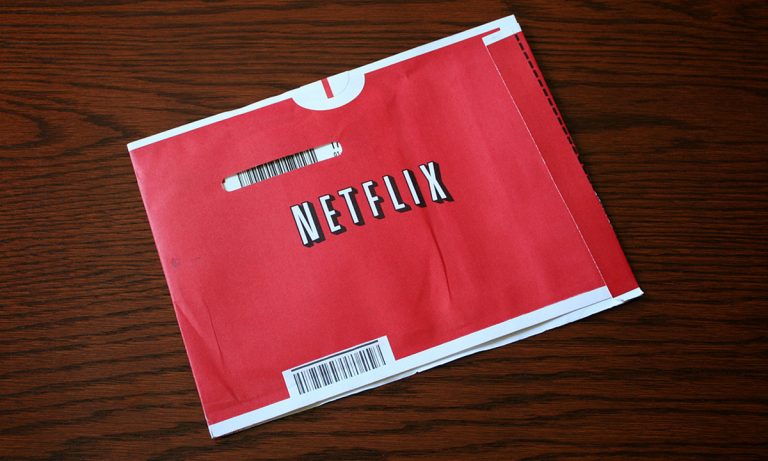
Netflix is the most popular streaming service these days, but back when the service first launched, it was basically just a DVD dealer. And while it’s less popular today, getting your disks mailed to you is still an option Netflix provides.

Over the past 20 years, movies have come and gone and changed a heck of a lot, but which are the most popular among DVD subscribers?

The movies that made the list, which are sorted by release date, range from cult classics to box office smashes and Oscar winners.

Here are some of the most rented titles. For the complete list, head to Netflix.

1998: The Big Lebowski

1999: Office Space

2000: Gladiator

2001: Memento

2002: The Bourne Identity

2003: Mystic River

2004: The Notebook

2005: Crash

2006: The Departed

2007: The Bucket List

2008: The Hurt Locker

2009: The Blindside

2010: Inception

Click here for the remaining eight movies.

Don't Miss Your Weekly Dose of The Fresh Toast.

Stay informed with exclusive news briefs delivered directly to your inbox every Friday.

We respect your privacy. Unsubscribe anytime.