

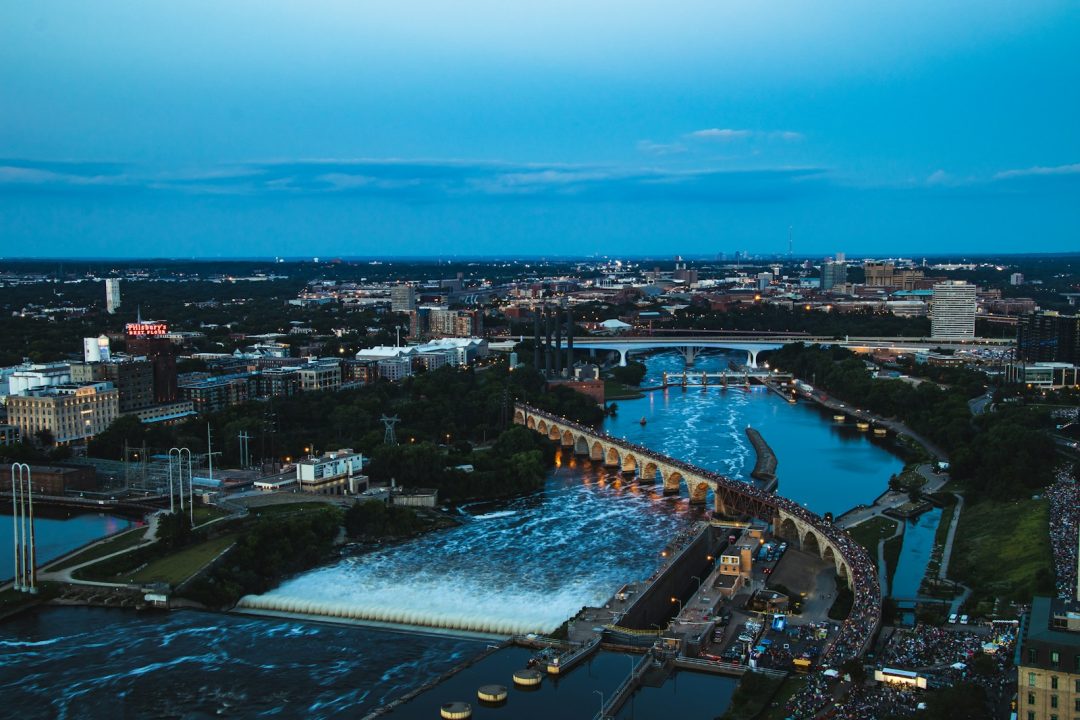
How Minnesota and cannabis evolved, from early decriminalization to legalization, with notable quirks and cautious next steps.
The whole country has been fixed on what is going on there, but what about Minnesota and cannabis? The state has always had a complicated relationship with substances which alter the mood. From beer halls built by German immigrants to the slow, careful legalization of cannabis, the state’s approach has tended to mix cultural enthusiasm with regulatory caution.
RELATED: What The Polymarket Says About Cannabis Rescheduling And More
Cannabis in Minnesota has a longer history than many assume. Hemp was grown in the Upper Midwest as early as World War II, encouraged by the federal government for rope and fiber production. Recreational cannabis use followed national trends in the 1960s and 1970s, but enforcement remained strict for decades. In 1976, Minnesota became one of the first states to decriminalize possession of small amounts, replacing jail time with a fine—an early sign of the state’s pragmatic streak.
Medical cannabis arrived much later. Minnesota legalized medical marijuana in 2014, but with one of the most restrictive programs in the country. Smoking flower was prohibited, qualifying conditions were limited, and access was tightly controlled. That conservative framework shaped public expectations: cannabis was tolerated, but not embraced.
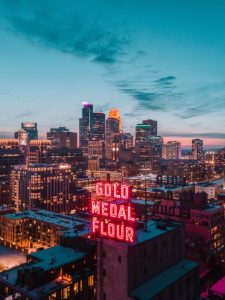
Everything shifted in 2023, when Minnesota legalized adult-use cannabis. The law emphasized public health, equity, and regulation over speed. Tribal nations moved first, opening legal dispensaries on sovereign land, while the state built a licensing system from scratch. The deliberate pace frustrated some consumers, but it also reflected Minnesota’s preference for methodical governance over fast commercialization.
Today, cannabis in Minnesota exists in a transitional phase. Medical programs are expanding, adult-use sales are rolling out gradually, and THC beverages—derived from hemp and legal earlier than marijuana flower—have become a uniquely Minnesotan phenomenon. It is not unusual to find cannabis-infused seltzers sold alongside craft beer in liquor stores, a quirk few states share.
Alcohol, of course, has long been woven into Minnesota’s identity. Waves of German and Scandinavian immigrants brought brewing traditions which still shape the state’s drinking culture. Beer became dominant, from legacy brands like Grain Belt to modern craft standouts such as Summit and Surly. For decades, Minnesota’s “3.2 beer” laws defined how and where alcohol could be sold, reinforcing the idea regulation mattered as much as consumption.
Minnesotans drink at rates roughly in line with the Upper Midwest, with binge drinking historically higher than the national average, particularly in rural areas. Beer remains the favorite, especially light lagers and locally brewed IPAs, though spirits and cocktails have gained popularity in the Twin Cities. Seasonal drinking traditions—from ice-fishing beers to summer lake weekends—remain deeply ingrained.
RELATED: Is CBD Next On The Fed’s Hit List
The contrast between alcohol and cannabis is striking. Alcohol was normalized early and regulated slowly. Cannabis is being legalized carefully, with rules in place before widespread retail access. The reversal reflects changing attitudes, especially among younger adults who increasingly view cannabis as an alternative rather than a supplement to drinking.
Looking ahead, Minnesota’s next steps include expanding retail cannabis access, approving social consumption spaces, and continuing automatic expungement for past cannabis offenses. Policymakers are also watching how cannabis affects alcohol sales, public health, and impaired driving.
In typical Minnesota fashion, the goal is balance. Not prohibition. Not a free-for-all. Just a steady, regulated approach to substances have always played a role in how Minnesotans relax, socialize, and unwind—whether at a lake cabin, a neighborhood bar, or somewhere new entirely.
