

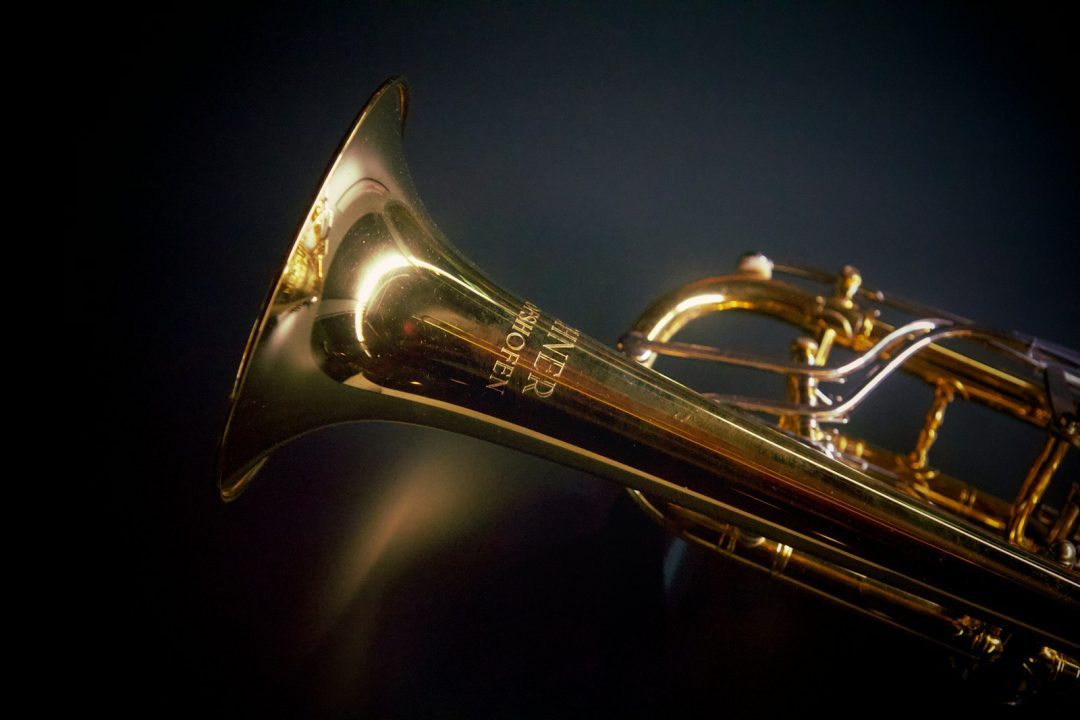
This jazz legend was a big fan of cannabis, and his groundbreaking music reshaped American culture.
Few musicians shaped American music as profoundly, but did you know this jazz legend was a big fan of cannabis. Louis Armstrong was known for his unmistakable gravelly voice, brilliant trumpet playing, and larger-than-life personality. He helped transform jazz from a regional style into a global art form. Along the way, he also became one of the most famous early public figures to openly embrace cannabis, which he affectionately called “gage.”
Born in 1901 in New Orleans, Armstrong grew up in poverty in a rough neighborhood known as “Back o’ Town.” Music became both an escape and a path forward. After being sent to a reform school as a child, Armstrong learned to play the cornet in the institution’s band, an experience that set him on a lifelong musical journey. By the early 1920s he was performing professionally, eventually joining the influential bands led by King Oliver in Chicago.
RELATED: Cannabis And Creativity Are Becoming The Coziest Trend
Armstrong quickly distinguished himself from other musicians of the era. In the early days of jazz, the music emphasized collective improvisation, where multiple instruments improvised simultaneously. Armstrong revolutionized the genre by elevating the importance of the soloist. His groundbreaking recordings with his groups, the Hot Five and Hot Seven in the mid-1920s, demonstrated a dazzling ability to improvise melodic trumpet solos with precision, emotion and swing. These recordings are widely credited with shifting jazz toward a more solo-driven art form and influencing generations of musicians.
Armstrong also helped popularize scat singing, a vocal improvisation technique in which the singer uses nonsensical syllables instead of lyrics. His 1926 recording of “Heebie Jeebies” became one of the most famous early examples of the style and helped cement his reputation as both an innovative instrumentalist and vocalist.
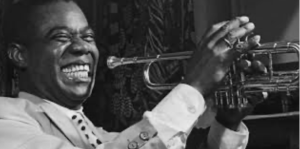
As his career expanded through the 1930s, 1940s and beyond, Armstrong became an international star. His warm personality and musical brilliance made him one of the first Black entertainers to achieve widespread global fame. Songs like “What a Wonderful World,” “Hello, Dolly!,” and “La Vie En Rose” turned him into a household name, while his tours across Europe, Asia and Africa helped introduce jazz to audiences worldwide.
But Armstrong’s life offstage was just as colorful. Throughout much of his adult life, he was an enthusiastic supporter of cannabis. At a time when marijuana was increasingly criminalized in the United States, Armstrong openly praised it. He believed it helped him relax, think creatively and connect with fellow musicians.
In fact, Armstrong was arrested for cannabis possession in 1930 while touring in Los Angeles. The arrest briefly landed him in jail, though the experience did little to dampen his affection for the plant. In later interviews and letters, Armstrong frequently spoke fondly of marijuana, describing it as something which brought people together and enhanced the musical atmosphere among jazz performers.
RELATED: The Connection Between Country Music And Cannabis
Armstrong often referred to cannabis as “gage,” a term common among jazz musicians of the era. Many performers in the jazz community saw marijuana as part of the creative culture surrounding late-night jam sessions and touring life. For Armstrong, it was simply another part of the rhythm of life.
Despite occasional controversy, Armstrong’s musical legacy remains unmatched. His innovations reshaped jazz, influenced virtually every trumpet player who followed, and helped bring improvisational music into the mainstream. More than half a century after his death in 1971, Louis Armstrong is still remembered not only as one of the greatest musicians in history, but also as a cultural pioneer who lived life on his own terms.
