

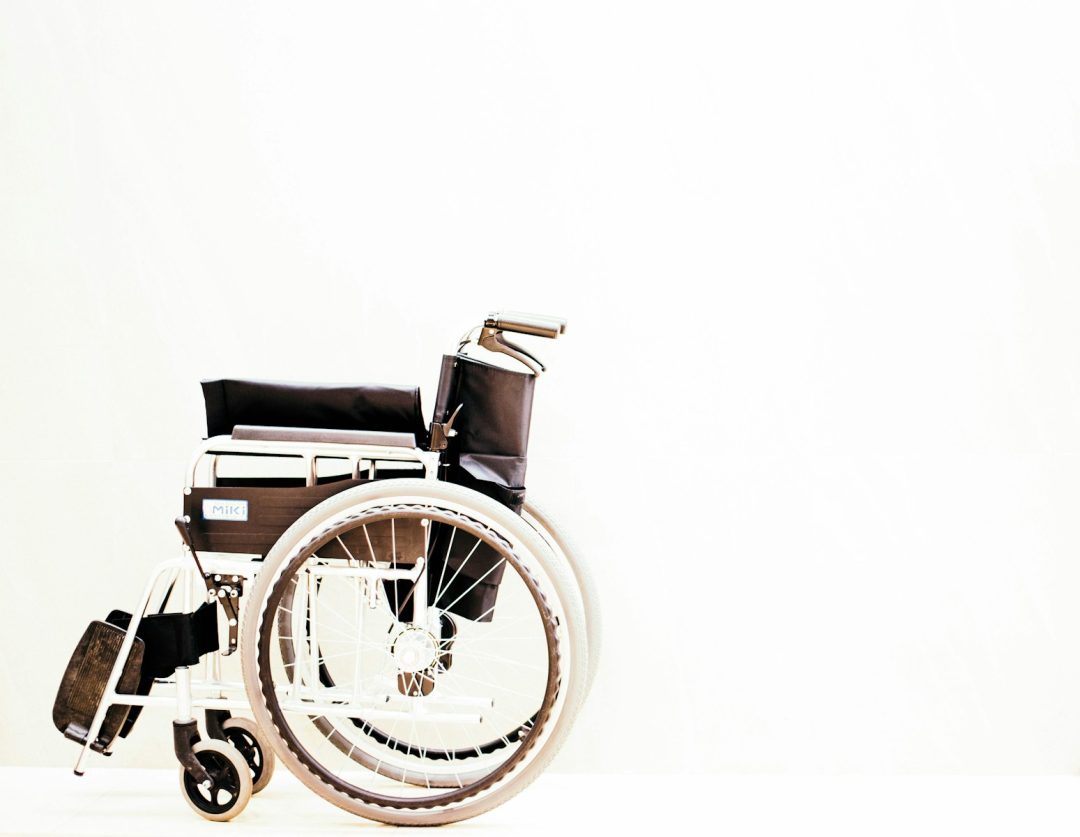
Feds reveal medical cannabis is very popular with the disabled, according to a new federal study examining pain relief, access and policy implications.
In a move displaying the practical use of marijuana, the feds reveal medical cannabis is very popular with the disabled for a sound reason. A newly released federal study finds Americans living with disabilities are increasingly using cannabis to manage pain, stress and other chronic symptoms, underscoring a growing gap between patient behavior and federal drug policy.
The research, published in the Disability and Health Journal and funded by the National Institute on Disability, Independent Living, and Rehabilitation Research, draws on data from nearly 2,000 adults who self-identify as having a disability. About 22 percent of respondents reported current cannabis use, a rate notably higher than estimates for the general adult population.
RELATED: 5 Ways Microdosing Cannabis Can Boost Work Performance
Pain relief was the most frequently cited reason for use. More than 70 percent of participants said they use cannabis to manage pain, while roughly 60 percent reported using it to relax or reduce tension. Others cited relief from migraines, nausea, muscle spasms, sleep disturbances, seizures and mental health symptoms. Participants represented a wide range of disability types, including mobility, cognitive, vision, hearing, self-care and independent living limitations.
Researchers note the data is self-reported and not nationally representative, with respondents skewing toward white, female and college-educated individuals. Still, the authors concluded cannabis use is prevalent across disability categories and warrants greater attention from public-health officials and policymakers.

The findings arrive as the administration weighs whether to follow through on plans to reschedule cannabis under the Controlled Substances Act. Marijuana is currently classified as a Schedule I substance, a category reserved for drugs with no accepted medical use, despite growing evidence and widespread patient use. Moving cannabis to Schedule III would formally acknowledge its medical value and reduce barriers to research.
For patients with disabilities, rescheduling is not an abstract policy issue. Federal classification affects everything from clinical research and physician guidance to affordability and access. Because cannabis remains federally restricted, doctors often lack clear guidelines, large-scale clinical trials remain limited, and insurance coverage is nonexistent. Patients are left navigating a patchwork of state rules while managing complex health needs.
Advocates say the study highlights how policy has lagged behind reality. Millions of Americans with chronic conditions are already using cannabis as part of their care, often after conventional treatments failed or caused severe side effects. Many report turning to cannabis to reduce reliance on opioids, muscle relaxants and sleep medications, which can carry significant risks with long-term use.
RELATED: There’s No Known Cure For Arthritis, But Marijuana Works Wonders
Public-health experts warn continued delay has consequences. Without expanded research and standardized medical guidance, patients rely on trial and error rather than evidence-based care. For people with disabilities, who frequently manage multiple conditions at once, the uncertainty can be particularly harmful.
Rescheduling would not legalize cannabis nationwide, but it would ease research restrictions, encourage clinical studies focused on disability-related conditions, and provide clearer guardrails for physicians and patients alike. Supporters argue it would move cannabis use out of the shadows and into a more accountable medical framework.
As federal officials debate next steps, the study adds urgency to the discussion. For people living with daily pain and functional limitations, cannabis is not about recreation. It is about relief. The question now is whether federal policy will catch up with the patients already depending on it.
