Cannabis use may no longer disqualify prospective applicants from joining the U.S. Air Force or U.S. Space Force as long as they stop consuming it once in the service. Recruits who otherwise qualified to serve but tested positive for THC at Military Entrance Processing Stations might be granted a waiver, Maj. Gen. Ed Thomas, commander of Air Force Recruiting Service told Air Force Times.
He emphasized that applicants who test positive for THC while at MEPS are “permanently” prohibited from entering the Air Force or Space Force. However, with more states legalizing marijuana, the number of THC-positive applicants is rising. “We have to be realistic today,” Thomas continued. “We need to exercise common sense.”
Photo by RapidEye/Getty Images
While it’s unclear when this policy will be finalized, other U.S. military service branches have taken similar steps. Last year, the Navy undertook a pilot program for a period of two years, during which applicants who test positive for marijuana or THC at MEPS will be able to move on to boot camp after a three-month waiting period. The Marine Corps has a slightly different approach to THC-positive recruits, allowing them to return to MEPS after 45 days.
Latest Legislative Efforts
Meanwhile, in July 2020, the House of Representatives approved a measure permitting the use of hemp products and its derivatives for military service members.
Recently, two amendments to a must-pass defense spending bill concerning marijuana-related issues in the U.S. military were also green-lighted by the members of the same chamber.
Sponsored by Rep. Anthony Brown (D-MD), the first proposal was centered on cannabis sentencing standards under the military code. It sought a Military Justice Review Panel “develop recommendations specifying appropriate sentencing ranges for offenses involving the use and possession of marijuana.”
The other proposal from Rep. Seth Moulton (D-MA) seeks a Defense Department-led study on the efficiency of cannabis for certain conditions as compared to opioids.
Researchers behind a recent study found that 82% of pregnant women were able to find relief by using marijuana, which was also effective in helping them gain weight.
Pregnancy-related nausea is one of the most common experiences among expectant mothers. Around half of expecting mothers experience it. The nausea can strike any time: day or night, and for some, it can last the whole day long. It varies in severity; some people only have mild nausea while for other women, it can be debilitating — so much so, that they can even lose their appetite.
In the medical world, this is known as hyperemesis gravidarum, and is usually treated with any of several conventional pharmaceutical drugs. However, many of these drugs don’t work for women. When pregnant women are unable to eat due to severe nausea, this can have serious and fatal implications: low birth weight in infants, miscarriage, dehydration, encelopathy, and depression are among the many risks.
Photo by Amina Filkins via Pexels
A new study published in the journal GeburtshilfeundFrauenheilkunde has found that cannabis actually works better than prescription drugs when it comes to treating hyperemesis gravidarum. Researchers from the University of California, Los Angeles together with researchers from Oregon’s Hyperemesis Education and Research Foundation polled 550 people who experienced nausea while pregnant. The results showed that 96% of respondents said they used anti-emetic medications while 14% said they used marijuana. A majority of those who did use marijuana reported that they did so because the anti-emetics were not effective in treating this condition.
Additionally, 82% of those who used marijuana said they were able to find relief and it was effective in helping them gain weight. “This study adds to the growing literature supporting antiemetic properties of cannabis and cannabinoid compounds while also suggesting their potential to treat HG… A minority of respondents in this survey reported using cannabis for HG; however, those who used cannabis or CBPs [cannabis-based products] reported more frequent relief from HG symptoms compared to those who used prescription anti-emetics,” the authors concluded.
The authors added: “Cannabis products may be perceived as a more effective alternative, but more research is required to understand its mechanism and safety… In the meantime, providers must weigh unknown risks of recommending cannabis.. with the well-established risk of adverse and fetal outcomes for refractory HG.”
Other Studies
There have been similar studies and reports yielding positive outcomes among pregnant women who use cannabis for HG.
In 2021, a study out of Israel analyzing four reports revealed that inhaling cannabis has had beneficial outcomes and improved quality of life for subjects with HG. Researchers at the Shamir Hospital and Ariel University analyzed four women in particular, who were tasked to undergo evaluation prior to and after cannabis use.
All four women reported “highly significant improvements” in vomiting, nausea, and weight gain. Marijuana use also increased scores measuring quality of life. It was also good to note that the expectant mothers who used marijuana didn’t have an impact on babies prenatal or post-natal development. “While more research is needed before cannabis can be considered for use in HG, this report suggests that cannabis should be tested in appropriately-powered control trials for this severe and protracted maternal condition, addressing both maternal effect and potential adverse fetal effects,” the authors concluded.
In another study from 2021, University of New Mexico (UNM) researchers analyzed symptoms among 2,200 participants from 5 minutes to an hour after consuming cannabis. They found that a whopping 96% of patients experienced relief in as little as under an hour.
“Despite increasing clinical concerns regarding cyclical vomiting or hyperemesis syndrome in cannabis users, almost all users experienced relief,” explains UNM assistant professor and study author, Sarah Stith.
Photo by cottonbro via Pexels
“The mechanisms behind cannabis’ ability to rapidly reduce feelings of nausea are not fully clear, but like involve the plant’s ability to activate CB1 receptor responses to other stimuli in the central nervous system, such as the insular cortex, which is involved in interoception, conscious awareness of internal bodily states, and an example of a brain region that is naturally modulated in part by endocannabinoids that naturally develop in the human body,” explains co-author Jacob Vigil, an associate professor at UNM. “Therefore, it is unsurprising that phytocannabinoids that develop in the Cannabis plant are also effective at stimulating similar brain regions.”
Why Cannabis Works
It’s no surprise that more women are turning to marijuana to treat hyperemesis gravidarum. A 2018 studyA 2018 study out of California found that more women were using cannabis, and those who were in their first trimester suffering from extreme nausea and vomiting were more likely to do so. Researchers analyzed 220,000 pregnancies in the state from 2009 through 2016 and found that the average use was at 5.3% though this jumped to 11.3% for pregnant women with severe nausea.
“Our findings add important evidence to a small but growing body of research suggesting that some pregnant women may use marijuana to self-medicate morning sickness,” explains Kelly Young-Wolff, PhD, lead author of the study.
The endocannabinoid system helps to regulate numerous bodily functions including maintaining homeostasis and healthy central nervous system function. They also act on the gastrointestinal system, helping to regulate food intake, lipid synthesis, and many more.
Cannabinoids act on the CB1 receptors to reduce emesis and intestinal motility; studies have also found that the antiemetic capabilities of marijuana happens because of the CB1 receptors found in the dorsal vagal complex, also known as the DVC. The DVC houses 3 nuclei that helps process information from the nerve to the gut as well as other structures in the body.
Other research suggests that the way cannabinoids interact with serotonin receptors helps it curb nausea effectively.
Conclusion
For pregnant women suffering from hyperemesis gravidarum, speak to your physician about the options available for safely integrating cannabis or CBD products into your lifestyle. With more expectant mothers medicating with cannabis for uncontrollable nausea, there are now more safer options than ever before to chose from. You are no longer confined to pharmaceutical drugs for treating this condition.
A new study finds a simple and scientific solution to help couples have more sex.
A new study found that women are more likely to initiate sex if their partners are willing to split the chores evenly.
The study, published in the Journal of Sex Research and conducted by researchers at Swinburne University of Technology, surveyed 299 Australian women between the ages of 18 and 39, comparing their relationship characteristics to sexual desire. The questions were designed to measure how balanced respondents thought their relationship was and how satisfying they were with their sex life.
Photo by We-Vibe Toys via Unsplash
As expected, the study revealed that “women in equal relationships (in terms of housework and the mental load) are more satisfied with their relationships and, in turn, feel more sexual desire than those in unequal relationships,” according to researchers.
A deeper look at the study demonstrated that splitting chores increased women’s dyadic sexual desire, which is the desire that refers to emotional and physical closeness to other people.
This isn’t the first study to find a link between more sex and splitting up chores around the house. A study published in 2016 found that heterosexual couples that were equals were happier overall, having a better connection and more sex.
“Sharing the load is beneficial. Couples who have a more equal division of labor seem to be happier, and that’s reflected in various ways, only one of which is sex,” said study co-author Sharon Sassler. “It’s kind of a no-brainer. Contributing more does make a partner appreciate what the other partner is doing.”
The study showed that if one partner did all of the housework, they were likely to want less sex, no matter if they were men or women. “That’s a total overturning of gender roles, and neither men or women seem to be happy with that,” said Sassler.
High-quality vapes with healthy components are not always expensive the same way expensive vapes are not always of the best grades.
Vaping is popularly considered as the lesser of all evils for all cannabis users around the world. Nothing can be a hundred percent safe though.
Nowadays, the market is littered with various types of vaporizers with different atomizers and cartridges. Expectedly, choosing a vape might be a dilemma for customers, as well as canna-entrepreneurs — especially new investors.
Photo by Toan Nguyen via Unsplash
Safety is the most important thing to look for
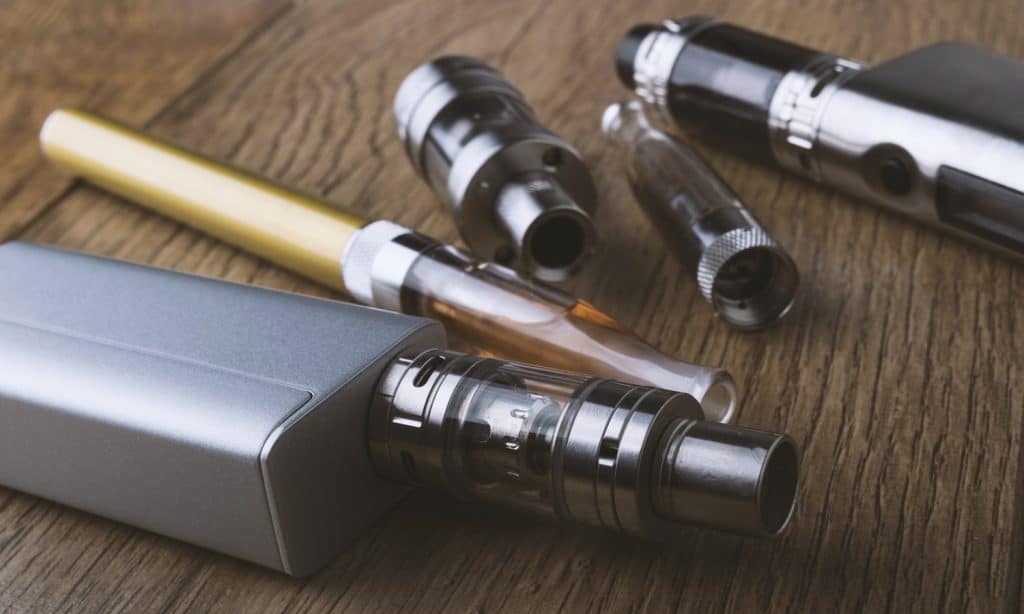
All vapes do not have an equal measure of safety. Some are safer than others. Thanks to the ever-evolving technology, many unique types of vapes have been developed. Most brands choose profit over the health of their customers, which is why you should always check the components of your vaporizers before buying, including:
Gaskets
Silicone gaskets have the best quality. These sealing gaskets maintain low odor, utmost flexibility, low molding pressures, minimal toxicity, and very low leaching features. They have the ability to offer both low and high temperatures.
The function of the sealing gasket in a vape is to avoid leaking of the vaporized cannabis while securing the other components in their right places.
Photo by Vaporesso via Unsplash
These silicone gaskets are also of different types. Each has a serviceable temperature that was between the range of -55°C to 200°C.
Cartridge Tube
This component has the most surface area that comes in contact with the extract. It is more or less the most important aspect of the vape; more reason why you should always check how it fares on the healthy range.
When purchasing a vale, you must know the material used to create the cartridge tube.
One of the safest materials that can be used for this tube is glass —Fused Borosilicate Quartz. This glass can withstand temperatures as high as 1,100°C. Moreover, it cannot be leached. This material is also popular because it is used to stir nuclear waste.
Glass is an inert material that is non-hazardous. Actually, the heating material is not totally made of fused borosilicate quarts, it is made of ceramic or aluminum and then finished with the glass material for its non-leaching features.
Photo by Ivan-balvan via Getty Images
In addition to the safe heating features, they also preserve the flavors of the extracts, improving the quality of the output that is inhaled.
Once you notice that the cartridge tube is made with polycarbonate materials, do not make a purchase. These plastic materials can leach basic products at very high temperatures. Posing a very high health risk for users.
Coil
Ever wondered where the “vaporization” occurs in a vape? It’s here in the coil.
When voltage is passed through the device, the heating device supplies a certain degree of temperature. This heat gets to the already absorbed oil in the wicking material and vaporizes it into an aerosol.
All material used in this coil must be of a consistent material and the purity of these materials must be ascertained.
Photo by HAZEMMKAMAL/Getty Images
Cartridge Cotton
This is the unwoven viscose that triggers the rocking effect of the coils.
The cotton soaks up the extract and transports it to the core of the cartridge in record time. When inspecting the cotton, ensure the material used will never reach burning temperatures while it is being used.
Also check that the core of the cartridge is ceramic, as this will allow for the extract to be absorbed faster.
Mouthpiece
This is the component that comes in contact with the mouth. The inner mouthpiece is most likely to be leached if the material used is unsuitable for harsh temperatures.
The brass alloy called H59 is commonly used in most vapes found in the market. There is a misconception that this material is lead-free. H59 contains a small quantity of lead at a little over 2%. Manufacturers sometimes use other brass alloys kike H59-B1 and B2, but this can also be leached—it contains 0.05% of lead.
The healthiest material that can be used to make the inner mouthpiece is medical grade 304 stainless steel. This material has been proven to contain no lead. Also, make sure that the material used in the finishing of materials can also contain lead. Do not purchase vapes that have been finished with gold or black electroplating.
Photo by Martina Paraninfi/Getty Images
Caring for your vape
Initial burn-off: This is the process of heating an empty vape to burn off gas, residual oils, and any form of residue from the factory that lingers.
To maintain the healthy state of your vape, I’d suggest you undergo a burn-off cycle anytime you clean your vape. Doing this would ensure there are no residual cleaning solutions within your vapes. Inhaling these solutions can have adverse effects on your health.
During a burn-off cycle, a process called “off-gassing” occurs.
This is a brief moment in which vapor is released from the unsuitable materials in a vape. This occurrence can produce toxins or harmful chemicals. The more this occurs in a vape, the more reason you should replace the vape. It indicates that very good materials were used in making the vape product.
Disregarding this off-gassing effect may cause more damage to the user. It is commonly said that it is better to smoke than use a vape that is continuously off-gassing.
Keep in mind
High-quality vapes with healthy components are not always expensive the same way expensive vapes are not always of the best grades.
Using a price tag to determine how safe a vape is might be a costly and expensive mistake. Rather than put it to chance, check through the components yourself. Find and purchase the safest vape you can find.
Court documents, attorneys, and parent statements show that marijuana is still a significant factor in family courts, leading to family separations.
Despite the legalization of marijuana in New York, child welfare agencies continue to report bias in family courts, with parents being separated from their children due to marijuana usage. These parents are often a part of minorities, a trend that has been ongoing ever since the start of the war on drugs.
When marijuana was legalized earlier this year, many lawmakers argued that racial equity was one of the main perks behind this decision. The data that’s available doesn’t seem to support these statements.
Photo by Anton Petrus/Getty Images
Gothamist interviewed parents who had been affected by these decisions and had a look at court documents that showed that despite marijuana being legal, the drug continues to play a factor in family separations.
“Half of those interviewed at length were parents who said it has felt impossible to extricate themselves from deeply rooted biases in the child welfare system surrounding marijuana use, specifically toward people of color,” says Gothamist. “Those interviews, along with records from family court cases, suggest marijuana continues to be used both to help separate children from their parents and keep families apart in long-running family court cases.”
The state’s Administration for Children’s Services (ACS) claims marijuana is never the sole reason why a child is separated from their parents, but this is a difficult claim to verify since family court cases have more protective layers. According to the agency, drug and alcohol claims are often lumped together, making these issues difficult to differentiate.
A spokesperson for the agency said the purpose of their investigation is to “assess the impact any misuse has on child safety.” This data is then reviewed by a family judge, who makes the decision to put the child in foster care if necessary.
Many lawyers and family members who were interviewed claimed the ACS’s attitude regarding marijuana hasn’t changed in years, even when talking about medical marijuana, which was approved in New York in 2014. They say there’s an assumption from the agency that using marijuana of any sort is linked with mental instability.
Marijuana legalization in the US is often a bureaucratic process, one that takes years and years to settle and find its groove. Still, when talking about racial equity, a topic that’s been called a priority in New York, it’s pivotal for the government to do its part and fulfill its promises.
Researchers recruited 274 cannabis users who had used cannabis at least weekly over the past three months, and matched them with non-users of the same age and gender.
New research by the University of Cambridge, U.K, showed that “adult and adolescent cannabis users are no more likely than non-users to lack motivation or be unable to enjoy life’s pleasure.”
According to researchers, “there is no scientific basis for the stereotype often portrayed in the media.”
“We’re so used to seeing ‘lazy stoners’ on our screens that we don’t stop to ask whether they’re an accurate representation of cannabis users,” the authors said. “Our work implies that this is in itself a lazy stereotype.”
Scientists from UCL, the University of Cambridge and the Institute of Psychiatry, Psychology and Neuroscience at King’s College London examined whether “cannabis users show higher levels of apathy (loss of motivation) and anhedonia (loss of interest or the pleasure of rewards) compared to controls and whether they were less willing to exert physical effort to receive a reward.”
The team recruited 274 adolescent and adult cannabis users who had used cannabis at least weekly over the past three months, with an average of four days per week, and matched them with non-users of the same age and gender, according to the study published in the International Journal of Neuropsychopharmacology.
Photo by Dejan Marjanovic/Getty Images
Method: Participants completed questionnaires to measure anhedonia and their levels of apathy. Nevertheless, the researchers did not find a link between the frequency of cannabis use and either apathy or anhedonia in the people who used cannabis.
Results: “We were surprised to see that there was really very little difference between cannabis users and non-users when it came to lack of motivation or lack of enjoyment, even among those who used cannabis every day,” Martine Skumlien, a Ph.D. candidate in the Department of Psychiatry at the University of Cambridge said after seeing the results. “This is contrary to the stereotypical portrayal we see on TV and in movies.”
Conclusions: However, “we need studies that look for these associations over a long period of time to confirm these findings,” said Dr. Will Lawn, from the Institute of Psychiatry, Psychology, and Neuroscience at King’s College London.
Photo by RODNAE Productions from Pexels
More Than Lazy Stoners
A 2017 study found that marijuana users, who are commonly singled out as unproductive people, have instead proven to be successful cannabis entrepreneurs. According to the study, cannabis users may feel motivated or be able to enjoy the pleasure of life, as well.
In addition, is known that many athletes, recognized as cannabis patients, have taken marijuana as a replacement for modern medicine. Recently, Aussie Footie legend Andrew Johns revealed that medicinal cannabis is helping him with chronic pain and brain seizures. Johns said that for almost 30 years he depended on sleeping pills and anti-inflammatory meds, but medicinal cannabis reversed that need.
A pair of studies linked this type of food to cancer, especially in people who consumed large amounts of it over their lives.
Many foods have been linked to cancer, but one food group continues to reappear as a risk factor. According to two new studies, processed foods like hot dogs and chips continue to be paired with cancer and having higher risks of death.
NBC News reported on these findings, showing why these studies are concerning when applied to the general population.
Man Escapes Driving Ticket By Saying That He Was Eating A McDonald’s Hash Brown
The two studies, one conducted in Italy and one in America, followed large groups of people and found consistent results.
In the study conducted in America, specifically on U.S Health workers that were trailed for a period of 24 to 28 years, researchers found that men who consumed high amounts of ultra-processed foods had a risk of 29% of developing colorectal cancer. And while the participants that were the highest consumers of ultra-processed foods ate about 80% of their daily caloric intake from that source, the national average in the U.S. is 57%. Not as extreme, but not that far off.
Interestingly, researchers didn’t find these same results when applied to women. One possible theory is the existence of estrogen, which might protect women from these adverse side effects.
Processed and ultra-processed foods are tough to define, but people generally associate the term with junk foods. Ultra-processed foods have even more chemicals and additives than processed ones, like microwave dinners and packaged sweets.
Another interesting finding is the strong link between colorectal cancers and these types of foods. Researchers believe that this is due to the stomach lining being the first element in contact with the foods.
“Diet is probably playing a role in the increase in obesity that we continue to see, and we know that obesity is associated with colorectal cancer and other cancers as well,” said Caroline Um, principal scientist at the American Cancer Society. “We’re seeing more young adults being obese [and] having things related to obesity, such as diabetes and metabolic syndrome.”
We all know processed foods aren’t healthy, but it might be helpful to learn just how unhealthy they are, with their effects going beyond our waistline. They’ve been previously linked with brain damage, cardiovascular disease, and more.
A study conducted in Brazil found that people who consumed over 20% of their caloric intake from processed foods experienced a faster decline in brain performance. Compared to the results of the study conducted on health workers, the evidence is concerning and something that may take decades to recover from.
Warning Letters are a fairly minor enforcement action. However, the FDA also has the authority to levy fines and even refer cases to the Department of Justice.
The Food and Drug Administration (FDA) has consistently taken the position that cannabidiol derived from hemp (CBD) cannot be marketed or sold as a dietary supplement or food. The FDA’s position is based on the fact that CBD has been approved for use in a pharmaceutical drug and therefore cannot legally be sold in any ingestible form.
In addition, if a CBD company makes any health or wellness claims (e.g., CBD can help you relax, CBD cures back pain) then the FDA will consider the product an unauthorized drug.
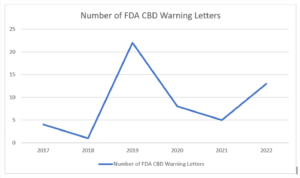
The FDA has enforced this position against companies selling CBD by issuing Warning Letters, which, as the name suggests, warns companies regarding the improper sale of adulterated and misbranded foods. Despite the consistency from the FDA, there has been a recent uptick from the agency in sending out Warning Letters to CBD companies.
*note: one letter was sent in 2022 to a company selling delta-8 and is not reflected in this graph.
As you can see, the Warning Letters spiked in 2019, which coincides with the passage of the 2018 Farm Bill in December 2018. With the rise of Covid, the FDA was preoccupied with the pandemic and the amount of Warning Letters decreased significantly. However, it appears that the FDA is again setting its sights on CBD, with 13 Warning Letters going out in 2022. I would expect that number to increase because the year is not yet complete.
Warning Letters are a fairly minor enforcement action. However, the FDA also has the authority to levy fines and even refer cases to the Department of Justice. A Warning Letter can also lead to more severe actions from the FDA, as well as harm a company’s reputation and spook investors.
Because of this uptick in Warning Letters, it’s a good time to reevaluate how to mitigate risks of selling CBD. This requires avoiding any direct or indirect claim that CBD has any health or wellness benefits. Direct claims are along the lines of “CBD cures insomnia” or “CBD can treat anxiety.” Indirect claims can be referencing a study regarding CBD, posting customer reviews indicating that CBD has some medical benefit, or implying in any way that CBD does in fact have some positive health or wellness impact.
If you are unsure how to mitigate the risks associated with CBD products, feel free to reach out to our regulatory attorneys for more information.
Daniel Shortt is a corporate and regulatory attorney based in Seattle, Washington who works extensively with entrepreneurs in the cannabis industry. You can contact him at info@gl-lg.com or (206) 430-1336. This article originally appeared on Green Light Law Group and has been reposted with permission.
The study showed similar results to previous studies that have recognized an association between cannabis use and a lower risk of developing cancers such as bladder, neck, and liver cancer.
A new study published in the journal Cancer Medicine explored the association between cannabis use and the risk of urological cancers. Researchers analyzed the cannabis use of 151,945 individuals with information on cannabis use in the UK Biobank from 2006 to 2010.
Related to the study’s method, “Crude and age-standardized incidence ratios of different urological cancers were evaluated in the entire cohort and subgroups. Cox regression was performed for survival analysis,” said the study conducted by researchers from China, the UK, and France.
Results: Researchers found that previous use of cannabis was a “significant protective factor for renal cell carcinoma and prostate cancer in multivariable analysis.”
Another association between previous cannabis use and renal cell carcinoma, as well as bladder cancer, was seen in women but not in men. The study also found no significant association between cannabis use and testicular cancer.
Photo by Tima Miroshnichenko via Pexels
Conclusion: “Previous use of cannabis was associated with a lower risk of bladder cancer, renal cell carcinoma, and prostate cancer,” the researchers stated. “The inverse association between cannabis and both renal cell carcinoma and bladder cancer was only found in females but not in males.”
The study showed similar results to previous studies that have recognized an association between cannabis use and a lower risk of developing cancers such as bladder, neck, and liver cancer.
According to another recent study published in the journal Cureus, on a trial that included participants enrolled in the NY state’s medical cannabis registry, patients with advanced cancer respond favorably to medicinal cannabis.
Said researchers, “The goals of this study were to review the characteristics of patients who received medical marijuana under our ambulatory palliative care program and to determine barriers to access and use of medical marijuana in this population.”
Bank failures, Indictment, weather – it has been a week, time to set back and unwind in a healthy way.
Rough weather, indictments and calls for riots, bank failures have dominated the news – all that is missing are murder hornets and an interview from Prince Harry and Meagan. Maybe it is time to unplug, unwind and chill in a healthy way. Relaxation is “a process that decreases the effects of stress on your mind and body.”
According to the Mayo Clinic, nearly everyone can benefit from learning relaxation techniques. Breathwork and meditation are common relaxation techniques, as is drinking herbal tea or using aromatherapy. Consider a long walk, yoga or just turning off the news and turning on some calm music.
In the first set of relaxation techniques, you are interacting with your autonomic nervous system to lower your state of arousal. In the second set of relaxation techniques, you are using natural compounds to promote feelings of relaxation. These natural compounds could be anything from lavender or chamomile, to cannabis or CBD.
Interestingly, the compound in lavender that relaxes you is called linalool, which is a terpene that you can find in various cannabis strains.
What does it look like to use cannabis or CBD to help you relax?
It could be a weekend warrior who uses a 1:1 THC:CBD tincture most nights to relax after working at a high-stress job, taking care of the kids, and maintaining a rigorous training schedule. Or a yoga practitioner staying healthy at 70 by using CBD oil to amplify the relaxation brought on by her yoga nidra meditations. Or a young couple who shares a joint before bowling night to relax and be more present in the moment.
Photo by Fiordaliso/Getty Images
Does Weed Help You Relax?
What is the difference between using weed to relax and using weed to relieve stress? While stress relief and relaxation are interrelated concepts, we are drawing a distinction between these two goals.
When you use weed to relieve stress, you are bringing yourself from a state of mild physical or emotional discomfort, anxiety, or unpleasantness to a normal state. When you use weed to relax, you are in a normal state, and you are using cannabis to banish any remaining tension and sink into a state of deep calm and relaxation. Of course, many Jointly users want to relieve stress and relax at the same time, so these experiences are often chosen together.
So, does weed help you relax? Weed is well-known to produce feelings of calm and relaxation at low doses. According to a joint study from University of Chicago and University of Illinois in Chicago, a low dose of cannabis significantly reduced feelings of stress and promoted feelings of relaxation in healthy subjects. But a slightly higher dose increased feelings of stress.
Higher doses of cannabis may not relax you, as THC has a biphasic response in which low doses relieve stress and promote feelings of relaxation, while high doses may increase stress or even make you paranoid. In general, side effects from cannabis can be mitigated by taking the minimum effective dose you need to get the results you want.
Does Weed Relax Muscles?
Muscle tightness and cramps can be caused by some common medications, by dehydration, or by overexerting yourself. Tight muscles and cramps can be painful and unpleasant, but there is some evidence that weed helps relax tight muscles. Most of the research on how weed affects tight or spasming muscles has been done on multiple sclerosis. While medical marijuana may be part of the treatment plan for multiple sclerosis, we are discussing using weed relax tight muscles from the wear and tear of daily life.
Muscle spasms are thought to originate in areas of the brain that control movement, and several of these sites contain high concentrations of endocannabinoid receptors. While the exact mechanisms by which cannabis alters movement haven’t been teased out, the way cannabis affects these brain areas likely plays a role in why so many people find that weed relaxes tight muscles.
Photo by Kampus Production via Pexels
Why Does Weed Help You Relax?
We have determined that a low dose of cannabis may promote feelings of relaxation and that weed does relax muscles, but why does weed help you relax? Weed is great for relaxing because of the wide variety of psychoactive effects produced by cannabis. Remember that the definition of relaxation is a state in which you are free from negative emotion, which allows you to have greater resilience when you are experiencing stress.
Cannabis promotes feelings of relaxation by decreasing feelings of stress and anxiety, elevating your mood, uplifting and energizing your mind, and keeping you occupied in the present moment. Together, this combination makes cannabis a highly effective relaxation tool. To learn all about the different ways cannabis helps relieve mild daily stress or how weed uplifts and energizes your mind, click those links!
But here is a quick overview of why cannabis helps you relax:
Cannabis produces its effects when molecules called cannabinoids interact with your endocannabinoid system (ECS). The ECS is a “ubiquitous system that provides homeostatic balance to the nervous and immune systems, as well as many other organ systems.” The ECS plays a role in modulating everything from sleep, to mood, to appetite, which is why cannabis can produce such a wide range of effects.
The ECS is composed of the endogenous ligands (AEA and 2-AG) also known as endocannabinoids, their receptors (CB1 and CB2), and the enzymes that degrade and recycle the ligands. Ligands and receptors are like keys and locks. When the ligand binds to the receptor, it produces a signal in the cell. To understand why cannabis has such a relaxing effect, we need to zoom in a little bit on how THC affects the brain.
A Deep Dive On Why Weed Relaxes You
Most psychoactive effects from cannabis come from THC interacting with CB1 receptors in your brain. Within the brain, CB1 receptors are expressed on GABAergic, glutamatergic, serotonergic, noradrenergic, and dopaminergic axon terminals. An axon terminal is the end of a nerve fiber that holds neurotransmitters and releases them across the synapse to the target cell. GABA, glutamate, serotonin, noradrenaline, and dopamine are neurotransmitters.
Neurotransmitters are chemical messengers that are released from the axon terminal of a neuron and trigger changes in the target cell.
When you ingest THC, “activation of these [CB1] receptors results in a robust suppression of neurotransmitter release into the synapse.” In other words, THC interacts with CB1 receptors on axon terminals, which suppresses the release of neurotransmitters. Glutamate is the primary excitatory neurotransmitter and GABA is the primary inhibitory neurotransmitter, and “the equilibrium between GABAergic and glutamatergic transmission provides an appropriate emotional reactivity.” Basically, GABA helps you feel calm, and glutamate stimulates your brain.
CB1 receptors are widely expressed on GABAergic neurons and, to a lesser extent, on glutamatergic neurons. Scientists have proposed that “low THC doses…act preferentially on glutamatergic neurons, whereas high THC doses have been proposed to act also at GABAergic neurons.”
Essentially, a low dose of THC may suppress the release of glutamate in your brain, relaxing you. A higher dose of THC may suppress the release of GABA, leading to anxiety. This reality may explain why cannabis has biphasic effects, promoting relaxation in low doses, but sometimes increasing anxiety in high doses.
Photo by Andrea Piacquadio via Pexels
Meditating While High
One of the best ways to relax is to combine your favorite relaxation technique with cannabis. For example, you could try meditating while high. You might wonder, does weed help with meditation? Can you meditate while high?
As you might expect, the best way to enhance your meditation practice with marijuana is to microdose. High doses of cannabis are more likely to cause anxiety or disorientation, which may make it difficult to meditate while high.
Some people find that weed helps them meditate because it helps them stay present in the moment. When mindfulness practitioners are tuning into their environment, they listen to the sounds around them, they feel the breeze on their skin, they smell the air—they tune in to their sensory perceptions and the world around them.
Cannabis is well-known to increase your sensory perception, possibly amplifying your connection to the present moment. If you want to supercharge your relaxation, try meditating while high.
Does CBD Relax You?
Many people find CBD to be more relaxing than THC. While CBD is a cannabinoid like THC, it exerts its effects through different mechanisms of action.
Research has shown that CBD can affect the serotonin system and the ECS in ways that may promote relaxation. For example, levels of the endocannabinoid AEA are correlated with feelings of relaxation, and CBD has been shown to elevate levels of the AEA by inhibiting the enzymes that break it down.
You can incorporate CBD into your relaxation practice in lots of creative ways. For example, you could massage a CBD balm into your feet before taking a relaxing walk. Or you could take a CBD oil capsule before your meditation session. Or you could take a few puffs of a high CBD strain before taking a bath. Both full-spectrum CBD and isolate CBD bolster your endocannabinoid system and can promote feelings of relaxation. Please note that CBD is not an FDA approved treatment for stress and anxiety disorders and we are discussing using CBD to improve your general well-being.
How Much CBD to Relax?
How much CBD do you need to take to relax? CBD has a good safety profile and is well-tolerated in most people from doses of 5mg to 500mg. Of course, everyone is different. The way CBD affects you might not be the same as another person. The best way to find out how much CBD you need to relax is to experiment with different dosages and CBD products and record your experiences on the Jointly app.
Best Weed Strains to Relax
If you have been inspired to add cannabis to your relaxation toolkit, you might be wondering what is the best marijuana strain to relax and mellow out? If you search online, you will find recommendations about Blue Dream, OG Kush—potent, high-THC strains that have a significant psychoactive effect. But before you choose your relaxing weed strain, we encourage you to look at our article Why Jointly is Better than a Strain Finder. In that article, you will learn what strain names really mean and how to use Jointly to discover the most effective products in your area.
Jointly is a cannabis wellness platform that helps you achieve your wellness goals with cannabis and CBD. Perhaps you will discover that you feel the most relaxed when you eat a 1:1 weed gummy in the afternoon, after a hard workout.
When you use Jointly, you are rating how well a product helped you achieve your wellness goals. Over time, your average ratings should go up as you optimize how you consume cannabis and CBD. Use the Results Tracker feature to make sure your results are improving over time.
How to Find Cannabis and CBD Products for Relaxation
Looking for products that can help relax? Brands and manufacturers have designed a vast range of legal cannabis and CBD products for this exact purpose: lemon balm-infused CBD gummies, vape pens with relaxing blends of terpenes, CBD-rich bath bombs and more. But how do you know if these products actually work? Jointly’s Product Finder feature allows you to look up legal, licensed cannabis and CBD products in your state based on your wellness goals. Select Relaxation and see how other users like you rated a product on a scale from 1-10, based on how well it helped them relax. By reporting your cannabis and CBD consumption, you are contributing important data to the Jointly community and helping Jointly make better product and routine recommendations for you.
Download the Jointly app on the App Store or the Google Play Store to get started on your cannabis wellness journey.