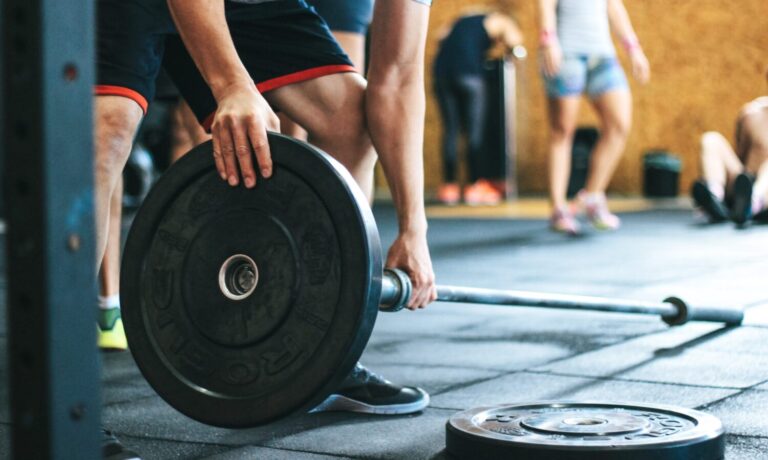
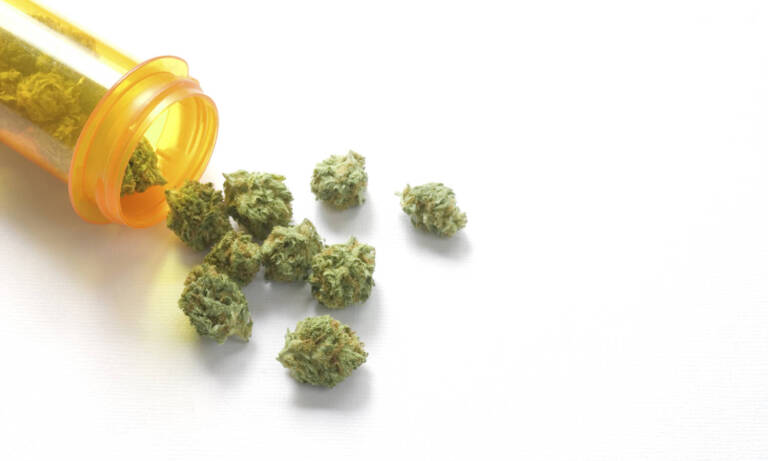
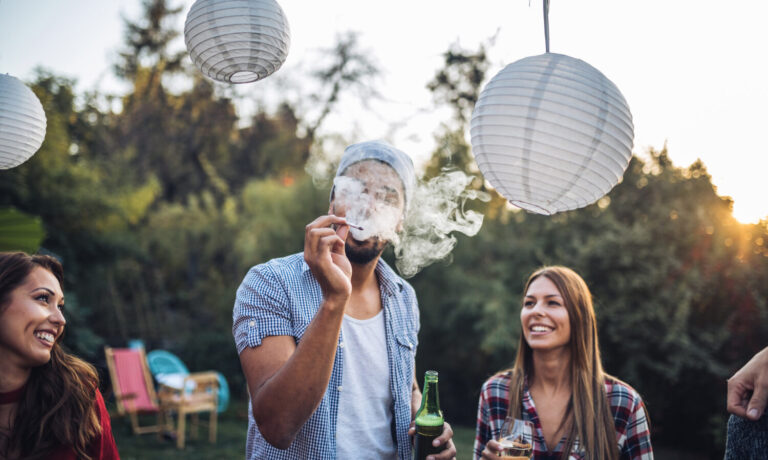
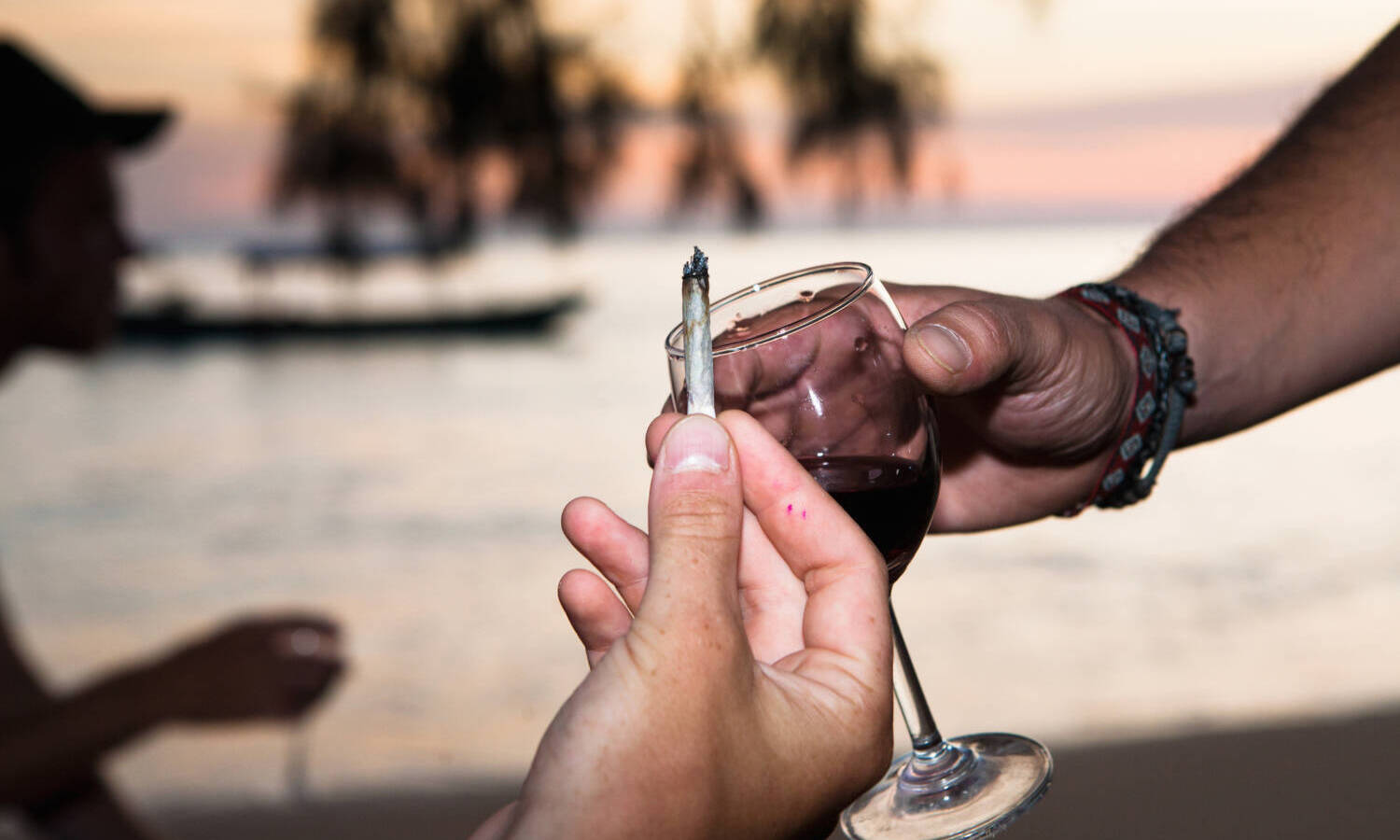
Believe it or not, smoking is currently the most common method of use for those who incorporate weed into their workouts. Here’s why it may not be right for you.
Infusing marijuana into workout routines is not a new concept, but it certainly is growing in popularity. In fact, a recent study from the University of Colorado, Boulder surveyed cannabis users in legal states and found that 81.7% of participants endorsed using marijuana at the same time as exercising. Clearly marijuana has started to find its footing among the fitness community, at least among those who enjoy both fitness and cannabis.
With more states legalizing recreational weed this trend is only likely to grow more and slowly find its way into the mainstream. While the science is inconclusive about whether you perform much better or worse while under the influence of a bit of THC, it isn’t stopping people from trying it out. But when you decide to add some THC into your fitness regimen, what is the best way to consume it for the best experience?
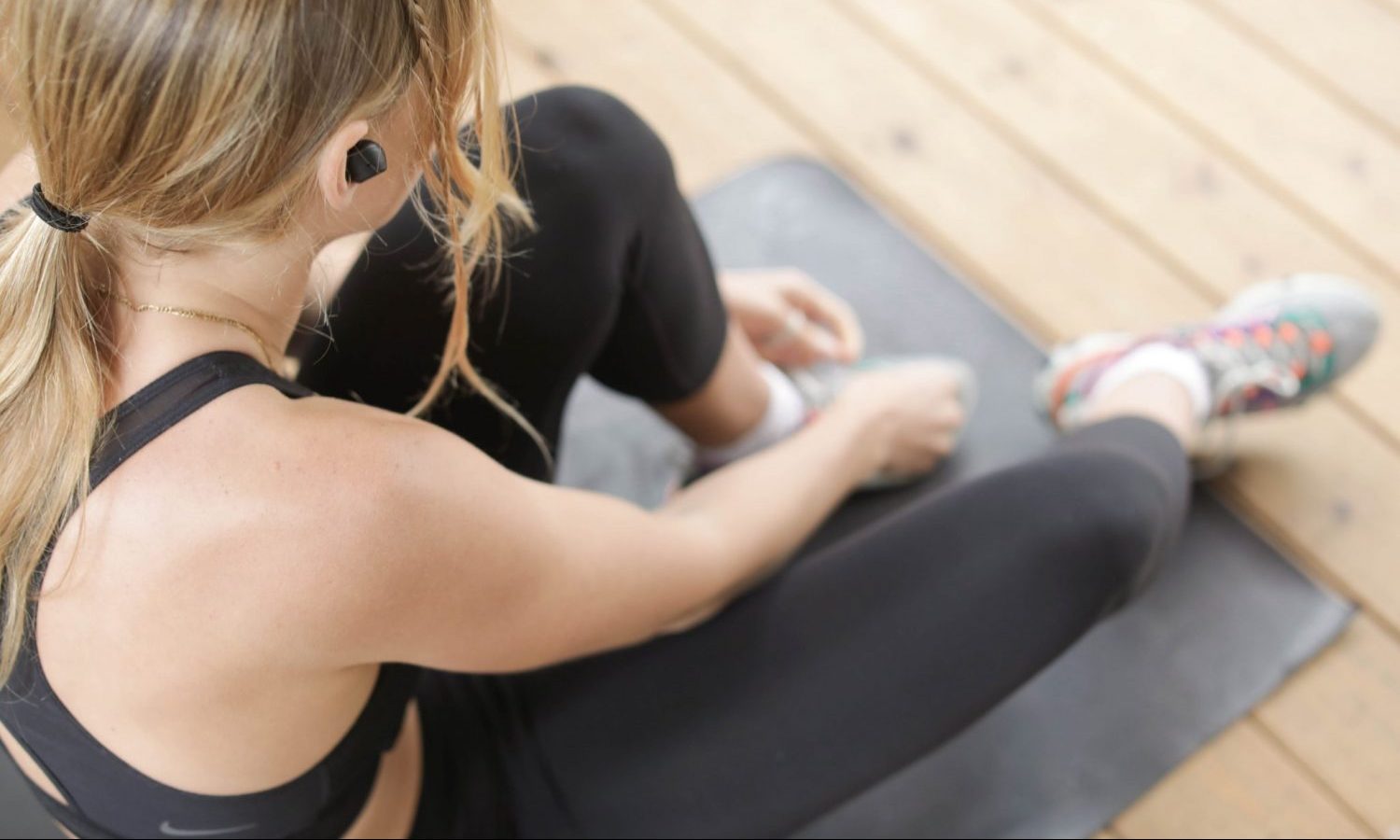
Photo by Li Sun via Pexels
Smoking Wins the Popular Vote
When you think about the best habit to help your workout, inhaling smoke is probably at the bottom of the list. Still, believe it or not, it is currently the most common method of use for those who incorporate weed into their workouts. At least that is what the results of a recent FitRated study suggest.
The majority of participants in the study (61.1%) opted for a smoking method, with the most popular choice among those methods being a pipe (25.3%). This is compared with 14.3% of participants opting for vaping, 11.8% popping edibles, and only 3.7% went with tinctures.
If you just went by these numbers and what is most popular among those already getting high and exercising, smoking would be the clear winner. Keep in mind there are many factors involved. Flower is often much easier to come by than edibles, vape cartridges and tinctures.
While all the participants in the study enjoyed cannabis, they may not all have had the same access to diverse dispensary offerings. Still, if you were wary about smoking a little weed before working out, perhaps these numbers will put you at ease.
Vaping for the Smoke-Free and the Novice
While smoking is the most popular option, vaping may be the smartest. For one, a hit or two from a vape is likely to leave your lungs less affected that the possible residue from a pipe. This is particularly true if you do not smoke normally.
Not only is vaping a bit easier on the lungs for the novice, but it is also easier to gauge than edibles. Since you can feel the effects of a vape almost right away, it can be something you do just moments before your workout. This requires no planning, not to mention, you won’t smell like a Phish concert!
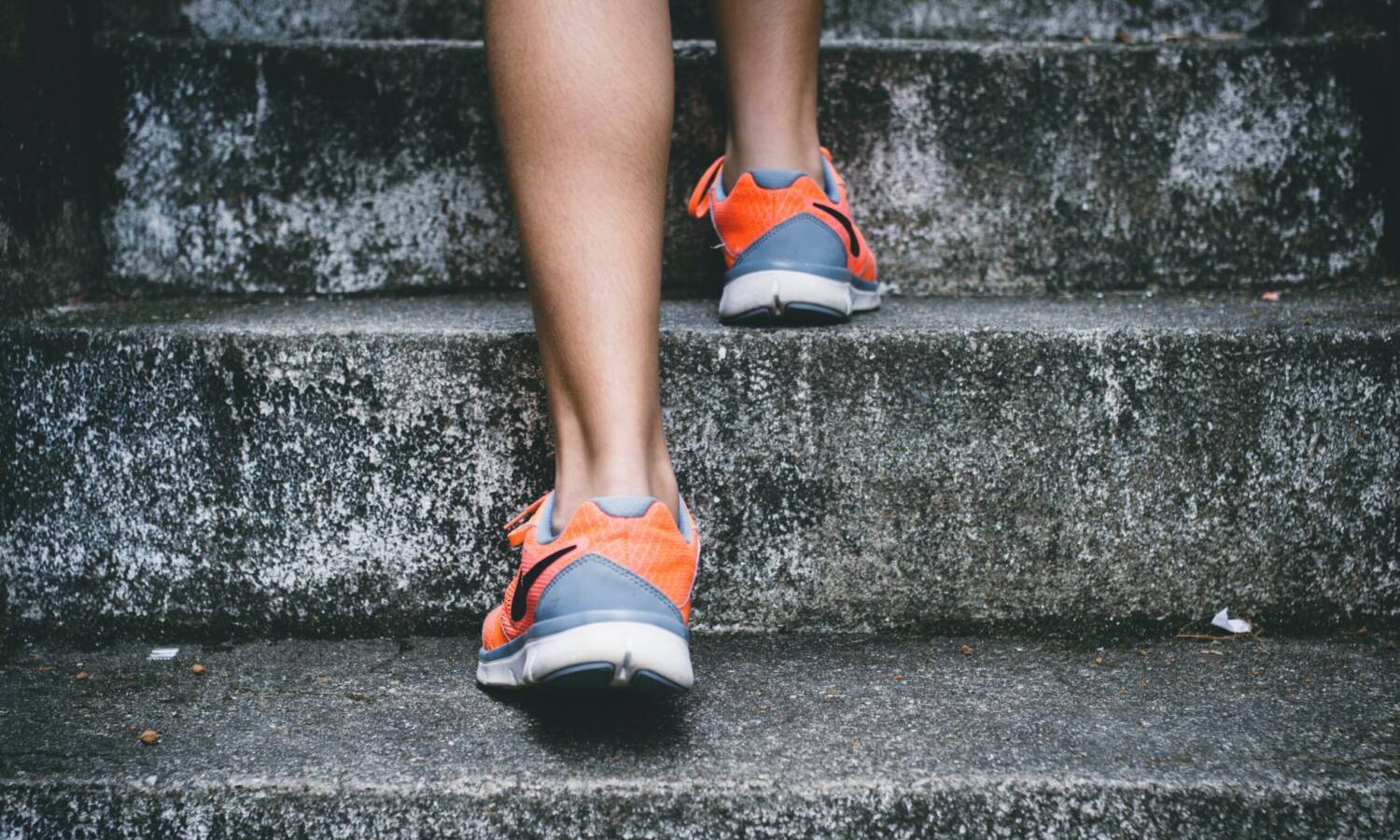
Photo by Bruno Nascimento via Unsplash
Edibles For Long Distance Enthusiasts
Edibles are another strong contender for those looking to workout with some weed, but they work best with specific types of workouts. As we have previouslyreported, one of the biggest differences with edibles is that they take longer to kick in, and much longer to fade away.
The strength of an edible depends on dosage, but it is safe to say you should not do any exercises that involve complicated movements. There are some great activities for when you take an edible though. Long distance running, hour-long stationary bike classes, or even long rowing sessions would all pair nicely with edibles. Longer yoga classes and edibles are another popular combination, as they can help you focus and feel centered in your practice.
Tinctures and Topicals For Recovery and Leveling Up
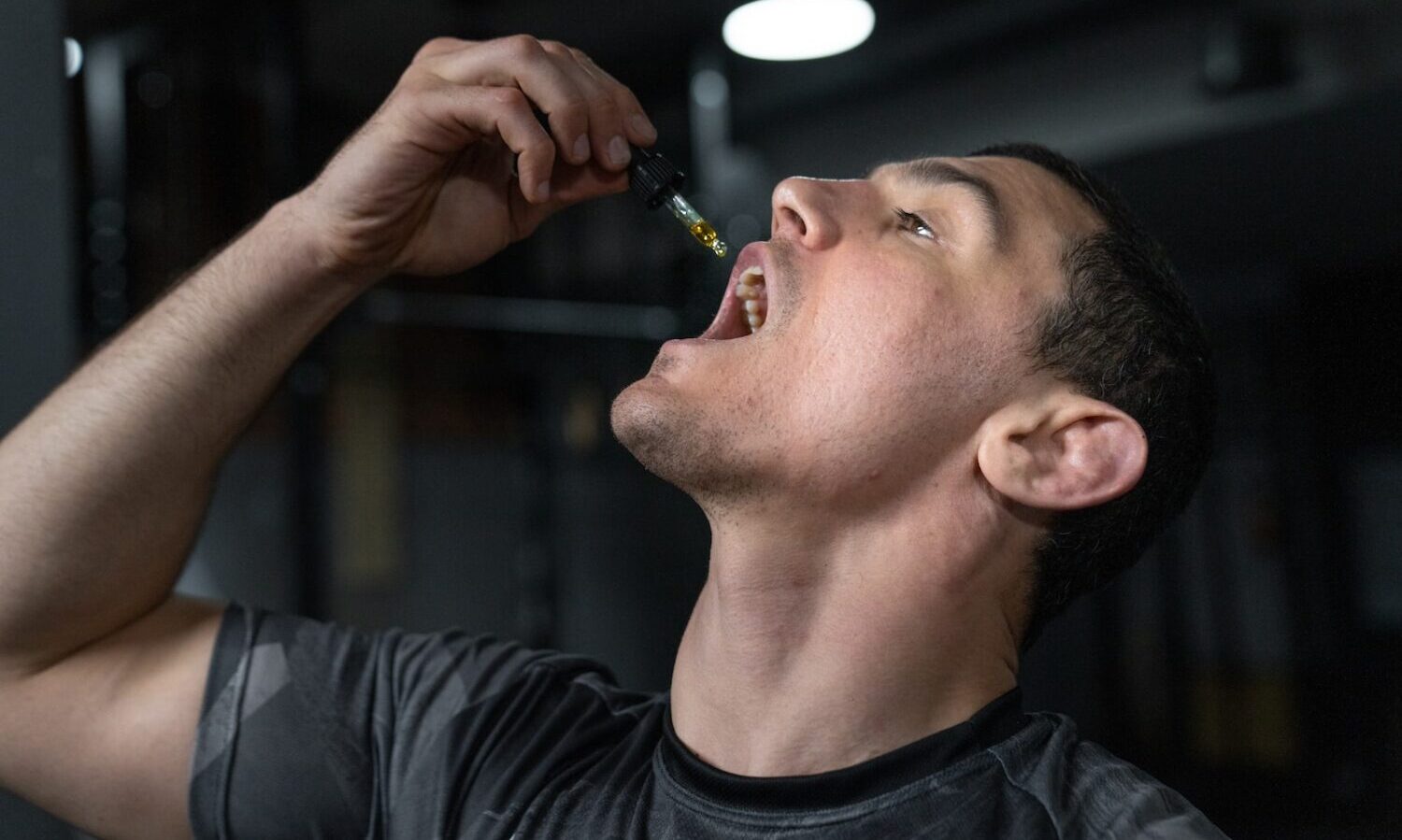
Tinctures and topicals are not nearly as popular as edibles, vapes or smoking when it comes to combining weed with exercise. Still, this does not mean there is no home for them in this realm. One great thing about tinctures is they have some of the best benefits of edibles combined with the benefits of vaping.
Photo by CRYSTALWEED cannabis via Unsplash
For one, you don’t need to inhale and vapor or smoke, so your lungs are happy. Also, most tinctures are not derived from only fat, but from mainly alcohol, which allows them to get absorbed rapidly into your system. This also means dosing (and re-dosing) is very easy.
Tinctures should not be forgotten by those looking to incorporate marijuana into their workouts. As we previouslyreported, tinctures are popular methods for both relieving pain or simply relaxing.
So whether you are in pain after a workout, or needing a relaxing way to get through your current one, a drop or two of tinctures may be just the ticket.
A push to legalize medical marijuana in Tennessee failed last year when a bill from Republican Senator Janice Bowling was killed, even though it advanced through a committee previously.
However, separate legislation sponsored by Bowling’s fellow Republicans — Rep. Bryan Terry and Sen. Ferrell Haile — received a hearing in the House Criminal Justice Committee a year later.
The bill, SB2477/HB2458, would allow those with qualifying medical conditions to use medical cannabis legally. It will also regulate the cultivation, production, distribution, transport, sale, and possession of cannabis for medical use and research.
Moreover, she pointed out that her piece of legislation secured her an invitation to Alabama last year, where Gov. Kay Ivey signed a medical cannabis bill into law.
“It was kind of bittersweet to go [to Alabama] and rejoice with them and kind of be sad that Tennessee didn’t do it,” she said.
Photo by Brandon Jean via Unsplash
A Restaurant That Serves THC
Meanwhile, Tennessee recently got a bar and restaurant that serves THC. However, THC in the products derives from hemp, making it legal at the federal level.
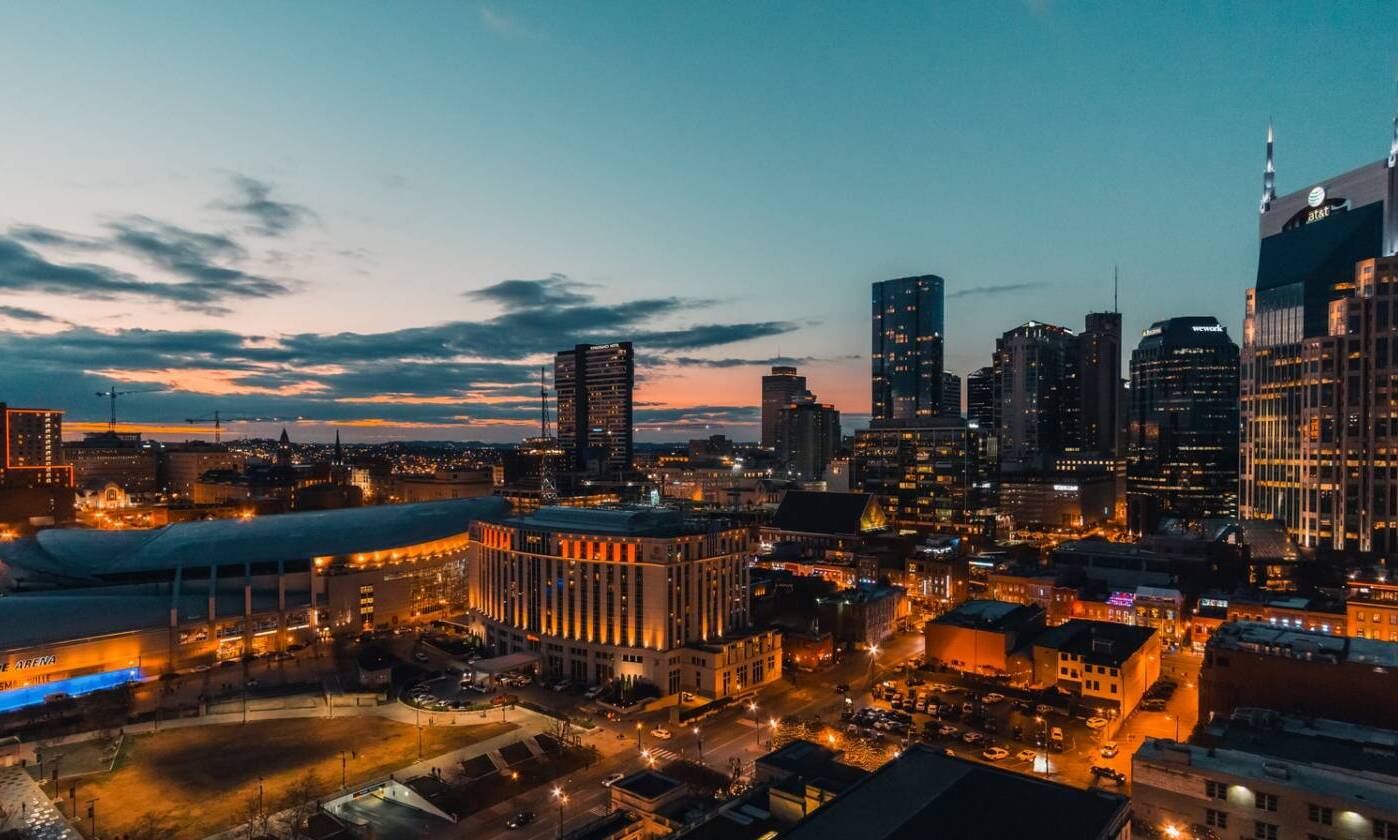
Located at 1246 3rd Avenue in the Germantown neighborhood, Buds & Brews features a menu of “upscale bar fare” paired with a line of “delicious cannabis-infused sauces.”
The restaurant provides patrons with over 25 THC-infused condiments for common dressings like ketchup, honey mustard, and ranch dressing. Also, steak sauce infused with hemp-derived THC in 1-5 milligram servings.
Cannabis does not need to have a large carbon footprint, but it does, and it’s not going away anytime soon.
Weed really does grow “like a weed” in some parts of the country. As states legalize medical and recreational marijuana, however, most natural growing has been tossed aside and replaced with energy-laden practices.
Some farming techniques use shocking amounts of electricity and natural resources while simultaneously pumping harmful toxins into the environment. If left unchecked, these growing methods may have lasting effects on the environment and global climate.
Most modern farming uses some natural resources. Cannabis cultivation, however, currently requires significantly more resources than other types of horticulture. “A 2012 report on the carbon footprint of indoor production found that cannabis production makes up 1% of national electricity use,” according tothe National Conference Of State Legislatures.
Photo by Olena Ruban/Getty Images
The reason for this giant electric bill has a lot to do with how and where marijuana is grown. “Nationally, 80% of cannabis is cultivated indoors with sophisticated lighting and environmental controls designed to maximize the plant’s yield,” according toPolitico. Cannabis requires specific temperatures, humidity levels, lots of water and sunlight hours in order to yield a most lucrative crop.
Ventilation of these indoor facilities is not only pivotal to healthy plant growth, but also perhaps the most costly factor in cannabis farming. According to this article on TED.com, “The biggest energy use comes from constantly bringing fresh air into growing facilities, since proper ventilation is essential for fueling photosynthesis and preventing pests and mold.”
Cannabis can grow very quickly compared to other plants. In turn, it absorbs a great deal of C02 and gives off lots of oxygen. If cannabis cultivation occurred wildly and organically outdoors, this could potentially be good for the environment. But most of the energy used to ventilate indoor facilities cancels out this potential benefit. Some facilities even emit high levels of dangerous C02 to magnify the plants’ growth potential.
“They are putting in bottled CO2, or they’re burning natural gas on-site to basically get CO2 in the room,” Hailey Summers, the first author on a frequently-cited study on the energy costs of cannabis, and a Ph.D. candidate at Colorado State University, toldSlate. Not all growers pump C02 into their indoor facilities. Still, this practice is permitted and widely used, as there is no current federal regulation that dictates against procedures like these.
Federal legalization may be one of the best ways to decrease the carbon footprint of marijuana farming in the U.S. This would help standardized federal growing practices and provide environmental oversight. Additionally, it would be legal to transport cannabis between states.
Currently, cannabis sold in a state that has legalized cannabis must be grown and sold in the same state. Consider oranges. If the same rules applied to oranges then Maine would need to grow their own oranges. This would require indoor facilities, lights, heat and a lot more energy and money than growing oranges in Florida.
The same can be said for cannabis growth. “The crux of the problem is that federal prohibition means that you cannot transport any cannabis across state lines,” Baylen Linnekin, an agriculture lawyer and senior fellow at the Reason Foundation, told Rolling Stone.
Cannabis does not need to have a large carbon footprint, but it does, and it’s not shrinking. As global leaders continue to ponder the massive climate change problem, there is much to contemplate. It may be worth considering the ever-growing multibillion dollar business of cannabis, and how to turn its carbon footprint into a fresh set of lungs.
The fact of the matter is that we shouldn’t even really be having this debate. We need to acknowledge that drug prohibition is the worst solution for everyone.
Unless you’ve been living under a rock for the past two decades – cannabis is popular! Over the past 10 years, the support for full cannabis legalization has only been growing and some of the recent polls suggest that close to 70% of the country is in favor of making marijuana legal.
According to a recent Gallup poll, “Gallup has documented increasing support for legalizing marijuana over more than five decades, with particularly sharp increases occurring in the 2000s and 2010s. In 2013, a majority of Americans, for the first time, supported legalization. As was the case in 2020, solid majorities of U.S. adults in all major subgroups by gender, age, income, and education support legalizing marijuana.”
With this continued support for the legalization of cannabis, we might see the pool of regular users swell slightly, however, as of now there hasn’t been a major influx in “new users” despite cannabis being legal in several places. This only goes to show that not everyone who supports cannabis legalization are users themselves.
Nonetheless, for those who make the rules there is still the question about the net effect of cannabis on society and whether it will have a positive impact or not is always up for debate. Hell, it’s the very reasons why drug laws exist in the first place.
Of course, we can always look at one drug that is readily accepted by those who would caution us against cannabis legalization; I’m talking about ethanol baby!
Throughout the rest of this article we’ll take a closer look at the impact of cannabis and the impact of alcohol. Based on this assessment, we can see whether there would be a net-positive or negative based on these conditions.
If cannabis is to be such a risk to society, then surely any other drug with higher mortalities and adverse side effects should be scrutinized at the same level as cannabis. In the following article we’ll compare alcohol and cannabis and weigh out the risks and benefits of each.
Photo by Matthew Micah Wright/Getty Images
Cannabis vs. Alcohol: Yearly Deaths
According to the Centers fo Disease Control and Prevention (CDC), an estimated 95,000 people (approximately 68,000 men and 27,000 women) die from alcohol-related causes annually, making alcohol the third-leading preventable cause of death in the United States.
The leading causes of alcohol-attributable deaths due to chronic conditions in the United States were: alcohol-associated liver disease, heart disease, stroke, unspecified liver cirrhosis, liver cancer, and supraventricular cardiac dysrhythmia, AUD, breast cancer, and hypertension.
Yet, despite these horrific side effects of alcohol, it is celebrated and promoted everywhere. Now don’t get me wrong, alcohol companies should be able to peddle their drugs to their user-base even if these side-effects are so horrific.
Don’t think for a second that I’m advocating the prohibition of alcohol. Rather, I’m merely pointing out that a drug that has more causal side-effects than cannabis is currently legal and easily accessible.
Now let us check the yearly cannabis-related deaths and do our comparison.
Despite the low overall chances (virtually impossible) of dying from a weed overdose, some fatalities do occur.
The National Academies of Sciences, Engineering, and Medicine released a book-length examination of the health risks associated with various forms of cannabis. This examination included an in-depth review of the risks for fatal and nonfatal overdoses.
People cannot die from too much cannabis in their system, yet many people have died under the influence of marijuana. Basically, people get too high and do some occasional dumb stuff that gets them killed.
Accidental injuries are the most common manners of death
No deaths were due to direct cannabis toxicity.
Most cases included multiple substances, with alcohol the most prominent.
Photo by Ozge Yagmur / EyeEm/Getty Images
Medical Benefits of Alcohol
The main psychoactive ingredient in alcoholic beverages is ethanol. Generally referred to as alcohol, ethanol is the substance that makes you drunk.
It’s produced by yeasts that digest the sugar in certain carb-rich foods, such as grapes — used to make wine — or grains — used to make beer. Some types of fine red wine are rich in antioxidants and consuming one glass of wine a night will not significantly impact your health and you may even reap some of the benefits.
That said, consuming high amounts does not provide greater health benefits. In fact, if you were to get sh*t-faced every night for the next month, I can guarantee there would be a significant decline in your physical and mental wellbeing. Conversely, if you were to smoke heavy amounts of cannabis for a month straight, your physical health would not degrade as significantly and in most cases, your mental health wouldn’t be changed too significantly.
This isn’t to say you should binge toke for a month, it’s just an example!
Medical Benefits of Cannabis
The marijuana plant contains more than 100 different cannabinoids. Each one has a different effect on the body. Delta-9-tetrahydrocannabinol (THC) and cannabidiol (CBD) are the main chemicals used in medicine.
THC also produces the “high” people feel when they smoke marijuana or eat edibles.
There are enough health benefits of cannabis consumption to fill a book, but here are the most notable and researched ones:
Pain Management
Stress & Anxiety Management
Dealing with Psychological Trauma
Bringing Homeostasis to the Body
Anti Cancer Properties
Anti Seizure Properties
Anti-Viral/Anti-Bacterial
And the list goes on. It is hard to believe and fully accept that a plant with such health benefits is still frowned upon and prohibited by the majority of governments around the world.
Medical Side Effects of Alcohol Abuse
Alcohol has a long history of destroying the lives of its users, health risks are numerous and fatal, and the annual death rate alone should tell you the degree of danger it imposes on society. .
For the short terms risks, alcohol can cause:
Injuries, such as motor vehicle crashes, falls, drownings, and burns & the infinite amount of stupid shit people do while drunk
Alcohol poisoning, a common medical emergency that results from high blood alcohol levels.
Miscarriage and stillbirth, this one is pretty self-explanatory.
Photo by Adam Jaime via Unsplash
As for the long-term risks, this is where things start to get concerning, there is a long list but I’ll be mentioning the most likely to happen:
High blood pressure, heart disease, stroke, liver disease, and digestive problems.
Cancer of the breast, mouth, throat, esophagus, liver, colon, and rectum.
Weakening of the immune system, increasing the chances of getting sick.
Learning and memory problems, including dementia.
Mental health problems, including depression and anxiety.
Alcohol use disorders, or alcohol dependence.
Medical Side Effects of Cannabis Abuse
While cannabis seems to be overflowing with health benefits, just like any other substance on this earth, its excess can bring a heavy toll on the mind. Some of the medical side effects of cannabis are according to “official sources”
Drowsiness
Slow reaction times
Lower ability to pay attention and impaired coordination
Respiratory problems
It’s important to note that the vast majority of users will never experience these symptoms, except for when they are stoned. However, the moment you’re sober again – the first three side effects wear off. Respiratory problems are uncommon with chronic cannabis users, however, this doesn’t mean that you should abuse the smoke.
Some of these risks apply for some and seem non-existent to others, due to the diversity of human genetics, each person experiences the same substance differently.
But for the most part, those who consume cannabis in moderation, never suffer from any of the consequences mentioned.
Correlation Between Violent Crimes and Alcohol
Alcohol plays a big role in criminal activities and violence. Excessive drinking can lower inhibitions, impair a person’s judgment and increase the risk of aggressive behaviors.
Because of this, alcohol-related violence and crime rates are on the rise in the US. People can say whatever they want, but alcohol’s detriment to society is clear as day.
According to the Alcohol Rehab Guide, roughly 40% of inmates who are incarcerated for violent offenses were under the influence of alcohol during the time of their crime. This is probably because alcohol numbs their critical thinking and allow them to override their sense of reason when committing heinous crimes.
I know I’d much rather be drunk if I’m about to go murder someone in cold blood. Fortunately, I have no inclination to murdering anyone and therefore my alcohol consumption is virtually non-existent.
Photo by crotography/Getty Images
Some examples of criminal activities associated with excessive alcohol use include:
Robbery
Sexual Assault
Aggravated Assault
Intimate Partner Violence
Child Abuse
Homicide
However, as you can see, many times the crimes related to alcohol are directed towards innocent people. A drunk abuse father and husband, the young thug trying to prove he’s hard, the rapist getting ready to destroy someone’s world.
Alcohol allows the criminal to bypass their critical thinking, their empathy, and engage in a base-emotional state, driven by impulse. Yet this drug is readily available in every store.
Abuse and Alcohol
Many of those who abuse alcohol end up eventually abusing themselves and the people closest to them. When you tell someone that you come from a broken home, the first thing they ask you is if you had an alcoholic parent.
We are at a point where everyone knows that a raging alcoholic can wreak havoc on society, and sadly, his children, spouse, and other close family members and friends are the most at risk.
While there is much debate as to whether alcohol can be a lone trigger in domestic abuse, it cannot be denied that it is statistically more likely to be involved than it isn’t. Two-thirds of victims of spousal abuse report that the perpetrator had been drinking at the time of the incident(s).
All of this is to show just how devastating the misuse of alcohol can be in our society, and the irony that we’ve been witnessing for years, of how alcohol is being pushed and sold everywhere; As long as you’re not driving while drunk, no one can stop you from drinking your life away.
Conclusion
I think all of the scientific facts mentioned above clearly reveal whether or not cannabis is better for people and society, It is such an obvious answer to what used to be a taboo question. There is no debate, for the many benefits of cannabis overshadow the little risk it may bring when used excessively.
Each year, more people are becoming more aware of the benefits of smoking weed and using cannabis products to enhance their quality of life. However, this doesn’t mean that alcohol should be pushed back into the black market. We know that even more hazardous than alcohol and any drug on this planet is “drug prohibition”. More people die from drug prohibition each year than all drug overdoses in the world.
Alcohol is “more dangerous” than cannabis, yet at no point should we ever restrict the freedom of a person to get blitzed.
Photo by RODNAE Productions from Pexels
The larger question is whether cannabis will deliver a “net positive” on society and while this analysis can’t answer that for sure, we know for a fact that it would be more positive than alcohol.
In fact, as more people begin to consume cannabis and reduce their dependence on alcohol, we should already begin to see a “net positive” effect.
The fact of the matter is that we shouldn’t even really be having this debate. We need to acknowledge that drug prohibition is the worst solution for everyone, and everyone loses.
When we mature as a society and accept that drug use and abuse is a part of our society, we can begin to solve those more specific problems instead of trying to police people’s consumption practices.
A new experimental surgery showed some promising results for the treatment of this severe eating disorder.
Researchers appear to have found a new way to treat binge eating disorder: brain surgery. According to two patients that underwent the procedure, the experiment yielded positive results. They claim to be experiencing fewer food cravings one year later and having more control over their brains.
The pilot study, published in the journal Nature Medicine, only included six participants. Researchers used deep brain stimulation on their brains, a first in the case of binge eating disorders. Surgeons planted a device in the patients’ brains, right under the scalp, which was programmed to detect a craving to binge eat and to zap the brain to manage the impulse.
Photo by Artem Labunsky via Unsplash
While researchers explain that there’s no physical sensation for patients as the device releases its zap, it could affect their moods.
Experts explain that binge eating disorder is a result of a brain mix-up. People aren’t binge eating because they simply can’t control themselves; their brains are sending the wrong signals and causing imbalance.
While researchers are optimistic about the study’s results, they’re also open about the inherent risks of brain surgery. Still, patients spoke to NBC News and were excited with their results, which some called immediate. “Within a few days, I could tell that the cravings were becoming under control,” she said. “I wasn’t constantly thinking about food,” said Robyn Baldwin, a 58-year-old woman from California.
While the results are promising, the participants that have discussed their results are both women of a similar age, who are overweight. This means that, at this point, it’s unknown if these effects will be replicated in other patients. Still, it’s an important first step and an exciting result for millions of people who struggle with binge eating disorders.
Is the U.S. finally ready to give THC drinks a shot? Some industry experts think so.
Now that people are officially smoking more cannabis than tobacco, it’s time for companies to try to make a profit off cannabis drinks. Weed-infused beverages haven’t amassed much success, mainly because THC is difficult to present in liquid form but also because the drinks tend to taste like grass. But the future is bright and companies doing some long term betting on cannabis drinks.
Now, there’s a variety of brands hoping to change things by creating THC-infused drinks and providing a new and more accessible method to get high. Still, these products are in their infancy.
CNBC reports that the market is slowly getting crowded, with various companies trying to be the first to crack the formula and deliver the first successful and mainstream THC drink. “The choice for consumers was not as wide in the past but now we’ve seen dozens of companies get involved in the cannabis beverage space,” said Amanda Reiman, VP of public policy research at cannabis analytics firm New Frontier Data.
Some of the biggest beverage companies in America are getting involved in the cannabis drinks space; Pabst Blue Ribbon, Anheuser-Busch, Constellation Brands, Lagunitas Brewing Company, and Ceria are some of the biggest names on the list. PBR is selling non-alcoholic cannabis drinks containing 10mg of THC. The drinks are available in pineapple, mango, strawberry, and lemon flavors, and, since cannabis remains federally illegal, are sold online or in dispensaries located in legal states.
While cannabis drinks have been brought up in the past, some experts are calling this moment unique, and the right time for the drink to have its breakthrough. “There have been multiple false starts for anointing beverages as the next big thing,” said Keef Brands CEO Travis Tharp. “But I think we’ve gotten to a point where we are showing that the year over year growth is something that is substantial.”
As is the case with new cannabis inventions, the lack of research is a problem, resulting in a laborious process that may take years to resolve. Still, as the plant continues in popularity, people will likely try out new forms of cannabis, even if they’re not aware of the possible side effects.
In 2020, the ban on Pell Grants for people who served prison time was finally lifted, but those who took out loans prior to the repeal were “disproportionately shut out” of Biden’s plan.
When announcing his proposal to forgive federal student loans, President Joe Biden said the intention was to help minimize the racial wealth disparity in the US. However, one important detail regarding a crucial component of the plan wasn’t mentioned at the time: loan forgiveness for convicted drug offenders who were denied federal financial aid, including Pell Grants.
According to the Associated Press, those who wanted to go to college after serving time had no choice but to take on “larger, often predatory, private student loans.”
In 2020, the ban on Pell Grants for people who served prison time was finally lifted, but those who took out loans prior to the repeal were “disproportionately shut out” of Biden’s plan, the report continued.
The situation serves as yet another example of the negative effects the so-called “war on drugs” — a US legislative agenda that Biden supported back when he was a senator.
And the legislation didn’t affect all people equally. Black and Latino men were the ones who suffered the most, because they were far more likely to be criminalized than white people.
Biden did note how America’s student loan debt burden, which is above $1.6 trillion, is especially heavy on Black and Hispanic borrowers, who on average have less family wealth to pay for it.
According to data from the Student Borrower Protection Center, “Black students are four times as likely to struggle in repayment on private student debt in comparison to their white peers.”
Photo by Element5 Digital via Unsplash
What Is Biden’s Loan Debt Relief Plan?
Biden’s plan grants relief to roughly 43 million people with student debt (potentially the full remaining balance for about 20 million Americans). Among those who qualify for debt relief, more than 60% are Pell Grant recipients.
The Department of Education should provide up to $10,000 in federal student debt cancellation for individuals with annual income below $125,000 or married couples with a combined income of $250,000 or less, according to a statement from the White House.
Up to $20,000 in debt cancellation will be made available to Pell Grant recipients.
According to the White House, Black borrowers are twice as likely to have received Pell Grants “compared to their white peers.”
Black student loan borrowers are twice as likely to have received Pell Grants compared to their white peers.
By providing targeted relief to Pell Grant recipients, the Biden-Harris Administration’s plan will help narrow the racial wealth gap and advance racial equity.
The Associated Press cited sources explaining how Biden’s plan should consider and address previous anti-drug laws.
One observer, JustLeadershipUSA president DeAnna Hoskins, noted how there are tens of thousands of people who had no other option than to take out private student loans (which come with additional risks for borrowers including high-interest rates and fewer protections) all because of the ban on Pell Grants.
“This is why it’s so important, when decisions like this are being made, that the voices of people with lived experiences are present,” she said. “We can help you obtain the equity you’re seeking.”
A few years back, the knowledge of these “minor” cannabinoids were only coming to light. Today there’s a lot more in-depth information about each one mentioned here.
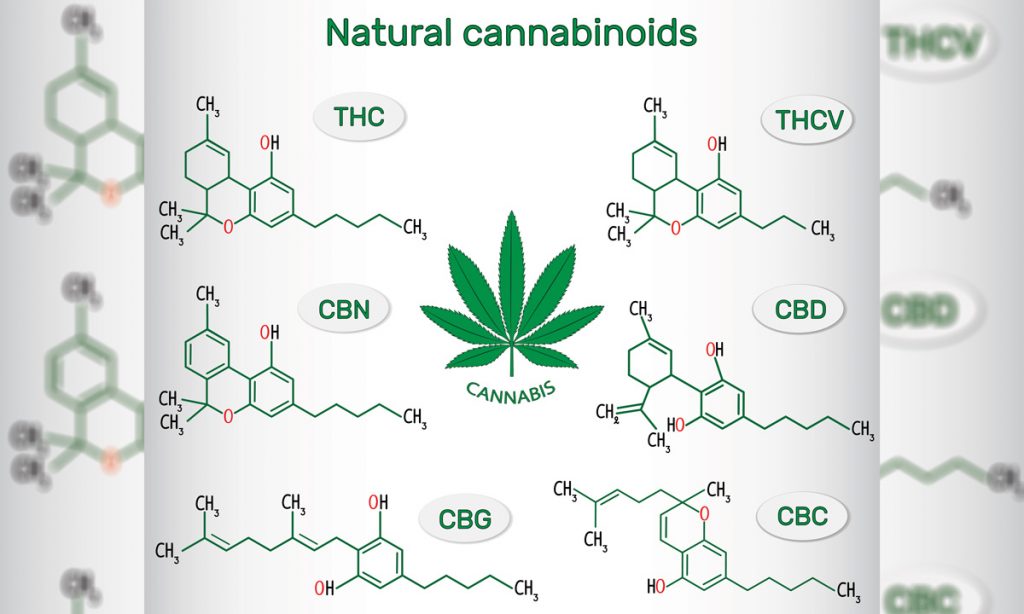
How well do you know your cannabinoids? Most people are familiar with the two main cannabinoids: THC and CBD. However, cannabis is a complex plant with complex chemistry. As we continue to research these compounds, we begin to uncover the very nature of the experience we obtain from ingesting the plant. What are the major and minor cannabinoids, and which do you need to know?
In this article, we’ll be taking a “look under the hood” to see what these cannabinoids are all about. In the near future, the classifications of “sativa” and “indica” will begin to lose importance when selecting your perfect strain. It’s smart to begin to educate yourself in the subtleties that is cannabis.
This article was inspired by an LA Times article where they eloquently broke down the cannabinoids using pop culture to help drive the point across.
We will start with THC mainly because it’s one of the most known cannabinoids on the market. It’s what everybody is either trying to limit, or to get more of. THC is responsible for your “high” and comes in different forms. We’ve got delta-9-THC, which is what you get when you vape or smoke the plant. Then you’ve got 11-Hydroxy-THC, what happens when the liver processes it.
These days delta-8-THC and delta-10-THC have also grown in popularity namely because it’s currently not illegal according to the Controlled Substance Act and can be derived from Hemp.
The second famous cannabinoid is CBD (cannabidiol). People call it the “medical cannabinoid” because it does not get you high and seemingly helps for plenty of ailments. It’s also one of the few cannabinoids that has an FDA-approved medicine on the market.
CBD is a nuero-controller, it helps with anxiety, stress, seizure disorders and is widely available virtually everywhere. This is also legal on a federal level.
CBN (cannabinol) is a cannabinoid that appears over time as the cannabinoids degrade due to oxidation. If you leave your stash out, CBN will begin to grow in prevalence. Smoke this CBN weed and you’ve got a powerful sleep aid. It’s also got anti-bacterial properties.
Next we’re talking about cannabichromene, which is really not very popular and kind of illusive in the modern market. It’s reported to be similar in effect to that of THC and CBD, except with not such a heavy “narcotic feeling” as with THC alone. It helps with reducing inflammation and blocking pain.
THCv or tetrahydrocannabivarin is a cannabinoid that will get you high without giving you the munchies. Researchers have known about this cannabinoid since the 1970s.
This is still not as popular as THC, however, with the effect of appetite suppression we can expect this to make its way into the “weight loss industry”.
All the cannabinoids start off in their acidic form. THCa is essentially THC in its acidic form, meaning it’s still not psychoactive.
Recently, chemist Dr. Mechoulam, known for discovering THC, has been uncovering great results with THCa. This is because in its acidic form, the bioavailability of THC increases a thousand fold.
This means greater potential for pain relief and neurodegenerative relief. While THC is in its acidic form, it also doesn’t have any psychoactive properties. The major downside is that it’s not a very stable cannabinoid but this could soon be circumvented with “biological cannabinoid factories”.
Delta-8 is currently in this state of limbo. It gets you high sort of like regular Delta-9, except it’s not listed on the Controlled substance Act. This means that federally speaking – it’s a legal high!
More importantly, Delta-8 can be derived from hemp, making it especially a difficult to regulate lest you tap into the potential of hemp.
It stands to reason that sooner or later legislators will sink their fangs into this substance and make it illegal once more. But for now, it’s one of the few legal cannabinoids that gets you high.
More to come…
The more we research this phenomenal plant, the more we uncover! A few years back, the knowledge of these minor cannabinoids were only coming to light. Today there’s a lot more in-depth information about each one mentioned here.
What we have presented to you here today is only the tip of the proverbial iceberg. As we continue to open this box of knowledge, and as our understanding of cannabinoids, terpenoids and flavonoids expand, our means of classifying cannabis will also undergo this type of transformation.
Soon we’ll be asking for specific ratios of certain cannabinoids to achieve particular “highs” or medical treatments. Not to mention the specific cannabis-based medicines that will be cooked up in pharma labs all around the world.
We’re about to enter into a new era of cannabis exploration. We’ll need to see how the rest of the year plays out, but I can see that we’re already undergoing a massive shift.
In the meanwhile, it’s important to begin to understand these minor differences in order to become a more conscious consumer.
If you do your research and follow these tips, you should have no problem enhancing your meditation practice with a little help from weed.
Marijuana and meditation are kindred spirits in a way. People use both separately to find a sense of peace, tranquility and the feeling of being present in the moment. Marijuana has also infused itself into many forms of meditation over the years.
While meditation and marijuana are connected, it does not mean that when you take a bong rip and close your eyes you will find your zen. If you are interested in using marijuana to elevate your meditation, you need to look deeper at meditative practices, and how marijuana affects your mind and body.
In order to have a successful and meaningful meditative practice with marijuana, you need to do a bit of planning. But if you do your research and follow these five tips, you should have no problem enhancing your meditation practice with a little help from weed.
Photo by Jared Rice via Unsplash
Take The Proper Dosage
Perhaps the most important guiding principle when combining marijuana and meditation is taking the right dosage. The amount of marijuana you need for your meditation depends on exactly how high you think you should be for the practice. Many people like to microdose in order to get some calming effects without being too mentally altered, while others prefer being completely high when they try to find inner peace.
As we have previouslyreported, there are steps and guides to microdosing (1 to 2.5 mg of THC) and macrodosing (10 mg of THC and higher) properly. The key is to know your goal and to consume with intent, rather than just popping a random edible and hoping for the best. The proper dosage planning combined with the right practice can greatly improve your desired results.
Choose The Strain To Match Your Practice
There are different types of meditation, all with different goals. Some meditation is geared towards breathing more consciously, while other meditations help create a pure calm. Just as there are different types of meditation, there are just as many (and more) strains of marijuana to compliment your intention.
We previously reported on the10 best strains of weed for meditation. These include everything from the popular and sedative Northern Lights to the trippy and transfixing Shaman, but keep in mind this selection may be different depending on your own personal goals. If you are unsure of how you react to different strains, it might be best to start with a well balanced hybrid with high levels of CBD, since CBD is known to help with calming the mind and body.
Ensure You Are Rested And Calm Before Elevating The Practice
Meditation is all about setting a tone, and being genuine and committed to your time in meditation. It cannot be rushed or faked, and weed will not magically put you in the mood to meditate. Make sure you have done your best to resolve any issues in your day, or at least don’t let them linger.
Photo by cottonbro from Pexels
Be sure to pause all conversations and tie up loose ends. Our minds tend to wander, and they can be magnified when high. So be sure you have wrapped up your affairs and are in a calm place so you can give your all to finding inner peace – at least for a little while anyway.
Set The Mood Before You Get High, Not After
One tip to ensuring a successful and blissful meditation is to set a tranquil mood in your meditation space, and to set it up before you get high. It’s true that you can meditate anywhere, but it helps to have a tranquil space, especially if you are newer to meditating. Candles or incense, mood lighting and harmonious sounds are all helpful, but choose what feels right to you.
Most importantly, do this before you get high. Otherwise you may find yourself sidetracked by the process, and completely lose focus on the task at hand. Consider completing your meditation space and then getting high in that space to further set the mood and relax you.
Properly Schedule Your Meditation Time
When it comes to the length of your meditation practice, you can meditate for as little as one minute and upwards of several hours. It is best to have a good idea of how long you would like to (and have time to) meditate. This lets you schedule the appropriate amount of time for the entire activity.
In addition to the meditation time, you need to know the time needed to consume marijuana, and how long it takes to feel the effects. For example, if you are smoking, you likely need to add a 15 minute buffer before you meditate to allow you the time to smoke and begin to feel the effects. Edibles require more advanced planning, and if you plan to use edibles before a meditation practice it is a good idea to have a loose window, since there is no exact science to determine when an edible will kick in.
The situation is looking gloomy for cannabis companies in the Sunshine State. Republican Governor Ron DeSantis thinks medical cannabis businesses should pay a lot more for the chance to legally operate in in Florida.
The state “should charge these people more,” DeSantis said, according to the Tampa Bay Times. “I mean, these are very valuable licenses. I would charge them an arm and a leg. I mean, everybody wants these licenses.”
DeSantis didn’t specify whether he meant medical marijuana companies that are already operating in the state, such as Trulieve Cannabis Corp., or companies that have yet to do business in Florida but are interested.
Either way, DeSantis’s plan is bound to spark chatter among the state’s major companies that are both headquartered and established there, including Red White & Bloom, Columbia Care, Curaleaf Holdings, Fluent, and Verano Holdings.
DeSantis’ statement comes on the heels of multi-state cannabis operator MedMen Enterpise Inc.’s $63 million sale of Florida operations to Green Sentry Holdings LLC. And earlier this month, Trulieve, opened a new medical dispensary in Kissimmee.
Back in 2015, medical cannabis operators in Florida had to pay around $60,000 to be allowed to sell low-THC marijuana products. Businesses also have to renew their licenses every two years.
“Why wouldn’t we take the opportunity to make money for the state based off those?” DeSantis said. “But I do think that would require a statutory change (by the Legislature), and I don’t think that’s something we could just do through administrative rule.”
Photo by Ivan-balvan/Getty Images
What makes Florida medical marijuana licenses so valuable? According to Sally Kent Peebles, a Jacksonville-based partner at the national cannabis law firm Vicente Sederberg LLP, they are “the most valuable licenses in the world” thanks to the way the state’s medical cannabis industry is structured.
“Most states have much lower fees to get a license,” Peebles said. “But Florida is much more unique than any other state because we’re the only state that one license allows you to have unlimited ability to open as many facility locations as you want.”
Also, most cannabis companies don’t earn as much profit as it is commonly believed due to their getting “taxed on ghost income” at a rate of 85% or even higher.
“So the idea that these companies are making millions and millions of dollars and are sitting back and twiddling their thumbs and like laughing at everybody while raking the dough in is just not the case,” she said.
Even if the application fee increases, Peebles believes it wouldn’t discourage those interested in running a cannabis business in the state, mostly because many are hopeful that Florida will legalize recreational cannabis in 2024.
New Emergency Rule
Florida health officials recently released a much-anticipated rule establishing THC dosage amounts and supply limits on products physicians can order for medical marijuana patients, writes Fox 35 Orlando.
Under the new emergency rule, there’s a 70-day total supply limit of 24,500mg of THC for non-smokable cannabis. Dosage caps for various methods of administration such as edibles, inhalation, and tinctures are also established.
The rule further promotes a state law that imposes a 2.5-ounce limit on smokable cannabis products over 35 days. When it comes to THC in smokable products such as whole flower, the limit is actually based on weight and not on levels of THC. Furthermore, under the new regulations, there’s a process for physicians to demand an override for patients they believe need more than allowed under the limits. The rule took effect on Monday.