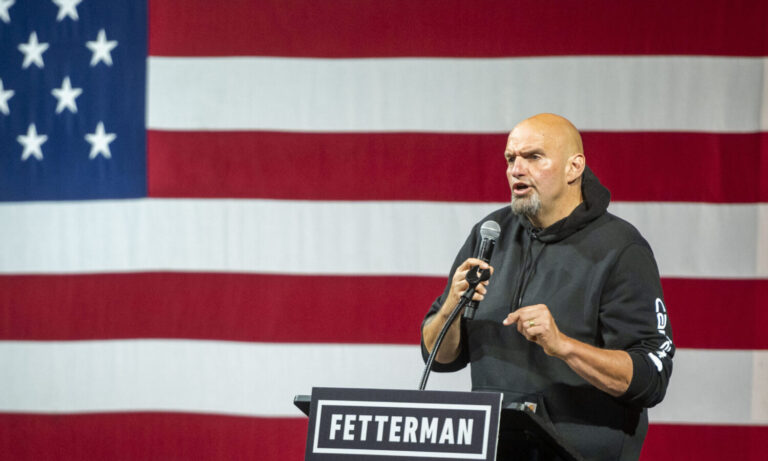
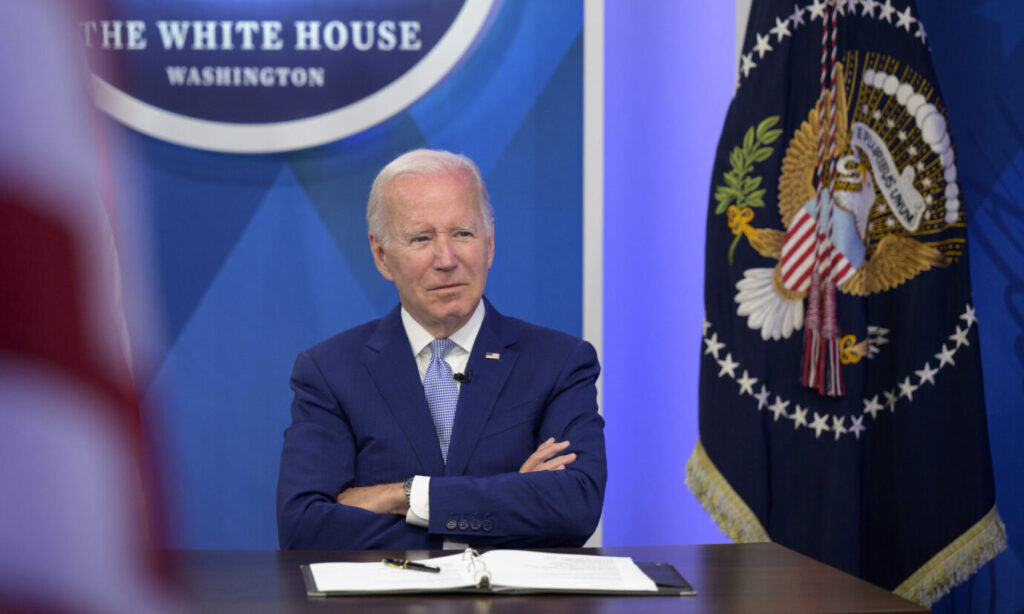
Fetterman pledged to press on the topic of marijuana legalization ahead of Biden’s visit to his state of Pennsylvania.
If the recent polls are any indication, it’s looking like John Fetterman (D) has a good chance of beating Dr. Oz (R) to become Pennsylvania’s next Senator. Ahead of President Biden’s visit to Pittsburgh this Labor Day, Fetterman plans to press on the topic of marijuana decriminalization, an issue that has been one of the guiding posts of his campaign.
“It’s long past time that we finally decriminalize marijuana,” said Fetterman. “The president needs to use his executive authority to begin descheduling marijuana, I would love to see him do this prior to his visit to Pittsburgh. This is just common sense and Pennslyvanians overwhelmingly support decriminalizing marijuana.”
Photo by Bill Ingalls-NASA via Getty Images
Fetterman also posted his sentiments on Twitter, telling Biden that he has “the power to use your executive authority to chart a new course.”
It’s long past time that we finally decriminalize marijuana.
Too many lives like Paul’s have been destroyed by misguided policy most Americans want to see reformed. @POTUS you have the power to use your executive authority to chart a new course. https://t.co/pNKxF0SnVq
In his statement, Fetterman also mentioned that marijuana is not a serious crime. “As mayor of Braddock, I made it my mission to combat serious crime. I know firsthand what real crime looks like. Marijuana does not fit the bill,” he wrote. “It’s time to end the hypocrisy on this issue once and for all.”
During a press briefing on Monday, White House press secretary Karine Jean-Pierre was asked about Fetterman’s statements, but she deferred. “When it comes to drugs, the highest priority for the administration is addressing an overdose crisis,” she said. “But at the same time, President Biden believes that there are too many people serving unduly long sentences for nonviolent drug crimes, a disproportionate number of whom are black and brown. That’s why in April, during the Second Chance Month, President Biden announced 17 sentences, commutations, and three pardons, which are more grants of clemency at this point in a presidency than any of his five recent predecessors.”
Photo by Michael M. Santiago/Getty Images
Fetterman has been a proponent of legal marijuana through his entire run for office. In one of his campaign videos, he explains he was one of the first politicians to voice his support for the drug. “And now five years later, I renew that same call for any number of reasons, but most importantly, for the criminal justice aspect of it,” he said.
While Biden has previously opposed marijuana, his position has shifted over the years, landing on his campaign pledge to free people who have been incarcerated over marijuana-related offenses. Biden has taken no significant action on the topic of cannabis while in office.
The U.S. is seeing an increase in marijuana use that can be attributed to legalization for recreational purposes, a recent study in the journal Addiction shows. Those living in states where adult-use cannabis is legal consume it 20% more frequently than residents of states where marijuana is still banned.
The study included 3,421 participants from Colorado and Minnesota. They sampled on two occasions: first, prior to 2014 when the sale of marijuana was still illegal, and second, after 2014 and Colorado went recreational. Over time those surveyed relocated, which resulted in nearly every state being represented in the survey.
Interestingly, the study also looked into marijuana use patterns among 111 pairs of identical twins, with one living in a state where recreational cannabis is legal and one in a state still pending legalization.
Given that twins share everything from genes to the same type of upbringing, the influence of policy change on marijuana use could be measured more precisely, Stephanie Zellers, a researcher at the University of Helsinki in Finland, explained.
Photo by Alena Darmel via Pexels
Among the identical twins, researchers found that marijuana usage increased about 20% in states that legalized recreational weed compared to those that did not.
“Because that 20% estimate is from the analysis controlling for measured and unmeasured variables, it is the most precise estimate of the causal influence of cannabis legalization on cannabis use,” Zellers told CNN.
A Hot Research Topic
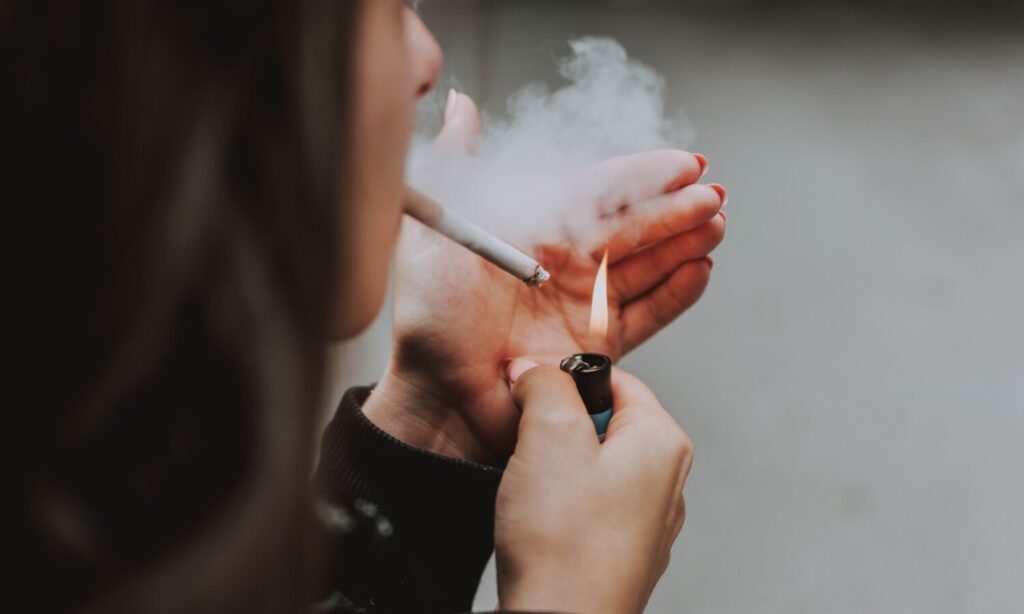
Meanwhile, a separate study that used data from the 2004–2017 National Survey on Drug Use and Health showed that cannabis use is 10 times more common among those who smoke cigarettes than in non-smokers.
While a heated debate on whether marijuana legalization leads to more young people trying the substance or not persists, San Francisco-based cannabis delivery platform Eaze found an increasing crossover between cannabis use and off-the-couch activities, including work, fitness and intimacy.
“We’re seeing the integration of cannabis into parts of life where we previously didn’t see it. It’s not about waking up and hitting a bong,” Elizabeth Ashford, vice president of communications at Eaze, told Adweek recently. “Some people may take a 2-milligram Sativa edible like someone else would drink espresso in the morning.”
A study that’s been ongoing since 2015 showed that one pill that contains different medications was effective in preventing heart attacks.
Heart attacks and cardiovascular disease are some of the most dangerous health concerns in the world. They’re also incredibly common, being the number one cause of death in the country.
Researchers behind a recent study that was published in the New England Journal of Medicine devised a pill that can help people with a history of heart attacks stay healthy. The pill, called Trinomia, bundles three medications together and resulted in fewer heart attacks, strokes, and cardiovascular-related deaths.
Photo by Ryan ‘O’ Niel via Unsplash
This method of medication delivery is called a polypill, and it consists of grouping medicines into one pill, making the treatment process easier and less likely to forget.
The trial began in 2015 and consisted of 2,500 participants who were heart attack survivors and over the age of 65. Patients were randomized to take either the pill (a mix of aspirin, atorvastatin, and ramipril) or their standard treatment. Patients were then tracked for five years.
Twelve-percent of patients in the control group experienced a cardiovascular incident when compared to 9% of those who took the polypill. Overall, the pill resulted in a 24% risk reduction. In terms of death, patients who took the polypill were 33% less likely to die than other patients.
“Treatment with a polypill containing aspirin, ramipril, and atorvastatin within 6 months after myocardial infarction resulted in a significantly lower risk of major adverse cardiovascular events than usual care,” concluded the study’s researchers.
The research is the first of its kind, with the medical community eagerly awaiting the results. While the drug is yet to be approved in the US (it’s known as Trinomia), these results will likely lead to more results and possibly a new form of treatment that’s effective and efficient.
Taking the steps to make weed products kosher actually opens your product up to all sorts of dietarily-restricted individuals.
When it comes to marijuana and whether or not it should be permitted, the discussion is mainly centered on the federal government and its legalization of the substance. In actuality, there are many laws, practices and even dietary restrictions. Take the Jewish religion and its concept and practice of traditional law and kosher guidelines, for example. So, is marijuana kosher?
In order for a food product to get the familiar kosher label we see on all sorts of products, it must be, by Merriam-Webster’sdefinition, sanctioned by and ritually fit according to Jewish law. When most non-kosher individuals think of kosher, they likely know that pork, shellfish and the mix of meat and dairy are all non-kosher, but in reality kosher goes deeper than this.
Certifying food as kosher goes so far as to examine the equipment used to prepare items all the way to inspecting for possible remnants that can be found in the food items themselves. With these strict guidelines, one has to wonder if marijuana is considered kosher.
Photo by Lealnard Riengkaew / EyeEm/Getty Images
Insects Pose A Problem
Insects can cause all sorts of issues with marijuana – they can even kill a plant. One problem caused by insects that is lesser known, is that they can render marijuana non-kosher. This is because according to The Torah (Leviticus 11:42) “All the things that swarm upon the earth are an abomination; they shall not be eaten.” This translates to insects not being kosher when eaten.
Sure, insects are not on most food menus, but unprocessed marijuana might have bugs inside the buds and elsewhere. Also, unless factories that produce edibles are inspected for these types of issues, it is difficult to put a kosher stamp of approval on them.
One way around this is to smoke, rather than eat, marijuana that is not stamped with a kosher or insect free certification. Since the kosher law refers to eating and consumption in that regard, it is safe to burn them up – just don’t digest them.
Kosher Certified Weed
Some brands have begun to kosher certify their marijuana products. This is a way to put the jewish community at ease when consuming edibles, which are widely popular in both recreational and medical marijuana circles. One of the key elements of certifying a product as kosher is confirmation of practices. In other words, you need to enlist an impartial and observant set of eyes to inspect and confirm clean and thorough production practices.
This is critical, as it means a kosher stamp not only confirms a product is safe for a kosher-practicing individual to consume, but it also puts people on other strict diets, like vegans, halal and others, at ease. Confirming that there is a third-party verifying factory practices allows all sorts of strict dieters to know the label information is accurate.
Joe Hodas, the chief marketing officer of Wana Brands, a marijuana company that produces kosher products, told Forbes that the kosher certification indicates to the consumer that the products are made in a clean and reliable environment. “And because many certifications such as USDA Organic are unavailable for cannabis products and facilities, kosher certification illustrates the care that Wana takes to provide premium products to its customers,” according to the article. This shows that taking the steps to make weed products kosher actually opens your product up to all sorts of dietarily-restricted individuals.
Photo by Jordan Siemens/Getty Images
A Leaf Is a Leaf, and the Law Is the Law
One last important factor to consider in regards to marijuana being kosher concerns the law. Part of Jewish law requires that its followers also follow all the civil laws where they reside (as long as they don’t contradict the laws of the religion).
“Therefore, in addition to whatever Judaism says about marijuana, Jewish law demands an obedience to the authority of civil law. If it’s illegal to possess or use marijuana, it’s also against Jewish law,” according toaish. So, make sure you are not breaking the American law when you use cannabis, or you may also be breaking Jewish law.
When it comes down to it, as long as marijuana is in its pure form and free of bugs, it should be safe to consume if you are kosher. According to theJewish Virtual Library, “If we would know that the product in question contains just leaves and that there was no unkosher residue on the processing equipment, it would not need certification, like plain unflavored tea.”
So, is marijuana kosher? While most of what you smoke and consume will be, when you see a kosher label on one of your cannabis products you can rest assured that an extra set of eyes has certified your product as clean and properly made.
lt will be interesting to see how Big Pharma will react if science proves beyond reasonable doubt that THCV is both safe and effective in reducing weight.
Weight loss is a billion-dollar industry that has Americans spending a staggering $33 billion each year on products. While the estimated value of the industry was $250 billion in 2021, the nascent cannabis industry was valued at $13 billion in the same year and is gunning for the $100 billion mark. Will the new cannabinoid tetrahydrocannabivarin (THCV) help to get it there?
THCV is one of the numerous phytocannabinoids that are present in cannabis sativa. As much as it bears structural similarities to the psychoactive cannabinoid THC, the two are different in many ways.
First, THCV does not trigger psychoactive effects. Anecdotal reports even indicate that like CBD, THCV may offset some of the intoxicating effects of THC. Second, while THC is an appetite stimulant, THCV has the opposite effect; it suppresses the appetite and increases energy metabolism. This has earned it the moniker “diet weed.”
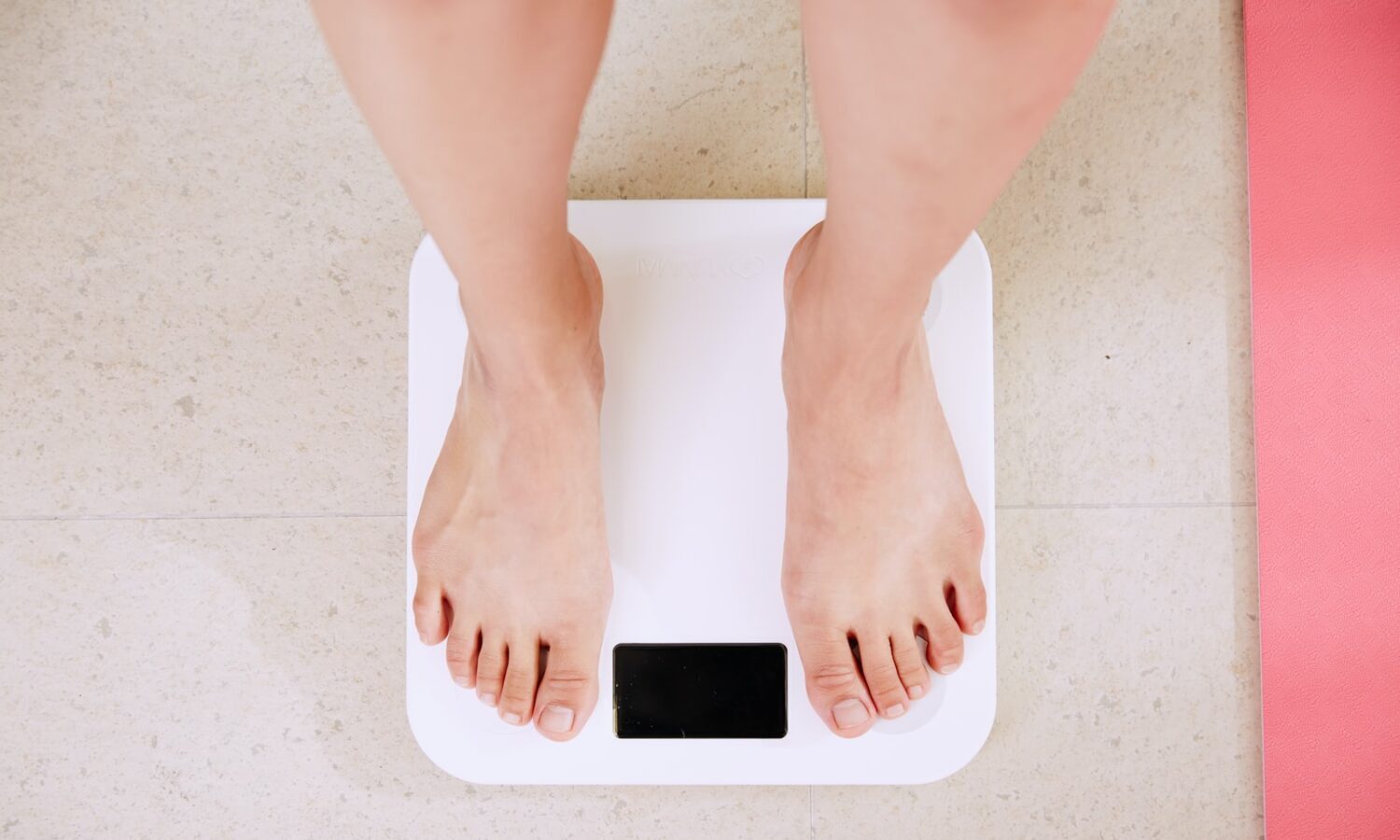
Photo by i yunmai via Unsplash
Study Links THCV to Weight Loss
A 2020 study published in the Journal of Cannabis Research demonstrated the appetite-suppressing effects of THCV. The researchers were interested in finding out the therapeutic potential of THCV in managing obesity and diabetes.
The study was a systematic review of electronic peer-reviewed literature that had been published from 1970 to 2019. The following seven keywords were considered for inclusion:
THCV
THC
Cannabis sativa (marijuana)
Obesity
Body weight
Metabolism
Diabetes
The researchers found that THCV suppressed the appetite and increased satiety in rodent studies. It was also well tolerated, especially when offered together with CBD.
Action at the CB1 Receptor
THCV is a structural analog of THC, the two have different actions at the CB1 receptor. While THC is an agonist of this receptor, THCV has antagonistic action there. Unlike THC, THCV suppresses appetite in both fasted and non-fasted mice. This makes THCV a suitable candidate for managing obesity. The researchers concluded that there’s a need for further research to elucidate the weight-reducing properties of THCV.
The cannabis industry has attracted the interest of large pharmaceutical companies. Pfizer recently acquired cannabinoid-based company, Arena Pharmaceuticals, at a cost of $6.7 billion. The company is working on an investigational drug, Olorinab, intended for the treatment of irritable bowel syndrome. HW pharmaceuticals have filed over 100 cannabis-related patents and so have many other Big Pharma companies.
Both weight loss and cannabis are multi-billion dollar industries that are on a positive growth trajectory and hence are on the radar of multinational drug companies. lt will be interesting to see how Big Pharma will react if science proves beyond reasonable doubt that THCV is both safe and effective in reducing weight.
A Gallup poll reveals that for the first time ever, people consume more weed than tobacco.
For the first time ever, more people report smoking cannabis to cigarettes. These results were compiled in a new Gallup poll, and not at all surprising, they mark a significant moment in our culture and represent how far cannabis has gone over the past decade. Who would have thought consuming marijuana would be more popular than smoking tobacco?
The survey was conducted in July and highlights the work that has been done in curbing the consumption of tobacco. The survey asked a variety of questions to participants, including whether or not they consumed edibles (14% say yes), a first in Gallup history!
“Marijuana use (based on self-reports) has increased dramatically over the past half-century. Only 4% said they had ever tried marijuana in 1969, when the question was first asked. That’s now 48%. Seven-percent of Americans said they currently smoke marijuana in 2013, compared with the 16% measured this summer,” says Gallup.
Photo by lilartsy via Unsplash
Results show that the substance that Americans consume the most is alcohol, with 45% of them saying that they consumed it over the past week and 67% of them saying they consumed it occasionally.
“In sum, American adults are significantly more likely to use alcohol than either marijuana or cigarettes. And while alcohol consumption has remained relatively constant over the decades, cigarette use is now less than a fourth of what it was in the 1950s,” says Gallup. “Americans’ regular use of marijuana is modestly higher than cigarettes at this point, but the trend over recent decades in marijuana use is upward.”
Americans have been slowly becoming more honest about their cannabis consumption and more willing to try it out. Over the past decade, Americans started to experiment with the drug as it became legal in a variety of states, resulting in the environment we’re living through today when almost half of the population says that they’ve tried the drug.
Marijuana is currently one of the few topics that are bipartisan, at least when talking about the American public. While conservatives are less likely to support the legalization of the drug than liberals, all in all, the majority of people are in for some form of legal cannabis.
Regulating these drugs means that those who need the health benefits of these substances can safely obtain medicinal quality versions instead of those being sold on the street.
The National Institutes of Health (NIH) commissioned its latest annual survey of drug use to determine consumption rates among young Americans. The data revealed psychedelics and weed use among 19-30 year-olds at all-time high. The number rose in 2021, reaching record levels not been seen since 1988.
The study, called Monitoring The Future (MTF), also found that vaping nicotine among this age group has increased steadily since 2021. While many find the vaping trend worrisome, it’s a much healthier alternative compared to smoking cigarettes.
What was worrying was that alcohol consumption is still high, as binge-drinking rates have gone up again after reaching record lows in 2020. On the bright side, cannabis and psychedelic use is increasing, and this is excellent news for the emotional and mental well-being of young adults.
“As the drug landscape shifts over time, this data provides a window into the substances and patterns of use favored by young adults. We need to know more about how young adults are using drugs like marijuana and hallucinogens, and the health effects that result from consuming different potencies and forms of these substances,” said Nora Volkow, NIH Drug Abuse Director. “Young adults are in a critical life stage and honing their ability to make informed choices. Understanding how substance use can impact the formative choices in young adulthood is critical to help position the new generations for success,” she says.
“Overall, the results are very concerning,” Dr. Volkow says. “What they tell us is that the problem of substance abuse among young people has gotten worse in this country, and that the pandemic, with all its mental stressors and turmoil, has likely contributed to the rise.”
We disagree with Dr. Volkow, but more on that later.
A 2021 study conducted by Columbia University, which was subsidized by the National Institute on Drug Abuse (NIDA), polled adult and teenage hallucinogenic consumption from 2002 through 2019. The study yielded similar results, revealing that drug consumption among those aged 26 and up had jumped to 5.5 million by 2019. They also found that there was a reduction in hallucinogenic use among the 12 to 17-year-old demographic during the same time period, which the authors attribute to “public health prevention efforts, as well as policy changes to reduce availability.”
Photo by KatarzynaBialasiewicz/Getty Images
This is good, because legalization means that the black market is less successful in dealing drugs to underage kids and efforts to control through regulation are more prevalent than ever.
Why An Increase In Psychedelic And Cannabis Consumption Is Good News!
Decriminalizing hallucinogenic drugs and cannabis is the way to go. Regulating these drugs means that those who need the health benefits of these substances can safely obtain medicinal quality versions instead of those being sold on the street.
There are many benefits to an increased population indulging in hallucinogenic drugs. Keeping these substances illegal is doing no good.
For example, there is a review of 6,000 studies analyzing more than 40,000 patients and the impact of psychedelic drugs on them. These were used as experimental treatments to treat an array of conditions including alcoholism, criminal recidivism, schizophrenia, depression, and childhood autism. Participants ranged from scientists to artists, creatives, and engineers.
The researchers found that just one LSD session was already effective in reducing problem drinking among 59% of the participants who suffered from alcoholism. This is significant, considering the serious health risks associated with alcoholism as well as its harms to society, given that drunk driving has been linked to accidents and injuries on the road.
In addition, another study conducted by the University of Alabama at Birmingham (UAB) revealed that classic psychedelics, such as LSD, magic mushrooms, ayahuasca, dimethyltryptamine, and mescaline, have been linked to a reduction in antisocial criminal behavior. The study’s findings suggest that treating people with these substances has potential in reducing criminal behavior.
The researchers analyzed the association between criminal activity and consumption of psychedelic drugs among 480,000 adult participants in the United States over the course of 13 years. The participants were polled regarding their historical use of classic psychedelics. They found that consumption of psychedelics led to a 27% reduction in the chances of committing theft or larceny, a 22% drop in the chances of getting arrested for property crime, a 12% decrease in the odds of assault, and an 18% decrease in the chances of getting arrested for violent crimes.
Photo by Merlin lightpainting from Pexels
On the other hand, they found that illegal use of other substances was associated with an increased chance of criminal behavior.
“These findings, coupled with older and emerging bodies of evidence, make a case that classic psychedelics may provide enduring benefits for criminal justice populations,” explains Peter Hendricks, Ph.D., UAB associate professor in the Department of Health Behavior. “They certainly suggest that clinical research with classic psychedelics in forensic settings should be considered.”
“Classic psychedelics can produce primary mystical experiences — also known as primary religious experiences or peak experiences — and have been used for millennia across cultures with therapeutic intention,” he adds.
“The development of innovative and effective interventions to prevent criminal behavior is an obvious priority,” Hendricks explains. “Our findings suggest the protective effects of classic psychedelic use are attributable to genuine reductions in antisocial behavior rather than reflecting improved evasion of arrest. Simply put, the positive effects associated with classic psychedelic use appear to be reliable. Given the cost of criminal behavior, the potential represented by this treatment paradigm is significant.”
Cruz is an opponent of federal cannabis legalization. While he many times said that it should be left up to states to decide, he also made sure it is understood that is not something he would personally support.
Senator Ted Cruz has a message for the working class: “If you are that slacker barista who wasted seven years in college studying completely useless things, now has loans, and can’t get a job, Joe Biden just gave you 20 grand,” the Texas Republican said in the latest episode of his podcast.
Cruz is referring to President Joe Biden’s recent move to cancel a chunk of student loan debt per borrower. The move may help Democrats in the 2022 midterm elections.
In the episode, called “Reverse Robin Hood,” Cruz also insinuates that the majority of the working class are cannabis users.
U.S. Sen. Ted Cruz (R-TX) / Photo by Stefani Reynolds/Getty Images
“Maybe you weren’t gonna vote in November,” he added. “And suddenly you just got 20 grand, and if you can get off the bong for a minute and head down to the voting station, or just send in your mail-in ballot that the Democrats have helpfully sent you, it could drive up turnout, particularly among young people.”
The 2020 presidential election had the highest voter turnout of the 21st century, with 66.8% of citizens 18 years and older voting in the election, according to the U.S. Census Bureau. That’s when unprecedented cannabis legalization took place and Biden, a Democrat, won the presidential election.
Aftermath
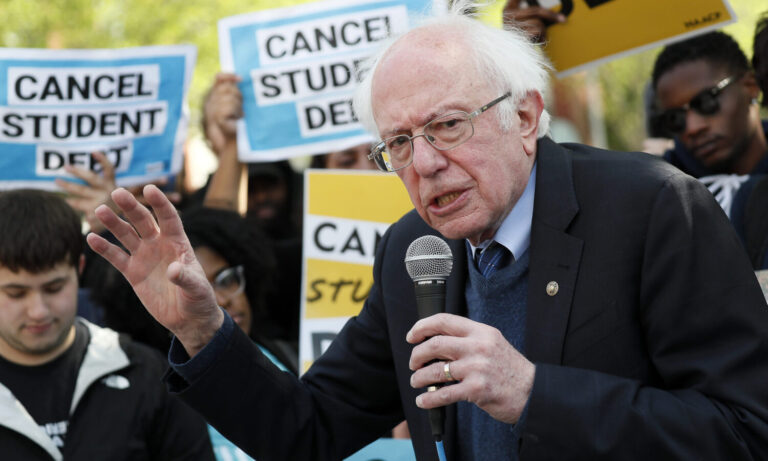
Cruz’s words were welcomed with a lot of criticism starting with Sen. Bernie Sanders’ following tweet:
This is what a leading Republican thinks of young “slacker” Americans who took out loans to go to college. https://t.co/37q9BX71KR
Others also joined to slam Cruz, reported Common Dreams. For example, a public school teacher Chris Williams tweeted: “Apparently myself, a public school teacher who joined the Peace Corps out of college, and currently with over 20k in student loans after graduating in 2009, is a slacker according to Ted Cruz. Good to know.”
This was followed by a Status Coup podcaster Jordan Chariton’s tweet: I’ve interviewed many ‘slacker baristas’ who work much harder and are MUCH smarter than Ted Cruz.”
Cruz Against Student Debt, But What About Cannabis?
After Biden revealed his decision to forgive student loans, Cruz harshly criticized it, stating that the news came as a “gut punch to every hard-working single mother who worked double shifts in order to pay for her own education, every parent who borrowed against their home to send their kid to college, Americans who sacrificed to make responsible financial decisions, and our nation’s veterans and service members who risked their lives to earn the G.I. Bill.”
According to Cruz, every taxpayer in America will pay for these debts, and what’s more, the move will make inflation even worst than it is now.
“Let’s be clear – there is no way to ‘cancel’ student debt. This will cost every taxpayer an average of $2,100. Someone will pay the price for this policy and the price is likely to be felt by every American in the form of even higher inflation. This administration is exceeding its legal authority and illegally burdening hard-working Americans with debts they didn’t take on themselves,” Cruz stated.
Earlier this year, some Republican senators pledged to stop Biden from canceling student loan debt, citing inflation fears. However, economists and the Roosevelt Institute maintain that canceling student debt would not be inflationary.
Cruz is also an opponent of federal cannabis legalization. While he many times said that it should be left up to states to decide if they want to legalize the plant, he also made sure it is understood that is not something he would personally support.
Furthermore, when asked if he ever consumed marijuana and if not, then why not, Cruz replied: “I don’t because it’s illegal and because it’s harmful to you. It’s not healthy.”
From creative paths to the tech industry, the world is your oyster right now if you love weed.
If you are looking for a new job there are few better times than the present to look for a new opportunity or even launch a new career. According to CNBC, “Workers continue to benefit from a hot job market characterized by near-record demand for their labor, which has translated to ample choice and higher pay.” Here are 10 career paths for ambitious marijuana lovers in the industry.
With this being such a great market for the employee on the hunt, it allows those looking for jobs to pick and choose what is most important when it comes to a career. If you are a regular cannabis user, for example, you might even be wondering what career path might best suit you and your extracurricular activities.
These days there are all sorts of jobs and career paths available to marijuana lovers. Gone are the days when pizza delivery and video rental clerk are the only viable career aspirations. From creative paths to the tech industry, the world is your oyster right now if you love weed. While many jobs have warmed up to the idea of weed use, here are 10 of the best career paths for cannabis lovers.
Food & Beverage Industry
Sure, there is the stereotypical idea of the stoner dishwasher and busboy, but the food and beverage industry actually has some great career paths for driven and creative individuals. From food and beverage director, to corporate trainer,edibles chef, bar manager and even food and beverage consulting, there are a wide array of careers in the food and beverage industry for motivated cannabis lovers.
Some corporate jobs may do preliminary drug testing, but it is rare for food and beverage jobs to do regular or random testing. This is a high energy field, which makes your love of cannabis a perfect unwinding activity after an energized day.
Entertainment Industry
Another industry that is becoming more and more infused with cannabis is the entertainment industry. As we previouslyreported, more and more entertainment celebrities are becoming part of the cannabis industry, helping it become more accepted in the community. Plus, the entertainment industry has one of the lowest rates of drug testing.
It is an always evolving industry that bursts with creativity. It is not for the faint of heart. But if you are a creative, tough-skinned and ambitious cannabis lover, you might want to consider your options in the entertainment world.
Musician
Musicians and marijuana go hand and hand, and they have a long history. From Bob Dylan introducing the Beatles to marijuana, to the mention of it in thousands of pop and hip hop songs, it is safe to say musicians and marijuana are interlinked. If you are passionate about music and marijuana, you may consider a career in the music industry.
Sure, becoming a platinum selling artist is not something everyone achieves, but there are lots of more achievable careers in music. In fact, according to Indeed, there are over 9,000 job opportunities in the music industry right now. From behind the scenes, to technical jobs, working on a tour or even taking a spin being a DJ, the music industry has all sorts of ways you can get your foot in the door and earn a living.
Computer Animation/Graphic Design
If you are a creative type but more of an introvert, it might be a good idea to brush up on your computer skills. Graphic design and computer animation is a career path for the artistic type, and these types of jobs are often not drug tested, as they are both creative and white collar.
If you love weed and are a talented artist, but looking for a driven career rather than a bohemian artist’s life in an industrial loft somewhere, computer animation and graphic design might be good paths.
Fitness & Wellness Instructor
The fitness and wellness fields are also very popular, and cannabis is often becoming entwined in both. Marijuana and working out has become more commonplace, and as we have reported, there are several benefits to incorporating weed into your fitness routine. If you love weed and working out, a career in personal fitness may be a great match for you.
Wellness, including holistic healing and meditation, also includes marijuana. If you are already interested in the world of wholistic healing and meditation, you may want to consider turning it into a career, especially as more states make marijuana legal and accessible.
IT/Web Developer
If you are more of an analytical, tech savvy weed enthusiast, you might struggle to find a good career fit to match both your skills and your interests. While some computer programing and technology jobs involve the corporate grind (and drug testing), you might want to consider IT consulting or web developing. These jobs often allow you a good amount of independence and autonomy.
In today’s post-pandemic labor market, many of these jobs can also be done remotely, which can be a big bonus for those who like to design web sites and fix IT problems while getting a little bit high.
Real Estate
Another job that often involves lots of hustle and independence (but with little corporate oversight) is the real estate industry. Sure, depending on what company you work for there may be corporate red tape, but many real estate agent jobs do not drug test. The real estate industry is a great career path for a cannabis lover who is outgoing, and also driven.
In fact many real estate agents are independent contractors, which limits your connection with your employer. If you like to get high, but have big ambitions, the real estate agency might be perfect for you, as it is an industry where the more you hustle, the greater your rewards. Not to mention, as we have previouslyreported, there are links to cannabis legalization and increased property value. Sounds like a win win scenario.
Entrepreneur/Self-Employed
If you are worried about getting drug tested, or your boss not liking your cannabis habit, why not work for yourself? If you often have visions of starting your own business or creating a product, and use weed to channel that vision, perhaps consider becoming an entrepreneur.
Entrepreneurs have flexibility to create their own schedule and their own rules. If you find that marijuana gives you even more drive and creative flow, consider making your self-employed dreams a reality. Just make sure you are not the type who gets lazy when you get high, since being your own boss requires self-motivation.
Writer
Lots of writers are known to be regular cannabis users. From Hunter S. Thompson to William Shakespeare (allegedly), weed and writing has been commonplace for centuries. Writers usually work for themselves, or at the very least at their own pace. As long as you are able to meet deadlines, you have no need to stop your weed habit.
Photo by Jose Luque / EyeEm/Getty Images
Becoming a novelist is not the only route either. From travel blogger to ghost writing, there are all sorts of writing jobs for those looking to use their wordsmith skills without having to give up their love of ganja.
Cannabis Industry
You can’t have a list of career paths for weed lovers and not include the cannabis industry. If there is one industry that fully embraces those who love weed, it is the weed industry itself. Not only is the cannabis industry unlikely to fire you for your weed usage (unless it is at work and prohibited on the site), but there are so many career paths within the weed industry.
As we previouslyreported, the cannabis industry is growing at a rapid rate, and could be worth upwards of$45 billion in 2025. From head grower, to CEO, to director of sales, marketing or even the general manager of a dispensary, there are lots of highly lucrative careers within the cannabis industry itself. So if you are an ambitious weed lover, why not work with what you love?
When properly stored in a freezer, the degradation process of cannabis almost stops entirely. However, there are some things you should know before you do this.
When cannabis is dried and cured, its potency is at its highest. Over time weed loses its potency, especially if exposed to light and heat. Many different methods have been developed to keep the potency of cannabis from degrading. One of these methods is storing weed in the freezer.
If you buy bulk cannabis and/or harvest a healthy supply of homegrown cannabis you might find yourself looking for ways to maintain its potency. Freezing weed may be an option for you.
What happens if you put weed in the freezer?
When you put weed in the freezer, you stop the degradation process — the process by which cannabis loses its potency. A 1999 study by researchers at the University of Mississippi found that the THC in cannabis depletes by an average of 1/6th within the first year. They found that after:
One year, cannabis’ potency reduces by 16.6%
Two years, cannabis’ potency reduces by 26.8
Three years, cannabis’ potency reduces by 34.5%
Four years, cannabis’ potency reduces by 41.4%
Does putting weed in the freezer preserve it?
Putting weed in the freezer does preserve it. When properly stored in a freezer, the degradation process of cannabis almost stops entirely.
This is good news for anyone looking to store their weed for long periods of time without worrying about its potency. However, there are some things you should know before you put your weed in the freezer.
The first thing to know is that you shouldn’t store your weed in the freezer for extended periods of time. If you do, the quality of your weed will suffer. This is because each time you take it out of the freezer and then put it back in, thawing and refreezing degrades the quality of your weed.
To avoid this, only store your weed in the freezer for short periods of time – no more than a few months.
The second thing to know is that you should store your weed in an airtight, freezer-safe container before putting it in the freezer. This will protect your weed from being exposed to too much moisture, which can degrade the quality.
You should also make sure to label your container with the date you put it in the freezer. This way, you’ll know how long it’s been in there and can consume it accordingly.
Finally, when you’re ready to use your frozen weed, be sure to thaw it out slowly by letting it sit at room temperature for a few hours. Do not microwave it or try to speed up the process in any way, as this will degrade the quality of your weed.
Photo by Daria Shevtsova via Pexels
When thawing out your frozen weed, make sure it completely dries or mildew can grow, along with mold and other bacteria. Use it within a week or two. After that, the quality of your weed will start to decline.
If you’ve been wondering “Can I keep my weed in the freezer?”, you now know that freezing your cannabis will help preserve the potency of your weed.
Can you freeze CBD oil?
Now that you know you can freeze weed, you might also be wondering “Can you freeze CBD oil?”
The shelf life of CBD oil is about two years. After two years the oil tends to turn murky, thick, and lumpy. Just like consuming an old food product, consuming old CBD oil can make you sick.
Similar to fresh cannabis flower, CBD oil should be stored away from sunlight and direct heat. This will help it to maintain its potency. “Freezing” CBD oil can extend its shelf life but it’s important to note oil does not freeze like water. Placing CBD oil in a freezer will cause its viscosity to change and keep it from going bad sooner but it will also make the oil hard to use when removed from the freezer.
Can you freeze edibles?
Just like cannabis flower and CBD oil edibles can be stored in the freezer. The main difference between freezing flower, oil, and edibles is that edibles contain additional food ingredients that are susceptible to bacteria. If you find yourself with an abundance of edibles, you will want to freeze your extras right away to prevent them from spoiling.
Cheri Sicard, the author of The Cannabis Gourmet Cookbooksays, “Freezing edibles makes good sense. You can portion control and save the rest for when you need it…Freezing cannabis brownies and marijuana butter can extend their shelf life by about six months.”
When freezing edibles it’s important to remember they will become harder and more brittle. For this reason, it’s best to wrap them individually before placing them in the freezer. This will prevent them from sticking together and breaking when you try to remove them.
To help keep track of how long an edible has been in your freezer, mark the date on your edibles.
How to freeze edible gummies
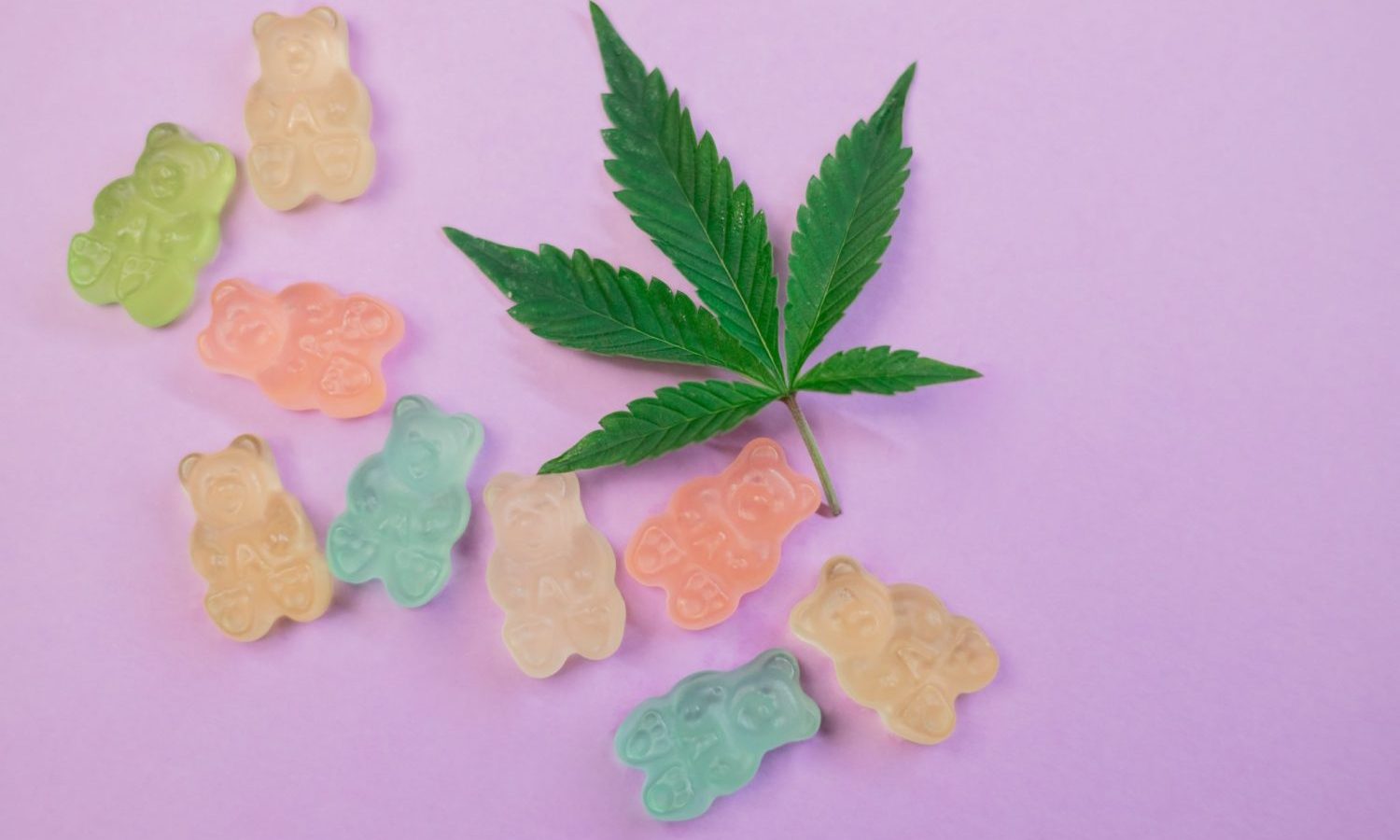
To freeze edible gummies, place them on a baking sheet lined with parchment paper. Make sure the gummies are not touching each other. Place the baking sheet in the freezer for 1-2 hours or until the gummies are frozen. Once they are frozen, transfer them to an airtight container, and store them in the freezer. Consume your THC gummies within six months of freezing.
Photo by Kindel Media from Pexels
Does freezing damage THC?
It’s absolutely normal to be concerned about damaging the cannabinoid content of your weed. The number one thing that causes damage to THC is improper storage. Improper storage degrades THC. As discussed above, researchers at the University of Mississippi found that THC loses 16.6% of its potency within the first year.
Does putting weed in the freezer do anything?
Freezing cannabis is helpful to prevent THC degradation, as it reducespotency loss to approximately 4%. Freezing fresh flower can be damaging to THC in that it becomes more fragile. If bumped, the crystalized trichomes may break off easier causing your flower to lose some of its strength. Additionally, if your weed is thawed too quickly, it can cause a lot of moisture which makes it susceptible to mold.
It’s important to remember that freezing weed is not a perfect solution to extending its shelf life. Your cannabis will still degrade — just not as fast. For this reason, it’s best to use frozen weed within a few months.