Thursday, April 30, 2026
Home Blog Page 213

Will Biden Make A Move On Cannabis?

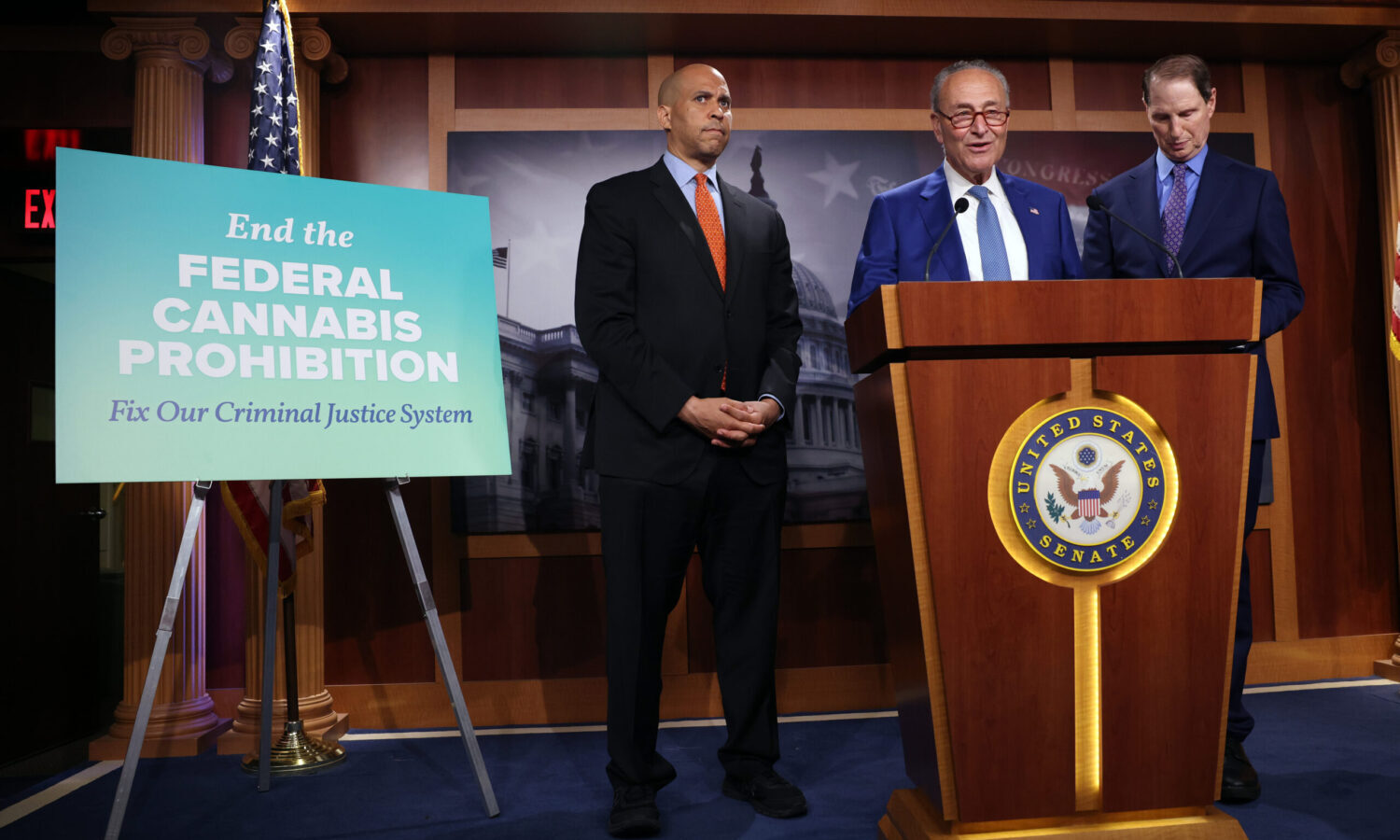
One crucial and imperative way the Biden administration can gain respect on the issue is to simply respond quickly and appropriately to several calls to action by Democrats.

It is no secret that there are a lot of major political issues at play in the US this year. Just look at a midterm election debate and you will notice that the current list of major political issues has doubled since the start of this year.

Marijuana legalization is one of these issues. In fact, the silent stance taken by the Biden administration on marijuana policy has caused many frustrations to grow, and now this building frustration is boiling over. People want accountability.

marijuana legalization
Photo by Bet_Noire/Getty Images

RELATED: These Are The Senators Pushing Biden To Legalize Cannabis

As we recently reported, a group of powerful democratic senators, including Elizabeth Warren and Bernie Sanders, sent President Biden a letter urging him to use his power to decriminalize marijuana and clear the names of those convicted of non-violent marijuana crimes. This letter essentially calls out the Biden administration’s lack of action on promised marijuana policy, which begs the question: What must Biden do to reassure the public when it comes to marijuana policy?

The letter, for the most part, spends several pages answering this question. The two things Biden can do, according to these senators, is decriminalize marijuana (like he promised) and also quit it with the silent treatment. After all, the senators voiced frustrations not only in the lack of policy, but also the silence or slow speed of responses from the administration. 

Near the start of the letter, the senators mention their long wait for a response from the DOJ about rescheduling marijuana. “The half-page response, which took over six months, was extraordinarily disappointing,” the letter said. Later on in the letter, the group of senators also mentions a previous letter they sent on November 9, 2021, where they “called on President Biden to use his authority ‘to pardon all individuals convicted of nonviolent cannabis offenses, whether formerly or currently incarcerated.’ To date, we have not received a response to this letter.” Therefore, one crucial and imperative way the Biden administration can gain respect on the issue is to simply respond quickly and appropriately to these calls to action.

In addition to breaking the silence and no longer giving the runaround, the letter makes it clear that it is time Biden owns up to the campaign promises he made about marijuana. As a memory refresher, Biden did not campaign on marijuana legalization, but he did officially campaign to decriminalize the substance.  For example, he was even recorded on the presidential campaign trail saying that “nobody should be in jail for smoking marijuana.”

Joe Biden
Photo by Drew Angerer/Getty Images

RELATED: Do Biden’s Views On Weed Now Make Him A Conservative?

This was not the only time he discussed marijuana leading up to the 2020 election. He even campaigned with official promises to decriminalize marijuana. In one official campaign ad, for example, he said, “As president, I’ll work to reform the criminal justice system, improve community policing, decriminalize marijuana, and automatically expunge all prior marijuana convictions.” While this stance is fairly conservative compared to many of his democratic colleagues, these promises have not been met. According to the Washington Post, “his administration has stayed mum on its marijuana policy and efforts to pardon nonviolent offenders.” This “mum” policy is no longer being tolerated by some of his top democratic colleagues.

Throughout the letter, it is made clear that it is time for the Biden administration to take some form of action when it comes to marijuana policy. At a time when his approval ratings are at very low levels, marijuana reform could be a much needed win. After all, as the letter mentions, “There is widespread public support for cannabis legalization, with around two thirds of the public supporting the legalization of cannabis.”

Only time will tell how the current administration will handle the letter and similar calls to action, but one thing has been spelled out — action, in some form, is essential.

The Difference Between CBD From Hemp Or Cannabis

0

Hemp and cannabis are cousins from the same plant family: cannabis sativa. Each of them are grown for various purposes though they have different features and characteristics.

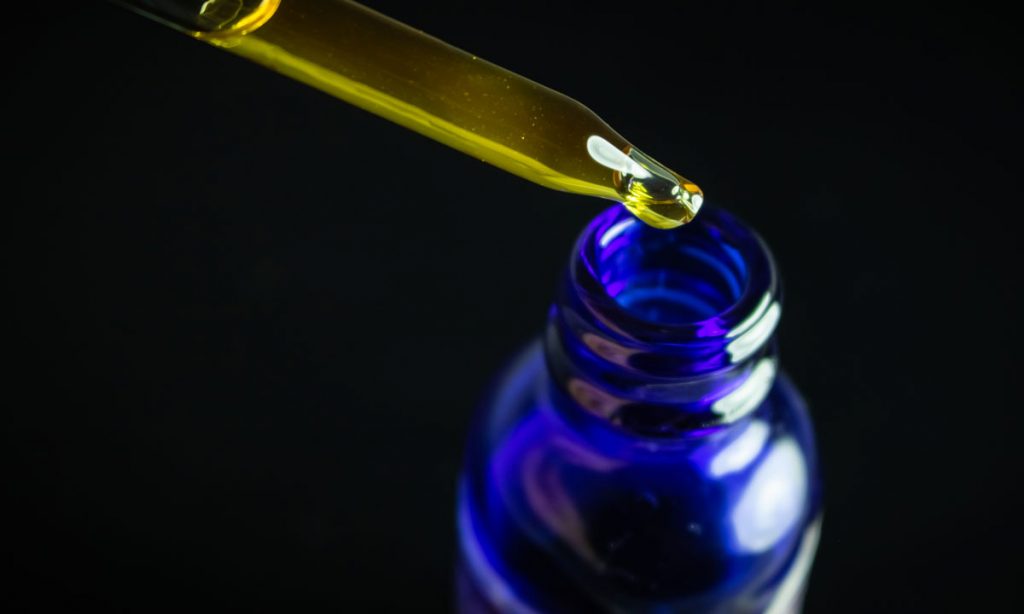
Cannabidiol (CBD) products are everywhere these days. From gel capsules to oils, tinctures, creams, and even CBD products for your pet, there’s a CBD product for almost any ailment you can think of. Anxiety, insomnia, skin care, and so much more. It isn’t surprising considering that the CBD market is responsible for $12.8 billion in sales last year, though it’s expected to grow more from this year to 2028.

CBD oil
Photo by Cristi Ursea via Unsplash

RELATED: How To Choose High Quality Hemp CBD Edibles

But when shopping around for CBD products, it is in the best interest of consumers to educate ourselves about the various types of CBD out there. The two sources of CBD are the hemp plant and the cannabis plant.

Hemp and cannabis are cousins from the same plant family: cannabis sativa. Each of them are grown for various purposes though they have different features and characteristics.

Hemp

Hemp is an industrial crop that has extremely low levels of THC, usually under 0.3%. However, it’s a rich source of nutrients and CBD. Hemp is widely cultivated for commercial and industrial purposes; the entire hemp plant including leaves, stalks, buds, and seeds can be made into several different useful products.

Because hemp is a rich source of natural CBD, most of the CBD products made around the world are made from hemp. It also makes it easier to produce large quantities of hemp-derived CBD because the hemp plant has been removed from the Controlled Substances Act back in 2018 thanks to the legalization of the Farm Bill. The act allows hemp to be cultivated legally then produced into CBD products for the public to consume.

Cannabis

Cannabis and marijuana are one and the same. This species of the cannabis sativa plant contains high levels of tetrahydrocannabinol (THC) which is psychoactive and gets you high. It also contains around 500 various compounds including cannabinoids, terpenes, and flavonoids that contribute to cannabis strains’ aromas, effects, and health benefits.

Cannabis can contain anywhere from 5 up to 30% THC though it has very low CBD levels. But thanks to recent engineering and breeding, cannabis strains can be made to produce much higher levels of CBD these days. There are also craft cannabis strains that have a high CBD content, and they can produce quality CBD products such as oils, tinctures, and edibles. In addition, for consumers who prefer to consume through smoking, you can consume CBD by smoking the cannabis plant in flower form because you can’t smoke hemp.

While dozens of states have legalized cannabis for medical and/or recreational use, cannabis is still illegal in the eyes of the federal government.

RELATED: 6 Facts About CBD That You Might Not Know

CBD oil cannabis tincture
Photo by 24K-Production/Getty Images

Is There a Difference in The CBD?

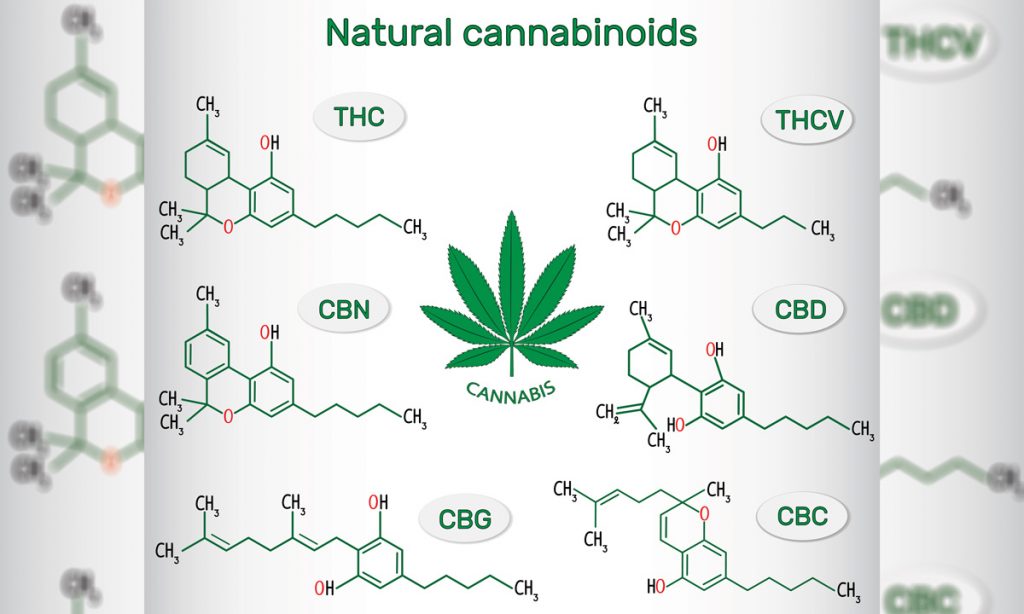
When you compare the molecular structure of CBD made from hemp to that of cannabis, they are exactly the same.

However, there are a few differences that consumers should take note of:

  • Legality: Hemp-made products, CBD included, is legal all throughout the United States. One can transport hemp-derived CBD across state borders while companies can cultivate and manufacture CBD products without having to worry about any legal implications.

But with CBD oil made from marijuana, it’s up to each state to define whether or not it’s illegal. In the eyes of the federal government, though, CBD oil made from marijuana is still a marijuana product and if you are caught traveling with it or crossing state lines, there may be some serious legal implications.

  • THC content and effect: Since CBD oil and products made from the hemp plant has extremely low traces of THC, consumers can expect feeling little to no high at all. In fact, you would have to consume a ridiculously high amount of CBD oil with trace amounts of THC to get high. It would just make no sense at all because if psychoactive effects are the priority, then you should be consuming THC products and not CBD.
  • Nutrient profile: Hemp doesn’t boast of a cannabinoid profile as rich as cannabis. Since cannabinoids also have a myriad of numerous health benefits, you will only be able to enjoy it if you consume cannabis-derived CBD. But CBD from hemp is rich in vitamins and fatty acids, which make it suitable for treating disorders related to the skin and inflammation, as well as for overall health and well-being.
CBD Capsules Dosage: How Much Should You Take
Photo by Charles Wollertz/Getty Images

RELATED: How Long Does CBD Stay In Your System After You Take It?

Many medicinal patients who use CBD to treat conditions benefit from consuming cannabis-derived CBD. Its therapeutic benefits are simply more powerful thanks to the entourage effect working on all the cannabinoids and terpenes present.

  • Where to find them: CBD oils and other CBD products made from marijuana can only legally be purchased in licensed dispensaries in states that have legalized cannabis. On the other hand, you can easily buy hemp-derived CBD almost anywhere.

Having said that, patients should research and discuss with their doctors about the type of CBD oil that’s best for you. Even if you want to start supplementing with CBD for general health, here are certain things you should look out for:

  • Certificate of Analysis (COA): The COA provides you with insight on the other ingredients or compounds used in the plant. Legitimate COA’s should tell you about the cannabinoid analysis, heavy metals, if any; and pesticide analysis. Stay away from products that only tell you the cannabinoids present because they may not be that transparent with you.

Some COA’s also include detailed information on terpenes, residual solvents, and mycotoxins.

  • Organic and non-GMO CBD: Ideally, you want to be consuming organic and non-GMO cannabis and CBD products. This will give you peace of mind that you’re taking in clean ingredients that are free from pesticides and other chemicals that can be detrimental to your health. Many hemp and cannabis plants are genetically modified but several CBD brands out there claim to be non-GMO, yet they don’t have the proper verification. Always research the brand to find out more information on their hemp plants.
  • Ingredients: Depending on the type of CBD oil or product you are consuming, some manufacturers may have added other ingredients to make it more palatable. CBD oils are usually mixed with a carrier oil such as MCT oil, coconut oil, olive oil, sunflower oil, or almond oil. With all these options, you can easily choose which one is best for your needs.

It’s up to consumers to know about the various CBD product offerings on the market. Not all products are created equally, so you want to be sure you’re consuming only high-quality CBD for your health and safety.

These Marijuana & Psychedelics Amendments Could Be Included In Next Defense Bill

By Lara Goldstein

In a recent House Rules Committee assembly, Reps. Matt Gaetz (R-FL) and Dan Crenshaw (R-TX) supported alternative treatment research for military members in the 2023 defense bill.

Almost 1,200 filed amendments to the National Defense Authorization Act (NDAA), including a dozen related to marijuana and psychedelics, have been presented to the committee.

American flag marijuana
Photo by Olena Ruban/Getty Images

RELATED: GOP Congressman Says Democrats Are To Blame For Marijuana Legalization Delay

Several of the major drug policy reforms have been cleared for votes on the House floor and are now set to be considered by the full chamber.

The measure introduced by Gaetz is based on an existing provision from Rep. Seth Moulton (D-MA) for research on marijuana as an alternative to opioids for military members with certain health conditions. This bill was already attached to the must-pass bill in the House Armed Services Committee, reported Marijuana Moment. Gaetz’s proposal is to expand the research to include psilocybin and MDMA.

Alexandria Ocasio-Cortez (D-NY) recently filed a nearly identical yet separate amendment to the NDAA as well, requiring the DOD to do research into psilocybin, MDMA and marijuana as alternatives to opioids for service members with PTSD, traumatic brain injuries or severe pain.

As Marijuana Moment reported, the Democratic-led measure was made in order to proceed, while its GOP counterpart was not.

On the other hand, the amendment Crenshaw presented would provide the secretary of defense the possibility of approving grants for research into the therapeutic power of a list of psychedelics (including MDMA, psilocybin, ibogaine & 5–MeO–DMT) for active duty service members suffering PTSD.

Crenshaw’s measure was first introduced in 2021 when the House Rules Committee didn’t order it for NDAA floor consideration. The text, which has not been modified seeks not to decriminalize psychedelics or give service members free hand to experiment with them, but to begin studying a new, potentially life-improving therapeutic option.

psychedelics
Photo by wildpixel/Getty Images

RELATED: GOP Congressman Criticizes Biden For ‘Betrayal On Marijuana’

Besides the psychedelics amendments, other proposals have been approved and are set for full chamber consideration as well: VA home loan benefits for veterans using medical cannabis, allowing VA doctors to fill out recommendations for medical marijuana, protecting banks that work with state-legal cannabis businesses, amongst others.

The fiscal year 2023 bill seems to hold interest in including cannabis & psychedelics policy in defense as have policy amendments proposed by Perlmutter (D-CO), Mace (R-SC), Clark (D-MA), Tlaib (D-MI), and Blumenauer (D-OR).

This article originally appeared on Benzinga and has been reposted with permission.

Thailand’s Decriminalization Of Weed Triggers A Lot Of Interest In Young Entrepreneurs

Young entrepreneurs in Thailand have taken advantage of the country’s new approach to cannabis, even if it remains illegal to consume the drug recreationally.

Thailand’s recent decision to decriminalize marijuana has inspired a lot of young people who want to make their mark on the new and exciting industry.

Aljazeera spoke with some of the country’s residents, who are seeing a cannabis product boom, from pre-rolled joints to Sriracha bottles with a weedy twist.

Traveling To Thailand? Here's What You Should Know About Their Weed Laws
Photo by Sumit Chinchane via Unsplash

RELATED: Thailand Decriminalizes Marijuana, But Recreational Use Still Illegal

“My age group ‘Gen Z’ don’t really drink alcohol but we do smoke weed,” said Mada, a 21-year-old woman who works at a weed dispensary in eastern Thailand. Her outlook on cannabis stands in contrast to that of the Thai government, which claims to have legalized the plant to make it easier for growers and consumers to access cannabis for medicinal and culinary purposes.

Still, consumers and those invested in weed are taking advantage of this newly adopted lax attitude, setting up businesses of their own through the comfort of their smartphones.

“Since the law changed you see across Instagram stories about how many of my age group now have a new chance to make a living,” said Mada. As is the case with most businesses, it becomes way easier to get a public with the help of social media. In the case of cannabis, these hashtags and offers are disguised (#saikiew, which means “green way of life”), yet they still result in profitable business ventures.

RELATED: Traveling To Thailand? Here’s What You Should Know About The Country’s Weed Laws

While the laws are allowing people interested in making money with cannabis to operate with relative freedom, experts expect this will change soon. The Thai government is under pressure to control cannabis’ growth and to educate the public on the purpose of the drug under Thai laws. They’re also concerned on the effect of the plant on children and whether or not this new environment makes it more likely for them to have access to the drug.

Still, it may be too late to control cannabis. The switch is flipped. “It is interesting to see how society changes with the thought of the ‘cha-ching’ (money),” said Chokwan “Kitty” Chopaka, a longtime cannabis advocate. “Suddenly a ‘druggie’ turns into a business person and a bedroom grower turns into a master grower.”

Bill Clinton Says CBD Shows Results As Alternative To Opioids

Just before leaving office in 2002, the former president told Rolling Stone that small amounts of cannabis should be decriminalized.

By Nina Zdinjak

Former President Bill Clinton says CBD show positive results as an alternative to opioids. This came from the results of a clinical trial on the efficiency and safety of CBD as a treatment for post-operative pain and are “very encouraging.” Clinton is following the research via the Clinton Foundation.

“The Clinton Foundation has worked for years to reduce opioid addiction and deaths,” Clinton said. “To succeed, we need non-addictive alternatives to pain management. The results of the trial conducted by NYU Langone, with TRP’s CBD ingredient, are very encouraging and I’m eager to see the results of the next round.”

Bill Clinton
Photo by Center for American Progress Action Fund/Flickr

RELATED: Cannabis, Controversy & Confusion: Bill Clinton Is Back

A botanical-derivative producer, TR Processing LLC, confirmed Tuesday it has been a CBD supplier for NYU Langone Health and Baptist Health/Jacksonville Orthopaedic Institute’s Phase 1/2 clinical trial.

Clinical Trial Highlights 

The clinical trial focused on examining CBD safety and its effect on postoperative pain, patient satisfaction and opioid consumption, post arthroscopic rotator cuff repair surgery.

The trial had 99 participants between the ages of 18 and 75 divided into two groups – one receiving “buccally absorbed CBD,” and the other control group placebo treatment. A day after surgery, patients receiving CBD showed on average 23% less pain, compared to the placebo group, and a 22% to 25% greater level of satisfaction with pain control. There were no important side effects disclosed.

“We are committed to supporting the study and responsible commercialization of isolated cannabinoids, including CBD,” said Chris Kanaley, chief strategy officer at TRP. “Tackling opioid abuse and addiction through the development of safer pain management alternatives is the first of many potential uses of our unique processing platform, and we are enthusiastic about the future. Our work has tremendous potential to become precision medicine at its best.”

Kevin Kaplan, M.D., FAAOS, orthopedic surgeon and head team physician for the Jacksonville Jaguars, led the trial for Baptist Health/Jacksonville Orthopaedic Institute and helped guide the research. Kaplan said he was pleased about their collaboration with TRP.

“We performed an exhaustive search looking for a manufacturer that could provide consistent and quality raw ingredients while acknowledging the strict standard under which the FDA and pharmaceutical industry operate,” Kaplan said. “We found that in TRP and thank them for their support.”

CBD oil
Photo by Anna Efetova/Getty Images

Clinton & Marijuana 

Some 30 years ago, then-Arkansas Governor Clinton publicly admitted he had tried weed in his 20s, while he was at the University of Oxford.

“I’ve never broken a state law,” he said at a candidates’ forum, as reported by Time. “But when I was in England I experimented with marijuana a time or two, and I didn’t like it. I didn’t inhale it, and never tried it again.”

Furthermore, in 2000, just before leaving the office, he told Rolling Stone that small amounts of cannabis should be decriminalized, just like they are in some places.

What is the stance of the current U.S. Presidential administration? There are new signals in this direction, especially now when so many states have already legalized cannabis either for medical or recreational purposes or both, and each year more and more Americans seem to be backing legalization. Furthermore, the country is desperate in finding ways to deal with a major overdose crisis.

Opioid Crisis Is Real

As per the data from the Centers for Disease Control and Prevention, just last year more than 100,000 Americans died of a drug overdose, and about 1 million lost their lives to overdose over the last 20 years. The alarming crisis also impacts the U.S. economy, as per some estimates about $1 trillion per year.

Last October, the Biden administration signaled it is considering embracing once taboo strategies to stem the opioid crisis. Secretary of Health and Human Services (HHS) Xavier Becerra revealed the Biden administration’s strategy to deal with the epidemic, which could include allowing supervised consumption sites.

What US Government Could Learn From Oregon’s New Drug Decriminalization Law
Photo by LeszekCzerwonka/Getty Images

RELATED: White House Drug Czar Signals Possibility Of Safe Consumption Sites To Address Drug Overdose Crisis

This June the administration confirmed it will consider safe consumption sites and cannabis decriminalization to address the public health emergency.

The Biden administration will prioritize “harm reduction” as a response to drug abuse while examining information on marijuana legalization and safe injection sites, White House drug czar, Dr. Rahul Gupta said last month.

“For the first time in history, the federal government is embracing the specific policies of harm reduction,” Gupta told the Financial Times.

As for marijuana legalization, Gupta noted that the White House position should be based on science by analyzing the experiences of the 19 states in the US that have already legalized adult use.

“We’re learning from those states. We’re monitoring the data and trying to see where things go,” Gupta said. “But one thing is very clear, and the president has been clear about that. The policies that we’ve had around marijuana have not been working.”

Bill Clinton says CBD shows results as an alternative to opioids is important in the addiction crisis left by opioids.

This article originally appeared on Benzinga and has been reposted with permission.
Why China Will Never Legalize Cannabis

Will the world’s global superpower ever legalize marijuana? It seems unlikely not, even though it’s extremely ironic that some of the oldest evidence of weed consumption has been found in China.

This article originally appeared on Cannabis.net and has been reposted with permission.
China, a global superpower in the world, a country responsible for numerous inventions that have helped save humankind, is now living in a dystopian nightmare that has eerily too many similarities with George Orwell’s famous book, 1984.

Photo by David Yu via Pexels

RELATED: As China’s Hemp Industry Suffers, US Hemp Growers Prepare To Pounce

In fact, internet users in China aren’t even allowed to type “1984” in social media, and copies of Orwell’s dystopian novels are banned. The novel is set under a fictional regime of constant state surveillance and censorship. The citizens in the book are carefully monitored by “Big Brother” and are made to practice “double think” and only talk in a state-controlled language known as “newspeak.” Talk about double standards.

An article by Brookings discusses how visualization and police informatization is driving Chinese surveillance systems. The communist government has numerous methods of collating massive volumes of data on its over 1.4 billion citizens: from surveillance cameras in the streets to medical history, e-commerce, travel, WeChat, and more, the repressive nature of its surveillance tactics feel like a huge step backward.

On top of that, they place a strict focus on “focus personnel”, who are citizens that are deemed by the government to undermine social stability, or people petitioning the government.

Naturally, the communists have a strict stance against drugs – and all kinds of it. According to the Chinese government, all kinds of drugs pose a serious hazard which is why they take drug control seriously. While Chinese society has, just like many other countries, also suffered from the ills caused by deadly street drugs such as methamphetamine – as well as heroin and fentanyl.

But will the world’s global superpower ever legalize marijuana? It seems unlikely not, even though it’s extremely ironic that some of the oldest evidence of marijuana consumption has been found in China. Researchers discovered that marijuana was burned for its intoxicating plumes around 2,500 years ago, in a plateau in Central Asia. They also found more evidence of Sogdian culture, an ancient people from western China as well as Tajikistan who followed Zoroastrianism, a religion that appreciated the benefits of cannabis according to their sacred texts.

In addition, both cannabis and hemp were used in China’s early history, part of making traditional Chinese medicine, fibers, textile, and more.

No matter which way you put it, marijuana is an entheogen, plant-based chemicals that induce an unusual state of consciousness. These types of plants have been used since ancient times for spiritual and religious purposes, as many cultures believed that these hallucinations and experiences allowed them to dialogue with the gods among others.

For example, peyote was consumed in Mesoamerica for some 2,000 years is still widely used by the Huichol tribes of Mexico. “For the Huichol, peyote serves as the central sacrament of their rituals,” explains anthropologist Paul Liffman, who has been studying the tribe for many years. “It is taken to illuminate the user, to lighten them from inside,” he adds.

Meanwhile, magic mushrooms and ayahuasca have long been considered “plant teachers” in Latin American nations. Indigenous tribes especially those that reside in the Upper Amazon have had a long history of using ayahuasca which they consider a sacred brew, used for rituals (known as Shipibo) and healing purposes.

Today, cannabis is the most widely accessible and popularly used entheogen. While it was also used for spiritual and religious reasons in the past, people still do so in current times. In a study published in the Journal of Cannabis Research, a survey was sent out online through private messaging and asked 319 participants from various online communities about their experiences with psychedelics and cannabis as well as association to religious traditions, spiritual practices, and motivations for cannabis and psychedelic use.

The results found that 69% of participants used psychedelics and cannabis for spiritual purposes, and 25% of them had a spiritual motivation for using the drug.

hemp CBD
Photo by Marti157900/Getty Images

Marijuana Will Cause Chinese People To “Wake Up” – And That’s Why It Will Never Be Legalized

Given the effectiveness of entheogenic drugs to ‘wake up’ one’s mind, start discussions about one’s freedom and true feelings, get in touch with your ego, roots for mental health problems and the like, it isn’t surprising why the Chinese communist government will never allow its citizens to consume it legally.

Human rights is a dire problem in China: people simply do not have the freedom of expression, or access to other basic human rights. They are harassed and tortured by the government if they even speak up. Whereas in North America, lobbies for legalizing marijuana on the street are normal, parents speak up if they can’t get access this life-saving medicine for their sick children, and we talk about how marijuana makes us feel – on the internet, all the time. The fact that we can even write and publish these articles – it would be a far cry for it to happen in China, ever.

The citizens are badly in need of psychiatric and psychological help after having to be under all that mental and physical repression in their own home. The government even goes as far as using mental illness to discredit any dissidents, and in some cases will force their own people to be confined at psychiatric hospitals if they speak badly about the regime.

For as long as people don’t have freedom of speech and expression in China, they will never be able to experience the therapeutic benefits of marijuana, which is extremely disheartening. China will constantly be in the shadows unless a progressive government takes over.

This article originally appeared on Cannabis.net and has been reposted with permission.
LeBron James Is Furious About How The US Is Handling Brittney Griner’s Situation In Russia

This is not the first time LeBron has spoken out about Griner. He took to Twitter last month along with a group of NBA players demanding her release.

By Maureen Meehan

LeBron James had a few impassioned words for Brittney Griner who has been stuck in a Russian prison cell for nearly five months.

“Now, how can she feel like America has her back? I would be feeling like, ‘Do I even want to go back to America?'” LeBron said during a recent taping of HBO’s “The Shop.”

Will Brittney Griner Incident Push US Government To Change Their Cannabis Laws?
Photo by Mike Mattina/Getty

RELATED: Will Brittney Griner Incident Push US Government To Change Their Cannabis Laws?

James’s quotes were edited in the trailer and the full episode of the show won’t be out until July 15. But his comments are scathing, according to Sports Illustrated.

Biden and his administration have been roundly criticized for months for not doing enough to get Griner back home. Just last week, Griner’s Phoenix Mercury coach Vanessa Nygaard suggested that Griner would be home by now if she were LeBron James.

LeBron’s comments, it is worth noting, were made before Biden and VP Harris spoke with Griner’s wife Cherelle, pointed out TMZ.

In fact, several other efforts are underway, the most notable being that former governor of New Mexico, Bill Richards is traveling to Moscow in the coming days or weeks to talk with Russian powers-that-be and potentially put a prisoner swap on the table.

Brittney Griner
Photo by Chris Coduto/Getty Images

RELATED: Joe Biden Gets Handwritten Letter From Brittney Griner On 4th Of July — Here’s What It Says

This is not the first time LeBron has spoken out about Griner. He took to Twitter last month along with a group of NBA players demanding her release. “As a decorated Olympian and member of an elite global sports community, BG’s detention must be resolved out of respect for the sanctity of all sport and for all Americans traveling internationally,” LeBron said on behalf of his company, Uninterrupted. “It is imperative that the U.S. Government immediately address this human rights issue and do whatever is necessary to return Brittney home.”

Griner, arrested February 17 at a Moscow airport for having a cannabis oil vape pen in her luggage, pleaded guilty to the charge last week.

This article originally appeared on Benzinga and has been reposted with permission.

Will Brittney Griner Incident Push US Government To Change Their Cannabis Laws?

Brittney Griner was arrested in Russia after she was caught with hash vape cartridges in her carry-on bag. How likely is it for this incident to affect US cannabis laws?

Brittney Griner could face up to 10 years in a Russian jail, simply because she was caught with some hash vape cartridges in her carry-on bag.

Griner’s case has sparked outrage across the nation, trending across all sorts of groups, from celebrities, to cannabis activists, to civilians. It has made many wonder if it’ll spark a federal change in terms of US cannabis laws.

Brittney Griner
Photo by Christian Petersen/Getty Images

RELATED: Joe Biden Gets Handwritten Letter From Brittney Griner On 4th Of July — Here’s What It Says

The statement from Russia’s custom services explains why Griner was apprehended and how. “As a US citizen was passing through the green channel at Sheremetyevo Airport upon arriving from New York, a working dog from the Sheremetyevo customs canine department detected the possible presence of narcotic substances in the accompanying luggage,” it reads.“The customs inspection of the hand luggage being carried by the US citizen confirmed the presence of vapes with specifically smelling liquid, and an expert determined that the liquid was cannabis oil (hash oil), which is a narcotic substance.”

Despite the public’s outrage regarding Russia’s severe cannabis rulings, the US isn’t some weed safe haven. Cannabis has been slowly embraced across states, to a degree where it’s a common smell and sight within big cities. Still, it remains a Schedule I drug on a federal level. This means that any person, U.S. citizens and non-U.S. citizens, could face a jail sentence if they’re caught crossing state lines with it.

Even though Griner is an athlete and a celebrity, the response from the US government has been muted and slow. Griner was apprehended on February 17th and pleaded guilty this past Thursday, claiming she hadn’t intended to violate Russia’s laws. People who are aware of cannabis laws and of Biden’s administration’s track record with cannabis have small hope for change.

Throughout the course of the Biden administration, there’s been very little progress made in regards to cannabis. The administration hasn’t moved forward with any form of cannabis policy despite the fact that Biden promised to release people who were jailed for non-violent cannabis offenses and expunge their records.

This past Wednesday, Biden spoke to Griner’s wife and claimed that he was working on releasing her as fast as possible. Still, there’s very little evidence to support these statements. Making matters worse is the fact that diplomatic relationships between Russia and the U.S. are currently nonexistent.

Brittney Griner

RELATED: Democrats Send Letter To Biden, Urging Him To Legalize Weed

This past week, a variety of prominent senators asked Biden to use his presidential authority to decriminalize cannabis. “We ask that the Biden Administration act quickly to rectify this decade long injustice harming individuals, especially Black and Brown communities,” reads the letter.

Griner currently plays for the WNBA team Phoenix Mercury and has played in the Russian team UMMC over the past couple of offseasons.

Does Cannabis Legalization Increase Impaired Driving Rates? New Study Has Answer

By Jelena Martinovic

Does cannabis legalization increase impaired driving? According to the Coalition for Cannabis Policy, Education, and Regulation’s (CPEAR) recently published paper, it does not.

One of the key findings of the policy report says the effect of legalization on DUIC is “either insignificant or declines a year after the legal market was implemented,” though the organization highlighted that “more research and better data collection” is needed.

Could CBD Cause Impaired Driving?
Photo by William Krause via Unsplash

RELATED: Legalizing Medical Marijuana Reduces Drunk Driving, New Data Shows

The paper titled “Contextualizing the Problem: Driving Under the Influence of Cannabis and Other Drugs in America” also stressed that cannabis use alongside the use of other drugs can lead to impaired judgment and decision-making.

In addition, the report also attributed an increase in DUIC offenses to less knowledge of the impacts cannabis has on one’s ability to safely drive a vehicle.

“As CPEAR has always stated, it’s never safe to drive while under the intoxicating influence of cannabis,” said Shanita Penny, head of CPEAR’s Center of Excellence. “U.S. federal law should create a clear expectation that if you drive high, you will get a DUI, while also embracing the programs, technologies, and best practices to combat driving while intoxicated. We look forward to engaging with lawmakers on this critical matter as we continue to advocate for a federal framework for cannabis.”

Recent Research On Marijuana & Driving

Interestingly, a recent study revealed that over 40% of US drivers use both alcohol and marijuana.

Moreover, according to a study published recently in the Journal of Preventative Medicine Reports, frequent cannabis users in states where recreational marijuana is legal showed significantly lower risk of self-reported DUIC within three hours after use compared to those living in states where cannabis is not legal.

Some drivers believe that driving while high does not affect their ability to operate an automobile despite warnings from law enforcement that the number of fatal car crashes involving cannabis has more than doubled in the past several years.

Either way, the overall number of studies proving that cannabis legalization has a positive effect is on the rise.

Cannabis Legalization Decreases Impaired Driving

Earlier this year, researchers from state Universities of Tennessee, Arkansas and Iowa found that US recreational cannabis legalization reduced the number of heavy truck accidents by 11% in the eight states studied.

Legalizing Medical Marijuana Reduces Drunk Driving, New Data Shows
Photo by Jan Baborák via Unsplash

RELATED: Study: Consuming CBD-Rich Cannabis Has ‘No Significant Impact’ On Driving

Some states went a step further, with Pennsylvania leading the way. A recent bill that seeks to protect medical marijuana patients in the Keystone State from being charged with driving under the influence was approved by the Senate Transportation Committee by a 13-0 vote.

Under the bill medical cannabis is to be equally treated like any other prescription narcotic, requiring proof of impairment of the person’s ability to drive in order to be charged with DUI.

This article originally appeared on Benzinga and has been reposted with permission.
What Cannabis Lounges Could Mean For Weed Consumption

0

It is likely that many more laws will be implemented before cannabis lounges take off in a major way in other states.

There is something special about a lounge experience. An intentionally designed atmosphere for strangers to meet in order to enjoy ambience and interaction is something most of us took for granted before COVID. Bar, lounges and restaurants do a great business. Now there might cannabis-infused meeting place opening in different states.  Here is what cannabis lounges could mean for weed consumption.

As we previously reported, the Nevada Cannabis Compliance Board recently approved a measure that will allow cannabis consumption in lounges. While Alaska was the first state to approve cannabis lounges, Nevada, and specifically Las Vegas, along with some California cities, seem to have big and immediate plans for this new frontier. It is almost as if cannabis entrepreneurs are looking to take the buzz and nostalgia of Amsterdam’s weed cafes and explode them into modern American times. 

Smoking Marijuana
Photo by Inside Creative House/Getty Images

RELATED: Marijuana Lounges Could Soon Open In This State

This effort may prove to be a huge new growth market, and even a shift in how Americans view and consume their weed. While this is all exciting news, there are a lot of unanswered questions about how to run and regulate a marijuana consumption lounge. If this is the future of marijuana, how will states safely take this concept to the mainstream?

Marijuana lounges are a relatively new idea in the US in the scheme of things. For context, Colorado legalized marijuana in 2012, and Alaska legalized consumption lounges in 2019. But as more states legalize marijuana and are hungry for a piece of this new enterprise after lockdown, there is a growing interest in cannabis lounges.

“The politics of pot lounges are changing along with shifting social mores around the substance,” wrote Politico, which interviewed Larry Scheffler, the co-CEO of a proposed cannabis lounge in Las Vegas. And this isn’t the boutique corner cafe you might think of when you think of a weed lounge, unless you are picturing a space fit with a giant 5-inch-deep splashing pool.

“You take your shoes off. You dance in the water. You consume cannabis, and there’s 100,000 rooms looking down on you from the Vegas towers,” Scheffler said. This, my friends, is not Central Perk, but an altogether otherworldly cannabis experience. It all sounds fascinating, but how on Earth can you regulate such a venture? 

Take California for example. Several jurisdictions within California have begun legalizing forms of cannabis consumption lounges. But as more and more of these establishments pop up, just as many questions arise. “California law restricts indoor smoking, which could preclude customers from puffing on a joint in a lounge,” Brad Rowe told the New York Times recently. “And there are regulations intended to protect employees from working in smoke-filled environments,” Rowe said.

These are not the only questions people are asking either. In a recent article about consumption lounges, The National Cannabis Industry Association asked: “Could public consumption spaces cause people to over-consume? Will there be limits on how much cannabis a person is allowed to consume at a lounge in one visit? What is a ‘single serving’ of cannabis anyway?” These are all valid and mostly unanswered questions. Still, according to the same article, this has not stopped seven states from forging plans for legalizing consumption lounges.

Marijuana Lounges Could Open In Nevada This Year
Photo by Goodboy Picture Company/Getty

RELATED: Marijuana Social Clubs Are The Last Major Step For Legalization

Currently, Alaska is the only state with any real history in this department. Its laws, according to the Marijuana Policy Project, allow you to purchase and consume up to one gram of cannabis or an edible of up to 10mg of THC. Alcohol and tobacco sale and consumption is prohibited. There are also strict regulations about staff, and even strict ventilation regulations.

These are all understandable laws, and it is likely these and many others will be implemented before cannabis lounges take off in a major way in other states. Still, even though you might not be able to have a “happy hour” at these new consumption lounges, there are likely to be a lot of smiling faces in lounges and cafes across the nation once these establishments open their doors.

Don't Miss Your Weekly Dose of The Fresh Toast.

Stay informed with exclusive news briefs delivered directly to your inbox every Friday.

We respect your privacy. Unsubscribe anytime.