Sunday, June 28, 2026
Home Blog Page 232

Medical Cannabis & Sleep Disorders

Encouraging outcomes from recent studies in relation to some disorders indicates that  clarifying the potential role of cannabinoids for the treatment of sleep disorders is warranted.

By Nina Zdinjak

Even though medical marijuana is often recommended to help treat sleep disorders, anxiety and some forms of epilepsy, a new review published in the journal Nature and Science of Sleep confirms that more research is required. So, what do we know about medical cannabis and sleep disorders?

The review, which analyzed studies from PubMed, Web of Science, Google Scholar and Scopus, however, did find promising results, reported The American Journal of Managed Care.

Feeling Sleepy After Smoking Weed? Here's What You Can Do
Photo by Jamie Street via Unsplash

The study examined clinical research using preclinical data from research on narcolepsy, obstructive sleep apnea (OSA) and idiopathic hypersomnia.

What We Know So Far

Findings are mixed and on various parameters. For example, the effect of CBD on sleep quality varies, with one of the most recent studies conducted by Linares, et al, revealing no relevant impact in any measure of sleep quantity or architecture.

As per the review, there were no studies indicating an improvement in the time taken to fall asleep (sleep onset latency or SOL) after consuming THC, though one revealed a reduction in wake time after sleep onset (WASO).

What About THC And Insomnia? 

This relationship has been examined in several studies, with one revealing a decrease in SOL by 43 to 62 minutes after consuming THC, compared to a placebo. On the other hand, THC made no impact on the number of awakenings or time spent awake. It also noted that adverse effects developed more often with higher doses.

RELATED: Why The Latest Study Saying Cannabis Is Bad For Sleep Is Deeply Flawed

Some studies also revealed improvement in insomnia-related symptoms with the help of nabilone (synthetic THC), while no data was offered on CBD being helpful with this sleep disorder.

“The American Academy of Sleep Medicine currently advises against the routine use of medicinal cannabis and/or its synthetic analogues for OSA treatment based on the limited evidence relating to efficacy and safety,” the review stressed.

It further offered promising results on dronabinol (a man-made form of THC) and its effect on the apnea-hypopnea index (AHI). It also mentioned a study that revealed nabilone has beneficial effects on post-traumatic stress disorder-related nightmare complaints.

sleep
Photo by Lux Graves via Unsplash

It is important to note that the review only centered on research wherein sleep or sleep disorders were the focus, but sleep could also be improved by cannabinoids used for pain. The authors noted that this group of patients should be assessed in the future.

Conclusion 

The authors concluded that “there is currently insufficient evidence to support the clinical use of any cannabinoid as a safe and effective routine treatment for any sleep disorder. However, encouraging outcomes from recent studies in relation to some disorders indicates that pursuit of elucidating the potential role of cannabinoids for the treatment of sleep disorders is warranted.”

The conclusion is in line with recent studies that revealed the not-so-beneficial relationship between cannabis and sleep, such as one that showed recent marijuana use is linked to extremes in nightly sleep patterns and duration.

Therefore, the conclusion reaffirmed — more research is vital.

This article originally appeared on Benzinga and has been reposted with permission.
New York Approved Critical Marijuana Bill


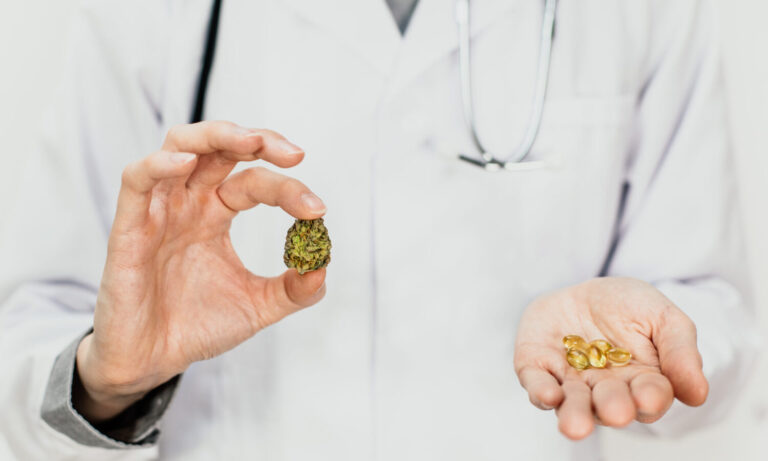
New York Senate approved a bill that would ensure medical marijuana is protected under public health insurance.

New York State is laying the groundwork for legal marijuana. On Wednesday, the New York Senate approved a bill that would require public health insurance to cover medical marijuana expenses. It’s one of the most important rulings for legal marijuana across states, one that would prove to the law that the plant has true medicinal value.

Per Marijuana Moment, the legislation, sponsored by Sen. Diane Savino, is currently waiting for Assembly approval. While the bill only requires public health insurance to participate, it encourages private insurance to do the same.

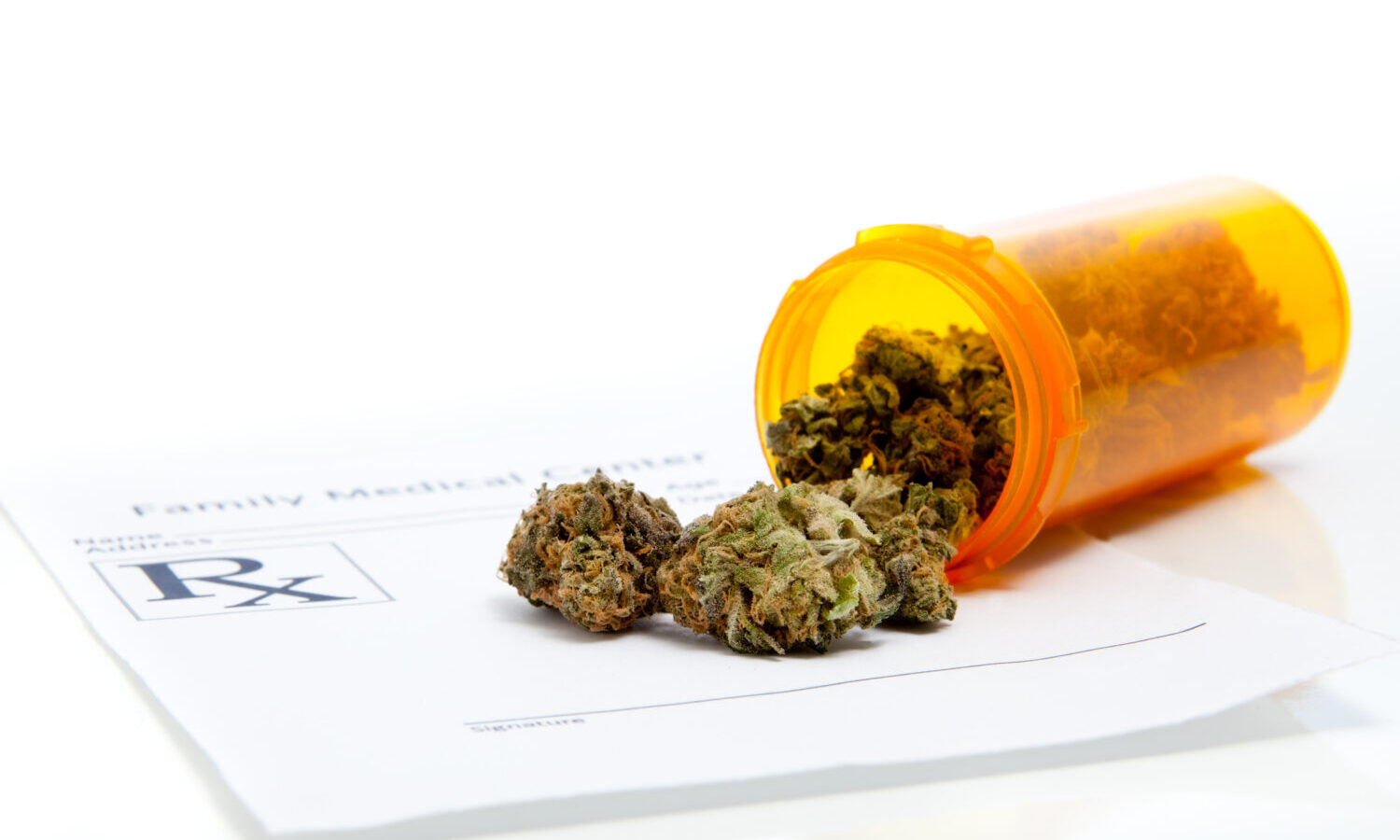
In order for medical marijuana to be covered by public health insurance services like Medicaid, Child Health Plus, and more, the state would have to define medical marijuana as a “prescription drug,” “covered drug” or “health care service.”


medical marijuana
Photo by CapturedNuance/Getty Images

RELATED: Here’s How Many Medicare Patients Use Marijuana, Even Though It’s Not Covered

“For thousands of patients, medical marijuana is a safer and more effective medication than other drugs, especially opioids,” reads a memo attached to the bill. “While it can be prohibitively expensive for many patients, especially in the absence of insurance coverage, it may often be less expensive than what their insurance coverage pays for other medications.”

One of the biggest problems with medical marijuana has been the fact that a lot of health insurance programs across states don’t provide its coverage. Considering marijuana’s prices, this leaves many people out of options and has been a hindrance to legal marijuana programs all over the country.

RELATED: Can You Ask Your Doctor For A Cannabis Prescription Instead Of Painkillers?

Medical marijuana has support across the board, from doctors who appreciate the plant’s medicinal qualities to patients who prefer it over prescription drugs. Marijuana’s public health insurance coverage is necessary for the drug to be viewed as a safe and valid medical option for the mainstream public.

Medical Marijuana Legalization Passes North Carolina

“This bill is going to, in my opinion, help a lot of people at the end of their life at a time that they need some compassion,” said Senator Bill Rabon (R), who co-sponsored it.

By Nicolás Jose Rodriguez

North Carolina moved one step closer to joining most of the rest of the country, as the state Senate approved the N.C. Compassionate Care Act with bipartisan support in a 35-10 vote. Yes, Medical marijuana legalization passes the North Carolina Senate with bipartisan support.

The bill, which is heading now to the House, would allow cannabis with higher levels of THC to treat debilitating conditions such as cancer and post-traumatic stress disorder. It provides extensive regulations on everything from advertising, to testing, licensing and packaging. However, home cultivation would not be allowed. Smoking and vaping would only be permitted allowed if recommended by a physician, reported The Richmond Observer.

medical marijuana
Photo by CapturedNuance/Getty Images

RELATED: Here’s Why North Carolina May Be Next To Legalize Marijuana

“This bill is going to, in my opinion, help a lot of people at the end of their life at a time that they need some compassion,” said Senator Bill Rabon (R), who co-sponsored it. “We have looked at other states, the good and the bad (…) And we have, if not perfected, we have done a better job than anyone so far.”

Ten medical marijuana suppliers will be initially authorized to operate up to four dispensaries.

In addition, the bill would create a Compassionate Use Advisory Board and the North Carolina Cannabis Research Program to “undertake objective, scientific research regarding the administration of cannabis or cannabis-infused products as part of medical treatment.” It will also create the Medical Cannabis Production Commission.

RELATED: North Carolina: Medical Marijuana Wins Nearly Unanimous Approval In GOP-Controlled General Assembly

Senator Paul Lowe (D), who co-sponsored the bill, commended fellow Republicans for acknowledging that medical marijuana can help patients, adding that a recreational bill will be discussed in the future.

“This is a medical cannabis bill,” Lowe said. “It’s not recreational. It does not do all of the things a recreational bill would do, and that’s for another day. But right now I believe this bill will help some North Carolinians.”

Hemp Bills Advance In The Chambers  

Meanwhile, the North Carolina House also voted to remove hemp from the state’s controlled substance list and allow its legal sale and transportation. There are currently 1,500 licensed hemp growers in North Carolina who must comply with the US Dept. of Agriculture.

A similar measure, included in the North Carolina Farm Act of 2022, was unanimously approved by the Senate earlier in the week.

“What we are doing is saving an industry that has spent millions upon millions of dollars already,” said Senator Brent Jackson(R) who co-sponsored the Farm Act.

So far, positive news medical marijuana legalization passes the North Carolina Senate, let’s see what happens next.

This article originally appeared on Benzinga and has been reposted with permission.
Louisiana Bill To Protect Medical Marijuana Employees

The legislation, which is now heading to the governor’s desk, would also protect prospective hires from being discriminated against for use of medical cannabis.

By Jelena Martinovic

Louisiana employees who use medical marijuana may soon receive much-needed protection from being fired, reported Marijuana Moment.

Sponsored by Rep. Mandie Landry, D-New Orleans, House Bill 988 passed the Senate on Wednesday in a 26-8 vote.

The legislation, which is now heading to the governor’s desk, would also protect prospective hires from being discriminated against for use of medical cannabis. Gov. John Bel Edwards signed a bill allowing medical marijuana patients to legally smoke whole-plant cannabis flower last year, just days after decriminalizing marijuana possession.

medical marijuana
Photo by CapturedNuance/Getty Images

However, the new bill would not apply to certain occupations, including law enforcement and firefighters, as well as other public safety officials.

RELATED: Marijuana Possession No Longer Criminal Offense In Louisiana

Currently, there are over 43,000 medical marijuana patients in Louisiana.

“There are a lot of people who don’t want to take opioids for their long-term PTSD and pain management because of the high possibility of addiction to opioids,” Landry told a House committee last month. “This has proved to be a better option than them.”

RELATED: Record Number Of Americans Are Failing Drug Tests Due To Weed, So What’s The Answer?

In the meantime, Louisiana lawmakers recently advanced four cannabis-related bills to the full Senate, aiming to relax the state’s stiff drug policies.

This article originally appeared on Benzinga and has been reposted with permission.
Is Delta-8 THC Worth The Hype?

0

Regardless of what type of cannabis consumer you are, it’s a great time to explore the unique benefits of this exciting addition to the cannabis marketplace.

Delta-8 THC has captured the attention of the media, thanks to its federally-legal status under the 2018 Farm Bill. It is the busy thing among the cannabis set, but is Delta-8 THC worth the hype?

While some consider it to be nothing more than a placeholder in states where marijuana isn’t yet legal, there are plenty of folks who think delta-8 is the hot new show in town. With all the hype, you might be wondering what the fuss is about.

Do we really need another THC product? Can delta-8 really get you high? Based on opinion and results, you should be opening to trying it at least once.

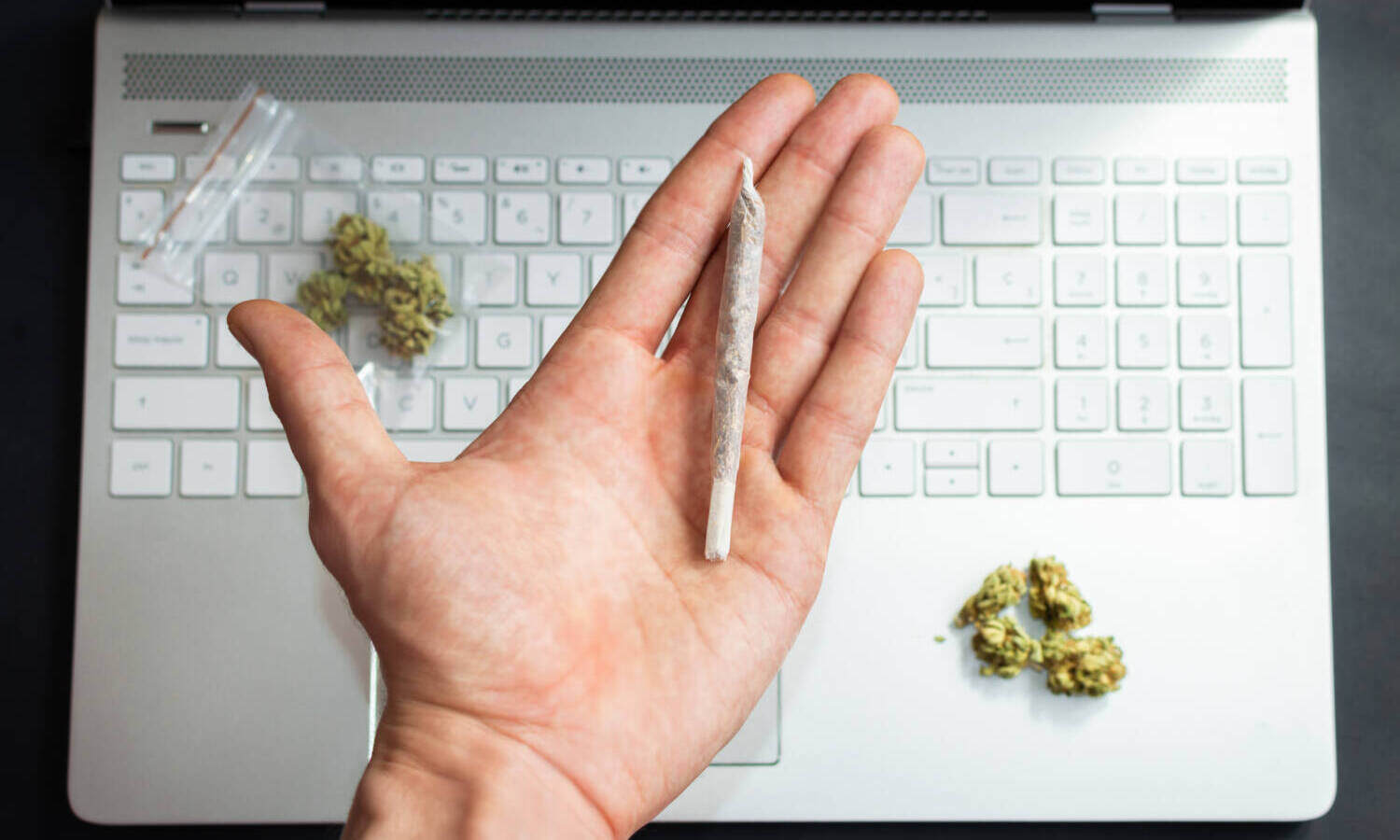
marijuana joint laptop
Photo by José Antonio Luque Olmedo/Getty Images

What is delta-8?

Delta-8 THC is a cannabinoid that occurs naturally in hemp. Because it is present in very small amounts, it is extracted and concentrated, then infused into products such as edibles, tinctures, vapes, or dabs. It is also available in smokable flower form.

RELATED: How To Know If Delta-8 THC Is Right For You

Delta-8 is similar to delta-9 THC, but with a slightly different organization of atoms. This small difference not only gives delta-8 its name, it also lessens the psychoactive effects of THC, including paranoia and anxiety, while still producing an enjoyable high. And though research is limited, users report that it compares favorably to both delta-9 THC and pharmaceuticals in treating pain, anxiety, and depression.

Can you really get high from delta-8?

The short answer to that question is yes, absolutely. As with most cannabis products, how high you get depends on your dosage, tolerance, body chemistry, and method of delivery. Users report highs from delta-8 ranging from mild relaxation to an intense euphoric high and everything in between. This ability to produce a significant high–or not–contributes to its broad appeal across different classes of cannabis consumers.

RELATED: What It’s Like To Get High On Delta-8 THC Compared To Regular THC

Smoking Marijuana
Photo by Fiordaliso/Getty Images

Why should I try delta-8?

The reasons for trying delta-8 are as diverse as cannabis consumers themselves. From those seeking help with medical conditions to those who are serious cannabis enthusiasts, delta-8 offers something for everyone:

  • For serious cannabis users, higher doses of delta-8 offer a smooth, euphoric high, with lots of relaxation and body buzz, but far less of the psychoactive effects experienced with delta-9 THC.
  • Casual cannabis consumers enjoy delta-8 occasionally, with a lighter high, less risk of paranoia or anxiety, and less intense side effects than weed or other forms of THC.
  • Medical cannabis users have reported improvements in anxiety, stress, depression, and pain from delta-8, making it a great option for anyone seeking something more potent than CBD, but without a pronounced high.

RELATED: Demand Is Booming For Delta-8

marijuana
Photo by Elsa Olofsson via Unsplash

That sounds great. Where can I get delta-8?

Delta-8 is legal in 36 states and is generally found at smoke/vape shops and dispensaries. It is also available online from producers like Hi On Nature, a California company that offers a full line of high-quality delta-8 products in a range of doses and delivery methods.

Regardless of what type of cannabis consumer you are, it’s a great time to explore the unique benefits of this exciting addition to the cannabis marketplace.


Cannabis Packaging In New York Is About To Get A Grown-Up Makeover

New York’s Cannabis Control Board voted to approve some regulations that would limit cannabis product packaging, banning the use of cartoons and bright colors.

Historically, cannabis packages have evoked a playful and colorful vibe. But now thanks to newly approved regulations in New York, the nascent industry’s regulated products will have a more subdued look.

Gothamist reports that this past Wednesday the state’s Cannabis Control Board voted to approve a variety of regulations that would limit cannabis product packaging, all with the purpose of protecting people under the age of 21.

The approved regulations would ban the use of cartoon characters, bubble letters, candy references, or bright colors in cannabis packaging, anything that might appeal to young users. Claims of marijuana products being “organic” or “safe” would also be illegal. When it comes to cannabis ads, words like “weed,” stoner,” and more, won’t be allowed.

marijuana edibles
Photo by Kindel Media via Pexels

RELATED: FDA Warns About THC Copycat Edibles, Children In Serious Danger

Aside from these rules, cannabis products would also have to comply with a variety of regulations that have been enforced in other legal states, like childproof packaging and cannabis ads keeping a 500 feet distance from schools, libraries, playgrounds, and child centers.

Children having access to cannabis products has been a growing concern for the industry, with more and more kids gaining access to these products and ending up in emergency rooms. The increase in these numbers has resulted in brands suing cannabis companies and the FDA mailing out cease and desist letters to a variety of cannabis businesses.

RELATED: Why Can’t Parents Keep Marijuana Away From Small Children?

While protecting children from cannabis is important and something that must be taken seriously, it seems like New York State is working hard to deliver a sanitized cannabis experience. No matter whether the packaging has cartoons on it or not, studies have demonstrated that legalization doesn’t encourage cannabis use in teens. The problem lies in what parents do once the product gets home.

‘New Cannabis Crime’ In Virginia Under Attack By A Number Of Politicians

Virginia CannaJustice Coalition issued a statement harshly criticizing the proposition, arguing that Virginia “voted to walk back progress on decriminalization.”

By Nina Zdinjak

Virginia lawmakers who made headlines this week after having come up with a new cannabis crime are now facing backlash from politicians, regulators and marijuana advocates. Last year, the state legalized small amounts of marijuana for people 21 and up in 2021.

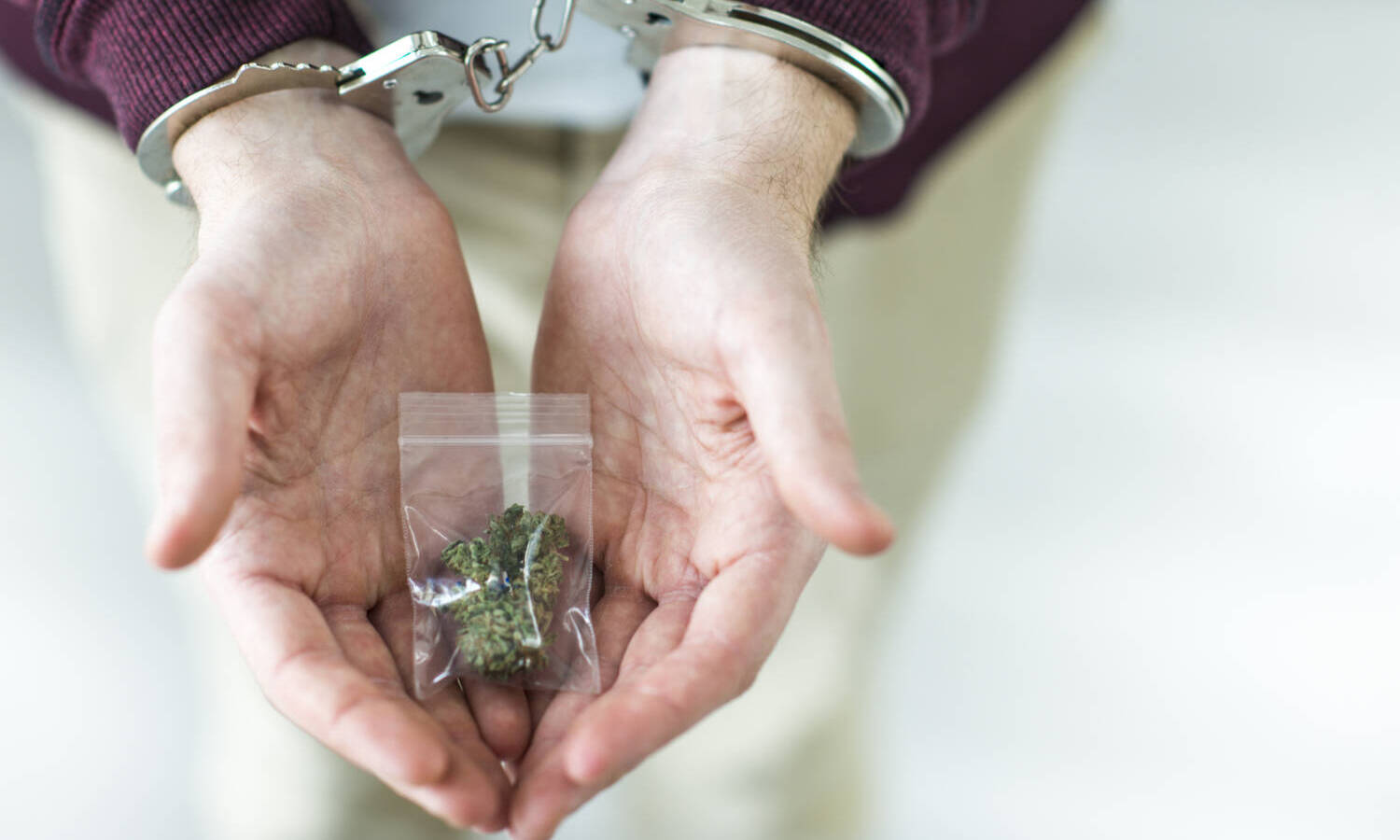
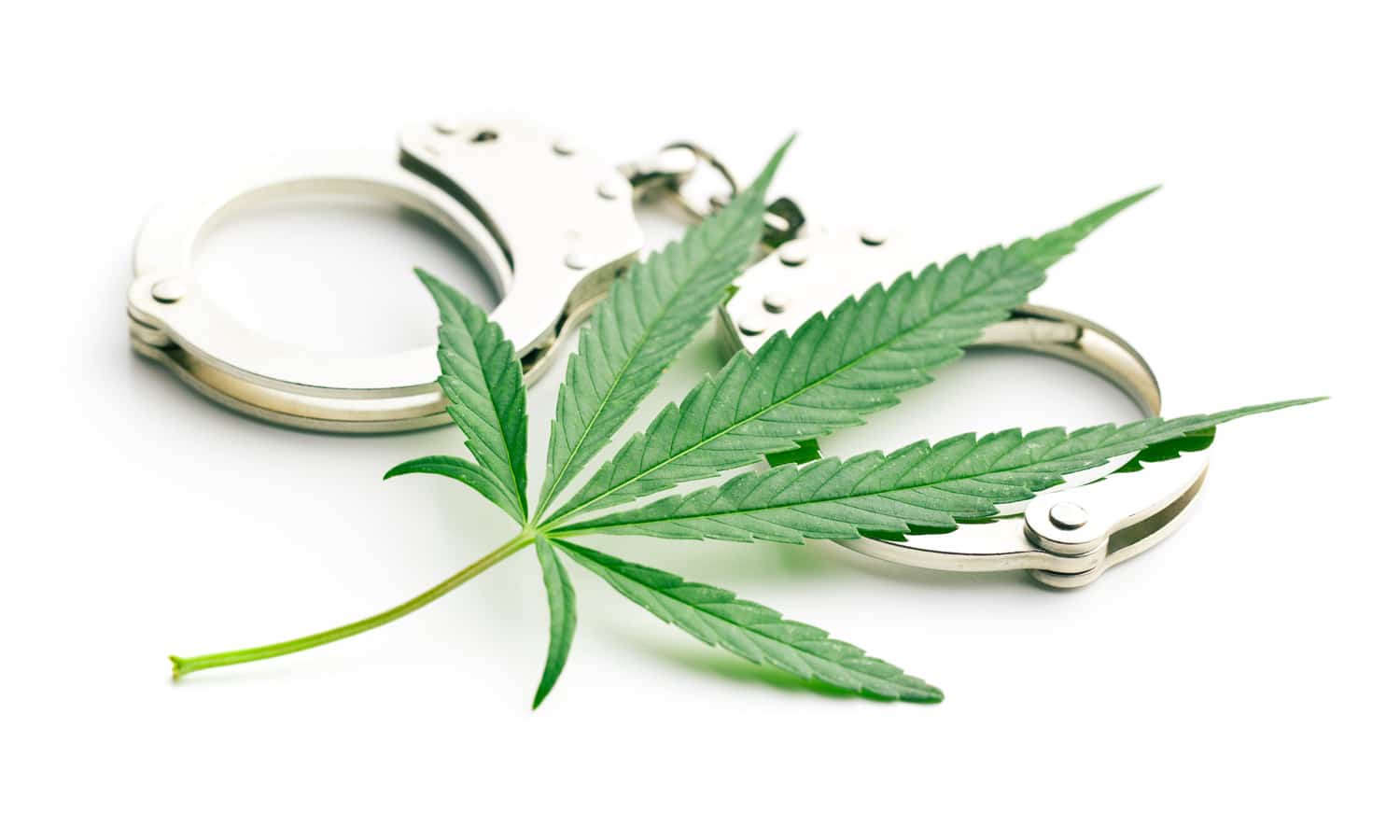
The new proposition proposes that possession of more than 4 ounces of cannabis in public should be treated as a Class 3 misdemeanor, which carries a fine of $500 and burdens the arrestee with a criminal record.

Secondly, every other offense would be viewed as a Class 2 misdemeanor with punishment including up to a six-month jail term and a fine of up to $1,000.

marijuana arrest
Photo by FatCamera/Getty Images

RELATED: Virginia Lawmakers Come Up With New Way To Punish Cannabis Consumers, And More Marijuana News

This is the third time this year that the state’s legislative leaders have come up with new crimes for cannabis possession.

The budget compromise is supported by House Appropriations Chair Barry Knight (R-Virginia Beach) and Senate Finance and Appropriations Chair Janet Howell (D-Fairfax). If Governor Glenn Youngkin signs the budget it will take effect July 1.

Senators React 

A number of lawmakers are criticizing the new budget specifically because of the marijuana possession crime it creates. They’re arguing that the process also lacked transparency and public input, according to the Richmond Times-Dispatch.

Fairfax Democratic Sens. Howell and George Barker, the chair and vice-chair of the Senate Finance and Appropriations Committee, privately discussed the state’s new budget with House Appropriations Chair Knight.

Sen. Jennifer McClellan (D-Richmond) called it strange for the legislature to establish a new crime in the budget and said she hopes this won’t happen again. She added that previous legislative proposals on cannabis enabled public input from those who have “had been disproportionately impacted by the war on drugs,” while the current process did not.

“A handful of people that didn’t include a single member of the Virginia Legislative Black Caucus deciding new criminal penalties … with no real opportunity for public input is concerning,” McClellan said.

Addressing those concerns, Howell said, “It’s so convoluted, but I would refer people back to the JLARC study that recommended that.” She was referring to a 2021 study done by the state’s Joint Legislative Audit and Review Commission, which recommended Virginia lawmakers establish a misdemeanor charge for adults caught in possession of what the state considers too much cannabis.

FBI Data Shows Marijuana Arrests Increases For Third Straight Year
Photo by jirkaejc/Getty Images

RELATED: GOP-Controlled Committee Kills Virginia Bill To Launch Rec Cannabis Sales This Year

Del. Mike Mullin (D-Newport News) also condemned the decision. “Re-criminalization is sending us in the wrong direction,” he said.

There’s also Del. Marcus Simon, (D-Fairfax) who said that the budget leaders placed bad cannabis policy in the state spending plan.

What’s more, Sen. Louise Lucas, (D-Portsmouth), and Sen. Mamie Locke (D-Hampton), Senate conferees who signed the budget, added their opposition to the marijuana proposition.

Virginia CannaJustice Coalition issued a statement harshly criticizing the proposition, arguing that Virginia “voted to walk back progress on decriminalization.”

“Research and data have already outlined the historic disparate enforcement of these laws against Black Virginians,” the Coalition stated.

This article originally appeared on Benzinga and has been reposted with permission.
Is Cannabis Now Winning The Fight Against Cervical Cancer?

More research into the use of cannabis for various cancers is ongoing, though present evidence supports the potential use of cannabis as complementary treatment for cancers.

This article originally appeared on Cannabis.net and has been reposted with permission.

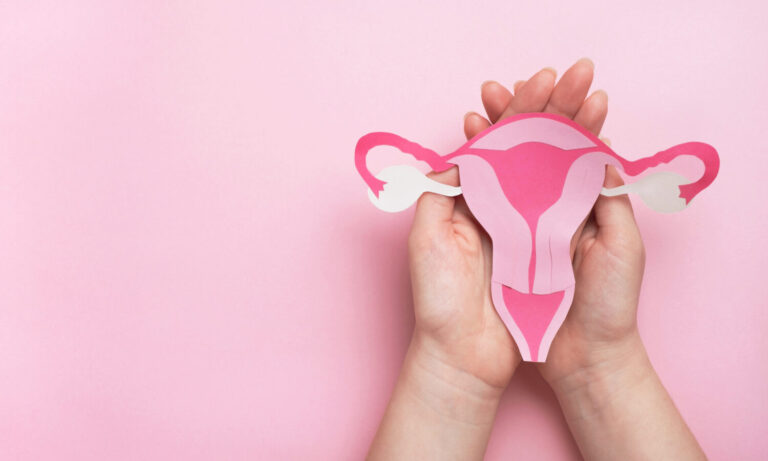
According to the World Health Organization, cervical cancer this is the fourth most common cancer among women. Most of these cases are due to exposure to human papillomavirus (HPV), one of the most widely spread sexually transmitted diseases. In some cases, HPV can resolve on its own although if there is persistent infection, then this can result in cervical cancer.

Treatments for cervical cancer include chemotherapy, radiation, surgery, or a combination of two of these. The type of treatment needed for cervical cancer will depend on the severity of the condition. However, the prognosis for women with cervical cancer depends greatly on the cancer stage; over 90% of women who have been diagnosed with stage 0 cancer can survive another 5 years, and these figures decrease rapidly the further the cancer has spread.

breast cancer
Photo by fstop123/Getty Images

How Cannabis Can Help

There have been some studies showing how cannabis can help women with cervical cancer. In one analysis, 83% of 31 women with this condition reported that using medical cannabis was effective in helping their cancer and alleviating symptoms that arose due to treatment, such as reducing opioid use, a decrease in appetite, anxiety, nausea, insomnia, pain, and more.

RELATED: Cannabis And Cancer: Study Reveals Nearly 50% Of Patients Stop Traditional Pain Meds

Another study revealed that using cannabidiol (CBD) was effective in inducing apoptosis, or causing cancer cells to kill themselves off, in cases of cervical cancer patients among women in South Africa. The researchers believe that CBD was effective in doing so by activating a Bcl-2 degradation pathway which promotes the action of cancer cells killing themselves off. 

There is also another popular study from 2016, conducted by researchers from Kent State University’s Department of Biological Sciences. They analyzed the impact of CBD on cervical cancer cell lines, and found that CBD was effective in inhibiting these cell lines while also encouraging apoptosis, within an impressive 24 hours after exposure to CBD. The researchers concluded that CBD is anti-proliferative through several mechanisms and has potential for treating cervical cancer.

Also in 2016, a study released in the BMC Complementary and Alternative Medicine journal found that crude cannabis sativa extracts as well as CBD were effective in decreasing the viability of cancer cells while stopping proliferation when tested on three cervical cancer cell lines.

There are also documented anecdotal cases, such as this woman from New Zealand, who says that cannabis helped to cure her stage 2 cervical cancer. According to Shona Leigh, her doctors advised her to undergo chemotherapy, though she rejected her doctors’ recommendations and instead discovered the benefits of cannabis oil. She disclosed to the Daily Mercury that after taking cannabis oil, her cancer was cured.

Cannabis for Chemotherapy Side Effects

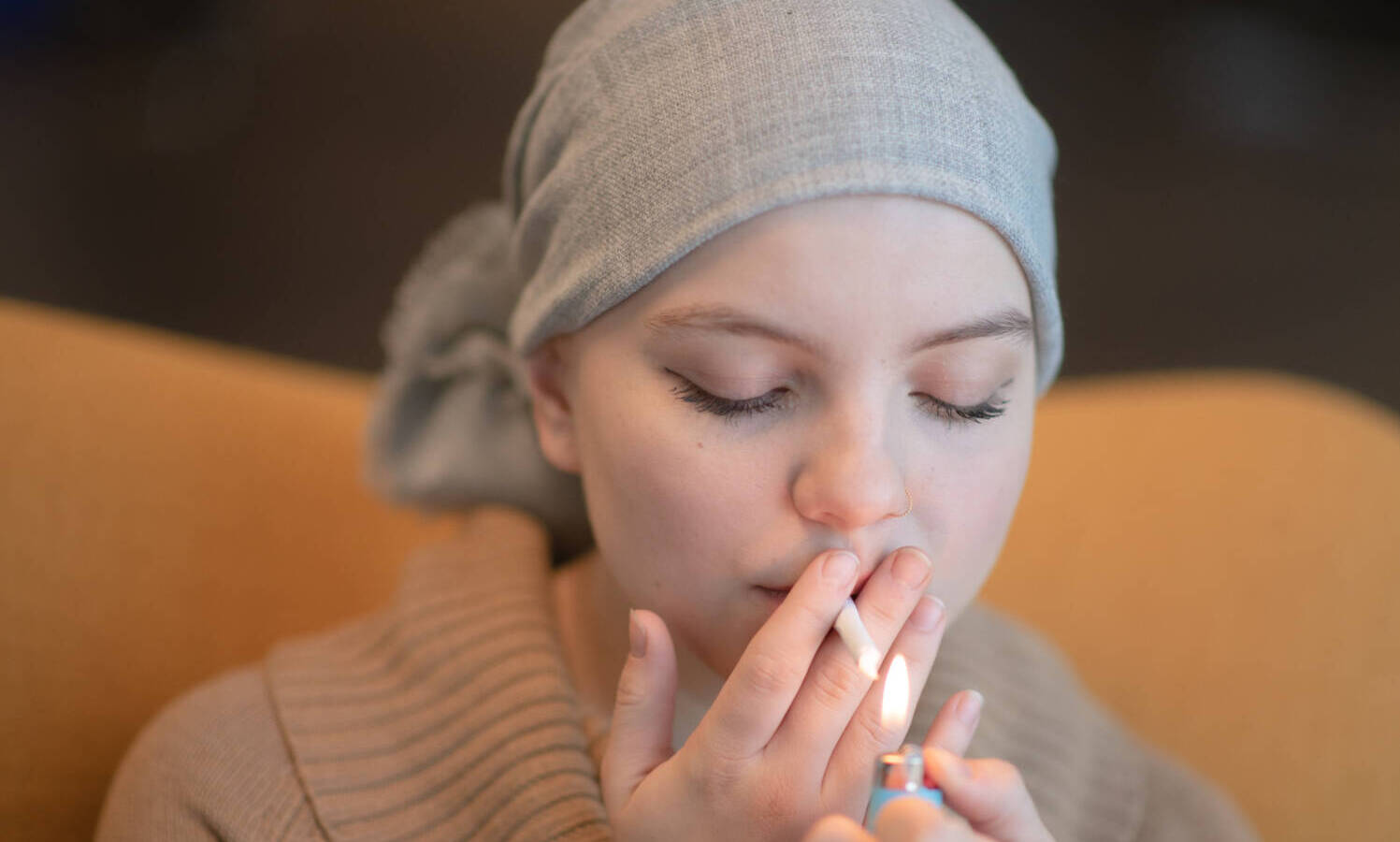
For women that have to undergo chemotherapy for cervical cancer, there may be some unpleasant side effects that are commonly associated with this treatment. Cannabis can help too, improving prognosis because it can mitigate the effects that can sometimes prevent people from continuing chemotherapy.

RELATED: Cannabis And Breast Cancer: What A New Study Reveals

There have been many studies proving the efficacy of cannabis for the side effects of chemotherapy. One study in 2020 was conducted by researchers from the University of Sydney together with the NHMRC Clinical Trials Centre and the Chris O’Brien Lifehouse. The researchers found great improvements among patients who suffered from nausea and vomiting caused by chemotherapy among a quarter of patients who were taking medical cannabis.

cancer chemotherapy
Photo by FatCamera/Getty Images

“These encouraging results indicate medicinal cannabis can help improve quality of life for chemotherapy patients,” said Associate Professor Peter Grimison. “Nausea and vomiting are among the most distressing and feared consequences of chemotherapy,” he adds.

RELATED: What Is The Cannabis-Mushroom Combo That Kills 90% Of Colon Cancer Cells?

study from 2014 showed that using CBD was helpful in decreasing neuropathic pain, one of the side effects of chemotherapy. The study involved administering healthy mice with chemotherapy drugs thrice a week, which went on for 10 weeks. Half of the mice were also given CBD together with chemotherapy, and it was found that the chemotherapy made the mice more sensitive to stimuli. However, those that were given CBD were found to have a higher pain threshold.

Tips For Cervical Cancer Patients

If you are interested in integrating cannabis to your cervical cancer treatment, it’s always wise to let your oncologist know ahead of time. Working with a doctor who is knowledgeable with the use of medical marijuana can help you navigate the often overwhelming world of medicating, especially for first-time users. This is especially critical if you are taking other medications such as blood thinners, because cannabis use can have interactions with other pharmaceutical drugs.

While there have been patients who have foregone conventional treatment altogether, there is not sufficient evidence that only medical marijuana can treat terminal conditions such as cancer. Because of this, cannabis may work best in conjunction with other treatments that your medical provider has recommended. Feel free to ask your doctor as many questions as you need to feel confident about using marijuana for treating cervical cancer. It’s available in many forms though for terminal patients, smoking or vaping may not be the best route of administration. Instead, opt for edibles, oils, and sublinguals which are safer to take and are gentler on the body.

More research into the use of cannabis for various cancers is ongoing, though present evidence supports the potential use of cannabis as complementary treatment for cancers.

This article originally appeared on Cannabis.net and has been reposted with permission.
Even Sweetened, Drinking This May Help With Longevity

0

Gone are the days when coffee was associated with negative side effects. New studies link moderate consumption to longer life.

More and more studies have come out highlighting the benefits of coffee. The drink was once considered a vice and something to be avoided. But a new study shows that consuming manageable amounts of coffee has its benefits, particularly when it comes to cardiovascular health. Yes, even sweetened, drink this may help with longevity.

The study, published in the Annals of Internal Medicine, shows how beneficial coffee is, even while accounting for sugar. Researchers in the U.K. found that those who consumed coffee on a daily basis had a lower risk of death when compared to non-coffee drinkers.

coffee tea
Photo by Chad Madden via Unsplash

RELATED: Your Preference For Black Coffee Could Be Due To This, Finds Study

The study looked into the data of 120,000 people with an average age of 57 who drank sweetened or unsweetened coffee for over seven years. Participants who drank their coffee sweetened had a teaspoon of sugar per cup of coffee and were still 16% to 21% less likely to die when compared to those who didn’t drink coffee at all.

Unsweetened coffee drinkers were 29% to 31% less likely to die when compared to non-coffee drinkers.

RELATED: How Drinking Tea And Coffee Could Positively Impact Your Health

Still, despite the encouraging evidence, researchers had no way of knowing if their results were driven by coffee or by some outside factor; either coffee’s health benefits could trigger this response, or coffee drinkers could have better health care and more time to work out, thus having longer lifespans.

While this study shouldn’t be a license to drink any type of calorie-rich coffee drink you want, it’s a gentle reminder of the benefits of coffee — and evidence that a little bit of sugar won’t do much harm.

Why North Carolina May Be Next To Legalize Marijuana

North Carolina is one of the dwindling number of U.S. states that have not approved some form of medical marijuana.

By Maureen Meehan

With North Carolina’s GOP-controlled legislature back in full swing, a bill to legalize medical marijuana is advancing quicker than many expected. It is an indication why North Carolina may be next to legalize marijuana.

The N.C. Compassionate Care Act, sponsored by top Senate Republican and Rules Committee chair Sen. Bill Rabon, was heard in committee on Wednesday and will now head to the Senate floor where it is expected to pass.

The move comes after the bill was held up for months in Rabon’s committee last year, most likely because it lacked support from some Republicans, but things have changed.

marijuana legalization
Photo by RODNAE Productions via Pexels

Program Among Strictest In Country

The bill would approve one of the strictest MMJ programs in the country if signed into law, though Rabon said they did their best

“It is my opinion that no state has done it as well as we are attempting to do it,” Rabon told colleagues prior to the committee vote. He called the bill the “tightest, best-written” cannabis legislation in any state.

What’s In It?

The bill would allow the medicinal use of cannabis for a narrow list of conditions, including cancer, epilepsy, post-traumatic stress disorder, HIV, AIDS and Crohn’s disease. Chronic pain and anxiety are not included and the bill will not decriminalize recreational cannabis.

Why It Matters

North Carolina is one of the dwindling number of U.S. states that have not approved some form of medical marijuana. And, with one of the most powerful state Republicans, Bill Rabon, leading the legalization effort, it seems the issue is no longer viewed as a political liability among conservatives, pointed out Axios Raleigh.

“All the polling that we’ve seen indicates that medical marijuana is supported across party lines,” said Dylan Watts, state Senate Republican political director, per Axios. “The issue seems to have almost been desensitized across all demographics.”

RELATED: North Carolina: Medical Marijuana Wins Nearly Unanimous Approval In GOP-Controlled General Assembly

But, of course, the bill would still need to pass the House before it reaches Democratic Gov. Roy Cooper, who has not confirmed that he’d sign it.

marijuana legalization
Photo by Moussa81/Getty Images

What Do Voters Want?

In a poll commissioned by the Carolina Partnership for Reform, 82% of respondents said they supported legal medical marijuana.

“At this point, it seems pretty clear that it is only a matter of time until medical marijuana and recreational marijuana use are legalized in North Carolina,” the group wrote when it recently released the results.

RELATED: 10 Red States That Are Going Green In 2022

Floor action is expected as soon as Thursday. Senate President Pro Tempore Phil Berger (R) recently told reporters that he intends to vote for the bill.

A done deal? It’s starting to look that way.

This article originally appeared on Benzinga and has been reposted with permission.
Don't Miss Your Weekly Dose of The Fresh Toast.

Stay informed with exclusive news briefs delivered directly to your inbox every Friday.

We respect your privacy. Unsubscribe anytime.