Thursday, May 7, 2026
Home Blog Page 255

US House Of Representatives To Vote On Cannabis Legalization Bill This Week

Sponsored by House Judiciary Committee Chairman Jerry Nadler (D-NY), the MORE Act would remove cannabis from the Controlled Substances Act, and so much more.

By Javier Hasse

This week, the U.S. House of Representatives is expected to vote on the Marijuana Opportunity, Reinvestment, and Expungement (MORE) Act, a comprehensive federal cannabis legalization bill that contains strong social equity provisions with an emphasis on restorative justice for communities most impacted by cannabis prohibition.

Toi Hutchinson, president and CEO of the Marijuana Policy Project, applauded the MORE Act’s approach to legalization, as it “promises to address many of the harms caused by prohibition through an equity- and justice-centered framework.

marijuana legalization
Photo by RODNAE Productions via Pexels

RELATED: Lawmakers Release Report On MORE Act Ahead Of House Floor Discussion

“Americans have made their support for cannabis legalization abundantly clear, and states across the country have taken the lead on cannabis legalization. Now it is time for Congress to take action and finally put an end to the failed policy of prohibition. We urge members of Congress to once again pass this historic piece of legislation,” Hutchinson added.

What’s The MORE Act

Sponsored by House Judiciary Committee Chairman Jerry Nadler (D-NY), the MORE Act would remove cannabis from the Controlled Substances Act; require federal courts to expunge prior cannabis-related convictions and provide for re-sentencing; provide grants and funding to communities most harmed by the war on cannabis; lift barriers to licensing and employment in the cannabis industry; protect immigrants from being denied citizenship over cannabis; and allow VA physicians to recommend medical cannabis to veterans. In 2020, the House passed the MORE Act, but it did not advance in the Senate.

RELATED: The MORE Act Will Not Legalize Cannabis Nationwide — Not Like You’re Thinking

On the Senate side, Senate Majority Leader Chuck Schumer (D-NY), Sen. Ron Wyden (D-OR), and Sen. Cory Booker (D-NJ) introduced a draft version of an alternative cannabis legalization bill, the Cannabis Administration and Opportunity (CAO) Act.

According to the latest Gallup poll, 68% of Americans support cannabis legalization. To date, 18 states have legalized cannabis for adults 21 and over, and 37 states have legalized medical cannabis.

This article originally appeared on Benzinga and has been reposted with permission.

Is There A Link Between COVID-19 Vaccines And Hearing Problems?

0

The World Health Organization is looking into claims of hearing loss after people receive their COVID-19 vaccine. Here’s what we know.

The World Health Organization (WHO) is looking into hearing issues as a sequel of COVID-19 vaccines. The organization announced they’d be looking into the issue in a recent newsletter posted on its website.

According to the newsletter, the organization has learned of a variety of hearing issues that people all over the world have reported following their COVID-19 shots. These issues include tinnitus, hearing loss, or sudden changes in people’s hearing habits.

RELATED: The Length Of This Body Part Could Impact Your COVID-19 Symptoms

An FDA Advisory Panel Is Recommending Booster Shots Of This Vaccine
Photo by Mufid Majnun via Unsplash

So far, according to the numbers reported to the WHO, the cases of hearing problems are quite rare. The organization reported 367 cases of tinnitus and 167 cases of hearing loss from people all over the world.

The data suggests that the people affected were between the ages of 19 and 91 and primarily women. Over a third of the people who reported these symptoms worked in the health care industry, something that could suggest the problem is more pervasive and that these people are able to spot new patterns in their hearing due to their medical training and exposure. According to WHO, “As there is still only limited data in the literature providing evidence for this link, further monitoring is required.”

While some patients have recovered, others claim the ringing in their ears has disrupted their lives. NBC spoke with some patients who said they’d been experiencing loud phantom noises for over a year. “It startled me,” said a 66-year-old patient. “I thought it was a dog whistle going off right next to me.”

Tinnitus can be described as any number of sounds and noises that people hear, with others being unable to hear them. The sounds can range from buzzing, ringing, vibrations, and more, with symptoms expressing themselves as manageable or severely disruptive. While some people notice these symptoms, others don’t, carrying on with their lives as normal.

RELATED: People With Depression And Anxiety Find This Activity Much More Beneficial

While the WHO will be looking into this subject more closely, a study published in the Journal of the American Medical Association found no link between the COVID-19 vaccine and hearing loss. These results were gathered by analyzing a pool of vaccine side effects and detailed studies of over two dozen patients who looked for medical help following hearing loss after their COVID-19 vaccines.

According to the researchers, the people that were treated were not at a higher risk of developing a hearing loss problem. These issues are relatively common, with the CDC reporting that around 10% of Americans have experienced some form of tinnitus.

Is Now The Time To Invest In Weed?

0

The trajectory of the market looks to remain unclear for the foreseeable future, or at least until there is substantial federal legislation that makes investing in cannabis a more stable investment.

Cannabis stocks have been in the news after showing dramatic gains and losses over the course of just a few days. The activity started in response to the announcement that Congress will soon hold a floor vote on the Marijuana Opportunity, Reinvestment, and Expungement (MORE) Act.

With this announcement coupled with the reality that more and more states are legalizing recreational marijuana, one might wonder if now is the perfect time to invest in marijuana.

After the dip in the market Monday, however, there is a renewed understanding that maybe marijuana stocks are not a safest bet quite yet. With continued forward momentum happening in marijuana legalization every year, is now a good time to invest in weed? And if not now, then when?

Are Americans Ready To Invest In Marijuana Stocks?
Photo by Darren415/Getty Images

First, there is the fact that more and more states are legalizing recreational marijuana. This means more marijuana businesses, and increased growth for the industry as a whole. This should mean profits stocks should increase for many cannabis companies, or at least one would think.

“It’s a big deal, but we won’t see any money from those states for a while,” Jason Spatafora, co-founder of MarijuanaStocks.com, told U.S News in reference to the recent increase in states legalizing weed. The recent legalizations will be good news for the market eventually, but these single state legalizations do not make the immediate impact on Wall Street that one might expect, especially without the backing of the federal government. This is where the MORE Act comes into play.

“Before there will be any significant institutional investment, federal legislation must pass giving the cannabis industry access to the U.S. banking system,,” according to Forbes. In short, the cannabis industry needs to be able to conduct business with banks like any other major market player, which the industry currently cannot. If the MORE Act passes, cannabis stocks might be able to attain more stability and legitimacy.

While Congress is putting the MORE Act to a vote in Congress, it is unlikely that it will swiftly become law. The vote itself appears to be more symbolic than anything. 

person using phone and laptop computer
Photo by Austin Distel via Unsplash

“We expect the MORE Act to clear the House once again, but we view it primarily as a messaging bill as it has no viable path to passage through the Senate,” Barrons reported, quoting a research note from BTIG strategist Isaac Boltansky. The fact that there will be a vote means there is potential to spark up much needed debate and discourse on the matter, but it will likely fall short of the federal legislation the cannabis industry needs to achieve stronger legitimacy.

RELATED: Legal Weed: Cannabis Dispensaries, Marijuana Stocks And How It All Works

Still, just because cannabis stocks are not currently as stable as some more established industries does not mean they should be completely overlooked. In fact, some say now is a great time to get in at the ground level.

“Investors may think now is the time to get out of cannabis stocks, but those falling share prices provide an opportunity to lock in a low share price before things eventually bounce back,” according to NASDAQ

RELATED: Time For Nasdaq And NYSE To List US Cannabis Companies

For those confident in the future of marijuana, now might be a good time to start investing in the companies they believe in. NASDAQ’s rule of thumb? Look for the ones that are growing revenue and already making a profit.

While investing in weed is currently a bit of a gamble, its future looks very green.  America’s cannabis industry is currently worth around $60 billion, and is projected to grow to upwards of $100 billion by 2030. The current stocks might not be secure, but the industry itself is on a very profitable path. The key is knowing there will be highs and lows over the next few years, and being at peace with that as an investor.

marijuana money
Photo by IURII BUKHTA/Getty Images

If you are investing in weed today, be cautious in your investment and be prepared for inevitable ebbs and flows. “It may come as a shock to investors who haven’t experienced extreme volatility in their portfolios before, or whose portfolios are too heavily tilted toward cannabis,” wrote NextAdvisor, in reference to the extreme highs and lows of marijuana stocks. 

RELATED: Cannabis Market Experts Explain When To Consider Stocks And ETFs

It looks like investing in weed will continue to be a bit of a roller coaster ride. The trajectory of the market looks to remain unclear for the foreseeable future, or at least until there is substantial federal legislation that makes investing in cannabis a more stable investment. Still, if you believe in the product or a specific company that has stock available, now may be a very cheap time to buy. Just remember that if you invest in weed today that you are playing the long game. It’s a marathon, not a sprint.

3 Problems Blamed On Weed Which Have Nothing To Do With Weed

Government policy has stifled cannabis research for over 50 years and yet they are still wasting money on trying to find out how dangerous it is.

Every other week there seems to be  “cannabis studies” finding using it to treat pain could make you an addict or that cannabis users age quicker and a number of other alarmist titles.

Of course, a majority of these studies could be designed to make milk have similar findings, yet rarely do we see actual studies on the “cannabis problems” that are not caused by cannabis, but rather the laws surrounding cannabis.

marijuana joint
Photo by RODNAE Productions from Pexels

Crime

One of the things that has long been associated with cannabis use is crime. The story goes that wherever people are consuming cannabis, crime is rampant. That’s because the law says that smoking, growing, selling, or “anything-ing” is illegal and by default the very act of consuming is a criminal act.

Therefore, by the sheer number of people consuming the plant, the inflated perception of crime is used as a justification for maintaining a policy that pursues non-violent human beings exercising the autonomy of their bodies.

marijuana arrest
Photo by FatCamera/Getty Images

RELATED: More Legal Marijuana Equals Less Crime? Not So Fast

However, after the legalization of cannabis in places like Washington and Colorado, police crime clearances improved. This suggests that when the cops aren’t spending their time and resources going after non-crimes, they actually become more efficient on stopping actual crimes. This creates a net benefit for society.

Mental Health Issues

For decades the propaganda machine has been trying to pin mental health issues on cannabis. Every few years a new “bombshell study” reveals some correlative relationship between a particular mental health condition and cannabis.

When looking at the data, in virtually all of the studies the data is ascertained via self-administered surveys which is then interpreted by researchers. They would create complex statistical mathematics to come up with their findings, and conclude to whatever their corporate sponsors want them to say.

RELATED: People With These Disorders May Be More Likely To Overuse Cannabis, Finds Study

The problem with this is that cannabis is never responsible or never causes these issues. In virtually all cases, people who do experience some sort of mental health break down have had a history of mental health problems in the past. Throughout my 12+ years of writing in this space, the vast majority of the people who experienced psychotic breaks were on anti-depressives before their cannabis use. But this is often discarded seeing that it doesn’t fit within the narrative.

People With Depression And Anxiety Find This Activity Much More Beneficial
Photo by Anthony Tran via Unsplash

Furthermore, people who aren’t previously medicated but have genetic predispositions to mental health conditions can experience these catalyst events within any moment of stress. The sudden loss of a family member could spiral them into a psychotic break.

Sure, for these people, cannabis is probably not the best for self-medicating. But often times, it’s the only thing that provides some sort of relief, which is why most people with mental health problems (I know) use cannabis.

Drug Cartels

One of the core arguments I can remember from my youth is, “Did you know that for every joint you smoke someone died in Columbia because YOU’RE funding the cartels!”

For the un-initiated, this would be the equivalent of saying, “If you don’t wear a mask, you’re killing granny!” which is absolute nonsense.

Of course, ethical consumption is something we should all take into consideration. If you know that you’re buying weed from a brutal gang that murders and rapes the world, then buying from them most certainly would be participating in the carnage by proxy.

buying marijuana
Photo by athima tongloom/Getty Images

Just like buying electronics from companies that create inhumane working conditions for their workforce is attributing to the suicides and poor living conditions around the world. You can play the morality card all you want, but the only reason why purchasing weed would have anything to do with the cartels is because there is a law that prohibits “non-criminals” to participate in the market.

RELATED: The Downside Of Declassifying Cannabis As A Schedule 1 Drug

Of course, this is shifting and we’re still seeing the cartels trying to bank on the legal market, however, this is something that will eventually disappear as the whole world becomes legal. Illegally participating in a legal trade would be like trying to be a bootlegger today.

This, once more, is a problem of policy.

Bottom Line

While cannabis isn’t a “risk free” activity, it’s certainly not as dangerous as alcohol. However, unlike alcohol, I don’t see the same level of scrutiny towards the substance. If our aim is to educate people on the potential risk factors of drug consumption, should we not consider all drugs? Shouldn’t we consider Coca Cola as a drug, which contains 28 grams of sugar per can?

Currently, there is an unbalanced focus on cannabis which is frankly a waste of resources. Government policy has stifled cannabis research for over 50 years and yet they are still wasting money on trying to find out “how dangerous it is”.

Perhaps, if we would spend the same amount of time and effort in trying to find out how we could most effectively use it as a medicine, who knows what we could have achieved in that time. While the past is gone, maybe it’s time that at the very least in the present, we begin to focus on the benefits of cannabis and not constantly the hypothetical bad things.

This article originally appeared on Cannabis.net and has been reposted with permission.
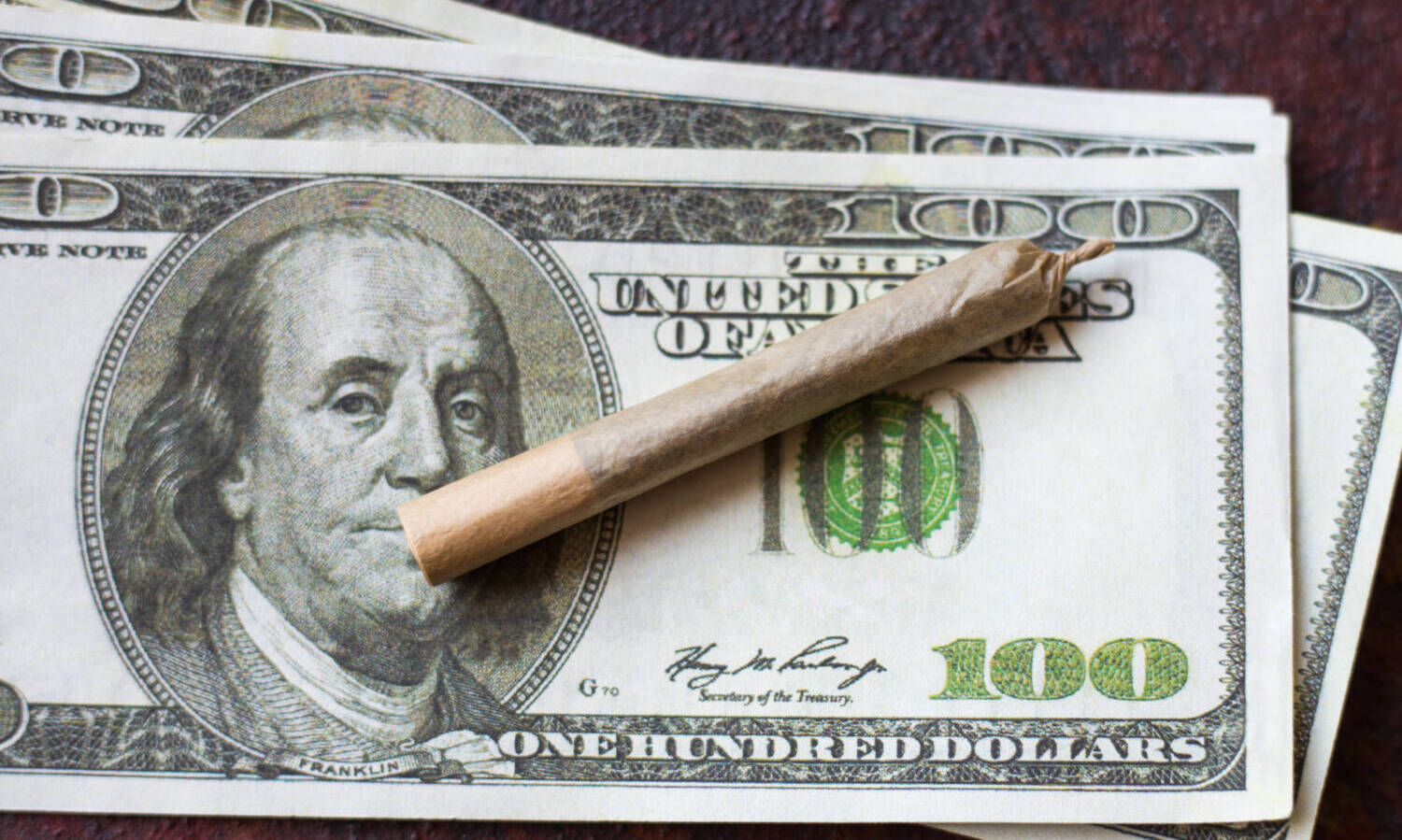
Biden Is Blocking Legal Marijuana In DC

Why would the president continually hamstring the nation’s capital wherein an equally vast majority voted to legalize and properly control cannabis?

By Maureen Meehan

President Joe Biden has once again moved to exclude Washington, D.C. from legalizing marijuana sales as part of the budget proposal for Fiscal Year 2023, which he sent to Congress on Monday.

Despite D.C. voters having overwhelmingly approved cannabis legalization in 2014, the district government has consistently been prevented by a legislative rider from implementing regulated cannabis sales each time the budget comes up. Failing to remove the D.C. rider prevents the nation’s capital from using local tax dollars to implement its legal cannabis program.

capitol building
Photo by Louis Velazquez via Unsplash

“The nation’s capital could be a model for how to get cannabis legalization right. Instead, it’s the very opposite, and President Biden now shares some of the blame,” said US Cannabis Council CEO Steven Hawkins, adding that the administration is fueling a dangerous gray market in the District of Columbia that operates with no standards or safeguards that targets underage consumers.

Last week, the Drug Policy Alliance along with more than 50 criminal justice reform, business, labor and drug policy organizations, sent a letter to House and Senate appropriators and Majority Leader Chuck Schumer and Speaker Nancy Pelosi, demanding to keep the removal of the appropriations rider that prevents DC from spending its own money to legalize and regulate adult-use marijuana sales.

What Are They Thinking?

In an election year with inflation off the charts and a war raging in Eastern Europe that could plunge the U.S. economy into further crisis, one wonders why the administration would not seek to garner votes for its party’s candidates on a relatively non-controversial topic: cannabis legalization. After all, nearly 70% of the country, Dems and Republicans alike obviously, have expressed their approval of it.

And why would the president continually hamstring the nation’s capital wherein an equally vast majority voted to legalize and properly control cannabis?

RELATED: Doctors No Longer Needed For Seniors To Get Medical Marijuana In DC

“No one expects cannabis reform to be top of mind for a president facing down Russia, inflation and COVID-19. However, President Biden has consistently passed up opportunities to make good on his campaign commitments to pardon non-violent offenders, fund expungement programs, boost research and give states autonomy over their medical and adult-use programs,” said USCC’s Hawkins. “In some cases, the administration has even gone in reverse on cannabis.”

RELATED: Congress Upholds DC Weed Sales Ban, Protects State Medical Programs

Again, and with all due respect: What are they thinking?

Marijuana For Glaucoma: The Truth About Cannabis And Eye Disease

Marijuana has been shown to help relieve certain types of pain, nausea, and vomiting, as well as some mental health disorders. But what about glaucoma?

For years, patients with glaucoma have been prescribed marijuana in order to lower their intraocular pressure (IOP). Glaucoma is a progressive optic neuropathy that can lead to blindness, and it is the leading cause of blindness in the United States. In states where marijuana is legal for medical use, glaucoma is one of the qualifying conditions for which cannabis may be prescribed.

Glaucoma is a group of eye diseases that damage the optic nerve. It is the second leading cause of blindness in the world. Early detection and treatment of glaucoma is essential to preserving vision.

There are often no symptoms in the early stages of glaucoma. As the disease progresses, symptoms may include: Eye pain, blurred vision, halos around lights, seeing colored dots or rainbows around lights, difficulty seeing at night and sudden loss of vision.

glaucoma
Photo by v2osk via Unsplash

RELATED: Glaucoma And Medical Marijuana: 5 Informative Facts

The cannabinoids in marijuana reduce the production of fluid in the eye, which decreases the pressure on the optic nerve. Marijuana stimulates the release of toxins from the cells in the eye, which helps to improve vision. Marijuana has anti-inflammatory properties, which helps to reduce the damage caused by glaucoma.

Medical marijuana has been legalized in many states for the treatment of various illnesses. One such illness is glaucoma, a condition that can lead to blindness if not treated. While marijuana has been shown to be effective in reducing the pressure in the eye caused by glaucoma, it also has some side effects.

Marijuana is the most commonly used illicit drug in the United States. According to Glaucoma Today, marijuana is also the most commonly used substance in glaucoma therapy. The purpose of this statement is to review the side effects of marijuana use in patients with glaucoma.

The use of medical marijuana for the treatment of glaucoma has been around for centuries. There are some side effects associated with the use of medical marijuana. These side effects can include dry mouth, drowsiness, and difficulty with concentration.

Cannabis has been shown to help lower intraocular pressure, but there are many other factors to consider when it comes to marijuana and glaucoma. In this article, we have explored the links between the two and tried to separate fact from fiction.

The Length Of This Body Part Could Impact Your COVID-19 Symptoms

0

Is bigger better? Maybe, but longer definitely is, at least when it comes to COVID infection.

Quick. Take a look at your fingers. You’ll want to remember their lengths, because according to a new study, there’s a correlation between the length of our fingers and COVID-19 symptoms. This incredibly random bit of data is supported by scientific evidence, with finger length suggesting the amount of sex hormones in a person’s body, which can have an impact on the course of the viral infection.

Researchers from Swansea University found that finger length is indicative to testosterone levels, a hormone that plays a key role in the progression of COVID-19. According to previous studies, a longer ring finger in the womb suggests higher testosterone levels, something that’s more common in males. A longer index finger suggests more estrogen, thus being more common in women.

RELATED: People With Depression And Anxiety Find This Activity Much More Beneficial

6 Differences In How Marijuana Affects Men And Women
Photo by freestocks via Unsplash

The study, published in the journal Scientific Reports, analyzed a group of participants’ hormone levels at birth and during puberty. These numbers were then cross-referenced with the rate of COVID-19 hospitalizations, revealing that people with short fingers (so called ‘feminized’) and with digits of different lengths on both hands had higher odds of a more severe COVID-19 infection.

“Our findings suggest that COVID-19 severity is related to low testosterone and possibly high estrogen in both men and women,” said Professor John Manning. “’Feminized’ differences in digit ratios in hospitalized patients supports the view that individuals who have experienced low testosterone and/or high estrogen are prone to severe expression of COVID-19. This may explain why the most at-risk group is elderly males.”

Further studies into the subject could result in better treatment of the disease, shorter stays at hospitals, and in the development of antiviral drugs, increasing the disease’s options for treatment.

RELATED: Why COVID-19 Sometimes Causes This Unexpected Side Effect

The length of fingers has long been associated with a variety of interesting facts, from seemingly wild claims of sexual orientation to personality traits. Since sex hormones have a relationship to these, these claims might have a scientific basis after all, even if we don’t yet understand them.

EU Says How Much THC You Can Eat Or Drink

Now that these clear policies regarding hemp seed are available in Europe, the European Industrial Hemp Association thinks it will assist in developing the market and attracting outside investors.

The European Commission (EC), which is the regional unit charged with creating cannabis laws for all members of the EU, has finally released guidelines for the highest acceptable level of THC that can be allowed in hemp food products available for human consumption.

The EC issued a two-tiered regulation. The first of them, which was authorized by the European Commission’s Standing Committee on Plants, Animals, Food, and Feed, says that oil obtained from hemp seed should not contain THC levels greater than 7.5mg/kg.

edibles baking with marijuana
Photo by Alexander_Volkov/Getty Images

The second regulation is that for dry foods that contain hemp, such as flour and protein powder that contain hemp seed, as well as hemp seed itself, the level of THC that can be found in them must not be greater than 3mg/kg.

To put this into an international point of view, a 10mg/kg limit has been placed on both dry foods and oils containing hemp seed in Canada. And in Switzerland, a limit double that of Canada’s has been established for oil products at 20mg/kg, while the limit for dry products remains the same at 10mg/kg.

Effects of Setting Limits  

German cannabis lawyer Kai-Friedrich Niermann, who is presently suing the government over laws as regards the importation of hemp, was happy about this development. In his opinion, the ruling of the European Commission was crucial and way-paving for the European hemp sector. Currently, it will be the first time organized guideline values apply across the European Union.

Therefore, such cases as when there was a comprehensive recall of totally safe hemp products that occurred last August in Germany should be a thing of the past.

In agreement was Lorenza Romanese, who is the Managing Director of the European Industrial Hemp Association (EIHA), the sole EU-wide lobbying body with any genuine lobbying strength at the moment. She announced that the EIHA accepted the recently agreed limits. For the market to thrive, it has to be a market grounded on standard rules and not an attachment of 27 national laws.

Uncertainty of Restrictions

Still, everything is not entirely satisfactory. The European Industrial Hemp Association is still unhappy. There are several reasons for this, but the main one is the persistent uncertainty that exists despite the proclamation. This is why. Labs that carry out analysis for official controls and checks must be compliant with regulations on how to deduce what is referred to as “measurement uncertainty.” The European Commission has yet to express what those uncertainty values are.

This creates a continuous ambiguity, which the new regulations have yet to resolve. Namely, a commodity is said to be not compliant under the new regulation if it extends above the maximum level permitted and the complementary margin of freedom. Absent a clear definition of what that delta is, and producers will have to defend any measurements that exceed the limit, even just slight ones, to the authorities. According to the European Industrial Hemp Association, the development finally puts an end to internal market fragmentation and will most likely boost investment in the sector.

RELATED: European Lessons From US Cannabis Legalization Journey

There will be extra time given to stakeholders to adapt to the new rules by trading their current stock during a growth period. The rules will also be compulsory for all European Union member states twenty days after the release of the regulation in the official journal of the European Union.

The Sale Of CBD Foods Is Legal In The UK
Photo by Mehrad Vosoughi via Unsplash

Why Is the Procedure Prolonged?

There is a certain sarcastic feel to how slowly the European Commission’s hemp policy is moving. This is due, instead shockingly given the laggard pace of reform, that the European Commission also has a policy asserting that hemp growing adds to the European Green New Deal objectives. This comprises the capability of the crop to isolate carbon, promote biodiversity, prevent soil erosion, and allow planting of crops that need low, if not non-existent, use of pesticides.

RELATED: The Sale Of CBD Foods Is Legal In The UK

Another of the reasons all of this is very ironic is the fact that France is also, by a margin, the biggest producer of hemp in the European Union, producing up to 70%, followed by the Netherlands with 10% and Austria with 4%. The most effective legal actions at the European Union level so far have occurred in this country. Furthermore, this country is where the fiercest battles over the industry’s regulations have occurred. This includes the current court battle to permit the sale of hemp flowers in the country, not only extracts.

However, one thing has been made clear. Due to all this, it is France, and not Germany, that leads the way in setting country-specific guidelines that are impacting other countries, if not impacting verdicts at the European Union level. Indeed, there is an ongoing case in Germany that seeks to ascertain the European Union rules domestically and is also shaped by the Kanavpe case in France.

Nonetheless, the times when hemp producers were not bound by formal policies like in the wild west are coming to an end. Now, on to the next battle

Bottom Line

The ultimate goal of creating this restriction is to create a single market for hemp and dried products because Europe consists of 27 member states that speak different languages and have other thoughts. The market is a mess, but now there are legally binding policies for all. Now that these clear policies regarding hemp seed are available in Europe, the EIHA thinks it will assist in developing the market and attracting outside investors.

Even though the EIHA is thrilled to have regulations in place, the association will continue to strive to increase the THC thresholds in hemp seed foods as they believe the present regulations are too strict. The association is working to perform a clinical toxicological study on 400 parties to find out the effects of foods that have CBD or other minimal cannabinoids on the human body.

Fresh science obtained through studies will be provided to the European Food Safety Authority (EFSA). There’ll be a request for a new risk assessment to re-evaluate the THC limits.

This article originally appeared on Cannabis.net and has been reposted with permission.
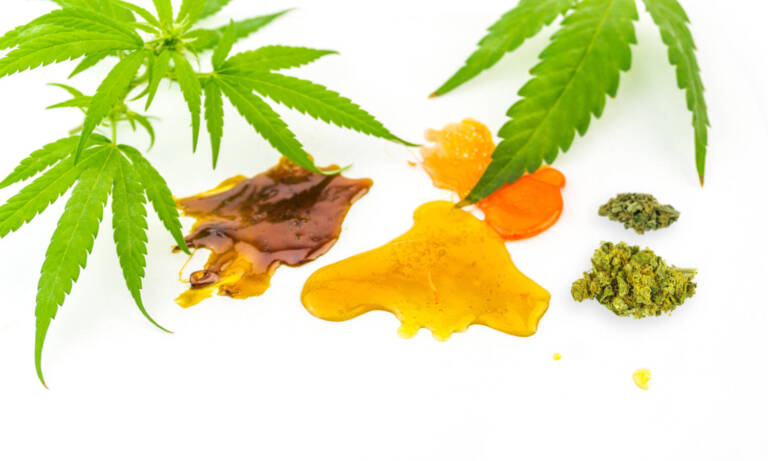
Lawmakers Release Report On MORE Act Ahead Of House Floor Discussion

The report notes that “enforcing cannabis prohibition laws costs taxpayers approximately $3.6 billion a year,” and impacts people of color “who are almost 4 times more likely to be arrested for cannabis possession.”

By Nicolas Jose Rodriguez

Lawmakers released a report with majority and minority leaders of the House Judiciary Committee who made their arguments for and against bill HR 3617, the Marijuana Opportunity, Reinvestment, and Expungement (MORE) Act, which is sponsored by the panel’s chairman, Rep. Jerrold Nadler (D), reported Marijuana Moment.

Members of the House Judiciary Committee advanced the bill sponsored by Nadler, in September 2021.

Why Advocates Say MORE Act Falls Short In Restorative Justice
Photo by MmeEmil/Getty Images

RELATED: Federally Legal Weed: Are The Stars Aligning? Will The Dems And GOP Meet In The Middle?

The Marijuana Justice Coalition (MJC), a broad alliance of national advocacy organizations convened by the Drug Policy Alliance, including the American Civil Liberties Union and Human Rights Watch sent a letter to House Speaker Nancy Pelosi (D) and House Majority Leader Steny Hoyer (D) called for a floor vote on the MORE Act.

The MORE Act repeals the long-standing federal prohibition of marijuana by removing it from the Controlled Substances Act — thereby ending the state/federal conflict over cannabis policies and providing state governments with greater authority to regulate marijuana-related activities, including retail sales.

The bill creates an “Opportunity Trust Fund” to support a “Community Reinvestment Grant Program” under the Justice Department, substance misuse treatment programs, and the Small Business Administration (SBA), that would facilitate grants for states and localities that expunge marijuana convictions.

A “minority views” section of the report, by Judiciary Committee Ranking Member Jim Jordan (R), criticized the bill for being “an enormous federal subsidy and stimulus for the marijuana industry,” that “would open the floodgates to marijuana cultivation, distribution, and sale within the United States allowing transnational criminal organizations to further exploit America’s addiction crisis.”

On Wednesday, a House Rules Committee meeting is expected that will decide if the bill should be amended.

“The communities that have been most harmed by cannabis prohibition are benefiting the least from the legal marijuana marketplace,” the report states. “A legacy of racial and ethnic injustices, compounded by the disproportionate collateral consequences of 80 years of cannabis prohibition enforcement, now limits participation in the industry. Fewer than one-fifth of cannabis business owners identify as minorities and only approximately 4 percent are black.”

RELATED: The Downside Of Declassifying Cannabis As A Schedule 1 Drug

The report notes that “enforcing cannabis prohibition laws costs taxpayers approximately $3.6 billion a year,” and impacts people of color “who are almost 4 times more likely to be arrested for cannabis possession than their White counterparts, despite equal rates of use across populations.”

The report highlights that people of color have been historically targeted by discriminatory sentencing practices “resulting in Black men receiving drug sentences that are 13.1 percent longer than sentences imposed for White men.”

This article originally appeared on Benzinga and has been reposted with permission.

Long COVID-19 Symptoms Can Vary Depending On This

0

A new study found links between the symptoms of long COVID and the variant that was responsible for the infection.

Thanks to some time and research, we’re learning more about long COVID-19, its symptoms, and why it affects some people over others. A new study says that symptoms of long COVID-19 can vary depending on the COVID-19 variant that’s responsible for the infection.

The study, conducted by researchers from Italy, did a retrospective observational study on over 400 subjects who were treated for post-COVID-19 during June 2021 and June 2021. During this time period, the variants in circulation were the original form of the virus and the Alpha variant was in circulation and researchers compared and contrasted each, finding key differences. Researchers will present their findings in this year’s European Congress of Clinical Microbiology & Infectious Diseases conference.

RELATED: Why COVID-19 Sometimes Causes This Unexpected Side Effect

An FDA Advisory Panel Is Recommending Booster Shots Of This Vaccine
Photo by Mufid Majnun via Unsplash

Study subjects had been admitted in with COVID-19 and had to fill out a questionnaire regarding lingering symptoms once they were recovered four to twelve weeks later. About 76% of patients reported lingering symptoms, with the most common ones being shortness of breath and chronic fatigue, at least for those infected with the original form of the virus.

Researchers found that the Alpha variant was more likely to produce symptoms like insomnia, muscle aches and pain, brain fog, and mental health conditions like anxiety and depression.

The study showed that subjects with a stronger COVID-19 and required stronger immunosuppressants were six times more likely to report long COVID-19 symptoms.

“Many of the symptoms reported in this study have been measured, but this is the first time they have been linked to different COVID-19 variants,” said Dr. Michele Spinicci, study lead. “The long duration and broad range of symptoms reminds us that the problem is not going away, and we need to do more to support and protect these patients in the long term. Future research should focus on the potential impacts of variants of concern and vaccination status on ongoing symptoms.”

RELATED: Long COVID Symptoms Could Be Linked To This Condition, Finds Study

Recently, we’ve been learning more and more about long COVID-19 and the factors that make some people more likely to experience its symptoms. While a lot remains in question, researchers believe that the severity of the disease, comorbidity, and other factors can have a hand in making long COVID-19 more likely to strike.

Don't Miss Your Weekly Dose of The Fresh Toast.

Stay informed with exclusive news briefs delivered directly to your inbox every Friday.

We respect your privacy. Unsubscribe anytime.