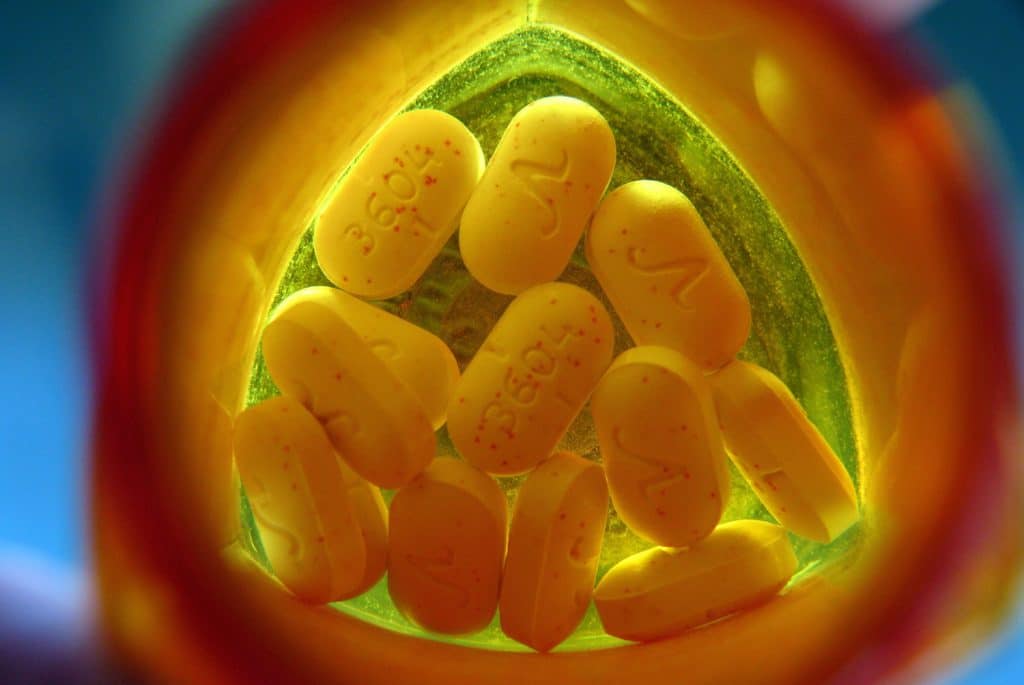
Psychedelic use may provide a window of opportunity to kick drug addiction, according to a recent study.
While there’s certainly no magic pill to cure addiction and emotional ills, psychedelics can at times position people in the right frame of mind to reach for that lofty goal. And now scientific data is supporting the notion that psychedelics may decrease opioid dependence.
Photo by Flickr user frankieleon
A new study by the International Journal of Drug Policy — an organization dedicated to research, debate and critical analysis on drug use and drug policy — is showing that individuals who use psychedelic substances may have considerably reduced odds of subsequent daily opioid use.
Drawing from data ranging between 2006 and 2018 in Vancouver, British Columbia, researchers polled a total of 3,813 individuals who reported substance misuse disorders. Of the group, 1,093 described illicit opioid consumption and 229 said they’d used psychedelics in the past six months.
Researchers discovered from the cohort that “recent psychedelic use was associated with 55% reduced odds of daily opioid use.”
The authors noted that while the study was conducted in a naturalistic setting, as opposed to clinically where data is viewed as more rigorous, there is a growing body of evidence worldwide indicating that psychedelic use may be associated with detectable reductions in addiction disorders. For instance, studies being conducted atJohns Hopkins Center for Psychedelic and Consciousness Research are showing that in clinical settings psilocybin is helping patients to facilitate smoking and alcohol cessation.
Anecdotally, there are many examples of people caught in addiction cycles, riding an endless, revolving door of addiction to rehab and back to addiction, who eventually find solace from drug cravings using psychedelic therapies.
Such was the case of Adrianne from Vancouver, British Columbia, who is the subject of the documentary “DOSED.” The film follows the 34-year-old through a living nightmare as she attempts to kick a 10-year opiate habit. She shares how her drug use began at the age of 15 with alcohol acting as her gateway drug, which ultimately led to harder substances like cocaine and heroin.
Photo by eskymaks/Getty Images
Through the use of psilocybin, Adrianne begins to discover the usefulness of psychedelics to get at the core of her issues. After continually backsliding into addiction, she seeks help with the powerful psychoactive ibogaine, a drug derived from the African root iboga. Through a harrowing experience, she eventually finds solace.
Several years after kicking her drug addiction, Adrianne credits psychedelics with offering her a window of opportunity to approach her issues.
“I feel like psychedelics have connected me more with myself and I have a better connection with what’s going on inside me,” she says. “Whereas before, when I was using harder drugs and not doing any kind of personal development, I would just feel in our turmoil. I would feel not right. And I would reach for something to numb it out. Now I feel like I’m more connected.”
Cannabis benefits women in a variety of ways. It can provide pain relief and improve their quality of life over the years.
Medicine has historically skewed towards the male population. More than simply being an annoying fact, this has resulted in a lot of ignorance surrounding issues like menstruation, which plague women to varying degrees. Marijuana has appeared as one of these alternative medications, providing benefits and increasing women’s quality of life.
The medical benefits that cannabis offers to women are huge, especially when compared to the traditional treatments that are currently available. From PMS to menopause to endometriosis, cannabis could act as an exceptional source of relief for women throughout their lives.
Menstrual Cycles & PMS
Photo by Marjan_Apostolovic/Getty Images; Leaf by cheifyc via Pixabay
Menstrual cycles are essential for a healthy reproductive system, and they’re also incredibly annoying at best, painful and crippling to a large percentage of women. Menstrual cycles commonly cause symptoms such as mood swings, cramps, and nausea among others depending on the person and the severity of their cycle. The good news is that cannabis provides alternative treatment options that are effective and natural, particularly for the physical pain part of it.
Menstrual cramps are very common. Curiously, cannabis use for cramps dates back to the 1800s, when it was rumored that Queen Victoria utilized the plant for treating her cramps. We’re sure she was one of the most notorious patients to use this alternative to pain, not the only one.
Mood swings are more difficult to treat, and vary drastically from person to person. Still, weed could be useful in helping people relax their brains and their muscles, alleviating pain and adding some joy into your days.
Menopause
Photo by Lucia Lambriex/Getty Images
Menopause is another inevitability for women. For most, menopause occurs later in life but there are cases where the condition is accelerated due to medical conditions..With menopause comes an array of different side effects and health concerns.
The body naturally produces an endocannabinoid known as anandamide, which together with the endocannabinoid system helps regulate body temperature. Studies have shown that replacing anandamide with the phytocannabinoid THC can help regulate and even lower body temperature. This means that cannabis could combat hot flashes and night sweats, some of the most common side effects of menopause.
The consumption of cannabis could also help with anxiety, insomnia, and depression, all of which are afflictions that at times affect women going through menopause.
Revitalizing workouts
Photo by Julia Ballew via Unsplash
A lot of people use cannabis to help them get excited over working out, doing so with more focus and enjoyment. Despite the age-old stereotypes and stigma surrounding munchie eating stoners, there’s scientific proof that individuals who consume cannabis on a regular basis maintain a lower overall body mass index.
Studies have shown that exercising activates the ECS in the same manner that consuming cannabis does. This means that oftentimes the effects of exercise such as “runner’s high” are very similar to actually getting high off of THC. For this reason, many individuals are choosing to consume cannabis before and after their workouts to enhance the effects of both their exercise routine as well as their cannabis.
Cannabis could stand to benefit women in a multitude of ways throughout their lives, providing pain relief while also improving their quality of life.
Some say marijuana has the ability to return those with anxiety or altered sleep habits back to a normal rhythm.
The last two years have tested the mental strength of millions. Sleep in particular has been a struggle for many as anxiety skyrocketed and routines broke and shattered during the pandemic. The term “coronasomia” was even coined by doctors, while pharmaceutical sleep prescriptions increased 20%.
While some people opted for pharmaceutical relief, many suffered through their restless legs and anxiety. Still others opted for another kind of sleep remedy — cannabis.
“As people grapple with anxiety and insomnia, they are turning to cannabis because of its effectiveness and ease of treating such a variety of stress-related conditions,” Ganja Goddess CEO, Zachary Pitts, wrote in an email toForbes.
Photo by Julian Hochgesang via Unsplash
Marijuana has been used as a sleep aid discretely for generations. Over time, word has spread of its calming and relaxing effect on those who use it.
“Research on the possible sleep effects of cannabis date back to the 1970s, but high-quality studies are scarce because of the drug’s legal status,” wroteMedical News Today. The research may not be nearly as extensive as with other sleep aids, but it has not deterred many from turning to it, especially in recent times.
Some say marijuana has the ability to return those with anxiety or altered sleep habits back to a normal rhythm. “Marijuana is an effective sleep aid because it restores a person’s natural sleep cycle, which so often falls out of sync with our schedules in today’s modern lifestyle,” Dr. Matt Roman, a medical marijuana physician toldHealthline.
With the limited amount of testing performed using cannabis on sleep patients, the most noticeable patterns have been found in those with existing sleep issues. Many with nightmares, anxiety and even PTSD have shown improvement when occasionally using cannabis as sleep therapy.
According toPsychology Today, “Among people with active difficulty falling asleep, cannabis use resulted in an average of 30 minutes less time in falling asleep.” The study also continued, mentioning that those who normally did not have trouble sleeping fell asleep even faster than normal.
If you opt to try cannabis to help you sleep, you may find yourself overwhelmed with your choices when it comes to strains and potencies. It is important to remember that sleep issues are often individual problems that have unique solutions.
Photo by Mert Kahveci via Unsplash
“Due to its relaxing effects, indica may be considered the best marijuana strain for sleep. However, individuals who use cannabis to avoid nightmares may prefer sativa,” according toSleep Foundation.
Different strains may be more effective than others based on the root cause of your sleeplessness. If you try using cannabis as a sleep aid, it’s wise to keep track of the type you use and the quality of your sleep. As you find what works best for you, continue to use it and play with the dosage in order to fine-tune where needed.
If you decide to use cannabis to help you sleep, remember to use it as a therapy rather than a nightly routine. If you use cannabis constantly for sleep, it may lose its effectiveness, requiring you to use more and more to achieve the same results.
Under the current cannabis law in New York, licensing priority is given to women-owned enterprises and other marginalized groups affected by the War on Drugs.
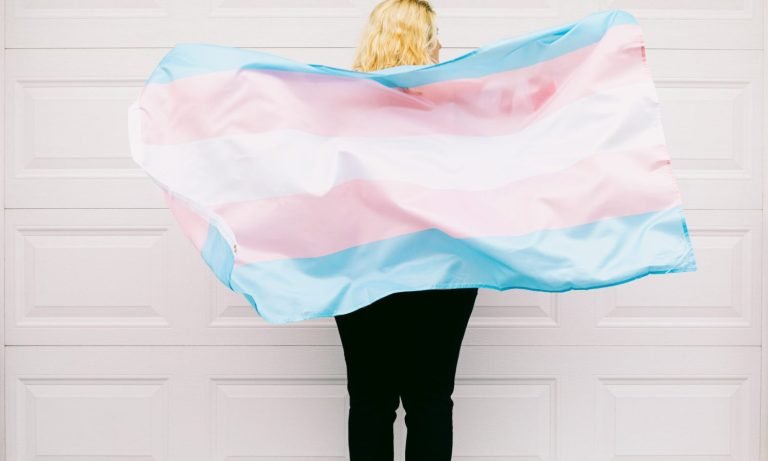
New York’s cannabis program continues to produce novelties, with the most recent being a bill that would allow transgender and non-binary people to qualify as social equity applicants under the state’s cannabis law.
Senator Jeremy Cooney (D) presented the legislation in a bid to deal with an “unintended consequence” of the recreational marijuana law that would otherwise “force certain individuals from choosing between their gender identity and receiving priority for a license,” reported Marijuana Moment.
Photo by Volodymyr Bondarenko / EyeEm/Getty Images
Under the current cannabis law in New York, licensing priority is given to women-owned enterprises and other marginalized groups affected by the War on Drugs.
The issue now concerns persons born biologically female and then transitioned or who identify as nonbinary. They would have to decide what to fill out on their application if they want to obtain equity benefits.
“This bill will include transgender and gender-nonbinary individuals in the social and economic equity plan giving them priority in licensing…Every New Yorker deserves the right to express and identify their gender as they choose,” the legislation says.
“The social equity aspect of the [Marijuana Regulation and Taxation Act] is meant to uplift historically marginalized groups through economic opportunities in the cannabis industry and this bill furthers that effort,” it continues.
The legislation, filed on Friday, has been referred to the Senate Rules Committee for consideration.
The proposed bill comes some eight months after former Governor AndrewCuomo signed recreational marijuana into law, making New York the 15th state to legalize recreational cannabis. During that time, the state announced several policy changes and updates with one of the most significant being its employee cannabis testing policy. In October, New York became the first state in the Union to prohibit employers from testing most employees for cannabis.
A new study finds further evidence that suggests women should avoid cannabis when pregnant. Here’s why.
Cannabis use among pregnant women has long been a controversial issue, with too many unknown factors for anyone to endorseme the behavior. Now, a new study shows evidence that consuming cannabis while pregnant could put the unborn child at risk for developing mental and behavioral problems in infancy and childhood. And this isn’t the first study of its kind.
Published in the journal Proceedings of the National Academy of Sciences, the research was led by neuroscientist Yasmin Hurd, who wanted to have a clearer understanding of the drug’s impact now that it’s increasingly available.
Photo by Ömürden Cengiz via Unsplash
The study counted with the data from a larger study conducted on stress and pregnancy, which looked into stress and how that affected the development of the fetus. The new study narrowed its focus on 322 mother-child pairings; of these women, 71 reported using cannabis while pregnant.
While the sample size is substantially small, the study found connections between cannabis use during pregnancy and higher levels of stress, anxiety, aggression and hyperactivity in children. The most substantial finding of the study was the fact that there were genetic changes reported in the placentas of these women, serving as further evidence for the aggression and hyperactivity symptoms reported in their kids.
These findings were present in the hair samples of the children, which had more cortisol than the offspring of mothers who didn’t consume cannabis, and in behavioral assessments, where researches reported more aggression and hyperactivity.
Cannabis has become an alternative medicine to treat a wide variety of conditions, including symptoms of pregnancy such as vomiting and nausea. Still, the evidence that exists regarding cannabis use and pregnancy suggests the drug should be viewed similarly to smoking and consuming alcohol while pregnant.
Photo by Irina Murza via Unsplash
“There are studies which have linked its use to miscarriage, low birth weight and premature birth. We have also seen in studies in the monkey that THC will pass through the placental barrier into the fetus, however the fetus does not readily metabolize the THC,” wrote Dr. Thomas Green when asked about his thoughts on using cannabis while pregnant.
In order to treat symptoms of pregnancy, its best to stick to methods that are the safest as possible for the fetus. The link between cannabis and pregnancy isn’t wholly understood, but there’s enough red flags there that should make pregnant people wary and careful.
Everyone in the cannabis world is reporting on or talking about this bill. I’m glad to see that. It will definitely get worked over in the House for a variety of issues, I have no doubt.
I feel like we’re living in an upside down world when it comes to cannabis legalization at the federal level. The main reason being that Dems, despite in being in full control of Congress and the White House, just can’t get the ball across the line on a number of cannabis reform bills. This includes bills on banking (see the SAFE Banking Act, which has passed the House no less than five times) and overall federal legalization (see the MORE Act as well as its sister Senate legislation, the Cannabis Administration Opportunity Act (“CAOA”)).
A lot of this gridlock is due to political jockeying over other issues that take priority, like COVID recovery, infrastructure, etc., and because, as Senate Majority Leader Chuck Schumer admits, there aren’t enough votes in the Senate to get anything done around the issue. To add to the feeling we may be living in the Twilight Zone, a Republican Congresswoman, Nancy Mace, out of South Carolina, just introduced a cannabis legalization bill called the States Reform Act (“SRA”). Why is Rep. Mace’s cannabis bill significant? Because she’s a junior Republican representative in the House (from the southeast, no less). The SRA is probably also the most significant reach “across the aisle” we’ve seen between our two (leading) very polarized political parties. It’s possible that this bill has a better chance of making it through the Senate.
Photo by Melinda Podor / Getty Images
The 131-page bill is essentially focused on preserving state’s rights while implementing a much lower federal excise tax than we’ve seen in either the MORE Act or the CAOA. The SFA would also expunge the criminal records of non-violent, non-cartel, non-DUI cannabis offenders. Mace’s bill, while decriminalizing cannabis completely and getting it off of schedule I, would also have the Feds regulate cannabis like alcohol while deferring ultimately to the states on licensing and other commercial regulations. That part isn’t surprising in the least.
If you want the quick and dirty overview of the bill, here’s the one page summary from Mace’s office. Here are the other main business and regulatory highlights as we see them:
Role of the FDA and USDA
If this bill passes, the Food and Drug Administration (“FDA”) won’t have much of anything to do with cannabis outside of legitimate medical applications. The United States Department of Agriculture (“USDA”), on the other hand, will have a major role in providing the federal regulatory framework for cannabis farmers (and for “raw cannabis” as opposed to final commercial cannabis products). The USDA role will be similar to how its oversight of “. . . other traditional agricultural commodities, such as grain, hops, and barley”.
The bill goes on to describe how Tribes and States will submit cultivation plans for raw cannabis to USDA for approval, (and which will essentially contain their regulatory, licensing, and compliance oversight programs). In the event a Tribe or State doesn’t develop a plan or the plan is rejected by USDA, then growers will just follow the overall system put together by USDA (these directives are very similar to the standards set out in the 2018 Farm Bill, legalizing hemp).
State prohibition is OK
If states want to prohibit commercial cannabis activity within their borders, they are free to do so.
TTB will permit and regulate interstate commerce
Interstate commerce of cannabis and cannabis operations will be permitted and regulated by the Alcohol and Tobacco Tax and Trade Bureau of the Department of Treasury (“TTB”). The Secretary of Treasury, acting through TTB, will be in charge of the federal track and trace system for cannabis products in interstate commerce. And a safe harbor is in place for pretty much all interstate commercial cannabis activity after passage of the bill and until the Secretary promulgates all final regulations under the SRA (of course, that commercial cannabis activity must still be in line with applicable state cannabis regulations).
As to the permit itself, there are conditions on its receipt. A permit will be denied if an applicant:
(i) has been convicted of a disqualifying offense, (ii) by reason of business experience, financial standing, or trade connections, not likely to commence operations within a reasonable period or to maintain such operations in conformity with Federal law; or (iii)
that the operations proposed would violate state cannabis laws; or (iv) the applicant “failed to disclose any material information required or made any material false statement in the application,” they’re not getting a permit.
The list of “disqualifying offenses” includes a felony conviction anytime in the three years before permit application or a misdemeanor conviction within one year before permit application. There are a couple of exceptions to this list, probably the most important one being that the offenses won’t qualify if a state is examining the issue and still willing to give a state license regardless of the offense. Plus, any state licensed cannabis business that’s operative before the bill passes will be grandfathered in when they apply to TTB to do business under the federal permit (and so will any cannabis businesses licensed by a state after the bill’s passage).
Photo by matt_benoit/Getty Images
Note that on the TTB permit fee, for the first three years after the bill’s passage, cannot exceed $10,000 per permit (and fee waivers apply for certain kinds of businesses under the Small Business Act). Also, rules around changes of ownership of these permits don’t look too onerous (yet).
The enforcement role moves from DEA to ATF
When it comes to enforcing federal cannabis regulations, the Drug Enforcement Administration (“DEA”) is out and the Bureau of Alcohol, Tobacco, Firearms, and Explosives (“ATF”) is in (in addition to TTB as the primary overseer). And “Cannabis” would even get added to the agency’s name.
Advertising and promotion
There are call outs in the bill specifically regarding advertising and promoting cannabis products and protecting minors (I imagine that the Feds will borrow heavily from state regulations that already well cover this topic).
Age limits (21)
The federal age limit for cannabis use will be 21 with certain exceptions made for those individuals under 21 using medical cannabis in line with applicable state laws that allow it.
Federal Alcohol Administration Act control
Both ATF and TTB will adhere to the Federal Alcohol Administration Act (“AAA”) when it comes to enforcement of future cannabis regulations (which, the AAA will be changed to add cannabis and harmonize technical amendments between alcohol and cannabis). Regarding this Section 208 of the bill, the SRA policy brief states that:
“Mirroring the policy success of Congress’ Blaine Act with transitioning alcohol bootleggers to a safe, regulated legal market, the new Federal Alcohol Act provisions regarding cannabis grandfather existing state licensees into the new federal scheme and the barriers to entry for businesses are low to incentivize transition into a legal market.”
“Designated State Medical Products” and the FDA
“Designated State Medical Products” (which, per the bill, are to be used for specifically enumerated ailments under federal law) are getting added to the Food Drug & Cosmetic Act through the Designated State Medical Cannabis Product Safety Act. This piece of law “. . . ensures the continued access of medical patients and state medical cannabis programs—that serve millions of Americans with severe conditions such as epilepsy and seizure disorders without disruption to patient access” whereby such products will also be instantly grandfathered into lawful interstate commerce.
Per the policy brief, “[t]he FDA may still prescribe serving sizes, certify designated state medical cannabis products as a ministerial duty, and authorize new drugs or approved news uses of drug applications to create new pharmaceutical grade products, but may not prohibit the use of cannabis or its derivates in non-drug applications, such as in designated state medical cannabis products, dietary supplements, foods, beverages, non-drug topical solutions, or cosmetics.”
Photo by LauriPatterson/Getty Images
SBA fairness
The Small Business Administration will now have to treat cannabis businesses like any other business, which means government loans should be available. The SRA again seems to contemplate cannabis businesses being treated like hemp businesses in this respect.
Taxes
The bill established the Cannabis Revenue Act, which imposes an excise tax of 3% on cannabis products along with a ten-year moratorium on any increases to “ensure competitive footing in the market”. Congress can waive the moratorium, but the vote to do so is pretty high. The tax attaches as soon as the cannabis comes into existence, and the bill contains various “removal price categories” (similar to alcohol and tobacco, which are taxed on quantities and pre-defined categories).
Provisions for veterans
The bill does a great job of supporting military veterans in that they can’t be discriminated against in federal hiring for having consumed cannabis, and finally the Veterans Administration will actually have to help vets gain access to state medical cannabis information and can openly discuss with them treatments with medical cannabis without legal consequence from the military when it comes to veteran medical benefits.
International law and treaties
International trade of cannabis could certainly open up under this bill where it mandates that “The President . . . and the United States Trade Representative shall send trade missions and engage in treaty-making with foreign jurisdictions that have legalized the import and export of cannabis to provide for the legal trade between the United States and foreign jurisdictions.” Translation, domestic and international barriers to the cannabis trade need to come down.
_____
Everyone in the cannabis world and their mother is reporting on or talking about this bill. I’m glad to see that. It will definitely get worked over in the House for a variety of issues, I have no doubt. The SRA’s chance of passing are unknown right now, but the buzz around it is enough to warrant legitimate attention as a serious contender for real reform. Stay tuned!
Cannabis possesses compounds that are antibacterial and anti-inflammatory. This makes it fit to fight against strep throat bacterial infections. Different studies have shown that when used, cannabis products — especially cannabis oils — can improve the antibacterial activity of antibiotics which are being used to treat strep throat symptoms.
What Is Strep Throat?
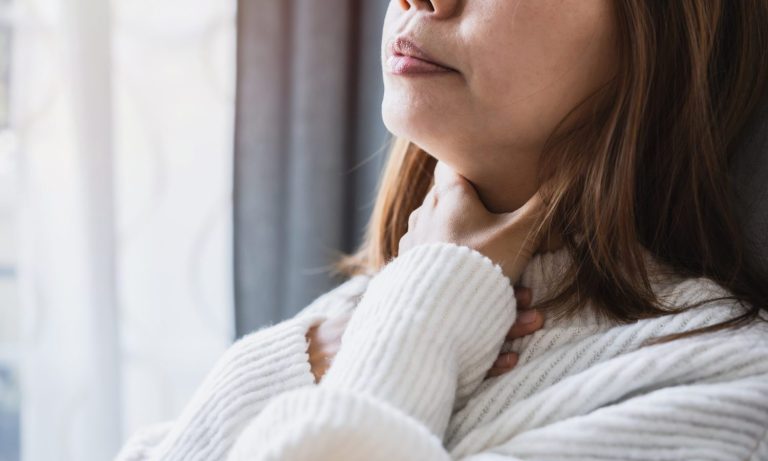
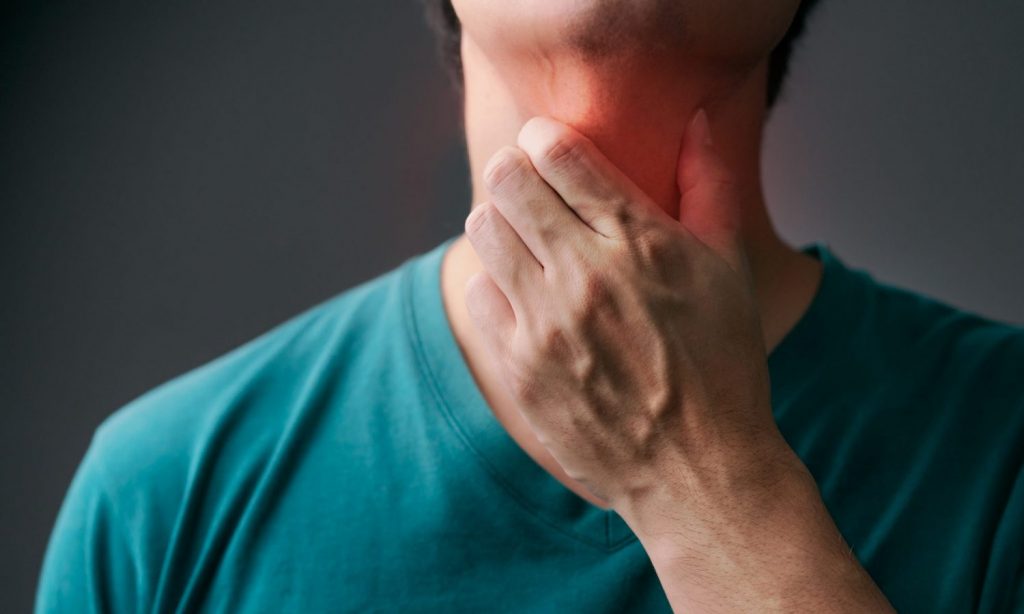
Strep throat is a bacterial infection that causes feelings of pain, itching, and some other forms of irritation in the throat. All these symptoms get more intense when swallowing.
Photo by 5432action/Getty Images
Unlike sore throat which can be caused by both viral infections and bacterial infections, strep throat can only be induced by bacterial agents. The type of throat infection caused by bacteria is streptococcal pharyngitis. It is not so common, as most throat infections are brought about by viral infections. The symptoms of strep throat can be managed with antibiotics to prevent the condition from worsening.
Symptoms of Strep Throat
These include:
Swollen tonsils
Muffled voice
Difficulty in swallowing
Pains while talking
Itchy feeling in the throat
White patches in the tonsils
Headaches
Cough
Treating Strep Throat The Normal Way
Once symptoms of strep throat are being observed, the patient heads to medical personnel to confirm if it is a bacterial causing throat infection or a virus causing infection. In hospitals, throat swab tests are carried out for more authentic results.
Strep throat infections can be cured with antibiotics. Most times, the doctor tries to prevent the case from degrading into rheumatic fever.
Traditional treatments for strep throat include:
licking or eating lozenges that can induce the production of saliva.
Using warm salt water to gargle at least three times a day.
Drinking lemon tea with honey.
Over-the-counter pain medication.
Using a cool-mist vaporizer.
Cannabis and Strep Throat
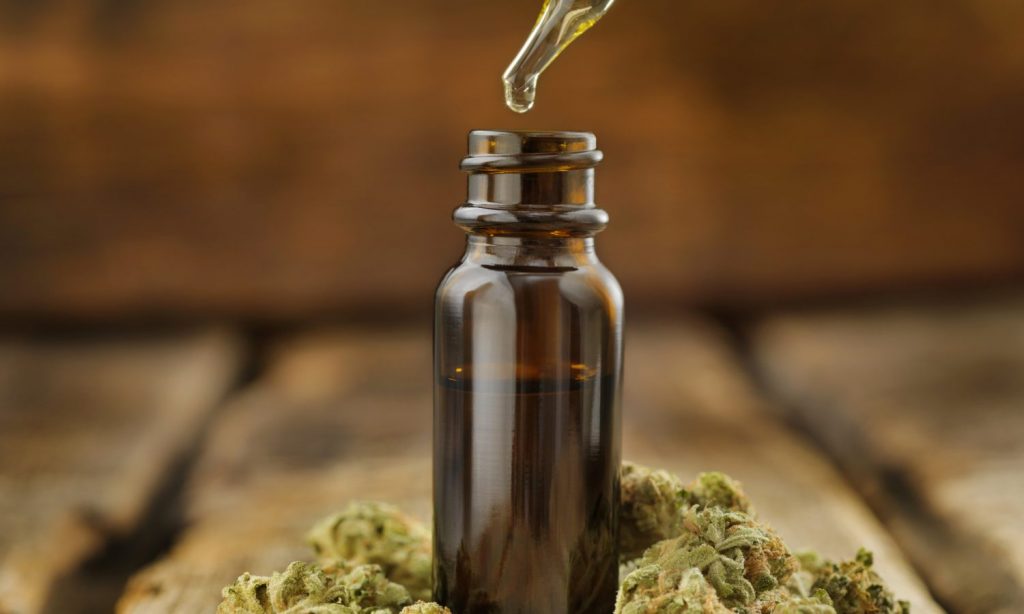
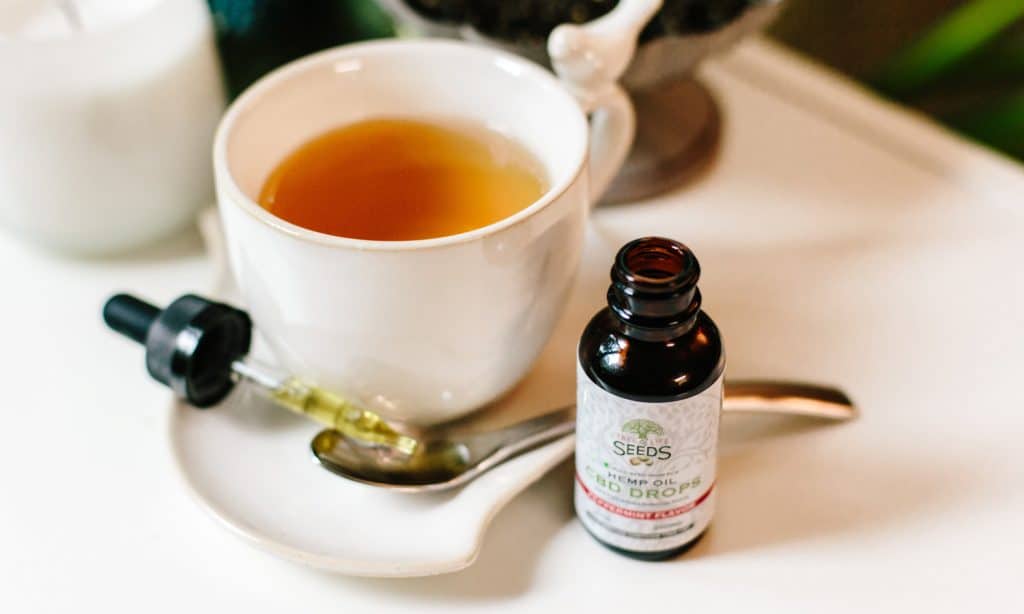
People are now turning to cannabidiol (CBD) to be an effective treatment for throat infections, especially those brought about by bacteria. As you know, CBD is a substance that is extracted from cannabis plants. It is one of the two major compounds ground in a cannabis strain, and it has the most therapeutic benefits. This chemical substance has been applied various times in clinical trials since its antibacterial, anti-inflammatory, and antioxidant properties were revealed. Researchers have a hypothesis that cannabidiol is responsible for the antibacterial effects of hemp plants and oils.
A study revealed that CBD is highly effective against gram-positive bacteria. The experiment which was based on cellular and infection microbiology described CBD as a novel modulator of bacterial membrane vesicles. According to the contents of the study which was published in Frontiers, CBD boosted the bactericidal effect of some antibiotics. The researchers then included it in a kanamycin treatment; it was also observed to have increased the effect of the antibiotics of the drug. This means that cannabis or its CBD extract can be added to certain antibiotic treatments used to manage a wide range of infections.
Photo by Tree of Life Seeds via Pexels
To corroborate the findings in the above study, a new study was conducted. Researchers were able to ascertain that cannabidiol can be an effective compound to kill Gram-positive bacteria, especially when combined with bacitracin ( an antibacterial salve used to prevent or treat skin infections).
The researchers first assumed that cannabis could be used to cure strep throat because most bacterial throat infections are caused by Gram-positive bacteria. CBD is highly effective against gram-positive bacteria.
Although people have used cannabis by-products like CBD oils to treat strep throat, no medical study has been carried out yet to guarantee that cannabis can effectively cure the infection. There is no scientific data to describe how CBD acts as an antibiotic in strep throat infections.
A Brief Description Of How Cannabis Works
When ingested into the system, and absorbed. CBD interacts with the cannabinoid receptors in the endocannabinoid system (ECS).
The ECS is a system in the body whose function is to control some functions of the immune system, as well as the central nervous system. Studies about the antibacterial activity of cannabis are most times focused on the attractive therapeutic target presented by the endocannabinoid system. The receptors, CB1 and CB2, are involved in the antibacterial and anti-inflammatory actions of cannabis compounds. Researchers believe that the therapeutic effects are induced once these receptors are activated.
Pros And Cons Of Using Cannabis To Treat Strep
Cannabis having therapeutic benefits does not mean it could not also have its disadvantages. As indicated earlier, no direct or human trials have been carried out to test how effective cannabis compounds are against strep throat. For now, it is unproven.
Pros
Studies have revealed that cannabidiol is capable of boosting the antibacterial activity of some antibiotics. Researchers have also gathered that CBD is an effective compound to get rid of gram-positive bacteria. This means there’s a possibility that it could be effective against your strep throat infection. In most states in the United States of America, cannabis has been decriminalized, and residents can use, transport, and possess CBD. There’s no risk of being arrested as long as the CBD is carefully extracted from the hemp plants.There is no psychoactive effect to fear when using CBD. It is not capable of inducing mind-altering effects in the user. The added advantage is that all research carried out on hemp plants is supported by the federations Food and Drug Administration.
Cons
The absence of clinical information to prove that the therapeutic compounds in cannabis can be used to cure strep throat means it is a big risk to take. The FDA has approved only one cannabis drug called Epidiolex to be used in treating epilepsy and seizures. Therefore, requests for CBD medications in hospitals or health facilities may be rejected. Not to mention that health insurance providers do not cover the use of these products.
When using cannabis to treat your strep throat, take into consideration that you might suffer from the side effects of the drug. Dry mouth, reduced appetite, fatigue, diarrhea, and drowsiness are some of the after-effects that could be felt Irrespective of whether or not your strep throat is cured.
Conclusion
The absence of clinical evidence to support the subject makes it difficult for some to accept that cannabis can be used to treat strep throat.
Marijuana’s effect is not completely understood, which is why some people have adverse reactions to the drug and others don’t.
People tend to have two reactions when it comes to using marijuana: they either find it very relaxing or they don’t. Those who belong to the latter group accuse the plant of causing them tons of paranoia and anxiety, making them feel like they are too “in their heads,” or like they expect people on the street to call them out on their misbehavior.
Bad highs are almost like meltdowns. They’re moments where the consumer’s body reacts in a way that’s stressful, paranoid and even scary. While temporary, these episodes still feel terrible and can turn a lot of people away from weed. The only way to get through a bad high is to wait them out.
These anecdotes leave cannabis in an interesting spot. The same plant can produce exact opposite effects in different people, all because of genetics, experience and predisposition to the drug.
Marijuana produces effects by interacting with the cannabinoid receptors in our bodies, located in different areas, like our brain and skin. Cannabinoids, such as THC, bind to the receptors in the brain, causing either relaxing or stressful effects. Some of these receptors are located in spots governed by the amygdala, a section of tissue that’s responsible for managing emotions like fear, stress and paranoia.
Photo by Matt Moloney via Unsplash
THC is known for increasing heart rates and producing an influx of thoughts — both of these behaviors that can cause anxiety for people that are naturally anxious or who haven’t experienced these feelings before.
Studies show that the positive and therapeutic effects of cannabis are due to the influence of cannabinoids on our endocannabinoid systems. These positive results appear even more markedly on patients that have experienced trauma and PTSD, who usually have low levels of chemicals like anandamide.
The most clear link between freak outs and cannabis occurs when people are new to the plant or they’ve had a negative experiences with it — with both of these creating a predisposition towards these kind of reactions. It’s a little unexplainable, kind of like whether people are crying drunks or simply happy drunks.
The most direct way of managing or preventing these reactions would be to stick to low and manageable doses and to consume cannabis somewhere that’s comfortable and private, surrounded by people they trust. It’s also important to account for your personal history; are you normally an anxious person? Are you in the wrong headspace to add a substance into your body? These are all serious questions that you should be asking yourself, especially if you have little experience with the drug.
Photo by Raghu Nayyar via Unsplash
For newbies and people who’ve had bad experiences with weed but are willing to give it another shot, the type of weed you smoke, your location and companions are pivotal factors. On your next trip to your dispensary, be sure to ask your budtender for a relaxing strain, something that’s focused on the body and not the brain.
By trying to manage outside factors like who you’re with and keeping track of how much cannabis you’re consuming, you can try to curb the possible freak outs and reintroduce yourself to fun experiences with weed. But it’s also okay to come to the realization that maybe cannabis, or edibles or vapes, simply aren’t for you.
When news of the GOP-led legalization draft was initially reported, it seemed clear that a republican effort would be essential for any real legal movement to proceed.
Rep. Nancy Mace (R-SC) is officially laying out her cannabis legalization plan, the States Reform Act, co-sponsored by at least a half-dozen Republicans, which will essentially legalize cannabis on a federal level “in a manner consistent with the right of states to determine what level of cannabis reform or legalization each state wants to regulate, or not.”
Highlights of the bill:
Federally decriminalizes cannabis and fully defers to state powers over prohibition and commercial regulation
Regulates cannabis products like alcohol products
Institutes a 3% federal excise tax on those products to fund law enforcement and small business programs.
Ensures the continued existence of state medical cannabis programs and patient access while allowing for new medical research and products to be developed
Protects our veterans by ensuring they will not be discriminated against in federal hiring for cannabis use or lose their VA healthcare for following their doctor’s advice to use medical cannabis
Protects children and young adults under 21 from cannabis products and advertising nationwide
Protects medical cannabis for the following uses: arthritis, cancer, chronic pain, sickle cell, HIV/AIDS, PTSD and other medical uses per a state’s specific cannabis regulations.
Photo by Moussa81/Getty Images
Taxes: An Issue in the Democratic Cannabis Legalization Bill
By comparison, the proposed legislation to legalize cannabis from democratic senators Chuck Schumer, Cory Booker and Ron Wyden would carry an excise tax of 25.5%, viewed as unreasonably high, especially for small businesses.
Response
Weldon Angelos is the co-coordinator of Cannabis Freedom Alliance(CFA). He worked with Mace’s team in crafting this legislation. In conversation with Benzinga, he said “The States Reform Act represents exciting movement towards compromise on the cannabis criminal justice issue and progress-building on the First Step Act. Representative Mace is bringing constructive solutions that promise to bring more Republicans to the table to end an unjust root cause of mass incarceration.”
When news of the GOP-led legalization draft was initially reported, it seemed clear that a republican effort would be essential for any real legal movement to proceed.
“If legalization efforts are approved in both houses, we don’t need President Biden’s signature,” said Angelos, pointing to the obvious prohibitionist tendencies of the President. “This could be it.”
A very common affliction could lead to more deaths and hospitalization rates if the person is diagnosed with COVID-19.
New data suggest that a very common affliction could result in “more severe” outcomes of COVID-19, including 31% higher death and hospitalization rates.
Researchers analyzed the data of over 5,000 of their patients and found that while sleep disorders didn’t increase the risk of getting COVID-19, they did increase the risk of having a worse outcome as the disease progresses.
“As the COVID-19 pandemic continues and the disease remains highly variable from patient to patient, it is critical to improve our ability to predict who will have more severe illness so that we can appropriately allocate resources,” said Dr. Reena Mehra, director of Sleep Disorder Research at Cleveland Clinic, in a statement. “This study improved our understanding of the association between sleep disorders and the risk for adverse COVID-19 outcomes. It suggests biomarkers of inflammation may mediate this relationship.”
The link between sleep and worse COVID-19 prognosis isn’t fully understood, but it makes sense since sleep disorders have long had an influence on other diseases, increasing the odds of heart disease, diabetes, obesity, depression, and more.
Further studies on sleep and COVID-19 could provide other options for treatments and perhaps save more lives. “If indeed sleep-related hypoxia translates to worse COVID-19 outcomes, risk stratification strategies should be implemented to prioritize early allocation of COVID-19 therapy to this subgroup of patients,” said Cynthia Pena Orbea, M.D., and lead author of the study.