

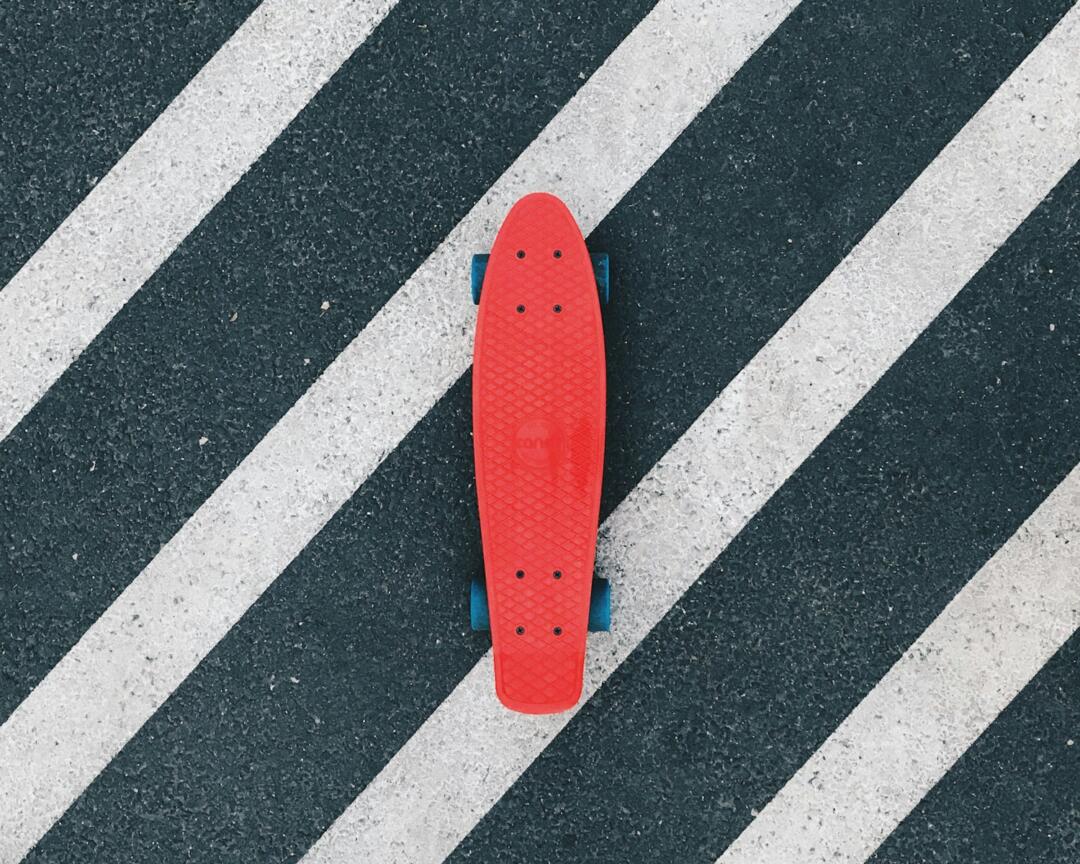
Skateboarding faces new rivals — is it time for the culture to evolve and level up again?
Skateboarding has always thrived on rebellion — the sound of wheels on asphalt, a challenge to conformity, a statement of personal style. But as trends shift and new forms of recreation take hold, the question arises: does skateboarding need to level up?
RELATED: Zohram Mamdani And NYC’s Legal Marijuana
An estimated 11 million Americans skateboard, according to recent industry studies, and the global market for boards and gear is worth over $4 billion. Still, U.S. participation dipped slightly in 2023, suggesting that the sport’s “golden era” growth may have plateaued.
Meanwhile, the pandemic-era surge in board sales, fueled by outdoor social distancing trends, has cooled as many younger adults have shifted toward other activities — from electric scooters and longboards to the gym, pickleball, and snow sports.
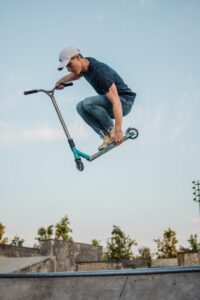
If skateboarding’s asphalt sibling is searching for its next boost, its snow-covered cousin seems to have found one. Snowboarding, once thought to be in decline, has rebounded in recent years. The National Ski Areas Association reports winter sports participation surpassed 30 million in the 2023–24 season, with snowboarding showing one of the fastest growth rates — roughly 9%.
About 7.6 million Americans now snowboard, and resorts across Colorado, Utah, and the Pacific Northwest report that younger millennials and Gen Z riders are returning to the slopes. Snowboarding also benefits from its “destination sport” appeal — combining travel, social sharing, and an athletic challenge that fits neatly into the Instagram era.
Despite its challenges, skateboarding remains a cornerstone of urban youth culture. Its influence stretches beyond half-pipes and handrails — shaping streetwear, music videos, and even high fashion. Skateboarders were among the first to blend sport and identity, long before lifestyle branding became mainstream.
RELATED: Marijuana Use And Guy’s Member
Still, the industry faces pressure to evolve. Skateparks remain unevenly distributed across cities, and many public spaces remain unfriendly to skaters. The sport’s professional scene also struggles for consistent media coverage and financial backing, especially compared to snowboarding’s polished resort circuits and televised events.
To “level up,” skateboarding may need to redefine what it stands for. The sport’s future could lie in expanding beyond tricks and competitions — embracing its role as a sustainable urban mobility option, a form of fitness, and a social connector for adults who grew up with a board and never really put it away.
In an era of electric everything, skateboarding’s analog soul may be its greatest strength — but only if it adapts. Snowboarding may currently own the momentum, but skateboarding owns the streets, the seasons, and the style.
For now, it’s not about whether the sport survives — but whether it dares to reinvent itself, again.
