

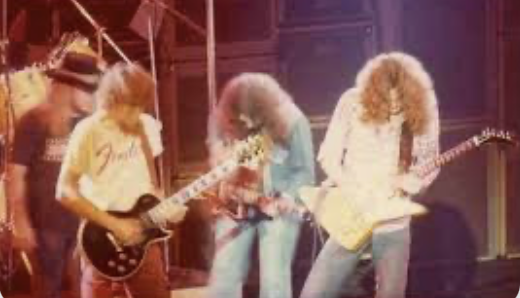
Southern rock, outlaw spirit, and reform meet as the rebel heart of the South includes cannabis and rock in today’s cultural landscape.
In the American South, where music and culture entwine like the roots of an old oak, the intersection of cannabis and Southern-flavored rock sounds is more than a footnote — it’s a story of rebellion, identity, and evolving norms mirroring broader societal shifts. Southern rock, born in the 1960s and 1970s, has always been about defying expectations: guitars blazing, rhythms throbbing, and lyrics steeped in regional pride. Bands like Lynyrd Skynyrd helped define sounds with tracks like “Sweet Home Alabama” and “Free Bird,” songs which became anthems of a generation and symbols of Southern resilience and swagger. In today’s word, it is often overlooked the rebel heart of the South includes cannabis and rock and roll.
RELATED: CBD, Intermittent Fasting And Weight Loss
Cannabis, too, has carved its own path through Southern culture, once a taboo subject whispered about in honky-tonks and around campfires, now emerging — quietly but steadily — from the shadows of prohibition. As attitudes toward marijuana reform have softened nationwide, the South’s relationship with cannabis has evolved in fits and starts, shaped by economic potential, medical need, and cultural change. States like Mississippi and Louisiana have implemented medical cannabis programs which are expanding access and normalizing patient use in cities like Jackson and New Orleans, while police departments are increasingly de-emphasizing low-level possession enforcement.
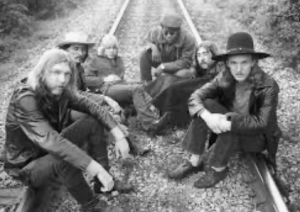
The intertwining of cannabis and Southern rock culture isn’t just about policy; it’s about the artists and the communities they reflect and influence public perception. While Lynyrd Skynyrd didn’t write songs explicitly about cannabis, their rebel image and broader rock’n’roll ethos fit comfortably with countercultural themes that have long included marijuana. Rock musicians across genres have been associated with cannabis use — a cultural touchpoint underscoring music’s role in challenging norms and fostering community. Even Skynyrd’s members have been light-heartedly linked to cannabis culture in anecdotes about informal celebrations with other artists in states where pot is legal.
Another strand in this tapestry is the enduring legacy of outlaw and rockabilly-infused songs like “I Fought the Law.”Written by Sonny Curtis in 1958 and popularized by the Bobby Fuller Four, the track became an anthem of defiance — its refrain “I fought the law and the law won” a mantra for generations of listeners who felt pulled between authority and autonomy. Though not directly about marijuana, the song’s spirit of rebellion resonates strongly with cannabis culture’s own narrative of challenging prohibitionist laws. “I Fought the Law” went on to be covered by artists across genres, from punk icons like The Clash to country stars like Hank Williams Jr., proving how a simple rock ‘n’ roll riff can echo across decades and movements. ZZ Top, The Allman Brothers, The Charlie Daniels Band all draw audiences who feel a bit of rebel in their heart.
RELATED: Your Zodiac Sign And Marijuana
Culturally, the South has been slower than other regions to embrace full recreational cannabis legalization, but the tide is shifting. Missouri stands out in the wider Southern region for legalizing adult-use cannabis, with retail sales beginning in early 2023 and a thriving market taking shape. Other Southern states are making incremental progress: Florida’s robust medical cannabis system continues to grow and saw a recent push for adult-use nearly passed, while Mississippi, Louisiana, and Arkansas have medical programs reflecting gradual reform. However, many states — including Texas, Georgia, South Carolina, and Tennessee — remain more restrictive, embracing only limited medical access or hemp-derived products.
What’s clear is the intersection of cannabis and Southern rock mirrors broader cultural currents: a blend of tradition, resistance, and reinvention. As Southern states grapple with changing public opinion and economic incentives, the region’s music and cannabis cultures continue to influence each other, proving that even in the South, transformation moves to its own rhythm — but it moves.
