

How cannabis is quietly reshaping Mardi Gras culture, as millennials trade hurricanes for THC seltzers and balanced Carnival experiences.
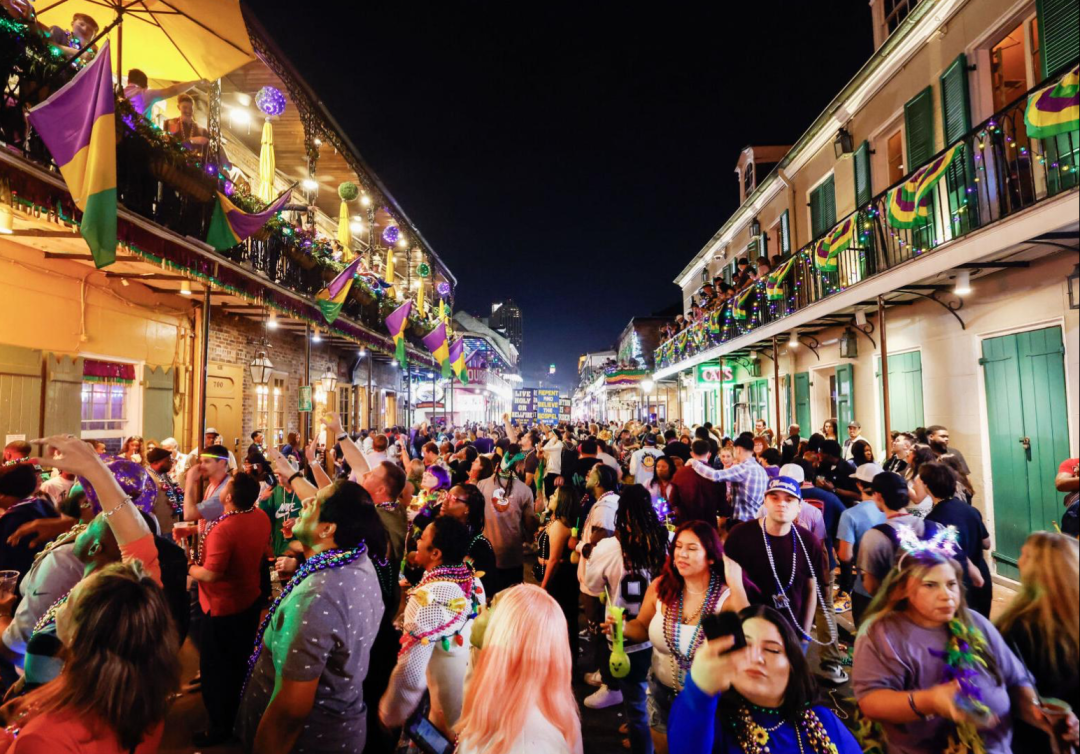
For generations, Mardi Gras in New Orleans has been synonymous with exuberant parades, bead throws, brass bands, and free-flowing alcohol. From the krewes rolling down St. Charles Avenue to the packed revelry of Bourbon Street, the Carnival season has long been fueled by hurricanes, hand grenades, and go-cups carried through the French Quarter. But as cultural attitudes shift and younger generations redefine celebration, cannabis is quietly reshaping Mardi Gras culture. Marijuana, hemp, cod and low-alcohol alternatives are quietly reshaping how people experience the greatest free show on Earth.
RELATED: Data Shows People Like Cannabis Before Intimacy
Mardi Gras traces its roots to medieval Europe and Catholic traditions marking the last indulgence before Lent. When the celebration arrived in Louisiana in the 18th century, it evolved into a uniquely New Orleans blend of pageantry, music, and community. Over time, drinking became embedded in the festivities. Public consumption laws in New Orleans—famously permissive compared to most U.S. cities—helped cement the image of Carnival as a marathon of cocktails and street parties stretching from Twelfth Night to Fat Tuesday.
Yet today’s younger revelers are changing the script. Gen Z and many millennials are drinking less than previous generations, driven by wellness trends, mental health awareness, and a desire for more mindful social experiences. Instead of chasing the next sugary daiquiri, many are opting for cannabis products, THC-infused beverages, and low-ABV cocktails allowing them to stay present and energized through long parade days.
The rise of cannabis culture—particularly in legal states and through hemp-derived THC beverages available in parts of the South—has introduced alternatives aligning with these preferences. Lightly dosed THC seltzers and cannabis mocktails offer a social buzz without the heavy hangover, while low-alcohol spritzes and bitters-based drinks provide flavor and ritual without excess. For many, this shift reflects a broader move toward balance rather than abstinence.
Safety is another factor shaping this new era. Mardi Gras crowds can swell into the hundreds of thousands, with shoulder-to-shoulder conditions along parade routes and in the Vieux Carré. Lower alcohol consumption can mean greater situational awareness, fewer medical incidents, and a more comfortable experience navigating dense crowds. Public health experts have long noted excessive drinking contributes to accidents and altercations at large events; a moderation-minded approach may help reduce these risks.
RELATED: How Marijuana Can Heighten Intimacy With Your Partner
None of this means the end of traditional revelry. The sound of a trumpet echoing down Royal Street, the cry of “Throw me something, mister!” and the joy of catching beads under a balcony in the Quarter remain unchanged. But alongside the classic purple, green, and gold festivities, a quieter transformation is underway. Younger celebrants are embracing options letting them laissez les bons temps rouler—let the good times roll—without sacrificing well-being.
As Mardi Gras continues to evolve, cannabis and low-alcohol beverages are becoming part of the cultural mosaic, offering new ways to celebrate while honoring the spirit of Carnival. In a city which thrives on reinvention, this subtle shift may be just another chapter in New Orleans’ long tradition of adapting the party to the times.
