

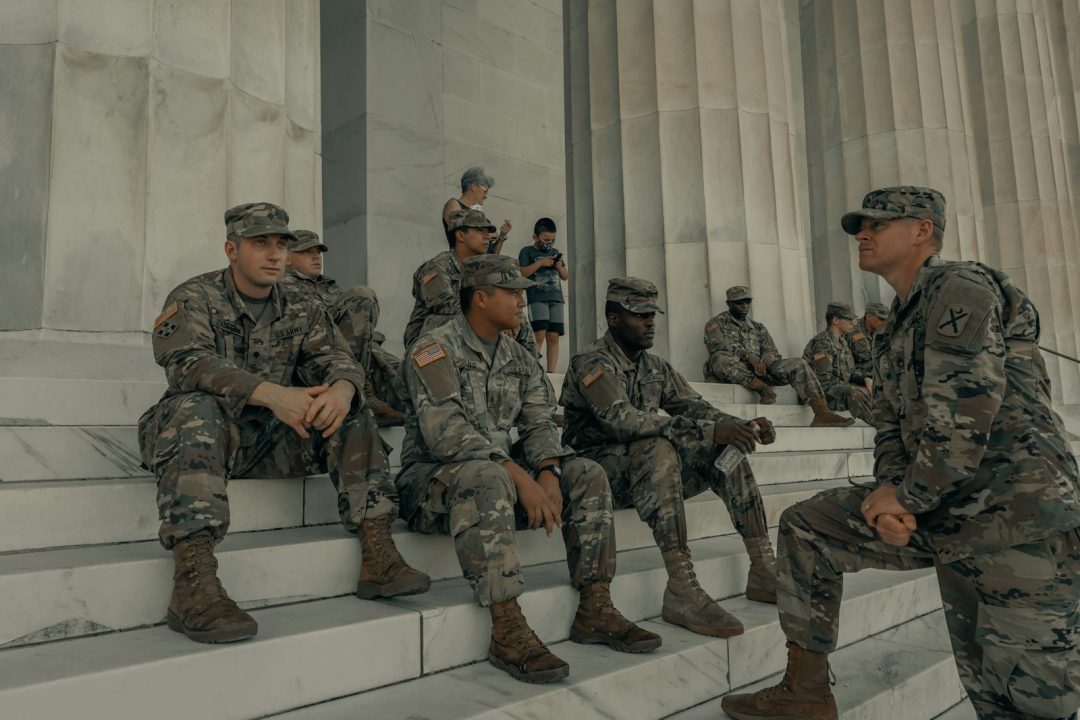
US Army relaxes rules on marijuana, opening enlistment opportunities as cannabis laws and public attitudes rapidly evolve nationwide.
In a big surprise considering how both the current and past administrations have been slow on cannabis rescheduling, the US Army relaxes rules on marijuana. The United States Army is making a notable shift in how it approaches past-cannabis related offenses, signaling a broader cultural and policy evolution reflecting changing national attitudes toward the green plant. As more states legalize for medical and recreational use, the Army’s updated guidelines aim to expand its recruitment pool while addressing long-standing concerns about fairness and modernization. The timing of this change, gaining attention ahead of the unofficial cannabis holiday of April 20, or 4/20, adds symbolic weight to the decision.
RELATED: Low Dose THC Helps PTSD
Historically, marijuana use or possession could disqualify otherwise eligible candidates from military service, often requiring extensive waivers or resulting in outright rejection. Under the revised approach, the Army is easing restrictions for individuals with minor marijuana-related infractions. Recruiters are now given more discretion to evaluate candidates holistically, focusing on current character, skills, and readiness to serve rather than past low-level offenses tied to cannabis.
This shift comes at a time when the Army, like other branches of the military, faces ongoing recruitment challenges. A tight labor market, changing societal expectations, and a smaller pool of eligible young Americans have all contributed to declining enlistment numbers. By softening its stance on marijuana convictions, the Army is attempting to remove barriers no longer aligning with public opinion or state laws.
Importantly, the policy does not signal full acceptance of marijuana use among active-duty soldiers. Cannabis remains prohibited under federal law and military regulations, and service members are still subject to strict drug testing policies. The change primarily affects pre-enlistment considerations, not conduct during service. In other words, while the Army may be more forgiving of past use, it continues to enforce a zero-tolerance policy once individuals are in uniform.
The move also reflects a broader trend across federal institutions reassessing cannabis-related rules. As legalization spreads and public support grows, organizations are increasingly pressured to reconcile outdated policies with present-day realities. For the Army, this balancing act involves maintaining discipline and readiness while adapting to a society where marijuana use is more normalized.
The connection to 4/20, widely recognized as a day celebrating cannabis culture, underscores the cultural shift underway. What was once a fringe or countercultural observance is now part of mainstream conversation, influencing policy discussions at the highest levels. The Army’s policy update, whether coincidental in timing or strategically highlighted, demonstrates how deeply these societal changes are resonating.
RELATED: The VFW Stands Up For Marijuana
For potential recruits, the message is clear: past mistakes involving marijuana may no longer define future opportunities for service. For policymakers and military leaders, the adjustment represents a pragmatic step toward aligning recruitment standards with the evolving legal and cultural landscape.
As the Army continues to modernize its approach, the revised marijuana policy stands as a clear example of how institutions adapt over time. With 4/20 serving as an annual reminder of shifting attitudes toward cannabis, this change may mark the beginning of further updates in how the military navigates the intersection of tradition, law, and social change.
