

California eyes New Orleans-style drive-through convenience as cannabis retailers push for easier access, faster sales, and a competitive edge over the illicit market.
Is California looking at New Orleans for cannabis shops? The idea may sound unconventional, but a growing conversation around drive-through dispensaries suggests policymakers and industry leaders are at least exploring concepts which have long thrived in other regulated vice markets—especially alcohol.
California has been a national leader in cannabis legalization, first allowing medical use in 1996 and recreational use in 2016. Yet the legal market has struggled with high taxes, local restrictions, and competition from illicit sellers, pushing regulators and operators to consider new ways to improve access and convenience. One concept gaining attention is the drive-through dispensary—a model mirroring the efficiency of fast food and, more interestingly, the long-standing drive-through daiquiri shops of Louisiana.
RELATED: What You Need to Know About Cannabis And Sleep
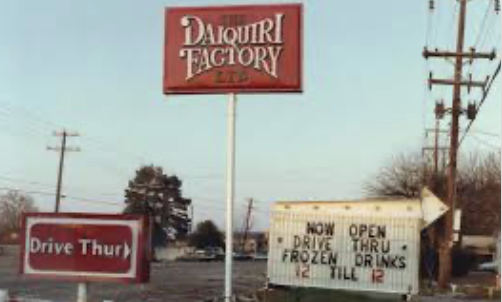
The comparison to New Orleans is not accidental. In Louisiana, drive-through liquor sales—especially frozen daiquiris—have been part of the culture since the early 1980s. The concept began when entrepreneurs realized there were no explicit laws prohibiting drive-through alcohol sales. When open container laws were later introduced, businesses adapted by sealing drinks in containers with tape over the lid, technically keeping them “closed” and legal for transport.
What followed was not a crackdown, but a boom. Drive-through daiquiri shops spread across the state, becoming a staple of convenience culture. Today, customers simply pull up, order, show ID, and drive away with a sealed beverage. The model thrives on speed, accessibility, and a uniquely American blend of regulation and workaround innovation.
That same appeal—convenience—is at the heart of discussions around cannabis drive-throughs. For consumers, especially those with mobility challenges or busy schedules, the ability to pick up products without leaving their car could significantly improve access. During the COVID-19 pandemic, curbside pickup and delivery helped normalize this kind of transaction in the cannabis space, suggesting consumer demand is already there.
There are also business incentives. Legal dispensaries in California face intense competition from unlicensed sellers, many of whom operate with fewer restrictions and lower costs. Easier purchasing options, including drive-through service, could help licensed operators retain customers and increase revenue. Some proposals have framed drive-through access as a way to modernize the industry while maintaining compliance and safety.
Still, the leap from concept to widespread adoption is far from guaranteed. Cannabis remains heavily regulated, and unlike alcohol, it is still illegal at the federal level. This creates additional scrutiny around sales methods, particularly those which could raise concerns about impaired driving. Regulators would likely need strict safeguards—similar to Louisiana’s sealed container rules—to ensure products are not consumed in vehicles.
RELATED: People Who Use Weed Also Do More Of Another Fun Thing
Local control is another major hurdle. In California, cities and counties have significant authority over cannabis businesses, and many have already chosen to ban dispensaries altogether. Any move toward drive-through models would require not just state-level approval but also buy-in from local governments, many of which remain cautious.
So, is California really looking to New Orleans? In spirit, perhaps yes. The success of Louisiana’s drive-through daiquiri shops shows how convenience-driven innovation can flourish within a regulated framework. But in practice, California’s path will likely be slower and more complex.
The idea of drive-through cannabis dispensaries is gaining traction, but widespread adoption will depend on regulators balancing convenience with safety—and deciding just how far they’re willing to borrow from one of America’s most uniquely relaxed alcohol cultures.
