

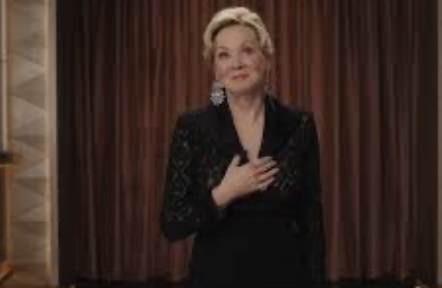
From comedy staples to industry dramas, today’s hottest series portray cannabis as wellness, medicine, and everyday culture—not controversy.
The portrayal of cannabis over the last two decades has changed in all sorts of media. What was once shorthand for delinquency or punchline comedy has evolved into something far more ordinary: a substance treated like alcohol, aspirin, or even coffee—sometimes present, sometimes absent, but rarely the center of moral panic. In the past two years especially, newer shows have pushed this normalization further, reflecting how cannabis is increasingly discussed in medical, wellness, and lifestyle contexts. Here is how TV shows are redefining marijuana in modern life.
RELATED: A Bit Of Marijuana Can Make Chores More Enjoyable
Earlier mainstream comedies helped lay the groundwork for this shift by integrating cannabis as a casual part of adult life rather than a plot driver. Series like Hacks use weed the way they might use wine after a stressful day—briefly acknowledged, lightly joked about, and then left behind as characters move on with their lives. The same is true in ensemble-driven storytelling like Grace and Frankie, where aging, friendship, and reinvention dominate the narrative, and cannabis appears only as part of a broader palette of coping tools rather than a focal point. Meanwhile “reality” shows like The Real Housewives view cannabis like cocktails or wine.

Even earlier cultural touchstones such as Broad City, Silicon Valley, and High Maintenance helped normalize cannabis by embedding it into everyday routines. In these shows, marijuana is rarely treated as shocking or rebellious. Instead, it appears in passing—like ordering takeout or grabbing a drink—reflecting a broader cultural shift in which cannabis is increasingly viewed as socially integrated rather than subversive. In fact, commentary on shows like High Maintenance often highlights cannabis itself can feel like an “afterthought,” with the storytelling focused more on human behavior, relationships, and urban life than on the substance itself.
More recently, television has begun moving beyond casual normalization into more explicit portrayals of cannabis within wellness, entrepreneurship, and mental health contexts. Contemporary series now frequently frame cannabis as part of legitimate medical or stress-management routines. Characters use it for anxiety, sleep, chronic pain, or emotional regulation in ways mirroring real-world discussions about medical cannabis access and mental health alternatives. This reflects a broader societal trend where cannabis is increasingly discussed alongside therapy, pharmaceuticals, and lifestyle wellness rather than illicit drug culture.
RELATED: More Boomers Are Embracing Cannabis
