

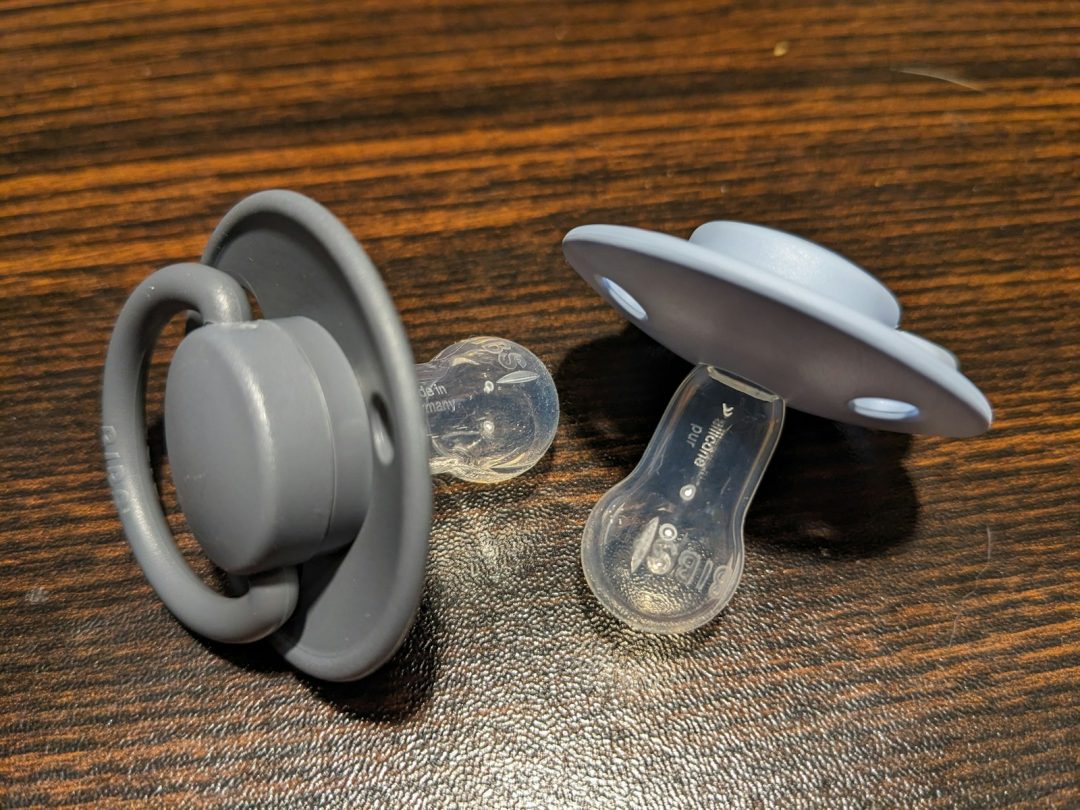
Can CBD Replace Pacifiers And Other Anxiety Hacks? Gen Z’s trending stress relief methods revealed.
Young people are stretched thin — school debt, gig work, social media pressures and a thinning safety net have turned everyday stress into a public-health problem. Anxiety diagnoses and troubling self-reported symptoms are common: recent national data show high rates of anxiety among adolescents and young adults, and public-health surveys flag a steady rise in youth mental-health concerns over the last decade. Can CBD replace pacifiers and other anxiety hacks.
RELATED: Gen Z Is Ditching Relationship Labels While Millennials
That context helps explain why some under-30s are trying unconventional fixes. Two viral coping trends — adult “soothers” or pacifiers and the now-ubiquitous “bathroom camping” — have lit up TikTok feeds. Advocates say an oral device or a private stall offers instant calm: a small, controllable ritual in a noisy world. But clinicians warn these are stopgaps at best and can carry real downsides (dental problems and disrupted breathing for prolonged pacifier use; social and safety tradeoffs for frequent bathroom retreats). Reporting on the pacifier trend has prompted dentists and sleep experts to caution against making it a habit.
CBD gummies, meanwhile, have burst into the mainstream as a more “medical” alternative. Cannabidiol — the non-intoxicating compound from cannabis — has been the subject of randomized trials and systematic reviews suggest it can reduce acute anxiety in some settings and may help social anxiety and stress responses at certain doses. But the science is still emerging: meta-analyses show promising signals, yet point out small sample sizes, variable dosing, and a need for larger, longer trials before clinicians can confidently recommend CBD as a frontline treatment.
So which is better? If you’re under 30 and looking for short-term relief, CBD has a stronger evidence base than adult pacifiers — but only when used responsibly: buy lab-tested products, check for low THC content, be alert for side effects, and consult a clinician about drug interactions. Pacifiers and bathroom camping may provide quick comfort, but they don’t treat underlying anxiety and can create new problems if they become the default coping tool.
RELATED: Cannabis Is Way Better And Safer Than A Honey Pack
Bottom line for Millennials shopping for solutions for younger friends or kids: prioritize proven public-health approaches — sleep, movement, therapy access and social connection — and treat CBD as an experimental supplement rather than a cure. If anxiety is frequent or disabling, professional help is the safest route. For readers who want to dive deeper, see the NIMH summary on anxiety prevalence and recent systematic reviews of CBD’s therapeutic potential.
