


Cannabis faces headwinds despite rumors of White House action, as congressional opposition threatens meaningful federal reform.
Last week, the cannabis market soared after rumors the President would take action on cannabis. Stocks rose as it seemed the administration was listening to the public with public opinion decisively in favor of reform. Thousands of mom and pop business are hoping it is is true, but cannabis faces headwinds despite rumors. The President faces determined opposition in Congress — most notably from Speaker of the House Mike Johnson and several influential lawmakers who remain firmly resistant to change. Congress has been more resistant to orders from the president, which has emboldened some of marijuana’s opponents.
RELATED: Mike Johnson And Marijuana
Cannabis reform has become one of the rare issues where public sentiment is clear. Polls consistently show strong bipartisan support for legal medical marijuana, broad backing for adult-use legalization, and overwhelming agreement cannabis should no longer be treated as a serious criminal offense. Many voters view reform as both a social justice issue and an economic opportunity, particularly as states continue to collect billions in cannabis tax revenue. The administration is being bombarded with issues from affordability to Epstein, this would be seen as a popular win with little downside in the public eye.
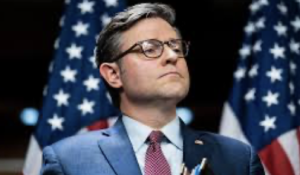
Despite this momentum, federal action remains complicated. Speaker Mike Johnson has been vocal about his opposition to marijuana legalization, framing cannabis as a public health and social risk rather than a regulated consumer product. His position matters. As Speaker, Johnson has significant control over which bills reach the House floor, making it difficult for cannabis legislation to advance even when bipartisan support exists.
Other congressional foes echo similar concerns, often citing public safety, youth access, or workplace issues. While some Republicans support limited reforms such as medical marijuana protections or banking access for cannabis businesses, broader legalization efforts frequently stall due to leadership resistance. This dynamic has created a familiar pattern: bipartisan cannabis bills introduced with optimism, only to languish in committee or fail to receive a vote.
For the President, this resistance narrows the available paths forward. Comprehensive legalization would require congressional approval, making it a steep uphill battle in the current political climate. However, executive actions remain an option. These include directing federal agencies to review cannabis scheduling, expanding pardons for federal marijuana offenses, or clarifying enforcement priorities. Such steps would not legalize cannabis nationwide, but they could meaningfully reshape how federal law treats marijuana.
RELATED: Marijuana Use And Guy’s Member
Advocates argue incremental progress is still progress. Rescheduling cannabis, for example, could improve access to medical research, ease tax burdens on state-legal businesses, and signal a shift away from decades of punitive policy. Critics, however, warns executive action alone risks being temporary or vulnerable to future administrations.
As election season approaches, cannabis reform may once again become a talking point — especially among younger voters and communities disproportionately affected by past enforcement. Yet the reality remains presidential interest does not automatically translate into policy success. Congressional leadership, committee chairs, and internal party politics still hold substantial power over the outcome.
While there is growing talk the President may move on cannabis, he faces entrenched opposition from Speaker Mike Johnson and other congressional leaders who remain skeptical of reform. Action will depend on the adminstration’s needs regarding public opinion. The clash between shifting public opinion, the President’s needs and legislative resistance will likely define the next chapter of federal cannabis policy — whether the chapter brings meaningful change or more political stalemate.
