

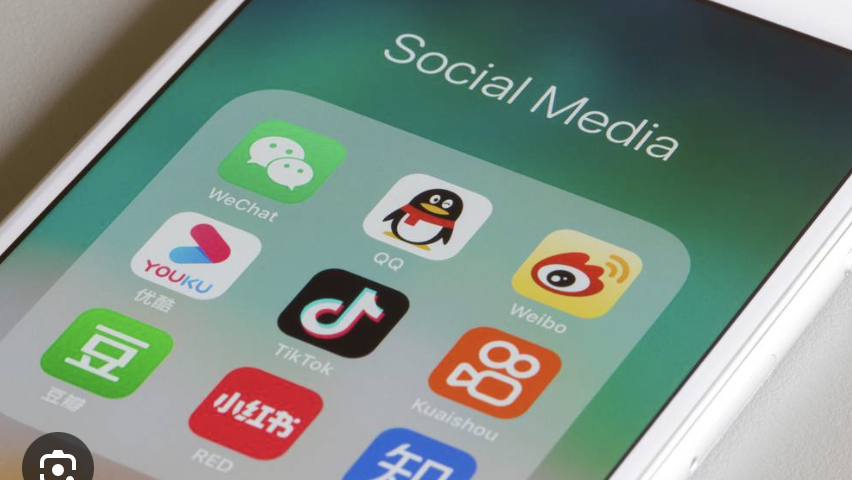
As anxiety, envy, and misinformation surge worldwide, China moves aggressively to police influence, redefine credibility, and reshape the social media landscape.
Social media has become one of the most powerful forces shaping modern behavior, culture, and even politics. Platforms designed to connect people now influence how individuals see themselves, others, and the world. While these networks have democratized communication, they have also created unintended consequences—ranging from rising anxiety to the rapid spread of misinformation. Now, one county is taking an aggressive and highly structured approach to reshape the ecosystem, challenging the global status quo. Is China disrupting social media in a good way?
The dark side of social media has been well documented. Studies and real-world trends show constant exposure to curated lifestyles fuels anxiety and extreme envy. Users are not simply comparing themselves to friends anymore—they are measuring their lives against carefully manufactured, algorithm-boosted perfection. The result is a growing sense of inadequacy, particularly among younger audiences.
RELATED: Gen Z Is More Similar To Boomers In A Surprising Way
At the same time, misinformation has become one of the defining risks of the digital age. Influencers—often without formal expertise—can reach millions instantly, shaping opinions on everything from health to finance. Research shows influencer-driven content can even outperform traditional media in shaping public perception, underscoring the massive reach and persuasive power of these personalities.
China, however, is moving decisively to curb these effects. Through a series of regulatory campaigns, including the long-running “clean and bright” internet initiative known as Operation Qinglang, authorities are redefining what is acceptable online behavior.

One of the most striking changes is a crackdown on influencers who promote high-end lifestyles. Regulators have specifically targeted “wealth-flaunting” content—posts showcasing luxury cars, designer fashion, and extravagant living. The goal is to reduce materialism and prevent social resentment fueled by visible inequality.
The impact has been swift and dramatic. One influencer, often described as the “Kim Kardashian of China,” saw their online presence effectively erased after being banned for showcasing extreme wealth. Reports indicate such personalities can lose tens of millions—sometimes over 100 million—followers virtually overnight as accounts are removed or suppressed.
Beyond lifestyle content, China is also targeting misinformation at its source. New rules require influencers who discuss specialized subjects—such as law, medicine, or finance—to provide verified professional credentials. Those who fail to comply risk significant fines or account suspension. This represents a fundamental shift: influence is no longer enough; authority must be proven.
The broader strategy reflects China’s desire to control not just content, but the social impact of digital platforms. By limiting aspirational excess and enforcing expertise, regulators aim to reduce the psychological and societal harms associated with unchecked social media ecosystems.
RELATED: People Who Use Weed Also Do More Of Another Fun Thing
