

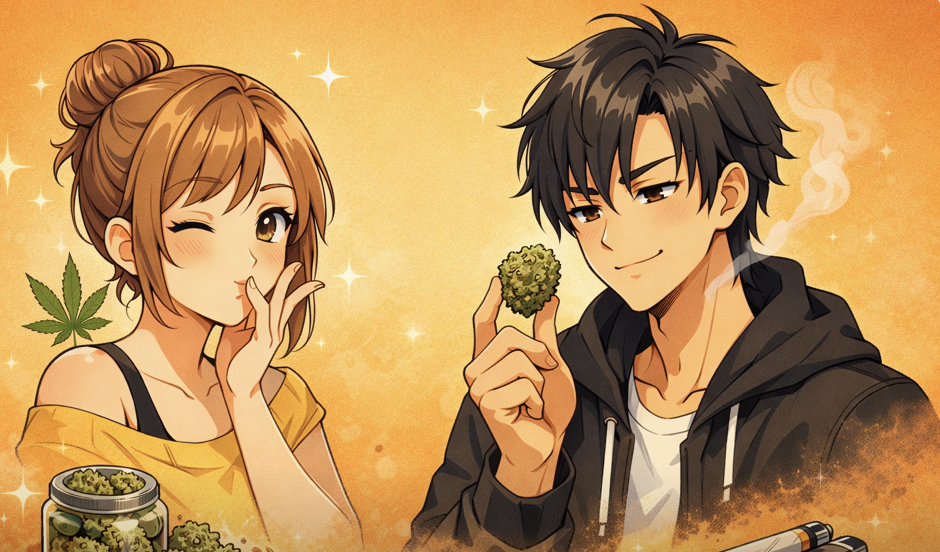
Is icky-sticky marijuana really the Chef’s kiss? Discover how Gen Z is redefining cannabis.
Once upon a time, cannabis had a very limited vocabulary. It was either “reefer,” “dope,” or the ever-suspicious “marijuana,” pronounced with a pause that suggested imminent moral collapse. Today, cannabis language has evolved faster than federal policy memos can be printed, and Gen Z and younger millennials are leading the glow-up.
RELATED: Is Cannabis Putting A Cork In Wine
Enter phrases like icky sticky, chef’s kiss, gas, loud, za, and no notes. These aren’t just slang for slang’s sake. They’re cultural shorthand, expressing quality, vibe, and intention in ways that older terminology never could. Saying a strain is “icky sticky” isn’t about stickiness alone. It’s a multisensory review. It implies potency, care in cultivation, and an experience worth savoring. Add a chef’s kiss, and suddenly cannabis is no longer contraband. It’s craft.
This shift mirrors how younger generations talk about almost everything. Food isn’t just good; it’s bussin. Outfits don’t look nice; they eat. Cannabis has followed the same path, moving from secrecy to aesthetic, from shame to shared language. Dispensaries now sound less like pharmacies and more like playlists curated by someone with excellent taste and strong opinions.

Meanwhile, somewhere deep inside a government building with carpet from 1987, an older federal official is still warning about “high-potency marijuana” as if THC just appeared last Tuesday. These are the same voices clinging to terms like “drug abuse” while ignoring that consumers are discussing terpene profiles with the same seriousness once reserved for wine. The disconnect is almost impressive.
Language matters because it reveals mindset. When cannabis is framed with playful, expressive language, it signals normalization. It’s no longer something whispered about in parking lots. It’s something reviewed, ranked, memed, and shared. Gen Z didn’t invent cannabis culture, but they did remix it, adding humor, irony, and an insistence that enjoyment and responsibility can coexist.
Younger millennials bridge the gap, fluent in both worlds. They remember the anxiety of bad weed and worse legal consequences, but they also embrace today’s vocabulary because it reflects reality. Cannabis is part of wellness routines, creative processes, and social rituals. It deserves language that feels alive, not stuck in a cautionary pamphlet.
RELATED: The Rebel Heart Of The South Includes Cannabis And Rock
So yes, the icky sticky can absolutely be the chef’s kiss. Not because it’s funny, though it is, but because it represents a generational shift. Cannabis is no longer defined by fear-based terminology or outdated thinking. It’s defined by experience, expression, and culture.
And if that makes some older policymakers uncomfortable, well… no notes.
