

The government shutdown can hit you in an unexpected way – alcohol and cannabis
A federal shutdown doesn’t just pause bureaucracy—it can have real consequences for workplace safety and public health. In fact, OSHA closed can effect alcohol and cannabis. When the Occupational Safety and Health Administration (OSHA) suspends inspections, outreach, and compliance programs, everyday jobs, healthcare facilities, and even the marijuana industry feel the impact. With the industry already fragile waiting for some nod from the federal government, this impacts thousands of mom and pop businesses and millions of consumers.
During a government funding lapse, OSHA halts nonessential functions like guidance, education, and most inspections. Critical operations—investigating imminent dangers, workplace fatalities, and serious violations—continue, but many routine safety checks slow or stop entirely. This slowdown can allow hazards in workplaces to persist, increasing risk for employees and the public.
RELATED: The Connection Between Country Music And Cannabis
Even after the shutdown ends, backlogs in enforcement and inspections can take weeks or months to resolve. Employers are still legally responsible for meeting safety standards, but with limited federal oversight, unsafe practices may go unchecked longer than usual.
Employees in high-risk industries—construction, manufacturing, and chemical plants—may experience delays in OSHA investigations or reporting. Workers could hesitate to report unsafe conditions because complaint processing and whistleblower protections are slowed. For businesses, abatement schedules, contest periods, and enforcement deadlines continue ticking, creating confusion and risk when OSHA staff are absent.
Food, alcohol, and beverage operations feel the impact. OSHA standards cover kitchen and bar ventilation, hot equipment handling, chemical cleaners, and safe storage of liquids. When inspections are paused, restaurants, breweries, distilleries, and beverage production facilities may be more prone to burns, slips, and chemical exposure. These lapses can compromise not only employee safety but also public health.
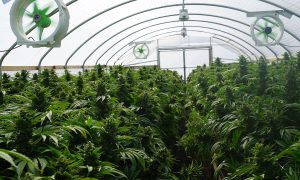
While it may seem surprising, the cannabis industry is increasingly under OSHA’s watch. Local Emphasis Programs target cultivation, processing, extraction, and retail operations. Cannabis workplaces face unique hazards: dust exposure, mold, flammable solvents, and intensive ventilation systems.
One reported case involved an employee at a cannabis packaging facility who died from respiratory complications caused by ground cannabis dust. OSHA also cited Massachusetts cannabis licensees for failing to treat cannabis dust as a hazardous chemical under its Hazard Communication Standard. When OSHA’s broader operations slow, enforcement and investigations in these sensitive workplaces can be delayed, allowing unsafe conditions to linger.
RELATED: Dolly Parton Expands Her Food Empire
Healthcare workers face heightened risks during an OSHA shutdown. Hospitals, clinics, and long-term care facilities rely on OSHA guidance for infection control, chemical safety, and ergonomics. Without inspections, unsafe conditions such as improper handling of hazardous medications or unsafe patient lifting practices may persist, putting both staff and patients at risk.
An OSHA shutdown is more than a bureaucratic pause—it affects workplace safety across industries from healthcare to food, beverage, and the cannabis sector. Real lives are at stake, and consumers may unknowingly encounter risk in workplaces that go unchecked. Whether you’re working in a hospital, a brewery, a dispensary, or buying products from these sectors, the effects of paused federal oversight are closer than you think.
