


The latest on medical cannabis and ALS explores symptoms, research, patient relief options, and emerging clinical insights
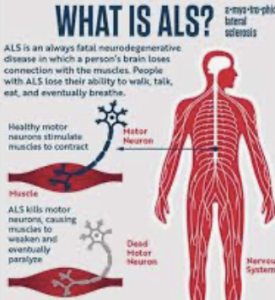
It has been in the news with actor Eric Dane struggling with the ALS. Amyotrophic lateral sclerosis (ALS), also known as Lou Gehrig’s disease, remains one of the most challenging neurological disorders confronting patients and clinicians today. Characterized by the progressive degeneration of motor neurons—the nerve cells that control voluntary muscles—ALS leads to muscle weakness, loss of mobility, difficulty speaking and swallowing, and ultimately respiratory failure. There is currently no cure for ALS, and most individuals diagnosed with the condition live only three to five years after symptom onset. Treatments focus on slowing progression and managing symptoms to improve quality of life. But what is the latest on medical cannabis and ALS.
RELATED: Cannabis Can Help PTSD
Patients with ALS may first notice subtle symptoms such as muscle twitching, weakness in a limb, or slurred speech, which gradually evolve into more severe impairments affecting daily living. As the disease progresses, individuals often struggle with activities like walking, speaking, eating, and breathing. While cognitive function is usually preserved, some people experience changes in emotional expression and mood. There is a strong emphasis in clinical care on coordinated support—spanning physical therapy, respiratory assistance, nutritional counseling, and psychosocial support—to address complex patient needs.
Amid ongoing research into traditional pharmaceuticals and genetic therapies, interest has grown in the potential role of medical cannabis as a complementary approach for symptom management in ALS. Cannabinoids—the active compounds in cannabis such as THC (tetrahydrocannabinol) and CBD (cannabidiol)—interact with the body’s endocannabinoid system, which is involved in regulating pain, muscle tone, appetite, and mood. Preclinical studies in animal models suggest cannabinoids might exert antioxidative, anti-inflammatory, and neuroprotective effects could slow the degeneration of motor neurons, though more rigorous clinical trials in humans are needed.
In patient surveys and early clinical observations, people with ALS have reported medical cannabis helps relieve several symptoms commonly associated with the disease. These include pain, poor appetite, anxiety, muscle cramps, spasticity, and drooling. Some users also report improvements in sleep quality and overall well-being. However, it’s important to note the definitive evidence of long-term benefits or effects on disease progression in humans is still limited, and outcomes can vary widely between individuals. A recent retrospective study found short-term symptom relief for pain and anxiety with medical marijuana use but also observed a correlation with faster functional decline, underscoring the complexity of interpreting these findings and the need for controlled clinical research.
RELATED: Is Cannabis Now The #1 Sleep Aid
Ongoing trials—such as placebo-controlled studies evaluating cannabis-based extracts for slowing disease progression—aim to clarify whether cannabinoids have a measurable impact on ALS beyond symptom relief. As researchers continue to explore both conventional and alternative therapies, patients and clinicians alike emphasize individualized care plans weigh potential benefits, side effects, and legal considerations related to medical cannabis. For authoritative research news, advances in clinical trials, and emerging treatment strategies beyond cannabis, consider the ALS Association and academic neurology publications as additional resources.
Medical cannabis is not a cure for ALS, but for some patients it may offer meaningful relief of specific symptoms when used under medical supervision. The landscape of ALS treatment is evolving, and continued research will help clarify where cannabis may fit within broader therapeutic strategies for this devastating disease.
