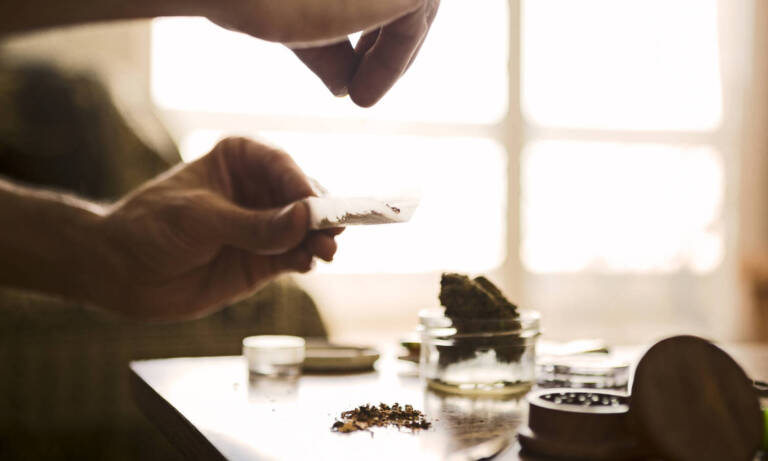
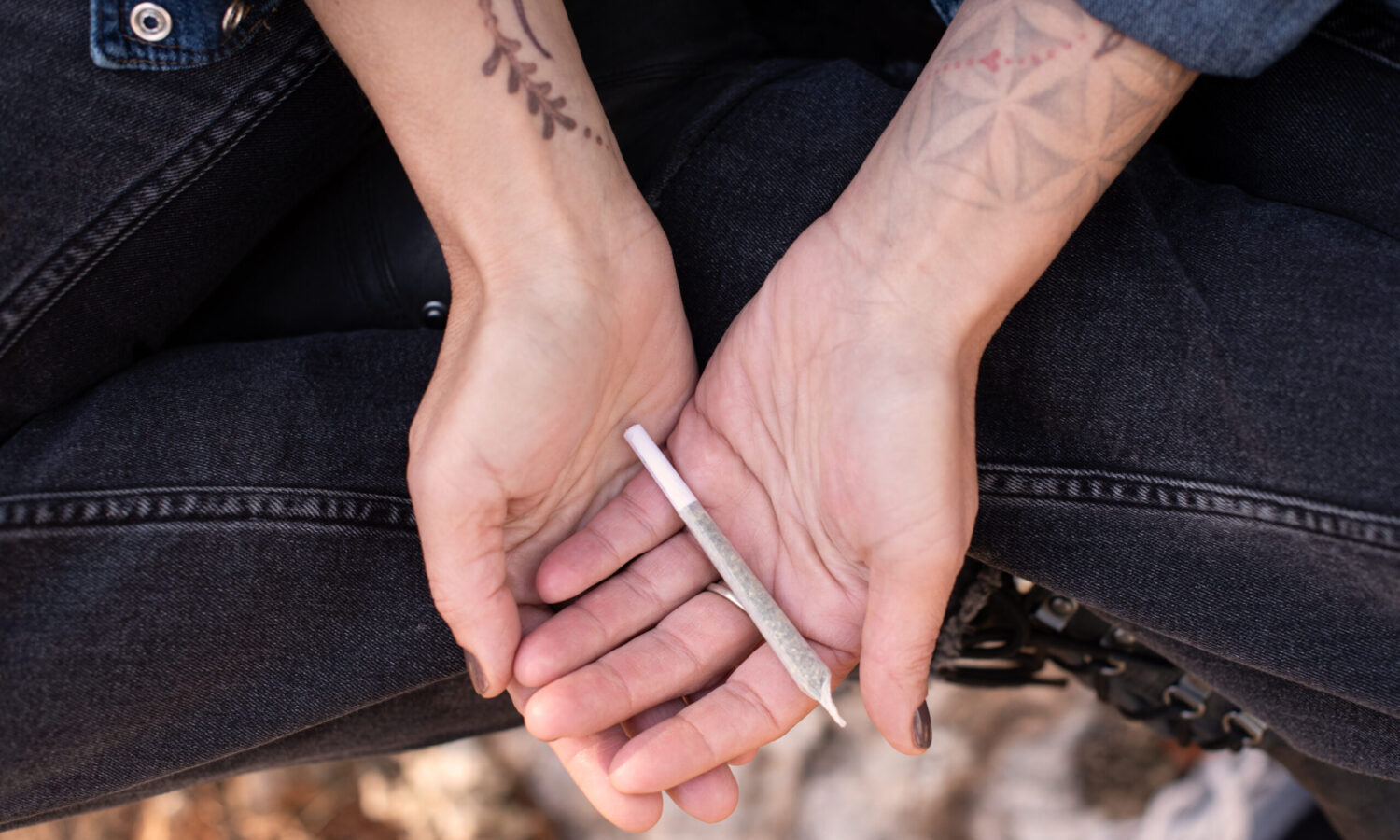
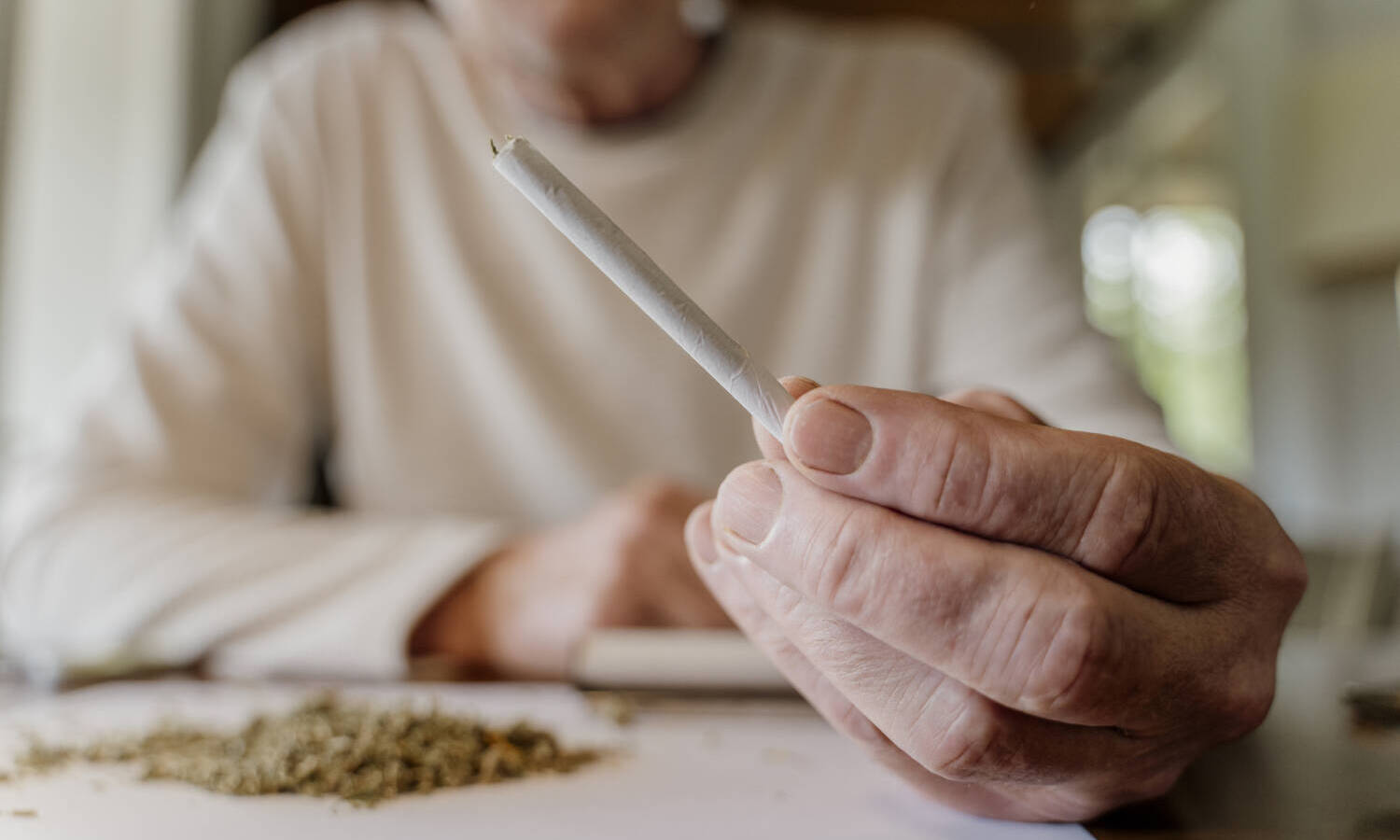
A filter and a crutch are interchangeable words regarding smoking joints. It is a mouthpiece that allows smokers to structure their joints open for airflow.
Naturally, novice stoners who have already started rolling their joints want to upgrade their skills. The next level that can increase their smoking experience is making filters for their joints and spliffs. Here is a marijuana joint crutch guide for beginners.
Seasoned smokers may find this element unnecessary, but it will be a helping hand for beginners who are new in this sphere. This post highlights the main benefits of using crutches and gives a detailed guide on how to make a filter for a joint at home.
Step-by-step Guide on How to Roll a Crutch
You don’t need origami background knowledge or special equipment to make a crutch for joint; however, you may require some basic techniques to make it professionally. Most beginners roll their first crutches by simply rolling paper into a cylinder; however, this spiral-shaped construction has some flaws:
It is not sturdy and can lose its shape.
The big opening in the center of the crutch will allow weed particles to get into your mouth and on your lips.
The best and easy way how to make joint filter is described below:
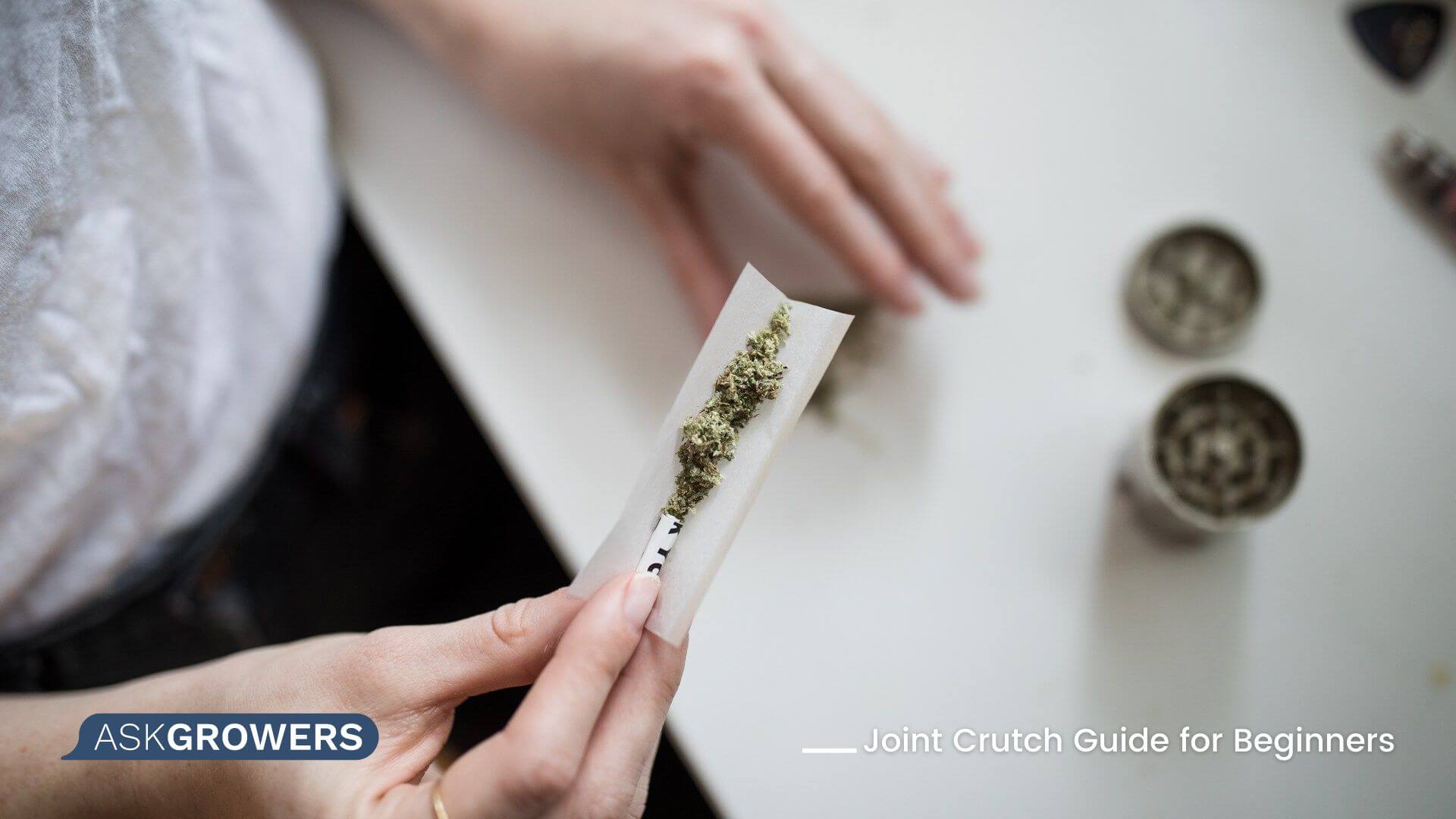
Take paper for your filter and cut out a piece – a 2.3’’-3’’ long and ¾’’- ½’’ wide rectangle. The cuts don’t need to be perfect, but it’ll be easier to roll something congruent.
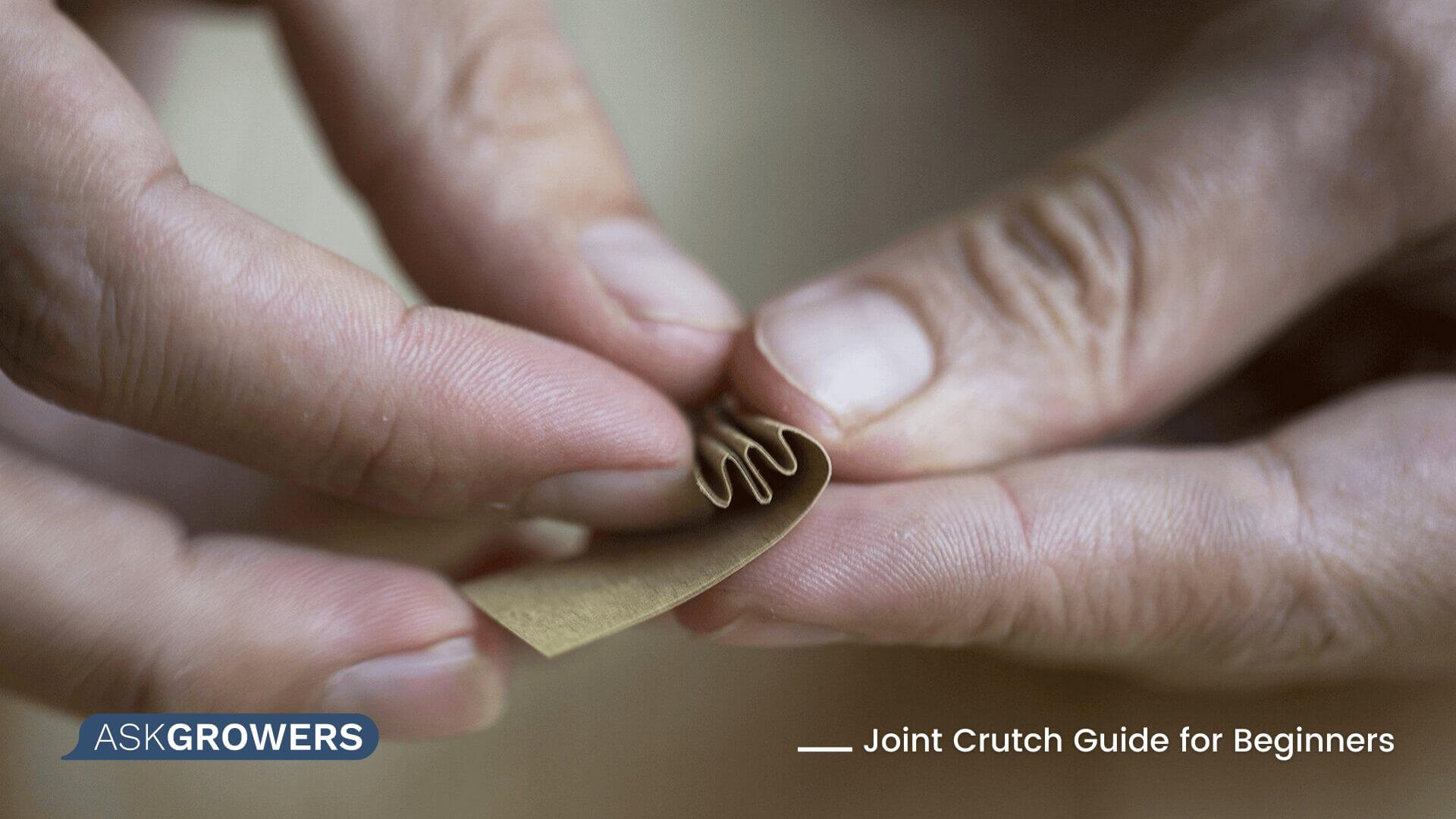
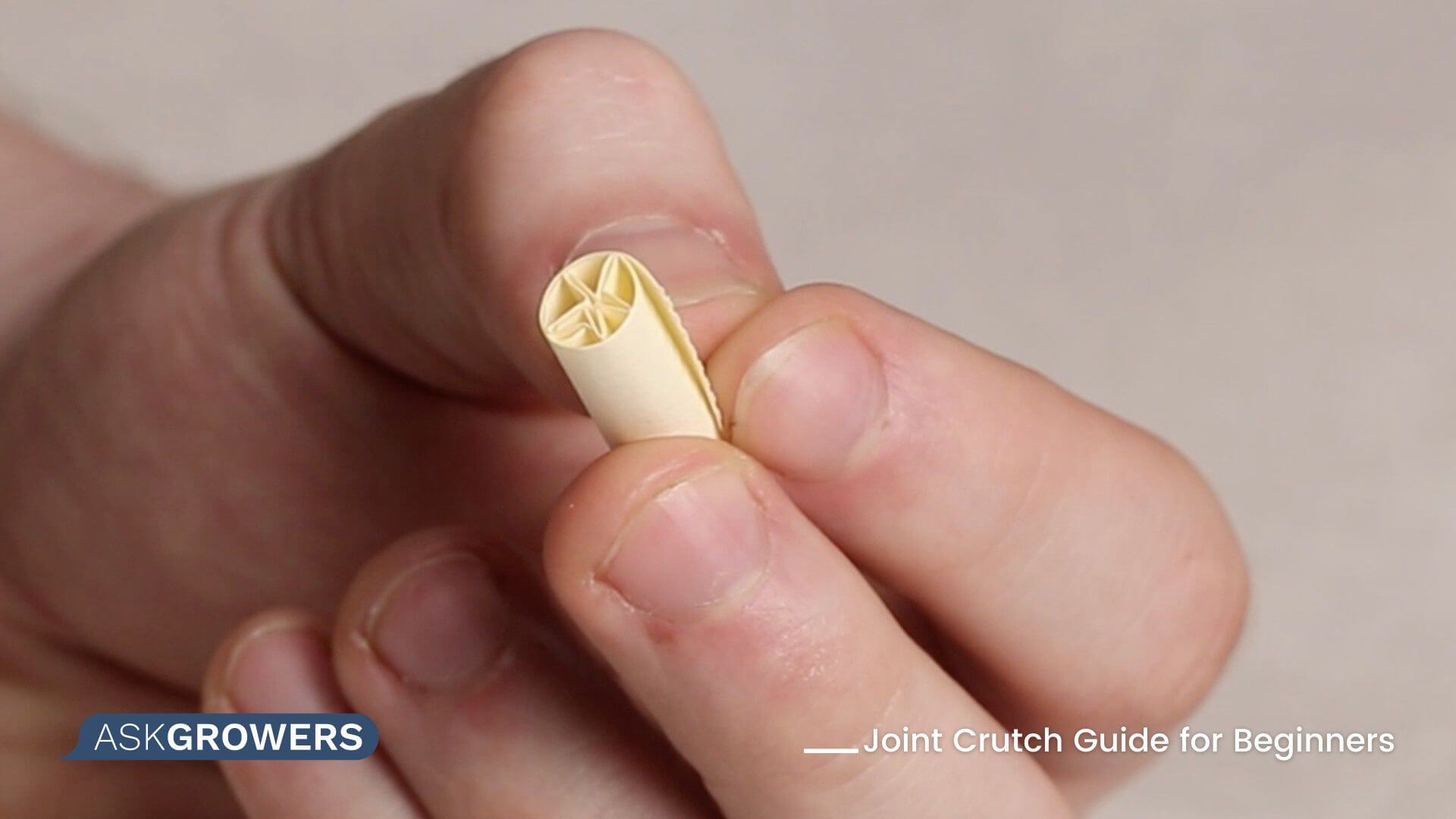
Start making folds on one paper end, alternating the folding direction. Create a zig-zag (or accordion-style) pattern shaped like “W” or “M.” Some people go with a “V” or “N” design. Make the folds as tightly as possible since these creases catch excess weed flowers. Three-four folds will be enough, but you are free to experiment and find what is better for you. Leave at least half of the paper unfolded.
Roll the remaining paper end around the folded part until it ends. Press the paper tightly as you roll it since the folds are a little springy and may want to expand or unroll. This additional paper layer acts as a case that prevents the filter from expanding. To avoid clogging, you can trim off any excess material.
Place your crutch at the end of the rolling paper and roll it into your joint. The filter will hold its shape once it is rolled into a joint, while its springiness will keep the filter from falling out of the end of the joint.
Now, you can enjoy the benefits of your joint crutch during a smoking session. With little practice, you’ll be able to find your ideal rolling material and make crutches like a pro.
What is a Joint Filter?A filter and a crutch are interchangeable words regarding smoking joints. It is a mouthpiece that allows smokers to structure their joints open for airflow. It has multiple benefits; however, it doesn’t filter out tiny weed particles like a cigarette filter. The main concept of using crutches is to improve the overall smoking experience.
Typically, they are put in joints and spliffs and are less common with blunts.
Why Use a Crutch in a Joint?
The filter is not a necessary integration to your joints, and you can enjoy smoking without a tip. Still, some stoners can count on better experiences when they smoke cannabis flowers with a filter. Here are some reasons to start doing the same:
A crutch helps to create a good shape for your joint and makes it look better. It becomes sturdy and rigid, and comfortable to hold.
A properly shaped joint improves airflow, making it smooth and consistent. It is especially helpful in a tightly-rolled joint.
The crutch paper doesn’t absorb moisture, so that you won’t be passed a damp cigarette.
It prevents lip and finger burns as you get closer to the end.
The filter allows you to smoke your weed without waste, leaving no roach.
There is no chance for the plant material to get into your mouth.
Since filters perform various functions, you may find them reasonable to use.
Filters can be made out of different materials, but almost always, it is paper. The best crutch options include:
Business cards
Thin cardboard
Backside of your checkbook
Index cards
Postcards
Top of a cigarette pack
Manila file folders.
It is important to use stiff paper. It shouldn’t be too bulky like that of a cereal box but not too flimsy like printer paper. Avoid paper that has lots of dyes and ink on it. It should be free from bleach and other chemicals. Make sure you’re breathing all-natural materials that are safe for your health.
Since cannabis has become mainstream, other versions of crutches are emerging. Aside from paper ones, you can come across filters made of:
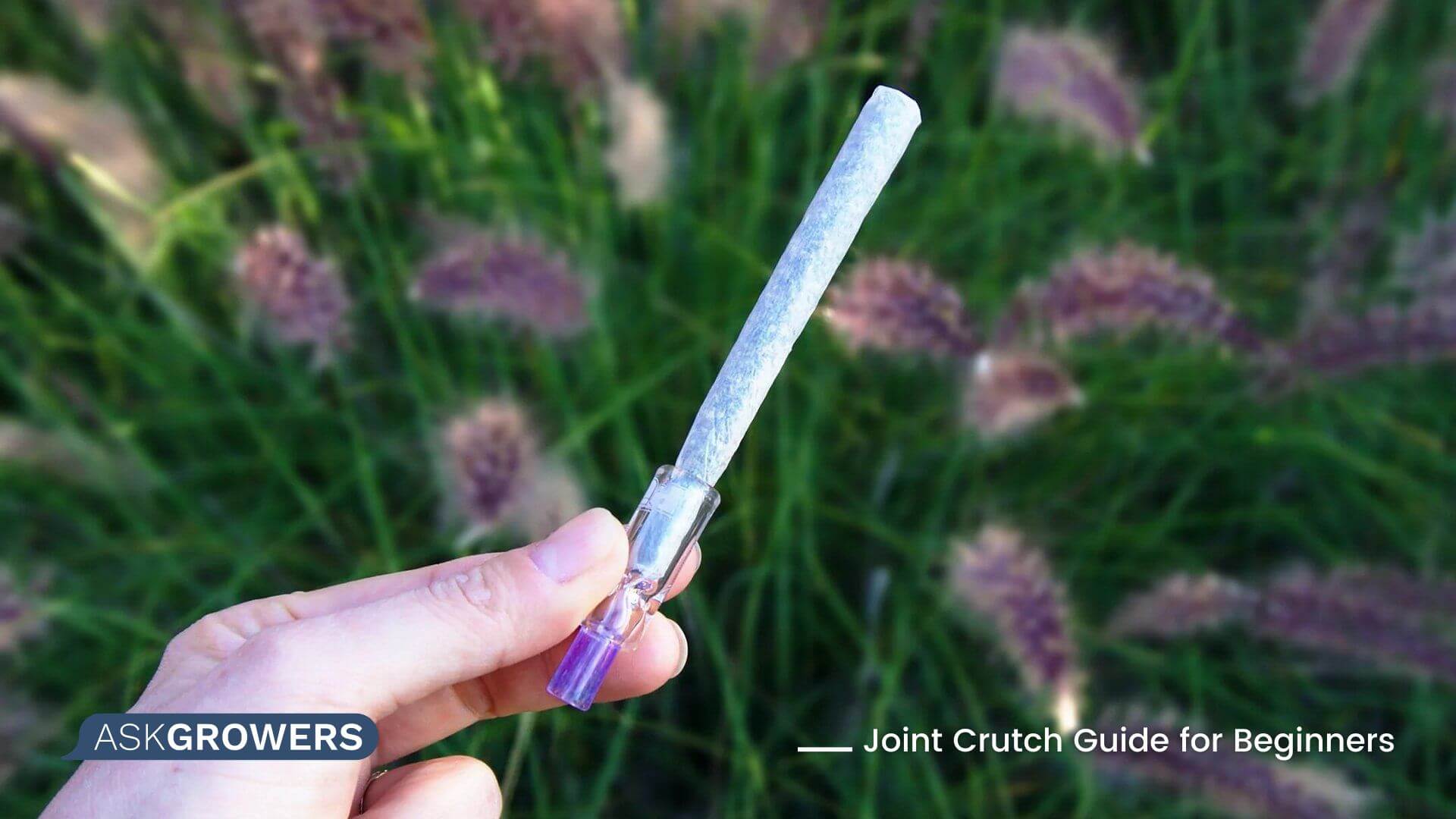
Glass filters have become increasingly popular. They look like small hollow cylinders. You roll them into the bottom of your joint, similar to paper ones. These joint filter alternatives are sturdier and can be reused, which is good for the environment. They cool the smoke and filter out ash, but they don’t hold flowers in a cigarette that is not properly rolled.
Ready-Made vs. Home-Made Filters
If you’re not obsessed with making filters on your own or this process adds a ton of extra work to your smoking experience, opt for pre-cut or pre-rolled ones that require zero-to-no work and save time. If you’re buying a pre-rolled joint, it often comes with an attached filter.
Choose paper ones because they allow you to taste your cannabis better and enjoy the cleanest smoke. Usually, pre-cut filter paper is 2’’-4’’ long and ¾’’ wide, depending on the manufacturer. Besides, ready-made crutches with a visible filter help remove any tar.
Dispensaries sell a variety of brands that manufacture fiber paper crutches. They are made on a special mill and are easy to work with. Long fiber paper is designed to roll up smoothly and is good at holding its shape.
Home-made crutches vary in size, depending on the material and smoker’s rolling skills.
Similar to rolling a nicely-looking joint, there is an art of rolling crutches. There are multiple ways to roll joint tips, depending on your creativity. You can shape your filter as follows:
Accordion
Star
Heart
Mercedes symbol
Cannabis leaf.
After mastering basic rolling practices, you can perfect your technique and impress your stoner friends with your artwork.
Depersonalization-derealization disorder occurs when you persistently or repeatedly have the feeling that you’re observing yourself from outside your body. Can cannabis be a trigger?
Over the years, we have been led to believe that smoking cannabis, or doing drugs for that matter, will fundamentally change your psychology. In other words, “You” would become different due to the drugs you take.
Recently I read a Reddit post from a 15-year old regarding his two-year stint with cannabis. Here’s a snippet of that post:
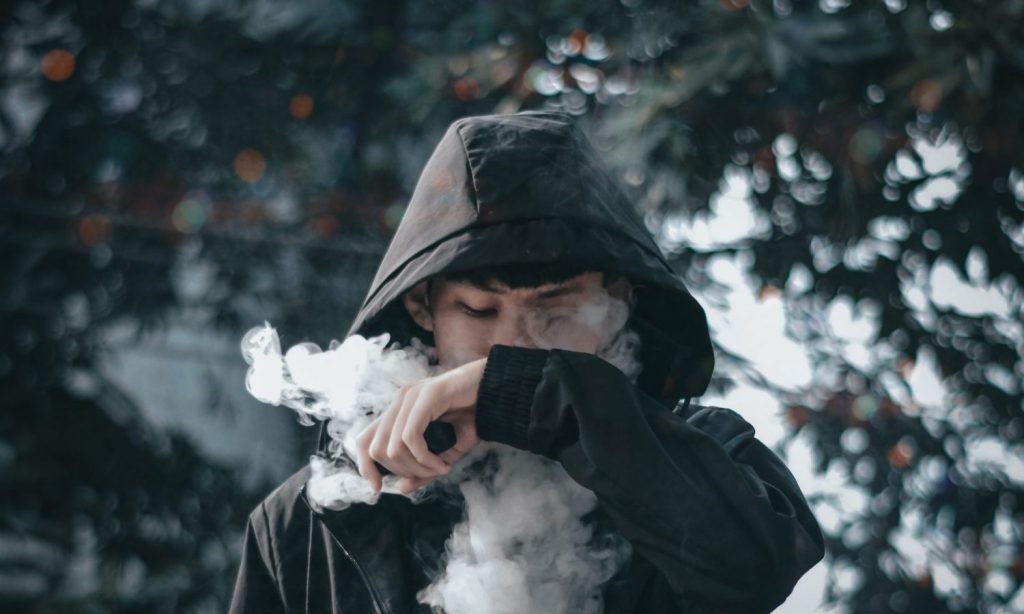
Photo by Toan Nguyen via Unsplash
“After a while I started getting these weirddd feelings that were very strong, hit me like a brick randomly when i was sober, later came to learn that this was DR, when I got it I just couldn’t concentrate at all on anything while it happened, and got some small memory loss of what was happening. This spooked the s*** out of me so I did more research decided imma quit. I had some “mishaps” a couple times ofc but eventually stopped.
I feel dumber, I feel like i’m not as articulate as I used to be, not as sharp. I’m frustrated by it but I think it is slowly getting better, and i’m trying to use my mind more to speed this up.”
(Please ignore the spelling — the kid is 15-years old.)
What was interesting is that this wasn’t the first time I saw someone talk about depersonalization as a result of smoking cannabis. It prompted me to write this article. Does cannabis psychologically alter you to the point where you become depersonalized?First, let’s take a look at depersonalization.
Depersonalization-derealization disorder occurs when you persistently or repeatedly have the feeling that you’re observing yourself from outside your body or you have a sense that things around you aren’t real, or both. Feelings of depersonalization and derealization can be very disturbing and may feel like you’re living in a dream.
Many people have a passing experience of depersonalization or derealization at some point. But when these feelings keep occurring or never completely go away and interfere with your ability to function, it’s considered depersonalization-derealization disorder. This disorder is more common in people who’ve had traumatic experiences.
In other words, you feel like “you” aren’t in control. You are an observer to this thing called life. This can cause stress, anxiety and depression.
However, it’s important to point out that the exact cause of depersonalization isn’t known and that mostly it is associated with trauma.
This brings us back to the original post.
Was It Cannabis Or The Trauma Of Cancer?
The original poster wrote about how they started smoking, and then got cancer.
“It was pretty good so I did it more often, then after a time I got some serious health issues (not related to the cannabis if you’re abt to type a comment, i got a tumor near my optic disk) after I had to undergo treatment I struggled heavily with anticipatory nausea, constipation to the point that I got hemorrhoids, constant pain not because of the tumor but the chemo. Started smoking way more, I used to smoke like every night so my parent’s wouldn’t know, to some people that’s normal for them and they can handle it but i would get to a point where I couldn’t get any higher most times.”
This sounds like a pretty traumatic event for a teenager to face. He consequently smoked more cannabis to cope with the effects of chemo and it was shortly after all of this that he began to feel “sluggish” and “not himself”.
Photo by Rafael Elias/Getty Images
Perhaps, the cannabis did play a role in this, however, it’s far more likely that the idea of a tumor on the optic disk of your being could generate a lot more stress and anxiety. Coupled with teenage angst, you may have a perfect recipe for depersonalization.
However, this wasn’t the only case; I also saw a tweet from a girl who spoke about the same condition. Similarly, the girl was in her teens.
What is it about the fickleness of identity of newer generations that this is the mental conditions that are manifesting within society? When I was growing up, this was not the main issue.
Some individuals who use cannabis will never experience depersonalization or derealization during or after cannabis use (5). However, depersonalization and derealization remain potential side effects of cannabis (12), of which many clinicians are unaware (5). In general, cannabis-induced symptoms of depersonalization and derealization are time-locked to the period of intoxication, peaking approximately 30 minutes after ingestion and subsiding within 120 minutes of exposure to the drug (12, 13). However, among a subgroup of persons who use cannabis, symptoms of depersonalization or derealization persist for weeks, months, or years (3, 5), even after discontinuation of the substance (2, 11). Those who experience prolonged symptoms may have cannabis-induced depersonalization-derealization disorder (2, 10).
In other words, there is some evidence to suggest that to a subgroup of people — those who are already suffering from certain psychological disorders — it is possible.
I have never fully experienced depersonalization from a drug (within the world of psychonautics, we call it “ego death”), however, I do see how it can be possible — especially from edibles.
Photo by wildpixel/Getty Images
The time I was truly “depersonalized” and not in the driver’s seat, I was tripping on too many Klonopins mixed with booze, also roughly at the age of 15-16.
During this stint, I was tripping for about three days, going in and out of consciousness while “someone else” was in the driver’s seat. I would come into consciousness for a few moments, interact with people, black out, and come back online a few hours later in a completely different situation.
Fortunately, by that time I had already had my fair share of psychedelics and I knew how to ride out the trip. Three days later, the substances left my body and I finally regained control.
I also learned not to mess with Pharma drugs — that stuff is dangerous!
Sticky Bottom Line
I know that there are some cannabis consumers that don’t like any negative press on cannabis and for good reason. However, I also think it’s important that we have an accurate assessment of all drugs and we need to realize that drugs affect people differently.
The fact that YOU are safe from consuming as much cannabis as possible, doesn’t mean that there are other people who could not have adverse reactions to the plant. Eat enough edibles on a fragile mind and you could send them down a spiral of darkness they aren’t prepared for.
I was fortunate when I went overboard with my youthful experiences, but I also saw my fair share of people who were negatively affected by drugs.
Therefore, yes, it is possible to undergo depersonalization with cannabis, however, it’s not a common occurrence. If you have underlying psychological issues, it’s preferable you consume lower THC strains.
Don’t dab like a dumbass — you have to be responsible for your own consumption.
Customers will only be able to buy up to a quarter of an ounce of cannabis flower at a time, or its equivalent, per transaction “to ensure businesses are able to maintain adequate supply for both adult-use consumers and medical marijuana patients.”
Connecticut will allow adult-use cannabis sales next month, regulators announced on Friday. The Connecticut Department of Consumer Protection (DCP) notified licensed hybrid retailers, those that already have medical marijuana establishments, that they may begin selling cannabis products to all adults 21 and over no earlier than 10 a.m. on Jan. 10, 2023.
“We know that many people are excited to participate in this marketplace, whether as a business or a consumer, and we encourage adults who choose to purchase and consume these products to do so responsibly once sales begin on January 10,” DCP Commissioner Michelle H. Seagull said in a statement.
Photo by Moussa81/Getty Images
Customers will only be able to buy up to a quarter of an ounce of cannabis flower at a time, or its equivalent, per transaction “to ensure businesses are able to maintain adequate supply for both adult-use consumers and medical marijuana patients.”
DCP said that limits will be reviewed over time and medical patients can still buy up to five ounces over a month’s span.
Examples of what a quarter ounce of marijuana flower or its equivalent might look like include:
Up to seven pre-rolls that weigh one gram each, or 14 pre-rolled cigarettes that weigh half a gram each – any combination up to seven total grams.
2-4 vape cartridges, which come in 0.5 and one milliliter sizes.
A standard-sized brownie or cookie can be the equivalent of 0.08 grams of cannabis flower. One edible serving cannot have more than 5 milligrams of THC.
“There has always been sort of an understanding since the law was passed that the medical businesses that convert would likely be the first to open just because they are existing businesses. So, it’s a little bit easier for them to keep their doors open. They don’t have to build anything else. These businesses that are opening so far are all converted,” a DCP spokesperson told Green Market Report. “I believe all of them have equity joint ventures, but their equity joint venture partners aren’t ready to open quite yet.”
She added that the department expects such businesses to open “in the near future.”
The Social Equity Council determined on Tuesday that existing medical marijuana producers have met the requirements for an expanded license that allows them to supply both the adult-use cannabis and medical marijuana markets. The law requires at least 250,000 square feet of growing and manufacturing space in the aggregate be approved for adult-use production before retail sales can begin at licensed retailers, including hybrid retailers.
Gov. Ned Lamont, a staunch supporter of state legalization throughout his term, shared the news on Twitter and separately announced earlier this week that the state would be automatically clearing the records of low-level convictions for thousands of people when the new year turns.
President Joe Biden echoed his support, calling it “great news for Connecticut families who’ve been impacted by our nation’s failed approach to marijuana.” Biden recently opened up a review among federal agencies to reconsider the scheduling of the plant.
This is great news for Connecticut families who’ve been impacted by our nation’s failed approach to marijuana.
No one should be imprisoned solely due to the possession of marijuana. https://t.co/grdlDm0cHR
Pain is primarily caused by inflammation, and cannabis helps reduce inflammation. Both THC and CBD are effective in reducing inflammation that is linked to several diseases.
The vast majority of people using medical cannabis are doing so to mitigate pain or chronic pain. In fact, in 1997, this was all you needed to get a doctor’s recommendation in California. However, according to a recent study, it’s all in your head.
CNN reported on the study which claims that there is a “lack of evidence” to suggest that cannabis does anything for pain and say that it’s the “belief that cannabis will reduce your pain” that actually reduces your pain. In other words, they are saying that cannabis for pain management is a placebo.
Photo by SageElyse/Getty Images
In this article, we’re going to be taking a closer look at the study and even more interestingly, the “placebo effect” in general. Perhaps cannabis helps sell the “sugar pill” to the mind, or perhaps there are other mechanisms at work that could be responsible for pain reduction in cannabis patients.
A Closer Look at the Study
Via CNN:
“The placebo response amounted to 67% of the pain relief associated with genuine cannabinoids,” said lead author Jensen, an associate professor and research group leader in the pain neuroimaging lab at the Karolinska Institutet in the Stockholm area.
“Factors such as patients’ expectations of relief are likely to play a role in the analgesic effects associated with cannabis-based treatments,” Jensen said in an email.
CNN then posted information about other studies that seemingly found similar evidence. For example, in a 2020 study published in JAMA Network:
This meta-analysis of 20 studies of 1459 individuals found a significant pain reduction in response to placebo in cannabinoid randomized clinical trials. Media attention was proportionally high, with a strong positive bias, yet not associated with the clinical outcomes.
Of which they concluded:
Placebo contributes significantly to pain reduction seen in cannabinoid clinical trials. The positive media attention and wide dissemination may uphold high expectations and shape placebo responses in future trials, which has the potential to affect the outcome of clinical trials, regulatory decisions, clinical practice, and ultimately patient access to cannabinoids for pain relief.
CNN then continued with their article by publishing results from a 2020 study done in the UK on pain relief and cancer patients. Researchers found “no change in average pain intensity between the people who used cannabis and those who took dummy pills. In the study, some cannabis users experienced side effects at times severe enough to cause dropout from the studies. Reported side effects included dizziness, nausea, vomiting, fatigue and sleepiness.”
An experimental psychologist not associated with the cannabis studies commented on the results, presumably to add more “authority” to the article.
“I think we set up patients to expect a certain kind of outcome,” said experimental psychologist Harriet de Wit, a professor of psychiatry and behavioral science at the University of Chicago who studies the placebo effect.
“Without a doubt, some people are going to expect to get the active drug, and they’ll experience some of those positive outcomes. That’s true with antidepressants; it’s true with pain medications,” said de Wit, who was not involved in the new study on cannabis.
“It’s an interesting and very real phenomenon,” she added. “It’s certainly not ‘all in your head.’ And yet there are some brain circuits that are involved in creating those thoughts and those expectations.”
Photo by Bulat Silvia/Getty Images
What I found refreshing about Harriet de Wit’s response is that “it’s certainly not all in your head” and I think this is something that people need to consider. There is a reason why cannabis is used for Pain Mitigation and there is a reason why people can switch from opioids for pain management to cannabis.
Throughout the rest of the article we’re going to be exploring some of the elements that’s “not in your head” and how it relates to mitigating pain when using cannabis, as well as a deeper look at the fascinating concept of placebos.
It’s Not All In Your Head!
Cannabis contains phytocannabinoids that act very similarly to your endocannabinoids. These endocannabinoids interact with your endocannabinoid system, which is responsible for regulating your entire system and maintaining homeostasis.
This is a complex system and is responsible for many different mechanisms within the body. According to a 2007 study published in Advances in Hygiene and Experimental Medicine:
“The endocannabinoid system has been recently recognized as an important modulatory system in the function of brain, endocrine, and immune tissues. It appears to play a very important regulatory role in the secretion of hormones related to reproductive functions and response to stress. The important elements of this system are: endocannabinoid receptors (types CB1 and CB2), their endogenous ligands (N-arachidonoylethanolamide, 2-arachidonoyl glycerol), enzymes involved in their synthesis and degradation, as well as cannabinoid antagonists.
“In humans this system also controls energy homeostasis and mainly influences the function of the food intake centers of the central nervous system and gastrointestinal tract activity. The endocannabinoid system regulates not only the central and peripheral mechanisms of food intake, but also lipids synthesis and turnover in the liver and adipose tissue as well as glucose metabolism in muscle cells.
“Rimonabant, a new and selective central and peripheral cannabinoid-1 receptor (CB1) blocker, has been shown to reduce body weight and improve cardiovascular risk factor (metabolic syndrome) in obese patients by increasing HDL-cholesterol and adiponectin blood levels as well as decreasing LDL-cholesterol, leptin, and C-reactive protein (a proinflammatory marker) concentrations.
“It is therefore possible to speculate about a future clinical use of CB1 antagonists, as a means of improving gonadotrophin pulsatility and fertilization capacity as well as the prevention of cardiovasculary disease and type 2 diabetes mellitus.”
In other words, cannabis can help with things like inflammation, stress mitigation, energy and vitality, etc. However, to fully understand how cannabis interacts with pain, we need to understand how pain works.
Photo by peterschreiber.media/Getty Images
Everyday Health spoke to Sujittra Tongprasert, MD, an anesthesiologist with the University of Louisville Hospital in Kentucky.
“Pain starts at the source of an injury or inflammation, whether it’s your toe or your lower back. When you injure yourself, the body’s automatic response is to stimulate pain receptors, which in turn release chemicals, says Dr. Tongprasert.
“These chemicals, carrying the message “Ouch, that hurts,” go directly to the spinal cord. The spinal cord carries the pain message from its receptors all the way up to the brain, where it is received by the thalamus and sent to the cerebral cortex, the part of the brain that processes the message.
“In other words, the physical message from the injury travels from where you’re hurt directly to your brain, where it registers the sensation known as pain. Your brain perceives that pain, and sends the pain message back to the area of your body that hurts — and it all goes very quickly. You don’t stub your toe and notice that it hurts five minutes later; you know right away.”
As you can see, the major causes of pain is “injury and inflammation”. More often, the pain experienced by the injury is due to the inflammation of the surrounding areas and is a defense mechanism of the body to indicate that “something is wrong”. It’s a failsafe so you don’t keep on creating more damage as it heals.
Pain is primarily caused by inflammation, and cannabis helps reduce inflammation.
Both THC and CBD are effective in reducing inflammation that is linked to several diseases. But another compound found in cannabis called the beta-carophyllene also affects the CB2 receptor. A 2008 study analyzing mice who had swollen paws and were given oral doses of beta-carophyllene showed a 70% decrease in inflammation. The mice without CB2 receptors didn’t see any improvement.
Photo by Jason Colston via Getty
As we’ve reported before, a study published by the US National Library of Medicine found that cannabinoids control the response of the immune system and works in suppressing inflammatory responses. The human endocannabinoid system has 2 receptors: CB1, which is located in the central nervous system, is responsible for psychoactive effects; and CB2, which is found in the tissues and is responsible for inhibiting inflammation.
Therefore, despite the recent findings by researchers…there is clinical evidence that cannabis can reduce inflammation and considering that inflammation is the primary source of pain — it isn’t “wild” to believe that cannabis can in fact reduce your pain.
This isn’t to say that there isn’t a placebo effect taking place. In fact, when you take a deeper look at placebos, you begin to find something quite interesting.
The Truth About Placebos and Modern Medicine
The fact of the matter is that modern science still don’t really understand how the Placebo Effect works. This snippet from Harvard Health provides a decent introduction into what the Placebo effect really is.
“The placebo effect is more than positive thinking — believing a treatment or procedure will work. It’s about creating a stronger connection between the brain and body and how they work together,” says Professor Ted Kaptchuk of Harvard-affiliated Beth Israel Deaconess Medical Center, whose research focuses on the placebo effect.
Placebos won’t lower your cholesterol or shrink a tumor. Instead, placebos work on symptoms modulated by the brain, like the perception of pain. “Placebos may make you feel better, but they will not cure you,” says Kaptchuk. “They have been shown to be most effective for conditions like pain management, stress-related insomnia, and cancer treatment side effects like fatigue and nausea.”
However, placebo isn’t all just mental gymnastics either. In fact, in some studies, placebos are 50% as effective as real drugs for a condition, meaning that perhaps in ALL MEDICINE, placebo plays a very important role. Kaptchuk explains.
But placebos are not all about releasing brainpower. You also need the ritual of treatment. “When you look at these studies that compare drugs with placebos, there is the entire environmental and ritual factor at work,” says Kaptchuk. “You have to go to a clinic at certain times and be examined by medical professionals in white coats. You receive all kinds of exotic pills and undergo strange procedures. All this can have a profound impact on how the body perceives symptoms because you feel you are getting attention and care.”
Photo by Karolina Grabowska from Pexels
This is an incredibly interesting point. “Needing the ritual of treatment” seems to be a key component in how the placebo works. As someone who studies the occult, this makes sense.
The unconscious mind controls the vast majority of your body, thoughts, emotions, etc. It is the super computer of the human condition and, interestingly enough, it seems to only respond to theatrics, symbolism, imagery, and emotion.
Therefore, when you undergo the “ritual of the placebo”, you create the conditions to communicate directly with the unconscious mind. This, in turn, allows the unconscious to easily activate (or deactivate) certain internal mechanisms. The unconscious can then access these different mechanisms and speed up the healing process.
In fact, while some medicine does help mitigate certain symptoms, it’s always the body that does the healing!
Cannabis Is NOT a Placebo
The truth is that there is direct physiological elements at play when people take cannabis for any condition. Firstly, the key interaction with the endocannabinoid system indicates that there is some chemical alterations of neurotransmitters, which help, accelerate healing, and helps distract the mind from the symptoms themselves.
However, cannabis isn’t also not a placebo.
Over the years there have been some fantastic claims about the medical efficacy of cannabis. While I’m a strong proponent of medical cannabis, I also don’t like to bullshit myself. I have taken cannabis for “tooth pain” and felt relief after about 15-minutes, but I’ve also taken cannabis for a migraine which didn’t seem to do anything in particular.
Does this mean that cannabis isn’t working? I don’t think so.
Cannabis, with its interaction with the endocannabinoid system, is the kind of drug that helps optimize the body for healing. This is why you’ll get “sleepy” when you’re lacking sleep, or “hungry” if you are trying to stimulate your appetite.
The body knows how to heal itself (for the most part) and most medicines help mostly to suppress symptoms, to allow the body to heal.
The people who claim to feel less pain after using cannabis aren’t lying. In fact, there could be some physiological things happening that science hasn’t even discovered yet.
As we enter into the quantum age, our understanding of health is warping. We know that mindset is a powerful element for healing, and if you believe that something is making you healthier, or helping you lose weight, your body responds in kind.
Perhaps, the placebo effect is merely using higher states of consciousness to heal lower vibrational elements, such as utilizing the power of the unconscious mind to heal the physical body. This is what modern science would call placebo, and an occultist alchemy!
One potentially major stumbling block is that customers must pre-pay online and cannot pay in cash, which will be challenging if not impossible.
Surprising consumer, this state just green-lit cannabis delivery, here is how it will work.On December 9, 2022, the New York Office of Cannabis Management (OCM) released Cannabis Delivery Guidance allowing retail dispensaries, including Adult-Use Retail Dispensary (CAURD) licensees, the ability to deliver cannabis to customers directly in hopes to “jumpstart” cannabis sales before the end of the year.
We previously wrote about the possibility of New York state regulators allowing for the delivery of cannabis to make good on promises to start adult-use cannabis sales this year. This announcement means that adult-use cannabis delivery is just around the corner. This blog will examine how cannabis delivery will work in New York state.
OCM delivery guidance allows the following:
Retail licensees may secure a warehouse from which to fulfill delivery orders while building permanent dispensary locations for up to one year.
Customers will place online/phone orders only; no in-person sales or pick-up from the warehouse location.
Customers will make online pre-payments only; no cash payments from cannabis consumer to delivery employee.
Deliveries can be made on bicycles, scooters, cars, or other similar methods of transportation.
Delivery to consumers 21+ in New York, with ID verification upon sale and delivery.
Up to (25) delivery staff per business, per requirements in the New York Cannabis law.
Photo by José Antonio Luque Olmedo/Getty Images
This temporary authorization will apply to all retail dispensaries, which indicates that both CAURD and non-conditional retail dispensaries will both be able to allow delivery, at least temporarily and only if this policy remains in place at the time that OCM issues retail dispensary licenses.
One potentially major stumbling block is that customers must pre-pay online and cannot pay in cash. While it’s reasonable that OCM would want to avoid cannabis delivery drivers from traveling with large amounts of cash, online pre-payment will be challenging if not impossible because major credit cards such as Visa, Mastercard, and American Express prohibit the use of their cards for the purchase of cannabis. Cannabis businesses have consistently tried to work around these restrictions for years but each time some enterprising business figures out a way to take payment by card, they are inevitably eventually shut down.
Perhaps, the regulators are betting on the passage of the SAFE Banking Act by the end of this year, which is possible but unlikely at this point. Even if legislation is passed to expand the cannabis industry’s access to financial services, it’s not as if that change will happen immediately. All this means that cannabis sales may remain impossible in light of this payment restriction.
So far, OCM has issued 36 CAURD licenses. As indicated above, no non-conditional retail dispensary licenses have been issued, but OCM has proposed rules on how retail dispensaries will operate. Under the Marijuana Regulation and Taxation Act, there is a separate license specifically for cannabis delivery to consumers. The OCM draft regulations indicate that a retail dispensary license will be able to obtain a delivery license as well. This guidance allows any retail licensee to deliver cannabis without the need for a delivery license for the first year.
Although CAURD licensees can now temporarily deliver under the guidance released Friday, they will have to do so from a location that cannot also serve as a retail storefront because guidance indicates that retail licensees can only deliver and not make in-person sales. This can put licensees in precarious place because they will only be able to deliver for a year and must choose between finding a location that is also zoned for retail sale or find a one-year location that is a more traditional warehouse. Commercial landlords are not eager to provide a lease for a term of one year.
In addition, OCM also announced that CAURD licensees can now submit approval for their own retail store location:
The Office of Cannabis Management additionally informed qualifying business CAURD provisional licensees that they can submit for approval their own proposed location for their retail store and may still qualify for financial support for renovations from the Social Equity Cannabis Investment Fund operated by the Dormitory Authority of the State of New York (DASNY). DASNY will continue the work of securing retail locations and locations will be matched with licensees as they become available.
Previously, CAURD applicants had been instructed not to secure a location as the state indicated that DASNY would provide retail locations for them. Setting up the Social Equity Cannabis Investment Fund has taken longer than anticipated and now OCM is changing course by allowing CAURD licensees that they now can submit their own locations for approval.
Photo by Daria Kulkova/Getty Images
While this policy change creates a fast track to legalized sales, it also will inherently favor CAURD applicants who are well-funded and can find and lease or buy a location. It’s true that the fund may cover certain renovations at a CAURD proposed location, obtaining those locations will cost money up front, which for CAURD applicants, represents a previously unaccounted for cost.
For now, the reality is that if you are CAURD licensee or CAURD applicant it is in your best interest to start searching for potential locations to store products and coordinate delivery. We have written about key lease terms for New York cannabis businesses here. You can also reach out to one of licensed New York attorneys for additional help.
Daniel Shortt is a corporate and regulatory attorney based in Seattle, Washington who works extensively with entrepreneurs in the cannabis industry. You can contact him at info@gl-lg.com or (206) 430-1336. This article originally appeared on Green Light Law Group and has been reposted with permission.
The cannabis banking bill, the SAFE Act, did not make it into the defense bill despite efforts by Sen. Chuck Schumer. Now attention is turning to possible inclusion in the appropriations bill, but even that might not happen.
More disappointing for the cannabis industry: comments by minority leader Sen. Mitch Mcconnell tagging the banking legislation as a “pet priority.”
“House and Senate Democrats are still obstructing efforts to close out the NDAA by trying to jam in unrelated items with no relationship whatsoever to defense,” McConnell said on the floor on Tuesday. “We’re talking about a grab bag of miscellaneous pet priorities – making our financial system more sympathetic to illegal drugs or the phony, partisan permitting reform and name-only language that’s already failed to pass the Senate earlier this year.”
Photo by Justin Sullivan/Getty Images
The industry had been told over several weeks that the legislation looked as if it would pass and that there was support for it. However, that may have just been strategic leaking in order to put pressure on the Republicans.
Stand-Alone Bill?
Cantor Fitzgerald analyst Pablo Zuanic believes the best chance for SAFE now is as a stand-alone bill. He wrote in a new report: “If the bill is to pass at all this lame duck session, it will have to be on a stand-alone basis … (but why didn’t Sen. Schumer pursue that path to start with? Not good optics? Not enough votes?).
Still, if Sen. McConnell indeed sees SAFE as ‘making the financial system more sympathetic to illegal drugs’ (did he just kill SAFE?), we wonder whether he will ‘whip’ Republican Senators not to vote for SAFE (if Sen. Schumer decides to put the bill up for a vote on its own). That said, if we want to be more positive, we could say maybe this is all about ‘horse trading,’ for the now (what gets included in SAFE, or excluded), and for the future (a new Farm Bill?).
Yes, maybe there is a veiled message there (‘Heck, they could have scheduled those matters for a vote this week,’ said Sen. McConnell). If you ask for the probability of the SAFE passage, we now say 49% only (vs. >70% before), but with the MSOS ETF at 12 now, that is not bad risk/reward, in our view.”
Zuanic went on to say that he is increasingly skeptical about other add-ons (to SAFE) being possible at this late stage, no matter how laudable. That includes:
Veteran equal access
SBA support
Safe harbor language for capital market access
Language around protection for minors
Specific research for the departments of Justice and Health and Human Services de-scheduling review process.
Unfortunately these add-ons are dealbreakers for some.
Photo by OlegMalyshev/Getty Images
Cautious Optimism
Alliance Global Partners wrote in a note that it remains optimistic for passage of SAFE in some form, but analysts acknowledge being cautious due to McConnell’s statements. “While stocks have since been under pressure, we would still note the omnibus bill as a vehicle to pass the SAFE Act, with the bill having bipartisan support & Politico reporting an agreement to include HOPE (social equity) and GRAM Act (gun ownership for cannabis users) as PLUS aspects of the measure.”
Cowen also thinks the omnibus bill could be an option, writing, “Our view remains that the best opportunity for SAFE is inclusion in the omnibus, which should be the final bill this Congress considers before adjourning.”
Cowen believes that the add-ons likely won’t get included. The group also thinks that with 10 Republican votes in favor, there could still be internal pressure on McConnell.
Looking Ahead
Zuanic concluded by saying, “Whether this is a 2023 or 2024 outcome is up to debate (probably more 2024). But we would assign little probability to the scenario that nothing else happens in the next Congress.”
Can you really conclude from one study that CBD isolate is not effective in relieving “a myriad of symptoms” in advanced cancer?
A study says CBD is no better than a placebo for cancer symptoms. Published recently in the Journal of Clinical Oncology found that cannabidiol (CBD) is no better than placebo in relieving symptoms of end stage cancer. This was a double blind and placebo-controlled study that was conducted by Mater Research in collaboration with the University of Queensland.
Before we even dive into the details of the study, one generally wonders how a single compound in cannabis offered at the same dosage is supposed to relieve a myriad of symptoms. That more or less sounds like machine gun medicine, something that the medical cannabis community has often picked issue with.
Photo by Tima Miroshnichenko via Pexels
Details of the Study
The study involved 144 participants, all who were receiving palliative treatment for advanced cancer. The participants received either pure CBD or placebo for a duration of 28 days. The researchers investigated the effects of CBD in relieving general distress, pain, anxiety, and depression. They also monitored adverse effects.
All the parameters were observed and recorded at 14 days and at 28 days. The results showed no significant difference in symptom improvement in patients who received CBD compared to those who received placebo. Also, adverse effects reported were not related to either interventions (CBD or placebo). A conclusion was made that “CBD may not add value in reducing symptoms for patients with advanced cancer beyond standard palliative care.” And it seemed that the researchers were not surprised by this finding.
“The best way to describe the uptake of medicinal cannabis following its legalization was as a social phenomenon — everyone wanted it, but there was little evidence to guide its usage,” said lead researcher Professor Hardy.
Issue 1: Dosage of CBD Offered for Palliative Care
The participants were offered titrations of CBD oil or placebo from 50mg/day to 600mg/day. In comparison, CBD oil for epilepsy (Epidiolex) is offered at a starting dose of 5 mg/kg/day (350mg for a 70kg man) to 20 mg/kg/day (1,400mg for a 70kg man). This is not to say that the CBD dose offered was too low. A different study showed that a dose of 300mg/day of oral CBD was effective in treating chemotherapy-induced peripheral neuropathy.
However, one wonders whether higher doses of CBD could have worked better for some symptoms. Would it not have been more effective to assess one condition at a time and rule out the potential of different doses of CBD isolate in offering relief? Or can you conclude from one study that CBD isolate is not effective in relieving “a myriad of symptoms” in advanced cancer?
Here’s the thing. Surprisingly, 36% of the study participants opted to purchase the CBD treatment in spite of being aware of the results and even being convinced that they were part of the active (CBD) arm of the study. There are two possible explanations for this: general optimism in spite of lack of evidence (as cited by the researchers) or the participants actually experienced an improved sense of wellbeing.
Dr. Grinspoon, a well respected thought leader in medical cannabis, has previously reported that “people almost exclusively talk about their quality of life getting better when using cannabis as compared to opiates.”
But dosage is the smaller issue here.
Photo by Westend61/Getty Images
Issue 2: CBD Isolate Versus Full Spectrum CBD
Cannabis is made up of hundreds of bioactive molecules, with CBD and THC being the most popular. These compounds act together synergistically to enhance the therapeutic benefits in what has been described as the entourage mechanism. For example, when it comes to managing pain or nausea and vomiting, studies have shown that a combination of THC and CBD is more effective than an isolate of each compound on its own.
While it is believed that THC has stronger analgesic properties, CBD helps to offset some of the negative effects of THC. In addition, terpenes also play a key role in unleashing the true potential of medical cannabis. Therefore, when looking at a broad range of cancer symptoms, it would be unfair to overlook the benefits that are offered through the entourage mechanism.
While CBD as an isolate may offer great relief for epilepsy, it may require additional compounds or substitutes to address other cancer symptoms.
Is CBD Any Good For Cancer?
That’s a hard question to answer from any one study. Some studies have demonstrated anti-tumor properties of CBD in some cancers but not others. When it comes to symptoms of advanced cancer, this is best looked at on a case-by-case basis.
While it may be true that there might be an “over-optimism” about medical cannabis, there also could be some “over-pessimism” from a sector of the medical community. And as the saying goes, if all you have is a hammer, everything you see will look like a nail.
Mindfulness is something that can benefit everyone and can be done with everything. This is just one example of how you can introduce this concept into your life today.
Is mindfulness just a fad or is there something to it? What does it mean to be mindful? Synonyms to this word include, “attentive”, “observant” and my favorite, “heedful”.
Yes, being mindful is simply being present. Becoming acutely aware of awareness. It’s a freakishly simple activity that can produce some profound life altering changes in the lives of practitioners.
Photo by Tania Mousinho via Unsplash
Yes, there are millions of people who actively practice sitting still, with their eyes closed and simply observing reality from this perspective. Some people find it difficult, however, mindfulness is the kind of thing that just sort of “happens”. It’s not about trying but more just about getting comfortable and waiting for nothing to happen.
Allowing all thought and noise to continue as usual, life to unfold without your interference. You’re simply allowing whatever is going on “to exist” and opting out of active participation. You let go of the handle bars, close your eyes, and experience whatever is happening in and around you.
This is mindfulness in its basic form. However, some people find this incredibly difficult to do. It’s not entirely their fault either; this hyper-digitalized world has created expectation for quick returns. Practicing mindfulness is about the process and not so much about the results. You are simply engaging in a different “mode” of consciousness, one that many people never engage with during their entire lives. For those that can’t “shut down the mind”, mindfulness doesn’t have to be so extreme either.
You can begin to train your mind to be more mindful by incorporating it in certain acts in your life. For example, taking a “mindful walk” means to become acutely observant on everything that is happening in your body as you are walking. Each step, each movement, focusing in on the subtle sensations in your body and mind. Becoming aware of where your thoughts drift to, where your emotions linger, and simply tuning everything out to become observant of the walk. You can do this with eating, showering and even breathing! You can even do it with smoking cannabis!
Learning How to Take a Mindful Toke
If you want to maximize the experience of mindfulness toking, you’ll want to prepare yourself properly. Start by abstaining from weed for about seven days. I know some of you will say something like, “A week without toking weed?,” of which I respond, “YES!”
Seven days is a light detox; it’s a week of sobriety, no big deal. If it is a big deal, the exercise of mindfulness toking would have already revealed its first fruit, revealed how dependent you are to cannabis.
Of course, if you’re using it for medical reasons, it’s understandable that abstinence might not be so easy to do. However, even if you are afflicted with a medical condition, abstaining a day or two is still recommended.
This period of abstinence is for us to see which areas of our life cannabis affects. It will also reveal to us the intensity of the symptoms or side effects of “not having cannabis” in our lives, which would deepen the appreciation for what the plant is doing for you.
Photo by Simon Migaj via Unsplash
You will be the judge of your own experience, but if it is possible practice at least twenty-four hours of complete abstinence but ideally you’ll want to do seven days. During these seven days, try to eat healthy, do some exercise, build up a sweat and purge yourself.
During the period of fasting, you will want to engage in mindfulness as much as you can. This doesn’t mean meditate for seven days straight, but try to become aware of your surroundings, the thoughts in your head, how you feel at different times of the day. When you take a sip of coffee, get out of your head and into your tongue and observe how it tastes. Where does the sensation start, where does it end?
You can also take quick meditations of five to 10 minutes or do some breathwork, yoga, or qigong, whatever floats your boat. The point is to prime the mind to become more mindful. You’ll want to have some practice before mixing it with cannabis, that way you’ll be comfortable in the experience and get more out of it.
When you wake up, do a quick meditation, stretch, eat some food and get as comfortable as you can. Depending on how intense you want the experience to bel you can choose to take edibles or toke up… that’s up to you.
Edibles will give a deeper body experience whereas smoking it might make it a tad bit more cerebral. I recommend smoking first if it’s your first time ever doing something like this. Mainly because 11-hydroxy-TCH can create some intense trips and after a seven day body purge — you might be in for a journey.
However, I leave all of this in your fine judgement.
Photo by RODNAE Productions from Pexels
If you’re smoking weed, you’ll want to engage with mindfulness during the entire process. Before you begin, say a simple mantra like, “I am here now” to remind yourself to be mindful. This will bring your attention back to the moment. You can also say things like “I am being mindful right now” as a simple command.
Then, become mindful of everything. The setting, how you’re breathing, the cannabis. Pick it up, look at it, smell it… break off a piece and taste it raw. Simply become aware of it. Feel how it crumbles in your hands…and then roll it, becoming aware of absolutely everything you are doing.
Before you spark up, take a few deep grounding breaths, which is simply a deep four-second inhalation into the nose, and a five-second exaltation out through the mouth. Simply focus on your breathing, focus in on your body. You can also do a quick body scan, which is simply checking how you are feeling at that particular moment.
Once you are ready, spark up whatever it is you are smoking and become aware of the smoke as it enters through your mouth and travels down your throat and into your lungs. Feel how the gas exchange takes place, how your lungs absorb the cannabinoid-infused smoke or vapor. As you exhale, take note of how your body is feeling after this first toke.
Photo by Sharon Mccutcheon / EyeEm/Getty Images
Don’t take another toke. Wait for about five minutes in complete stillness. You can close your eyes and simply focus in on your breathing. Observe the feelings in your body, focus in on specific parts. Do this for as long as you can.
Once you feel that the effects have evened out, go ahead and take a second large toke or two. Once again, set the weed aside for another five to 10 minutes and engage in mindfulness.
If you feel that the effects level out again, you can then take a third toke or two and engage again in mindfulness.
After the third time, you can simply enjoy the rest of the joint/blunt/pipe or whatever you chose as your medium.
Once you’re done toking, simply observe your surrounding, do some meditation; take some time to simply be with yourself for a little while. Get to know yourself.
Mindfulness is something that can benefit everyone and can be done with everything. This is just one example of how you can introduce this concept into your life today.
Regardless of the reasons why, it looks as if patience has run thin, and the industry is doing what it can to protect itself from deadbeat dealers.
The marijuana market is booming with consumer, but businesses are suffering. Part of the reason is some shady papers. Finally the cannabis industry takes on deadbeat dealers. The people taking cannabis products to sell and then not paying for them.
From the smallest to some of the largest companies, many are having a hard time getting paid for delivered products. The most common payment term in retail is 30 days after the receipt of the product, however, that is being stretched to 60 and even 90 days in the cannabis industry.
Sometimes it’s never, which is prompting the industry to take matters into its own hands.
Photo by Aleksandr_Kravtsov/Getty Images
Self-policing
“Some states and the brands within those states themselves, are actually forming their own coalitions together to start announcing and publicizing some of the companies that they should and should not do business with,” said Brett Gelfand, managing partner of Cannabiz Collects. “Cannabiz Collects is actually working on leveraging our own data as well to build an association to help our clients and members prevent further issues in the future, based on the data of the 3,500 claims that we’ve gotten submitted through our agency, so things are starting to pop up.”
Cannabiz Collects negotiates with businesses to get unpaid bills resolved. In turn, the company receives a portion of the recovered payment. Gelfand said one of the challenges towards recognizing the deadbeats is that most companies don’t report the accounts receivable data on a regular monthly basis, which makes it harder to recognize repeat offenders.
“Unfortunately, we’ve had the same experience as everyone else — waiting to get paid,” Jason Vegotsky, CEO of Petalfast said. “There’s actually a group now in California of the leading distributors that have come together. We share notes on a weekly basis with each other on who’s paying and who is not paying.”
That led to a behind-the-scenes “credit rating” used by distributors to identify the bad actors and an informal arrangement to not do business with the ones that weren’t paying.
He went on to say that eventually, as the bad actors realize they can’t get product to sell, it motivates them to pay up. He even noted that in California there was a behind-the-scenes credit rating with the distributors.
“It’s been nice for everybody to work together to solve this problem,” Vegotsky said.
Wholesale platform LeafLink is on the front lines of the issue as brands and producers display their wares for others to buy. The company said, “If a buyer is unable to complete payment on a transaction made through the LeafLink marketplace, their accounts are paused until the issue is resolved. Should the buyer or seller not fulfill their agreement, they are not able to use LeafLink offerings.”
LeafLink said it works to protect both the buyers and sellers and that both have to meet compliance and underwriting requirements.
Photo by Megaflopp/Getty Images
No Credit in New York
The newest entrant into legalized adult-use cannabis, New York specifically stated that cannabis can’t be bought on credit: “No registered organization, licensee, or permittee, or other entity under the jurisdiction of the board, shall sell, deliver or give away, or cause, permit or procure to be sold, delivered or given away any cannabis, cannabis product, or medical cannabis on credit; except that a registered organization, licensee, or permittee may accept third-party credit cards for the sale of any cannabis.”
Since most credit cards can’t be used to purchase cannabis, it seems that New York will be a mostly cash-up-front market.
Some blame the cash crunch on businesses simply not being able to pay for inventory, while others think that cannabis operators just believe contract law is only a suggestion. Still others shrug and say “That’s cannabis for ya.”
Regardless of the reasons why, it looks as if patience has run thin, and the industry is doing what it can to protect itself from deadbeat dealers.
The only thing that really is certain about the 118th congress is that no one is really certain about anything.
There is a lot of curiosity building around the 118th congress and what it can, and can’t, accomplish over the next two years. With the House of Representatives now controlled by republicans, and the senate and executive branches remaining democratic, there will certainly be some difference of opinions, and higher hurdles to jump over if lawmakers hope to pass meaningful change. What is the future of federal cannabis legislation with a new congress
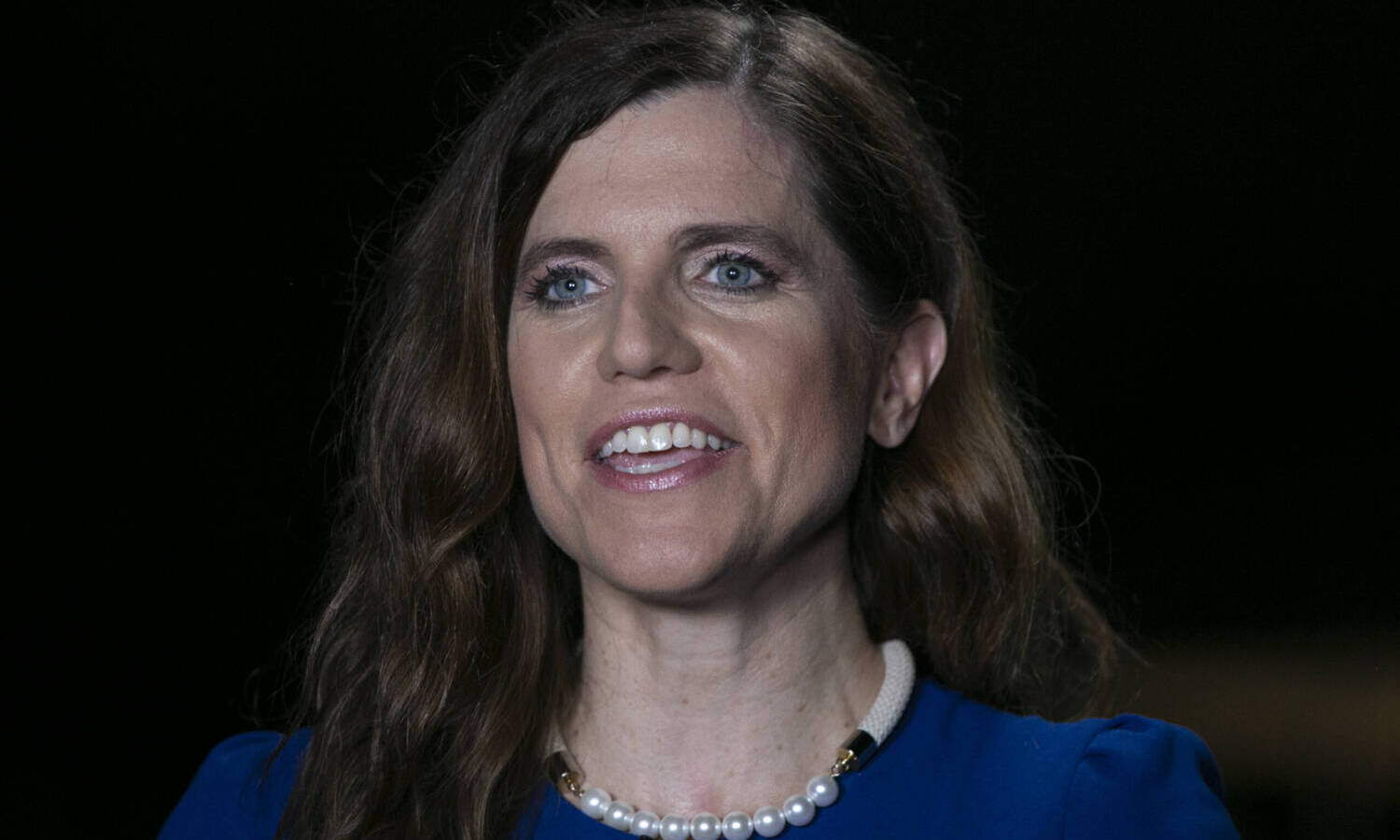
But one issue that had forward momentum in the previous congress, and that has built a bit of bipartisan support, is marijuana policy. A perfect example of exactly how bipartisan cannabis legalization has become is theStates Reform Act, which was sponsored by republican congresswoman Nancy Mace.
Photo by Allison Joyce/Getty Images
We had the opportunity to correspond with representative Mace via email after she and other lawmakers attended a hearing called “Developments in State Cannabis Laws and Bipartisan Cannabis Reforms at the Federal Level,” on November 15. We were wondering how this hearing left her thinking about cannabis legalization during the 118th congress, and the current trajectory of theStates Reform Act.
In regards to the hearing, “The room was packed with passionate supporters who want to see our country take this historic step forward,” congresswoman Mace wrote. “We were left cautiously optimistic and energized for continued progress,” she continued.
When asked about the current timeline for her bill, she said the timeline remains the same. “The cosponsors of the bill and I are making a push to get the bill passed this Congress with an alternative strategy for the text going into the 118th Congress,” Mace wrote.
It is clear that congresswoman mace is determined to reach across the aisle in Washington in order to make this bill work, and break through to those still skeptical about cannabis in both parties. “Something so popular across the country should not remain so controversial in DC,” wrote the congresswoman. In regards to the political shift in congress, moving from democratic to republican, the republican congresswoman remains optimistic about the bill’s chances.
“A republican shift in congress could bring increased support for the States Reform Act,” Mace wrote. “States should be granted the right to choose their own path on cannabis, and the conservative case for limited federal government provides a framework for this type of policy,” she continued. She also wrote that the Republicans she has spoken with “recognize the burden will be upon our party to get this right.”
We also had the chance to ask John Hudak, Ph.D. deputy director of the Center for Effective Public Management and a senior fellow in Governance Studies at Brookings about the hearings and the future trajectory of cannabis reform.
Photo by Olena Ruban/Getty Images
“The latest congressional hearing was a breath of fresh air from our day-to-day politics because it showed an issue that has bipartisan support from all types of ideologies in Congress,” Hudak wrote in an email.
Hudak also had a bit of optimism about the final weeks of the 117th congress, and their ability to get some meaningful work done in their lame duck session.
“While full scale legalization will not pass during the lame duck, there is opportunity for meaningful piece-meal reforms to get through the U.S. Senate,” he wrote. The current congress and the lame duck session will end on January 3.
When it comes to the next few years, however, Hudak is much less optimistic. “The opportunity for cannabis reform efforts will die with the current 117th Congress,” he wrote. “Republican House leaders have shown very little interest and in some cases explicit opposition to large-scale cannabis reform,” he wrote.
The only thing that really is certain about the 118th congress is that no one is really certain about anything. Conservatives have been slower to move on cannabis legalization than liberals, but people like representative Mace and her co-sponsors are examples of those who may shift that viewpoint and stigma when it comes to conservatives and cannabis, and, in turn, may just help make some changes to marijuana laws in the 118th congress.