A new study is the first to successfully treat this common and debilitating autoimmune disease.
Autoimmune diseases are numerous and difficult to treat. Lupus is one of the most common, affecting over 200,000 people a year and affecting their bodies and lifestyle. Now, a new study has become the first to effectively treat lupus in five patients, driving the illness into remission.
Researchers in Germany believe that their work marks a significant moment that could help treat other autoimmune diseases such as rheumatoid arthritis and multiple sclerosis.
The study, published in the journal Nature Medicine, involved four women and one man, all between the ages of 18 to 24, who were severely sick with lupus. They received transfusions of modified immune cells, a procedure called CAR T-cell therapy, which has been successful in treating some cancers. For this research, doctors extracted T-cells from the patients and modified them, reinserting them into their bodies.
Photo by Towfiqu barbhuiya via Unsplash
The study was a success, with all participants involved entering the remission stage of their disease. These patients have been off their lupus medication for three to 17 months, with their bodies functioning properly.
The Guardian interviewed study lead Professor Georg Schett, who said he and his team are very excited about these results. “Several other autoimmune diseases which are dependent on B cells and show autoantibodies may respond to this treatment,” he said. “These include rheumatoid arthritis, myositis, and systemic sclerosis. But also diseases like multiple sclerosis may be very responsive to CAR T-cell treatment.”
Lupus is a condition that occurs when people’s immune system attacks healthy tissue instead of harmful agents. There’s a lot that remains unknown about the condition, including why it occurs, with researchers theorizing that it could be an adverse reaction to certain medications, changes in puberty or menopause, and more.
The disease can cause fatigue, pain, and even organ damage, having flare-ups and periods where it lies dormant, thus becoming difficult to diagnose.
The majority of Pennsylvanians want to see recreational marijuana legalized, according to a recent CBS News poll that shows 66% of registered voters support the cannabis policy reform, while 34% oppose it.
Rep. Amen Brown (D), who earlier announced his intent to file a reform bill that he’ll be working on with his GOP colleague Sen. Mike Regan (R), said that legalization of recreational marijuana is “just the right thing to do.”
“Education, after-school programs, affordable housing, things of that nature and investing that money and creating jobs and helping communities who were hit the hardest by the prohibition,” Brown continued.
However, despite the support marijuana has among Pennsylvania voters, cannabis laws in the Keystone State remain harsh. A recentreport from the Marijuana Policy Project revealed that Pennsylvania is one of 19 US states where marijuana possession is penalized with possible imprisonment and a criminal record.
In 2021, 12,439 adults and 1,057 juveniles were arrested for simple cannabis possession, data from Pennsylvania State Police showed. Even though the figures represent a 30% drop between 2020 and 2021, they remain high.
Lawmakers Push For Policy Change
While the latest push for policy change on the state level came from Sen. Chris Gebhard, who said in a recent co-sponsorship memo that the measure he plans to introduce would set up a new licensing process under which “independent” cannabis grower/processors operating in the Keystone State would be allowed to launch dispensaries as vertically integrated businesses, PA’s Lt. Gov. John Fetterman’s efforts are targeting federal policy change.
Fetterman (D), who is running for a Senate seat, recently urged President Biden to deschedule marijuana from a Schedule I drug and work to decriminalize it. Shortly after, the two politicians crossed paths in Pittsburgh and discussed potential changes to the status of cannabis under the Controlled Substances Act prior to his speech at a union hall on Labor Day.
However, it seems Biden will remain silent on the issue, at least before the midterm elections, judging by White House Press Secretary Karine Jean-Pierre’s latest statement.
“I don’t have anything else to share in the upcoming weeks,” Jean-Pierre said on Friday during a press gaggle aboard Air Force One.
A congressman from Oregon believes that eliminating workplace drug tests would result in more people applying for railroad worker positions.
A congressman from Oregon claims that ending marijuana testing might help resolve the rising disputes that exist between railroad workers and their employees, which could potentially affect the entire country.
While workers created a temporary deal between unions and railway companies, they remain upset over their work conditions. Over the years, workers have been losing their benefits and job security, resulting in a tense environment that has led to issues in the supply chain.
Photo by RapidEye/Getty Images
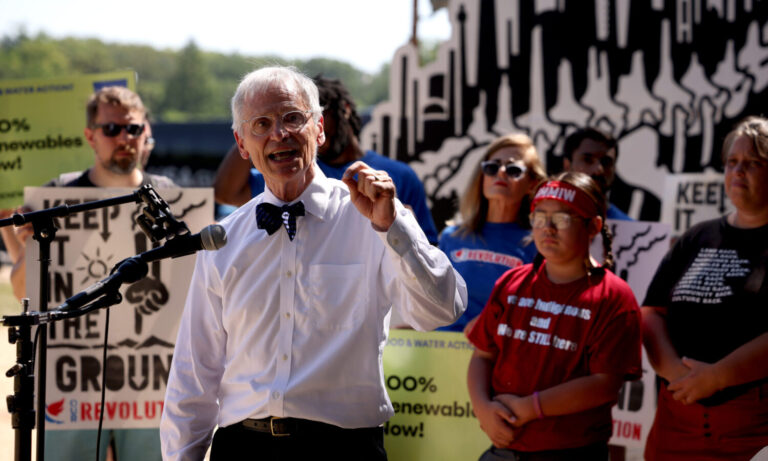
Blumenauer said that removing mandatory drug tests could be a part of the solution. This would encourage more people to apply for these positions and would give some job security to their employees. “A lot of these shortcomings in terms of the supply chain are that people do not qualify for the jobs because they’ve used marijuana sometime in the last six weeks, which doesn’t affect their ability to do their job, but it throws them out of the consideration,” he said.
The threat of the strike was very concerning for commuters and people all over the country, prompting President Biden to make a statement on the matter.
Per Illinois Policy, a railroad worker strike would result in chaos, freezing 30% of US cargo shipments and costing the U.S. Economy about $ 2 billion a day. It would have stopped Amtrak and Metra trains from running, affecting millions of people.
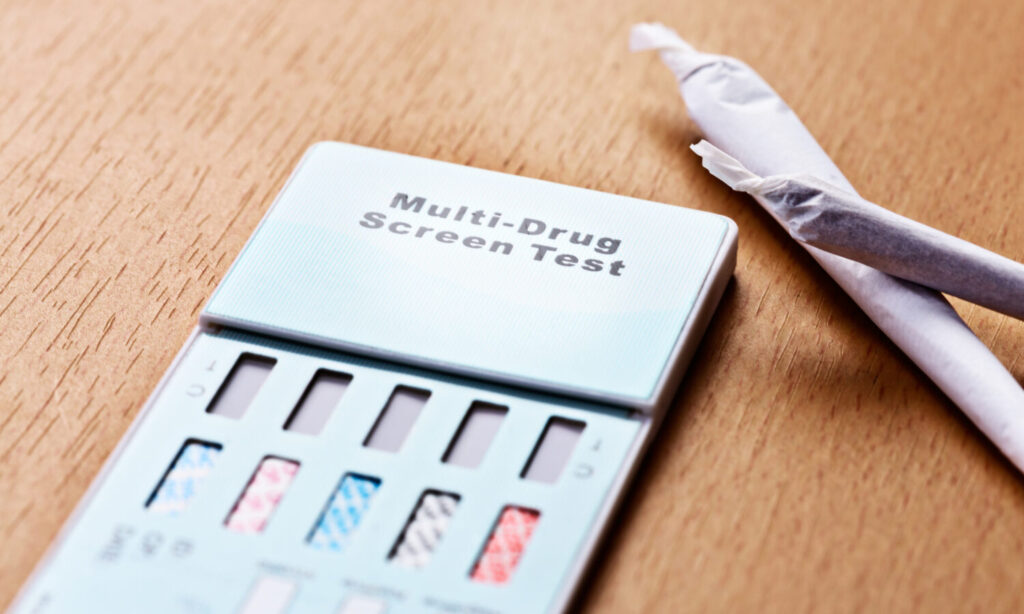
Currently, there’s no way to test for marijuana use in the workplace. Drug tests can’t differentiate whether a worker consumes marijuana at home or while at work, providing a blanket test that limits people’s behavior outside of the workplace. The only way to resolve this issue would be to devise a new test altogether.
The study could provide people with a new and noninvasive way of keeping their brains fit and healthy for as long as possible.
As we grow older, our brains naturally change. Behaviors like shorter attention spans, being less able to multitask and having trouble recalling names are some of the most common afflictions that seniors have to deal with. But there’s some good news!
A new study found a link between a daily multivitamin supplement and cognitive health, suggesting that it’s possible to slow down the brain’s aging process.
Photo by Tyler Farmer via Unsplash
The findings were published in the journal Alzheimer’s & Dementia and was conducted by researchers from Wake Forest University’s School of Medicine and Brigham and Women’s Hospital in Boston.
Researchers wanted to see if taking a daily cocoa extract supplement or a multivitamin supplement was able to reduce the risk of diseases like cancer, strokes, and more. Over 2,200 participants over the age of 65 were recruited for the study, with a follow-up process for three years. During this time, researchers had participants complete different tasks that tested their cognitive ability.
Participants were split into groups, with one taking the cocoa extract and another a placebo. A different group took the multivitamin supplement and had their results compared to another placebo group.
“Our study showed that although cocoa extract did not affect cognition, daily multivitamin-mineral supplementation resulted in statistically significant cognitive improvement,” said study author Laura Baker. “This is the first evidence of cognitive benefit in a large longer-term study of multivitamin supplementation in older adults.”
The study results indicate that three years of taking the vitamin supplements were able to slow down the brain’s aging process by 60%. These benefits were more pronounced in people with cardiovascular disease, something that is very good since these people are already at a higher risk of experiencing cognitive decline.
While researchers make it clear that their results are preliminary, if pursued, the study could provide people with a new and noninvasive way of keeping their brains fit and healthy for as long as possible.
Rep. Ed Perlmutter said the SAFE Banking bill “obviously is a public safety issue. It is a tax issue. It is an issue of civil justice (…) We can get this done. We will get this done. We need some more Republican cosponsors.”
Sponsors of the Secure and Fair Enforcement (SAFE) Banking Act recently discussed the urgency of enacting cannabis reform this session, reiterating the public safety imperative of providing the industry access to the financial system.
Bipartisan and bicameral sponsors of banking reform said “it’s time to take action on the House-passed standalone legislation,” reported Marijuana Moment.
The National Cannabis Industry Association (NCIA) brought together more than 100 stakeholders for two days of lobbying on Capitol Hill involving more than 100 meetings with legislators and staff to advocate for the Cannabis Act Banking SAFE to be enacted in 2022.
Sen. Jeff Merkley (D-OR), the sponsor of the SAFE Banking Act, talked about violent crime targeting marijuana businesses and workers, as well as bipartisan support for stand-alone legislation. “It’s a political positive. It’s good policy and good politics,” Merkley said. “So we’re here today to say it’s way past time to get the SAFE Banking bill done.”
Photo by Yarygin/Getty Images
Recently, Merkley discussed the so-called “SAFE Banking Plus” bill at the Payments, Banking, and Compliance (PBC) Conference. “Every legal business deserves the same access to the same resources as any other—resources like bank accounts, loans, payment processing, and so much more,” Merkley separately said in a press release. “When it comes to cannabis, the country is changing fast and it’s long past time that our federal laws caught up.”
A Public Safety Issue
Rep. Ed Perlmutter (D-CO) said SAFE Banking bill “obviously is a public safety issue. It is a tax issue. It is an issue of civil justice (…) We can get this done. We will get this done. We need some more Republican cosponsors” that the congressman expects will join them soon.
“I know, in the House, that whatever they pass in the Senate, we will get passed in the House. And this will be law by the end of this year, with your help and your hard work,” Perlmutter added.
Sen. Steve Daines (R-MT), the GOP lead on the standalone legislation called the legislation “a public safety issue—when legal Montana cannabis businesses don’t have a way to safely conduct business and are forced to operate in all cash our communities become vulnerable to crime.”
The SAFE Banking Act has passed in the House seven times but has not moved in the Senate.
What Do Minnesota’s Senators Think About This Issue?
GOP Minnesota Sen. Carla Nelson and DFL challenger Aleta Borrud debated cannabis legalization for recreational purposes, among other issues including health care, election integrity, guns and abortion.
Nelson, who has served in the Minnesota Senate since 2010, beat Borrud in a close race 50.9% to 49%, reported Yahoo News.
When senators were asked if they support the legalization of cannabis for recreational purposes, they expressed themselves as follows:
“I absolutely do support the legalization of cannabis. Cannabis has been used for millennia, and people in our community are using it. People should not be going to jail, especially our Black and brown neighbors going to jail for using it. It becomes an issue of equity. If we legalize it, we can regulate it and improve its safety,” said Borrud.
Photo by jirkaejc/Getty Images
“I’ve heard concern from law enforcement about the packaging of gummies that are now for sale. I think we have to make sure that these are not falling into the hands of our kids.”
On the other hand, Nelson expressed that she has the endorsement from the Minnesota Police and Peace Officers Association. “And I will tell you what our public safety officials all say in this regard. Until there is a field sobriety test, it is irresponsible to legalize marijuana for the broader population,” she continued.
Adult-Use Cannabis Legalization Means Social Justice
According to the latest data from the Bureau of Criminal Apprehension, Black Minnesotans are nearly five times more likely to be arrested on marijuana charges than whites.
“In 2021 there were 6,055 marijuana arrests in the state,” according to BCA’s latest data. Cannabis accounted for a little over one-third of all Minnesota drug arrests. “Close to 90% of marijuana arrests in Minnesota are for simple possession, rather than sales or distribution.”
When cooking with any of these cannabis products, always remember that you can expect the hit of THC to last up to 8 hours or more.
Making your own cannabis-infused food and beverages is an effective way to absorb the beneficial cannabinoids of the marijuana plant into your system. However, let’s be real: making your own edibles and drinks can be time-consuming. It even requires some trial and error for beginners when it comes to dosing and strength.
So why not add THC to food and drink yourself?
If you live in a state where cannabis is legal in some form, you can use pre-made cannabis products that infuse cannabinoids into anything you want within seconds. Here are the easiest ways to add THC to food and drinks at home — or anywhere you are.
Tinctures
Photo by LauriPatterson/Getty Images
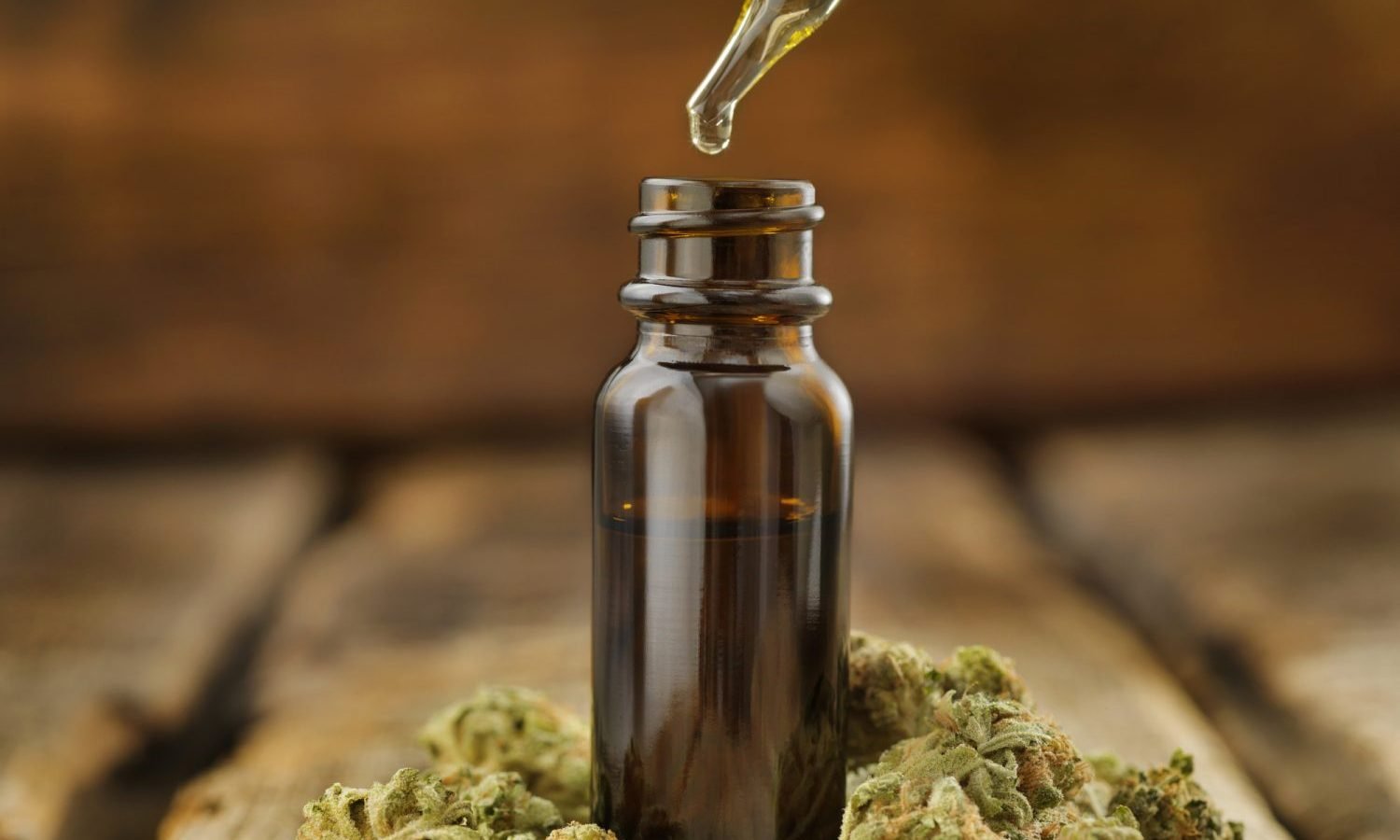
Cannabis tinctures are easily the most versatile and convenient way to consume cannabis, as well as add to just about anything. Tinctures can be consumed in a variety of ways, though sublingual is the most popular way to consume them. Sublingual consumption enables quick absorption through the sublingual artery, bypassing the liver and gut and transporting the cannabinoids directly to your bloodstream.
However, when adding tinctures to your food or beverage, you can expect the onset time to be around an hour. But the best benefit of using tinctures is quick, simple, and easy dosing: simply add one or two drops for a precise dose. How much you dose will depend entirely on your own tolerance and experience with cannabis, though if you’re a newbie, always start low and slow. Start with half a drop if you are new to THC.
Additionally, tinctures are low in calories, which is great for anyone who is watching their weight. Tinctures are just around 7 calories per milliliter. If you ended up eating baked goods, candies, or other types of edibles, you can easily consume at least 200 calories and up.
Tinctures last a much longer time compared to other cannabis products since you only need a small amount. These are also full-spectrum cannabis products because making tinctures involves the entire cannabis plant, which means that consumers get to enjoy a wide array of health benefits from the cannabinoids, flavonoids, and terpenes in addition to the THC and CBD.
When using tinctures on food you are cooking, remember to add it when the cooking has been finished. Otherwise, the high temperatures will cause the alcohol in tinctures to evaporate. It’s easy to add it to drinks too, whether you’re drinking coffee, tea, wine, cocktails, or juices. Tinctures can also easily be added into pasta sauces, salad dressings, soups, stews, smoothies, and much more.
Tinctures can also be made from glycerin, a form of sugar alcohol that comes from plant oils. These are usually less potent compared to alcohol-based tinctures but it still provides you with many of the health benefits of cannabis. Glycerin is also sweeter compared to alcohol, so this base is recommended for individuals who have some kinds of oral sensitivities.
Cannabis Oil
Photo by Anna Efetova/Getty Images
Most ready-made cannabis oils have little to no taste, depending on its base and if it has any flavor. This makes it easy to add to just about any food and drink, which conceal the mild taste of cannabis oils. Just like with tinctures, the effects of THC can be felt in around an hour after consuming the infused food or drink.
Cannabis oils are made from a variety of carrier oils, which serve as the base. The most common is coconut oil, though olive and avocado oils can also be used. Coconut oils tend to have a stronger coconut taste, though it tends to dissipate when you only use a few drops on your food and drink. Milder carrier oils include lecithin or vegetable oils.
Just like with tinctures, cannabis oils are best added after cooking. However, you can cook with cannabis oils as long as you use low temperatures: the maximum should be at 350F. This prevents the therapeutic cannabinoids from burning. The most ideal temperatures for cooking with cannabis oils is between 250 to 284F.
Cannabutter
Photo by Steve Cicero/Getty Images
Making or buying ready-to-eat cannabutter is a fantastic way to bake or cook with infused fats. You can easily make cannabutter at home, but you can also buy some that have already been made (click here for an easy cannabutter recipe).
Cannabutter is extremely versatile, and can make for some delicious and potent edibles. Whether you’re making desserts or savory goods, you can use cannabutter with literally hundreds of recipes. Use it in place of any recipe that requires butter: from brownies to banana bread, pasta, cakes, and so much more.
Cannabutter also works well for people who consume bulletproof coffee. Just add some unsalted cannabutter the way you would with regular butter. Many people have been consuming bulletproof coffee to increase mental clarity and cognition while helping with weight loss. Whether you’re on the keto diet or not, this delicious and creamy coffee will have you coming back for more.
When consuming cannabutter, remember that it will take a while for its effects to hit. If you have a high tolerance, it can take around an hour or more, so don’t keep on consuming seconds until you’ve waited at least an hour and a half.
Conclusion
When cooking with any of these cannabis products, always remember that you can expect the hit of THC to last up to 8 hours or more. Make sure your plans don’t include driving or operating machinery; the psychoactive effects of THC are best enjoyed from the comfort and safety of your own home.
With medical cannabis programs deeply entrenched in the state of Nevada, cannabis’ designation appears to fly in the face of well-established known medicinal uses of the drug.
A Nevada judge has ruled on a closely-followed lawsuit that could have precedent setting influence on a federal level. He determined that the Nevada Board of Pharmacy can no longer list cannabis as a schedule one drug. It was a clear victory for the American Civil Liberties Union (ACLU) of Nevada, which filed the lawsuit back in April 2022.
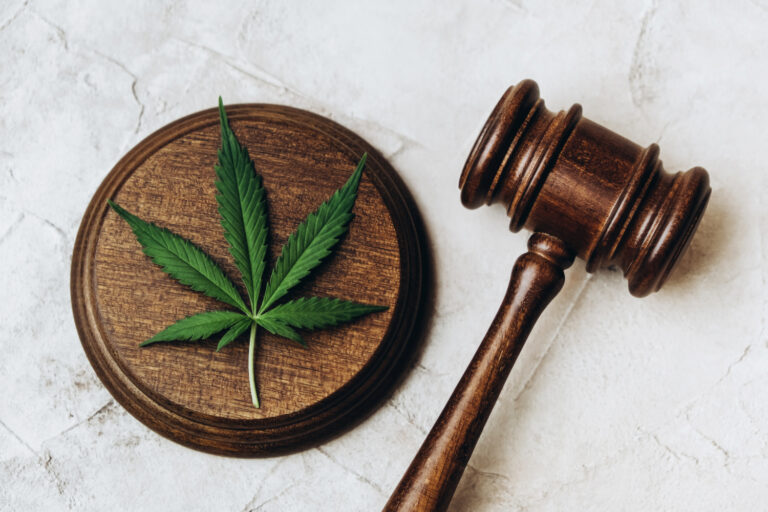
On Wednesday, District Judge Joe Hardy Jr. sided with the ACLU’s argument that marijuana has an accepted medical use, because voters amended the state constitution in 2000 to legalize medical marijuana. He ordered the Board of Pharmacy to remove cannabis from the list of Schedule 1 drugs, although the timeline for such action is unclear.
A judge just ruled that cannabis can no longer be classified as a Schedule 1 drug with no medical use by the Nevada Board of Pharmacy, because it violates the state constitution.
The original basis for the lawsuit alleged that despite the passage of the Nevada Medical Marijuana Act and the Initiative to Regulate and Tax Marijuana, the state — specifically Nevada State Board of Pharmacy — failed to comport with the will of Nevada voters, the state Constitution and revised statutes. Instead of removing cannabis and cannabis derivatives from its list of controlled substances (NAC 453.510), the Board has continued to regulate them as Schedule 1 substances — similar to that of hardcore drugs with no medicinal benefit.
By definition, a Schedule 1 drug is classified as drugs with no currently accepted medical use and a high potential for abuse. With medical cannabis programs deeply entrenched in the state of Nevada, cannabis’ designation appears to fly in the face of well-established known medicinal uses of the drug. This is the exact contradiction that the ACLU sought to force a ruling on:
“The ruling today that cannabis cannot be scheduled as a Schedule 1 substance by Nevada’s Board of Pharmacy without violating the Nevada Constitution reaffirms what the people of this state have known for decades, that marijuana has medicinal value and can be safely distributed to the public.” – Legal Director for ACLU of Nevada Chris Peterson.
While The Board of Pharmacy has had every opportunity to remove marijuana from its Schedule 1 list on its own, it has persistently resisted to reschedule cannabis in Nevada. Despite the will of the people, it appears to be taking its cues from federal (DEA) guidelines, which continue to list cannabis as a schedule 1 drug. In this hearing, the lawyer representing the Board of Pharmacy argued that federal agencies had not determined that marijuana has an accepted medical use.
While judge Hardy sided with the ACLU on cannabis reclassification, he stopped short of ruling on any issues related to overturning convictions for marijuana-related crimes, because the ACLU’s lawsuit did not address the topic.
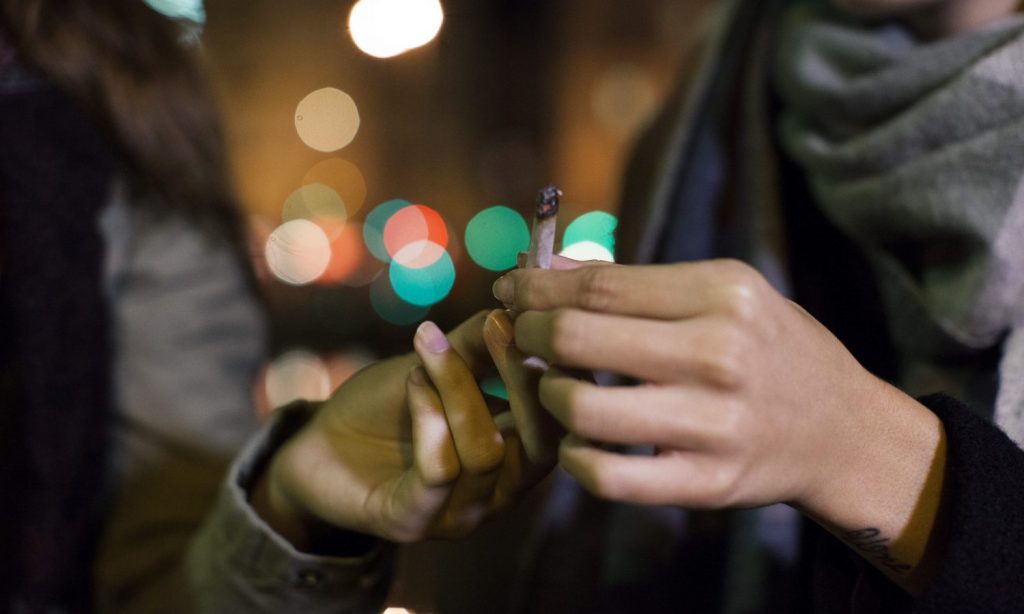
Beginners, remember that just a few puffs from a joint are okay for the first time. Get acclimatized to the effects of the drug before upping your dosage.
With cannabis legislation flying about and American citizens being drawn into the appeal of marijuana, discussions have moved on to issues concerning cannabis-induced anxiety. Concerned communities are wondering if marijuana causes or helps to manage anxiety. And experts have explained that it works both ways.
Marijuana-induced anxiety is often experienced by both long-term and new cannabis users. The type of cannabis being consumed does not matter, as both recreational and medical cannabis have been found to trigger the condition.
Photo by Andrea Piacquadio via Pexels
This article delves into the causes of weed anxiety, methods to combat its occurrence, as well as how to prevent it from occurring in new cannabis users.
Cannabis and Anxiety
These two have an intriguing connection. Researchers have carried out trials to explain this relationship. Some studies have involved the use of cannabis and its compounds to develop a potential form of anxiety treatment, while other studies have focused on looking for ways to develop and improve cannabinoid-based anxiolytic agents.
In the same vein, some experts are also working on figuring out more about THC being a paranoia trigger in cannabis users. Experiments have been carried out to connect marijuana with the onset of anxiety disorders in individuals who have no medical history of mental conditions.
Weed Anxiety
For you to understand weed anxiety, you have to know the concept of anxiety itself. Anxiety induces a bunch of reactions like increased heartbeats, inability to focus, incessant worries, and sweating. It occurs in moments that cause an individual to relieve their doubts and insecurities.
Weed anxiety can be described as the body’s involuntary reaction to cannabis in some users. It evokes mental distress, as well as physical symptoms like shaking, fatigue, nausea, stomach discomfort, and excessive sweating. It can go as far as inducing panic attacks in users.
Unlike brief anxiety moments that can be brushed off by composing yourself with breathing exercises, weed-induced anxiety is much more complicated.
Identifying Weed Anxiety
In first-timers, it can be difficult to discern if the symptoms are anxiety-related or illness-related. Especially in those who experience only physical symptoms.
It begins with the person having an excessive number of gloomy thoughts. These negative thoughts are very difficult to shake off. The physical symptoms follow closely, extreme weed-induced anxiety causes shortness of breath and causes the person to have difficulties in moving about comfortably.
People who have experienced cannabis-induced anxiety explained that they felt as though they were trapped in a cage inside their minds. They had distressing thoughts which seemed very loud in their heads and prevented them from paying attention to their current environments.
Photo by PhotoAlto/Sigrid Olsson/Getty Images
Recreational cannabis smokers who have experienced this form of anxiety added that hearing any weird sound made them paranoid, with some saying that they occasionally have to check outside their windows for cops. Using recreational weed is illegal in some states, and the worry of having been caught in a crime is enough to cause a manic episode.
Factors That Can Predict Weed-Induced Anxiety
There are several factors at play when trying to determine why cannabis anxiety only affects a selected number of people.
Age and Sex
The user’s age and sex both play a role in determining how vulnerable a person is to weed anxiety. An older person is more likely to feel an intense form of weed anxiety when compared to a younger person. This is because as the brain ages as the body ages, hence receptor density declines over time.
Women are more likely to suffer from weed anxiety than the male population, due to the presence of estrogen which increases their sensitivity to THC.
Genetics
Certain strains of cannabis are used for the creativity and calmness they elicit in the user. The genetics of the user also matters. Individuals who are THC-sensitive in the anterior part of their brains rarely experience weed anxiety, while those who are THC-sensitive in the posterior part of the brain are more vulnerable to experience anxiety caused by cannabis.
The tolerance level of the user determines how well weed anxiety can be managed. Females tend to build a higher tolerance to cannabis in less time. The frequency of use is a major factor in how well a person can build a tolerance to cannabis.
Mood
Anxiety patients tend to exacerbate their symptoms when they use cannabis while having an episode. Only a few feel relief after consuming cannabis directly after feeling anxious, the rest only experience more intense symptoms.
Managing Weed-Induced Anxiety
Experts say that the first thing to do while experiencing weed anxiety is to accept and fully grasp what is going on. Fighting the anxiety without accepting it only worsens the situation. Even in regular anxious moments, individuals are always advised to accept it first, although this is hard to do.
The next thing to do if the symptoms persist after you’ve taken a few breaths is to take a cold shower. The sudden rush from the cold water may be enough to snap you out of that confused state. If you can’t take a cold shower, find a bit of water to pour on your neck.
Another suggestion is using the distraction technique. This entails eating or drinking something, taking a walk, seeing a movie, or listening to soothing music. Doing this will help keep the mind off of the distressing thoughts ravaging the mind.
Having a positive mindset also helps.
Photo by Mayara Klingner / EyeEm/Getty Images
Prevention Is Better Than Cure
It is better to prevent weed-induced anxiety than to manage the condition.
The most effective way to prevent these traumatizing episodes from occurring is by using products with More CBD and less THC. This works for beginners and experts, as the CBD compound helps to even out the psychoactive effects of THC.
Bottom line
The effects of weed-induced anxiety will wane over time, depending on the method of intake and the amount consumed. Using cannabis responsibly allows you to enjoy the benefits of the drug without the risk of having traumatizing weed-anxiety episodes.
Beginners, remember that just a few puffs from a joint are okay for the first time. Get acclimatized to the effects of the drug before upping your dosage.
Biden said last month that he was hopeful a deal could be made to release Griner, though since then, there have been few signs of progress from either side.
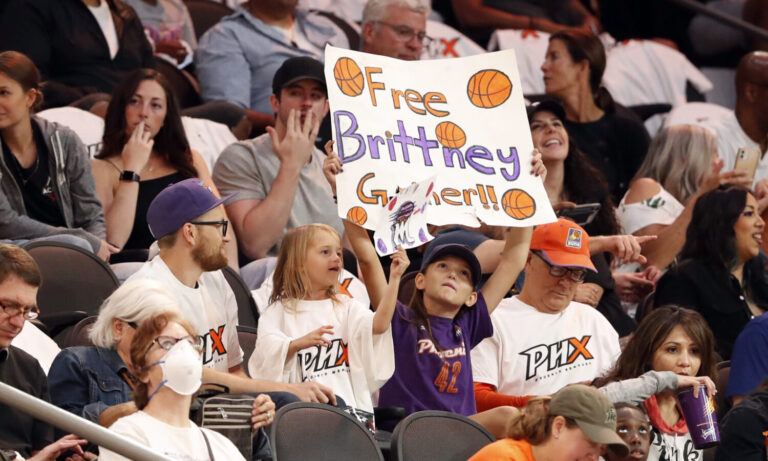
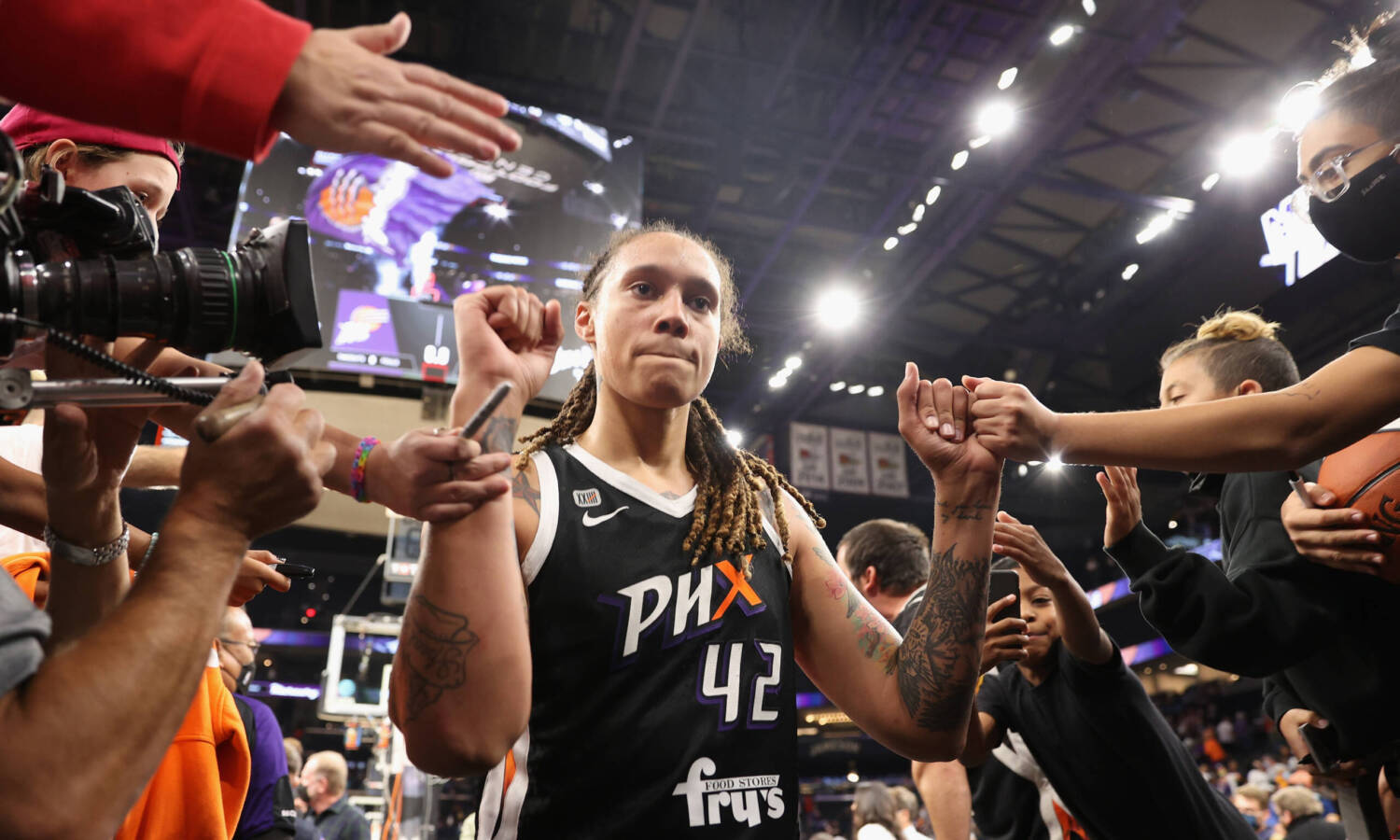
President Joe Biden will meet Friday with family members of WNBA star Brittney Griner and former Marine Paul Whelan as the White House continues to push for their release via negotiations for a prisoner swap, said White House press secretary Karine Jean-Pierre.
The meetings will involve with Griner’s wife, Cherelle and Whelan’s sister, Elizabeth and take place separately. This will be the first face-to-face meeting with Biden and the family members, though Biden spoke to Cherelle Griner by phone in July.
In the meeting scheduled for Friday, Biden will “discuss his continuing commitment to bringing their family members home safely,” said Jean-Pierre. “As we have said before, we believe that Russia is wrongfully detaining Brittany and Paul under intolerable circumstances.”
Photo by Christian Petersen/Getty Images
Negotiations With Russia Ongoing
The White House has been in talks with Russian officials over the release of Griner and Whelan. Biden said last month that he was hopeful a deal could be made to release Griner, though since then, there have been few signs of progress from either side.
“I would love to say that the purpose of this meeting is to inform the families that the Russians have accepted our offer and we are bringing their loved ones home. That is not what we’re seeing in these negotiations at this time,” Jean-Pierre said according to The Associated Press.
“Look, as we’ve said, the Russians should accept our offer. They should accept our offer today. We will keep working diligently until the day we get to share that good news.”
On a hopeful note, however, former New Mexico Gov. Bill Richardson was in Moscow this week, raising expectations about talks to bring Griner and Whelan home in exchange for convicted arms dealer Viktor Bout.
And This Guy, Too?
And now has been rumored that Russian criminal mastermind Alexander Vinnik, accused of laundering more than $4 billion through the digital currency bitcoin (BTC/USD), may be potentially included in the prisoner swap. Vinnik was extradited last month to the U.S. to face money laundering charges.
Griner, a two-time Olympic gold medalist, was arrested at an airport in Moscow on Feb. 17 for possessing less than a gram of cannabis oil in her baggage. Russia invaded Ukraine seven days later.
Lawmakers in Thailand decided to withdraw a piece of legislation regulating the broader use of cannabis in the country. According to Bloomberg, the bill was sent back to the committee for further revision after a 198 to 136 vote by members of the House of Representatives on Wednesday.
The Democrat party, a part of the ruling coalition and opposition MPs from the Pheu Thai and Move Forward parties, were against the measure, even though it had already passed its first reading in the chamber in June.
Those opposing the bill claim that the original version was significantly amended following the first reading.
The move came some three months after Thailand became the first South-East Asian country to decriminalize marijuana by removing it from the banned Category 5 narcotics list and allowing legal cultivation of cannabis plants at home and its sales.
Photo by Mongkol Chuewong/Getty Images
Cafes Selling Cannabis Are Mushrooming
Since then, the number of outlets and cafes selling cannabis products has grown exponentially in the capital and other cities even though the government has highlighted on several occasions that the move was supposed to promote medical and commercial use instead of recreational use. Interestingly the draft bill didn’t directly target recreational smoking as illegal.
Sutin Klangsang, a lawmaker from Pheu Thai, said they are worried that mushrooming of businesses selling cannabis would lead to children and people becoming addicted.
“The bill doesn’t control cannabis but even promotes it, leaving room for its use to stray from medical to extremely recreational,” Klangsang said.
Meanwhile, in weeks following cannabis decriminalization, Thailand was making headlines for its lack of cannabis regulation.
Shortly after Public Health Minister Anutin Charnvirakgave away a million marijuana plants as a sign of good will, the opposition slammed him, arguing that he caused social problems and violated local and international laws by decriminalizing marijuana without adequate control.