As people are becoming more open to experimenting with alternative treatments for various health issues, or simply for wellness purposes, both cannabis and psychedelics are coming into play. While it has been confirmed that cannabis is the world’s most consumed substance, with around 209 million people using it in 2020, psychedelics are another story. At least for now.
Nevertheless, things seem to be changing. According to a new poll by YouGov, some 28% of Americans have tried at least one psychedelic drug. The poll, which questioned 1,000 adults between the ages of 22-25, revealed that the most used psychedelic substance is LSD and that 14% of participants confirmed trying it, followed closely by psilocybin with 13%.
Poll Highlights
9% of participants have tried MDMA, 6% ketamine, 6% DMT, and 5% salvia;
51% of those self-defining as very liberal have tried at least one psychedelic substance;
42% of those with a family income of at least $100,000 have tried at least one psychedelic substance;
42% of participants with a postgraduate degree confirm they tried one psychedelic drug;
Out of those who have tried one, 39% belonged to the 30-44 age group, and 37% were Americans living in the Western part of the U.S.;
Among those questioned, the following groups showed the lowest propensity for trying psychedelic substances: Black Americans – 14% have tried; seniors (aged 65 and older) – 14%; Protestants – 19%; people living in rural areas – 19%; conservative people – 21%.
While progress on psychedelic decriminalization and research has been noticed over the last couple of years, most Americans are still against it.
By 44% to 27%, Americans oppose decriminalizing psilocybin (mushrooms);
By 53% to 20%, Americans oppose decriminalizing LSD (acid);
By 53% to 19%, Americans oppose decriminalizing MDMA (ecstasy);
Those who have tried one of these three drugs are more inclined toward backing their decriminalization.
68% of people who have tried psilocybin say it should be legal;
48% of people who’ve tried MDMA say it should be legal;
43% of people who have tried LSD say it should be legal;
House Reps. Alexandria Ocasio-Cortez (D-N.Y.) and Dan Crenshaw (R-Texas) recently filed separate bills toward further advancing research on psychedelic-assisted post-traumatic stress disorder (PTSD) treatments for veterans. Based on the poll, some 54% of Americans support that type of research, while 18% are against it.
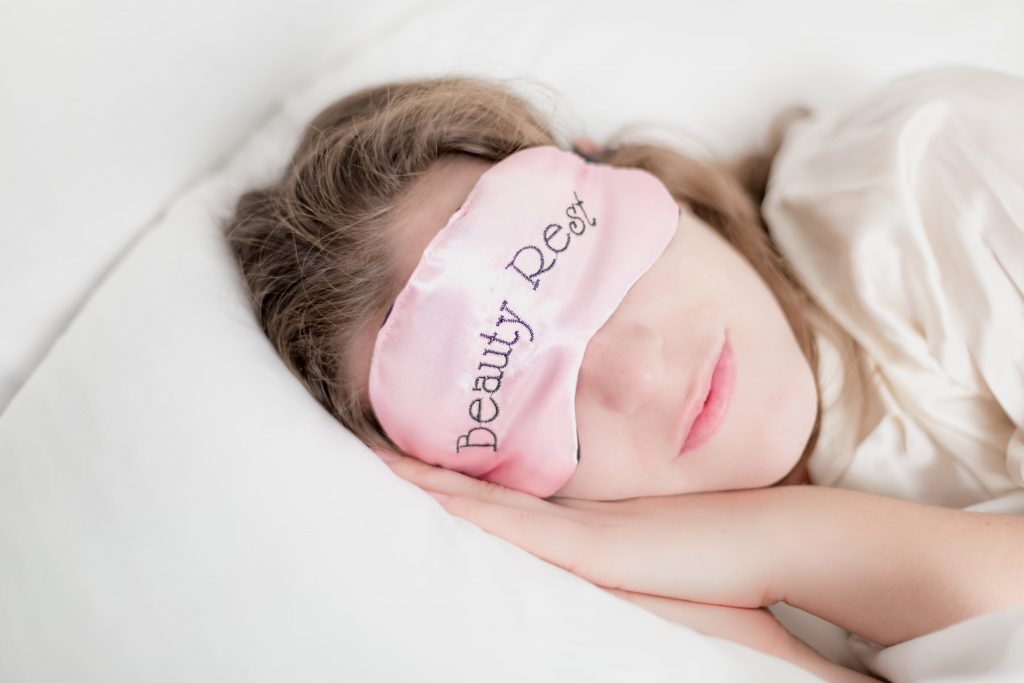
Sleep. It’s so vital for health and wellness, yet so many of us struggle with it. Getting a good night’s rest isn’t as easy as you think, at least for a great deal of the population. If you’re between the age of 18 to 64, you need 7 up to 9 hours of good sleep each night. Yet, a surprising 35.2% of American adults sleep less than 7 hours a night while 10-30% of adults report that they struggle with chronic insomnia. Here is what to know about using cannabis for sleep.
A night of deep sleep is essential to feeling great the next day, and it also helps prevent a host of health problems down the line. It’s crucial for helping the body to repair internally, prevent sickness, keep the immune system up, prevent weight gain… the list goes on.
Photo by Acharaporn Kamornboonyarush via Pexels
Because so many people find good sleep to be elusive, we’ve seen a rise in over-the-counter medications meant to address sleep. Yet, so many of them don’t work and leave people feeling extremely groggy the next day. And that’s where cannabis comes into play.
Why Cannabis Works So Well As A Sleep Aid
Cannabis has been a known sedative for centuries, thanks to its relaxing properties. There are numerous studies that prove this point. On top of that, a survey conducted in 2019 where 1,000 people were polled revealed that three-fourths of them used cannabis to help them sleep, saying it was helpful.
But for anyone who’s starting out in the world of cannabis, and for those who desperately want it to help them sleep, read on to help you better navigate dispensaries for the right product.
There are hundreds of naturally-occurring chemicals within the cannabis plant that affect sleep. The two main compounds are broken down into cannabinoids and terpenes. There are three main cannabinoids:
THC: Tetrahydrocannabinol (THC) is the primary psychoactive compound in the plant that gets you high. It’s famous for its pain relief and anti-nausea properties, but it also has potent sedative effects and can help you fall asleep faster. THC has also been found to reduce your time in REM sleep, which in layman’s terms means that you have reduced dreams. This is especially helpful if you are prone to nightmares which can wake you up in the middle of the night and make it harder to go back to sleep.
CBD: Cannabidiol (CBD) is a therapeutic compound that doesn’t get you high. It’s relaxing properties are well-known, and it’s already widely used for the treatment of anxiety, pain, and depression. Studies have shown that it’s also beneficial for promoting alertness and reducing sleepiness during the daytime.
CBN: Cannabinol (CBN) is a lesser-known compound though it does have potent sedative properties, which have been found to be enhanced when taken with THC. CBN also has valuable medicinal benefits such as its ability to fight pain, inflammation, and stimulate the appetite.
Then there are terpenes. Terpenes have been getting more attention lately because newer studies have shown its promise in adding to cannabis’ medicinal properties. These invisible molecules are also found in other plants, and are responsible for giving cannabis strains their unique smell and taste. More importantly, terpenes also have medicinal properties and certain terpenes are helpful as a sleep aid:
There are certain ways you can make the most out of cannabis to ensure you get a good night’s rest:
Timing: Timing your intake plays a big role in using cannabis for sleep. This is especially true if you are using edibles. Edibles do take a while to kick in, though they are more potent so they can help you stay asleep for longer. However, it can take anywhere from thirty minutes to two hours for it to kick in but once it does, the duration can last 8-12 hours. To be sure, medicate at least an hour before you plan to go to bed.
Strains: When it comes to the plant’s sedative and relaxing properties, more people are likely to buy indica strains as opposed to sativas. However, studies have shown that there are few differences between the two strains, and the same strain can make one person sleepy while excite the other. So instead of buying cannabis based on whether it’s an indica or sativa, look for products that have been laboratory tested so that you have a good picture of its chemical makeup. Many dispensaries nowadays sell products that provide detailed information on a strain’s effects, so go with that instead of its name.
Experiment: Different cannabis products affect people differently. There’s no one-size fits-all solution; though generally speaking, CBD is widely accepted as a calming sedative that works well for many people, there are also those that find either low or high dose THC to be best when it comes to sleep. You can also shop for cannabis products that are made specifically for sleep. It won’t hurt you to experiment and see what works for you.
Of course, it also helps to follow other well-known bedtime habits that will improve sleep. Don’t rely on cannabis as a one-off solution. Here are some tried-and-tested tips to do together with cannabis:
Reduce exposure to bright lights before bedtime (this includes limiting time on tablets, smartphones, and television)
Limit caffeine consumption later in the day. Try to get your last cup in at noon; better yet, replace coffee with green tea
Stop taking daytime naps
Go to bed at the same time each night
Don’t consume too much alcohol before bed
Last but not least, if you are taking medications especially prescription drugs, always consult with your doctor before taking cannabis.
While on the one hand these layoffs may trigger some red flags of warning for investors, it is important to remember that this is not uncommon in business.
The legal cannabis industry is booming in North America. Both Canada and many states in the US where recreational marijuana is legal have seen record breaking sales year after year. As we have previouslyreported, experts predict marijuana sales will reach an astonishing $33 billion in 2022. Considering these numbers it is hard to imagine cannabis companies downsizing, and yet some are. So why are marijuana companies laying off workers as the industry grows?
Over the last few years several major players in cannabis have laid off a sizable percentage of their workforce. Even though the cannabis industry was resilient throughout the COVID-19 pandemic, one by one, more companies made announcements that they were trimming the fat. In some cases, entire locations were shut down.
Photo by Hoptocopter / Getty Images
These recent layoffs are a surprising outcome in an industry that continues to grow. When you look closer at why these companies are eliminating jobs, however, you can begin to understand the necessary new vision of these companies as well as certain mistakes companies in the industry are learning from.
For some companies, the layoffs come after they have yet to see a return on giant investments. “The layoffs came after the cannabis sector spent billions to build cultivation facilities but ended up destroying cannabis they could not sell. The supply glut also led to the sale of properties at a fraction of their construction cost,” according toMarketWatch. With instances of money left on the table, with large work forces, some large companies have had to make tough decisions.
Aurora is a company that bet big on cannabis and in turn invested in facilities and land. Over the last year it has had to make several layoffs as it now tries to scale its operation down to stop hemorrhaging costs, and eventually start turning a profit. “Several cannabis companies, including Aurora, have been overhauling their operations to better align supply with demand in hopes of becoming profitable in the next few years,” the Canadian Broadcasting Company (CBC)wrote. Aurora will contend to make their operation leaner, even announcing it will close three facilities, as the large company looks to the future and tries to get out of the red.
Aurora is not the only company that seems to be leaning out its workforce this year. While the opportunity in the marijuana industry continues to rise, with more and more competition on the market companies have to fight to hold their ground, which means constant involution and often prices lower than they would like to offer.
Canopy Growth, another major cannabis company, is laying off 250 employees in attempts to lower the costs of goods and streamline their operation. Profits continue to be an issue for them as well. “These necessary changes are being implemented to ensure the size and scale of our operations reflect current market realities and will support the long-term sustainability of our company,” Canopy Growth CEO David Klein said in a companypress release.
Even marijuana tech companies are having to scale back. The overcommitment is being felt by many organizations, including Dutchie, a tech company that has announced layoffs as unclear financial times loom ahead. “Dutchie is the latest tech company to lay off workers in response to the broader ongoing economic uncertainty. Several cannabis software companies have slashed staff in recent weeks, including Eaze and Akerna,” according toGeekWire.
The common thread in many of these layoffs seems to be a narrowing of focus, scope and size in order to achieve desired profits. While on the one hand these layoffs may trigger some red flags of warning for investors, it is important to remember that this is not uncommon in business. Other industries have experienced these growing pains as they navigated uncharted waters. The important part moving forward is to learn from this era of trimming the fat to ensure fewer affected jobs and increased profits in the years to come.
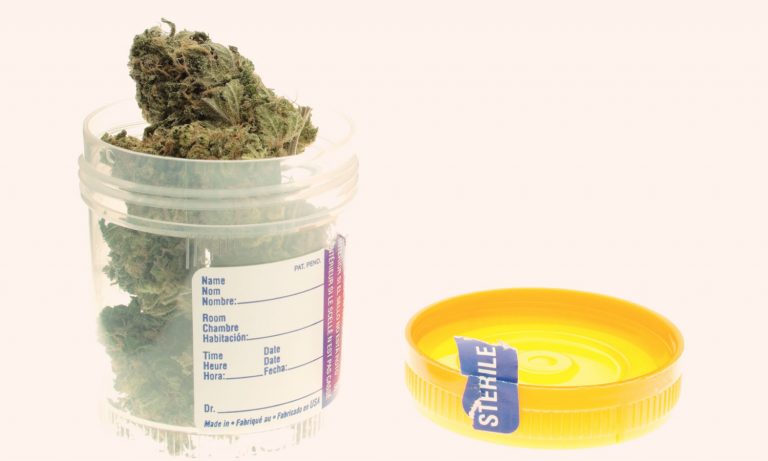
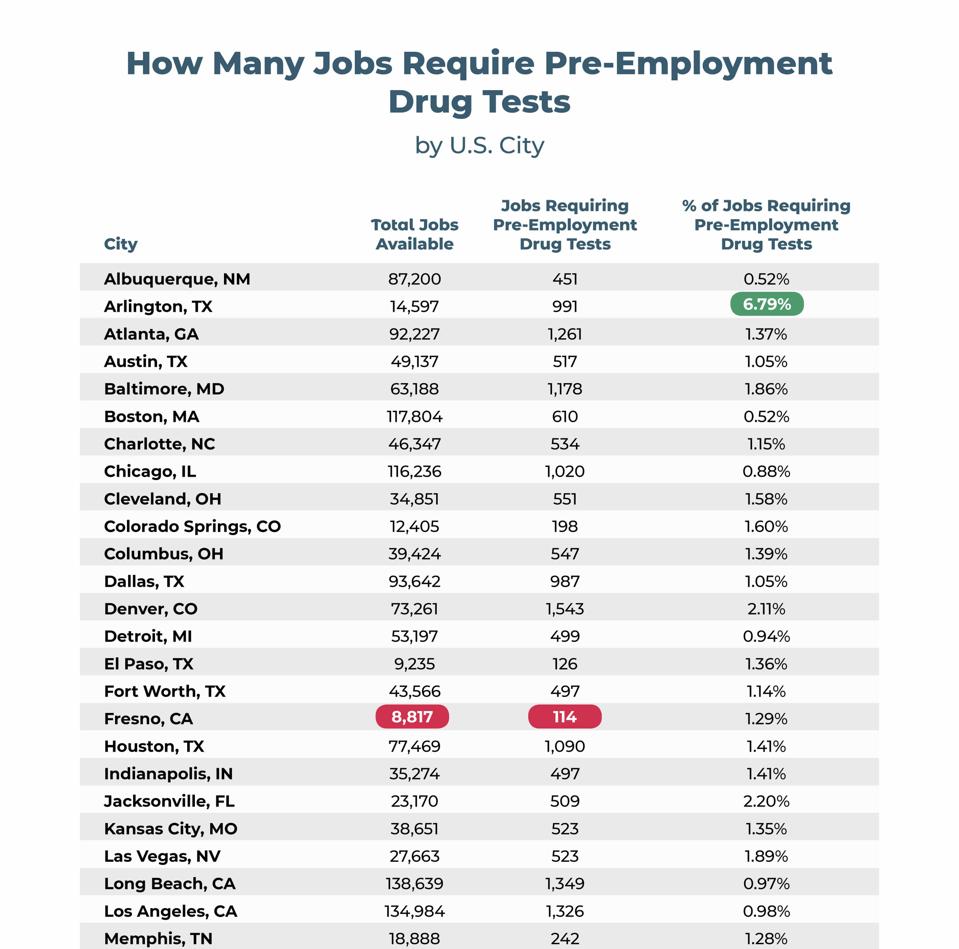
Remarkably few jobs disclose that they require drug testing before confirming employment, or during employment. On average, only 1.47% of job postings in the U.S. mention that they require pre-employment drug tests.
According to a study conducted by Quest Diagnostics Inc., drug use among American employees, as measured by the percentage of employees who tested positive in urine drug tests, hit a 14-year high in 2018, reaching 4.4%.
Cannabis continues to be the most popular substance, with 2.8% of all employees tested showing positive results.
The news led addiction experts at the American Addiction Centers to wonder about the impact this might have on pre-employment drug testing in professionals. Seeking for an answer, they conducted an analysis of job postings on the popular website Glassdoor. They were trying to find out what types of jobs are most likely to include requirements for drug tests, and regular drug screening.
Overall, remarkably few jobs disclose that they require drug testing before confirming employment, or during employment. On average, only 1.47% of job postings in the U.S. mention that they require pre-employment drug tests.
Even fewer jobs disclose that they require regular drug screenings during employment. On average, only 0.66% of job postings mention regular drug testing.
A few of the most likely industries to require pre-employment drug tests were:
Government
Health Care & Hospitals
Manufacturing
Automotive
Transportation & Logistics
Private Security
Aerospace & Defense
Construction
Information Technology
Education & Schools
A few of the most likely industries to require regular drug screenings were:
Health Care & Hospitals
Transportation & Logistics
Government
Automotive
Manufacturing
Information Technology
Insurance
Biotech & Pharmaceuticals
Real Estate
Non-Profit
“Overall, we were surprised that more employers were not up front with the sobriety expectations for their employees, particularly in some of the more manual fields such as manufacturing or construction. Additionally, incredibly few office jobs discuss drug testing in their job postings,” American Addiction Centers experts said during an exclusive conversation.
Now, while drug testing numbers are surprisingly low on average, there’s considerable variation between states.
Still, only one city in the country boasts a number above 2.4%: in Arlington, TX, almost 7% of jobs require pre-employment drug screenings. On the other end of the spectrum was New York City, with just 0.46% of all jobs requiring screenings.
One very surprising discovery made from the data was that Omaha, NE had absolutely no jobs that required regular drug screening according to their job postings. However, according to a study from earlier this year, residents of the city have the highest substance abuse rate in the country. It seems contradictory that a city experiencing a pronounced issue with substance abuse would have absolutely no job postings addressing the issue.
But, beyond city-specific data, one thing is clear: drug testing before or during employment is a thing of the past.
This article was originally published on Forbes/Benzinga, and republished here with permission.
Cannabis growing is a great adventure. You’ll never stop learning, but if you keep these points in mind, you should be off to a flying start.
If you’re considering growing your first ever cannabis crop, congratulations! It’s a massively rewarding thing to do and even experienced growers will feel envy, a little like seeing someone discover a great movie or piece of music for the first time.
However, you are also embarking on a road strewn with traps for the unwary. Here, we highlight some of the more common rookie errors and how to avoid them.
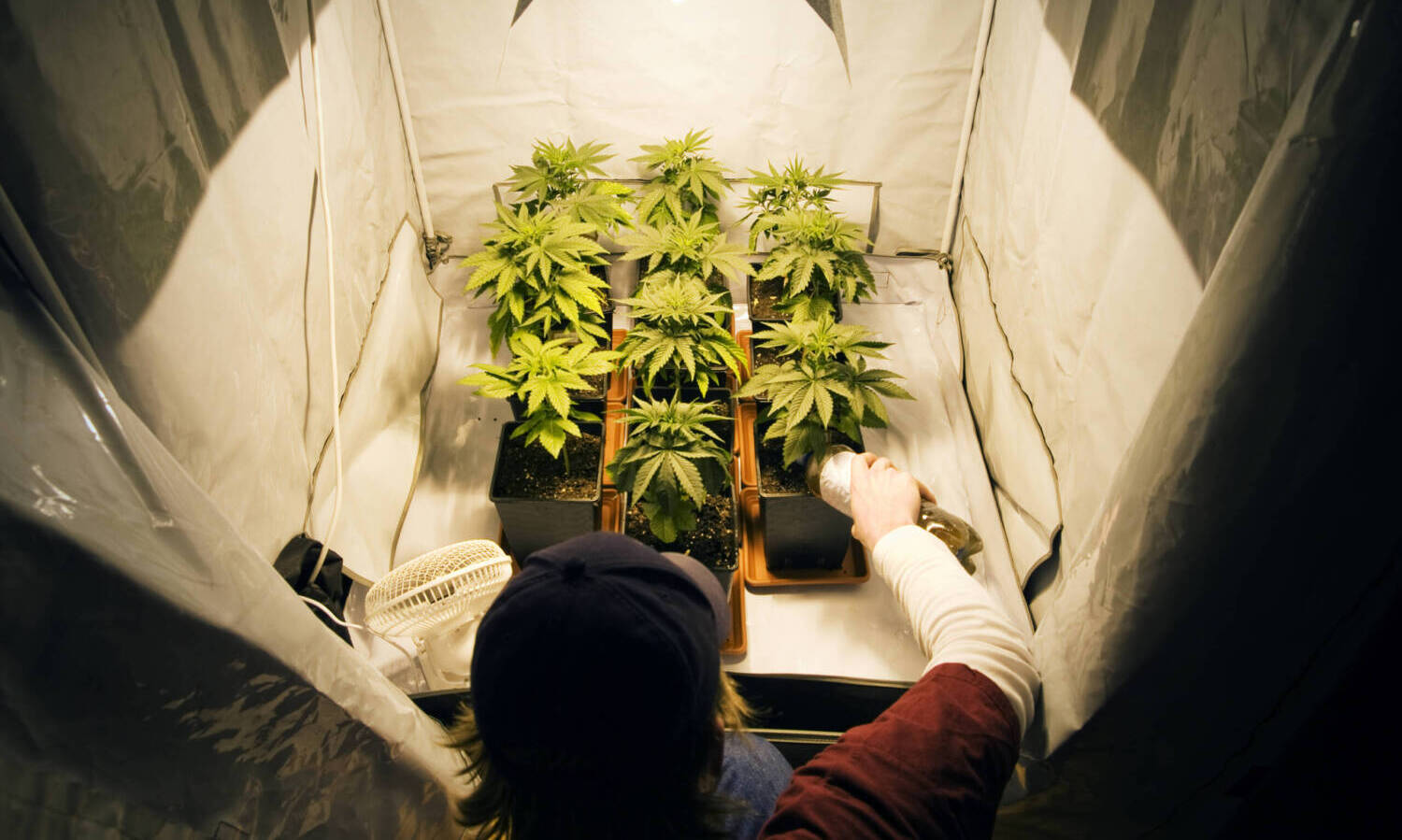
Photo by Jordan Siemens/Getty Images
The Bag Seed of Doom
Oh, it is so tempting. A free cannabis seed that magically appeared in your bag of buds. The buds were great, so surely this will produce a plant that delivers more of the same? Don’t waste your time. The seed could be anything, it’s most likely a male, in which case you won’t get any buds at all, and even if it is not, it’s highly unlikely to produce the same buds that you bought.
Getting off on the right foot starts with having the right seeds, so visit an online seed bank such as Zamnesia and choose the exact type that you want. There will be more than enough surprises on your growing journey without throwing mystery seeds into the mix!
Trusting Luck With pH and Nutrients
Remember what your mother told you about what it takes to grow up big and strong? The same applies to cannabis plants. It’s easy to get overwhelmed by all the nutrient advice that’s out there and the associated acronyms, and you wouldn’t be the first rookie grower to throw your hands up in despair, give the plants a good watering and hope for the best.
Even if you think you’ve got it covered with nutrient-rich organic super soil, it counts for nothing if the pH is off-kilter, as this will prevent the roots from absorbing whatever nutrients are there. Most nutrient problems are actually pH problems, so keep that at the right level and the battle is more than half won. If you are growing in soil, the pH should be between 6.0 and 6.5. With coco coir or hydroponics, aim closer to 6.0, or fractionally below.
Underestimating Light Requirements
Lights are expensive, and so is electricity these days, that is understood. But here’s a word to the wise. If a basic household lightbulb was sufficient, then all the professional growers would be using them instead of their expensive HID and LED set ups!
Younger plants can manage without lots of light, but you need to be able to crank it up when they get to the flowering stage or your buds will be a disappointment. In short, there is a direct correlation between the light intensity and the amount of bud produced. The type of lights you need depend on your personal set up, but if possible, invest in LEDs. They deliver phenomenal intensity without producing heat and are very energy efficient, so you will thank yourself later as they don’t take long to pay for themselves.
Over or Under Watering
It’s easy to make a blunder on the watering, and it’s something that trips even experienced growers up occasionally. An underwatered plant is plain to see. With thin and brittle leaves that feel dry to the touch, the plant will look generally sickly and sorry for itself. Don’t over-react, but increase the watering frequency and when the plant is looking healthier, consider transferring it to a larger pot.
An overwatered cannabis plant has droopy leaves that are curling downwards and might have yellow or brown spots. The problem is not necessarily that you are giving the plant too much water. It could be down to insufficient drainage or even too large a pot.
Getting the watering just right is a fine art, and different strains of cannabis have different needs. The most important tip is to be on the lookout for signs of trouble so you can react quickly.
Photo by DaveLongMedia/Getty Images
Not Enough Ventilation
When you grow indoors, you can be so busy monitoring temperature, humidity and so on that you forget to give your plants a little fresh air. Inadequate ventilation can lead to mold, which in turn, can destroy an entire crop.
Assuming you’re not growing on a large scale, a free-standing fan should be more than adequate to keep the air moving.
Lack of Care
Ventilation is no problem when you grow outdoors, but it does expose you to a whole new set of risks. In short, it boils down to two things: Don’t forget to protect your valuable property and be considerate towards your neighbors.
As far as the first point is concerned, growing cannabis where any passerby can see it is never a good idea, even if you live somewhere where it is perfectly legal. Let’s assume your plant will yield 300g. Average dispensary prices are around $10 per gram. Even in the best neighborhood, you wouldn’t leave a $3,000 car in your yard day and night with the keys in the ignition for all to see. By growing companion plants like chamomile and lavender, you’ll disguise the smell, too.
It’s not just thievery you need to think about. You might have been punching the air with delight when cultivation was legalized in your state, but that doesn’t mean your neighbors felt the same. Keep your plants a respectful distance from boundaries so that they are not obvious to the eyes or nose. That’s doubly important if the neighbors have children.
Harvesting Too Soon
Every new grower finds the first harvest stressful, it’s only natural. Harvesting too early is a shame, as it reduces the overall potency and weight after all your hard work. Be patient and wait till most of the pistils have darkened and started to curl in. Choosing the right moment comes naturally with experience, but if it’s your first harvest, these tips will help you along.
Cannabis growing is a great adventure. You’ll never stop learning, but if you keep the above points in mind, you should be off to a flying start.
The Marijuana Misdemeanor Expungement Act aims to restore justice to millions of Americans who have suffered inordinate collateral consequences associated with marijuana-related misdemeanors.
Congressmen Troy A. Carter, Sr. (D-LA) and Rodney Davis (R-IL) introduced bipartisan legislation on Friday that would create a mechanism for federal misdemeanor marijuana offenses to be expunged, amid a new push for decriminalization at the federal level.
“I’m proud to introduce The Marijuana Misdemeanor Expungement Act, bipartisan legislation that will restore justice to millions of Americans who have suffered inordinate collateral consequences associated with marijuana-related misdemeanors,” said Congressman Carter in a press release. “These misdemeanors — even without a conviction — can result in restrictions to peoples’ ability to access educational aid, housing assistance, occupational licensing and even foster parenting. Delivering justice for our citizens who have been impacted by marijuana-related misdemeanors is a key component of comprehensive cannabis reform.”
Photo by Tetiana Strilchuk/Getty Images
Illinois Congressman Davis added, “Given the number of states, like Illinois, where marijuana has long been legalized for adult use, we must ensure that our criminal justice system keeps pace so that individuals with low-level misdemeanor violations related to its use does not preclude them from getting jobs and participating in society.”
Cannabis Reform Advocates Approve
Cannabis reform advocates, including Weldon Angelos, founder and president of the Weldon Project, Roz McCarthy, founder and CEO of Minorities 4 Medical Marijuana and Dr. Chanda Macias, CEO of National Holistic Healing Center shared their support for the legislation.
“For far too long, millions of Americans have been affected by the lifelong consequences of marijuana-related convictions on their record for simply possessing a small quantity of cannabis,” said Angelos who called the bill life-changing for so many people and their families.
McCarthy called the bill landmark legislation that will allow thousands of Americans to move forward with their lives and maximize their full potential. “Addressing the negative societal & economic effects permeated by marijuana prohibition at both the federal and state level will be critical as we seek to deliver comprehensive cannabis reform in this country.”
Dr. Chanda Macias said it is unacceptable that those who have been convicted of low-level marijuana offenses, often disproportionately black and brown people, continue to have convictions hanging over their heads, “especially as cannabis legalization, research, and reform efforts are more supported by the American people than ever before.”
The chief justice would have one year upon enactment of the bill to promulgate procedural rules for expungement. Each federal district would have up to two years to “conduct a comprehensive review and issue an order expunging, sealing, and sequestering” pursuant to those rules.
Angelos, McCarthy and Macias will all be at the upcoming Benzinga Cannabis Capital Conference in Chicago, Sept. 13-14. Join us there and meet these extraordinary marijuana reform advocates and many more.
A new study claims a common antibiotic can help prevent STDs, which have been on the rise following the pandemic.
As STDs are on the rise, a new study claims that taking a common antibiotic after having unprotected sex can help prevent common sexually transmitted diseases like chlamydia, syphilis, and gonorrhea.
The study, published in the journal Science, was conducted on a majority of queer men and found that the antibiotic reduced the risk of chlamydia and gonorrhea by 60%. Results will be presented at the Annual International Aids Conference in Montreal.
The study involved 544 participants deemed at high risk of STIs. A group of participants was asked to take the antibiotic after having unprotected sex, while another one simply received standard STI tests and treatment. Participants were informed of their group.
The antibiotic is called doxyPEP and it normally has few side effects, commonly used to treat conditions like acne and Lyme disease and can be used to treat parasites like Malaria. The study was so successful in preventing STDs that researchers didn’t have to continue the study. “This is very encouraging,” said Carlos del Rio, an HIV/AIDS clinician at Emory University School of Medicine.
Still, there are some caveats. Researchers think that using the medicine post unprotected sex could develop resistance within the body and stop working as effectively. They also argue that some STDs resolve on their own and have relatively few symptoms and side effects, with antibiotics producing effects in the gut that may be uncomfortable.
Despite the caveats, it’s an important study, one that could lead to real-world results soon, particularly for queer men, a demographic that’s exposed to rising numbers of STDs. Currently, the CDC recommends getting tested for STDs often, getting the necessary vaccines, and using condoms regularly.
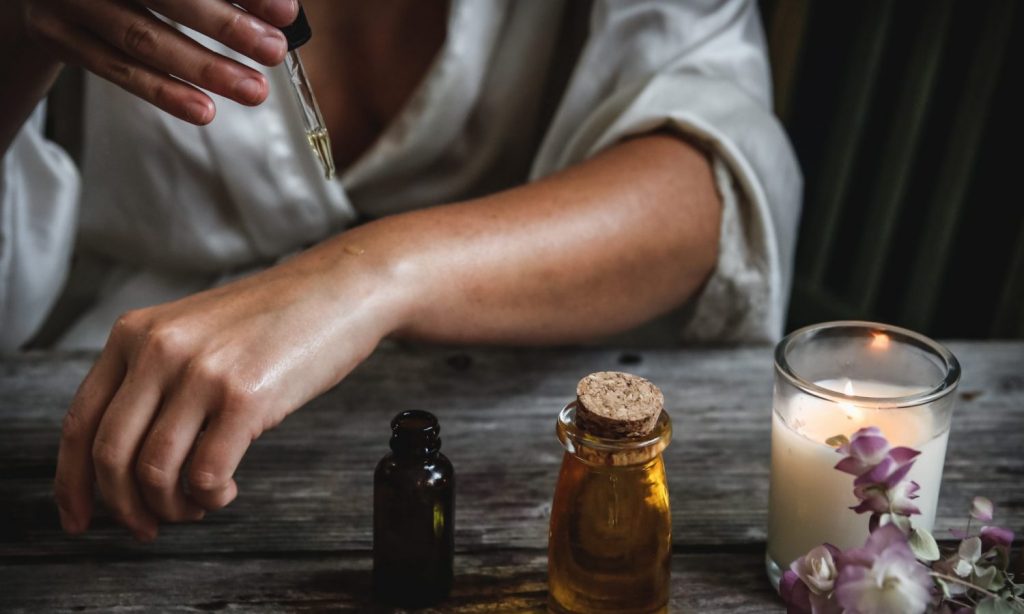
Do you know that there is another unique way the human body can ingest marijuana without smoking, vaping, or consuming an edible? It is an uncommon method through which the medicinal benefits of marijuana can be gained. This method is called aromatherapy.
Some users are always skeptical at first of the healing properties of this technique. But their views often change when they get to know that a plant’s aromatic and flavorful terpenes can be inhaled to gain some of the common benefits gotten from having marijuana.
Photo by Chelsea shapouri via Unsplash
The cannabis plant has a complex mixture of terpenes or essential oils — over 200 — with each amplifying the aroma of the plant. The discovery of the aromatherapy process has given the world a way to exploit the essential oils present in a cannabis plant.
Here, I will be giving a comprehensive guide on terpenes and marijuana aromatherapy: how it works, how it is applied, and the effectiveness of this uncommon practice.
What is Marijuana Aromatherapy?
The term “aromatherapy” fuses two words: aroma and therapy. Aroma means to smell, while therapy is defined as treatment for mental or physical disorders.
Marijuana aromatherapy can be described as the ancient practice of inhaling cannabis-infused essential oils for their healing properties.
Cannabis and its terpenes have healing properties that make the essential oils very potent. This is also because the olfactory system and endocannabinoid receptors are triggered by the cannabis itself. This practice has been in use for several years to help patients with mental disorders like insomnia, paranoia, and heightened anxiety.
Aromatherapists claim that the practice of marijuana aromatherapy utilizes the extracted plants reopened to stimulate, as well as, harmonize the body, mind, and spirit of a person.
How Marijuana Aromatherapy Oil is Made
Cannabis contains a complex mixture of terpenes. Whereas most plants contain just one or two. These terpenes are isolated and identified. After which they are extracted to be and converted into their liquid form.
The extraction process is often carried out through Steam distillation or by the use of a strong solvent. The concentrated specific-terpene liquid can be mixed with another to replicate the intense scent of the marijuana plants.
There are misconceptions that marijuana aromatherapy works the same way ingested cannabis works. This is not so. Aromatherapy does not produce the unique internal molecular action that promotes therapeutic interactions. This is what the usual cannabis consumption does.
What it does instead is that it works through a slight interaction with receptors in the brain and central nervous system.
The availability of terpenes increases the effectiveness of cannabinoids, hence, the more terpenes added, the more potent the mixture becomes.
The weird aspect of this practice is that patients are always drawn to the complex odor of cannabis-infused oils, regardless of how pleasant it is.
When you inhale these terpene-infused essential oils, the receptors process these scents and enacts a relaxation and pain-relieving response from the CNS.
Some of the benefits of marijuana therapy include:
Better skin
Upliftment
Pain relief
Reduced insomnia
Photo by nir_design via Pixabay
Application of Marijuana Aromatherapy
There are several ways this process can be carried out, but the most promising and effective methods for applying marijuana aromatherapy include:
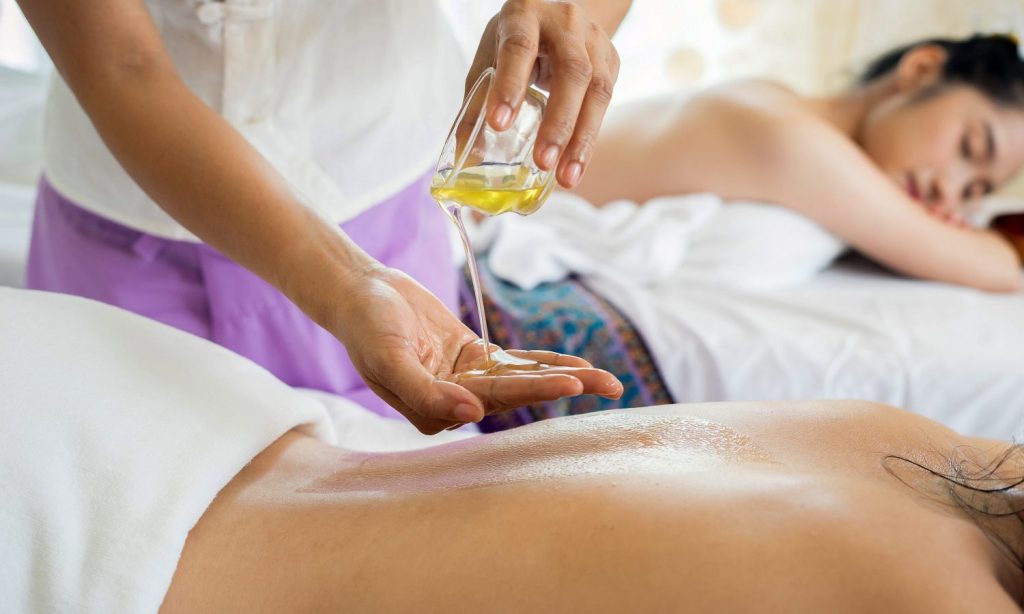
#1—Massaging
Your chances of relaxing after using the cannabis oil on your skin increase. Massaging with the use of cannabis oil provides an up-close interaction that allows you to take in the soothing scents for a time. That is during the duration of the process and even after. With massages, the terpenes will remain on your skin for several hours after the massage.
It is important to state that your cannabis oil must be mixed with either water or another massage oil before applying it to your skin. This is arguably the best way to apply cannabis oil and you can do it in your home with the help of your loved one.
#2—Steaming
Inhale the steam of cannabis oil from a humidifier. You only need to add a few drops of the essential oil into a humidifier.
Experts claim that this method induces a sedative and therapeutic effect, only when it is at the right temperature. The steam can either be warm or cold, but not hot.
#3—Diffusing
A lot of people prefer this method majorly because it is very stress-free and can be used in the home. Add a couple of drops of cannabis oil into a diffuser. At intervals, the diffuser releases the aromatic oils into the room—creating a peaceful and therapeutic environment.
Whenever the room is entered, it will create a change in mood and induce the sedative effects of the oil.
#4—Spraying
You can procure a spray bottle that has been packaged with diluted cannabis oil. This way, you are your aromatherapist. You can also purchase a cannabis oil separately and a prayer separately. This way you get to dilute the oils yourself. You can spray your couch, sofa, or pillowcase whenever you’re feeling down and need to be uplifted. Another creative way is to spray for a handkerchief for ready use whenever you’re out.
Photo by Alan Caishan via Unsplash
Effectiveness of Marijuana Aromatherapy
Marijuana aromatherapy is a potent technique that works for some (not all) medical disorders. When used alone, aromatherapy can only calm you or stimulate your senses. But when it is combined with medical marijuana, it has an intense effect that makes you feel better all-round.
However, it has to be used in the right amount for it to produce satisfying effects and enhance certain aspects of a person’s life. Too much of it can be detrimental.
Researchers are actively working on ways to improve aromatherapy using marijuana extracts.
Some of the important terpenes used for this ancient technique include:
Marijuana Aromatherapy is an effective practice that induces an uplifting and euphoric pattern. It is smokeless and devoid of any unpleasant odors.
The little research carried out on terpenes so far indicates that they have a whole set of properties that would be beneficial to medical treatments in the coming years.
If you reside in a state where cannabis is legal, you can contact your doctor or a seasoned budtender to find out if aromatherapy is something you can experiment with.
New York state businesses will soon start selling legal recreational marijuana. Here’s what you should know about how it works.
New Yorkers will be able to purchase legal recreational marijuana by the end of the year. The process has been long, with many ups and downs, but it appears as though the state has finally figured out how to create a new business that benefits those who’ve been affected by the War on Drugs. Here’s what you should know about New York’s legal market.
Buying marijuana is still illegal, something that’s confusing for anyone living in New York and witnessing the number of retail shops that are around. Still, this is about to change, with the first recreational dispensaries expected to open by the end of the year.
The first licenses to be handed out will be the ones belonging to the conditional adult-use retail dispensary (CAURD) program. These are 150 licenses provided to “justice involved” applicants, who must also have experience owning and running a business. Applicants can submit their information by the end of August. You can read more details here.
More licenses are expected to come out soon, with different requirements for different businesses, which range from weed bars to regular dispensaries. This will all be revealed in the coming months, with applicants being only able to apply for one license at a time.
According to a poll released in March by the Marquette University Law School in Milwaukee, Wisconsin, 61% of the respondents favored the legalization of cannabis. The survey found majority support among Republicans, with 51%, as well as independents (60%) and Democrats (75%). The survey represents “the first time we’ve seen a Republican majority in favor,” said Charles Franklin, director of Marquette University Law School Poll.
The results of the poll contrast with the opposition of top-tier GOP candidates for governor to cannabis legalization. Republican candidates Rebecca Kleefisch, Tim Michels, and Tim Ramthun are pledging to veto any bill that legalizes marijuana for any use, reported jsonline.com on Thursday.
However, more Republican lawmakers and candidates are becoming supportive of legalization. Five out of eight Republicans running to become candidates in the state (State Sens. Patrick Testin and Roger Roth; business owners Jonathan Wichmann and Kyle Yudes; and Dr. David King) are in favor of legalizing marijuana for medicinal use.
During a candidate forum in June, Kleefisch said police officers informed her that marijuana use creates a pathway to more potent drug consumption. “I listen to cops,” Kleefisch said “We know that marijuana is a gateway drug because this is what law enforcement says. We need to stop it where it starts.” Likewise, Ramthun said, “connections in Colorado,” told him about “all new problems” in the state after marijuana use was legalized.
Meanwhile, in an interview in May on WTAQ, Michels said: “I do not support the legalization of marijuana”(…) “I think it’s all a slippery slope. I really do.”