Sunday, December 28, 2025
Home Blog Page 212

Medical Marijuana Enrollment Is At All Time High — Here’s The Reason

Researchers have identified chronic pain as the most commonly listed condition specified on medical cannabis applications.

By Maureen Meehan

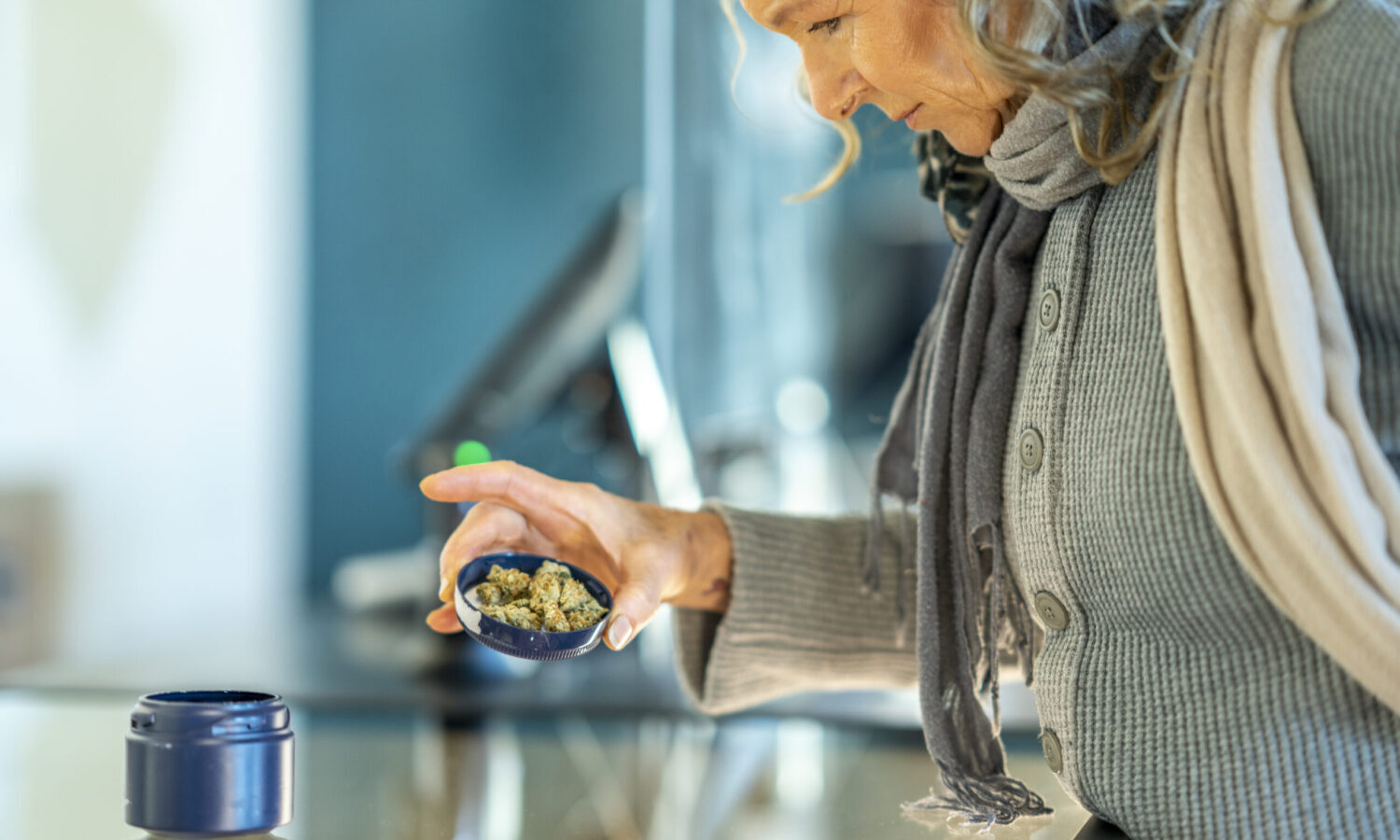
Medical cannabis program enrollment jumped by over four times between 2016 and 2020, reaching nearly three million patients in 2020, according to a new study published in the Annals of Internal Medicine.

Researchers, led by Kevin F. Boehnke, Ph.D. from the University of Michigan Medical School in Ann Arbor, found that increased enrollment was clustered in states that had medical-only cannabis programs, while enrollment declined or stayed the same in the states with fully legal cannabis. At the moment, 37 U.S. states have legalized medical marijuana with Mississippi being the most recent. Eighteen states have legalized recreational cannabis.

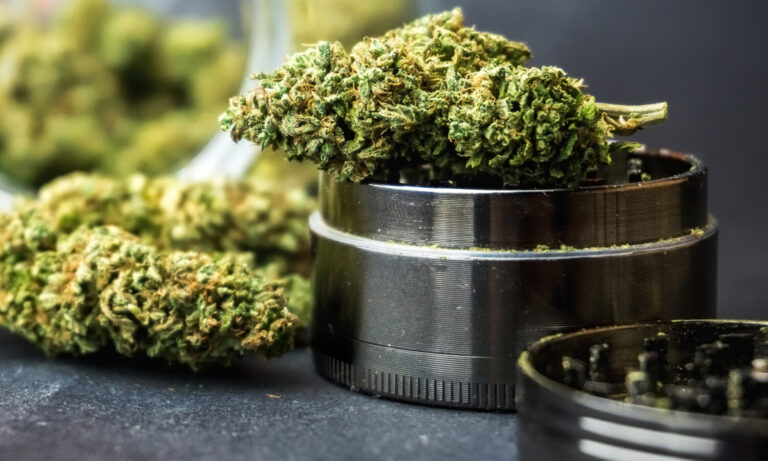
medical marijuana
Photo by LPETTET/Getty Imagess

RELATED: Medical Cannabis For Chronic Pain: Global Task Force Develops New Protocols And Guidelines

The new study also looked at the qualifying conditions that patients list on their application forms. Qualifying medical conditions vary from state to state. Some states have up to 30 conditions to qualify while others allow only several.

“Coherent U.S. cannabis policy would enhance research efforts to guide appropriate medical cannabis use,” the authors wrote. “Thoughtful regulatory and clinical strategies are needed to effectively manage this rapidly changing landscape,” was one of the study’s conclusions.

Chronic Pain Is The Reason

The researchers identified chronic pain as the most commonly listed condition specified on medical cannabis applications.

Most studies on cannabis use look at adult use overall, without separating out medical cannabis enrollment, said Boehnke, a chronic pain researcher at the University of Michigan. He said he wanted to fill that gap.

Boehnke kept asking himself, “How many people are using cannabis for pain? Why are people actually using [medical cannabis]?”

This question compelled Boehnke to undertake the multi-year investigation during which he assiduously gathered data from publicly available reports on state websites, meeting notes, state officials and documents obtained via the Freedom of Information Act.

RELATED: Small Harvard Study Shows ‘Real World’ Medical Cannabis Treatment May Help With Chronic Pain

His goal, Boehnke said, was to find out exactly how medical marijuana was faring in a time when laws and attitudes were rapidly shifting.

“These changing state policies have dramatic effects on how many people might be using cannabis for medical purposes or how they might be able to do so,” said Boehnke, who published a 2019 study on the issue as well.

This article originally appeared on Benzinga and has been reposted with permission.

Do You Qualify For COVID Oral Treatment? Here’s How To Find Out

0

As COVID cases increase across the country, it’s important to know that there’s an oral medicine that can effectively treat the disease.

Paxlovid is an oral COVID antiviral that treats the disease rapidly and prevents the onset of serious symptoms. Surprisingly, the government hasn’t done a great job of informing the public of its existence, resulting in a lot of people not knowing about it.

As COVID cases increase on a national level, it’s important for people to be aware of it, especially if they’re at a higher risk for complications. Here’s what you should know.

Paxlovid was made by Pfizer and it’s a combination of two compounds: nirmatrelvir and ritonavir. One blocks a COVID enzyme that allows the virus to replicate while the other blocks our own enzymes that would prevent this from happening. These compounds are nothing new, having been used in HIV medicines.

23andme Survey Shows Who's Been More Affected By Long Covid
Photo by Annie Spratt via Unsplash

RELATED: Drug That Can Treat COVID Is In Circulation, Even If Many Don’t Know It Exists

An important thing to know about this drug is the fact that it needs to be taken within 5 days of experiencing symptoms. In order for it to work, people must seek it out the minute they think they have COVID.

According to the CDC, the medication is approved for a variety of people, all of whom must be at least 12-years-old and weigh a minimum of 88 pounds. More specifically, it’s allowed for people with conditions like cancer, chronic diseases, diabetes, being overweight, smokers, and more.

It’s a highly accessible drug although it does need a prescription for people to be able to purchase it. The process of acquiring it works differently depending on your state, but some allow people to get a COVID test in a pharmacy and get their Paxlovid prescriptions right away or even facilitate home delivery of the medicine.

RELATED: Social Isolation Is Associated With This Condition

While Paxlovid is FDA approved and is considered safe, there are a few risks associated with it. It can interact with other medications, so it’s important to ask your doctor about any possible drug interactions and their risks. Side effects are rare but they include muscle aches, diarrhea, increased blood pressure and more.

Will Germany Legalize Recreational Cannabis In 2022? New Push In Motion

The push to legalize the sale of recreational marijuana in licensed shops is part of a series of reforms proposed in last year’s coalition deal between three socially liberal parties in the government.

By Jelena Martinovic

Germany is inching toward legalizing recreational cannabis as the government seeks to have the process completed by the end of 2022, reported U.S.News.

Germany decriminalized medical cannabis in 2016 and in November 2021, leaders of the incoming parties stated they had a formal agreement to legalize marijuana.

germany
Photo by Igor Flek via Unsplash

RELATED: How Germany Can Enter The Adult-Use Cannabis Market Successfully

Now, the Health Ministry plans to kick off with five expert hearings on various aspects of the issue on Tuesday. The hearings, which will be held by the end of the month will focus on the best ways to protect young people and consumers’ health, said drug czar Burkhard Blienert.

“Like many others, I have worked for years toward us in Germany finally ending the criminalization of cannabis consumers and beginning modern and health-oriented cannabis policy,” he said.

The governmental health department announced Monday that over 200 representatives from the medical, legal and other fields will participate, as well as various government officials and international experts.

The push to legalize the sale of recreational marijuana in licensed shops is part of a series of reforms proposed in last year’s coalition deal between three socially liberal parties in the government led by Olaf Scholz, who took over from Angela Merkel as chancellor in December.

The plan also includes the examination of the ‘social effects” of the new legislation after four years.

Germany
Photo by Maheshkumar Painam via Unsplash

RELATED: Germany To Legalize Cannabis Sales — A Move That Could Bring $3.85B In Annual Tax Revenue

The legislation is poised to be drafted in the second half of 2022, once the hearings with experts wrap up.

The German Health Minister, SPD-affiliated Karl Lauterbach said earlier that he wants to put cannabis reform on the summer legislative agenda.

Quoted in German media, Lauterbach said he’s “changed his mind about this in the past two years…I’ve always been an opponent of cannabis legalization, but I revised my opinion about a year ago.”

This article originally appeared on Benzinga and has been reposted with permission.

Is It Safe To Use Cannabis With ADHD Medications?

At the end of the day, the safety of cannabis is based on how it’s used, and when you put other meds in the mix, it may no longer have the same safety profile compared to its use alone.

This article originally appeared on Cannabis.net and has been reposted with permission.

Attention deficit hyperactivity disorder (ADHD) drugs are extremely popular in high school and college campuses around the country.

These medications, such as Adderall, Ritalin, and Concerta, have gained the reputation of being “study drugs”. While originally intended to treat the effects of ADHD, these medications are illegally making their way through campuses, and these dangerous, addicting drugs are in the hands of young adults even without prescriptions or an ADHD diagnosis.

Can CBD Be Used To Treat ADHD Symptoms?
Photo by Katja Kircher/Getty Images

Kids get these drugs from family members, friends, or black market dealers. Unknowingly, a great deal of them, as well as adults, find that there is recreational benefit to mixing ADHD drugs with marijuana. Combining ADHD drugs with weed can surely bring about a euphoric and blissful feeling, but at what cost?

Adderall

Adderall is the most widely used prescription drug for combating attention deficit hyperactivity disorder (ADHD). This stimulant is notorious for its addictive properties, which has even been compared to meth.

After all, Adderall is essentially amphetamine, which is the chemical foundation for methamphetamine. Adderall is a combination of amphetamine and other chemicals yet it works in the brain in the same way meth does. It has been known to induce terrible side effects on its own including but not limited to:

  • Difficulty breathing
  • Chest pain
  • Hostility
  • Aggression
  • Lightheadedness
  • Seizures
  • Changes in eyesight
  • Nausea
  • Stomach pain
  • Increased heart rate
  • Difficulty sleeping

And many more.

However, Adderall continues to be one of the most abused drugs in the United States. Many claim that Adderall makes them feel good, which it does so temporarily because it increases the levels of norepinephrine and dopamine in the central nervous system. Adderall can also cause the body to produce abnormally high levels of dopamine, which is responsible for the feel-good reward mechanism in the brain, causing people to easily get addicted to it.

Adderall is an upper, while marijuana is a downer. Unfortunately, mixing these two is never recommended yet this hasn’t stopped people from doing so, in a combination sometimes called weederall.

Ritalin

Ritalin is another popular ADHD drug that works similarly to Adderall. It’s also a central nervous system stimulant. However, it has unfortunate side effects, which include:

  • Paranoia
  • Numbness in toes or fingers
  • Hostility
  • Paranoia
  • Aggression
  • Hallucinations
  • Chest pain
  • Difficulty breathing
  • Excessive sweating
  • Increased heart rate
  • Mood swings

And much more. The same is true for Concerta or other ADHD medications.

prescription drugs
Photo by James Yarema via Unsplash

A Dangerous Cocktail

Consuming marijuana does have interactions with other drugs in the human body, and ADHD medications are no exception. It’s known that these drugs stay in the system anywhere from up to 24 hours long, so one would have to stay off limits from the drug for up to 3 days for it to be completely eliminated and be safe enough to consume weed.

RELATED: Marijuana Users With ADHD Use Less Prescription Drugs

Some users may find that while they are able to make use of the cognitive benefits offered by ADHD medications, marijuana is effective in tapering out the side effects of the drug such as irritability or insomnia. It can even provide a blissful, euphoric high but the risks simply outweigh the rewards. But no matter how safe some people claim it to be, there is always a huge risk involved when combining marijuana with other substances.

One is a stimulant, the other is a depressant. While there is a dearth of studies examining the dangers between Adderall and weed, the data we have on each of these medications is sufficient to advice against it.

This is what can happen when you mix both marijuana and ADHD drugs at the same time:

  • Extreme stimulation: The heart rate can increase to dangerous levels, which is bad enough for people who already have existing heart conditions. While some people’s cardiovascular systems can handle it, this can be a devastating occurrence for others and it can lead to permanent heart problems or even death.
  • Arrythmia: Irregular heart rate and arrythmia can occur as a result of mixing the two drugs. One can easily overdose on Adderall when you add marijuana to the mix.
  • Existing mental health problems can worsen: For anyone who already struggles with ADHD, schizophrenia, anxiety, or just about any other mental disorder, mixing the two can result in delusions and hallucinations — not the fun kind.
prescription drugs cannabis
Photo by FatCamera/Getty Images

RELATED: Is Mixing Cannabis And Prescription Drugs A Good Idea?

Marijuana is a medicine that works best alone in the human body. We have endocannabinoid receptors that bind to the molecules in the plant, working their healing properties when we consume THC, CBD, or a combination of both in any way. Whether you mix it with other relaxants or stimulants such as ADHD drugs, it can cause unwanted effects on the human body — even at supposedly safe dosages — that can lead to death. So just because your friend is having a great time mixing marijuana with ADHD drugs doesn’t mean that it would have the same effect on you.

These days, there’s so much hype about marijuana because it’s widely used and considered among the world’s safest medical and recreational drugs. At the end of the day, its safety is based on how it’s used, and when you put other meds in the mix, it may no longer have the same safety profile compared to its use alone.

This article originally appeared on Cannabis.net and has been reposted with permission.

Binge Drinking Linked With Higher Odds Of Developing This Disease

0

A new study shows that the way in which drinks are consumed is more important than the number of drinks that are consumed on a weekly basis.

According to the National Institute on Alcohol Abuse and Alcoholism (NIH), bring drinking is defined as consuming over 5 or 4 drinks within a two-hour span, increasing their blood alcohol levels past 0.08%.

But if that sounds like an average Friday night to you, listen up. A new study, conducted by researchers from the University of Texas and published in the American Journal of Preventative Medicine, reveals that moderate drinkers who participate in binge drinking are more likely to develop alcohol problems when compared to drinkers that consume the same amount of alcohol but don’t binge it.

This Drinking Habit Could Be Good For Your Health
Photo by Stanislav Ivanitskiy via Unsplash

RELATED: Alcohol-Related Deaths Increased By This Much During The First Year Of The Pandemic

Researchers analyzed a national sample of U.S. adults, finding that moderate drinkers that participated in binge drinking were five times more likely to experience multiple alcohol problems within a decade. The data was gathered via surveys from over a thousand people aged 30 and older, and taken on two separate occasions, with there being a 9-year gap in between.

Researchers were surprised to find that most cases of binge drinking occurred in people who were average or moderate drinkers, thus escaping public health scrutiny.

“An individual whose total consumption is seven drinks on Saturday night presents a greater risk profile than someone whose total consumption is a daily drink with dinner, even though their average drinking level is the same,” explained Dr. Charles Holahan, lead author of the study.

The study highlights the problem with binge drinking and shows that the number of drinks in a week overall isn’t as impactful as the manner in which the drink is consumed. A lot of people may think that because they consume less than a certain amount of drinks a week, they’re safe from the negative impact of alcohol, without accounting for how they consume them.

RELATED: Doing This At Any Level Increases Your Risk Of Heart Disease, Finds Study

NIH stats demonstrate that while teens and young adults are decreasing their binge drinking patterns, older adults and women’s numbers are increasing. Ten-percent of adults over the age of 65 have reported binge drinking over the past month. In the case of women, the situation is more concerning, with one in four having engaged in binge drinking over the past month, resulting in an average of three binge episodes a month.

Lawmakers Discuss Cannabis Bill That Would Have It All — Banking, Research, Veterans

Could the tactic of slipping other issues into bills that lawmakers want to pass turn the tide for cannabis legalization? Perhaps.

By Nina Zdinjak

Will there be an omnibus cannabis legalization bill enacted this year in the U.S.? According to recent discussions, anything is possible.

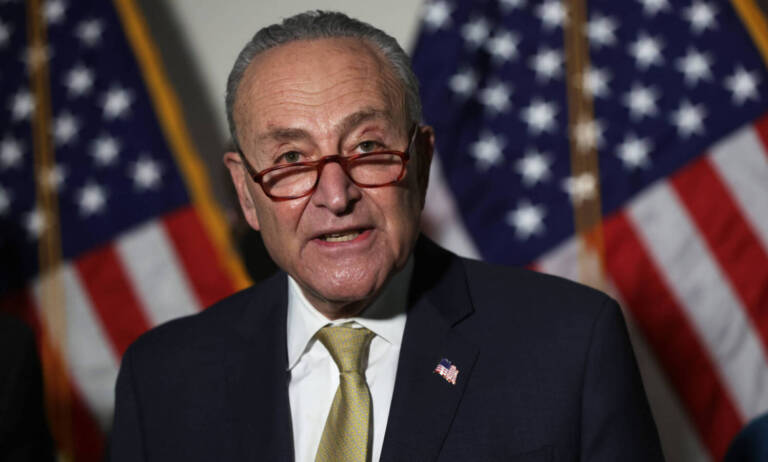
On the heels of a recent discussion between Sen. Chuck Schumer (D-N.Y.) and GOP House Rep. Dave Joyce (R-OH) on possible bipartisan cannabis reform steps that can be taken ahead of the finalization of a comprehensive legalization bill, Marijuana Moment revealed that it has been considered much more than just banking and expungements reforms.

marijuana legalization
Photo by RODNAE Productions via Pexels

During a preliminary conversation that took place Thursday at an International Cannabis Bar Association conference, Schumer and Joyce discussed combining two already existing bipartisan bills — the Secure and Fair Enforcement (SAFE) Banking Act, from Rep. Ed Perlmutter (D-CO), and the Harnessing Opportunities by Pursuing Expungement (HOPE) Act. The HOPE Act, sponsored by Joyce and Alexandria Ocasio-Cortez (D-NY), would help states expunge criminal records for people with convictions for non-violent cannabis offenses by setting up a State Expungement Opportunity Grant Program.

Other important proposals such as those that cover veterans’ medical marijuana access, research expansion, cannabis industry access to Small Business Administration (SBA) programs, and broader drug sentencing, were also considered, as multiple sources told the outlet.

What’s more, those four concerns — financial services, research, medical marijuana for veterans, and expungements — are only a part of the issues being discussed. An anonymous source said a final compromise has not yet been reached and that hypothetical talks are ongoing.

Something For Everyone – SBA Loans, EQUAL Act 

As for a proposal to allow marijuana companies to access SBA loans and services, pushed by Sen. Jacky Rosen (D-NV) in a letter urging the appropriations committee to allow this, was also discussed. A congressional source told Marijuana Moment that Rosen spoke with Schumer about her efforts to push for the proposal.

To complicate matters and make the potential omnibus bill even more compelling to both parties, talks about a non-cannabis proposal was thrown into the mix. Namely, the EQUAL Act to eliminate the federal sentencing disparity between crack and powder cocaine, which has been considered to have aggravated racial disparities in the criminal justice system. The measure was already approved in the House as a standalone and has notable bipartisan support in the Senate.

RELATED: Why Chuck Schumer Might Act On Cannabis Banking Sooner Rather Than Later

“These talks are very serious,” a source involved in criminal justice reform said. “I would say this is one of the most serious bipartisan, bicameral conversations that we’ve seen occur in our time in this space.”

marijuana legalization
Photo by Olena Ruban/Getty Images

Perlmutter stressed the importance of the SAFE Banking Act becoming law this year. “As I’ve said before, I continue to pursue every possible avenue to get SAFE Banking signed into law this year. That effort includes ongoing conversations with senators who want to advance cannabis reforms,” Perlmutter told Marijuana Moment last Friday. “There are a number of bipartisan cannabis bills on the table, many of which could pass the Senate today if given the chance. I plan to continue working to ensure the SAFE Banking Act and/or other necessary cannabis reforms get across the finish line this year.”

RELATED: Nancy Mace Or Chuck Schumer: Whose Cannabis Reform Bill Are Big Weed Companies Supporting?

Could this tactic of slipping other issues into bills that lawmakers want to pass turn the tide for cannabis legalization? Perhaps.

There is a risk of complicating any forthcoming legalization law, which is already complex as each state has its own trials and tribulations with their programs as they learn from their own and each other’s mistakes. Only time will tell.

This article originally appeared on Benzinga and has been reposted with permission.

Major GOP Players Battle For And Against Cannabis In 2022

With the current state of uncertainty in the country and in the GOP, November elections may provide some answers as to which direction cannabis legalization is headed in this country.

The 2022 midterm elections are in full swing, and there is nothing that causes friction and clashes on issues quite like an election season. This year, the pile of political issues seems to grow by the day, and each new issue has conservatives and liberals more and more at odds.

There are even a few issues that are creating a fork in the road among conservatives this election season. As major GOP players emerge in 2022, politicians both seasoned and new are taking vastly different stances on cannabis legalization. These differing stances also seem to represent two different futures of the GOP. The midterm elections may help shed light on which type of Republican party voters are looking for moving forward, and also how the conservative base really feels about cannabis legalization. 

marijuana legalization
Photo by FatCamera/Getty Images

RELATED: Marijuana And The Midterms — What You Should Know

One of the most notable GOP candidates when it comes to the future of cannabis and the GOP is Rep. Nancy Mace. Mace has made headlines for many reasons, but most notably for being a conservative who is sponsoring cannabis legalization legislation. The States Reform Act is a bill that would decriminalize cannabis. 

Mace faces Katie Arrington in this Tuesday’s primary. Cannabis policy is not the only thing these two clash on. Arrington is backed by former President Trump, while Mace “blamed Trump for the deadly Jan. 6 Capitol riot, ” according to Politico. In fact, Trump has gone so far as to call Mace “nasty, disloyal, and bad for the Republican Party,” according to the article.

While Arrington has Trump’s backing, Mace and her cannabis bill have their own backing. “Mace already has one of the most powerful conservative groups in the world in her corner: Charles Koch’s Americans for Prosperity,” according to Forbes. Mase also has the backing of Nikki Baley, a possible presidential candidate, and Trump adversary. The Mace and Arrington battle is just one of many races where GOP candidates have two very different visions of the future, and each have powerful conservatives forces behind them.

While South Carolina is a classic example of how the GOP is having an internal battle, there are other conservative states where cannabis is coming to the surface in politics. South Dakota, for example, may have its own day of reckoning with cannabis in November. 

marijuana legalization
Photo by FatCamera/Getty Images

RELATED: 10 Red States That Are Going Green In 2022

South Dakota voters approved a ballot measure to legalize cannabis in 2020, but the current Governor, Kristi Noem (who is up for re-election), shut it down shortly after. While Noem supported legalizing medical cannabis, this year she vetoed further legislation that would remove marijuana-related offenses from a person’s background check. “Even with the legalization of medical cannabis, there must remain consequences for using illegal drugs at a time when the use and possession of marijuana, even for alleged medical purposes, was illegal,” according to her official statement. Noem is also rumored to have her own 2024 presidential ambitions.

Noem will not only face re-election in November, but another ballot initiative. That’s right, there is a new (and improved) cannabis legalization bill on this year’s ballot. That means in November South Dakota voters will be able to definitively voice their opinions on cannabis, and how its legislation has been handled in their state.

Cannabis is just one issue in a year where major American rights are on the table. Still, as certain GOP candidates draw lines in the sand and align themselves on either side of this issue, it will be interesting to see how each state votes. With the current state of uncertainty in the country and in the GOP, November elections may provide some answers as to which direction cannabis legalization is headed in this country.

Schumer or Mace, Whose Cannabis Reform Bill Is Better?

Whose legalization bill and by extension which congressional candidates are executives of the U.S.’s highest-valued cannabis companies supporting?

By Maureen Meehan

Federal cannabis reform will be created in the image and likeness of whichever political party is in office when it finally happens. But the buzz question now is Schumer or Mace, whose cannabis reform bill is better? And which one is the industry going to support?

And don’t we know it. In fact, last week Bill Maher bemoaned that “Republicans are going to steal the issue, I think eventually.” The Real Time talk show host, who was speaking with former attorney General Eric Holder, is probably right.

legal marijuana
Photo by Dmitriy83/Getty Images

Why? 

Republicans, with their keep taxes low and government regulation to a minimum approach, might be better equipped psychologically and practically to legalize cannabis, their conservative Christian wing notwithstanding.

Whereas the Dems are more disposed to taxes, regulations and, to their credit, a strong emphasis on social equity and justice as seen by an across-the-board push for expungement, their prohibitionist President notwithstanding.

How Do We Know This?

Just take a look at the two major cannabis reform proposals — one from each party — that have been circulating in and out of the halls of Congress as well as state legislatures.

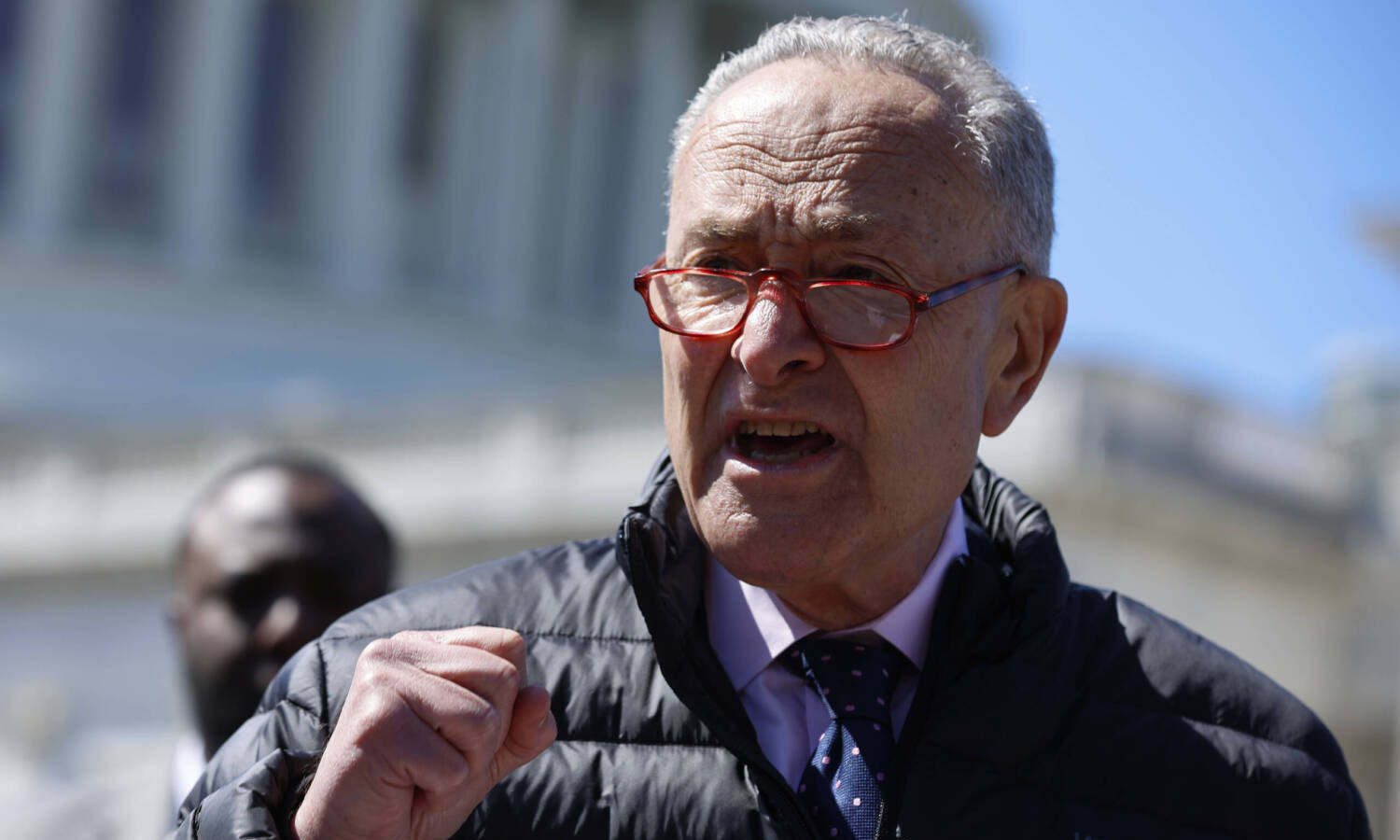
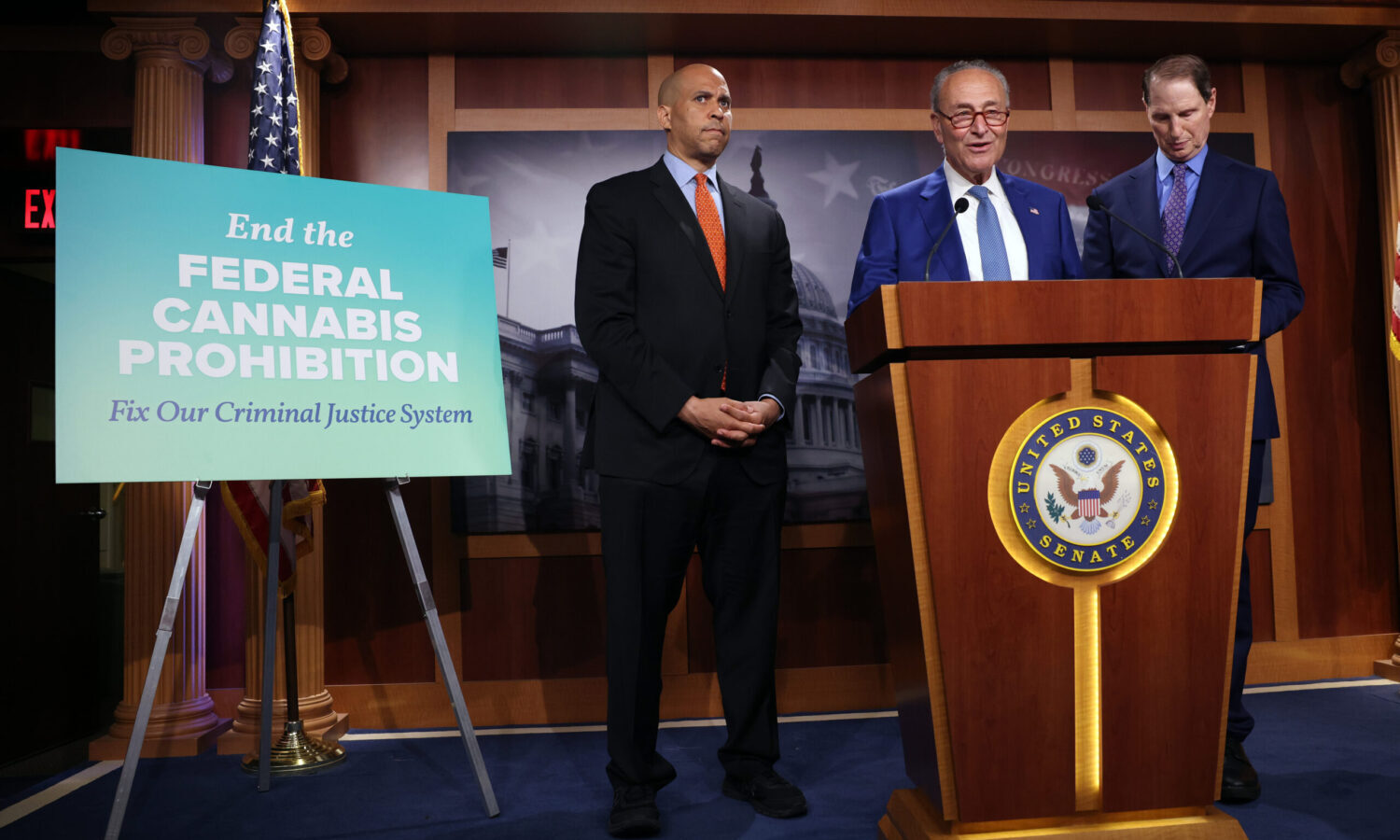
Senate Majority leader Chuck Schumer along with Sens. Cory Booker and Ron Wyden launched their Cannabis Administration and Opportunity Act (CAOA), which will, we’re told, be introduced in August after several false starts.

RELATED: Why Chuck Schumer Might Act On Cannabis Banking Sooner Rather Than Later

Then there’s Rep. Nancy Mace’s (R-SC) States Reform Act (SRA), which when introduced in 2021 was warmly greeted.

Both bills would remove cannabis from the Controlled Substances Act, thus legalizing it federally…a good start. Many in the industry concur that the Dems’ CAOA leans more toward social justice and therefore enjoys support from the Marijuana Justice Coalition, which includes the ACLU and Human Rights Watch.

Mace’s SRA is more big-business centered and enjoys the backing of the Cannabis Freedom Alliance, which includes the Koch-funded group Americans for Prosperity.

could marijuana legalization unite a divided country
Photo by strelov/Getty Images

RELATED: Sen. Lindsey Graham Open To Medical Marijuana, Rep. Nancy Mace Votes Against MORE Act

So, whose legalization bill and by extension which congressional candidates are executives of the U.S.’s highest-valued cannabis companies supporting?

If you guessed Nancy Mace, go to the head of the class.

Cannabis Wire did some digging into the Congressional campaign contributions made by executives of the following multistate operators:

Ascend Wellness

Ayr Wellness

Canopy Growth

Columbia Care

Cresco Labs

Curaleaf Holdings

Green Thumb Industries

TerrAscend

Trulieve

Verano Holdings

Of these companies, six CEOs made a campaign contribution in 2022. Four of them gave to Mace alone. One gave to Mace and to Gary Chambers, a Democrat from Louisiana who is running for Senate. And one gave only to Chambers, who made headlines in January when he smoked a joint in one of his campaign ads.

So yeah, Bill Maher might have a point.

This article originally appeared on Benzinga and has been reposted with permission.

6 Tips For Improving The Density Of Your Cannabis Buds

With these six tips, you should be able to produce the more desirable, dense cannabis buds, and enjoy the fruit of your labor.

Buds that come out popcorn-sized are quite disappointing to see, especially following proper germination, a lengthy flowering stage, and weeks of vegetation — not to mention all the hours taken to attend to your buds. Here are some insights on how to prevent such results and instead grow buds with admirable density.

marijuana crop
Photo by Lealnard Riengkaew / EyeEm/Getty Images

1. GENETICS IS THE STARTING POINT

Genetics is an important factor in the cultivation of dense buds. There are over a hundred common marijuana cultivars, all of which have features that are slightly different. Some act as energizers and others perform a stoning effect. Some remain low to the soil and bushy, others grow to lofty heights. The density of buds also differs between strains.

Genetically, there are cultivars wired to give fluffy, airy buds. This doesn’t mean that they are of lower potency, though it affects their attractiveness. Sativa varieties often give airier buds, whereas the indica’s often give compact and thick colas.

In the quest for having the densest flowers, a heavily indica-dominant hybrid or preferably pure indica specimen is the best place to start. There is a wide inventory of genetics in India that differ hugely in flowering time, effect, and taste.

2. REGULATE THE TEMPERATURE

Temperature plays a huge role in the size and shape of cannabis buds. The plants can withstand temperatures as hot as 30°C and blossom under a moderately wide range of temperatures, i.e 18-26°C. Although, if temps go outside the ideal range due to heatwaves or cold snaps, buds will begin to go nuts and get airy.

Planters need to make sure temperatures stay adequately cool during the day and warm enough at night. Those who plant indoors are at an advantage here, as it’s easier to control the climate in grow rooms. One can make it automated by using timers and sensors, or simply fans, air conditioners, a hygrometer, and heaters.

Outdoor planters possess less freedom and remain subject to the elements. Shade cloths are erected around their plants to prevent excess heat.

3. LIGHT SPECTRUM AND INTENSITY ARE IMPORTANT

The most crucial factor in attaining dense buds is probably light. It’s required by plants to grow, create vital sugars, and conduct photosynthesis. Although, not just any light will suffice. Plants require ideal intensity and the correct spectrum of light to produce resinous, plump flowers.

Outdoor-grown plants will perform optimally in direct sunlight for the majority of the day. 10-12 hours is ideal. To maximize exposure, planters should target planting them on slopes that face the south. Plants should be spaced in a way that they have an adequate broom between them and do not obstruct each other’s light

Those who grow indoors can choose between different types of light. LEDs are one of the best. They put off minimal heat, are powerful, and are not expensive to run, the only drawback being the acquisition cost if you decide on panels of high quality.

marijuana nug
Photo by Christina Winter via Unsplash

Planters should target a 1000W light intensity per square meter. This intensity will suffice to optimize the steady growth of the plant and produce dense flowers. Growers need to be conscious of the position of their lights. Positioning them very far will decrease the speed of photosynthesis. But, positioning them too near also can decrease bud density and cause heat stress.

If you use LEDs, place them 60cm over your plants. Bring the source of light closer daily. If you start to conserve signs of bleaching, lift the light 5cm gradually till symptoms decline.

4. TRIM, TRAIN, AND PRUNE

If you leave your plants to their own devices, they tend to grow vertically, producing one main cola. This is not ideal if you’re planning on increasing the flower density and yield. Fortunately, various techniques can help improve the appearance and quality of your plants.

One of the most effective techniques that can help improve the appearance and quality of your plants is low-stress training. This method involves tying down the main stem of the plant with garden wire to the side of the container. The side branches then start to grow vertically, producing a variety of main colas.  You can also use High-stress techniques like topping to enhance bud density and boost ramifications.

Pruning can also be done to improve growth, shape, and flower quality. By taking out selected branches and leaves, growers focus energy and resources on the flowers instead.

5. DON’T HARVEST HURRIEDLY

We understand that harvest time is exciting! You’ve seen your plant grow from fragile seedlings to flowering beauties for months. Novice growers tend to pull the shoots away from the plant as soon as possible. This is fascinating, but it’s important to wait for the right time. The buds grow rapidly during the flowering period and can be densified by just waiting a few days longer. There are several factors that you need to be aware of to know if the timing is right. Use a magnifying glass or jeweler’s loupe to help you see them.

RELATED: Is All Weed Basically The Same? Here’s What Scientists Recently Found

The harvest indicator is the color of the trichome. These are crystal structures that cover the surface of buds and sugar leaves. In the early stages of flowering, the trichomes appear translucent. Eventually, it will be cloudy. When most of the trichomes are cloudy, it’s time to harvest.

Growers should also pay attention to the pistil, which is a hair-like structure found throughout cannabis flowers. The young pistil is white, but when ripe it turns orange-red or brown.

marijuana research
Photo by Aleksandr_Kravtsov/Getty Images

6. CONTROL THE NUTRIENTS CAREFULLY

Cannabis needs a wide range of nutrients to develop well, including macronutrients like phosphorus, potassium, and nitrogen, and micronutrients like manganese and zinc. Plants begin to exhibit deficiency symptoms if they don’t get or can’t access enough nutrients. However, excess nutrients can also injure the plate and lessen bud density.

RELATED: Is There Really Any Difference Between Cannabis Grown Indoors Vs. Outdoors?

Planters should apply nutrients as recommended by the product. Again, play safely and give 50% of the recommended amount in the early stages of nutrition. The pH of the soil should be slightly acidic to avoid deficiency. Introducing beneficial microorganisms into the soil, like mycorrhizal fungi, helps plants access the nutrients they need.

With these six tips that have been highlighted above, you should be able to produce the more desirable, dense cannabis buds, and enjoy the fruit of your labor.


This State Is First In Nation To Ban Synthetic Weed Products: Delta-8 Is Out Starting In July

The ban goes into effect this July, but starting in July 2023, only the sale of synthetic cannabinoids will be allowed in OLCC-sanctioned cannabis shops.

By Maureen Meehan

Oregon is set to become the first state in the union to ban synthetic cannabinoids beginning in July.

State regulators with the Oregon Liquor and Cannabis Commission (OLCC) say they’re restricting sales of the products over concerns about the chemicals used in their production.

smoking marijuana joint
Photo by Jose Luque / EyeEm/Getty Images

What Are Synthetic Cannabinoids?

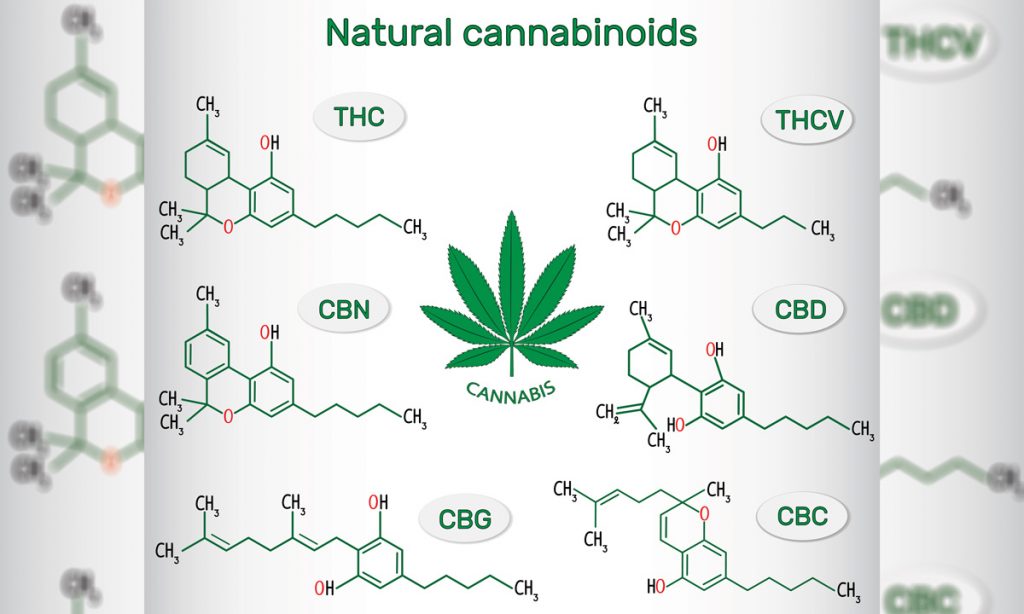
Cannabinoids are compounds found in cannabis. A chemical process can be used to isolate them or create them synthetically in abundant quantities, which are used in consumer products. In that the synthetic cannabinoids don’t contain THC, they’ve gone mostly unregulated, which means products like CBN can be sold on the open market, including at supermarkets, gas stations and other retailers.

RELATED: Arizona Lawmakers Seek To Ban Delta-8 THC Products — Here’s Why

The best-known synthetic cannabinoid is delta-8 THC. The Centers for Disease Control warned consumers last year that there had been more than 100 delta-8 exposures that required hospitalization in just six months across the country in 2021.

Delta-8, like CBD and CBN, occurs naturally within the plant. However, since it exists in very small amounts, a chemical process is used to extract it from CBD.

RELATED: Federal Court Rules Hemp-Derived Delta-8 THC Is Lawful

“The supply of CBD was outstripping the demand for CBD,” said Steven Crowley, the hemp and processing compliance specialist with the OLCC. “And so, the people who had CBD on hand were looking for other ways that they could market it. People started working on different products that they could convert the CBD into. This is where you get the delta-8 THC products.”

The ban goes into effect this July, but starting in July 2023, only the sale of synthetic cannabinoids will be allowed in OLCC-sanctioned cannabis shops after the products undergo rigorous and expensive testing and receive approval from the FDA.

This article originally appeared on Benzinga and has been reposted with permission.

Don't Miss Your Weekly Dose of The Fresh Toast.

Stay informed with exclusive news briefs delivered directly to your inbox every Friday.

We respect your privacy. Unsubscribe anytime.