In Maine, marijuana consumers are turning to legal sources over the black market, an achievement for the state and for cannabis proponents.
Marijuana proponents argue that establishing a legal cannabis industry is an effective way of curbing black market marijuana and preventing its risks. While cannabis industries around the country are relatively new, and black market businesses have years of advantage over them, Maine appears to be reaping the benefits of the legal cannabis industry.
According to a new report from the state’s Office of Cannabis Policy (OCP), legal marijuana is impacting black market sales, and the “current illicit market has diminished more than expected.”
The report examined feedback 2,000 Maine residents, with 64% of them claiming that they obtained marijuana products from legal sources. The report found that the majority of young adult users and those who prioritized their cannabis quality turned to legal stores in January of 2021.
Other interesting findings include the fact that people who lived closer to cannabis shops were more likely to seek out legal cannabis products, and that people who purchased legal marijuana had the same risk as others to experience cannabis use disorder and driving while impaired.
Erik Gundersen, director of the OCP, discussed these results in a press statement, claiming that they’re positive for legal cannabis and that they reinforce the benefits of having a functioning legal market. “We are pleased to release this report that highlights the successful launch of Maine’s adult use market,” he said. The findings in this report point to policies and practices that promote and preserve public health and safety, while allowing legal businesses to compete.”
Study authors are calling these results “an achievement in both public health and cannabis policy,” showing that legal cannabis provides revenue for the state and encourages the safe and appropriate use of the drug.
A new nationwide study reveals consumer confusion around U.S. standards for cannabis product safety and quality, showing there is a widely-held, inaccurate assumption that cannabis products have the same basic protections that exist for food, pharmaceuticals and personal care products in the U.S.
The national study was conducted online by The Harris Poll on behalf of SICPA, a leading provider of regulatory compliance solutions, and the Foundation of Cannabis Unified Standards (FOCUS) among over 2,000 U.S. adults. Results include:
Via Anton Petrus/Getty
Nearly three-quarters of Americans overall (72%) and 80% of American cannabis consumers think cannabis products are grown and produced using consistent product safety standards (regardless of which state they are legally purchased in).
More than four in five Americans overall (81%) and 84% of cannabis consumers think that no matter where they are located, the businesses licensed to grow and produce cannabis products must meet consistent environmental standards.
More than three-quarters of Americans overall (77%) and 81% of cannabis consumers, believe cannabis employers are held to the same health and safety standards for their workers as every other industry.
“Our new survey shows Americans are wholly misinformed about the lack of basic safety and quality protections for cannabis products in many states,” stated Karen Gardner, chief marketing officer, SICPA US. “Even cannabis consumers themselves aren’t aware that in states where products are legal, there are no uniform standards, leaving lots of room for unsafe, poor-quality products on the market.”
Also surveyed in the SICPA-Harris Poll were sentiments around support for having the federal government establish standards for cannabis products. An overwhelming 84% of Americans overall and 84% of cannabis consumers support setting federal standards for product safety and quality for cannabis products produced or sold in the U.S. Similarly, 83% of Americans overall and 83% of cannabis consumers support the federal government setting standards for environmental protections that must be met by the U.S. cannabis industry in the U.S.
The poll showed large support among Americans also exists for decriminalization and/or legalization of cannabis products. Nearly three in four (74%) Americans overall and nearly four in five (79%) cannabis consumers are in favor of decriminalization and over three in four Americans (78%) and a large majority (86%) of cannabis consumers support the legalization of cannabis at the national level.
The SICPA-Harris Poll survey also measured cannabis use among Americans, finding 55% of Americans have used cannabis products at some point in time, with more than two in five (42%) stating they’ve used cannabis products in the past 12 months, and 16% saying they consumed cannabis products for the first time in the past 12 months.
This is the third SICPA-The Harris Poll survey on cannabis; in February, the second survey showed overwhelming support among cannabis consumers for more in-depth information about the products they use. The first poll, released last Fall, showed broad support among Americans for securely labeling cannabis products to verify their legitimacy and safety in the marketplace.
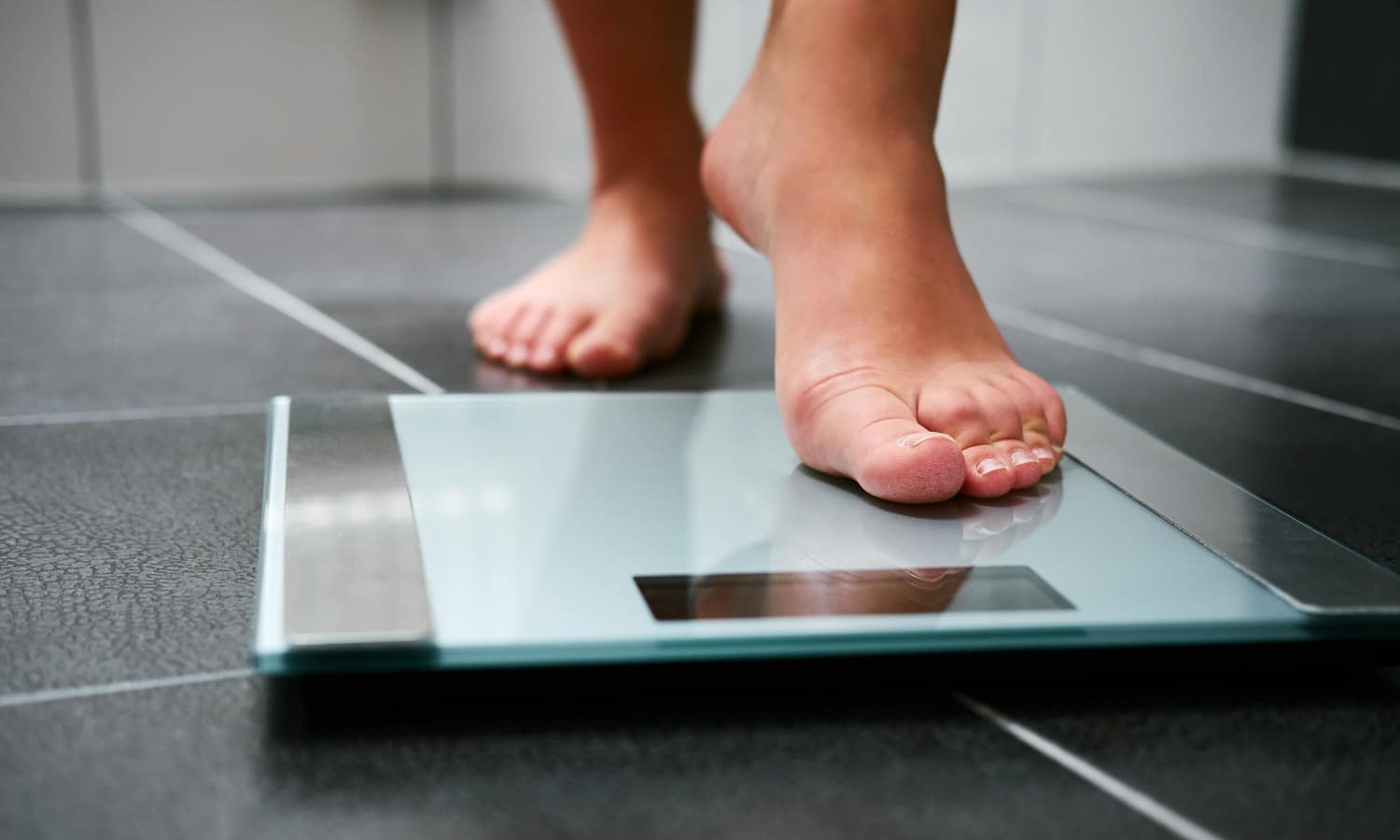
The best way to make use of CBD for weight loss is to also approach it holistically, ensuring you are exercising regularly, eating nutritiously, and getting at least 8 hours of sleep a night.
For weight-conscious individuals, it can be confusing to navigate the CBD market. But it’s natural even for people at a healthy weight to be interested in maintaining it to avoid being overweight. After all, being overweight or worse, obese, has been associated with numerous preventable illnesses such as stroke, type 2 diabetes, high blood pressure, osteoarthritis, coronary heart disease, and more. It’s always in your best interest to keep your weight at a healthy level as much as possible.
It’s known that the tetrahydrocannabinol (THC) content in marijuana products has been linked to inducing appetite and weight gain, albeit at healthy levels when taken in moderation or under medical supervision. So much so that it’s even being used for inducing the appetite of cancer and HIV patients, or those that struggle with eating disorders.
But when it comes to CBD, will it help you lose weight, or will it cause weight gain? The truth is, there’s no clear-cut answer, though the results can vary depending on many factors. Here’s some food for thought, based on existing studies:
How CBD Affects Metabolism
A 2016 study conducted by Korean researchers focused on the impact of CBD on preadipocytes, which are immature fat cells. Their findings suggest that CBD work in three ways to promote “fat browning” otherwise white fat tissue (scientifically known as white adipose tissue or WAT), since browned fat is more effective in weight loss as well as obesity treatments.
Additionally, brown fat is more efficient in metabolizing fat molecules and blood sugar to help us maintain our body’s temperature. The presence of more white fat in the body can increase the risk of heart disease and diabetes while brown fat induces weight loss.
The researchers discovered that CBD works to stimulate genes and proteins that are responsible for breaking down fat. It can also increase the mitochondria activity which strengthens the body’s calorie-burning mechanisms. On top of that, CBD consumption has been found to decrease protein expression for those associated with creating new fat cells in the body.
CBD Decreases Obesity Risk Factors
There are other indirect lifestyle factors that contribute to weight gain. Some of the biggest culprits are stress, anxiety, and lack of sleep.
Stress: Constant exposure to stress leads to an increase in the production of cortisol, which is known as the stress hormone. Cortisol may be the reason why you tend to look for fatty and sugary foods under times of stress, and it’s also associated with a rise in insulin levels. Research shows that CBD works to reduce cortisol levels especially among people who take 300 or 600 mg of CBD daily.
By addressing stress, you can stop weight loss in its track. In addition, CBD is also a mood enhancer. When we’re in a better mood, we can be more motivated to exercise. Many studies, including one from 2021, prove CBD’s efficacy in treating mood disorders and anxiety.
CBD Reduces Risk of Type 2 Diabetes
Type 2 diabetes is extremely common, and this condition is associated with obesity and weight gain. A medical review from 2020 revealed that CBD affects many factors that result in insulin resistance which leads to type 2 diabetes and then weight gain.
For individuals who are genetically predisposed to type 2 diabetes, you may take CBD products as a way to keep your metabolic resistance healthy.
How To Choose CBD Products For Weight Loss
Before going any further, remember that CBD products are not a one-size fits-all solution to lose unwanted pounds. It may cause some people to gain weight while others lose, though there are many factors involved including your lifestyle and metabolism among others.
The myriad of studies out there generally show the consensus that CBD is highly unlikely to cause weight gain by itself. But one also has to keep in mind that marijuana products affect everyone differently; CBD may cause your friend to be hungrier than usual while it may cause you to have a suppressed appetite.
Photo by 24K-Production/Getty Images
The best way to make use of CBD for weight loss is to also approach it holistically, ensuring you are exercising regularly, eating nutritiously and in accordance with your specific health needs, and getting at least 8 hours of sleep a night.
Having said that, here are things you should look out for when shopping for CBD products that will assist with weight loss:
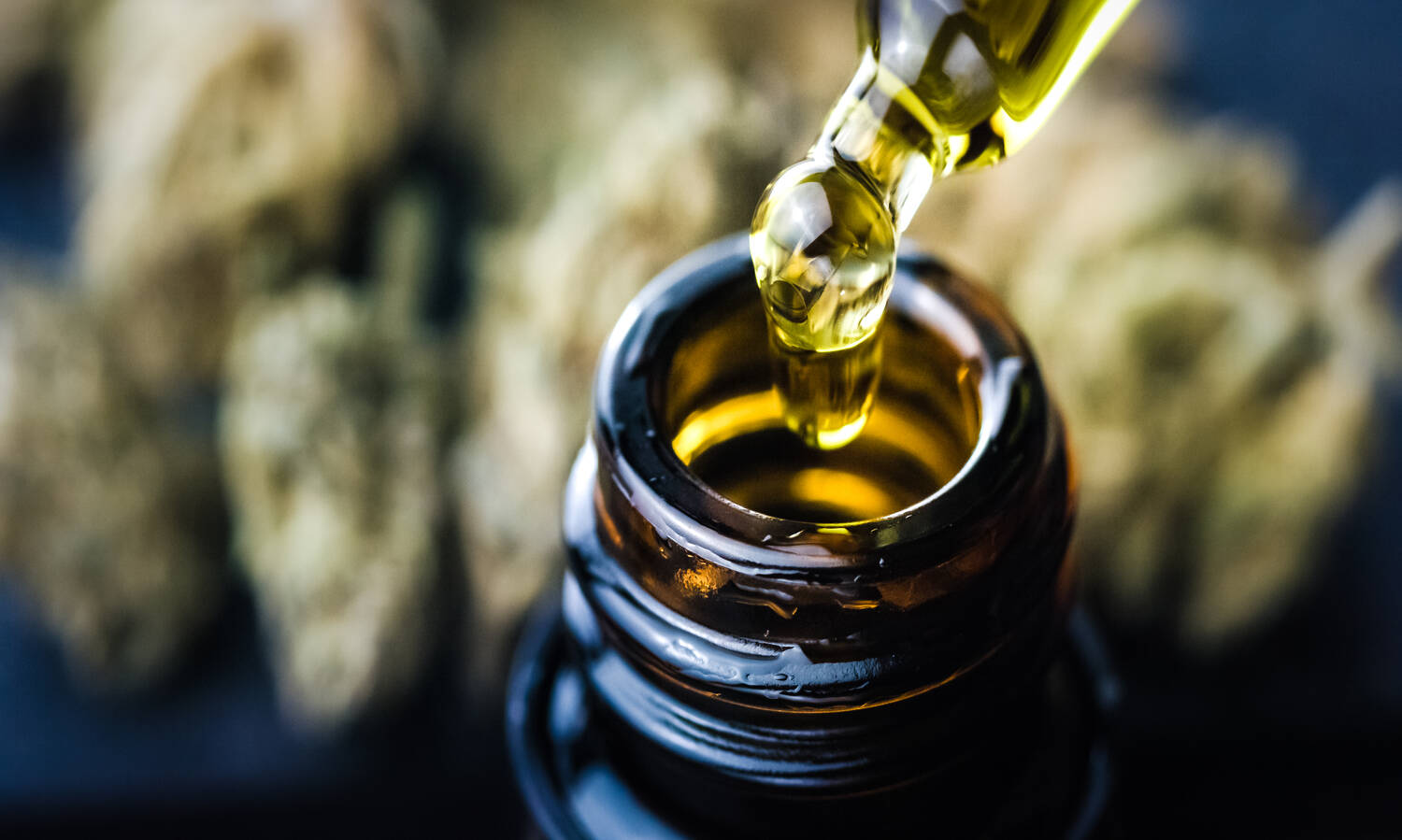
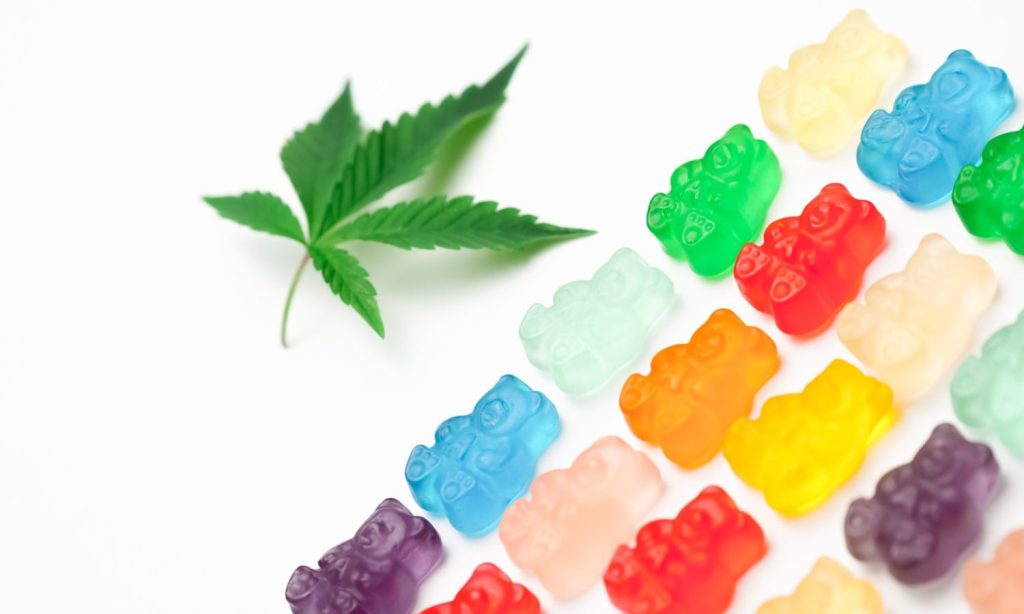
Use CBD products that are low in calories, so stay away from sugar-rich gummies that can contribute to weight gain. Low to zero calorie CBD product examples would include unflavored oils, tinctures, and vapes.
Look for a Certificate of Analysis (COA) or third party testing to identify if there are other compounds within the product you are considering purchasing. If CBD products contain a significant amount of THC, you can get high and experience the munchies, causing weight gain over the long run. A COA is essentially proof that the product contains exactly what the manufacturer says and nothing else.
Experiment with dosages and take note of its effects. It’s generally recommended to start with 5 to 10 mg of CBD within a day. Observe how it makes you feel: does it make you feel relaxed, more alert, focused, or sleepy? Adjust your dose as needed. Eventually you will find the best time and dose to take so that you can modify consumption based on what you need it most. For example, 5mg in the morning may give you a little boost to workout, while 15mg at night can give you the well-rested sleep you need before your morning exercise.
The Sixth Panel of the Superior Court of Justice of Brazil authorized three people to grow marijuana for medicinal purposes, reported O Antagonista. “The Superior Court of Justice decided Tuesday, June 14 to grant two safe conducts that advance the regulation of artisanal marijuana cultivation in Brazil.”
The case should serve as a precedent for lower courts and the advance of cannabis legalization in the potentially huge market of 200 million people. The decision contemplates the use of cannabidiol (CBD) for personal use and allows marijuana cultivation only for medicinal purposes, with a prescription. In addition, this gives home growers a legal precedent that can evolve into more comprehensive legislation as in the case of Argentina, where hemp and medicinal cannabis production are already legally produced in the country.
The use of medical marijuana was legalized in Brazil in 2015, but until now patients could only obtain imported medicinal cannabis products with strict authorization from ANVISA (National Sanitary Surveillance Agency). In 2019, Brazil became the third Latin American country to regulate the sale of medical marijuana products after Uruguay and Colombia.
Manufacturers have to import the semi-finished product and can only operate after receiving a special certificate from ANVISA. The importation of whole plants is still prohibited.
CBD products and those containing less than 0.2% THC can be prescribed normally. Products with 0.2% THC or more can only be prescribed for terminal patients or in cases where the patient is not responding to traditional treatments.
“Achieving cannabis regulation through (ANVISA) could imply that Brazil becomes a key player in the Latin American cannabis market, not only because of its geographic and climatic diversity but also because of how significant the market would be for the Brazilian population,” said Silvia Muñoz, former head of Government Affairs for LATAM at the International Cannabis and Cannabinoids Institute in the Czech Republic during an interview a few years ago.
Which Cannabis Companies Are Already In Business In Brazil?
MediPharm Labs Corp. confirmed in September 2021 a partnership with, XLR8 BRAZIL, a distributor based in Rio de Janeiro. This latest move will strengthen the company’s delivery services to the largest medical cannabis market in Latin America.
The two-year agreement would start from the authorization of the product. Pursuant to it, MedPharm Labs chose to provide a wide range of cannabis concentrate formats for the formulated products that XLR8 BRASIL will subsequently distribute.
“In our opinion, Brazil is destined to be a world power in terms of medical cannabis,” said Thiago Callado, CEO of XLRE.
Several months later, in November, the CBD company Panacea Life Sciences, Inc. confirmed that it was forming a partnership with MyPharma2Go to enter the growing cannabis market in Brazil.
Brazil “is the largest country in South America, with a population of more than 200 million people,” noted Nick Cavarra, executive vice president of sales and marketing for Panacea.
In 2022, ANVISA approved the cannabis-based drug, Cannabis Sativa Extract Ease Labs, which joins ten other drugs already approved by ANVISA in this category. Four of them are derived from the whole plant, while the other six contain only CBD.
The American cannabis company Medical Marijuana, inc. launched its first pharmaceutical subsidiary, HM Pharma, in Brazil in May 2022. Medical Marijuana, Inc.’s subsidiary, HempMeds Brasil, was the first company to legally import products into Brazil in 2015 using the country’s compassionate use laws.
“HempMeds Brazil has imported more than 150 thousand prescription products to Brazil through the compassionate model since 2015, and we continue to grow at an average rate of 50% per year. Our market leadership reflects the quality of our products, customer care, and relationships with physicians,” said Matheus Patelli, CEO of HM Pharma.
Cannabis company Avicanna Inc. completed its first commercial export of 20 kg of full-spectrum high-CBD psychoactive cannabis extract to Brazil in 2021, through its majority-owned Colombian subsidiary Santa Marta Golden Hemp S.A.S. Avicanna products were developed in Canada and manufactured in Colombia.
In 2022, the cannabis firm signed an exclusive license and supply agreement with a South American pharmaceutical company to market its proprietary products. According to information obtained exclusively by El Planteo, the pharmaceutical company that signed the agreement with Avicanna is based in Brazil. Avicanna can earn up to CA 1.3 million ($1.03 million) in license fees if certain short-term milestones are reached.
According to New Jersey state law, any cannabis product resembling food can’t be purchased. This strange ruling appears to be influenced by the news regarding cannabis edibles and children, with Jersey lawmakers believing these products could pose a risk for them.
Over the past year, there have been an increased number of reports of children consuming edibles, which often come in alluring, colorful packages, and contain anything from candy to cookies.
Jersey isn’t the first state to try to curb the issue. New York is currently preparing to launch their legal recreational cannabis industry, with laws intended to prevent children from consuming these products. In the state, edible packages will have to avoid cartoons, bright colors, and any types of fonts that may entice children.
Another factor that has influenced the state’s decision is the way in which edibles are made. In order to make legal edibles, commercial kitchens are needed, which require passing the state’s necessary health and safety standards, a system that’s yet to be set up by the New Jersey Cannabis Regulatory Commission (CRC).
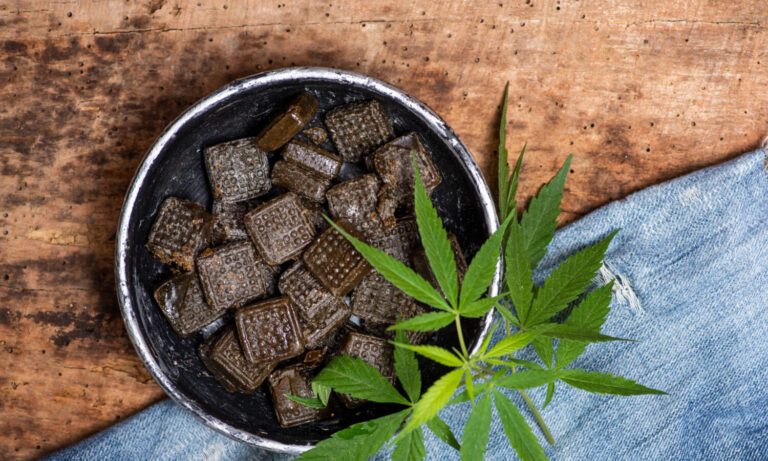
Edibles are some of the most popular ways of consuming marijuana, and while they’re a delicious and convenient way to consume weed, they also have a specific set of medical benefits. Edibles are capable of delivering strong therapeutic results, providing plenty of pain relief in ways that inhaled cannabis isn’t normally associated with. Edibles are also a great option for users who don’t want to inhale any smoke or can’t do so because of health concerns.
While the ban on edibles is a curious new turn for legal marijuana, it’s unlikely for Jersey to prohibit them for long. Once the industry finds its footing and customers start getting acquainted with products, lawmakers will likely have to address the issue and make new rules that protect children yet still deliver the products that people want. It will just take more time.
Cannabis is getting all of the attention right now but, like C. ruderalis, there are other plants that have unique benefits to humanity that are being ignored in favor of what is most popular.
There are a ton of varieties of cannabis, some that will never be popular enough to come across and others that are found in every dispensary. Yet, some strains that would never be popular can make their way into daily use. This happens because these strains have a special trait that only become useful when they’re combined with something we use in daily life—think of how much watermelon has changed since the Renaissance.
The same principle applies to cannabis—breeders have been focusing on specific cannabis traits for centuries, selectively breeding higher potency, more attractive smell, more attractive colorations, and even size. These new plants are technically genetically modified organisms (GMOs), but that term tends to carry a loaded connotation (since certain American companies create GMO plants that are resistant to pesticides and herbicides, ultimately lowering nutritional content and the rest of the not-so-great side effects we’re familiar with).
Cannabis that we know and love today is quite different from the cannabis of the ancient world (or even the 70s, just ask your parents)—it’s stronger, tastier, and all around a better quality plant.
Cannabis ruderalis is one of these varieties of cannabis that would have probably been lost to time if not for a special trait. C. ruderalis originated in the Volga River Valley in Russia (most likely) but was first identified in Siberia in 1924. C. ruderalis has also been found throughout North America and central and eastern Europe; it wasn’t ever a strain that people were interested in until the 1980s when seeds of C. ruderalis were sent to the Seed Bank in Amsterdam.
While growers observed C. ruderalis they noted a special characteristic: flowering based upon maturity rather than on light levels. C. ruderalis developed this trait naturally over millions of years of growing in northern regions where light levels throughout the year vary so drastically that plants must grow quickly or lose out on the energy available in those short summer months. C. ruderalis takes advantage of this by having an extremely quick grow cycle, blooming in just a few weeks, so as to spread its pollen and seeds before the cold winter hits again.
One fact that is a bit confusing is how botanists categorize cannabis. Normally, we think there are two main varieties of cannabis: sativa and indica. These two strains dominate the market and are known for their specific kinds of effects and potency, size, and colorations. C. ruderalis technically is a third strain of cannabis, one that has very low THC levels, doesn’t grow very large, and is generally not a potent strain although it has been smoked in the past. It’s not the only other strain of cannabis, either, even if we exclude hybrids, but the other strains are normally used for crafting hemp products since their fibers are quite resilient.
C. ruderalis has that specific trait that does not rely on photoperiods to produce flowers and even though these buds were not really useful in the cannabis sense of the word “use,” the fact that ruderalis contains this trait at all means that it could impart it to other strains. This comes at a cost, though, because when ruderalis is joined with other strains (whether indica, sativa, or a hybrid) it tends to have very unstable genes, so, unfortunately, the only way to get more autoflowers is by buying hybrid seeds from growers.
Once this unique trait was identified, growers spent decades trying to successfully combine C. ruderalis with C. Indica and C. Sativa until they were able to develop strains that were suddenly more resistant to pests as well as not reliant on a photoperiod. Now, growers are able to speed through the growth cycle in just 10 weeks.
C. ruderalis is a low-THC cannabis variety—does this qualify it has “hemp” in the eyes of regulators? Not necessarily, because C. ruderalis actually has slightly higher THC levels than what would qualify it for hem (which should be somewhere between 0.2 – 0.3% THC content, depending on the country).
At this point, C. ruderalis has only one main purpose, which is breeding with other varieties of cannabis. In fact, C. ruderalis is so useful that growers not only breed it with varieties of indica and sativa, but also with hybrids—it’s a difficult thing to do but as indoor growing becomes more widespread and easier to do, the ease of creating hybrids also increases. C. ruderalis has been bred to make all kinds of amazing plants: Mephisto Mondays, Gelato Auto, and Gorilla Glue have all been autoflowered, so expect to see a lot more interesting varieties come out soon.
And while C. ruderalis has had a short history in the Western eye (and in cannabis culture at large), it has been used as a medicinal herb to treat headaches and pains for centuries because it is one strain with a higher CBD content than a lot of other varieties. Currently, C. ruderalis is being used as a potential cancer treatment (obviously not to treat cancer itself but the side effects of cancer drugs), anxiety, and epilepsy. It is a fascinating strain with a long, unique history worth spending time reading about how impactful cannabis can be in medicine.
But let’s not forget that cannabis is just one medicinal plant out of thousands—we are made of the world and the world is made of us, so a lot of what exists in nature can be used to help our lives and our health. Cannabis is getting all of the attention right now but, like C. ruderalis, there are other plants that have unique benefits to humanity that are being ignored in favor of what is most popular.
It’s important that we remember that we live in a diverse world with a lot of really interesting plants that have the ability to change the way we live so be sure not to get too stuck in one way of thought! That’s our final word for the day.
Medical cannabis program enrollment jumped by over four times between 2016 and 2020, reaching nearly three million patients in 2020, according to a new study published in the Annals of Internal Medicine.
Researchers, led by Kevin F. Boehnke, Ph.D. from the University of Michigan Medical School in Ann Arbor, found that increased enrollment was clustered in states that had medical-only cannabis programs, while enrollment declined or stayed the same in the states with fully legal cannabis. At the moment, 37 U.S. states have legalized medical marijuana with Mississippi being the most recent. Eighteen states have legalized recreational cannabis.
The new study also looked at the qualifying conditions that patients list on their application forms. Qualifying medical conditions vary from state to state. Some states have up to 30 conditions to qualify while others allow only several.
“Coherent U.S. cannabis policy would enhance research efforts to guide appropriate medical cannabis use,” the authors wrote. “Thoughtful regulatory and clinical strategies are needed to effectively manage this rapidly changing landscape,” was one of the study’s conclusions.
Chronic Pain Is The Reason
The researchers identified chronic pain as the most commonly listed condition specified on medical cannabis applications.
Most studies on cannabis use look at adult use overall, without separating out medical cannabis enrollment, said Boehnke, a chronic pain researcher at the University of Michigan. He said he wanted to fill that gap.
Boehnke kept asking himself, “How many people are using cannabis for pain? Why are people actually using [medical cannabis]?”
This question compelled Boehnke to undertake the multi-year investigation during which he assiduously gathered data from publicly available reports on state websites, meeting notes, state officials and documents obtained via the Freedom of Information Act.
His goal, Boehnke said, was to find out exactly how medical marijuana was faring in a time when laws and attitudes were rapidly shifting.
“These changing state policies have dramatic effects on how many people might be using cannabis for medical purposes or how they might be able to do so,” said Boehnke, who published a 2019 study on the issue as well.
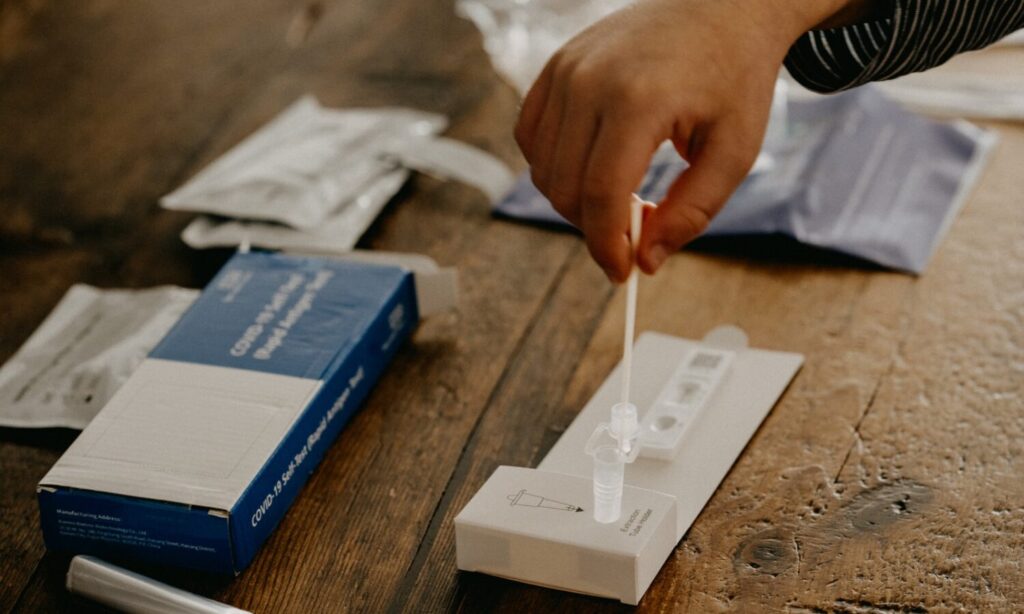
As COVID cases increase across the country, it’s important to know that there’s an oral medicine that can effectively treat the disease.
Paxlovid is an oral COVID antiviral that treats the disease rapidly and prevents the onset of serious symptoms. Surprisingly, the government hasn’t done a great job of informing the public of its existence, resulting in a lot of people not knowing about it.
As COVID cases increase on a national level, it’s important for people to be aware of it, especially if they’re at a higher risk for complications. Here’s what you should know.
Paxlovid was made by Pfizer and it’s a combination of two compounds: nirmatrelvir and ritonavir. One blocks a COVID enzyme that allows the virus to replicate while the other blocks our own enzymes that would prevent this from happening. These compounds are nothing new, having been used in HIV medicines.
An important thing to know about this drug is the fact that it needs to be taken within 5 days of experiencing symptoms. In order for it to work, people must seek it out the minute they think they have COVID.
According to the CDC, the medication is approved for a variety of people, all of whom must be at least 12-years-old and weigh a minimum of 88 pounds. More specifically, it’s allowed for people with conditions like cancer, chronic diseases, diabetes, being overweight, smokers, and more.
It’s a highly accessible drug although it does need a prescription for people to be able to purchase it. The process of acquiring it works differently depending on your state, but some allow people to get a COVID test in a pharmacy and get their Paxlovid prescriptions right away or even facilitate home delivery of the medicine.
While Paxlovid is FDA approved and is considered safe, there are a few risks associated with it. It can interact with other medications, so it’s important to ask your doctor about any possible drug interactions and their risks. Side effects are rare but they include muscle aches, diarrhea, increased blood pressure and more.
The push to legalize the sale of recreational marijuana in licensed shops is part of a series of reforms proposed in last year’s coalition deal between three socially liberal parties in the government.
Germany is inching toward legalizing recreational cannabis as the government seeks to have the process completed by the end of 2022, reported U.S.News.
Germany decriminalized medical cannabis in 2016 and in November 2021, leaders of the incoming parties stated they had a formal agreement to legalize marijuana.
Now, the Health Ministry plans to kick off with five expert hearings on various aspects of the issue on Tuesday. The hearings, which will be held by the end of the month will focus on the best ways to protect young people and consumers’ health, said drug czar Burkhard Blienert.
“Like many others, I have worked for years toward us in Germany finally ending the criminalization of cannabis consumers and beginning modern and health-oriented cannabis policy,” he said.
The governmental health department announced Monday that over 200 representatives from the medical, legal and other fields will participate, as well as various government officials and international experts.
The push to legalize the sale of recreational marijuana in licensed shops is part of a series of reforms proposed in last year’s coalition deal between three socially liberal parties in the government led by Olaf Scholz, who took over from Angela Merkel as chancellor in December.
The plan also includes the examination of the ‘social effects” of the new legislation after four years.
The legislation is poised to be drafted in the second half of 2022, once the hearings with experts wrap up.
The German Health Minister, SPD-affiliated Karl Lauterbach said earlier that he wants to put cannabis reform on the summer legislative agenda.
Quoted in German media, Lauterbach said he’s “changed his mind about this in the past two years…I’ve always been an opponent of cannabis legalization, but I revised my opinion about a year ago.”
At the end of the day, the safety of cannabis is based on how it’s used, and when you put other meds in the mix, it may no longer have the same safety profile compared to its use alone.
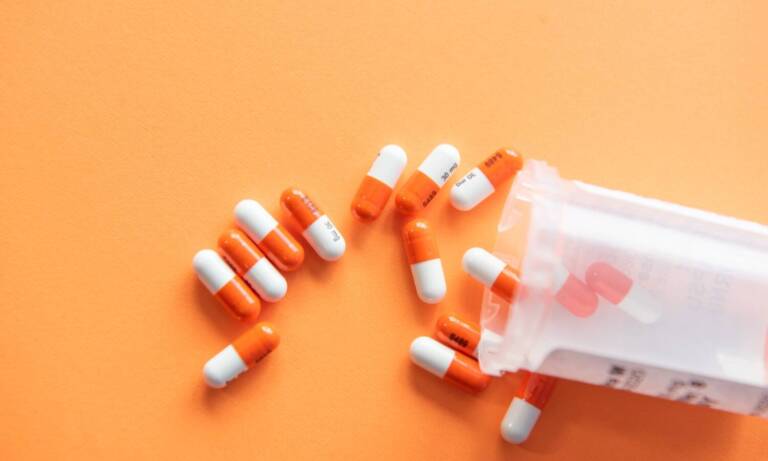
These medications, such as Adderall, Ritalin, and Concerta, have gained the reputation of being “study drugs”. While originally intended to treat the effects of ADHD, these medications are illegally making their way through campuses, and these dangerous, addicting drugs are in the hands of young adults even without prescriptions or an ADHD diagnosis.
Photo by Katja Kircher/Getty Images
Kids get these drugs from family members, friends, or black market dealers. Unknowingly, a great deal of them, as well as adults, find that there is recreational benefit to mixing ADHD drugs with marijuana. Combining ADHD drugs with weed can surely bring about a euphoric and blissful feeling, but at what cost?
Adderall
Adderall is the most widely used prescription drug for combating attention deficit hyperactivity disorder (ADHD). This stimulant is notorious for its addictive properties, which has even been compared to meth.
After all, Adderall is essentially amphetamine, which is the chemical foundation for methamphetamine. Adderall is a combination of amphetamine and other chemicals yet it works in the brain in the same way meth does. It has been known to induce terrible side effects on its own including but not limited to:
Difficulty breathing
Chest pain
Hostility
Aggression
Lightheadedness
Seizures
Changes in eyesight
Nausea
Stomach pain
Increased heart rate
Difficulty sleeping
And many more.
However, Adderall continues to be one of the most abused drugs in the United States. Many claim that Adderall makes them feel good, which it does so temporarily because it increases the levels of norepinephrine and dopamine in the central nervous system. Adderall can also cause the body to produce abnormally high levels of dopamine, which is responsible for the feel-good reward mechanism in the brain, causing people to easily get addicted to it.
Adderall is an upper, while marijuana is a downer. Unfortunately, mixing these two is never recommended yet this hasn’t stopped people from doing so, in a combination sometimes called weederall.
Ritalin
Ritalin is another popular ADHD drug that works similarly to Adderall. It’s also a central nervous system stimulant. However, it has unfortunate side effects, which include:
Paranoia
Numbness in toes or fingers
Hostility
Paranoia
Aggression
Hallucinations
Chest pain
Difficulty breathing
Excessive sweating
Increased heart rate
Mood swings
And much more. The same is true for Concerta or other ADHD medications.
Photo by James Yarema via Unsplash
A Dangerous Cocktail
Consuming marijuana does have interactions with other drugs in the human body, and ADHD medications are no exception. It’s known that these drugs stay in the system anywhere from up to 24 hours long, so one would have to stay off limits from the drug for up to 3 days for it to be completely eliminated and be safe enough to consume weed.
Some users may find that while they are able to make use of the cognitive benefits offered by ADHD medications, marijuana is effective in tapering out the side effects of the drug such as irritability or insomnia. It can even provide a blissful, euphoric high but the risks simply outweigh the rewards. But no matter how safe some people claim it to be, there is always a huge risk involved when combining marijuana with other substances.
One is a stimulant, the other is a depressant. While there is a dearth of studies examining the dangers between Adderall and weed, the data we have on each of these medications is sufficient to advice against it.
This is what can happen when you mix both marijuana and ADHD drugs at the same time:
Extreme stimulation: The heart rate can increase to dangerous levels, which is bad enough for people who already have existing heart conditions. While some people’s cardiovascular systems can handle it, this can be a devastating occurrence for others and it can lead to permanent heart problems or even death.
Arrythmia: Irregular heart rate and arrythmia can occur as a result of mixing the two drugs. One can easily overdose on Adderall when you add marijuana to the mix.
Existing mental health problems can worsen: For anyone who already struggles with ADHD, schizophrenia, anxiety, or just about any other mental disorder, mixing the two can result in delusions and hallucinations — not the fun kind.
Marijuana is a medicine that works best alone in the human body. We have endocannabinoid receptors that bind to the molecules in the plant, working their healing properties when we consume THC, CBD, or a combination of both in any way. Whether you mix it with other relaxants or stimulants such as ADHD drugs, it can cause unwanted effects on the human body — even at supposedly safe dosages — that can lead to death. So just because your friend is having a great time mixing marijuana with ADHD drugs doesn’t mean that it would have the same effect on you.
These days, there’s so much hype about marijuana because it’s widely used and considered among the world’s safest medical and recreational drugs. At the end of the day, its safety is based on how it’s used, and when you put other meds in the mix, it may no longer have the same safety profile compared to its use alone.