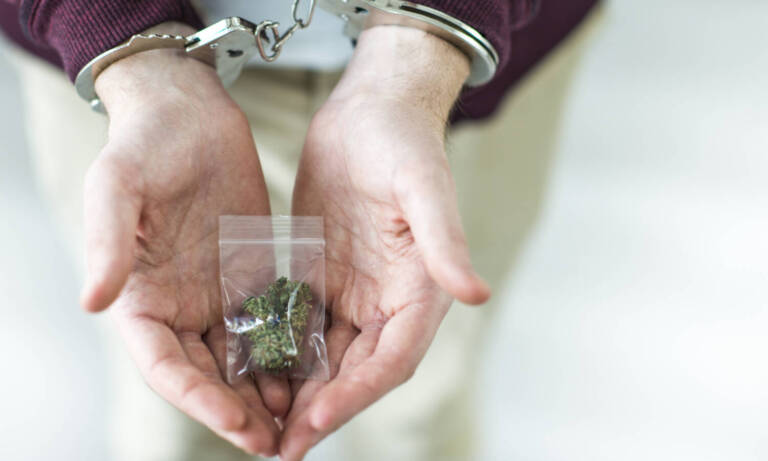
Several factors generated a decrease in arrests, including the pandemic, which drove an 81% decline in arrests and a 77% decline in the cases charged from March to April 2020.
The U.S. Department of Justice reported that federal marijuana arrests continue to decline as more states move to legalize cannabis.
Cannabis busts dropped an average of 11% each year since 2010 when the DEA made 8,215 arrests, reported Marijuana Moment.
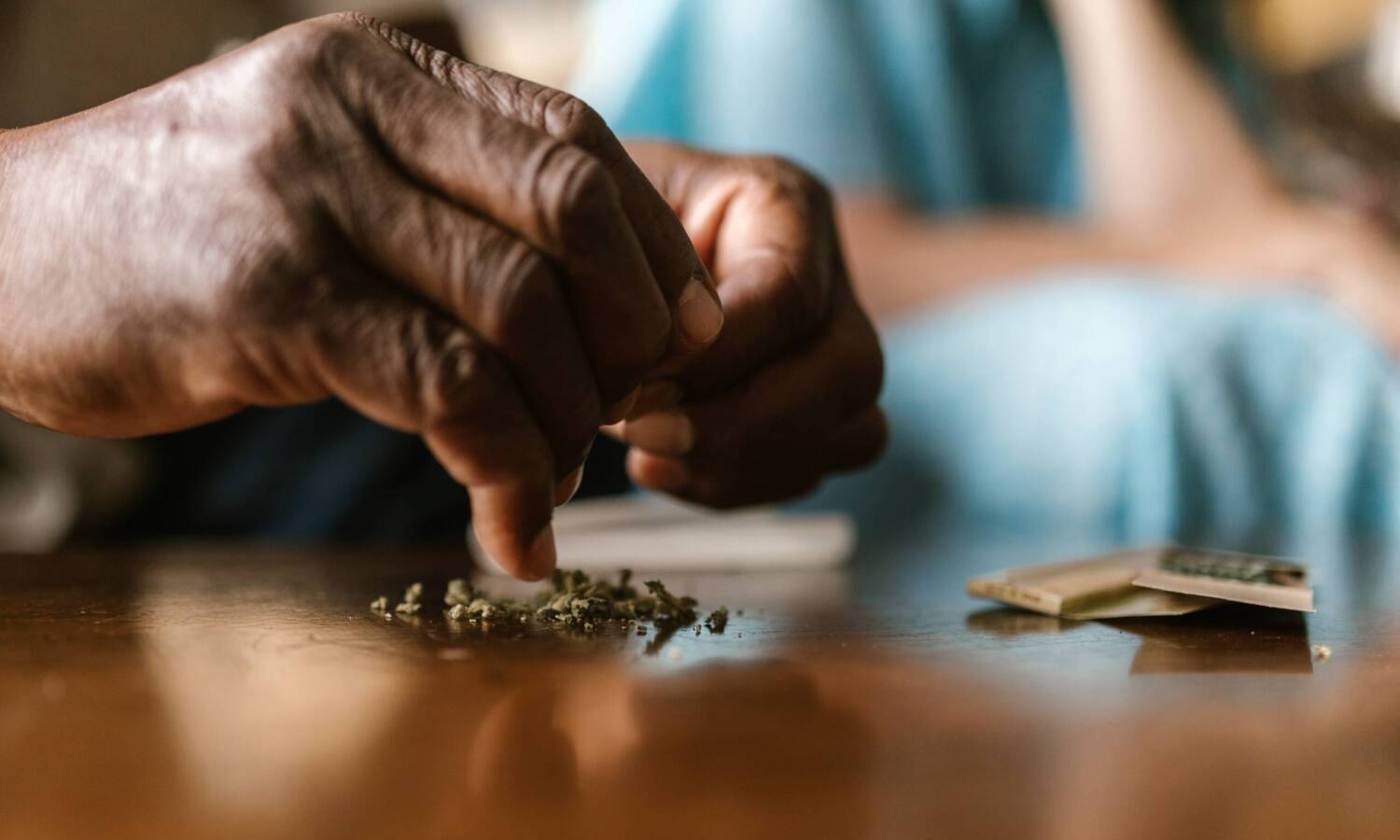
Photo by Kindel Media via Pexels
According to the Bureau of Justice Statistics, several factors generated a decrease in arrests, including the coronavirus pandemic which drove an “81% decline in arrests and a 77% decline in the cases charged from March to April 2020.”
Furthermore, the federal U.S. Sentencing Commission (USCC), a bipartisan, independent agency located in the judicial branch of government, released a report in March, which found that federal prosecutions over marijuana dropped in 2021, with fewer than 1,000 people charged with cannabis trafficking cases.
Marijuana Reforms Reduce Racial Injustice
A study published by the American Medical Association in November 2021, revealed that states with legalized or decriminalized cannabis have seen large reductions in race-based arrests among adults.
Researchers from Eastern Virginia Medical School and Saint Louis University analyzed data from 43 states and recognized a specific pattern indicating that removing or loosening laws around marijuana is connected to notable decreases in arrest rates compared to states that have kept cannabis illegal.
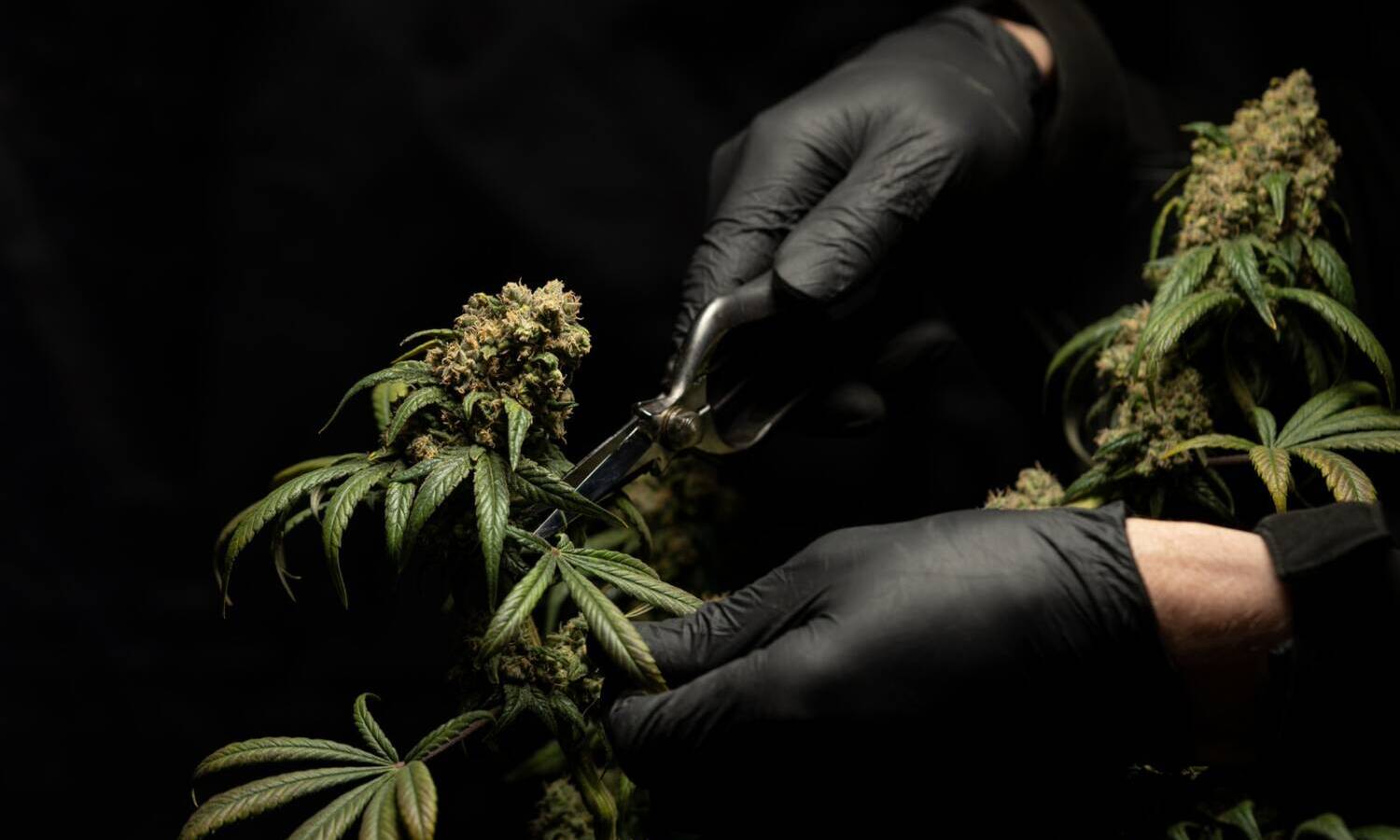
The era of triploid cannabis is here and it can easily be the solution cannabis growers sought in the 1970s. But what does triploid mean?
The world of cannabis cultivation might be in for a new paradigm shift in the form of seedless cannabis. The huge potential of triploid cannabis has gotten many in the cannabis industry hoping and rejoicing.
Though there is still much to know and understand about the application of triploid cannabis, early signs are already good. Here, we explore all there is to know about triploid cannabis which might just be the future of seedless cannabis.
Photo by Sharon McCutcheon from Pexels
Triploid Cannabis
Many might be confused as to what the term “triploid” means and how it applies to cannabis. Surprisingly enough, the term triploid is quite common in the world of agriculture. Watermelons that are seedless for example are regarded as triploid watermelons. The same goes for a host of other crops like citrus, grapes, and banana. This helps us to understand that the common factor of triploid plants is that they are seedless. However, how does this apply to cannabis plants?
To fully understand the concept of triploid cannabis, we will have to go back to the basics of science a bit. We know that chromosomes carry genetic information in the form of genes. Humans possess 23 pairs of these chromosomes which make humans diploid. Cannabis plants on the other hand are diploid as well with only 10 chromosomes. Research has, however, shown that cannabis like most plants can be tetraploid (4 copies) or octoploid (8 copies) and more.
Triploid expression of plant chromosomes is a very rare variation that can occur naturally in plants. Scientists have since developed how to get this triploid expression by crossing a tetraploid with a diploid.
Cannabis Sinsemilla and the Pollen Problem
Cannabis sinsemilla in Spanish means “without seeds” which is achieved by separating female plants from male species which produce pollen. This special strain was introduced in the 1970s as a breakthrough in the quest for seedless cannabis. Growers discovered that a single male plant can easily pollinate every female cannabis plant in a growing area thereby reducing yield. This is because an unpollinated female cannabis plant has more terpenes and cannabinoids compared to its pollinated counterpart.
Consumers in the cannabis industry place a high value on seedless cannabis flowers making them the gold standard. However, there is more to triploid cannabis than just seedless cannabis flower. This is because they have a significant advantage over pollen. Clones produced from the female plant are the commonest propagation method of cannabis plants presently. Along with feminized seeds, clones are readily used by many cultivators however they still possess the problem of unwanted pollen.
Herming is a colloquial term used to characterize a female cannabis plant producing male flowers. These flowers can in turn form and produce pollen which can pollinate every female plant around. The interpretation of this is that growers have to scout for male plants and also examine female plants for male flowers. Cross-pollination is also a major problem as more cannabis farmlands are rising. Pollen from hemp and cannabis can travel as far as five miles when carried by the wind. This means that many run the risk of losing their entire yield even without male plants in sight.
Triploid Cannabis: The Solution to the Pollen Problem and More
Triploid cannabis unlike cannabis sinsemilla is both seedless and insensitive to pollen. The meaning of this is that they do not set seeds even if they have been pollinated. This means that there is no risk of a male hemp or cannabis plant running the yield of such cannabis plants. This means that by solving the problem of pollen, triploid cannabis will remove problems of crop loss. With lesser chances of crop losses, there is more room for increasing the scope and scale of cultivation. There is also an opportunity to reduce labor costs.
Photo by CRYSTALWEED cannabis via Unsplash
Beyond just eliminating the pollen problem, triploid cannabis also has the benefit of being dubbed designer plants. This is because it is possible to selectively breed the plants in order to choose which characteristics to enhance.
Triploid cannabis possesses three copies of each chromosome with two being donated from parent cultivars and an extra copy. It is therefore possible to carefully select the parents to supply these chromosomes based on desired traits. And there are multiple opportunities for breeding when it comes to triploid cannabis. The product of this growing process as expected are cannabis plants with unique genetics.
The Future of Large Scale Cannabis Production
Dark Heart Industries is one of the leading cannabis genetics companies in California and they have blessed the world with its first seedless triploid cannabis. The triploid cannabis seeds produced by the company have been tested to be unable to produce seeds even when exposed to pollen. Dan Grace, the CEO of the company believes this innovation is trailblazing and will be instrumental to promote large-scale cannabis production.
In 2021 the total US cannabis market was worth over $100 billion. Surprisingly, despite the number of legal markets across the country, the legal market accounts only for 25% of this total. This is because the cost to produce legal cannabis is quite overwhelming though its dividends are there to see. Triploid cannabis can help to turn this tide by reducing the amount being spent on production. This will help small-scale cultivators maximize their produce and get up there to compete with black markets.
Bottom Line
Cannabis cultivation, like other aspects of the industry, is experiencing the input of innovation and technology. Gone are the days when farmers were at the mercy of natural concepts such as pollination.
The era of triploid cannabis is here and it can easily be the solution cannabis growers sought in the 1970s. What is left now is to perfect the craft and have many cultivators introduce triploid cannabis to their growing process. This will surely leave the growers smiling all the way to the bank and the users getting all they ever desired from their cannabis plants.
There’s a drug that can treat COVID-19 and reduce the virus’s risk for those who need it most. But a lot of people aren’t aware of this.
A drug that dramatically reduces the risk of COVID-19 is now in circulation for everyone. Paxlovid has been around for a while, yet people still don’t know of its existence or are confused by its effects.
Paxlovid is a Pfizer drug and it’s been shown to reduce the risk of hospitalization for COVID-19 by 90%. It must be taken within five days of displaying initial COVID-19 symptoms, meaning that, unlike vaccines, it’s not preventative. As of this week, the drug is now widely available, found in pharmacies across states.
Paxlovid was approved by the Food and Drug Administration (FDA) in December of last year. Despite its high effectiveness, in April, NPR reported that the White House was designing a plan to get people to learn more about the drug, including making it more available in pharmacies.
Newsday reports that a lot of pharmacy workers don’t know the drug or have had trouble receiving it. “Only a minority of the people who might benefit are getting it at the present time,” said Dr. Bruce Farber, chief of public health and epidemiology at Northwell Health, who’s been prescribing the drugs to his patients.
While the drug is recommended for people over the age of 65 or patients with comorbidities, it’s up to the physician’s discretion whether or not to prescribe it. Despite targeting a subset of people who are normally at higher risk for worse COVID-19 infections, there’s still a lot of reticence from people who don’t trust the drug because they’ve never heard of it.
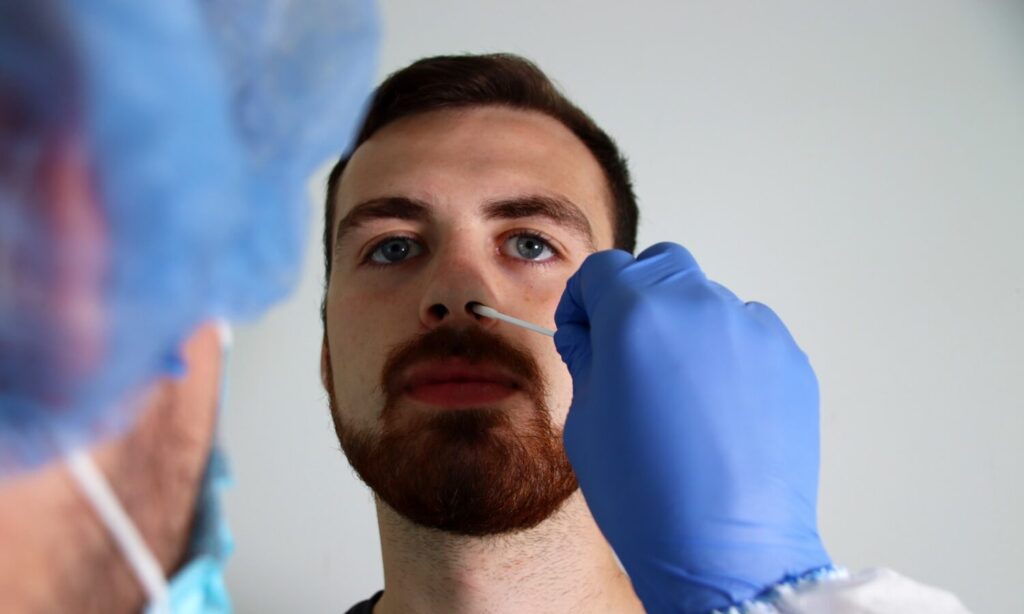
NPR explained that the process of getting the drugs was complicated, especially since it needs to be taken within five days of initial COVID-19 symptoms. “So it is a race to get a COVID test, get someone to prescribe it, find a pharmacy that actually carries it and then start taking it,” said White House correspondent Tamara Keith.
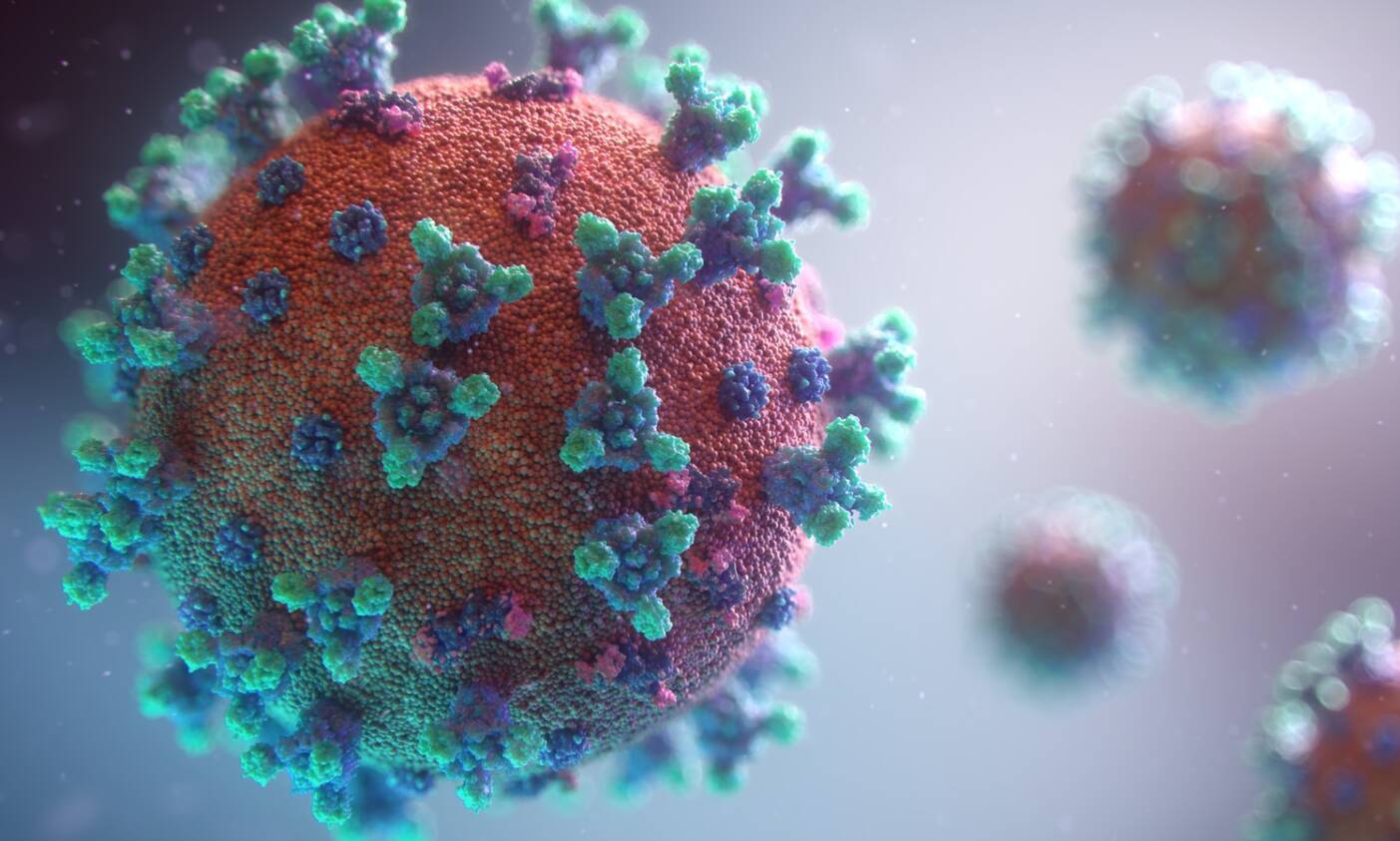
Photo by Fusion Medical Animation via Unsplash
The Paxlovid treatment consists of taking two drugs, nirmatrelvir and ritonavir, twice a day for a period of five days. Potential side effects include an altered sense of taste, diarrhea, increased blood pressure, and muscle pains. It’s also a drug that could interact with other medications, making it important for doctors to ensure that their patients aren’t taking any other drugs that could cause further complications.
Paxlovid is not the only medication capable of treating COVID-19, but it is the simplest one. While people can get monoclonal antibodies, which are antibodies made in a lab, these must be administered by a healthcare worker through an injection or an infusion.
A new study found that when cannabis is marketed by legal influencers rather than illegal dealers, several major shifts happen.
Legal marijuana has changed the way people think about cannabis, leading to a shift in the way in which it’s marketed. A new study demonstrates the ways in which cannabis is promoted on social media apps, and how this has opened up the market to include people who don’t fit the typical stoner stereotype.
The study, published in Crime, Media, Culture: An International Journal, found that women have slowly introduced themselves into the equation, disrupting what’s traditionally thought of as a cannabis consumer. These women promote cannabis in different ways, incorporating it into their daily lives and activities.
Researchers used Instagram as their social media platform of choice, analyzing illegal sellers in Switzerland with “cannabis influencers” in the U.S., and spotting their differences. Researchers found that cannabis influencers were challenging what has long been considered appealing to cannabis markets, something that could have a global impact.
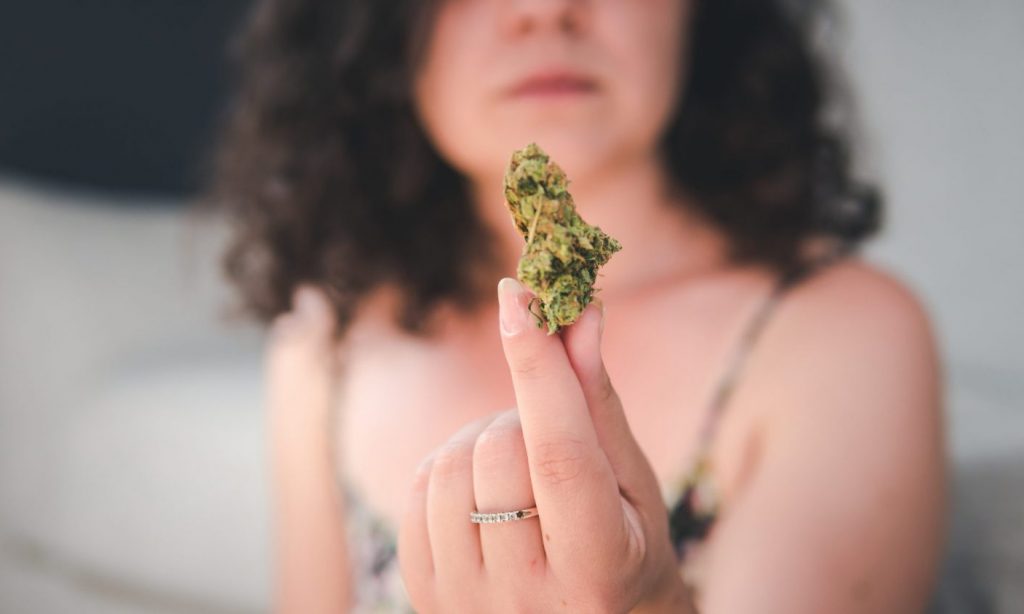
Photo by Volodymyr Bondarenko / EyeEm/Getty Images
“Our findings show that cannabis influencers on Instagram are changing the stereotypical characteristics of illegal cannabis culture as being almost entirely dominated by men, to one where cannabis is represented as a desirable accessory in certain feminine lifestyles,” write the study’s researchers. These influencers painted cannabis as an activity that can be pursued by mothers, people who are invested in their physical and mental health, and more.
Study authors recognize how cannabis influencers have had to get creative on platforms like Instagram considering how the app prevents its sale and censors its content. In their posts, influencers make it clear that they’re not selling cannabis and are simply endorsing it, tying it to appealing images and to a lifestyle that other people are interested in replicating.
“When cannabis is marketed by legal influencers rather than illegal dealers, we find a shift in the use of symbols related to amateurism versus professionalism, intimacy and lifestyle and argue that these changes are bound up with how the influencers do gender differently than sellers,” explain the researchers (via Marijuana Moment).
Marijuana use has evolved over the years, becoming less of a taboo topic and something that can be discussed and consumed openly. In places where the drug is legal, it makes sense then that social media users promote it as something that’s just another activity to partake in.
Medical marijuana can help those suffering from cancer-associated pain, as per a new Technion study published Friday in the journal Frontiers in Pain Research. Almost half of the patients enrolled in the research discontinued their other pain medication after six months of medical cannabis treatment, reported The Jerusalem Post.
“Traditionally, cancer-related pain is mainly treated by opioid analgesics, but most oncologists perceive opioid treatment as hazardous, so alternative therapies are required,” said author David Meiri, an assistant professor at the Technion Israel Institute of Technology.
According to the peer-reviewed research, medical cannabis helps lower the pain in oncology patients while also alleviating other symptoms as well. Patients fighting cancer are known to also suffer from depression, anxiety and insomnia, which can also negatively impact the treatment and prognosis.
While opioids are effective in reducing pain, they have numerous negative side effects. For example, the synthetic opioid fentanyl is highly addictive and can cause death by overdose. The U.S. is in the midst of an opioid crisis with at least 100,000 overdose deaths over the course of 12 months.
To address this, federal health officials signaled in October that they are willing to try new approaches to stem the tragedy. Secretary of Health and Human Services (HHS) Xavier Becerra announced that the Biden administration’s strategy to deal with the epidemic could include allowing supervised consumption sites.
New Research Offers New Hope
It seems that this new Israeli research also provides hope that medical marijuana can be utilized as an alternative to opioids.
The study included certified oncologists who prescribed medical marijuana to their patients and reported on their progress.
“Patients completed anonymous questionnaires before starting treatment, and again at several time points during the following six months,” said study co-author Gil Bar-Sela, associate professor at the Ha’Emek Medical Center Afula. “We gathered data on a number of factors, including pain measures, analgesics consumption, cancer symptom burden, sexual problems and side effects.”
Photo by RODNAE Productions via Pexels
After analyzing all gathered data, the results revealed that the patients notably improved, and more importantly, their opioid use was considerably reduced.
“Although our study was very comprehensive and presented additional perspectives on medical cannabis, the sex, age, and ethnicity, as well as cancer types and the stage of cancer meant the variety of patients in our study was wide-ranging,” Meiri said. “Therefore, future studies should investigate the level of effectiveness of medicinal cannabis in specific subgroups of cancer patients with more shared characteristics.”
Previous Studies On Marijuana And Cancer
Colon Cancer: In March, An Israeli biotech company that develops medical products based on cannabis and fungal extracts, Cannabotech reported cell model study results showing that its “Integrative-Colon” products killed over 90% of colon cancer cells. The Integrative-Colon products are based on a combination of several cannabinoids from the cannabis plant and various mushroom extracts.
Pancreatic Cancer: Experiments conducted on a cell model, showed that a botanical drug based on an extract of the Cyathus striatus fungus and a cannabinoid extract from the cannabis plant eliminated 100% of pancreatic cancer cells relatively selectively and without damaging normal cells. The results were revealed in April.
Breast Cancer: A study published in December and conducted by Hadassah Medical Center physicians, revealed a sixfold improvement in killing breast cancer cells when using specific Cannabotech’s medical cannabis products in combination with standard oncology treatments and drug protocols – chemotherapy, biological and hormonal, over the existing treatment.
There are many more tight races, and several more states whose marijuana legalization may depend on election night outcomes in November.
The midterm primary season is officially in full swing. Several major races have already concluded, and there is a lot to unpack when analyzing the outcomes and the margins of victory.
Several states that have not legalized marijuana for recreational use, or for any use, now have their official candidates for the November election. There are both incumbents who likely offer little change to current policy, and newcomers who may completely shift the trajectory of marijuana policy in their states.
Here are some noteworthy highlights from the states that have already decided their primary elections, and how they may affect the future of cannabis.
Photo by FatCamera/Getty Images
Texas
Texas can’t seem to stay out of the news these days when it comes to many current political issues. Marijuana is no exception. While the conservative Texas Governor Greg Abbott won his primary by a huge margin, he now faces a worthy adversary in Democratic opponent Beto O’Rourke.
O’Rourke also won his primary by a large margin, and unlike Abbott, is a huge proponent of marijuana legalization. According to his campaign website, “When I’m governor, we will legalize marijuana and expunge the records of those arrested for marijuana possession.”
While Texas almost always leans Republican, O’Rourke is likely to give some of the toughest competition the Republicans have seen in recent history. If he pulls an upset, the trajectory of marijuana legislation in the state could completely shift.
Photo by Brandon Bell/Getty Images
Austin Votes To Decriminalize Weed
An overwhelming 85% of voters in Austin supported a measure to decriminalize marijuana. The ordinance, which will become law, will prohibit Austin police officers from issuing citations or make arrests for Class A or Class B misdemeanor possession of marijuana offenses, except for limited circumstances.
This measure may only change laws in Austin, but don’t forget Austin is the Texas capital. Changes like this may spark debate, and may bring the issue to the main stage during the general election.
Pennsylvania
The Senate Republican primary may have been too close to call, but Democratic primary was a landslide victory for John Fetterman.
Fetterman has been very outspoken about being an advocate for marijuana legalization. Some are pointing to his victory as a message that states, and American’s in general, are eager for marijuana legalization.
“John’s overwhelming victory in the primary should send a message to candidates of all political persuasions across the country,” said NORML PAC Executive Director Erik Altieri. As the Republican race heads to an uncertain recount, and with Fetterman emerging as a formidable contender, Altieri believes this victory sends a message to the establishment to, “get on the right side of history or lose to someone with the courage of their convictions.”
Other Races To Watch
Ohio Senate Race
The Republican primary victor, and bestselling author of “Hillbilly Elegy” J.D. Vance will face off against Democratic congressman Tim Ryan. While Vance has not been outspoken about cannabis legalization, Ryan has. Ryan is in favor of marijuana legalization and also voted in favor of the MORE Act.
North Carolina Senate Race
Many eyes are on the North Carolina Senate Race, as the current senator, Richard Burr, is retiring. The Democratic primary winner, Cheri Beasley, would be the first black woman to serve as senator in North Carolina. Beasley also said “It’s past time we legalize & regulate cannabis in NC,” on Twitter.
It’s past time we legalize & regulate cannabis in NC. Taking this action will strengthen our economy, help family farms, & reform criminal justice.https://t.co/HpxyV8h1bh
The primary calendar is filled with elections sprinkled throughout the next few months. There are many more tight races, and several more states whose marijuana legalization may depend on election night outcomes in November.
You don’t necessarily have to be suffering from anything to enjoy the wonderful benefits of vaping CBD, which provides the body with all the healthy properties the oil offers.
CBD is one of the most commonly used/preferred health and wellness products today. Although there are multiple ways of consuming CBD, vaping is considered among the fastest delivery method. A CBD e-liquid, however, is required to make vaping possible.
It is worth noting that the e-liquid is free of additives, hence, no risk of addiction. In addition to this, cannabidiol e-liquids are only made of cannabidiol tincture oils, solvents, flavorings, water, and nicotine.
CBD oils are commonly preferred for their efficiency in providing relief from stress and anxiety. Its effectiveness, however varies depending on the consumption method. As mentioned earlier, vaping delivers cannabidiol into the lungs, which is absorbed directly into the bloodstream. This is why it is among the fastest known CBD delivery methods.
A Brief Introduction To CBD And How It Is Obtained
CBD is a product of the hemp plant. It is extracted (through carbon dioxide extraction) to get only the pure CBD compound, leaving behind terpenes and other compounds present in the herb. Although a product of the hemp and marijuana plants, CBD is 100% non-psychoactive. You thus will not get high or be addicted to vaping CBD. It is thus safe for all to use, with many people using CBD to treat various ailments. You can experience the amazing benefits of CBD through vaping.
Benefits of CBD Vape Oil
It Is Good For Your Lung Health
Vaping is considerably safe and easy on your throat and lungs compared to smoking cigarettes. Although there is a continuing debate on this, many researchers have concluded vaping to be safer than other CBD or nicotine consumption methods. As an added advantage. CBD vape oil also contains less than 5% nicotine, hence a good option for cigarette smokers. If you have been suffering from throat irritation (due to smoking), you should consider vaping CBD. It produces a smoother cloud and sensation, with a wide range of flavors and vaping options to choose from.
It May Help You Give Up Smoking
Despite the numerous quit-smoking remedies and options, CBD vaping is considered the most effective, with minimal to no side effects. Many of the synthetic drug options out there may only work for a few days but then trigger a range of unwelcome reactions within the body. Many health experts recommend vaping CBD, especially if looking to quit smoking. As an added advantage, CBD binds onto various receptors in the body (CB1 and CB2) to provide therapeutic benefits within just a few minutes.
Type 2 diabetes is one of the most common conditions in the American population. The condition affects a person’s overall wellbeing, causing difficulties in wound healing and blurry vision, among other symptoms. CBD contains anti-inflammatory and other beneficial properties that come in handy in managing the condition. It is also believed to reduce insulin resistance in patients, making it easier to cope with the condition. Vaping CBD also helps inhibit inflammations and increases metabolism, improving symptoms of diabetes in the process.
Helps Treat Insomnia and Relieve Anxiety
Insomnia and anxiety are two of the most common conditions today. The fast-paced world doesn’t make it better for most people, a reason cases of stress have been on the rise. Cannabidiol-based e-juices, however, contain soothing properties that help calm the nerves and induce sleep. Most patients suffering from anxiety have a sleep-related condition. Vaping CBD can thus prove fruitful in such situations.
It Is Good for Cancer Patients
Cancer and its treatment methods can be debilitating and sometimes dangerous. Cancer patients have to bear with known side effects of chemotherapy alongside painful cancer itself. Hemp-derived CBD contains potent ani-nauseating properties that help improve these symptoms. Most patients find it hard to ingest anything, with nausea making it even worse. Vaping CBD however helps ease these symptoms, thanks to its anti-oxidative properties. Vaping CBD also helps boost the patient’s appetite, making it easier to cope with the condition.
Photo by Elsa Donald via Unsplash
It Packs Neuroprotective And Antioxidant Properties
According to research, CBD packs some of the most potent antioxidant and neuroprotective properties than any other natural compound. Vaping CBD thus delivers all these and more to the body, improving a person’s overall wellbeing and health, according to Hempsi.com. The neuroprotective properties help protect brain cells from toxic radiation, while antioxidants help relieve most skin-related disorders.
Studies have also shown CBD to be quite effective at improving symptoms of epilepsy in young children. In a survey conducted by the World Health Organization, more than 50 million people across the globe struggle with epilepsy. And using or vaping CBD can help improve their way and quality of life.
Industry leaders can ensure a tremendous advantage for capturing market share while transforming the practice of wellness and medicine as we know it today.
You’re an established executive who has worked for known brands and companies. Never in any career planning did you declare, “I want to work with marijuana!,” let alone imagine a legal cannabis industry that is blooming. As a “headhunter” who has recruited for several emerging sectors, I ignored this burgeoning industry — until early 2021, when our firm was engaged to find a CFO outside of cannabis.
Some candidates were outright alarmed. The narco-drama “Ozarks” was a top trending Netflix series, and part of our client’s operations was in Colombia. Others were concerned that CBD was a gateway to something more addictive and damaging to local communities. But, surprisingly, the rest of the finance candidates recognized how their experience was transferrable and became intrigued.
According to the Viridian Cannabis Deal Tracker, there are currently 12 business verticals, ranging from Agriculture Technology and Consulting Services, to Real Estate and Software/Media (this sector had “436% more transactions and raised 482% more capital in 2021 than in 2020”.)
Photo by SEASTOCK/Getty Images
Who Works in Cannabis?
A year ago, I asked the question to an industry veteran (someone with 3+ years experience) who left a high-profile, lucrative position in New York to join a grower in Colorado. He responded, “People who like to smoke weed and work with others who smoke weed.” That’s the answer: High Performers!
Highly functioning
Highly self-aware
Highly empathetic
Here are 5 must have leadership traits for successful cannabis hires:
They are market-tested. In the words of John Lykouretzos, CEO and co-founder of FocusGrowth Asset Management, LP: “A demonstrated success in other industries/endeavors BEFORE entering cannabis. Betting on green (no pun intended) leadership is risky.”
They have a vision and a plan. This is an industry of firsts. “Charting a path for your company, team, and investors that no one else has ever taken requires imagination and courage,” said Luis Merchan, Chairman and CEO of Flora Growth Corp. “Having a plan to pivot on that path given the volatile conditions of the market and being open to guidance from your team is equally as important.”
They are enterprising. They know how to address unexpected setbacks and seek out unplanned opportunities.
They recruit for greatness. Despite tight budgets and labor shortages, they confidently pursue talent for the future. They know themselves — strengths, weaknesses, etc. — and are fearless about hiring the best to strengthen the team.
They are committed to social equity. Creating a power algorithm of healthier financial results, employee retention, and customer loyalty, they institute high impact strategies for social equity, diversity, and inclusion to proliferate irresistible brands.
Photo by Headway via Unsplash
“If you love cannabis, whether it’s the products or potential, it’s a great industry with massive opportunities for disruption,” said Jeff Arbour, CMO of Bridge City Collective, a coast-to-coast fellowship of cannabis operators, educators, activists, and innovators.
Industry leaders can ensure a tremendous advantage for capturing market share while transforming the practice of wellness and medicine as we know it today.
Kay Cioffi is the Founder and Chief Talent Officer of Kaypartners — Connecting Talent w/ Talent. Market-tested, she brings her expertise from 25+ years’ experience in talent acquisition to meet the unique demands of the emerging cannabis industry.
Adult-use marijuana sales in Massachusetts have officially surpassed $3 billion, according to the state’s Cannabis Control Commission.
According to the agency, the market has reached $3,001,846,490 in sales of recreational cannabis since its legalization in December 2016. There are reported 216 cannabis retailers and 11 delivery businesses.
The Cannabis Control Commission has shown steady growth in marijuana sales, highlighting that eight months ago the state’s sales exceeded $2 billion. During the 4/20 holiday this year, the total profit was $5,986,186 in one day.
These skyrocketing sales in the cannabis market go along with general success in sales in different states. It is important to take into consideration that states with legal marijuana have collectively generated more than $3.7 billion in tax revenue, in comparison with last year.
In Arizona and Michigan, legal cannabis sales earned nearly $200 million in profit. On the other hand, Illinois is recovering from a fall in sales at the beginning of the year by reaching $132 million throughout April. Colorado has shown a downward in sales in comparison to last year.
“I’m proud our staff continues to work diligently to ensure applicants move through our licensing process efficiently,” said the director of the Cannabis Control Commission, Shawn Collins. “Marijuana establishments operate within a safe, accessible, and effective regulated market, and our work to ensure equity in the industry and the agency remains front and center.”
Cannabis product manufacturers have been zoning in on these cannabinoids and terpenes offering subtle, yet powerful healing properties you may be interested in exploring.
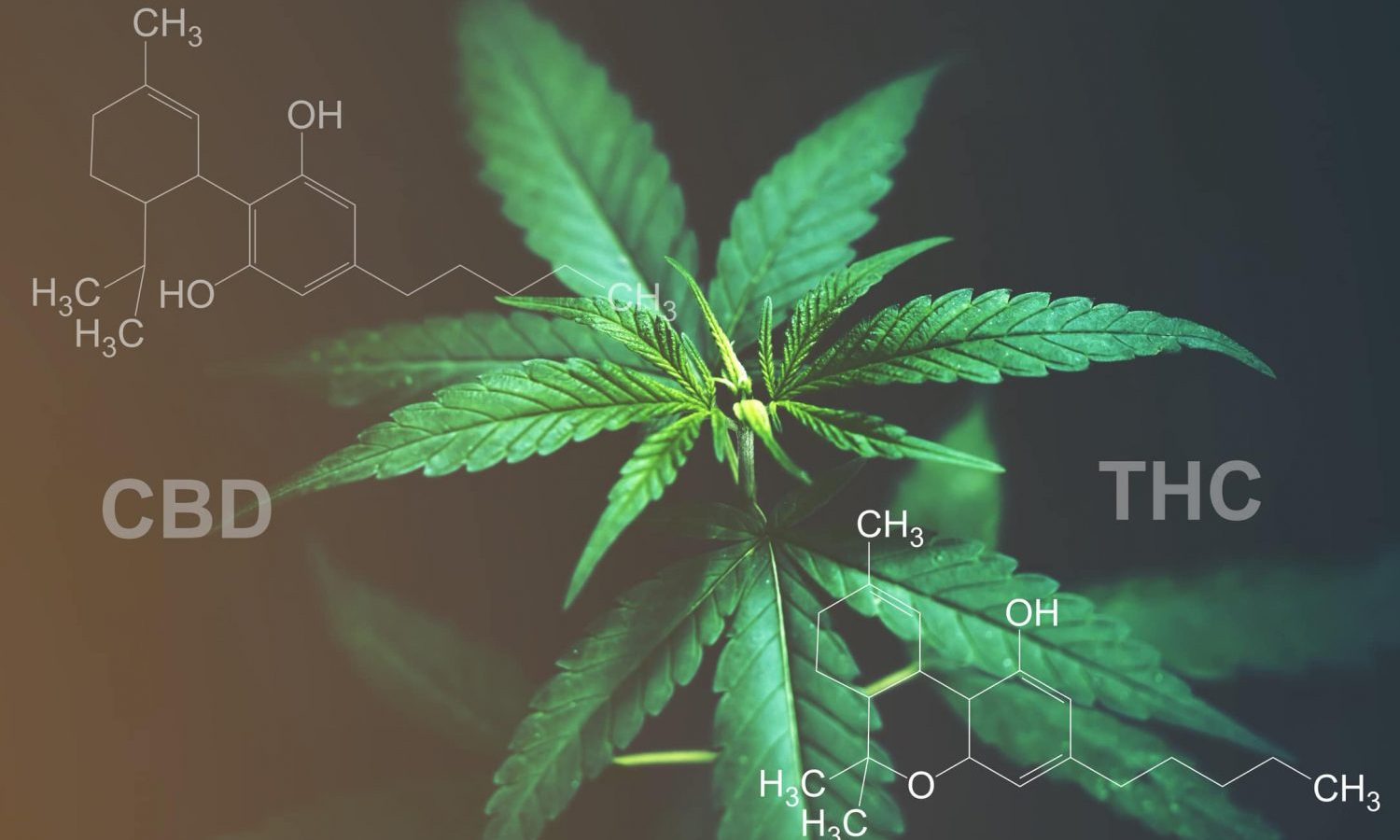
Cannabidiol (CBD) and tetrahydrocannabinol (THC) are the most widely researched compounds in the cannabis plant, and for good reason. CBD is renowned for its anxiolytic, anti-inflammatory, and analgesic, and anti-epileptic properties while THC gives users the high we all so love, but also has powerful therapeutic benefits.
Both compounds have shown tremendous success through both anecdotal evidence as well as clinical research when it comes to dozens of ailments: from cancer to Parkinson’s disease, everyday stress and anxiety, depression, PTSD, nausea, insomnia, and so much more.
Photo by anankkml/Getty Images
However, in recent years, researchers have discovered there are other notable compounds in cannabis which are just as important as CBD and THC. In fact, many are even more significant for some people depending on the their conditions. Because of this, cannabis product manufacturers have been zoning in on cannabinoids and terpenes offering subtle yet powerful healing properties you may be interested in exploring.
Consumers who live in states with legalized medical or recreational marijuana can find an abundance of oils, food products, drinks, and even lotions powered by terpenes or cannabinoids. These are alongside CBD and/or THC, are on the rise. Most consumers seek out products specifically for the CBD and THC.
Terpenes
Terpenes are compounds in plants responsible for its aroma and flavor profile. These occur naturally in plants, and they served an evolutionary purpose: to ward off predators or attract pollinators.
Each strain or phenotype of cannabis has its own unique ratio of terpenes as well as cannabinoids. There are some 50,000 known terpenes today, but the cannabis plant has around 250, though scientists may soon discover more. Terpenes may be derived from the plant in essential oil form, though they can also be derived from other plants contain the same terpenes such as lavender or pine. Where the terpene comes from will impact its consistency and purity.
The best way to consume terpenes are through inhalation, edibles or drinks, and topicals. They are naturally volatile and potent, so one doesn’t need much in order to feel its effects.
Here’s a rundown of some of the most popular terpenes and their health benefits:
Terpinolene is not common nor is it abundant in cannabis, but you only need a small amount to experience its benefits. It has an herbaceous and floral aroma, and it is known for relaxing and sedating effects.
β-Caryophyllene is an anti-inflammatory terpene with antibacterial, antioxidant, and antimicrobial properties. Research has uncovered its potential abilities to fight against neurodegenerative diseases because it protects the brain from inflammation as well. Other studies show it can help treat the symptoms of multiple sclerosis and Alzheimer’s disease.
Myrcene is one of the most abundant terpenes in marijuana plants. It has an earthy and musky aroma but cannabis consumers appreciate its sedative effects. Myrcene is one of the compounds responsible for the couch-lock users experience with some cannabis strains.
Humulene is common in cannabis as well as hops. It has a mildly spicy, musky, and earthy scent. When it comes to its medicinal benefits, humulene is renowned for its antibacterial properties and inflammation-fighting characteristics though some studies show promise in its ability for shrinking tumors.
Limonene is easily recognizable because of its sweet, fresh, and citrusy scent. You can detect limonene in lemony strains of cannabis which are associated with its mood-uplifting properties and mood enhancement, as well as its ability to relieve stress. It also has powerful anti-depressant properties ideal for anyone struggling with emotional distress; limonene is also gastroprotective and anti-fungal benefits.
Linalool has a woody, spicy, and floral scent. It is one of the oldest-known natural sedatives. It also has other important properties: linalool is an anti-convulsant, anti-anxiety, anti-depressant, and a muscle relaxant.
Photo by Rocky89/Getty Images
Cannabinoids
Cannabinoids are unique, naturally-occurring compounds in the cannabis plant. While scientists currently know of almost 500 different cannabinoids, we have only identified around 70 of them.
The most famous of these is of course, THC, which is the compound responsible for the psychoactive effects of the plant. CBD is the second most famous, which we mentioned earlier. All cannabinoids work by interacting with the cannabinoid receptors found outside of cells in the human body, most of which are concentrated in the central nervous system. The cannabinoid receptors are known as CB1 and CB2.
Just like terpenes, there are specific cannabinoid products now available on the market. Each of them have their own cannabinoid profile which has various benefits for the human mind and body.
Here are some popular cannabinoids to check out:
CBG: Cannabigerol (CBG) is the grandfather of THC and CBD, because chemically speaking, it serves as the foundation and building block which the cannabis plant uses to produce these other compounds. However, on its own, research shows it may have numerous benefits especially for anxiety, treating IBS, tumors, and bacterial conditions.
THCV: Tetrahydrocannabivarin (THCV) possesses a similar molecular makeup with THC, though it has less carbon atoms. It can potentially be intoxicating though since it’s so little, it’s nearly impossible to feel anything. It’s widely used as an appetite suppressant, so if you are trying to lose a little weight, it would be beneficial to look for products with THCV. Research has shown it can also be beneficial for diabetics in managing blood glucose.
CBN: Cannabinol (CBN) is a cannabinoid created when THC has degraded because it was exposed to light, or when your cannabis has aged. However, if you ingest old cannabis, the CBN content is mildly sedating which can come in handy for people struggling with insomnia. Some researchers believe a small amount of CBN is adequate for relaxing the body compared to a 10mg pill of Valium.
CBC: Cannabichromene (CBC) is the second most abundant cannabinoid in most cannabis strains, after THC and CBD. It was discovered in the 1960’s, and while there is still more research needed for this cannabinoid, scientists do know it enhances the benefits of other cannabinoids especially CBG, CBN, THC, and CBD through the entourage effect. It’s also interesting to note research says CBC is 10 times more powerful than CBD when it comes to treating stress and anxiety.