“Medical cannabis is life-saving for so many people, and it’s not acceptable for 62% of California cities to ban people from actually purchasing it,” said Sen. Scott Wiener.
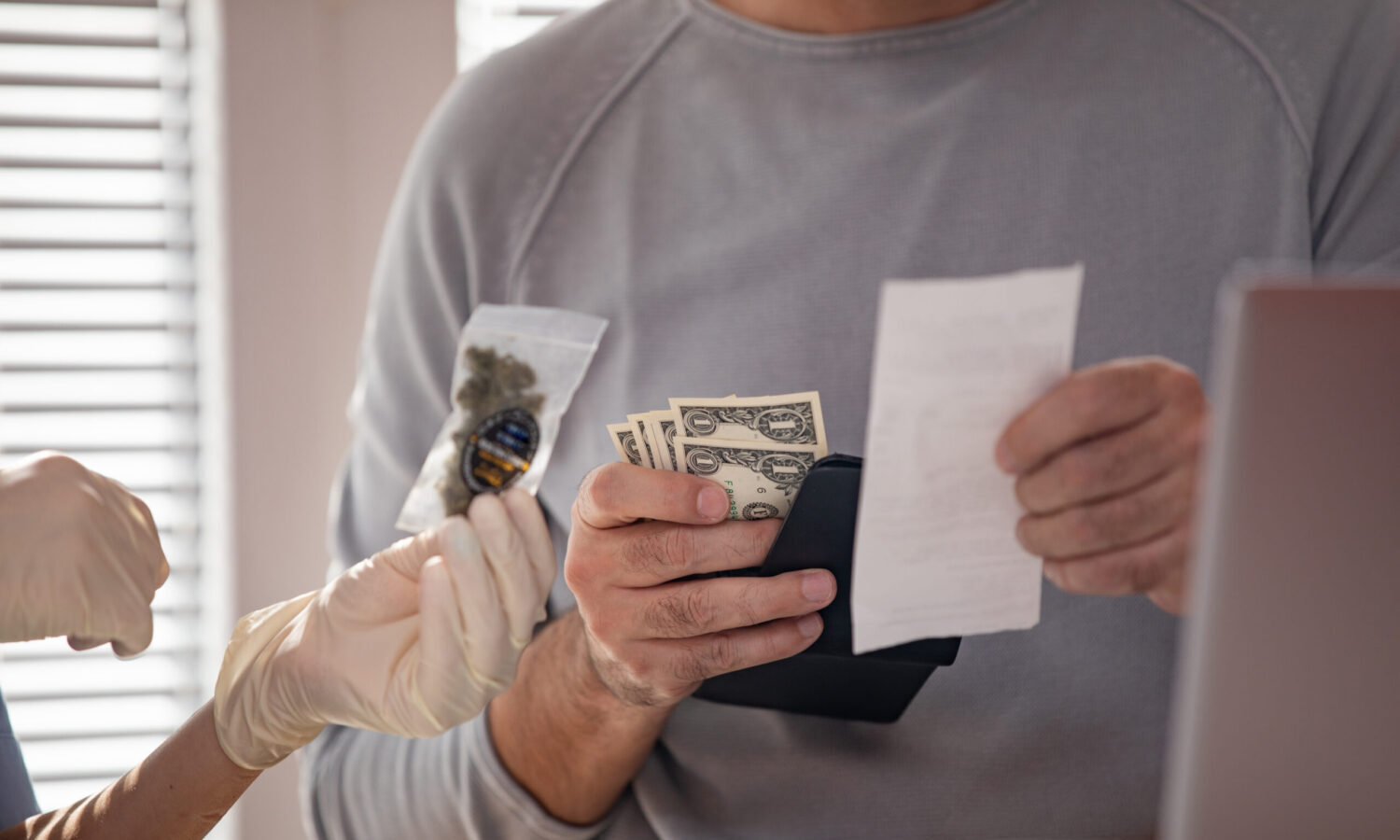
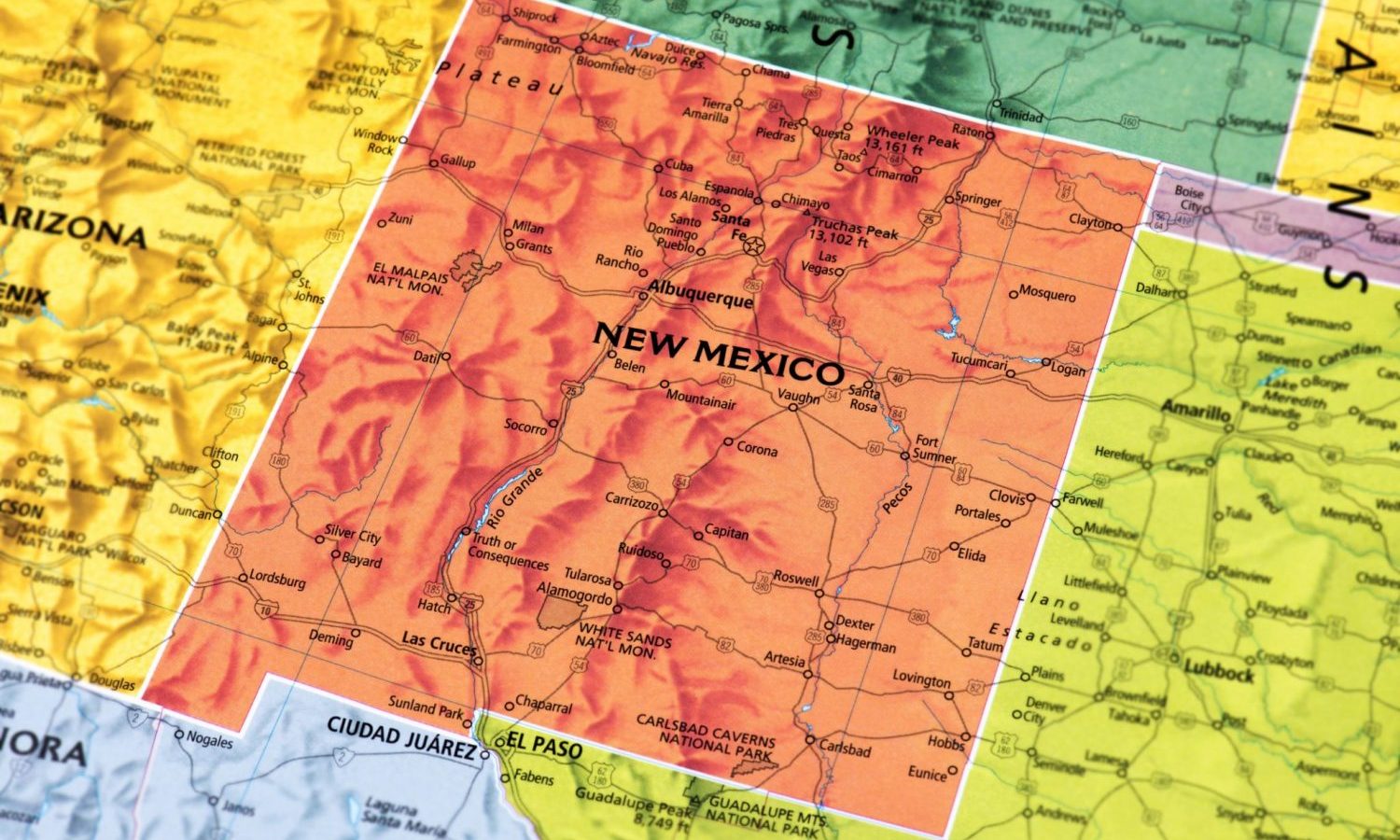
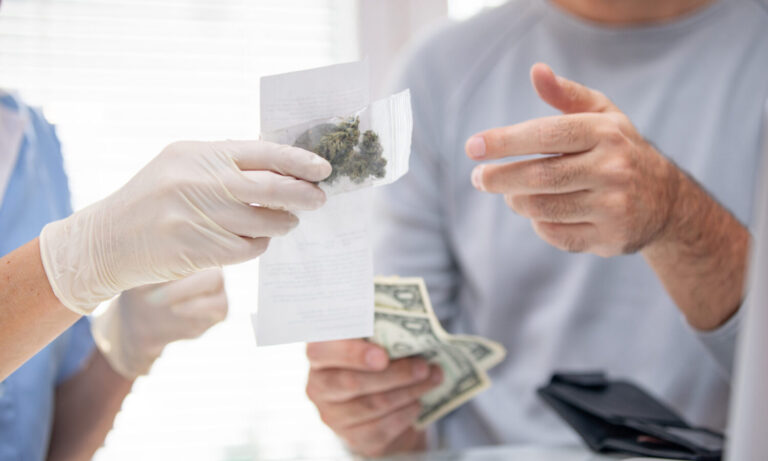
California Senate Committee gave the green light to a bill that restores voter-created access to medicinal cannabis by requiring cities to provide patients access to purchase medicinal cannabis via delivery.
According to a press release, Senator Scott Wiener’s (D-San Francisco) Senate Bill 1186 passed the Senate Governance and Finance Committee by a vote of 4-1 last week.
Photo by CasarsaGuru/Getty Images
Sponsored by the California Cannabis Industry Association and supported by California NORML, the measure is now heading to the Senate Appropriations Committee for review.
“Medical cannabis is life-saving for so many people, and it’s not acceptable for 62% of California cities to ban people from actually purchasing it,” Sen. Wiener said. “Everyone needs and deserves access as guaranteed by California voters who passed Prop 215 almost 30 years ago. When cities ban purchasing medical cannabis, it denies access and fuels the illegal market. SB 1186 restores medical cannabis access for those who need it.”
What’s In The Bill?
The bill restores access to medical cannabis for those who have cancer, HIV/AIDS, chronic pain, arthritis, neurodegenerative disorders, and numerous other illnesses. It requires cities to allow medical cannabis access. Cities also must authorize medical cannabis delivery as a minimum.
In addition, SB 1186 does not in any way change cities’ ability to limit or ban sales of adult use of cannabis. It only prevents jurisdictions from prohibiting medicinal cannabis delivery.
There are both great rewards and potential stressors involved with homegrown marijuana. Here’s what you need to know before you plant.
Many Americans discovered their green thumbs during the pandemic. Whether it was a modest attempt at an herb garden, or a full-scale vegetable greenhouse, everyone was getting their hands dirty and loving it.
Just as more adults have honed their gardening skills, marijuana has become legal in more areas throughout the country. It is now legal to grow marijuana in19 states and Washington D.C.
While each state has its own requirements and regulations, this is definitely something to ponder, especially since droves of “crazy plant people” have come out of the woodwork in the last few years. Yet as of 2021, only about6% of cannabis users grew their own weed.
The idea of going out to your backyard and grabbing your favorite strain may sound serene, but growing your own weed is not always that romantic, and certainly not that simple. Before you run out to your favorite home and garden store or start building a greenhouse in your backyard, consider these top pros and cons to growing your own marijuana.
Top Reasons To Grow Your Own Weed
Quality Control
Just like produce, it is good to know where your weed came from. There are a variety of marijuana growing techniques. Some are pure and organic, while others are heavier on pesticides and use questionable growing methods.
When you grow your own weed you are able to achieve exactly the type of product you are looking for. You can use your own methods to grow buds to be as plentiful or potent as you desire. Furthermore, just like eating a salad made with vegetables from your garden, there is a sense of pride and accomplishment attached to the weed you grow yourself. And that is something money can’t buy.
Good Long Term Investment
Growing weed might be more involved than growing green beans, but the rewards can make your wallet very happy. If an outdoor plant is grown correctly with ideal conditions it can yield up to 17.5 ounces of bud.
Depending on the quality of weed, one ounce of quality weed retails anywhere from just over $200 per ounce to much higher. According toStatista, “The District of Columbia holds the record for the highest price per ounce of high quality marijuana in the United States, as of October 2020, with an average price of some 591 U.S. dollars per ounce.” So while the initial setup may be costly, the long term savings can be highly beneficial.
Freedom To Choose The Strain
Depending on where you live, variety may be a luxury you simply do not have access to. If you are growing marijuana for medical purposes, you likely have a very specific desired effect you are trying to cultivate and harness. When you grow your own weed you are ensuring you have access to the exact type of marijuana you want, or possibly even need.
Photo by Lealnard Riengkaew / EyeEm/Getty Images
Reasons To Reconsider Growing Your Own Weed
Security Concerns
The most notable concern involved with growing your own weed is safety and security. Some people are lucky enough to live in an area where everyone trusts each other, but most Americans lock their doors and even have security systems installed.
Growing weed, however legal it may be, may just put a bullseye on your house for those looking for a quick score. “For law-abiding growers it could invite burglaries, since their stash is worth $1,000 a pound and easy to resell,” The Guardian explained . This issue is even more concerning if you are growing your marijuana outdoors. Constant worry is definitely one way to take the fun out of what was meant to be a fun project.
Time And Money
You may eventually save money if you are able to successfully grow marijuana, but it will cost lots of time and money before you see your first bud. No matter how much attention and love you give the plant, it will still take months to grow, and even more weeks of drying, trimming and curing before it is ready for consumption.
Growing marijuana is also much more costly than your regular backyard garden. Ensuring a successful marijuana crop can be expensive, as “cultivation equipment and operational costs can be quite steep for the average person given the lighting, electricity, thermoregulation, humidity, and timers needed for a successful grow,” according to Greentank, a company that manufactures hardware for cannabis companies.
Space
Even if you have the security, time and money you have to consider the space concerns. You may think you can make use of a small path of grass on the side of your house, but unless the natural lighting and temperature are ideal, or you can build a greenhouse, you may have to move your operation inside at some point.
According to New Frontier data, more than half (56%) of home-growers claimed to cultivate cannabis indoors, which makes it easier to regulate temperature and light versus outdoors. Unless you have ideal weather conditions or ample space for a stable greenhouse setup, you may have to dedicate an entire well-insulated room to the growing cycle of these plants.
If you live in a state where it is legal to grow your own cannabis, you have a lot to consider. There are both great rewards and potential stressors involved with homegrown marijuana. If you do decide to plant, however, be sure to do your research so you can have a great crop on your first try. Regardless of the outcome, make sure you remember to enjoy yourself, because it is supposed to be fun after all.
Cannabis helps with many ailments. One of the conditions it is said to help is migraines. If you’ve never suffered from a migraine, it can be a living hell. I remember the first time I experienced a true migraine. It’s not like a headache. You feel nauseas, your eyes are sensitive to the light — stuff hurts!
Here’s the original post: Cannabis and Migraine: I’ve found that it helps a great deal. I’m actually starting a weed diary of which strain works the best for migraines. Had anyone else done this? It’s honestly the best thing for my migraines.
This post received a total of 252 upvotes and 157 comments, and many people added in their two cents. But before we read about what the community has to say, let’s quickly do a recap on migraines.
What Is a Migraine?
According to the Mayo Clinic: A migraine is a headache that can cause severe throbbing pain or a pulsing sensation, usually on one side of the head. It’s often accompanied by nausea, vomiting, and extreme sensitivity to light and sound. Migraine attacks can last for hours to days, and the pain can be so severe that it interferes with your daily activities.
For some people, a warning symptom known as an aura occurs before or with the headache. An aura can include visual disturbances, such as flashes of light or blind spots, or other disturbances, such as tingling on one side of the face or in an arm or leg and difficulty speaking.
Medications can help prevent some migraines and make them less painful. The right medicines, combined with self-help remedies and lifestyle changes, might help.
As you can see, it’s a headache that decided to Hulk out on you. In many cases, migraines can be caused by inflammation or be triggered by stress — both symptoms that can be treated with cannabis.
I’ve found that cannabis doesn’t help PER SE, but if I get high I can at least distract myself from the pain so I notice it less. So, specific strain doesn’t make a difference.
The closest I get to getting relief directly from it is when I use caviar/moonrocks. Something about the mix sometimes helps me!
I also found that moonrocks are quite effective in dealing with these kinds of pains. Perhaps it’s the potency of the product or the mix of terpenes and other essential cannabinoids that does the trick, but for me personally – I too found these higher potency products provide the best return.
I tried this, and I found it to be hit or miss. No one strain worked consistently. Even within the same batch, it was hard to predict what the effects would be. Sometimes one hit would be enough to ease the pain, but then sometimes it would help for only a short time and then I’d get a rebound headache worse than the original. I guess this can also happen with other migraine abortives, but given the other side effects, it just wasn’t worth it for me. I am not someone who can smoke weed and just continue functioning as normal. If you are, all power to you!
In my personal experience this was also the case. Cannabis didn’t always help me get rid of my migraines. I don’t really have migraines these days anymore, unless I’ve been glued to a screen and my eyes need some rest. Either that, or I started doing breathwork which keeps me very well oxygenated and non-inflamed.
Talvana, who has been suffering from migraines for a while now, also added to the conversation:
I wouldn’t survive this disease without cannabis. Jack herer is also one of my favorites. I tend to try a lot of new things constantly and randomly find products that help. Concentrates in particular help a lot with the pain.
I think a lot of it is actually the mood boost for me. I can ignore the pain more than usual if I’m high and it passes time. I get daily migraines and usually start with weed to see if I can ride out the migraine before I resort to pills. Some days just weed is enough which is great because I only get 10 pills/month and still have another 10-20 migraine days to deal with.
Here, cannabis acts as an accompanying drug to the pharmaceuticals she gets since the pills are only available for 10 days, probably due to the toxicity of the pharmaceuticals. Cannabis on the other hand has very low toxicity and is safe for most people.
In her case, the higher you get, the easier it is to not be focused on the pain.
Michigan’s cannabis consumers didn’t hold back on 4/20 this year. But then, of course, no one expected them to.
Indeed, more than two tons of cannabis flower was sold during the annual weed holiday. Initial data from Michigan’s Cannabis Regulatory Agency (CRA) shows overall sales of cannabis flower on 4/20 were up 242% this year compared to the same day in 2021, CRA director Andrew Brisbo said.
Here’s the breakdown of cannabis flower sold on 4/20 over the past three years:
2022 – 4,619 pounds
2021 – 1,912 pounds
2020 – 430 pounds
During this year’s cannabis holiday, consumers bought more than $15.5 million in cannabis products from the state’s retailers. Overall weed product sales, measured by price, were up 45% from the previous year.
Total 4/20 weed sales in Michigan in the last three years:
2022 – $15.55 million
2021 – $10.69 million
2020 – $3.67 million
“Overall sales continue to increase despite significant price decreases year over year,” Brisbo said, per the Detroit News. “Over 140,000 adult-use vape cartridges were sold [on 4/20] — 100,000 more than last year.”
Adult-use cannabis purchasers pay a 10% excise tax on top of state sales tax while MMJ consumers do not pay excise tax.
The influx of sales Wednesday translates to more than $2.55 million in excise taxes and state sales in a single day, CRA spokesman David Harns said.
Recreational cannabis sales in Michigan are forecasted to hit a new high of $1.5 billion this year. It seems this year’s 4/20 celebrations provided a hefty push along that road.
Only in Florida! A wedding turned into stoner fest for unsuspecting guests, chaos ensues. The bride and her wedding caterer were arrested after they apparently laced the wedding feast, including lasagna, with weed, causing several guests to get sick and probably a lot more to wonder what the hell was going on.
Several guests at the wedding started feeling odd after dinner, some reporting tingly feelings and wild thoughts, while others felt certain their hearts were going to stop, The Washington Post reported.
The bride, Danya Shea Svoboda, and her side-kick caterer, Joycelyn Montrinice Bryant, have been charged with culpable negligence, delivery of marijuana and violating Florida’s Anti-Tampering Act.
According to affidavits, released by various Florida outlets, Svoboda “agreed to and allowed Joycelyn Montrinice Bryant to lace the food she served … with cannabis unbeknownst to the attendees, many of whom became very ill and required medical attention.”
When Seminole County deputies were called to the community center where the wedding reception was taking place, several guests were already being treated by county fire rescue personnel for “symptoms consistent with that of someone who has used illegal drugs.”
The Groom’s Giveaway
When a deputy asked the bride and her new spouse if they had requested or consented to the cannabis-infused food, new hubby Andrew “stared at (the deputy) with a blank expression for a few moments before stuttering through a ‘no,’” which probably should have been a dead giveaway that the groom had eaten too much lasagna, which later tested positive for THC.
Paranoia Strikes Deep…And It’s Uncomfortable
According to the affidavits, one woman told an investigator that while she was at the hospital, she felt paranoid and “believed her husband … wasn’t telling her the truth about other family members,” and that her son-in-law had died and no one was telling her.
Using Secret Ingredients, No Matter What Kind, Is No Joke
“Consider the dangers that come with unknowingly consuming alcohol and then driving. Beyond that, what if one of your guests has given up drinking or drug use? Is it ‘fun’ to be the reason they broke their sobriety? Once someone’s state of consciousness is unwittingly altered, the consequences of whatever they do next are on you,” wrote The Takeout.
Both Svoboda and Bryant bonded out of Seminole County Jail and will be arraigned in June. And next time you want a wedding turned into stoner fest for unsuspecting guests, think twice.
Many people have found that cannabis is a safe and healthy way to cope with the demands of parenting. Here’s how it can help you.
Raising children is no joke. The extreme pressure parents face to put food on the table, raise socially and morally responsible citizens, making ends meet, having to take care of your career only names a few of the struggles parents actually experience.
It can be so hard at times that parents get lost in their roles, often forgetting to take care of themselves and their relationships with their spouses — and this can cause desperation, leading to substance abuse and other bad habits.
Using cannabis regularly has become the secret of many successful parents, who have found that it’s a safe and healthy way to cope with the demands of parenting, which can easily take 18 years of your life until one child is off to college. While there are still many people that are against parents using cannabis, one cannot deny its multitude of benefits.
What the Studies Say
In fact, a recent study out of Oxford has revealed that the presence of adult-use cannabis laws has been linked with a decrease in foster care admissions. The study, conducted by economists at the University of Mississippi, analyzed patterns in foster care admission among states before and after adult-use cannabis was legalized.
Their findings?
“Our most conservative estimates imply that legalization causes at least a 10% decrease in total admissions into foster care due to specific child-welfare concerns,” reads the study.
“Legalization may impact foster-care admissions directly by changing the welfare of children or indirectly by changing policies and attitudes towards marijuana use in the home. Direct effects may arise because marijuana use itself causes behaviors that affect child welfare, or because it changes the likelihood of using other drugs,” said the authors.
“We also find that placements due to physical abuse, parental neglect, and parental incarceration decrease after legalization, providing evidence that legalization reduces substantive threats to child welfare, although the precise mechanism behind these effects is unclear,” they add.
Another study from 2019 involving 32 adult medical marijuana patients who participated in a focus group discussion shed some insights as to why parents medicate. The study’s authors sought to better understand how the use of marijuana impacts parenting.
Six out of 11 parent participants said that cannabis use helped them to be calmer, making it easier to manage difficult emotions that arise with parenting. However, it was also interesting that some noted they didn’t want their kids to use cannabis. But more importantly, the study’s findings revealed that MMJ patients who are parents can indeed benefit from alternative ways to cope with stress caused by parenting.
There is also adequate anecdotal evidence from parents that it does indeed calm them down and help them become a better parent without the harmful and potentially dangerous side effects of other coping mechanisms, such as alcohol and hard drugs, which can increase the chances of domestic violence.
How Cannabis Helps Parents
Stress: From sleepless nights caring for infants and toddlers, to the general frustration of raising young ones and all the endless list of daily tasks in between makes parenting perhaps the most stressful job in the world.
Parenting is extremely overwhelming, and the longer parents cope with stress alone, the more this can lead to depression, anxiety, sleep disorders, and physical ailments rooted in inflammation and muscle tension. Cannabis has been proven in numerous studies time and again as an effective treatment for stress and anxiety. It also should be said that chronic exposure to stress can change a person, and when you want to be the best for your kid, cannabis can help you get yourself back and be at your best.
Anger management: Any parent can tell you that raising children can often come with numerous infuriating episodes. Explosive outbursts can easily ruin the trust you have with your kid, and it can also deteriorate the relationship you have with your spouse.
Research shows that cannabis can be a good antidote to anger. It’s also a much better way to cope with anger than alcohol, which can only make it worse. Cannabis contains vital cannabinoids that can help stabilize mood disorders, which can help spell the difference between a good and a bad day for you and your family.
Sleep: From the moment you become a parent, you can say goodbye to peaceful hours of sleep. When your child grows up, there will also be inevitable periods driving you to sleeplessness because of certain issues. It could be your kid’s health, school, making ends meet, difficult in-laws, and so much more.
No matter what’s driving you to lose sleep, cannabis is there for you. A few puffs or a quality indica product does a better job of ensuring you get good shut-eye, making you more restful the next day. The lack of sleep can also cause mood disorders, so getting 8 hours of restful sleep can make a big difference in ensuring that you get rest and are prepared to tackle the challenges ahead.
Conclusion
These days, parents have so many more options when it comes to medicating discreetly. There’s the use of vapes, gels, capsules, tinctures, beverages, and edibles which make calming down after a stressful day effective but also easier than ever.
If you’re the type of person who doesn’t want to get high, that’s fine. You can microdose by taking tiny puffs of your vape or consuming edibles that have been infused with low doses of THC, which has been shown in studies to be beneficial for treating stress whereas a high THC strain may make stress worse.
Cannabidiol (CBD), the non-psychoactive compound in the cannabis plant, is also very powerful in inducing calmness and relaxation. CBD products are widely available in legal states, and for parents struggling with anger, frustration, and high levels of stress, CBD may be the best route for you.
“We cannot settle for half-baked, insufficient legislation that is nothing more than a political ploy to give folks false hope on the prospects of cannabis legalization here in Wisconsin,” said Sen. Melissa Agard.
On Wednesday, Wisconsin Senate Committee on Insurance, Licensing and Forestry held a public hearing on Senate Bill 1034 relating to medical marijuana. Prior to the hearing, State Senator Melissa Agard (D-Madison), a vocal supporter of marijuana legalization, revealed that she will testify against the bill and released the following statement as reported by WisPolitics:
“The most dangerous thing about cannabis in Wisconsin is that it is illegal. Senate Bill 1034 falls drastically short of the cannabis reform our state desperately needs and what the majority of Wisconsinites support: full cannabis legalization,” she wrote.
“While I am encouraged that Senate Bill 1034 received a public hearing, we as legislators had 15 months of this session in which we could have worked on cannabis legalization in a bipartisan manner. Instead, this bill does not go nearly far enough for cannabis reform or adequately address the harms of cannabis prohibition in Wisconsin,” Agard said, further stressing that Wisconsinites are ready for marijuana reform, with some 61% supporting it.
“We cannot settle for half-baked, insufficient legislation that is nothing more than a political ploy to give folks false hope on the prospects of cannabis legalization here in Wisconsin. We must put our efforts behind full cannabis legalization,” Agard concluded.
One of the problems in relation to the hearing is the inability of the measure to become the law this year because the Legislature has adjourned and will to be back in session until 2023. While there’s no doubt that the Senate committee hearing on the medical marijuana bill is an accomplishment in that it enables supporters to present their arguments about MMJ’s benefits as they seek reform in the state, Sen. Agard previously noted that this was insufficient.
She explained at the time that this is the second session in a row wherein “legislative Republicans have introduced a late session, politically motivated bill to try and fool the people of Wisconsin into thinking they are genuine about legalization. Having a public hearing after the session has already been gaveled out is a cynical political ploy that gives people false hope about the prospects of this legislation.”
Agard concluded that she is disappointed by her Republican colleagues, who did not see fit to help her in her cannabis legalization efforts.
Data shows that pets across North America are suffering increasingly due to cannabis toxicity.
Accidentally high pets, veterinarians may know why. A new study found that one of the most impacted demographics by legal marijuana. A study, published in the journal PLOS One, shares the findings of vets across North America. It showed that cases of poisoning occurred most frequently in dogs, cats, iguanas, ferrets, horses, and more.
According to the researchers, most accidentally high pets via edibles, but they also eat joint butts and plant materials. CNN spoke with some experts who provided some context for the study and stressed the importance of keeping an eye on your pets when having cannabis around the house.
“It’s important to remember our pets are not tiny people. They’re very different creatures with different metabolisms and because of that they can have serious outcomes from ingesting marijuana,” said Dr. Dana Varble, the chief veterinary officer for the North American Veterinary Community.
She explained that, in the cases of dogs and cats, they often experience distress and anxiety after consuming cannabis, made even worse by the fact that they’re unable to understand what’s going on in their bodies. She says there’s a double danger in today’s edibles; one from the THC itself and another from the contents of the edible itself, whether that’s chocolate or sweeteners like xylitol, all harmful to animals’ metabolisms.
Vets and researchers believe this increase in pet cannabis poisonings can be due to several factors: 1) cannabis legalization, and 2) people feeling more comfortable with reporting these situations. Then there’s also the fact that people may be more inclined to proving CBD or cannabis to their pets, thinking that it’s a safe way to address their stress or anxiety. “Cannabis-based medicine is not approved for veterinary use,” summarizes a vet.
The cannabis industry has tried its best to manage those who consume its products, asking for IDs and packaging products in child-proof containers. It’s up to cannabis consumers to put their products away once they’re brought home, making sure they keep their pets and children safe from these elements.
Earlier this month, Colorado Attorney General Philip Weiser (D) and Ohio Attorney General Dave Yost (R) sent a letter to U.S. Senate leadership demanding the passage of the cannabis-related SAFE banking bill.
The Secure and Fair Enforcement (SAFE) Banking Act aims to protect financial institutions that wish to provide their services to state-legal marijuana businesses. Some industry experts believe the bill has a better chance of passing the Senate than the MORE Act, which would remove cannabis from the Controlled Substances list and allow states to legalize its production and sale free from federal interference.
Photo by jirkaejc/Getty Images
Wiser and Yost, who are also serving as co-chairs of the National Association of Attorneys General (NAAG) Federalism Committee, said in the letter that “states and federal government share a strong and common interest in protecting public safety and bringing grey market financial activities into the regulated banking sector,” reported Marijuana Moment.
“To address these vital goals, we yet again urge the Senate to bring the SAFE Banking Act to the Senate floor for a vote as soon as possible,” they wrote.
SAFE Banking Sponsor Also Acts
On the heels of the bipartisan duo’s move, Rep. Ed Perlmutter (D-CO), the sponsor of the bill, also issued his letter to Senate leadership urging the same action from the chamber.
Perlmutter suggested that passing the Secure and Fair Enforcement (SAFE) Banking Act, aside from being a priority on its own, would also serve as a legislative “icebreaker” for broader reform.
In the new letter, the attorneys general highlighted that they “urge the Senate to advance the SAFE Banking Act or similar legislation to provide a safe harbor for depository institutions that provide a financial product or service to a covered business in a state that has implemented laws and regulations that ensure accountability in the marijuana industry.
“Our banking system must be flexible enough to address the needs of businesses in the various states, with state input while protecting the interests of the federal government,” the letter continues. “This includes a banking system for marijuana-related businesses that is both responsive and effective in meeting the demands of our economy.”
On Thursday, Weiser went to social media channels to spread the word:
The law prohibits banks from providing services to cannabis businesses in states where medical or retail sales are legal. Cash-only operations pose safety threats. Again we ask the US Senate to pass the #SAFEBankingAct to give this industry access to the federal banking system. pic.twitter.com/E0RnOoiI8i
— Colorado Attorney General (@COAttnyGeneral) April 21, 2022
With 18 states having legal adult-use markets and 37 states plus DC, Puerto Rico, Guam, the Northern Mariana Islands and the US Virgin Islands having legalized medical marijuana, it’s hard to imagine that broader reform is not on the horizon. The question seems to be when not if.
So, Perlmutter might just be right that the SAFE Banking Act could serve as an “icebreaker” for federal marijuana reform. We’ll see.
Americans taking cannabis even for medical purposes in marijuana-legal states are still at risk of losing their jobs so long as the federal government maintains a ban on marijuana. That’s in keeping with a statement released by US officials on Saturday, which indicates that even if you have a doctor’s prescription, you can’t be legally excused if you test positive for THC, marijuana’s major psychoactive ingredient.
Over the weekend, the U.S. Substance Abuse and Mental Health Services Administration proposed to expand drug testing systems for which employees can be examined for Schedule 1 prohibited drugs, which consists of substances that the feds say presently have no accepted medical use and a high potential for abuse and cannabis.
Substance Abuse and Mental Health Services Administration also suggested implementing language in the Federal Register to point out that second-hand inhalation of marijuana smoke isn’t a genuine excuse for individuals who test positive for cannabis, nor is taking edibles that possess THC. The policies refer to all forms of drug testing, which include samples of blood, urine, and saliva.
Mixed Views on Testing
Views on federal prohibition among Congress members are mixed, understandably, as more states legalize cannabis. The House of Reps Appropriations Committee published a report last year in which they advised federal agencies to abolish regulations demanding the sack of employees who use medical marijuana in states in which it’s legal.
Among employers, the U.S. Military has been among the most strict, to impose marijuana prohibition, banning service members from partaking in any form of marijuana, including CBD and other compounds made legal in the 2018 Farm Bill. According to Marijuana Moment, members of the U.S. Navy were told recently not to drink a new Rockstar energy drink from Pepsi that contained cannabis seed oil.
The notice sent to the military members stated that Sailors and Marines are banned from using any product made or derived from cannabis, including CBD, irrespective of the product’s THC concentration and if it was used under the civilian law that applies.
The FBI hasn’t gotten rid of its prohibition policy yet, but it has reduced it considerably. Potential FBI employees can be automatically disqualified from joining the agency only if they’ve taken cannabis within a year of applying for a job, which is lesser than the previous three-year rule.
Lawmakers In Illinois Say Different
In the Illinois House of Reps, State lawmakers have passed a bill that would tackle a growing problem in legal marijuana: safeguarding employees who use cannabis from getting fired for having THC in their system.
Though marijuana has been legalized for medical use in 37 states and recreational use in 18, employers in most places can still choose to make use of the result to refuse to hire a job applicant or to fire a worker. Some states have gone into action.
A law was recently passed in Philadelphia that stops employers from using a cannabis drug test as a condition for employment. In Illinois, where both recreational, and medical marijuana are legal, lawmakers have been working since last year to address the matter statewide.
Photo by thamyrissalgueiro/Getty Images
A Matter of Fairness
The Illinois House passed the legislation by a 61-41 vote, mainly along party lines. The bill’s lead backer, state Rep. Bob Morgan, a Democrat, said the measure would allow people to use a legal product on their own time “without fear of losing their employment.”
People view it as a matter of fairness. An employee can consume alcohol on weekends or weeknights without fear of consequences. But even in states that have legalized cannabis, it’s difficult to do the same with cannabis if employees are scared of a drug test on Monday morning. This is because THC, the psychoactive element in cannabis, can be detected in the bloodstream or urine for several days.
The Illinois suggestion stops employers from sacking or refusing to hire someone after a drug test spots THC in their system, so long as the individual does not appear intoxicated and doesn’t test above the threshold for driving under the influence, which is 10 nanograms per milliliter in urine or saliva or 5 nanograms per milliliter of blood.
Though the law seems rational, the matter is more complex for business owners and law enforcement.
Marijuana and Professional License
This is a question that pops up more and more often in our world. If you are a licensed professional (for example, doctor, lawyer, nurse), and you happen to have a medical marijuana card, can you lose your license because of medical use of marijuana?.
Sadly, it’s not a question with an easy answer, notably since the laws about legal marijuana use now differ a lot from state to state. Marijuana is permitted in at least 36 states for medicinal purposes, while 18 states have legalized it for recreational use.
Meanwhile, not all licensing boards have kept up with changing outlook toward marijuana, and there remain many looming worries about impairment on the job as well as public views around licensed professionals who use cannabis. All of these elements combine to make this an extremely complicated question.
Bottom Line
Drug testing is a major problem for marijuana entrepreneurs and consumers. Worries about loss of job prevent people from using weed, even if it’s prescribed by a doctor. In places where recreational use is legal, many people still won’t buy cannabis on weekends or for after-hours use, due to fear of losing their job.
Also, can the use of medical cannabis still endanger your professional license?. The answer is a loud “maybe”. If you have found yourself in trouble with your state’s licensing board over the lawful use of medical cannabis, it’s not a matter to be taken lightly. After all, your means of living is dependent on your license to practice, and losing the license could cost you your career.
Having a skilled professional license attorney on your side can make a significant difference in the outcome and even save your license.