A new study found a link between licorice and prostate cancer. Here’s why researchers think this information is worth investigating.
Love it or hate it, a new study discovered that licorice root is good for your health and could even prevent and treat cancer.
The discovery was made by researchers from the University of Chicago, who found links between the root that licorice comes from (Glycyrrhiza glabra) and a group of benefits related to cancer. The study, published in the journal Pharmacological Research, focused on prostate cancer, but researchers think these benefits could extend to other forms of cancer.
Gnanasekar Munirathinam, associate professor and study lead, discussed the findings in a press release, breaking down some of the effects of the plant. “When we look at the research out there and our own data, it appears that glycyrrhizin and its derivative glycyrrhetinic acid have great potential as anti-inflammatory and anti-cancer agents,” he said. “More research is needed into exactly how these could best be used to develop therapies, but this appears to be a promising area of cancer research.”
While these results may prompt licorice lovers to overindulge in their favorite sweet, researchers explain that more study is necessary, even if they think there’s nothing wrong with consuming it occasionally. Licorice isn’t only made up of its root; it contains sugar and other elements that may mess with people’s blood pressure and systems if consumed in disproportionate amounts.
There are plenty of foods that have been associated with cancer prevention. Foods such as nuts, broccoli, carrots, cinnamon, beans and berries have been linked with anti-carcinogenic effects. While it’s unlikely that someone will prevent the disease or cure it by merely consuming these foods, it’s never a bad idea to know these facts, and to add them as a part of a healthy and balanced diet.
Probably not all Republicans agree on everything regarding marijuana legalization, but some of them are known for supporting it. At least, under specific regulations.
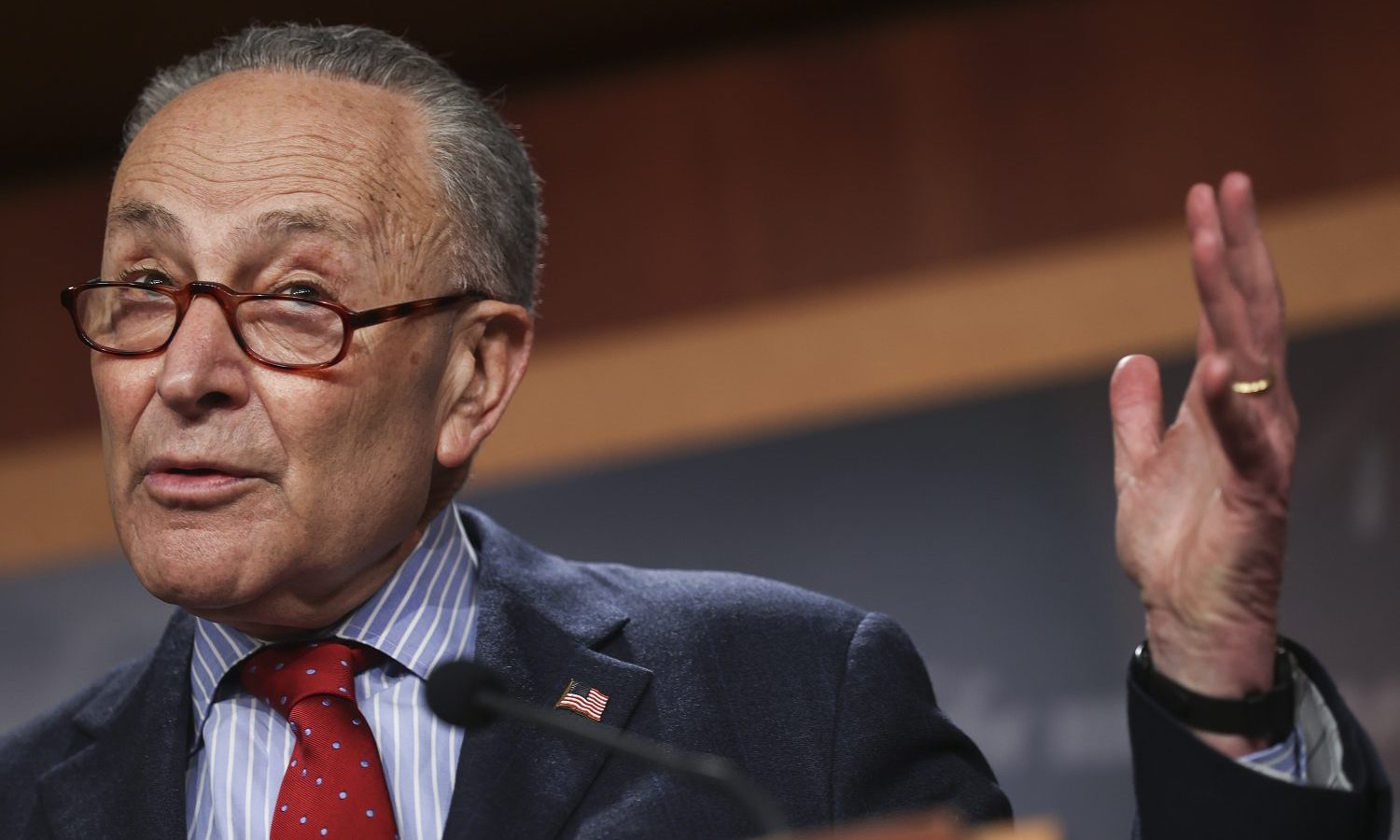
Senate Majority Leader Chuck Schumer (D-NY) confirmed this week that, together with his colleagues, he is planning to consult with Republican senators to find out what “they want” to see included in a bill to federally legalize cannabis, which he should present this month.
The news comes on the heels of the U.S. House of Representatives approving a different bill to end federal cannabis prohibition, the MORE Act, sponsored by House Judiciary Committee Chairman Jerrold Nadler (D-NY).
Photo by Jonathan Ernst/Pool/Getty Images
“We hope to [file the bill] towards the end of April,” Schumer said, as reported by Marijuana Moment. The leader added that he, Senate Finance Committee Chairman Ron Wyden (D-OR) and Sen. Cory Booker (D-NJ) “are talking about it and, in fact, we’re trying to reach out” to other lawmakers about the measure.
“I’ve reached out already to a few Republicans to see what they want,” he said.
What Do Republicans Want?
Probably not all Republicans agree on everything regarding marijuana legalization, but some of them are known for supporting it. At least, under specific regulations.
For example, Rep. Nancy Mace (R-SC), viewed as one of the leaders among GOP representatives in favor of removing cannabis from the list of federally controlled substances, voted against the MORE Act. Why?
“The MORE Act forces a system on South Carolinians and other states they do not want. By comparison, my bill, the States Reform Act, removes the federal government from the equation and allows states to decide for themselves,” Mace explained.
She presented her bill — the States Reform Act — in November last year, but the measure failed in 12 committees and seven subcommittees without a hearing.
According to Mace, House passage of the MORE act may be a good start for creating bipartisan consensus around legislation that would remove cannabis from the Controlled Substances Act.
According to Mace, many don’t understand that her bill doesn’t actually legalize cannabis at the federal level, instead, it offers full control to each state. Mace has said she believes that giving control to states and treating cannabis like alcohol is the only way for marijuana reform to obtain Republican support.
Photo by Dmitriy83/Getty Images
What Does Schumer’s Bill Propose?
Schumer and fellow Sens. Cory Booker and Ron Wyden introduced the outline of the proposed Cannabis Administration & Opportunity Act in July last year.
The proposal included plans to remove marijuana from the Controlled Substances Act. If passed, the bill would also expunge prior convictions and allow people who are serving time for applicable crimes to petition for resentencing.
In addition, states would retain their rights to set their own marijuana policies and help those who’ve been criminalized over the cannabis plant.
In February, the trio asked senators to help them complete the marijuana legalization bill expected to be filed in April. To that end, the top Senate Democrats sent letters to their colleagues encouraging them to get into the drafting process and help finalize this legislation.
“In order to appropriately address such a nuanced issue, we respectfully request the input, advice, and guidance of Chairs and Ranking Members of relevant committees as well as senators who have dealt with the challenges and realities of legalization in their own states,” the three senators wrote. “We would deeply appreciate your willingness to share your expertise on the intersections between your committees’ jurisdictions, your states’ experiences, and comprehensive cannabis reform and invite you to join the process of perfecting this legislation. We would welcome the opportunity to discuss this issue with you in the weeks ahead.”
Furthermore, the senators accepted public comment on the draft to help them revise the bill before presenting it this month.
And while many industry experts doubt there will be federal marijuana reform this year, it’s obvious that cannabis legalization is slowly but steadily gaining wider support. In addition to the MORE Act, this week the House of Representatives passed the Medical Marijuana Research Act, which will substantially expand scientific research on marijuana, including allowing scientists to study products from dispensaries.
COVID-19 boosters show no sign of stopping. Here’s what researchers know in terms of the effects of repeated vaccination.
Federal authorities have approved a second COVID-19 booster following full immunization, totaling four shots. These immunizations were approved for people over the age of 50 or who have underlying health conditions.
If you’ve been keeping track of boosters, you’ll realize that the time between each shot has been getting shorter, from the predicted initial eight months to now four months.
Can you have too many boosters in your body? Will they become harmful at some point?
Researchers don’t have enough evidence to know what will happen if we continue to get boosters, but most think that it’s unlikely for there to be significant negative side effects. Still, there are some issues that could pop up.
In a news briefing, the Head of Vaccines Strategy of the European Medicines Agency Marco Caliveri said that taking boosters every four months might compromise immune response. “We are rather concerned about a strategy that entangles repeated vaccination within a short term. We cannot really continuously give a booster dose every 3 or 4 months,” he said.
Studies on viruses like HIV show that T cells, which are responsible for protecting the body, become dysfunctional when they’re exposed repeatedly to the same virus. Still, some researchers don’t think this is the case with COVID-19.
“T cells become dysfunctional when they repeatedly see antigen in certain contexts,” said Dr. Sarah Fortune, professor at Harvard University. She makes it clear that HIV is different than COVID-19; in the case of the latter, people’s bodies are exposed to the virus occasionally, when they get their shots or by catching the disease. This situation is different than HIV, where the virus lives in people’s bodies over prolonged periods of time, thus damaging the T cells.
Currently, the CDC recommends a booster at least 5 months after the last previous dose. Those who are immunocompromised or over a certain age can get their shots four months after their last dose.
The rise of the Omicron variant is largely responsible for new waves of boosters. While the booster is perfectly equipped to handle previous variants, Omicron is just different enough to sneak past a relatively protected immune system. With there being a new Omicron variant in the mix (BA.2), we’ll just have to wait and see how the virus reacts and whether or not infection rates skyrocket, prompting responsible authorities to campaign for more boosters.
States where weed is legal generated over $3.7 billion in cannabis tax revenue from adult-use sales in 2021—a 34% increase in revenue compared to 2020.
A new report reveals some big numbers when it comes to cannabis tax revenue generated from legal weed states, which collected more than $3.7 Billion in 2021. This is a 34% increase when compared to 2020.
The updated report, compiled by the Marijuana Policy Project (MPP) and published on Wednesday, also found that, as of March 2022, legal marijuana has earned over $11.2 Billion in tax revenue since 2014, when marijuana was first legalized in Colorado and Washington.
“Our report is further evidence that ending cannabis prohibition offers tremendous financial benefits for state governments,” said Tori Hutchinson, President and CEO of the MPP. “The legalization and regulation of cannabis for adults has generated billions of dollars in tax revenue, funded important services and programs at the state level, and created thousands of jobs across the country. Meanwhile, the states that lag behind continue to waste government resources on enforcing archaic cannabis laws that harm far too many Americans.”
One of the main draws of legal cannabis is the fact that these tax revenues can be utilized for a variety of services that concern and benefit the state, like education, veterans’ services, job training, reinvesting in communities that have been impacted by the war on drugs, and more.
Every year, federal legal marijuana seems like a clearer possibility, even if the process is slow going. Last week, the House passed the Medical Marijuana Research Act, which expands the research that’s available on marijuana and could benefit legal marijuana in the long term.
“Cannabis has a wide range of therapeutic applications, but researchers have consistently faced significant roadblocks to conducting studies. Research is key to evaluating and unlocking the full potential of cannabis, and we applaud the House for passing legislation that would greatly expand the eligible supply of cannabis for studies,” said U.S. Cannabis Council CEO Steven Hawkins.
The MORE Act, which was also recently passed by the House, could help remove marijuana from the list of controlled substances and eliminate conflicts between federal and state laws, allowing states to make their own rules regarding cannabis.
The bill would have allowed for self-certification for adults 21+ to use medical cannabis and established a tax holiday for medical cannabis products during April.
District of Columbia Council Chairman, Phil Mendelson, introduced a new emergency bill to reform the medical marijuana market in the nation’s capital where cannabis is fully legal but sales are banned, by a congressional spending bill rider that’s been annually renewed, prohibiting the use of local taxes to implement a system of recreational cannabis commerce.
“The important part of the legislation is that it’s making it easier for the legal medical marijuana businesses, which we are licensing, to be able to maintain their customer base,” Mendelson said on Monday. “The legal shops have seen a substantial erosion of their business to the legal market and I want to be clear, this is not a gray market, it’s an illegal market.”
The bill would have allowed for self-certification for adults 21+ to use medical cannabis and established a tax holiday for medical cannabis products during April. However, on Tuesday, the District Council rejected a resolution to allow expedited action on the bill.
The bill was criticized by the advocacy group D.C. Marijuana Justice (DCMJ) over a proposed civil enforcement action: a $30,000 fine for unregistered businesses that “gift” marijuana to people who purchase unrelated products and services. Advocates are concerned about the bankruptcy effect of the fines on businesses owned by minorities.
In addition, the bill was criticized for not lifting the cap on medical cannabis providers to include current operators gifting cannabis.
“The solution is to remove the rider,” Mendelson noted. “Both chambers of Congress have proposed lifting the rider from Rep. Andy Harris (R-MD), but last year’s appropriations bill maintained the ban, and President Joe Biden last month proposed for the second time a budget that would continue the cannabis restriction,” reported Marijuana Moment.
Bill supporters include Dr. Chanda Macias, CEO of the National Holistic Healing Center. “As one of the four Black-owned dispensaries in D.C., this emergency legislation will help us continue to serve these vulnerable patients with safe, tested products from licensed regulated operators,” said Dr. Macias, who is a guest speaker at the upcoming Benzinga Cannabis Capital Conference in Miami April 20-21.
While COVID-19 is a highly contagious disease, there’s a group of people who have never caught the virus despite leading normal lives.
After two years of a pandemic, the majority of people have had first-hand experience with COVID-19. Still, there’s a group of people who, despite living their normal lives over the past couple of months and exposing themselves just like everyone else, have not gotten infected. Researchers are trying to understand why.
One study is being conducted by Australian researchers who are examining household COVID-19 cases in order to understand how the disease spreads, and how some people remain immune to it even if they should have caught it due to exposure.
“We can gain a lot of knowledge from the people who are resistant genetically and immunologically,” Dr. Vanessa Bryant told ABC Australia. “Obviously, that’s going to have implications for understanding the critical components that are necessary for COVID-19 protection. It’s also going to really pinpoint the essential therapeutic targets for [the treatment of] other people.”
She explains that everyone’s immune system is different, with the study betting that there’s a genetic component that’s influential in who gets the disease or not. While those who are vaccinated have extra protection, once this fades with the passage of time, immunity is dependent on the person’s genes. “It’s really highly variable,” she says.
When accounting for variables like exposure and previous infection, researchers think a genetic component plays a part, making some naturally more resistant to COVID-19 than others. A recent study supports these claims; out of 18 subjects that were exposed to COVID-19, all of whom had no vaccines nor previous infections, half of them never caught the virus.
No matter how careful people are, it appears some have more protection naturally, despite masks, social distancing, and more.
Have you ever completed a bong session late at night only to wake up drenched in sweat and fear, experiencing quite the opposite of what you should be feeling? The widespread “conspiracy theory” about this phenomenon is that their bong water inactivated the THC in the plant materials. Many stoners even believe their bongs are working against them at those crucial moments.
Here, you’ll get a comprehensive review of why bong water is excellent. This silent fear about the liquid rendering the THC component is baseless and without scientific proof.
Photo by Grav via Unsplash
What Is Bong Water?
Bong water refers to the weird-looking liquid found in the bottom chamber of a bong. The strong-smelling liquid has been described as “disgusting” several times.
Bong water is used to cool and filter the plant materials as they get heated up. The water helps remove the smoke. This liquid can be reused, but when it gets filthy, it needs to be replaced. This feature helps reduce the choking effects of the smoke, making the session less tiresome for stoners. It reduces the temperature of the inhaled smoke and filters out the tar. Without the bing water, the throats of several stoners would be burned.
The problem now is the belief that water reduces the potency of the hits by filtering out THC. Accurate information about what happens when gaseous THC interacts with bong water has been convoluted.
How Does Bong Water Function?
Bong water serves several essential purposes. For one, it makes the entire experience cleaner and smoother. The filtration process alone has two phases.
First, when the heated plant materials go through the cold water, the smoke’s temperature is considerably reduced. The smoke becomes easier to inhale, and it does not burn the throat. Secondly, the water absorbs the soluble compounds while trapping the insoluble ones simultaneously. This way, the regular leftovers that often remain in the throat or lungs are reduced or totally cleared off before the smoke is inhaled. That is, fewer impurities make their way into your healthy body.
Tar, ash, and plant matter do not leave the bongs; instead, they remain in the water. Bong water devices are a reasonable investment. They prevent irritations in the throat and lungs. Hence, you’re more or less doing yourself a favor by removing these large and very hot particles from the smoke. Some studies suggest that boiling water effectively removes some toxins from cigarette smoke. While it is not the healthiest method of consuming cannabis materials, it is better than most.
What Becomes Of The THC?
Bong water is an effective water filtration system that reduces the adverse effects of smoking cannabis material. But there are times when a small amount of THC, specifically the insoluble ones, gets trapped in the water. Still, it remains better than other combustion methods for smoking. When joints are rolled and lit, more THC and cannabinoids are burned off than the small amount trapped in bong water.
However, you can determine how much THC is lost from each bong session. To do this, you need to factor in a few variables, like the THC percentage, the amount of weed poured into the bong, the total amount of water used in the bottom chamber, and the temperature and humidity applied within the bong.
A regular bong hit can contain up to 300mg of THC. For instance, if your weed contains up to 30% THC and you inhale about 1 gram per hit, you’ve taken in 300mg of THC.
Amount Of THC In Water Bongs
Experiments on THC have shown that its highest water solubility rate is 2.78 mg per liter. This occurs at a temperature between 22-24°C. For example, if your bong’s water chamber could contain up to 600ml of water, it would trap nothing less than 1.6mg of THC. At this rate, you’d be taking in over300mg of THC.
Note that at 23°C, the THC is still present as a solid within the plant materials. Since bongs have high temperatures of about 100 °C, the THC changes to a gaseous state, which is less soluble than the solid crystalline form.
Photo by Pavel Danilyuk via Pexels
According to Henry’s law, the solubility of a gas decreases as its temperature increases. In addition to this, the atmospheric pressure within a bong is about 80%. These scientific values show that less THC gets trapped in bong water due to the high temperatures and atmospheric pressure. There is a more comprehensive scientific explanation for this.
From the above calculations and explanation, less than 1% of THC is lost to the bong’s water. Regardless of the amount of water in the chamber, you’ll get as much THC from your plants as possible without the burning smoke hitting your throats.
Numerous anecdotal reports suggest the use of bongs without water. These claims are false and misleading. Doing so could lead to throat injuries and sore throats that could remain for up to a week. Using a bong without any form of liquid is a bad idea that leads to regrets.
Wine is one of the most preferred alternatives because it adds flavor to the smoke. You can use your favorite wine brands for this. However, you have to stick to one with relatively low alcohol content.
Fruit juice is also another good choice to replace water. Regular Bing users claim that cranberry juice is an exciting option. Fruit juice is less harmful than alcoholic wine. You can add ice to your wine, water, or juice to improve the cooling effect in the bong water chamber.
Bottom Line
Bong water is a very useful feature in bong devices. It protects the tissues and nerves in the consumer’s throat and makes the experience more fulfilling. Anecdotal reports which claim that bong water renders THC impotent are unfounded. If you have an excellent bong, premium weed product, clean water, or suitable alternatives, and the right amount of heat is applied, the highest amount of THC that can be lost or trapped in the bong water cannot exceed 5%.
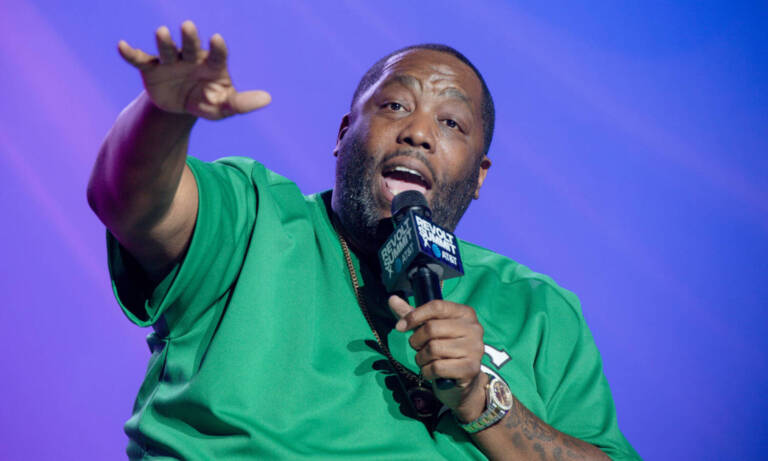
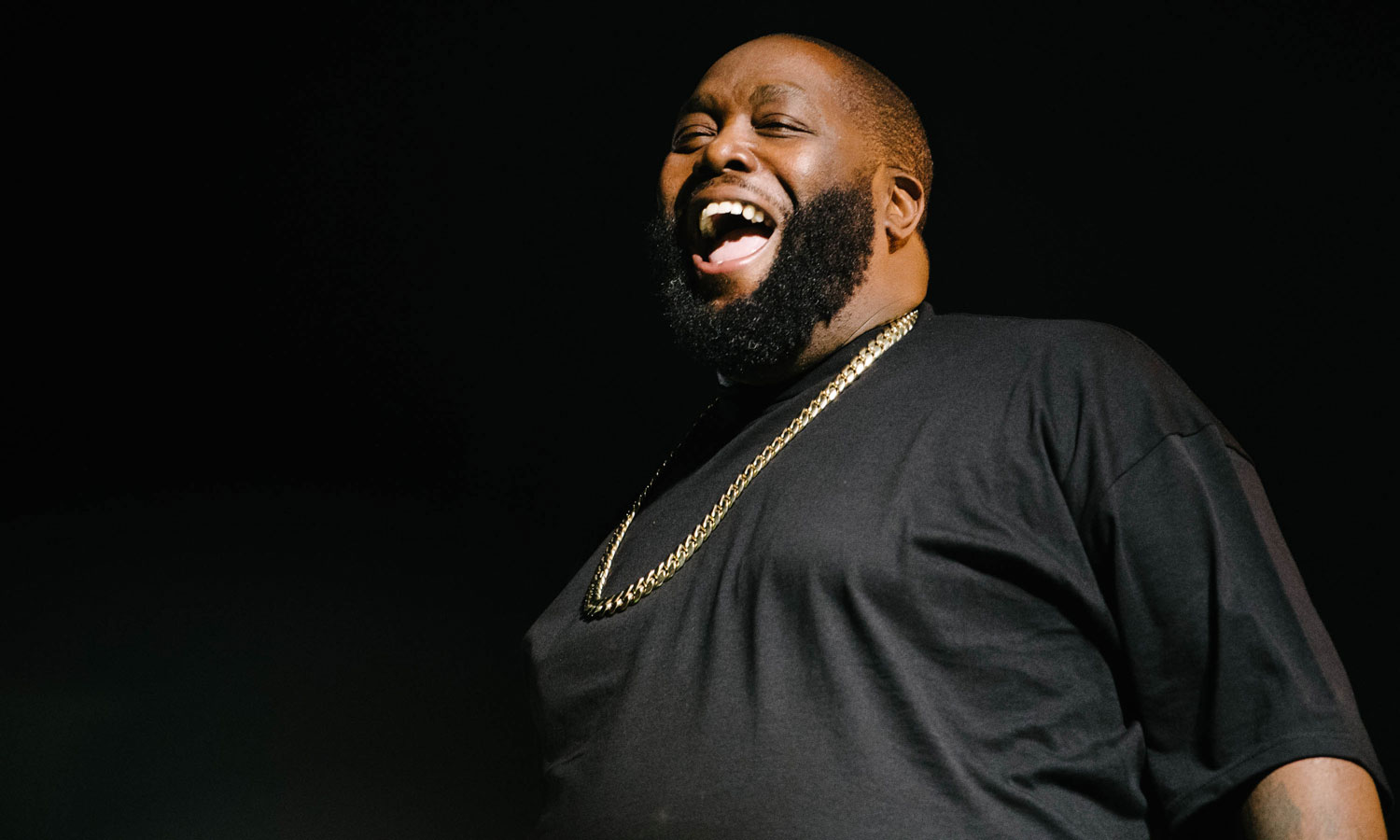
Weedmaps WM Technology Inc and hip hop star Killer Mike announced the launch of their new media project, Tumbleweeds. The show will follow Killer Mike, real name Michael Render, exploring what show creators call “a new era of cannabis in America.”
Render will tour four U.S. cities, including the California Bay Area, New York City, Chicago and Las Vegas where he’ll will stop and chat with local personalities and comedy legends linked to the pot community. Along the way, he’ll be joined by notable entertainers:
Photo by Emma McIntyre/Staff/Getty Images
San Francisco:
Comedian, Ngaio Bealum
Comedian, Jeff Horste
Comedian, Kabir Singh
Las Vegas:
Comedian, Mat Edgar
Comedian, DJ Sandhu
Comedian, Jozalyn Sharp
Comedian, Mu Johnson
New York City:
Comedian, Napoleon Emill
Comedian, Jocelyn Chia
Comedian, Brendan Sagalow
Chicago:
Comedian, Chris Higgins
Comedian, Jarrell Barnes
Comedian, Just Nesh
Comedian, Abi Sanchez
He will also tour dispensaries, infused cafes and other emerging pot destinations to showcase the pulse of America’s cannabis culture.
Render, who spoke with Benzinga while filming at Manhattan’s Café Canal in January, appeared thrilled about the project. He emphasized how the show plans to tackle pressing cannabis issues while also highlighting the communal aspect through comedy.
Photo by Tim P. Whitby/Stringer/Getty Images
“I get to hang out with incredibly joy-filled people, smoke marijuana and talk about cannabis,” said Render, co-creator and co-star of the hip-hop group Run the Jewels.
Overall, he said the goal is to help further normalize cannabis.
Changing Of The Guard Needed In D.C.
Normalizing cannabis has its remaining hurdles. While the public has largely come around on the issue, stalled action on Capitol Hill and in certain state houses leave Render supporting a change in leadership.
He pulled no punches with his assessment, saying “I think the remaining hurdles are to get the old fucking politicians that are in charge now the fuck out the way.”
Render said opposing lawmakers “know that legalization is imminent and coming,” proposing rules he considers “dumbass hurdles” that obstruct the process.
He cited his home state of Georgia as an example, citing its strict medical cannabis program.
Under state law, patients are only permitted access to 20 ounces or less of low-THC oil. Medical cannabis oil is not available for purchase at this time, according to the state Medical Cannabis Commission.
Render called Georgia’s current state cannabis rules “senseless.”
Fighting Drug Stigmas, Calling For Improved Licensing Access
Render, a long-time activist, is well-educated on the history of drug war propaganda. He was quick to highlight the race-based attacks starting in the 1920s all the way through the Nixon administration’s ramping up of the drug war, with its effects ongoing.
“We know that Nixon propagated the drug war to be weaponized against hippies or freethinking white folks and black folks,” he said, adding, “I think it’s time to end.”
Advocating for equal ownership, Render supports licensing opportunities for drug war victims and their communities, believing that industry ownership should reflect state demographics.
While traveling the world, Render identified Amsterdam as having an amazing cannabis culture, and Denver for its cannabis tax system and efforts to increase black ownership.
In January 2022, Colorado’s Marijuana Enforcement Division announced that minority ownership surpassed a 16.8% goal, with officials calling for increased ownership over time.
Render called for improved licensing access across the country.
“It’s something to be said that the brothers that are offering to sell me weed right here on the corner do not have the ability to open a small store,” he said. “It needs to be easier for them to open a small storefront.”
Since this interview was conducted, New York State officials have announced that drug war victims and hemp growers will receive adult-use licensing priority when applications are accepted.
Render also was happy to see friends and advocates succeeding in the space. He highlighted Berner, hip hop artist, founder and CEO of the Cookies brand. He called the artist turned entrepreneur “a great ambassador,” for the cannabis community.
Photo by Joe Raedle/Staff/Getty Images
Haven’t Smoked Pot With Bernie Sanders Or Grandma
Like most, Render is eager about the possibilities cannabis can present.
He used his grandmother as an example. An arthritis sufferer who doesn’t smoke pot, she’s reportedly found relief in CBD topicals and cannabis edibles.
“My grandmother would never smoke a joint with me, even though I’m still trying to convince her,” Render laughed.
Another senior citizen Render is close to is Vermont Senator Bernie Sanders. The two linked up during Sanders’ 2016 Democratic primary run.
Like his grandmother, Render said he has not gotten Sanders to smoke despite his support of legalization.
“I haven’t gotten him to smoke with me yet, but I’m still trying,” said Render, flashing a smile to end the interview.
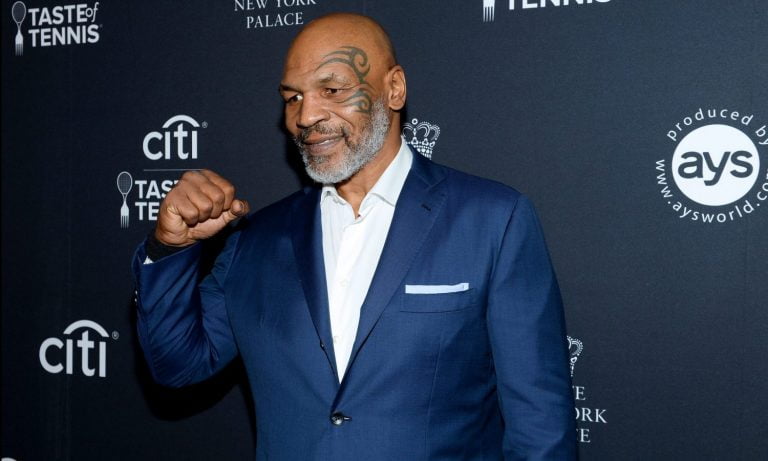
Mike Tyson, the iconic American boxer, launched a new product in March: ear-shaped edibles, in reference to his fight against Evander Holyfield in 1997.
His new ear-shaped edibles, called “Mike Bites” are missing a little piece. Yes, the little piece of Holyfield’s ear that Tyson took in that famous fight.
“Mike Bites” has already been rolled out in California, however, they will not be allowed in Colorado in their current form. Colorado has a law banning marijuana edibles that are shaped like humans, reported Westword.
HB 1436, a bill passed in 2016, aimed to ban THC-infused lemon drops, gummy bears, and other edibles that might attract children and prohibit the production or sale of edibles in the shape of a human, animal, or fruit for medical and retail marijuana-infused product manufacturers and dispensaries.
The vegan edibles are “directly applicable” to the law banning human body part shapes, Shannon Gray, communications director of the Colorado Marijuana Enforcement Division, told Westword.
“Mike Bites” will be manufactured in the shape of a “T” in Colorado. The gummies are expected to be in recreational dispensaries in the state before the end of the summer.
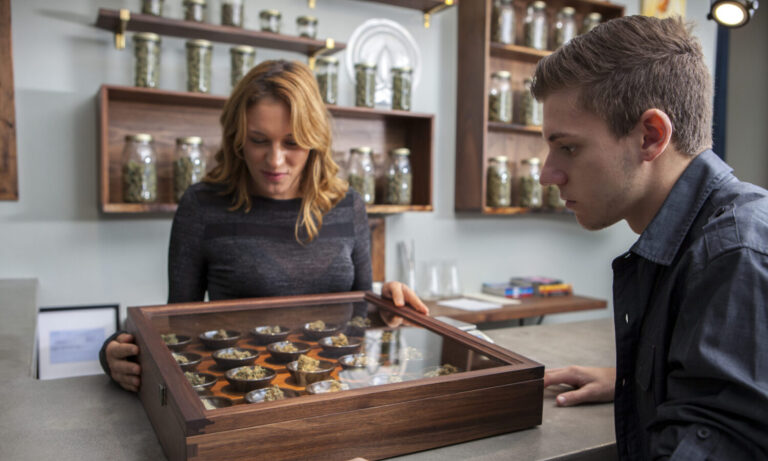
In Chicago, a shuttered iconic restaurant could serve as the perfect location for a new dispensary.
As cannabis earns legal status across the country, a myriad of businesses are now possible options for dispensaries. And what’s more weedy and trippy than a restaurant that looks like a jungle? According to Block Club Chicago, a shuttered Rainforest Cafe could be transformed into a pot shop this summer.
Per the report, the building in question closed August 2020 after 23 years of business. The new dispensary would be located in the old 22,000-square-foot building, providing the business with a lot of room for medicinal and recreational products.
The building is known for its distinctive decoration. Like most Rainforest Cafes, the establishment is cavernous with a wilderness theme. The outside of the building is known for its depictions of greenery, mushrooms, trees and the like, which would be replaced with something more appropriate for a new business, that signals customers of what’s going on inside, even though that seems like a missed opportunity.
“It’s much more tasteful and much more soothing than the garish stuff that’s out there now,” said Michael Riordan, president of the River North Neighbors Association, which is the neighborhood where the restaurant is located. “Everything seemed to be reasonable, and so there’s no need to not move them to another level and see what the larger community has to say about it.” If everything goes according to plan, the new dispensary could be approved by early May.
These types of news are becoming increasingly common. A couple of months ago, an old Family Video store was also offered up for a dispensary location in Ohio. Dispensaries need spacious layouts, establishments that can be difficult to fill by new businesses. Dispensaries have an added interest, not only because their new and novel, but also because it’s weed.