Saturday, May 2, 2026
Home Blog Page 258

California Bill Would Legalizes Interstate Cannabis Commerce, But Isn’t That Against Federal Law?

Cannabis operators in CA could be in for a treat as the most recent proposed cannabis bill will generate more profit for them and the state.

This article originally appeared on Cannabis.net and has been reposted with permission.

California’s high rate of cannabis production has inspired a bill to commence cannabis exports. California is one of the highest cannabis producing states in the country. It meets its residents’ demand for marijuana every month and still has a surplus to go around. The state could be generating millions of dollars from this product oversupply annually.

Almost all states in the United States have revoked their strict laws on cannabis use and sales in the last decade. Even in different regions of the world, cannabis laws are constantly evolving. Not all the changes have been good, but more than enough have brought positive changes to the U.S. cannabis industry. California’s cannabis operators could be in for a treat as the most recent proposed cannabis bill will generate more profit for them and the state.

California Gov.: Marijuana Legalization is a 'Civil Rights' Issue
Photo by Matthew Hamilton via Unsplash

California: The Forerunner of Bold Cannabis Moves

California was one of the first states to adopt cannabis reforms in the country. This, coupled with the state’s optimal weather and environmental conditions, has led to the state’s being the highest producer of cannabis.

SB 1326 seeks to approve interstate commercial transactions for cannabis products. This means that the introduced measure, if passed, would affect the import and export of cannabis products between California and other states. Legal cannabis states with low supplies can liaise with the Californian state government to import cannabis to meet the demand of their residents. It doesn’t necessarily have to be a recreational state. The bill would permit states with medical programs to import cannabis raw materials and finished products from California.

The primary objective of the new bill is to reduce the state’s saturated recreational sector. There’s a massive oversupply of cannabis that could be used by other states, and it’s time for the state to tap into this. Some also reckon that the bill was likely created to better position the state’s cannabis industry for future business deals once the federal reforms are finally approved.

At the moment, there are at least two national measures in both chambers of the legislature that could enact a change in the national stance on cannabis. It’s more or less a win-win situation for California’s cannabis sector.

Fears Over the Bill

Although House Bill 1326 brings good tidings for weed-friendly states in the U.S, critics say that the bill could eliminate the opt-out clause that is currently in place. Most weed-friendly states have opt-out clauses for municipalities that have no interest in allowing the establishment of dispensaries and cannabis businesses in their localities. The opt-out clause could be overshadowed by the new bill. The silver lining in this situation is that lawmakers are starting to believe that it couldn’t be such a bad thing for the towns after all. Instead, these municipalities will have more options than the opt-out clause provides.

RELATED: California Gov. Signals Tax Reform As Marijuana Industry Struggles With State’s Regulations

The L.A. Weekly reported that the bill states that businesses and operators registered in other states will not be allowed to participate in California’s cannabis market. All entities and individuals who are interested in conducting commercial cannabis activities in the state must procure the state’s licenses, permits, and other necessary paperwork before they will be allowed to do business here. Simply put, small-scale operators in the state stand to benefit the most, as major industry players and several large cannabis-related companies will be unable to operate in some municipalities.

In addition to this, there are a few provisions to amend health and tax regulations in the existing legislation. Very few changes will be made in other areas.

california
Photo by Sterling Davis via Unsplash

It Has Taken a Long Time

The Executive Director of the California Cannabis Industry Association, Lindsay Robinson, said that the association has been pondering the issue for some months now. According to the cannabis operator, the organization has been talking with various trade associations and key players in the industry about the idea of multi-state or interstate cannabis commerce. She stressed that the process itself is very delicate and must only be handled with caution.

RELATED: 73% Of Marijuana Bought And Sold In California Is Done On The Illicit Market

Lindsay Robinson also noted the association’s commitment to ensuring the California cannabis industry is stabilized. She said that the state’s cannabis industry has to function well and thrive before it can begin its multistate commerce phase.

Senate Bill 1326 would go a long way in settling the cannabis economy of multiple states. The agreements that would be signed would top up the supply lines of the receiving state without production licenses being issued. Cannabis exports are a compelling idea, and with the proper framework, millions of dollars could be made.

This article originally appeared on Cannabis.net and has been reposted with permission.

Why The Future Of Cannabis Is Female

The cannabis industry has the reputation for being progressive, though there is no doubt it’s still heavily being operated by white males.

This article originally appeared on Cannabis.net and has been reposted with permission.
Data shows that women consume significantly more cannabis than men. It isn’t surprising, considering that women are plagued by much more stress these days: parenthood in general, being the breadwinner, managing the household, pregnancy, child-rearing, career growth, and so much more. On top of that, women also suffer from anxiety as well as gender-specific conditions including endometriosis, dysmenorrhea, menopause, and much more — all of which cannabis has been proven to help with.

Market research firm Brightfield Group released data in 2021 revealing that women make up 59% of new cannabis consumers. The data also showed that women tend to be of younger age, and consume more than men. Meanwhile, they also found that the market share of women continued to rise gradually in 2020.

marijuana dispenary
Photo by Zummolo/Getty Images

“The future of cannabis is female,” said Bethany Gomez, Brightfield Group’s managing director. “An order of magnitude or more.” Gomez explained that because of changing public attitudes together with more sophisticated packaging and design, women are increasingly becoming attracted to cannabis. “It’s more acceptable, more compact and packaged in a way that’s more feminine,” she said. But why aren’t more women working in cannabis?

The cannabis industry has the reputation for being progressive, though there is no doubt it’s still heavily being operated by white males. Having said that, you will find many strong women in cannabis who are excellent examples of entrepreneurship and leadership rolled into one.

Inequalities Abound

Back in 2017, Marijuana Business Daily published a report called “Women & Minorities in the Marijuana Industry.” It detailed that 37% of individuals in executive roles in the industry back then were women. The sad news is that this number has declined to 22%. Though these figures similarly reflect what is going on in other industries, many have been disappointed that the cannabis industry isn’t doing better.

According to MJBiz, one of the reasons why the numbers of women (and minorities) in the higher ranks decrease is because white men came into the picture and provided “established access to capital” so that companies could grow faster. Additionally, executives from mainstream industries also chose to join the cannabis industry, resulting in the white male’s quicker rise to power.

“Social equity initiatives and cannabis legalization are now intertwined, but there is still no magic bullet to improve the landscape,” said MJBizDaily report editor Jenel Stelton-Holtmeier. “It is encouraging, however, to see new markets wanting to improve upon the programs that came before and older markets attempting to fill the gaps that still exist.”

“Few states provide robust data concerning ownership demographics, and those that do, provide data based on different classifications. As a result, MJBizDaily’s data team extracted a sample of data from select markets to provide a snapshot across the industry,” the report read.

RELATED: Report: Women And Minorities Still Very Much Underrepresented In Cannabis Industry

Stelton-Holtmeier did say that since the first report in 2017, there have been some notable improvement such as the fact that people with previous drug convictions are no longer penalized; in the past, this was a major barrier for them to own a cannabis business.

women in cannabis
Photo by The Cannabiz Agency/Getty Images

It’s obvious that there needs to be more women in the rooms where big decisions on cannabis business are being made. Yet women are still criticized and stigmatized for choosing to focus on their careers, and the stigma gets even worse when women decide to prioritize a business regarding what is still a Schedule 1 substance in the United States. Women are required to have thick skin to navigate a male-led industry, having to hear ruthless comments about the career path you’ve chosen as you try and get one foot in the door.

Because of this, many women are hesitant to associate themselves with THC products, and you’ll find many women in CBD instead. But that doesn’t mean that the opportunities are limited — you just need to know how to find them and break the glass ceiling.

Women have been able to enter the cannabis industry through several channels especially in dispensaries, wellness, cultivation, cooking, and writing. But that isn’t where it ends, yet women still need the support of other women and have the peace of mind knowing that there is adequate business for everyone in the room.

The good news is that while there is room for improvement, things are changing in this aspect.

Closing The Gender Gap

It’s critical and essential for the cannabis industry to be inclusive, diverse, and equal.

There should be a plan in every cannabis company to ensure diversity all the way from leadership down to product. In every industry, women continuously have to do the work and fight for equality while having time for family at the end of the day. No one has time for it all but women have to prioritize what’s important to them.

RELATED: 15 Million Women Have Bought Cannabis So Far In 2021 — These Are The Products They’re After

For any cannabis business selling a product or service, remember that all types of diversity should be available. Everyone you are selling to must be represented — companies should avoid forcing diversity for aesthetic.

5 Ways To Avoid Unhealthy Marijuana Habits
Photo by rez-art/Getty Images

The gender gap can be closed in many aspects within the cannabis industry especially when it comes to capital access, board representation, C-suite representation, equity ownership, and of course, equal pay. There is still much more room for improvement in all of these areas for both business owners as well as employees who want to further their careers in cannabis.

RELATED: Setting Equal Standards For Women In The Cannabis Industry

We can start with pouring more money towards research designed to track changes in gender parity. It’s also critical for women in all levels to have improved access to mentorship. These are among many changes that can be done across all levels to improve equality and access for women in the cannabis industry.

It’s important because women can provide tremendous value to the cannabis industry; it’s no secret that women improve company culture thanks to their intuition, intelligence, empathy, and communication skills. When you put female leaders in cannabis businesses, it can only do more good.

This article originally appeared on Cannabis.net and has been reposted with permission.

3 Key Things To Know About Cannabis And Chemotherapy

With cannabis accessibility on the rise, it’s more important than ever that consumers and patients also gain access to objective, evidenced-based information on cannabis use and health concerns.

Although there is limited data to support the use of cannabis as a first-line treatment in cancer-related symptoms, many patients are consuming it to relieve the anxiety, pain, nausea and insomnia that often come with a cancer diagnosis and subsequent chemotherapy treatment.

In a 2021 study, 42% of breast cancer patients reported using cannabis for symptom relief. Seventy-eight (78%) percent were using it to help with pain, 70% were using it for sleep, 57% were seeking help with anxiety, and 46% were using it for nausea and vomiting.

The study also found that only 39% of the participants discussed their cannabis use with their physicians and when they did, it was being initiated by the patient 76% of the time. Even more concerning, the study found that only 4% of respondents listed their physician as the most helpful source of information on cannabis. Instead, they found the internet, family members, and dispensary staff to be the more helpful sources of information. 

breast cancer
Photo by fstop123/Getty Images

Unfortunately, patients with a cancer diagnosis still face an uphill battle when it comes to finding trusted information about cannabis and their chemotherapy treatment. Here are answers to some basic questions that can help patients determine whether they should consider including cannabis as part of their treatment regimen.

Is It Safe?

The fact that cannabis use among cancer patients appears to be increasing comes as no surprise. Many patients are seeking relief from the side effects of chemotherapy treatment, and the increased access to cannabis has created increased patient curiosity. More and more states are adopting cannabis legislation both for medical and adult use. In fact, a diagnosis of cancer is a qualifying medical condition in almost every state with a legal cannabis market. 

With nearly two-thirds of states allowing for medical cannabis use, accessing cannabis has become much easier. In addition, the cannabis products available today are developed under highly regulated conditions and tested for safety and purity. This is great news for cancer patients facing chemotherapy.

RELATED: Cannabis And Chemotherapy — What Are The Patient Benefits?

While there is still a need for cannabis education efforts among medical professionals, more physicians than ever are open to discussing cannabis with their patients, particularly in states where regulated markets exist. It is currently estimated that between 20-40% of cancer patients are consuming cannabis in some form, either during or after treatment, and that number may be underreported in states where cannabis is not legal.

Bottom line: Cannabis can be safe for most, but knowing how to incorporate it correctly is key. Patients should always talk with their care providers and inform them of their cannabis use, as well as the use of any other treatments.

What Does Cannabis Research Say?

Research efforts have been limited due to the plant’s status as a Schedule I drug in the United States, which is defined as drugs that have no currently accepted medical use and a high potential for abuse. However, many are working to have that designation removed, and there is sufficient evidence to demonstrate that cannabis may have a therapeutic effect in specific areas – many of which are common side effects of chemotherapy. In 2017, the National Academy of Sciences, Engineering, and Medicine released its report on The Health Effects of Cannabis and Cannabinoids. After reviewing more than 10,000 peer-reviewed journals the report concluded:

  • There is conclusive evidence that cannabis or cannabinoids are effective at treating chronic pain in adults and chemotherapy induced nausea and vomiting.
  • There is moderate evidence that cannabis or cannabinoids are effective at improving short term sleep disturbances and limited evidence at improving appetite and decreasing weight loss. 

Overall, there have been multiple studies suggesting that THC, the psychoactive/intoxicating component of cannabis, can be effective in the treatment of nausea, pain, appetite loss, insomnia, anxiety and inflammation — all of which can be side effects of chemotherapy.

cancer patient marijuana
Photo by FatCamera / Getty Images

Is It Right For Me?

There is no way to know for certain if cannabis will help with your symptoms until you try. However, many cancer patients experience significant relief from cannabis use once they identify the best method of consumption and dose that works for them. Today’s cannabis products offer a wide variety of ways to use the medicine, including topical, transdermal, inhalation, sublingual, and ingestion. Understanding the onset time and duration of effects can be helpful in determining which one may effectively treat a patient’s symptoms. 

  • Topical

Topical administration can provide localized relief within 15 minutes with little to no side effects. Topical cannabis products have been shown to reduce pain and inflammation associated with joint pain and muscle soreness. 

  • Transdermal

Transdermal cannabis products (typically patches) are intended to penetrate the skin and reach the bloodstream and can provide between 6 to 12 hours of relief while avoiding first-pass metabolism. In patients where drug interactions or medication adherence is a concern, transdermal products may be the best administration route. 

  • Inhalation

Inhalation provides rapid relief, reaching the bloodstream within minutes but also exits the body quicker, typically 2-4 hours. Patients suffering from conditions that vary in intensity can benefit from this route because it provides nearly immediate relief, is the most predictable of administrations, can be layered throughout your regimen as a breakthrough treatment, and is the easiest to control. 

  • Ingestion

Ingesting cannabis can provide longer lasting and consistent relief and is ideal for patients who suffer from chronic pain, inflammation, nausea, and insomnia. A major disadvantage to ingestion is the variability in onset of action. Depending on the patient’s metabolism, genetics, gender, and food intake, the onset of action can range from 30 minutes to two hours (and sometimes longer). 

RELATED: Cannabis And Breast Cancer: What A New Study Reveals

With cannabis accessibility on the rise, it is more important than ever that consumers and patients also gain access to objective, evidenced-based information on cannabis use and health concerns. The above outlines the most basic questions a patient considering cannabis as a treatment option must address. To get more specific information on particular needs, always check with a physician and/or connect with Leaf411 for guidance from a cannabis-trained nurse.

Katherine Golden, RN, is CEO, executive director and founder of Leaf411, a 501(c)(3) nonprofit organization founded in 2019 with a mission to provide education and directional support to the general public about the safe and effective use of legal cannabis (marijuana and hemp). A registered nurse for more than 26 years, Katherine received her Associates of Science degree in nursing from El Camino College School of Nursing in Torrance, California and has obtained multiple cannabis-nursing certificates through The Medical Cannabis Institute Global, Radicle Health Cannabis Therapeutics of Medical Professionals. For more information or to schedule a consultation with a cannabis-certified nurse, call 844-LEAF411 (844-532-3411) or visit leaf411.org. 

Can You Donate Plasma If You Smoke Weed

Donors must meet the standard requirements. As expected, the most important criteria is a clean bill of health. Does this mean cannabis use is excluded?

Blood donations are vital to the healthcare system. Of the millions of people in the world who are eligible to donate blood or plasma, only a few thousand do. Some are willing to but have doubts about whether they’re qualified to or not due to some habits they may have. Can you donate blood plasma if you smoke weed?

Currently, cannabis is making waves and gaining traction among different age groups. Many now ask if their regular use of the drug could adversely impact life-saving plasma donations. A straightforward answer to this is that cannabis users can give out as much-needed blood to people in need as possible. Additionally, they can decide to store their blood and source plasma in blood banks for future use. However, this doesn’t mean you can show up at the hospital when high. The healthcare workers have directives to turn intoxicated donors away.

donate blood
Photo by Nguyễn Hiệp via Unsplash

Everyone knows that blood donations are needed to keep healthcare facilities running. It takes less than twenty minutes to donate a pint of blood. Hundreds of thousands of lives are saved yearly by these blood packs that come in at the right time. Patients suffering from chronic diseases or accident victims are the primary users of these drugs.

A study revealed that every five seconds, at least two American hospital residents need blood transfusions.

Blood Plasma

Blood plasma is the liquid yellow section of the blood. It contains proteins, blood cells, and other essential blood elements. You can observe blood plasma for some moments after donated blood is separated. This part of the blood is valuable for managing the health of highly sick patients. They are mostly requested for patients with trauma or intense bleeding.

The purpose of blood plasma infusions is to regulate the patient’s electrolytes while preventing further infections from developing. These cells also help regulate the body’s protein count and identify, locate, and fight off existing diseases. Every hospital and blood bank is always advised to have a substantial amount of plasma and blood stored up.

Blood Plasma Donations

Donating blood plasma is more or less the same process as donating whole blood. Health experts say that the process is healthy for donors. The body replenishes the donated cells. Some studies have revealed that blood or plasma donations reduce the donor’s cardiovascular health and limit the chances of obesity and cancer growth.

To separate plasma from whole blood, the drawn blood is passed through a hi-tech device. Only the liquid protein of the donor’s blood is separated from the whole blood. The remaining components, including the platelets and red blood cells, are passed back into the donor’s body. The separation differentiates this process from regular blood donations.

RELATED: Free Weed For Blood Donations In Michigan Where Shortages Are Critical

Plasmas must be frozen within a day of collection. If left at room temperature, the cells begin to clot and become unfit for use. When properly stored, the plasma can stay for a year. When required for transfusions, they are then thawed.

Requirements for Plasma Donors

There are guidelines put in place for blood and plasma donations. Before any of that can be done, the donor must meet the standard requirements. As expected, the most important criteria must be a clean bill of health.

In many states within and around the U.S., the donors must be at least 16 years old. Younger donors can only give blood if their legal guardians consent to it. The minimum weight for donors is 110 pounds (approx. 50 kilograms).

giving blood
Photo by Nguyễn Hiệp via Unsplash

Note that blood can only be donated by the same person once every eight weeks. On the other hand, plasma can be donated once every four weeks—at most 13 times in a year. Platelets can be donated once a week but not more than 24 times a year.

Cannabis Use and Plasma Donations

Cannabis users are only allowed to donate blood if the following conditions are met:

  • At least 24 hours before the donation, no smoking. This ensures that the donated blood has no active THC in it.
  • No consumption of cannabis edibles for at least two days before donation. Your system should be clear of remnant THC in the plasma. Cannabis edibles take the longest time to break down and exit the bloodstream.
  • Plasma donors who are intoxicated or high when donating run the risk of developing low blood pressure. Anyone with hypotension or low blood pressure will not be certified to give blood or plasma.

The above preliminary measures are standard in hospitals worldwide.

Weed Smokers Can Donate Plasma

Critics like to argue that the blood of cannabis users is unfit for blood transfusions. They have suggested that babies, infants, toddlers, and adolescents who receive such blood plasmas are being compromised. However, no study has backed this claim.

Scientists have maintained that the 24-hour gap between cannabis consumption and blood donation is the most critical factor, so that the psychoactive cannabis compound is not indirectly transferred to the other person.

RELATED: Asking For A Friend: How Long Does Marijuana Stay In Your System?

The frequency of use does not change the preliminary guidelines. Chronic and occasional cannabis consumers can donate plasma as long as they meet the above requirements. Studies have revealed that donor-recipients cannot feel any effects from cannabis-infused plasma. Simply put, the amount of psychoactive compound THC in the donor’s blood is unimportant.

marijuana flower
Photo by Ben Harding/Getty Images

Consumers of synthetic cannabis are placed on another pedestal. This person cannot donate blood or plasma if they regularly smoke or ingest synthetic cannabinoids like Spice, also called K2. K2 is an artificial laboratory-discovered marijuana product that has been flagged as being unfit for human consumption. Marinol is another synthetic cannabis product, but it is FDA-approved.

Summary

Based on researched evidence, consumers of natural cannabis are eligible to donate these vital blood components, while users of new psychoactive substances such as Marinol and K2 are ineligible.

Information like this is necessary to enable cannabis users around the globe to be aware of their ability to donate blood and plasma to save their families, friends, acquaintances, and even strangers through blood banks.

The number of people who come in yearly to make donations is already tiny. Still, with this knowledge, misconceptions about cannabis users’ blood can be put to rest, and they can finally stop wondering whether or not they can give blood and plasma to people in need.


Kentucky Marijuana Legalization Bill Heads To Senate After House Vote

  Whole-plant products would be allowed under the measure, but patients would be required to vape them.

By Jelena Martinovic

A bill to legalize medical marijuana is headed to the Kentucky Senate, after the House of Representatives passed it on Thursday, Marijuana Moment reported.

Sponsored by Rep. Jason Nemes (R), the measure was approved in a 59-34 vote just a week after the Kentucky House Judiciary Committee gave it the green light.

vaping
Photo by Ina Lihaca / EyeEm/Getty Images

RELATED: Kentucky Lawmakers File Bills To Legalize Adult-Use Cannabis Sales And…Lead The Market?

A similar version of the bill did not pass the Senate in 2020 even though it soundly passed in the House. Nemes then reintroduced the legislation for the 2021 session, which also didn’t advance further.

“This is Kentucky grown, Kentucky processed, Kentucky tested,” Nemes said ahead of the vote. “Grown by Kentucky farmers on Kentucky land with Kentucky seeds for our Kentucky brothers and sisters and the Kentucky patients from across the Commonwealth.”

For months, the lawmaker worked to build support for the measure, which recently earned the endorsement of Senate Judiciary Chairman Whitney Westerfield (R), who said earlier she will support the House bill, despite her personal reservations regarding the marijuana reform.

What’s In It

HB 136 seeks to establish a program that would prohibit both home cultivation of marijuana and the smoking of cannabis flower. Whole-plant products would be allowed under the bill, but patients would be required to vaporize them.

Patients can register for a medical marijuana certificate if they are being treated for the following conditions: cancer, epilepsy and seizure disorders, multiple sclerosis, PTSD, chronic nausea and cyclical vomiting as well as chronic, severe, intractable or debilitating pain.

RELATED: Kentucky Bill Proposing To Ban Delta-8 Products Could Cost The State Billions Of Dollars

The measure would also allow physician assistants to apply for certifications to recommend cannabis. It will give licensing boards permission to “intervene” if a doctor is impaired by cannabis and revise language related to fees for authorization to recommend medical marijuana and provide “medicinal cannabis consultation services to cardholders.”

This article originally appeared on Benzinga and has been reposted with permission.
US State Dept. Demanding Russia Provide Access To Detained WNBA Star Brittney Griner

Except for a photo of Griner holding up a piece of paper with her name on it on March 8, not much else has been heard about her detention until Thursday.

By Maureen Meehan

U.S. State Department officials say they have not had access to Brittney Griner since she was arrested at the airport in Moscow on Feb. 17 for allegedly having cannabis oil in her suitcase.

Finally, after one month, a State Dept. official issued a statement Thursday saying, “We insist the Russian government provide consular access to all U.S. citizen detainees in Russia, including those in pre-trial detention, as Brittney Griner is.”

Can Taking CBD Make It Easier To Digest Political News?
Photo by Tinnakorn Jorruang/Getty Images

Except for a photo of the WNBA All-Star holding up a piece of paper with her name on it released by Russian authorities on March 8, not much else has been heard about her detention until Thursday when the Russian news agency Tass reported that a Moscow court extended her arrest until May 19.

The State Department’s insistence that Russia provide access to Griner marks a definite change in tone. Up until now, the government has maintained a low profile with her case. Some say the  government’s strategy is to not increase her profile to the point where she might become a valuable political asset to Russia while others regard the government’s inaction as indifference.

Powerful Cultural Symbol

ESPN investigative reporter T.J. Quinn said that limited response from the WNBA, the Biden administration and even Griner’s family could be deliberate. The absence of a spotlight and excessive media attention, said Quinn of the ESPN Daily podcast, might well be working in Griner’s favor.

“People around Brittney and the U.S. government know that if you make too big a deal of it here, you not only risk bringing attention to it, but you add value to her as an asset.”

And if the perception is that Griner is a powerful cultural symbol, Quinn noted, Russian President Putin could decide to make an example of her.

RELATED: Nervous About Traveling With A Weed Vape? Here’s What You Should Know

Meanwhile, the State Dept. says it’s on the ball. “We are closely engaged on this case and in frequent contact with Brittney Griner’s legal team … We have repeatedly asked for consular access to these detainees and have consistently been denied access.”

This article originally appeared on Benzinga and has been reposted with permission.
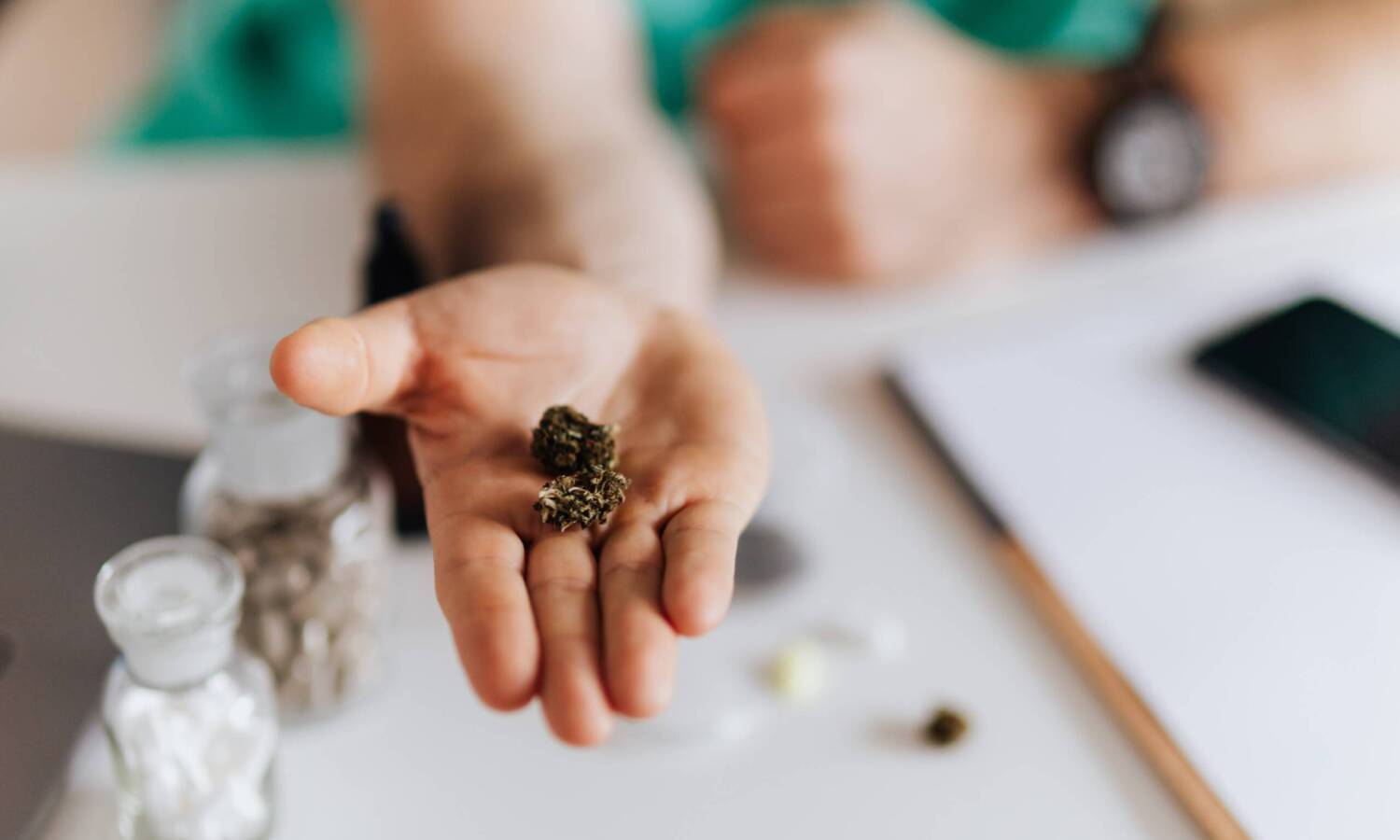
Asking For A Friend: How Long Does Marijuana Stay In Your System?

0

The body has to break down the herb naturally. However, if you have a drug test coming up, there are some things you ought to do.

This article originally appeared on Cannabis.net and has been reposted with permission.

The duration it takes for weed to be detected in urine and other parts of the body are very important for numerous reasons. While it is very understandable that the War on Drugs and cannabis is gradually reducing, it doesn’t mean the coast is clear completely. There are numerous workstations where employees have to go through regular and random drug tests. A good number of such drug tests are wired to flag THC in marijuana which could result in uncomfortable issues for those involved.

Like a host of other drugs, numerous factors can gravely influence the duration of marijuana in the body.

marijuana joint
Photo by VICTOR DE SCHWANBERG/Getty Images

Metabolism Of Weed In The Body  

When marijuana is introduced into the body, there are numerous biochemical activities that occur before the notable psychoactive and physical effects. The major components of the natural herb that cause these effects are called cannabinoids. Tetrahydrocannabinol (THC) and cannabidiol (CBD) are the two popular cannabinoids that account for the effects. They’re also what is being tested for when drug tests are done, particularly THC.

After marijuana is ingested, THC is absorbed into different body tissues and organs, such as the heart, brain, and fat tissues. This is because it is fat-soluble which means that it easily binds to the tissues and organs of the body.

The percentage of THC that is not absorbed and stored is metabolized in the liver into two different metabolites: 11-hydroxy-THC and carboxy-THC. Following metabolism, these metabolites are excreted in the urine. The percentage of THC stored in the body tissues and organs returns to the bloodstream over time and is then transported to the liver where it is metabolized into the two metabolites and eliminated.

This metabolism process of THC accounts for the basis for different measures of drug tests for cannabis. It accounts for the different periods of stay of weed in different components of drug tests such as urine, saliva, hair, and blood.

How Long Does Weed Stay In Your System?

The use of urine is the most common sampling type for detecting the presence of marijuana in individuals. The general period of stay of weed in urine can be between 1-30 days after the last use. However, this range is dependent on the type of user being tested as different users will fall in different regions of this rage.

For the occasional user who only uses the natural herb up to three times a week, weed is likely to be detected up to three days after the last use. For the moderate users who use the natural herb four times a week, detection can range between 6-7 days.

RELATED: How Long Will You Be High? Here Are Some Things To Consider

The two types of users addressed earlier are still within reasonable periods which makes it easier for them to beat a drug test. The next type of user has it harder and they will require more care and work to beat such drug tests. Chronic users who use weed daily are likely to have weed detectable in their urine between 10 to 15 days after the last use. Chronic heavy users are those who use marijuana multiple times daily. This category of users will have weed detectable in their system more than 30 days after their last use.

RELATED: How Long Do Marijuana Edibles Stay In Your System?

Other sampling techniques for drug tests in the body include hair, saliva, and blood with different detection periods. Hair follicle tests have the longest periods with drug use being detectable for up to 90 days. Saliva testing is useful only when the weed has been smoked or ingested. Occasional use is detectable within 1-3 days while chronic use can be detected up to 29 days. Blood testing is useful for showing recent use of weed as weed is detectable within seconds of ingestion or inhalation. The reabsorption and redistribution of weed allow it to be detectable after 25 days.

marijuana
Photo by RODNAE Productions from Pexels

Factors Affecting How Long Weed Stays In Urine

There are numerous factors affecting how long weed stays in urine and other sampling parameters. Here are some of the major factors.

  • Amount of THC in the marijuana: Some cannabis strains have a higher percentage of THC than others. This along with the quantity of marijuana ingested can affect how long weed stays in your urine. The higher percentage content of THC and high dose will increase detection time.
  • Duration since last use: The last use of the natural herb resets the clock for a period of detection irrespective of the frequency of use and amount used.
  • THC metabolism of the user: Due to different peculiarities, some people are fast metabolizers while others are slow metabolizers. This can alter how long weed stays in your urine.
  • Frequency of use: Occasional users are sure to have a lesser period of detection compared to chronic users who use the natural herb multiple times daily.
  • Level of hydration

What To Do Before Taking A Drug Test

There are a number of tips out there on what to do for weed detox remedies. The simple truth is that the body still has to break down the herb naturally. However, if you have a drug test coming up, there are some things you ought to do.

First, take note of the proposed date of the test and calculate the last time of use needed for detection to know when to stop use. Proper physical activities such as exercise coupled with eating healthy and staying hydrated will speed up the breakdown process.

Bottom Line

How long and how much weed you have taken are determinants that influence how long weed stays in your urine. It is therefore important to always remember this whenever a routine drug test is around the corner.

This article originally appeared on Cannabis.net and has been reposted with permission.

Why COVID-19 Sometimes Causes This Unexpected Side Effect

0

COVID-19 is associated with some strange symptoms. But this one in particular isn’t listed by the CDC, yet it’s reported by a many people.

COVID-19 is a disease with plenty of weird symptoms. While it’s mostly respiratory, the virus also has an impact on peoples’ motivation, producing a slew of weird symptoms like rashes, COVID tongue, and COVID toes.

Another strange symptom that’s also being reported is back pain.

Intense bouts of back pain are being reported by people who’ve had COVID-19, whether they’re experienced in the moment or as a symptom of long COVID-19. And while back pain doesn’t appear as one of the symptoms listed in the Centers for Disease Control (CDC), muscle and body aches are listed, which are part of the same group.

Photo by fizkes/Getty Images

RELATED: These Popular Foods Might Be Reducing Your Life Span

Muscle and body aches are common for viral illnesses. For example, the flu is also known for causing aches throughout the body. This is due to your immune system battling off the infection, making it work overtime in order to get rid of the foreign agent. In these situations, your body produces interleukins, which cause the symptoms associated with viral infections.

When talking about COVID-19 and back pain, COVID-19 is known for producing a strong inflammatory response, one that can last for months and be the reason why people are still experiencing symptoms long after their COVID-19 infection has passed. In a 2020 review, back pain was one of the most reported symptoms of the disease, affecting around 10 percent of patients. While it’s not wholly understood why the back is a target for COVID-19, experts know it’s tied to the body’s inflammatory response.

RELATED: COVID-19 Patients May Be At Higher Risk For These Illnesses, Finds New Study

While back pain is often reported with COVID-19, the fact that it’s there doesn’t mean that you have COVID-19. Back pain can be caused by a variety of things, whether that’s stress, poor posture, a pulled muscle, or more. Many viral infections cause muscle pains, so it’s important to account for your other symptoms in order to determine what is the cause of your condition.

Does The Ukrainian War Effect Europe’s Cannabis Prices

The ongoing situation in Ukraine has been described as the largest ground war within Europe since the Second World War ended. Many industries are being affected, including the budding cannabis industry.

Amid this ongoing fracas between Ukraine and Russia, it is high time one considers its impact on the European weed industry.

The progress made by European nations concerning cannabis legalization could be overturned or delayed in the next few months. Less than a month ago, one could hardly hear words like sanctions, bombs, missiles, war crimes, etc., within the European space. Since Russia officially declared war on Ukraine, it’s all anyone hears on media platforms.

Why Marijuana Is Still Taboo In Russia And Ukraine
Photo by John-Mark Smith via Pexels

RELATED: Why Marijuana Is Still Illegal In Russia And Ukraine

This article is not in any way undermining the severity of what’s happening in Ukraine at the moment; it only seeks to explain how these hostilities between most European countries and Russia would affect cannabis reforms and the legal industry across the continent.

Impact of the War on Europe’s Cannabis Space

The reality setting in on cannabis operators in Europe is that reforms and vital policies that would have aided the growth of the space post-COVID will take a backseat to the current security issues.

Although Ukraine is not the leading center for cannabis advocacy in Europe, its security issues could backfire on other countries in the region. A quick search on google will reveal that Germany is less than a day’s drive from Ukraine, while Poland and Hungary share borders. Many operators are worried that the production and supply chain of the region’s cannabis industry will be impacted

Europe Cannabis Supply Chain

Regulators have quelled the fears of cannabis operators by clarifying that the cannabis supply chain will not be affected.

Ukraine does not supply any of the cannabis used in the medical market. The production sites include Germany, Columbia, Uruguay, Australia, Denmark, Portugal, Holland, Greece, Lesotho, Uganda, and Spain. The European cannabis industry is supplied by countries all over the world.

Europe’s representative on Life Sciences, Franziska Katterbach, believes that the war cannot cause a break in the region’s production and supply chain.

The main challenge right now is the rising gas prices. Every industry requires energy to run, including the cannabis sector. The industry cannot avoid the increasing energy costs affecting the region. Germany, the United Kingdom, and Holland are bearing the highest impact of this increment. Domestic producers of medical cannabis in the area must grow cannabis indoors. Note that the regular running costs of indoor cannabis production are higher than outdoor production. As a result, the rising gas prices will put more constraints on farmers and processing companies.

Price Increase Concerns

The rising price issues will pose the greatest hindrance to the medical cannabis industry in the coming weeks.

CEO of Lio Pharmaceuticals and German distributor Alain Menghé à Menghé does not believe these recent hostilities won’t impact the entire industry. Menghé is currently building a manufacturing plant in Solingen, Dusseldorf.

Smoking Marijuana
Photo by Daniel Garzón Herazo / EyeEm/Getty Images

He said his pessimistic view of the war and its impact on the industry stem from the higher energy prices. Although it may not be obvious, rising energy costs will impact all sectors of the industry in some way. Transportation, storage, and production of the drugs themselves will be most affected.

Ukraine and Cannabis

The ongoing situation in Ukraine has been described as the largest ground war within Europe since the Second World War ended. Many industries are being affected, including the budding cannabis industry.

Before all this started, Ukraine had just set foot on the path to legalizing cannabis. At least significant milestones had been crossed off to show the citizens’ readiness for the legal cannabis industry.

A petition was submitted to the country’s Parliament to consider the use of medical cannabis. The 2019 petition explained that the drugs would benefit cancer patients. It emphasized the chronic pain and the expensive cost of managing cancer symptoms. However, the Parliament failed to adopt a measure relating to this.

RELATED: Will Rising Gas Prices Change The Price Of Marijuana?

The results of a 2020 poll showed that 65% of the Ukrainian population supports the use of medical cannabis.

Last year, the legislature amended a provision to allow the use of drugs like nabilone, nabiximol, and dronabinol. Although, many advocates claim that these changes had minimal effect on making the drugs more accessible to people in desperate need.

If this current chaos had been avoided, Ukraine would have progressed with cannabis legislation. During the election campaign, President Volodymyr Zelensky (then an aspirant) supported cannabis legalization. Whether or not he would have acted on it during his tenure may never be known. Because it is almost sure that once the war is over, cannabis will be the last thing on the government’s priority list.

save ukraine
Photo by Mathias P.R. Reding from Pexels

Political Fallouts Everywhere In Europe

The inescapable aftermath of ground wars, especially in Europe, is political and personal fallouts. For instance, in Germany, politicians who promised to look into recreational cannabis legislation may use the Ukraine unrest as another distraction to push the conversation back. The same is the case in the United Kingdom, Deutschland, and every other member of the European Union.

Menghé à Menghé said that the war would be the EU’s priority, while every other issue would be delayed. He expects that the dynamic of regulatory changes for cannabis use will be halted and delayed, most likely until Ukraine is settled.

Cannatech companies are also affected by this war. HelloMary, an AI-centered e-commerce platform for cannabis products, was one of the few Cannatech firms to feel the direct impact of the war. The company’s CEO, Ziya Gaziyev, said the hat members of the firm’s programming team are scattered across Europe. He added that the company is highly afraid for their friends and colleagues based in Ukraine. However, he promised that the available core team members would maximize their potential to meet all deadlines.

Bottom Line

This is a critical period in Europe. The cannabis industry has to stand up for itself to prevent relegations. If the cannabis sector can take charge of its own destiny and prove that it is a substantial employer of labor and a massive boost to the economy, lawmakers may have no other choice than to proceed with legalization.

This period should preach peace and diplomacy to the nations at war instead of escalating issues. Governments need to consider the medical patients in pain due to the drug’s inaccessibility.


Alabama Senator: Women Need To Prove They’re Not Pregnant To Buy Medical Marijuana

Sen. Larry Stutts seems to believe that when it comes to women, cannabis and bearing children, they all need to be controlled, preferably by men and specifically by men in power.

By Maureen Meehan

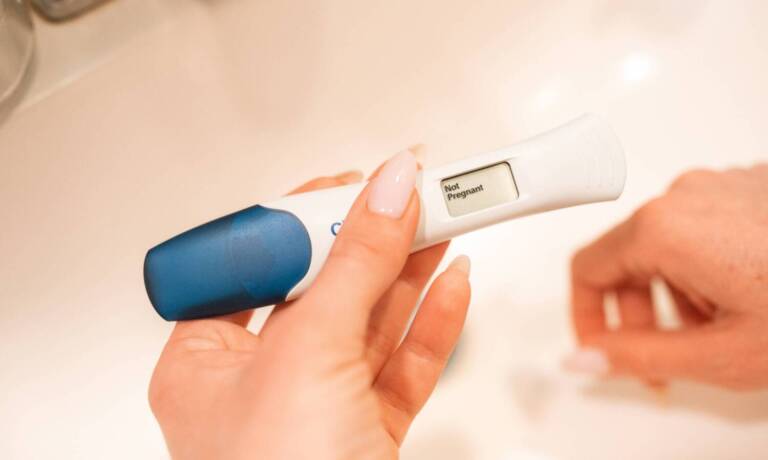
Alabama State Sen. Larry Stutts (R) introduced a bill this week that would require women “of childbearing age” to present proof that they’re not pregnant in order to purchase medical cannabis products.

If passed, the bill would amend Alabama’s 2021 medical marijuana law by requiring dispensaries to ask women between the ages of 25 and 50 to provide “a negative pregnancy test either from her physician or documentation from a certified medical lab that has been ordered by a physician licensed in Alabama.”

Pregnant Marijuana Use Linked To Children With Autism, Study Finds
Photo by Ömürden Cengiz via Unsplash

RELATED: Cancer Patients Should Just Buy Marijuana On The Streets, Says Alabama Senator

Marijuana Moment, which first reported this story, noted that documentation must be dated within 48 hours of purchase before a woman can buy medical cannabis and that women who are breastfeeding would also be barred from buying medical cannabis products.

“Any registered qualified patient who becomes pregnant shall report her pregnancy status to her registered certifying physician and shall be prohibited from obtaining medical cannabis throughout the pregnancy,” the legislation says.

Emma Roth, staff attorney at National Advocates For Pregnant Women (NAPW), told Marijuana Moment that the bill “would violate women’s right to privacy and equal protection under the Fourteenth Amendment.

“It’s another attempt to police pregnancy in the name of the fetus when medical marijuana poses no greater harm than other common exposures during pregnancy,” Roth said. “And where would the state’s reach end? Would a negative pregnancy test be required to be around smokers, to drink coffee or to work a factory job?”

Smoking Marijuana
Photo by RODNAE Productions from Pexels

Roth also cited a 2020 scientific report that concludes “current evidence does not suggest that prenatal cannabis exposure alone is associated with clinically significant cognitive functioning impairments.”

RELATED: Here’s Why Women Are Using Cannabis During Pregnancy

“Yeah, the marijuana bill is law now but if we’re going to have that as the law, we need to set some parameters,” Stutts said on a local radio talk show. “I think it can be improved, and one of the ways it can be improved is to limit pregnant people using it, limit their availability to it.” Pregnant people?

As Jane Austen wrote in Persuasion: “I hate to hear you talk about all women as if they were fine ladies instead of rational creatures. None of us want to be in calm waters all our lives.” Some of us might not want to be in Alabama either.

This article originally appeared on Benzinga and has been reposted with permission.
Don't Miss Your Weekly Dose of The Fresh Toast.

Stay informed with exclusive news briefs delivered directly to your inbox every Friday.

We respect your privacy. Unsubscribe anytime.