Friday, July 3, 2026
Home Blog Page 308

New York City First In The US To Open Safe Injection Sites For Illegal Drugs

These harm reduction services will play an important role in helping to curb the drug overdose crisis plaguing New York City and the United States.

By Jelena Martinovic

On Tuesday, New York City became the first in the nation to open two overdose prevention centers (OPC) where people can use illicit drugs and receive medical care and services.

What are OPCs?

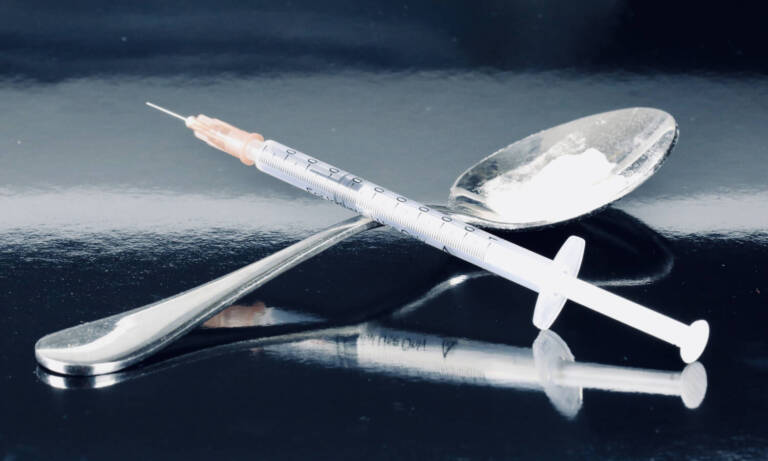
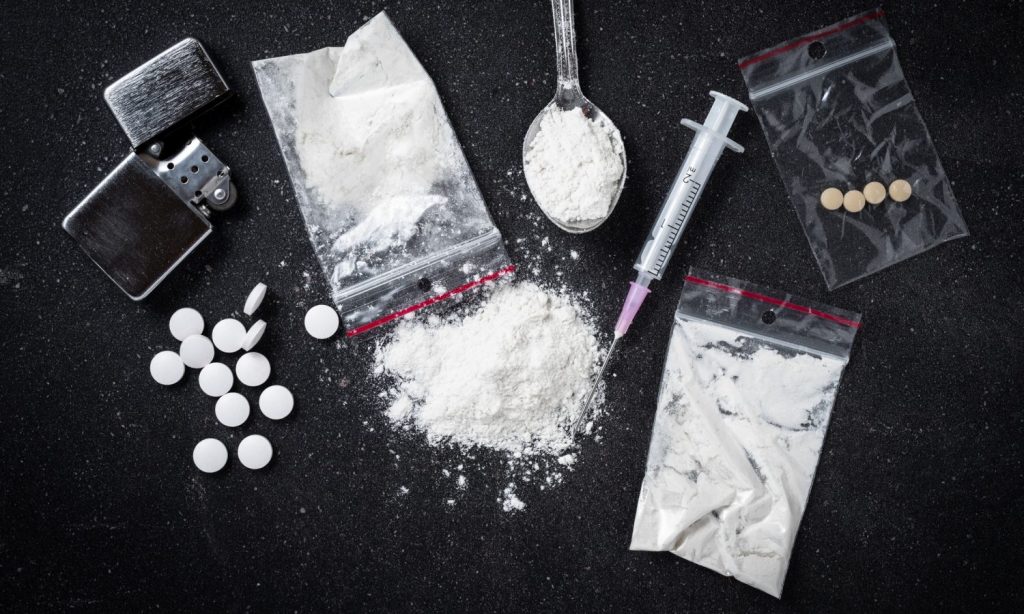
Overdose prevention centers are safe spaces for people to consume pre-obtained drugs in controlled settings under the supervision of trained staff and with access to sterile consumption equipment, tools to check their supply for the presence of fentanyl, and connections to health care, counseling, and referrals to health and social services, including drug treatment.
What US Government Could Learn From Oregon’s New Drug Decriminalization Law
Photo by LeszekCzerwonka/Getty Images

As such, these harm reduction services will play an important role in helping to curb the drug overdose crisis plaguing New York City and the United States.

According to new data from the Centers for Disease Control and Prevention (CDC), New York City’s drug-overdose deaths surged 36%.

Drug Overdose Deaths Across U.S. Top 100,000 Annually

CDC provisional overdose data showed there were an estimated 100,306 drug overdose deaths in the U.S. during the 12-month period ending in April 2021, an increase of 28.5% from the previous year.

While cities like Philadelphia and San Francisco did not manage to open OPCs due to legal and political challenges, New York’s Mayor Bill de Blasio revived the long-stalled plan.

“New York City has led the nation’s battle against COVID-19, and the fight to keep our community safe doesn’t stop there,” de Blasio said in a press release.

Located at existing facilities that provide syringe exchange services, OPCs are “a safe and effective way to address the opioid crisis,” said de Blasio, who has just four weeks left in office.

new york
Photo by Jon Flobrant via Unsplash

The Drug Policy Alliance, since 2015, was at the forefront of advocating for OPCs as a critical component of curbing the overdose crisis. The first statewide bill for OPCs in New York was introduced in 2018 and accepted by  Mayor de Blasio, the NYC Council and NYC’s Dept. Health and Mental Hygiene.

RELATED: New Zealand: First In World To Legalize Drug Checking At Public Events

“Despite the obstacles, we kept up the pressure along with our coalition through consistent organizing, educating and lobbying,” the DPA wrote in an email to Benzinga.

“Studies from other countries have shown that these centers greatly reduce the number of overdose deaths. Despite overwhelming evidence of the benefits of OPCs and more than 120 operating around the world, none have existed in the U.S. due to legal barriers and misguided drug war hysteria.”

RELATED: How Cannabis Friendly Is Biden’s New Administration? Part 2: Xavier Becerra’s DOH 

Meanwhile, though it remains to be seen how the U.S. Justice Department will approach the issue, Secretary of Health and Human Services (HHS) Xavier Becerra recently revealed the Biden administration’s four-part strategy to deal with the overdose epidemic, which could include allowing supervised consumption sites, reported The Washington Post.

“When it comes to harm reduction, we are looking for every way to do that,”  Becerra said earlier. “We probably will support the efforts of states that are using evidence-based practices and therapies.”

This article originally appeared on Benzinga and has been reposted with permission.
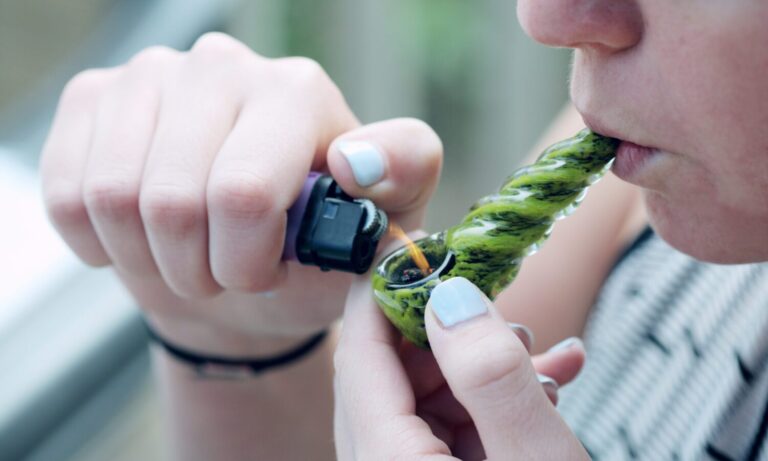
3 Side Effects Of Weed You Should Know

0

Over the past several years, the public has mostly focused on the positive effects of cannabis. But what about the negative side effects? Here are some you should be aware of.

Marijuana used to be interpreted to dramatic degrees, often referred to as a “gateway drug” and a substance that dumbed people down. While most of these beliefs have been debunked over the years, the truth is that marijuana can be addictive, and should be taken seriously.

Recently, people have started to view marijuana in a different light, focusing on its benefits and medicinal properties. While this is a good thing and will hopefully result in the end, or at least the derailment of the war on drugs, it’s still important to know marijuana’s effects; it was never as dangerous as it was painted out to be, but it’s also not a miracle drug.

RELATED: How America’s Outlook On Medical Marijuana Has Changed Since The Passage Of Prop 215 — 25 Years Ago

Here are 3 of the most serious side effects associated with marijuana use:

EVALI

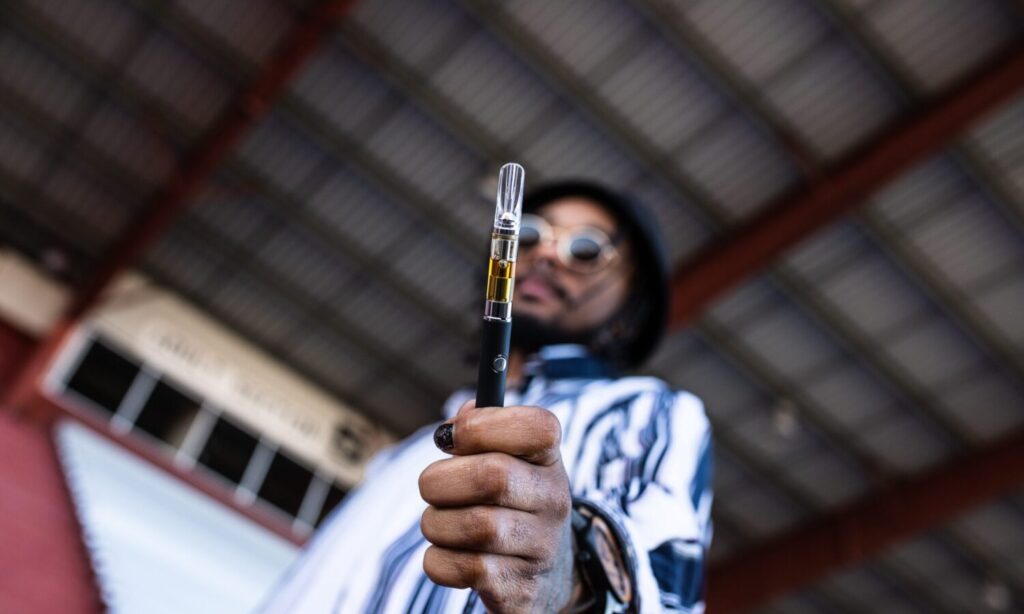
Vape Pens: Here Are The Pros And Cons Of These Popular Cannabis Tools
Photo by LexScope via Unsplash

Before COVID-19 took the spotlight, there was a mysterious “vaping disease,” which later became known as EVALI. This disease resulted in pneumonia, lung damage, and even some deaths.

RELATED: How To Make Sure Your Vape Is Safe

Researchers discovered that most cases of EVALI were tied to Vitamin E acetate, a compound that’s present in vapes. While the disease has been eclipsed by more pressing and global issues, it’s still a concern, one that could be curbed by purchasing cannabis products from legitimate dispensaries and minimizing the distribution of black market cannabis.

Vomiting & nausea

nausea
Photo by monkeybusinessimages / Getty Images

RELATED: 7 Common Myths About Marijuana Debunked

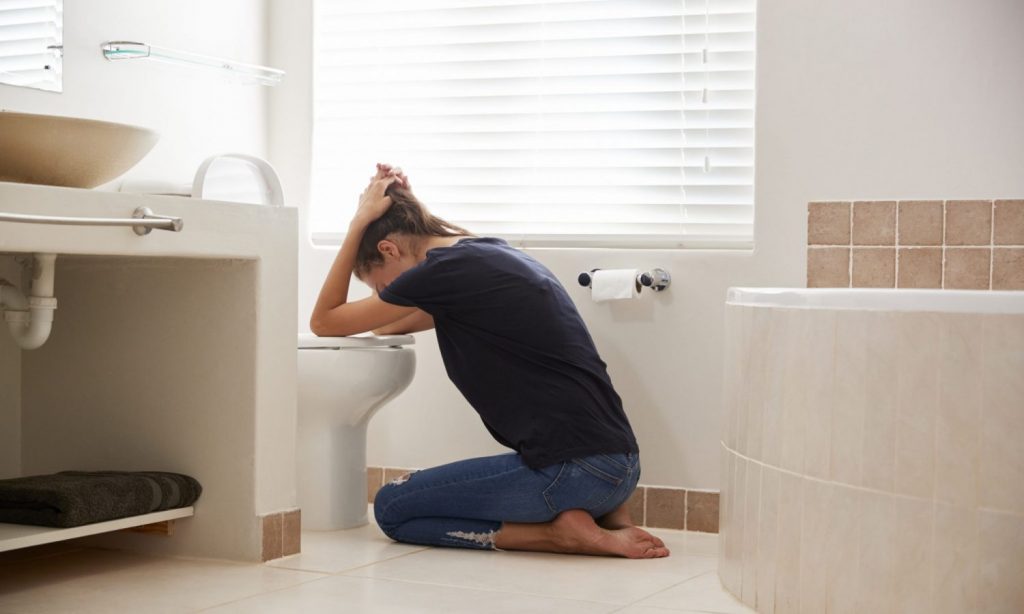
One of the least covered and more concerning side effects associated with cannabis is Cannabinoid Hyperemesis Syndrome, a condition where the user experiences nausea and uncontrollable vomiting when exposed to cannabis. It sounds terrifying. While the condition is rare, it’s important to know about it, that way users can know what to target if they start showing symptoms.

Mental health disorders

Managing Nausea With Cannabis: What You Need To Know
Photo by elenaleonova/Getty Images

Marijuana and anxiety have a complicated relationship. While the majority of users claim it’s stress-relieving, a not insignificant group of people have experienced major anxiety and paranoia. Different studies have found links between cannabis and mental health disorders, which are particularly concerning for people with a history of mental health disease in their family, who may be more likely to experience these adverse results when exposed to cannabis.

These diseases are largely unknown and need scientific support now that cannabis is growing more and more popular. A simple and helpful preventive measure would be to use caution and moderation when consuming cannabis. Like any other substance, your body needs time to recover from its effects.

7 Common Myths About Marijuana Debunked

0

We’re now armed with more facts about marijuana than ever before, but a lot of misinformation continues to circulate. Here are some untruths you should be aware of.

As marijuana becomes more mainstream, so do   myriad myths and legends. Fallacies and untruths about marijuana have existed as long as its opponents have. The main difference between then and now, however, is legalization and popularity.

Increased data and newly-funded research have given birth to scientific findings that help shed light on how marijuana actually affects people and society. As weed becomes legal and the states that legalize it continue to operate normally, many skeptics are starting to realize some of the great myths of marijuana are just that — myths.

Marijuana Use Causes Cancer

The research and study of how marijuana affects or contributes to cancer is still very new and inconclusive overall. Although marijuana has proven to be a helpful therapy for those undergoing cancer treatment, whether or not marijuana causes cancer is still up in the air.

rolling a cannabis joint
Photo by Kampus Production from Pexels

RELATED: Science Continues To Confirm Cannabis Combats Cancer

A 2006 UCLA study concluded that marijuana can not conclusively be linked to causing cancer. In fact, this and other studies suggest that pot can actually inhibit the growth of cancerous tumors.”

Weed Is Not as Potent as It Used to Be

There is a common rumor, sometimes spoken among more senior generations, many of whom are reformed marijuana users, claiming the potency of marijuana has decreased. There is no denying the way cannabis is grown in this country has changed a great deal. 

Marijuana was illegal and often farm-grown in the 1960s, and today it is a multi-billion dollar industry in the United States.

RELATED: Study Finds Marijuana 25% Stronger Now Than Five Decades Ago

“Reports indicate that the potency of cannabis preparation has been increasing,” according to the National Center for Biotechnology Information. This study, and others point towards marijuana increasing, not decreasing, in potency overall.

Marijuana Use Leads to Addiction

Marijuana addiction is a frequently contested concept. Marijuana can cause Marijuana Dependence Disorder, which can lead to addiction. Cannabis has been found to be far less addictive than most other drugs, but still addictive to some users.

RELATED: Is Marijuana Addictive? Let’s Discuss

The hardest part about understanding marijuana addiction is the fact that this particular addiction is hard to quantify and identify in many users. “Estimates of the number of people addicted to marijuana are controversial, in part because epidemiological studies of substance use often use dependence as a proxy for addiction even though it is possible to be dependent without being addicted,” according to the National Institute on Drug Abuse.

Marijuana is a ‘Gateway’ Drug

The term “gateway drug” has been used to define marijuana by its opponents for decades. “Scientists long ago abandoned the idea that marijuana causes users to try other drugs,” according to TIME

rolling a marijuana joint
Photo by FilippoBacci/Getty Images

According to a 2018 paper published in the journal Drug And Alcohol Review:

“Given the expansion of cannabis legalization throughout North America, it is encouraging that cannabis use was associated with slower time to initiation of injection drug use in this cohort. This finding challenges the view of cannabis as a gateway substance that precipitates the progression to using harder and more addictive drugs.”

RELATED: Science Proves Marijuana Is Not A Gateway Drug, And Never Was

Even though the term “gateway drug” exists in reference to marijuana, more and more research continues to show this simply is not true.

Marijuana Is All Natural

Marijuana is a plant that can grow naturally and wildly in several areas in the US. Most of the cannabis that is consumed, however, is not completely natural. Cannabis plants are often exposed to pesticides, growth hormones and other chemicals while they grow. According to Healthline, “Unnatural — and more importantly, unsafe — toxins can sometimes show up in cannabis.”  

Marijuana Leads to Violent Crime

Marijuana has also been linked to crime, particularly violent crime, by many of its opponents. Now that marijuana is legal in several states, data is available to see if there is a strong link between violent crime and marijuana use. There is not.

RELATED: Study Finds No Connection Between Legalizing Marijuana And Crime

A 2019 study funded by the National Institute of Justice, researchers found that legal cannabis had little to no effect on crime. According to the study, the rates of both violent and property crime in Washington and Colorado remained close to other state averages after 2014, the year both states’ marijuana programs went into full effect. Another study revealed that “adding a dispensary to a neighborhood (of 10,000 residents) decreases changes in crime by 19% relative to the average monthly crime rate in a census tract.”  

marijuana arrest
Photo by FatCamera/Getty Images

RELATED: Can Marijuana Really Cause A Person To Become Aggressive?

In fact, a 2018 study published in the journal Police Quarterly found that police are solving more non-drug-related crimes in states that have legalized marijuana, since they’re now freed up from dealing with pot offenders. Cops in legal states are now more efficient at bringing violent criminals to justice, as well as those connected to theft and burglaries. In other words, police is legal states are starting to do their jobs.

Legalization Has Been A Public Health Disaster

When states first began legalizing marijuana there were many cautionary tales and blanket statements written in apocalyptic terms. The end of days was near in the eyes of extreme cannabis opponents. This, of course, did not happen.

The Washington Post cited research done by economists who reviewed the consequences of legalizing marijuana: “They found little evidence suggesting that recreational marijuana laws result in greater teen drug use, but strong evidence that teens who do use marijuana are less likely to use alcohol.”

New Zealand: First In World To Legalize Drug Checking At Public Events

The primary aim of such testing is to assist people in making informed and safer decisions about whether or how to use an unregulated drug.

By David E. Carpenter

New Zealand has recently distinguished itself as the first country in the world to legalize drug checking services, most notably for people attending festivals and other events.

The decision is a landmark ruling that stresses harm reduction for individuals by testing often illicit substances they plan to consume.

drugs
Photo by Mireille Raad via Unsplash

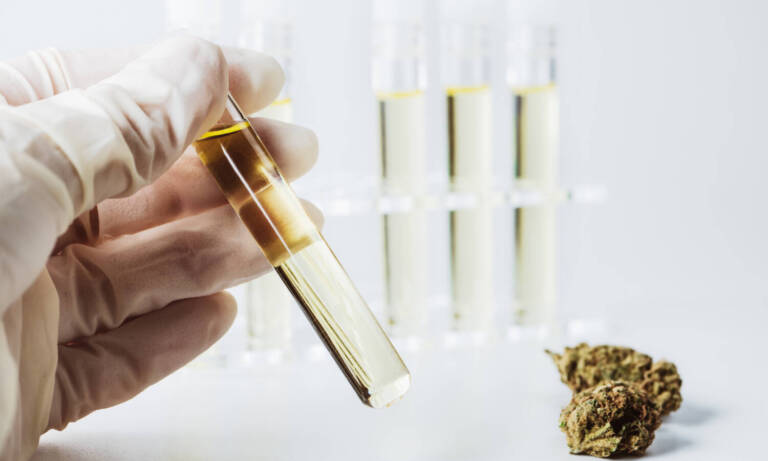
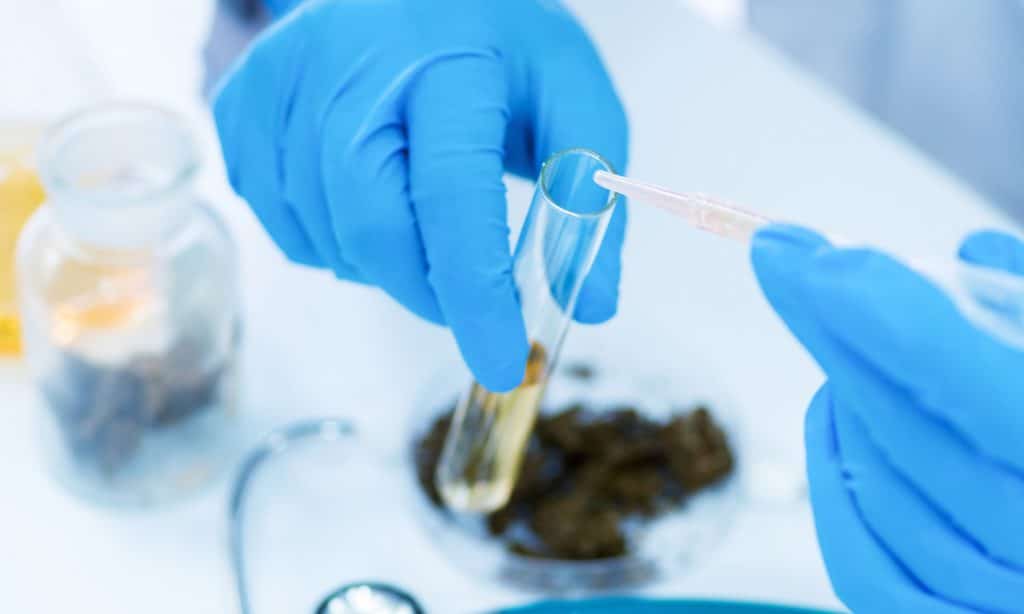
New Zealand’s Ministry of Health describes drug checking services as scientific tests conducted on substances in order to indicate their likely identity and composition. Such services test unknown substances, which may be illicit drugs, and then interpret the results and provide harm reduction information to individuals who provided the sample.

The primary aim of such testing is to assist people in making informed and safer decisions about whether or how to use an unregulated drug.

Contrary to what some believe, these drug-testing services are not set up to promote illicit drug use or to claim that illicit drug use is safe. Rather, they are portable labs that use high-performance liquid chromatography or UV-Vis spectrophotometer equipment in order to ascertain both the potency and qualitative nature of often illicit drugs.

Dr. Carl Hart, a neuroscientist who specializes in how humans respond to psychoactive drugs, spoke earlier this year about the need for drug testing and safety at events and within communities in the general population. He used the example of a typical breakfast and the basic assurance people have that they won’t get sick from store-bought, regulated food.

“I can be comfortable knowing that there are no contaminants in the breakfast I had this morning because we have quality control for our food,” Hart said. “And so, when people are out at festivals, all of that quality control goes away, which increases the likelihood that people might have contaminated substances.”

Testing services around the world currently exist in a kind of legal gray area where local law enforcement can make the call whether or not they will allow them at events. Organizations like The Loop in the United Kingdom and DanceSafe often struggle to provide services that can be interpreted as promoting drug use.

Scientists Confirm Taking Psychedelics At Music Festivals Makes You Happier
Photo by Hanny Naibaho via Unsplash

In reality, testing often does the opposite. One leading drug-checking service in New Zealand that has been providing testing of unverified substances for the past five years is called Know Your Stuff NZ. The  community volunteer organization addresses the “lack of factual, proven information available to drug users about the substances they intend to take by providing drug checking and drug-related information at festivals and events.”

The group notes that people often obtain substances from dubious sources that they believe are safe but may also have the potential to harm or kill them.

RELATED: Scientists Confirm Taking Psychedelics At Music Festivals Makes You Happier

Prior to the worldwide pandemic, Know Your Stuff NZ provided harm reduction services free of charge at 13 events over the 2018-2019 season. During that time, the data they gathered showed that instead of condoning drug use, as is often feared, drug checking in fact reduced drug use and its associated harms. Know Your Stuff found that when festival-goers discovered that the drug they were planning to consume was not what they thought it was, they were inclined to abstain from taking it 50% of the time.

RELATED: Concerts Making A Comeback In 2021, But Don’t Smoke The Weed

As part of the New Zealand government’s proactive approach to testing, it recently pledged $800,000 NZ for the coordination of national services to train drug checkers for large festivals and events and to provide information about harm caused by drugs.

Radio New Zealand reported that Minister of Health Andrew Little described drug-checking services as keeping people safe, not condoning recreational drug use. “There is clear evidence that having drug-checking services at festivals changes behavior and reduces harm,” Little said.

This article originally appeared on Benzinga and has been reposted with permission.
Here’s What You Should Know About Omicron, The New COVID-19 Variant

0

Same virus, new variant. Should you still worry about Omicron if you’re vaccinated and continue to wear your face mask? Here’s what experts want you to know.

Omicron, the new COVID-19 variant, was first identified by South African scientists, prompting travel restrictions and additional pandemic anxiety. Now, more than a dozen countries have reported cases of the new variant. And this past week, the strain was labeled as a variant of concern by the Centers for Disease Control and Prevention (CDC).

While a new variant that shows more capacity for contagion is cause for concern and extra precaution, there is still a lot we don’t know. Despite the panic that’s likely clogging your news feeds, new variants will continue to reappear as long as there are people who remain unvaccinated.

While Omicron is looking different than the rest, we’ll have to wait a week or two before we know what it means. For now, here’s what you should know.

It will take some time to know how dangerous it is

These Are The 5 Most Common Face Mask Mistakes
Photo by ?? Claudio Schwarz via Unsplash

While people may be talking about Omicron’s many mutations and apparent stronger edge, we don’t have enough information to make these sorts of assumptions. We will likely have to wait a few weeks to see if the variant is stronger than Delta and if it’s capable of lowering the efficacy of vaccines.

RELATED: These People Have A Higher Risk Of Developing COVID-19

“They have a number of patients that they’re following in the medical facilities, and they assured us that they would know probably in a matter of a week, a week and a half, as to whether or not we’re dealing with something that, for the most part, is more severe, equally as severe or less severe. It could be either of them,” Dr. Anthony Fauci told CNN.

It appears to be more transmissible

This Rare Condition Is More Common After Having COVID-19
Photo by Mufid Majnun via Unsplash

The Omicron variant was highly transmissible in South Africa, which, again, doesn’t mean much. It could behave differently in other countries, where Delta has taken center stage and has remained the dominant variant.

Since Omicron has similar mutations to the Delta variant, it likely transmits just as fast as Delta or even faster, at least in South Africa.

Vaccines and face masks remain the go-to precautionary measure

This Vaccine Makes It More Likely To Get Breakthrough COVID-19
Photo by CDC via Unsplash

Vaccine makers are concerned about Omicron, especially since it has so many mutations. Experts have talked about the possibility of making more vaccines for this type of COVID-19 strain. “[Moderna] and Pfizer cannot get a billion doses next week. The maths doesn’t work. But could we get the billion doses out by the summer? Sure,” Moderna CEO Stéphane Bancel told the Financial Times. Other options that experts are considering would be to offer a booster with a larger dose of the virus.

RELATED: Does Getting A Booster Shot Mean I Can Go Back To Normal?

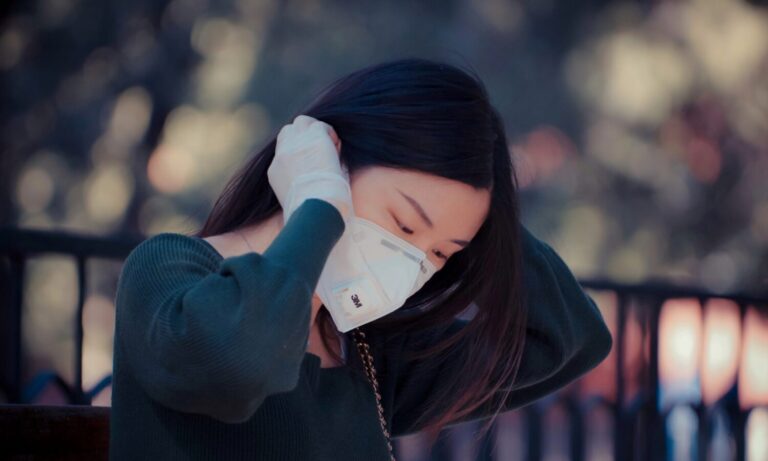
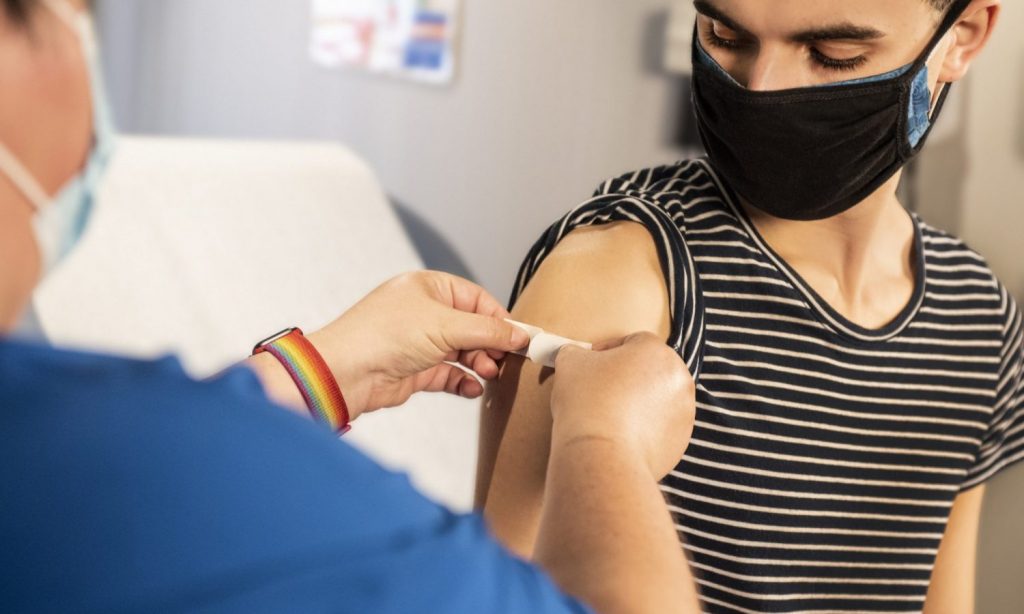
Still, we don’t know if that will be the case. Despite the variant’s mutations, the current vaccines remain the most efficient way of dealing with the virus, especially right now as we’re coming into the holiday season and cases will inevitably rise. Another safety precaution people could take in the coming weeks would be to go back to wearing face masks on all indoor locations and when located in crowded outdoor spaces.

CDC Warns Of Stoned Driving Risks, Offers Workplace Cannabis Policy Advice

CDC calls on businesses to educate drivers on the effects of marijuana on cognitive abilities and recognizes the importance of providing support for employees struggling with addiction.

By Nicolas Jose Rodriguez

The Centers for Disease Control and Prevention (CDC) is giving advice to businesses on how to develop marijuana policies, reported Marijuana Moment.

The CDC’s National Institute for Occupational Safety and Health (NIOSH), a research agency focused on the study of worker safety and health, issued a report that warns about the inherent risks of driving while under the influence of THC.

is new marijuana breathalyzer technology on the way
Photo by JasonDoiy/Getty Images

“Marijuana use in the United States is increasing as more states legalize its medical and recreational use. Managing motor vehicle crash risks associated with marijuana impairment is important, as marijuana impacts a driver’s cognitive abilities. Other than alcohol, marijuana is frequently reported found in post-crash testing. This substance needs to be addressed as part of all workplace motor vehicle safety programs,” stated the report adding an explanation that THC was psychoactive and could “impair coordination, distort perception and lead to memory loss and difficulty in problem-solving,” thus could result in slow reaction times in the case of driving.

The report noted that despite some unanswered questions about marijuana’s role in crash risk, “workers under the influence of marijuana do not have the skills needed to drive safely.” The agency warned that with cannabis use on the rise, it should be addressed by workplace motor vehicle safety programs. concluded the report.

Best Practices for Employers

The report calls on businesses to develop a comprehensive marijuana policy that accounts for current laws in each state and recognizes that “a zero-tolerance policy for marijuana may not be possible.” However, there is room for improvement in terms of best marijuana policies.

RELATED: Driving High On Marijuana Might Not Be As Dangerous As Prescription Drugs

Best practices recommended by the CDC include prohibiting workers from using marijuana in any form while at work and from being under the influence when they report for work. It also recommends partnering with an attorney to review the company policy and outlining the “specifics” of marijuana testing such as testing conditions, threshold that will constitute impairment, and the consequences of a positive test.

RELATED: Here’s What You Should Know If You’re Caught Driving While High

The CDC advises businesses to work with a medical professional with training in interpreting THC tests and “warn drivers that cannabidiol (CBD) product labeling is not regulated,” while their consumption could result in a positive THC test. Moreover, CDC calls businesses to educate drivers on the effects of marijuana on cognitive abilities and recognizes the importance of providing support for employees struggling with addiction.

This article originally appeared on Benzinga and has been reposted with permission.
This Sleep Disorder Has Been Associated With Depression

0

This disorder has also been linked with increased blood pressure, increasing the odds of heart attacks and other forms of cardiovascular disease.

There’s a lot of things that can go wrong with your sleep. About 70 million Americans suffer from some sort of chronic sleep disorder, making it one of the most common and difficult to treat conditions in the country.

A new study suggests that people who suffer from sleep apnea, a condition where breathing repeatedly stops and starts, may be more likely to suffer from depression and a variety of serious conditions.

RELATED: Falling Asleep At This Specific Time Might Be Good For Your Heart Health

3 Tricks That Can Help You Understand Your Sleep
Photo by Mert Kahveci via Unsplash

The study was conducted by researchers who analyzed a pool of pilots from Saudi Arabia. Since this is a high-risk occupation and people who struggle with sleep apnea are more likely to have fatigue and insomnia, researchers wanted to understand the disease better in order to catch it earlier and try to prevent it.

“One-third of participants had some problems initiating or maintaining sleep (insomnia), 33% had tiredness and fatigue,35.9% had depression, while 23.1% were excessively sleepy during the daytime,” explained the study.

The link between sleep apnea and depression has appeared in previous studies, lending more legitimacy to this connection. It’s believed this link exists since people with sleep apnea aren’t well-rested due to the abrupt waking up in the middle of the night and then later having issues when going back to sleep. The more they struggle with the disease, the less comfortable people will feel in all regards to their daytime lives, influencing their work performance and their relationships.

RELATED: Sleeping Less Than 5 Hours A Night May Increase Your Risk Of This

Aside from being linked with depression, sleep apnea has been correlated with increased blood pressure, thus increasing the odds of heart attacks and other forms of cardiovascular disease.

Everything You Ever Wanted To Know About Using Cannabis For Sleep
Photo by Vladislav Muslakov via Unsplash

People who suffer from sleep apnea wake up through the night due to the abrupt changes in their breathing patterns. Over the years, researchers have found that this occurs due to the tissue in the throat relaxing during sleep, blocking the airway, and disrupting sleep. It’s a condition that affects about 22 million people in the U.S.

Sleep apnea is a serious and common condition. People who suffer from mild cases might benefit by sleeping on their stomachs or on their sides, keeping their airways as open as possible. For more serious cases, it’s important to talk to your doctor and to look for other methods of treatment, including the use of breathing aids like a CPAP machine and even surgical intervention.

How America’s Outlook On Medical Marijuana Has Changed Since The Passage Of Prop 215 — 25 Years Ago

Now that more than half of the U.S. has permitted legalized medical marijuana, it’s clear to see the ripple effects that the law has had.

It’s hard to put into words how far along the fight to end marijuana prohibition has come. It’s fair to assume that much of that progress wouldn’t have been possible without the passage of California’s Prop 215 back in November 1996.

The passage of Prop 215 made it possible for Californians to purchase, possess and use marijuana for a select handful of conditions like cancer, glaucoma, arthritis, HIV and AIDS. Ever since the law passed, medical marijuana has steadily changed the way many Americans view cannabis.

Here are a few key ways the nation’s outlook on cannabis has changed over the course of the last quarter-century.

Marijuana Is A 'Bipartisan' Issue, But That Doesn’t Mean Federal Legalization Is A Sure Thing
Photo by traffic_analyzer/Getty Images

By Exposing Skeptics to the Healing Properties of Cannabis

Since medical marijuana was relatively unfamiliar to most Americans, the concept needed to be put to the test before earning the trust of most people. The passage of Prop 215 allowed people to receive a firsthand look at the way medical marijuana could improve people’s lives.

Seeing the way medical marijuana helped patients suffering from numerous conditions not only made an impact on the general public, but on the medical community as well since research about the therapeutic effects of medical marijuana were still largely a mystery within the profession.

RELATED: 5 Medical Conditions You Didn’t Know Cannabis Helped Treat

The results from medical marijuana patients in California provided enough evidence for other states to introduce medical marijuana programs of their own. Nowadays, medical marijuana is legal in 36 states across the country.

By Opening the Door for Further Cannabis Research That Dispelled Common Cannabis-Related Myths

Another reason why the passage of Prop 215 is partially responsible for changing American’s outlook on cannabis is because of how instrumental it was in breaking age-old myths about marijuana. Prior to the passage of Prop 215, research on the therapeutic effects of medical marijuana was almost nonexistent.

RELATED: 3 Marijuana Myths That Need To Be Debunked Immediately

According to the marijuana policy project, efforts to study the medicinal effects of cannabis were largely prohibited by the DEA. Even though circumstances involving medical marijuana research have improved since the passage of Prop 215, there’s still more work that needs to be done in order for scientists to fully understand the potential of marijuana’s therapeutic benefits.

Medical Marijuana Helped Warm Americans Up to the Idea of Recreational Marijuana Use and Sale

There are numerous components that have factored into the changing attitudes of marijuana, but the passage of Prop 215 was the catalyst. For example, attitudes rapidly began to change towards marijuana once the law passed. In the year 2000, the number of Americans who were in favor of legalizing recreational cannabis was just 34%. Now, that number has more than doubled to 86%.

rolling a marijuana joint
Photo by RODNAE Productions from Pexels

Besides the fact that Prop 215 allowed Americans to see firsthand that cannabis could be effective for treating medical ailments, the introduction of medical marijuana showed that there’s no reason people shouldn’t be able to walk into a storefront and purchase cannabis just like any other product.

Although the War on Drugs isn’t over, the passage of Prop 215 in California signaled that it probably wouldn’t last long. Now that more than half of the U.S. has permitted legalized medical marijuana, it’s clear to see the ripple effects that the law has had.

This makes it a little easier to have some optimism that 25 years after the passage of Prop 215, the end of the drug war could be closer than we think.

Florida Lawmaker: Decriminalize Illicit Drugs, Lower Cannabis Penalties

The legislation also demands that Florida’s health department research more effective methods of addressing drug addiction in lieu of criminalizing.

By Nina Zdinjak

Florida representative Dotie Joseph (D) submitted a legislative proposal “Collateral Consequences of Convictions and Decriminalization of Cannabis and All Drugs Act” recently, in an effort to decriminalize all currently illegal drugs, reported Marijuana Moment.

Under the bill, anyone with a criminal record for past cannabis-related offenses would be eligible for an automatic expungement within a year since the arrest and cannabis possession of up to one ounce would be considered a non-criminal violation punishable with a $50 fine, instead of a misdemeanor offense. Marijuana delivery of up to an ounce will be treated the same way.

war on drugs
Photo by Rattankun Thongbun/Getty Images

The proposal “intends the prioritization of rehabilitative health intervention in lieu of criminalization for personal usage of controlled substances, including but is not limited to stimulants including cocaine, methamphetamine, opioids, heroin, fentanyl, depressants or benzodiazepines, and other addictive controlled substance.”

Furthermore, the bill notes that offenses “associated with the personal usage and possession of controlled substances that do not involve production, distribution or sale shall be decriminalized in favor of civil fines and referral for drug rehabilitation.”

RELATED: What US Government Could Learn From Oregon’s New Drug Decriminalization Law

The bill’s goal is to promote the health and public safety of Florida residents and to use revenues to support education, improve substance abuse prevention and treatment, among other things.

The legislation also demands that Florida’s health department research “more effective methods of addressing drug addiction in lieu of criminalizing.”

This article originally appeared on Benzinga and has been reposted with permission.

California Develops Standardized Marijuana Testing In Attempt To Clear Up Inconsistencies

Cannabis advocates praise the move saying that it will help raise the quality and reliability standards in the industry, protect consumers and also minimize false test results.

By Nina Zdinjak

In an attempt to deal with cannabis testing issues and laboratory inconsistencies, California is standardizing the process throughout the state’s approximately 40 active weed testing facilities.

What Happened

The initiative comes under the new state law — Senate Bill 544, signed in October by Governor Gavin Newsom, which demanded that the Department of Cannabis Control (DCC) create strict criteria and guidelines for testing a plethora of microbiological contaminants, pesticides, residual solvents and cannabis compounds, reported Marijuana Business Daily.

Understanding The Importance Of Marijuana Studies And Outcomes
Photo by boonchai wedmakawand/Getty Images

Why It Matters – Raising Quality Standards

Cannabis advocates praise the move saying that it will help raise the quality and reliability standards in the industry, protect consumers and also minimize false test results.

“This will bring additional consistency and accountability among licensed cannabis testing laboratories,” DCC spokeswoman Christina Dempseysaid.

“With a standardized method, laboratories can more easily identify and correct problems, and it will serve as an additional mechanism to ensure integrity.”

So far, the DCC has chosen two state-run labs to determine operating procedures that will act as a blueprint for all other cannabis testing labs in the Golden State. Under the initiative, the division will determine a reference lab via  a partnership with the University of California, San Diego. It will be one of the two state-run labs.

RELATED: Feds Set Standard Dose Of THC In Product Testing To 5mg — Why You Should Care

“DCC anticipates leveraging these two laboratories to enhance accountability,” Dempsey added, “by verifying laboratory results and through initiatives such as challenge tests.”

California joins several other states that have standardized cannabis testing practices such as New Jersey and New York.

Long Road – Right Path

Jeffrey Raber, an organic chemist who was involved in one of the first marijuana testing labs in the state, said he trusts that the new standardized procedures and cross-validation will help clear up lab results.

“The lab game still needs so much help,” said Raber, CEO of The Werc Shop who stopped cannabis testing years ago and got into consulting and formulation development.

“I don’t think we’re fully there yet, but we’re on the right path.”

This article originally appeared on Benzinga and has been reposted with permission.
Don't Miss Your Weekly Dose of The Fresh Toast.

Stay informed with exclusive news briefs delivered directly to your inbox every Friday.

We respect your privacy. Unsubscribe anytime.