Bloodshot eyes are a good and age old indicator that someone is high.
One of the most distinguishing aspects of a marijuana high is those glaringly red eyes. Despite putting on perfume, washing your hands, and acting your heart out to look as normal and sober as possible, red eyes can easily break your cover. Fortunately, they are temporary and painless — they just make you look high as hell. Here is why red eyes happens when you smoke weed.
Surprisingly, weed eyes have very little to do with the act of smoking, even if that’s what we usually associate them with. Weed eyes occur not only when you smoke weed; they occur when vaping and even with edibles, when there are no irritants like fire or smoke to contend with. This physical reaction occurs when your blood pressure drops and your heart rate increases, which is all due to the THC in your system.
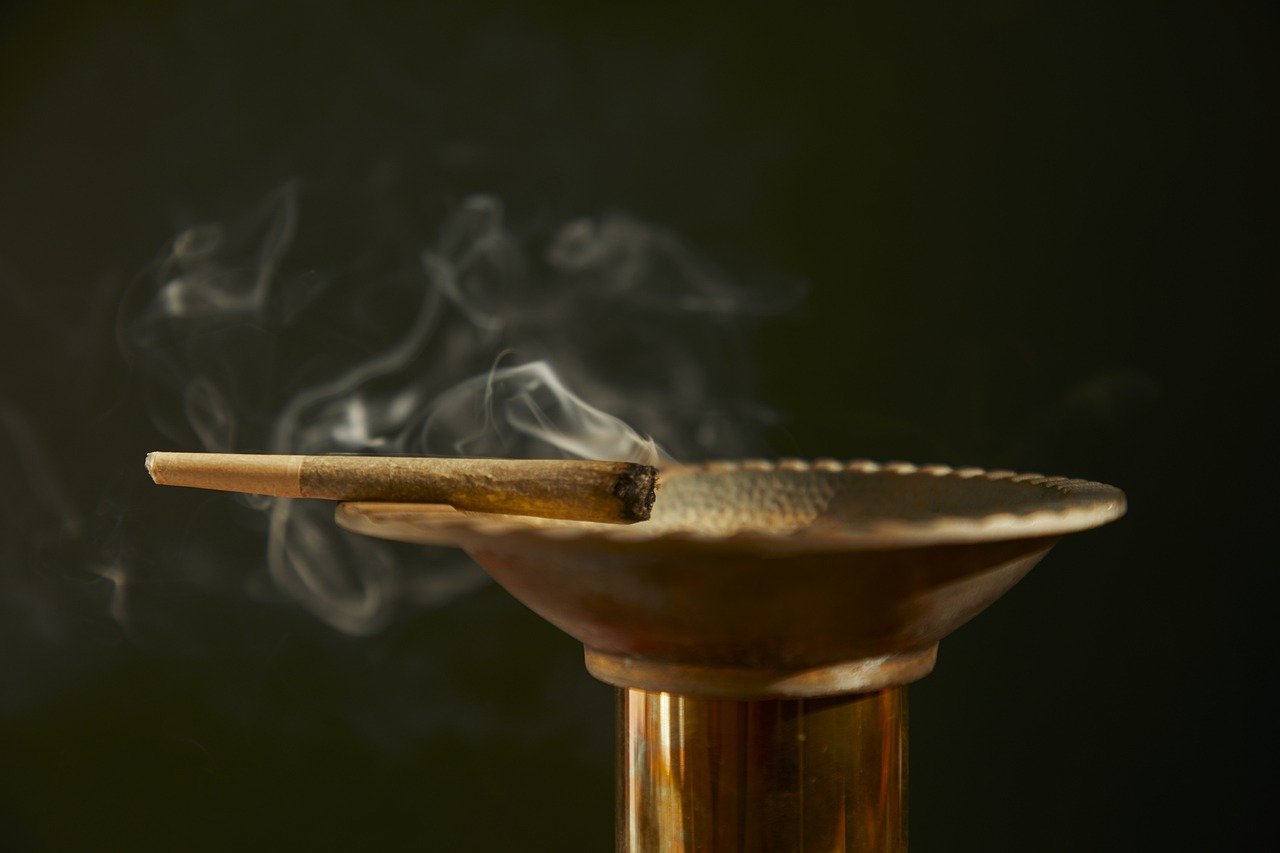
Photo by dadgrass via Pixabay
When your blood pressure drops, your blood vessels and capillaries dilate, including the ones in your eyes. This dilation increases blood flow, turning your eyes red and reducing intraocular pressure. Because of this, some experts believe marijuana could be a viable treatment for glaucoma.
So, knowing that it’s all about blood pressure, will your eyes turn red regardless of consumption method? The answer depends on the potency and amount of THC consumed and of your individual sensitivities. For example, some people are more sensitive to smoke and therefore joints can make their eyes redder. There are also people who could be allergic to smoke or even to cannabis, experiencing these kinds of symptoms with more frequency.
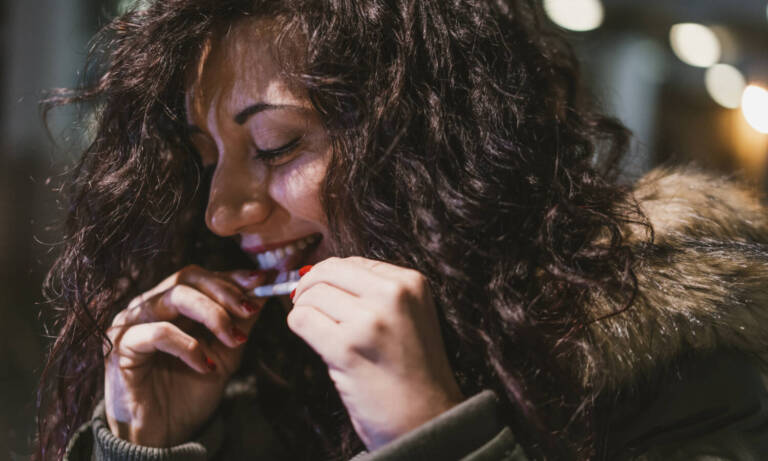
Photo by Andrea Dibitonto via Unsplash
Bloodshot eyes depend on lots of factors, and they’re a bit difficult to prevent. If you’d like to avoid them, sticking to strains with lower THC content might be the right call. If your eyes get bloodshot, you can try having some water, using eye drops, and waiting an hour or two for the effects to pass.
Logic indicates that the redder your eyes, the more your blood pressure drops, and the more potent the THC. In other words, bright red eyes are usually a pretty good indicator of someone who is super high. While the smell may be masked and the user might be a seasoned cannabis consumer who knows how to handle a high, the eyes don’t lie.
Want some educational engagement over the holidays? Look no further than these weed documentaries that exhibit the bigger picture of the complicated relationship between the U.S. and cannabis.
Part of the process of becoming a conscious stoner is to be aware of how the 2010s were a decade of enormous victories for the free marijuana movement worldwide. This is especially true in the U.S., the biggest sponsor of the War on Drugs in the 20th century. To understand this victory, we must understand the social cost it took to get us where we are now, even though the fight isn’t over. Here are the best weed documentaries to stream!
These 10 show the bigger picture of the complicated relationship between the U.S. and cannabis. Every aspect of the impacts of marijuana on social life is approached in these documentaries.
Photo by JESHOOTS.com via Pexels
1. Grass Is Greener (2019)
Year: 2019
Duration: 1h 37min
IMDb: 7.1/10
Director: Fab 5 Freddie
Stars: B-Real, Steven Hager, Damian Marley, Snoop Dogg
Available on Netflix, Grass is Greener is a masterpiece directed by Fab 5 Freddy, about the origins of marijuana in the U.S. and the contradictions developed from there. It reveals the American history of cannabis through legends like Bob Marley, Louis Armstrong, Duke Ellington, Snoop Dogg, and many others. It’s a celebration of the greatness of marijuana’s legacy to jazz, hip hop, and World music. Put your headphones on because music is a critical element of this documentary.
The film also examines the war on drugs. Marijuana’s prohibition was a critical component in the oppression of people of color, women, and anti-war movements throughout the 20th century. It reveals the injustices made under the name of prohibition until today and how ‘reefer madness’ took the U.S. by storm.
2. Rolling Papers (2015)
Year: 2015
Duration: 1h 19 min
IMDb – 6.2/10
Director: Mitch Dickman
Stars: Whoopi Goldberg (archive), Ricardo Baca, Ryan Clendenin
Directed by Mitch Dickman, Rolling Papers covers The Denver Post and their innovative stance of creating a cannabis journalism section under the leadership of Ricardo Baca. This documentary reveals how a shrinking journalism economic niche is turning its fortunes around with the force of the free marijuana movement. This documentary explores the journalists’ personal life, reflecting on polarized themes such as parenting and cannabis, and the lingering preconceptions about the war on drugs. So get your Netflix account ready because Rolling Papers is a must-watch, and not only to cannabis enthusiasts. It shows the myriad opportunities for cannabis businesses. Also, enjoy the brilliantly edited cut scenes of marijuana strains.
3. Weed the People (2018)
Year: 2018
Duration: 1h 34 min
IMDb – 7.1/10
Director: Abby Epstein
Stars: Amanda Reiman, Donald Abrams, Bonni Goldstein
Winner of the Audience Choice Award for Best Documentary in 2018’s Nashville Film Festival, Weed the People is a heartfelt documentary available on Netflix about American families and cannabis.
Directed by Abby Epstein, Weed the People looks at cancer patients and their families’ fight against former Attorney General Jeff Sessions and anti-marijuana legislation. The film examines American’s prohibitionist scientific tendencies in the war on drugs and the more advanced international studies on cannabis and cancer research.
Image by Jan Vašek from Pixabay
4. The Culture High (2015)
Year: 2015
Duration: 2h
IMDb – 8.2/10
Director: Brett Harvey
Stars: Joe Rogan, Snoop Dogg, Ronald Reagan (archive)
The Culture High is a spectacular documentary directed by Brett Harvey in 2014. The film won Best Documentary at the 2015 AMPIA Awards and multiple award nominations at international film festivals.
Available on Vimeo, The Culture High tackles the disinformation and hypocritical prohibitionist discourse that was mass advertised in the 20th century. The documentary demystifies the relationship between cannabis and schizophrenia, addiction, lung damage, existential angst, and other aspects of human sociability.
Vice takes the steering wheel with the 2013 short documentary High Country: The Future of Weed. It took place after decades of discrimination and negation of marijuana’s value to the people when many U.S. states started a legalization process of marijuana that contemplated recreational use. Vice Motherboard arrives in Colorado, the first regulated, taxed, and legal cannabis market, to investigate the booming growth of cannabis-related businesses.
Available on YouTube, the documentary features professional cannabis growers and details a cultivation model that doesn’t waste any of the plants during the production processes, utilizing everything from the leaves to the flowers without any loss of cannabis value.
Then, it focuses on the booming cannabis tech market, the numerous ways that cannabis can be worked on from seed to consumption, and the jobs it can create. This documentary will convince you that there is no telling how far the cannabis industry can go.
6. WEED: A CNN Special Report by Dr. Sanjay Gupta (2013)
“WEED – A CNN Special Report by Dr. Sanjay Gupta” is a full-length documentary series aired by CNN in 2013. It reflects the change of perception in the U.S. media about marijuana. The series portrays the war on drugs propaganda as a general misconception developed by the first Drug Czar in the U.S., the former Commissioner of the Federal Bureau of Narcotics, Harry J. Anslinger. It theorizes that Anslinger opportunistically turned marijuana into the #1 Public Enemy to gain political capital and increase his department’s budget.
CNN takes a surprising and progressive approach regarding cannabis. Available on multiple sources on the web, it critiques the poor handling of U.S. marijuana policies throughout the decades.
7. Weediquette (2016)
Year: 2016
Duration: 3 seasons
IMDb – 8.1/10
Director: VICE media
Stars: Krishna Andavolu, Jason Cranford, Catherine Lewis
Weediquette is an unfinished Viceland TV documentary series starring Krishna Andavolu and his quest to discover the fortune of science, culture, medicine, and economics that the cannabis boom provides.
The project is not officially over, but altogether, Viceland and Krishna released 24 episodes in 2016 and 2017, touching many social aspects impacted by cannabis and the war on drugs. The topics are varied, and it approaches myths and facts about war veteran’s use of cannabis to treat PTSD, autism treatment, driving under the influence of marijuana, deportation, parenting and many more controversial topics.
Weediquette serves as an ode to marijuana and its applications and has almost an encyclopedic value to the cannabis world given the high quality of information, state-of-the-art video editing and writing.
8. Grass
Year: 1999
Duration: 1h 07min
IMDb: 7.2/10
Director: Ron Mann
Stars: Woody Harrelson, Harry J. Anslinger, George Bush
Awards: Genie Award for Best Feature-Length Documentary
This documentary explores the history of marijuana in the US throughout the 20th century, giving us valuable insight into what made America so fearful of marijuana and how that fear impacted society and the economy. The film tackles critical issues such as xenophobia against Mexican immigrants, who have been associated with marijuana use for decades, federal laws and strict penalties, social stigma, and the consequences of recreational cannabis use.
This documentary is 22 years old now, and many things have changed, including the perception of marijuana in modern American society. Still, many issues described in this film remain relevant to this day. The main reason behind a negative attitude towards weed is propaganda, old and rusty movies such as Tell Your Children (1936) that describe weed as a drug that provokes murderous tendencies and a gateway drug that leads to severe addictions. Grass dismantles those myths and gives us a retrospective view of society’s attitude towards marijuana. More than 20 years later, we have a slightly different picture in front of us, so we can look even deeper into the past and see what has changed and where we are headed.
Well, this is something you don’t see every day: a group of nuns comes up with an idea to grow their own weed and sell it to people in California Valley. The documentary describes how Sister Kate, a business-savvy woman from California, came up with the idea of helping people in pain by giving them a natural and healthy remedy – cannabis. Sister Kate formed a group of activists and decided to sell weed in the area. The film describes her struggles with the local anti-weed activists and the positive and negative sides of the business.
This documentary is narrowly focused on a single group of people who happen to sell marijuana in California, almost as if the movie was advertising their product. Well, let’s be real here, the film is a giant commercial for the Sisters of the Valley, and at times, it feels like a drama show. Did you see the Tiger King? Well, dial it down a lot, change the tigers for weed and gun-toting rednecks for weed-selling nuns, and you’ll get the general idea of what is going on there. Some scandals, some shooting, some police raids – it feels fun and entertaining. Though the documentary is not that insightful or revealing as you might want it to be, it still is a fun plot.
A NORML Life is a documentary from 2011 that illustrates the situation with cannabis legalization in the US at the time of release. The movie is based on numerous interviews with people involved with cannabis in one way or another – doctors, growers, users, scientists, and so on. All of these people talk about the positive effects of marijuana. The evidence is overwhelming; from the personal accounts to the actual scientific data, everything points at the simple fact – marijuana can produce a hugely positive impact on people’s health and has almost no side effects when consumed moderately.
The movie is a bit outdated, considering how the situation has changed over the past decade. However, it still offers a great deal of information and brings valuable ideas to the viewer’s mind. Once again, we have a chance to get a retrospective view of weed in our society and have a more complete picture of the direction we are moving in.
Fortunately, things have changed for the better over the past decade in terms of weed legalization, and this documentary lets us see how we’ve grown since then. It is a highly informative documentary that can give you a more profound understanding of how weed works and how it can benefit us personally and socially.
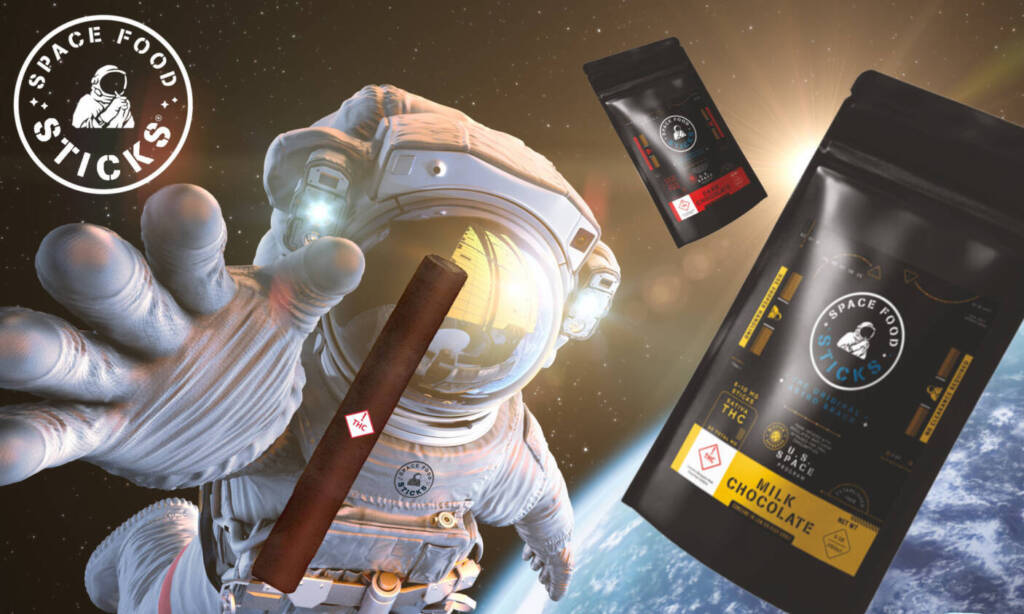
Now marketed as “The Original Buzz” and available at both recreational and medical dispensaries in Colorado, Space Food Sticks will soon be going nationwide in legal states.
Space Food Sticks, the tasty cylindrical protein snacks that captured the public imagination in the 1970s, are back with an out-of-this-world twist: THC.
The release of infused Space Food Sticks represents the first time a classic American brand has entered the booming recreational cannabis edibles market.
Photo courtesy of The Vivid Team/Facebook
Fifty years ago, Pillsbury created Space Food Sticks for Apollo 11 astronauts to be eaten with their helmets on. A commercial spin-off was billed as the world’s first “Astro-Snack” and it became a lunchbox favorite, developing a cult following before disappearing from grocery store shelves in the 1970s.
The new iteration of Space Food Sticks is a joint venture between The Vivid Team of Denver, Colorado (a company that creates and sells food, beverage, cosmetic and cannabis products), and Retrofuture Products, a Brooklyn-based specialty-foods company. They are relaunching legacy brands in the emerging cannabis edibles market.
“I was looking to bring back an iconic snack from the space age,” said Eric Lefcowitz owner of Retrofuture Products in a press release. “Space Food Sticks have a truly unique history.”
The Brooklyn entrepreneur marketed a non-psychoactive version of the chewy treats before pivoting into the uncharted territory of cannabis branding.
“Very few brands in cannabis have established themselves as trustworthy. And we have a track record of being trustworthy with decades of experience developing mainstream CPGs. So we leaped at the chance to apply that to Space Food Sticks,” added Steffen Weck, co-president along with Jessica Cristadoro of the Vivid Team.
“We are fielding calls from all over the country. That’s a result of brand equity as well as a growing public interest in a healthier alternative in edibles and we provide that,” explained Cristadoro.
Now marketed as “The Original Buzz” and available at both recreational and medical dispensaries in Colorado, Space Food Sticks will soon be going nationwide in legal states.
Interest in all things space has surged thanks to Elon Musk’s Space X, Jeff Bezos’ Blue Horizons and Richard Branson’s Virgin Intergalactic. “We hope they’ll get served as inflight snacks,” Lefcowitz concluded.
If you decide to change your smoking methods because you feel you’re not high enough, you might not experience any difference if you do not confirm the quality of your product.
Do you ever ask yourself if you’re smoking weed the right way? Or do you have a favorite way of smoking pot but you have that nagging feeling that you’re not doing it the right way? It’s not just you. Everyone cannot have the same ‘best’ way of smoking cannabis. Your best high may not be the same as mine.
The goal of many recreational marijuana users is to get high the best way possible, and when high, they aim to get the highest. The more they find themselves rolling or inhaling smoke from their delivery devices, the more doubt they’ll have.
Photo by Artem Xromov via Unsplash
What some fail to understand is that the quality of a high is not only dependent on the smoking method. The THC content of the buds also plays a huge role. You can practice smoking your weed the way fellow stoners prescribed and still wouldn’t get that satisfying high because you’re smoking something lesser. To satisfy customers, different companies make ads that allege that their new products are the next best delivery methods for smoking pot.
Experimenting To Discover Your Best Method Of Smoking Weed
The best way to go about the mighty task of figuring out what’s best for you is to experiment. There are many ways to smoke pot and you only have to try out some to discover which method gives you the kick you desire so much. A few dollars is all you need to purchase some weed and visit a cannabis bar to try out the delivery equipment. If you can afford to buy the equipment instead of renting at these consumption spaces, it would also work.
As I mentioned earlier, nothing about cannabis (or even the world) generally works the same way for everyone. The same hit won’t deliver the same intensity in everyone that uses it.
Measuring THC
The highest THC recorded for a concentrated marijuana or cannabis plant is roughly capped at 30%. Weed with this THC content is considered to be a sky-high level. Although it is tempting, not everyone can handle the high. By experimenting, you get to figure out how much THC you enjoy ingesting. It opens the door to new experiences that you can try out in creative ways that are guaranteed to give you fun.
THC levels are measured in mg and percentage. Percentage lets you know how much THC is contained in the bud, while mg lets you know how much THC is contained in extracts and concentrates. A milligram is a form of measurement that pays attention to the weight of the product. There’s a lot of maths involved in this, and I have no intention to bore you in the slightest.
Let’s focus more on smoking good weed and the best methods to get the most out of each drag, shall we?
Smoking Weed
Critics often claim that Stoners miss out on a lot of highs when they smoke a blunt. But remember, what works for Jack, may not work for John. Before smoking, there’s this exciting thrill and nostalgia that comes along with grinding a premium bud and then rolling the joints, or packing a bowl. Not to mention the fun that comes along with passing the smoke when amid buddies.
Here are some smoking methods and the level of highness expected:
Photo by gradyreese/Getty Images
Joints
Depending on the content of THC in the rolled buds in the joint, you can expect to receive about 35% of the flower’s total THC. The missing THC accounts for losses due to pyrolytic destruction and side-stream smoke.
Pyrolysis is what happens when a bud is too hot from being inflamed, some of the available cannabinoids are destroyed by the extreme temperature. Some THC is also lost when you pause dragging. You could also expect the level of expected high to reduce when you share your joint with another person.
Packing A Bowl
When bowls are smoked, pyrolytic destruction also occurs. This is because you are holding an open torch to the packed buds throughout the session. You receive about 40% of THC. The more it takes for you to smoke all, the less THC that will be received into the body. Side-streaming can also result in THC losses.
Hash Bowls
This is similar to smoking a bowl. Hash can more or less be likened to processed and pressed kief. The distinction is that hash is produced from the trichomes of the plant (not the buds). Trichomes possess twice the amount of THC contained in the plant and are twice as potent as the regular buds processed into pre-rolls. As expected, at least 50% of the THC is lost to pyrolysis and sidestream. Regardless of this, it can be considered as smoking concentrates.
Photo by martin-dm/Getty Images
Vaporizers
Expert stoners consider vaporizers to be the most accurate form of smoking pot. Note that vaporizers are not the same as regular oil vapes. These use a more controlled heating source to bring the weed to the right temperature that would conserve THC and prevent too much loss. Unlike the other methods of smoking, vaporizers have a lesser THC loss. This falls between 25-30%.
All smoking methods will inevitably cause a loss in available THC content, but for vaporizers, loss only occurs at the endpoint when the buds begin to dry and burn.
Bongs
These devices will give you a cool and smooth smoke. About 50% of the THC will be lost regardless. Due to its heating source, THC loss occurs at temperatures above 390°F. At this temperature, the THC is released and damaged.
Conclusion
There’s no standard method for getting high. You can only experiment to get your preferred technique. Blunts, bowls, joints, hash, and bongs are cost-effective methods that can be shared among buddies, while vaporizers are reliable devices that help you preserve your THC. Another thing you must do is to find a reputable distributor. This way you’re assured that all your products are of premium quality.
If you decide to change your smoking methods because you feel you’re not high enough, you might not experience any difference if you do not confirm the quality of your product.
This article was created in partnership with Cannabis.net
The Wednesday before Thanksgiving, sometimes called “Green Wednesday” due to the high cannabis sales figures usually registered on that date, could be the second-highest sales day of the year. Already, holiday weekend cannabis sales soar to the delight of companies and consumers alike!
In fact, according to business intelligence from Akerna U.S. cannabis consumers will spend $251 million over the four days around Thanksgiving(11/24-11/27), a 60% increase over daily average sales.
Photo by stockstudioX/Getty Images
Green Wednesday is expected to bring in $90 million in sales, a 78% spike from daily averages, making it the second-highest sales day of the year after 4/20. Last year was the first time that Green Wednesday sales surpassed Black Friday sales, a phenomenon that is expected to repeat this year.
Thursday, November 25th, Thanksgiving, is predicted to bring about $4.6 million due to the shortened hours and closures of dispensaries and retail locations.
Friday, November 26th, also known as Black Friday, is expected to bring in another $88 million, up 71% from daily average sales. Black Friday will likely become another top 10 sales day for this year.
Saturday, November 27th, is predicted to gross $68.4 million in sales.
“Whether people are turning to cannabis for relaxation, to nurture a sense of togetherness, or for other reasons, consumers have made it clear that cannabis is part of Thanksgiving preparation,” said James Ahrendt, Business Intelligence Architect at Akerna. “In anticipation of these major increases in sales and traffic, dispensaries and retailers should prepare their staff and promotions accordingly.”
Cannabis consumers spent approximately $238 million during the 2020 Thanksgiving weekend. With these new deals, that number could easily increase.
Without a doubt, Americans have a big appetite for cannabis on Thanksgiving. In fact, Thanksgiving ranks among one of the top five cannabis sales days of the year. Ranking higher than Thanksgiving Day is the day prior, which has come to be referred to as Green Wednesday. Green Wednesday was the single biggest cannabis sales day of 2020, with an 80% increase in daily sales, beating out Black Friday for the first time, which brought a 75% increase in sales.
With the high holiday right around the corner, not only is this a time to anticipate gorging ourselves with turkey, pie, and stuffing, the best and biggest shopping deals for anyone looking to drum up the munchies with some THC, or simply relax during a stressful family time with CBD-leaning products, cannabis brands across the country have you covered.
From cutting-edge cannabis devices to cannabis and hemp-infused products, here are a few deals to spark up your holiday.
Discounted Gifts and Devices for Cannabis Consumers
Moose Labs — free gift w/purchase on Thanksgiving, discount code scavenger hunt on Cyber Monday
Photo courtesy of Moose Labs
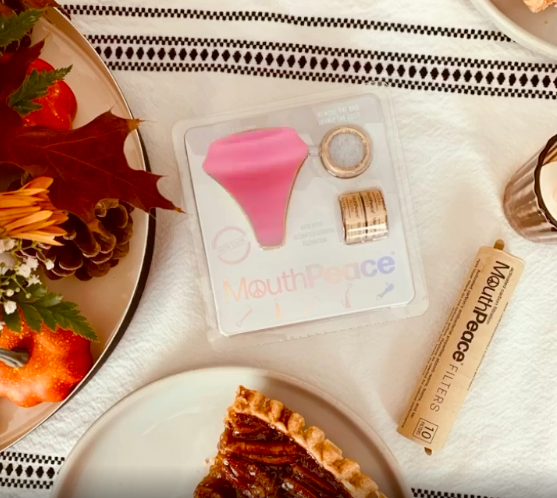
Moose Labs is the creator of the MouthPeace ($9.99) the first physician-backed germ-preventing device designed to fit joints, vape pens, bongs or bowls for a safer experience. MouthPeaces and other accessories from Moose Labs will be 20% off for Green Wednesday, and 25% off on Black Friday. On Thanksgiving day, Moose Labs is offering a free limited-edition Moose Labs pin with every $30 purchase. Moose Labs is also hosting a Cyber Monday Scavenger Hunt, with hidden discount codes dispersed throughout the website, ranging from 5%-50% off. Clues can be found on the Moose Labs Instagram (@mooselabs), and via email.
The MouthPeace and the new MouthPeace Mini prevent germ spread at the source, creating a sanitary barrier between users’ mouths and their pipe, joint, or vape. Each MouthPeace comes with replaceable activated carbon Filters which use and triple-layer filtration to protect your lungs, removing resins, contaminants, and tar particles from each inhale.
Hitoki, creator of the Trident ($499.99-$649.99) is offering 40% off on the 24K Gold, Rose Gold, and Black Tridents starting November 23rd. The Trident is a patent-pending laser combustion smoking device that preserves the aromas and flavors while you smoke utilizing the method of combustion similar to a magnifying glass under the sun. A 30% discount on the Trident will be offered starting Saturday, November 27, 2021 for Cyber Monday.
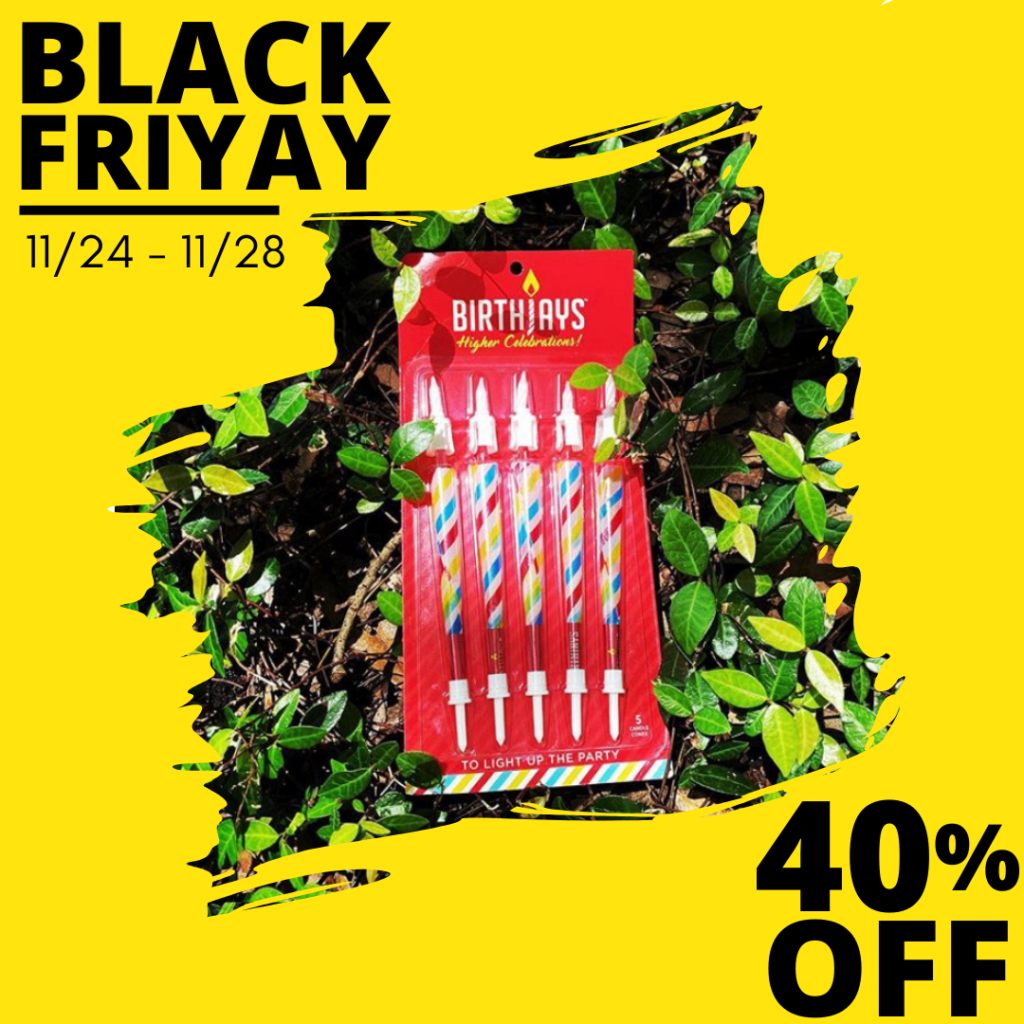
Higher Celebrations — Birthjay 5-pack for over 40% off
Photo courtesy of Higher Celebrations
Higher Celebrations introduces theBirthjay, the world’s first joint birthday candle and one-of-a-kind, smoke-able cake topper. This festive pre-rolled cone topped with a candlewick comes with a cake stake for easily placing on any cupcake or dessert. Starting Green Wednesday through the end of Black Friday, Higher Celebrations is sparking up the holiday season by offering their flagship product for 40% off.
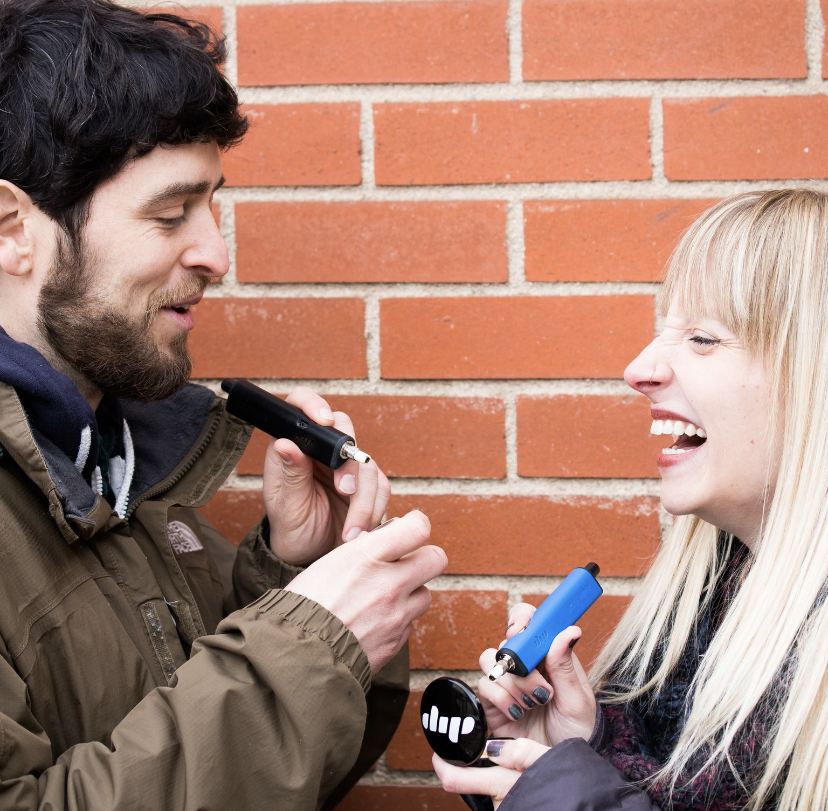
Dip Devices — 15%-30% off starting 11/22
Photo courtesy of Dip Devices
Dip Devices, creators of on-the-go dabbing technology for concentrates is offering a 15% off sitewide discount from November 22nd-29th. Shoppers who spend $75 or more will receive a 30% off discount. In addition to the original Dipper and the 3-in-1 EVRI pen, the Little Dipper is the newest product in the Dip Devices’ repertoire. The Little Dipper is a portable and reliable tool that delivers big clouds for concentrate consumers, at an affordable price.
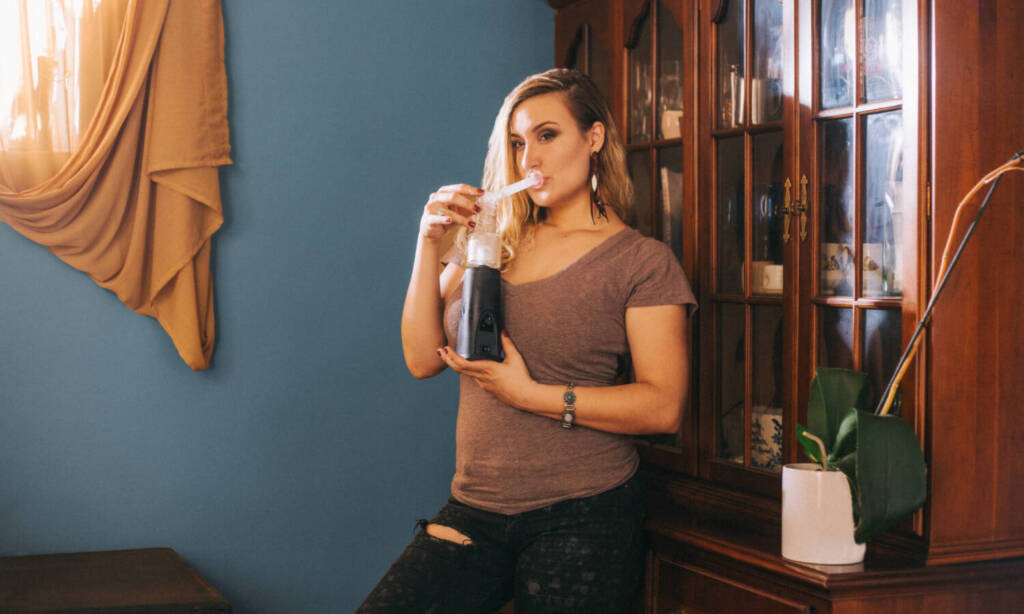
Hanu Labs — 20% off select oproducts
Photo courtesy of Hano Labs
Hanu Labs, a minority-owned vaporizer tech company, is offering special discounts on Black Friday. The Helio Wellness Kit (original price $369.99) is on sale for $299.99, and The Crown HydraTree™, a sturdy 5mm premium glass piece that pairs with the original EVO and the brand new Hanu Labs EVO Petra unit, is on sale for $99 (original price $179.99).
The Helio Wellness Kit comes with The EVO™, a dual-functioning desktop vaporizer for both flower and concentrates, plus the Helio glass mouthpiece, which offers a direct and flavorful pull without moisture conditioning.
As the 5X Cannabis Cup Award Winner for “Best Desktop Vaporizer,” The EVO™ features patented Perpetual Heat Thermal Technology that evenly extracts aromatic healing properties of cannabis flower or concentrates, while preserving flavor. The EVO, included in the discounted Helio Wellness Kit, was designed by a classically trained French chef to wield an articulate convection-based heating system that eliminates combustion while maintaining the consistent temperatures needed to fully express the plant’s aromatic terpenes.
This tabletop technology is attached to an all-glass airpath, such as the Helio glass mouthpiece, the Crown HydraTree, or other Hanu Labs glass pieces, allowing the herb to enter the airways as a rich, clean, moisture conditioned vapor, cooled to perfection.
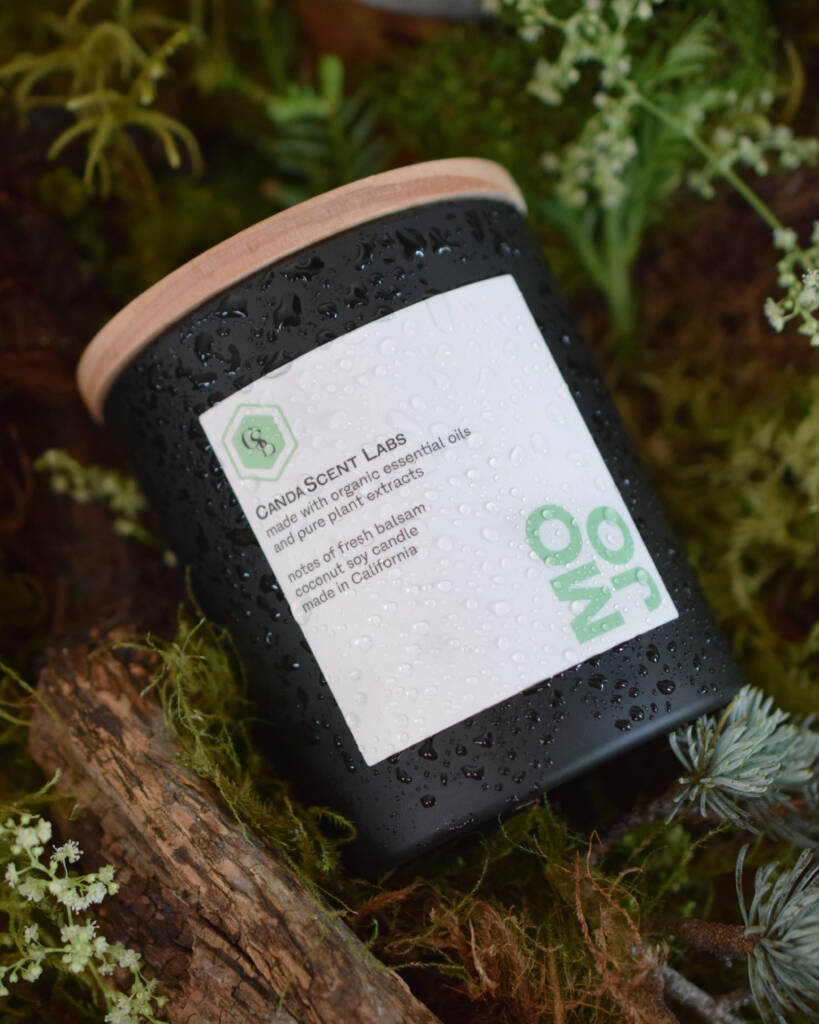
CandaScent — 20% off forest bathing candles through end of November
Photo courtesy of CandaScent
CandaScent, creator of theForest Bathing ‘MOJO’ Candle ($68) is the first candle maker to formulate scented candles with the only aromatic molecule found in plants that’s known for interacting with the Endocannabinoid System: Beta-Caryophyllene. Since Beta-Caryophyllene’s extraordinary effects can be mediated through our olfactory system (otherwise known as our sense of smell) burning candles is the perfect method for delivering its science-backed benefits.
Leveraging the aromatic molecules that determine the smell of plants and herbs, woman-owned CandaScent Labs partnered with terpene expert Susan Trapp PhD, to formulate their latest MOJO candle. Inspired by the Japanese practice of Shinrinyoku (forest bathing) MOJO’s notes of fresh balsam, spruce, and cypress will connect you to the clean and grounding scents of the lush green forest. Full of phytoncides, antioxidants, antibacterials and antifungals, MOJO was concocted to get you feeling like you have reached the top of the mountain. For the times when you can’t go for a walk in the woods, this forest in a jar is the next best thing. Through the end of November, shoppers can use the code HAPPYGIFTING for 20% off all products site-wide.
Discounted Hemp Products for Relaxing
According to a 2019 Gallup Poll on CBD use, 14% – about 1 in 7 – of U.S. adults personally use CBD products. As of 2020, Americans are most commonly using CBD for pain relief (64%) and anxiety (49%). Generally unwinding after a long day for general relaxation or stress relief is another incredibly common reason why 33% consumers turn to CBD. Since the holidays are a stressful time, Green Wednesday is an ideal time to start considering CBD for relief.
A few options to consider include…
Buy 1 get 1 free (BOGO) deal on all Identity products
Photo courtesy of Identity
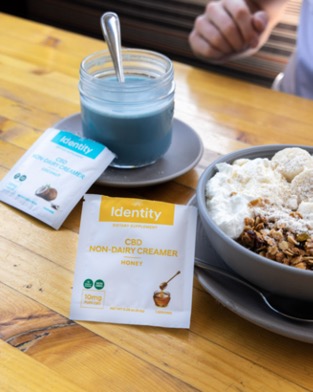
Luckily, since food products formulated with CBD becoming more and more common, there are several ways to integrate the benefits of CBD into your Thanksgiving dinner, or other holiday parties in the near future. IDENTITY for example works with small family farms, and sophisticated Norwegian food suppliers to produce exceptional CBD products from your standard tincture, to a powdered CBD Non-Dairy Coffee Creamer, and a new CBD infused Bone Broth – good for on-the-go meals or incorporating into the thanksgiving dinner table. Starting Wednesday, November 24, 2021, IDENTITY is offering a buy one get one free (BOGO) deal on all of their unconventional food products with a dash of CBD.
Rhythm CBD Seltzers — 30% off Shorties on Green Wednesday
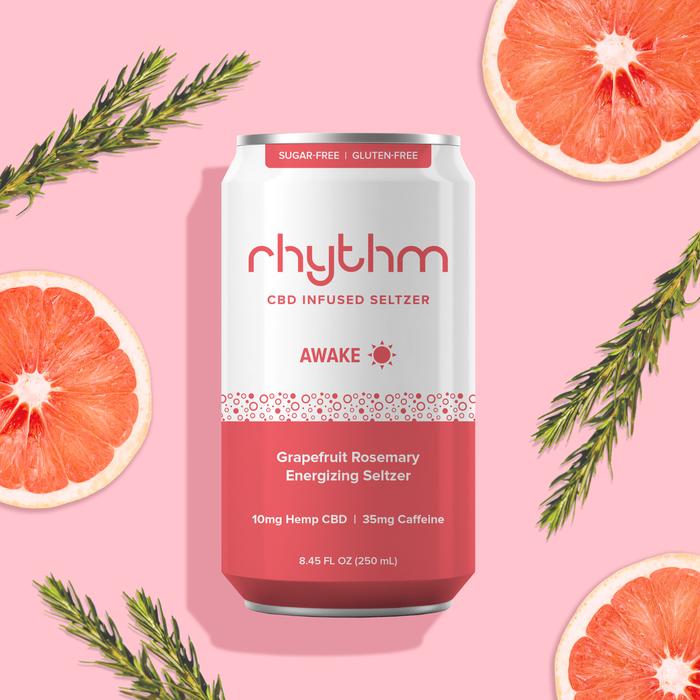
Rhythm is an infused beverage company that develops and sells delicious, functional wellness drinks featuring CBD, adaptogens and superfoods to put your mind and body in harmony. For Green Wednesday, Rhythm is offering a 30% off discount on their new line of smaller beverages, Shorties, with the code GREENWED. TheShorties Variety Pack ($44.99) comes with Rhythm’s blackberry-lavender flavoredRhythm Dream bedtime seltzer, the lemon-ginger flavored soothing seltzer,Rhythm Recover for post-workout recovery, and the grapefruit-rosemary flavored energizing seltzer,Rhythm Awake for a jitter-free caffeine boost, are all available in the new 8.5oz cans. All flavors of Rhythm Shorties also contain 10mg of broad-spectrum hemp extract.
Empower Bodycare is an LGBTQ+ owned company created female-entrepreneur Trista Okel, who first started making CBD oil in her kitchen as a personal endeavor to help her mom manage chronic pain. After perfecting the formulation, Empower now carries a variety of popular CBD-infused bath salts, lotions, and oils with aromatherapeutic scents like Lavender Bergamot and Lemon Verbena that will instantly transport you back to your favorite spa or help you unwind after a long day of holiday traveling. Empower Bodycare is offering 40% off all products for Black Friday and 30% off all sale items for Cyber Monday.
Green Unicorn Farms — 30% off during Cyber Week
Photo courtesy of Green Unicorn Farms
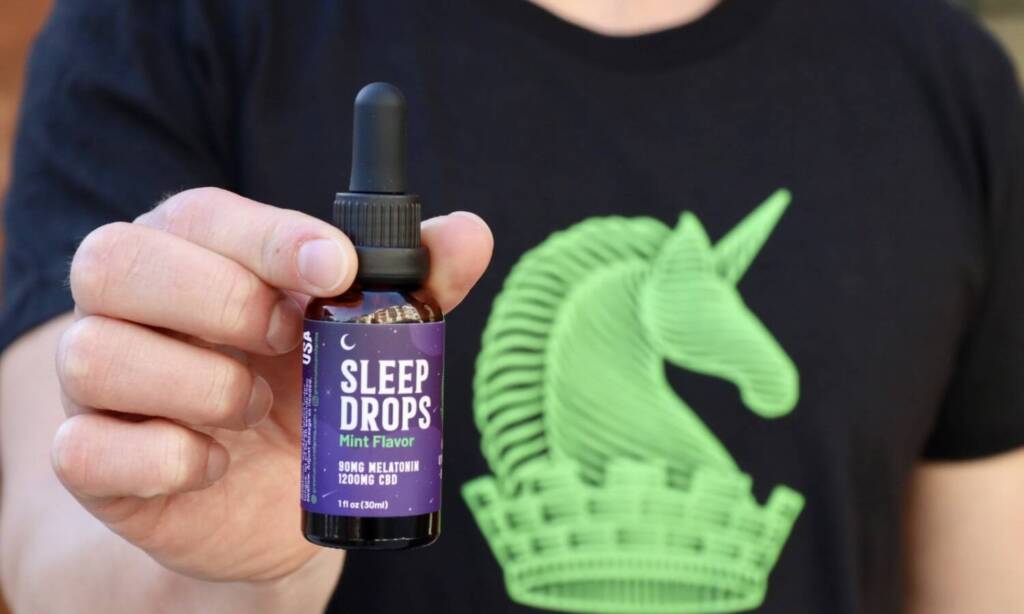
Green Unicorn Farms is a Bay Area CBD flower company offers a variety of strain options that come in either pre-rolls or pre-packaged eighths. They are offering 20% off all products on Green Wednesday and 30% off for all of Cyber Week, 11/25-12/2.
Green Unicorn Farms’ hemp flower pre rolls come in child-resistant packaging that contain 2, 5 or 7, 0.75g pre rolls each. The Special Sauce Pre roll from Green Unicorn Farms is a fan-favorite, since it’s packed with a relaxing CBD strain evoking soothing terpene profiles for a perfectly mellow smoking experience. This particular blend of cannabinoids and terpenes make Special Sauce a prime choice when both the mind and body need some quiet time after a long day. As one of the most popular strains from Green Unicorn Farms, lighting a Special Sauce pre-roll will put you in the perfect mood and provide a sense of calm.
HighOnLove — 25% off Black Friday & Cyber Monday
Photo courtesy of HighOnLove
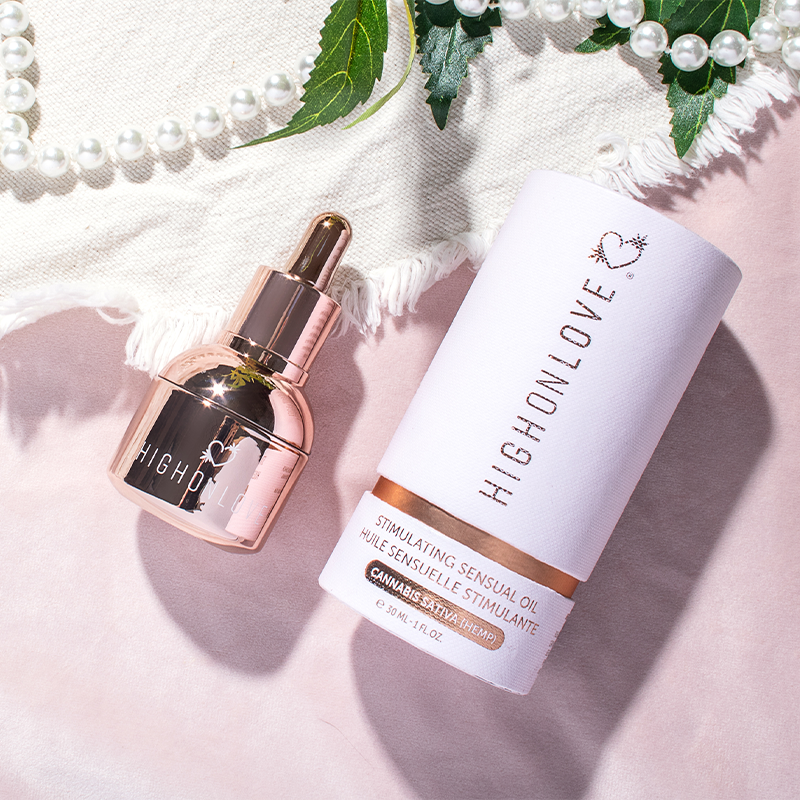
HighOnLove, a luxurious line of sensual and self-care products designed to take pleasure to the next level, all blended with premium cannabis oil or hemp seed oil. On Black Friday and Cyber Monday, HighOnLove is having a 25% off sale on all of the online hemp products that make great gifts for yourself or your significant other, such as the Stimulating Sensual Oil ($50) or the Dark Chocolate Body Paint ($35). These products are made to revolutionize the way you love by igniting a more intense and profound orgasmic experience.
New data finds that this group of people faces higher risks when it comes to contracting and battling COVID-19.
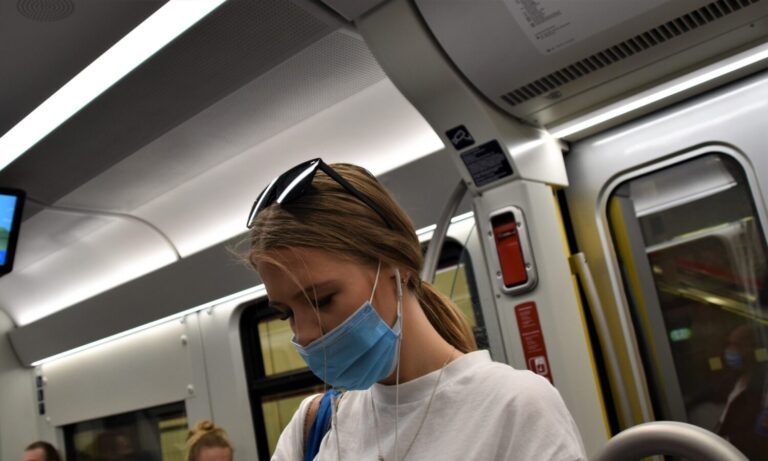
A lot of factors can affect whether or not a person has a higher risk of developing COVID-19. But now we’re learning that research from the past two years of the pandemic has shown that people with mental health conditions and disorders are at higher risk of developing the disease.
A study published last year showed links between worse COVID-19 infections and people who were diagnosed with mental health conditions. The study’s lead researcher, Dr. Luming Li, spoke with NPR about their findings and what these higher levels of mortality could mean.
Photo by Yasmina H via Unsplash
“What we found was we had a higher level of mortality for those that had a prior psychiatric history,” said Dr. Li. The data gathered found that people with a history of mental illness had 50% more risk of death from COVID-19 than people with no history of mental illness. Aside from having worse outcomes once the disease is contracted, studies also show that mental health disorders make it more likely for people to get COVID-19 in the first place.
Researchers have a lot of theories as to why this might be occurring. For starters, people dealing with a mental health condition might take care of themselves less than others. They might also be isolated, thus increasing their odds of experiencing other diseases.
These people are also more likely to have worse mental and physical health than others, coping with chronic conditions like diabetes, cardiovascular problems, and more. There are also medications such as antipsychotics, which increase the risk of chronic health problems.
Photo by Kyle Glenn via Unsplash
Lastly, it’s important to account for the homeless population in this country, which is comprised of about 40% of people who cope with some form of serious mental health illness, and who are also more at risk for COVID-19.
While the Centers for Disease Control and Prevention prioritize people with mental health disorders, it’s very important for all people that are aware of this to help out their closest friends and family members, advising them on getting their vaccine or booster. These numbers are significant and must be kept in mind as the pandemic continues to progress and change.
In addition to the runner’s high, researchers found that moderate-intensity paced exercise produced numerous benefits that aid sleep, mood and concentration ability.
Many athletes and running enthusiasts insist that once you start running, really running, you can’t stop — you get hooked! The same can be said for many other forms of physical exercise.
Indeed, science tells us that exercising produces chemicals called endorphins, which are often referred to as “feel-good” chemicals because they can act as a pain reliever and can trigger a euphoric feeling, or as many call it, a “runner’s high.”
Now, a new study adds scientific facts to that phrase, reports Miami Herald.
Photo by Caley Vanular via Unsplash
According to research published Nov. 17 in the journal Gut Microbes, exercise loads up anti-inflammatory and “cannabis-like” molecules by changing bacteria in your gut. Researchers call them “cannabis-like substances” because they act similar to cannabinoids produced by the cannabis plant. On the other hand, endocannabinoids, known to minimize inflammation and help with specific health conditions like heart diseases and arthritis, are produced naturally in our bodies.
“Our study clearly shows that exercise increases the body’s own cannabis-type substances, which can have a positive impact on many conditions,” the study’s first author and research fellow at the University of Nottingham’s School of Medicine in the UK, Dr. Amrita Vijay said in a news release. “As interest in cannabidiol [CBD] oil and other supplements increases, it is important to know that simple lifestyle interventions like exercise can modulate endocannabinoids.”
The Study Details
The research examined 78 participants older than 45 who had painful knee osteoarthritis. Thirty-eight volunteers were assigned specific strength exercises to do every day for six weeks, while the other 40 did nothing. Participants were compared to a group of healthy adults without osteoarthritis.
Photo by Victor Freitas via Unsplash
The collected blood and stool samples showed that the participants who worked out had experienced pain relief and had more specific bacteria in their gut that in turn induced anti-inflammatory substances. They also had higher levels of endocannabinoids, which are accountable for a third of the anti-inflammatory effects found in the gut, according to the researchers.
This low-risk activity, which has increased in popularity during the pandemic, may be your new go-to fitness exercise.
Walking is one of the world’s most common, no-gear-required activities. Aside from carrying us from point A to point B, walking is also a form of exercise that everyone can commit to, no matter their age or fitness level. But, this low-impact activity may burn more calories than walking. According to CNN, hiking, becoming increasingly more popular, can burn even more calories.
Walking and hiking are two very similar activities. Like most cardio workouts, they boost bone and heart health, improve your balance, and strengthen your core. The main difference between the two is the level of energy they demand, with hiking, an activity done in nature and usually accompanied by changes in the ground in terms of terrain and elevation, gaining the upper hand.
“Walking is one of the best workouts for heart health for all ages, including those with heart problems and conditions,” said cardiologist Dr. Fahmi Farah. “Hiking is also heart-healthy and provides a higher calorie burn in a shorter amount of time.”
Both activities are healthy and good for helping you manage stress. Hikes are usually more strenuous, burning more calories and distracting you more from the problems of your everyday life. The fact that hikes tend to put you in close contact with nature is also a perk, with studies linking happiness with surrounding yourself with nature.
Walking and hiking are activities that we should incorporate more into our lives. In 2020, over 57.8 Americans said they hiked, a figure that’s been increasing over the years. It’s a malleable activity that provides you with a nice change of pace from the gym, that can be done with friends and adapted to your preference.
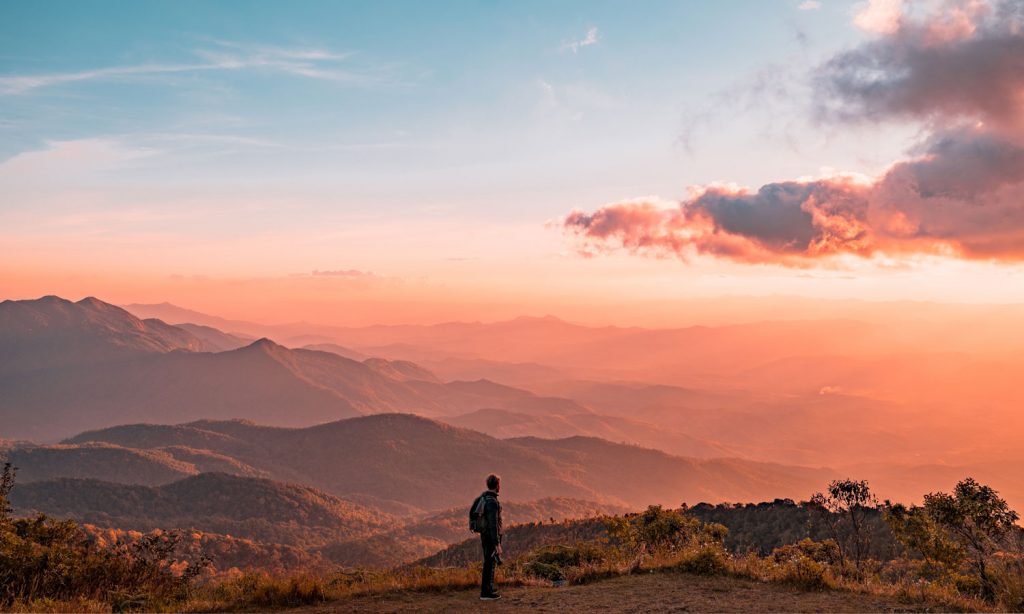
Like walking, hiking also creates a perfect opportunity for consuming weed, resulting in the elusive workout that’s both healthy and very fun. Just remember to hike with a group of friends, be discreet and respect others, to start off slow, and to make the most of your experience.
Cannabis has been shown time and time again to improve the lives of those who struggle with certain ailments. Here’s just a small sample.
Medical marijuana is nowlegal in 36 states and several U.S. territories. Its medical applications continue to broaden as cannabis becomes a mainstream treatment option in this country.
With this increased accessibility, marijuana is now being researched and used to treat more medical conditions, and some of these may surprise you.
Inflammatory Bowel Diseases
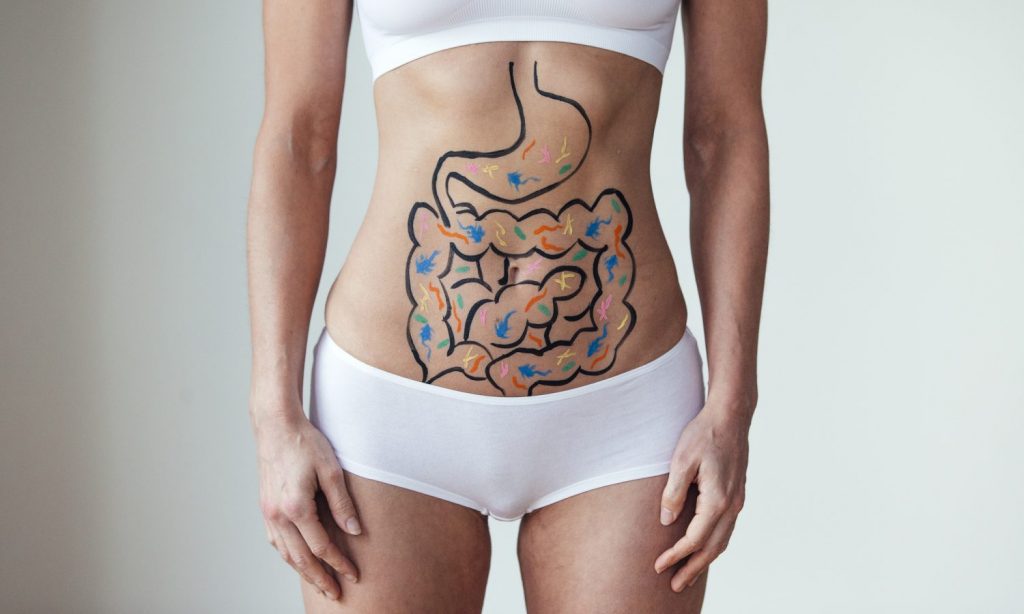
Those who suffer from inflammatory bowel diseases (IBDs), such as Crohn’s disease and ulcerative colitis, are turning to cannabis for relief. Studies have shown that cannabis can not cure these diseases or stop the symptoms. There have, however, been reports that using marijuana as treatment for the painful symptoms has proven successful.
Photo by SolStock/Getty Imagees
According to TIME, “patients who used cannabinoids reported significant improvements in abdominal pain, nausea, diarrhea, appetite and overall well-being.” Cannabis cannot prevent these painful diseases, but when used to relieve the symptoms it can be highly effective.
Epilepsy
Cannabis has shown promise when used to treat some forms of epilepsy, in particular, more severe types of the disease. Lennox-Gastaut syndrome and Dravet syndrome are two rare epileptic disorders. Recently the FDA has approved a cannabis-based drug, Epidiolex, to help treat these rarer diseases.
According to the FDA website, Epidolex is “the first FDA-approved drug that contains a purified drug substance derived from marijuana. It is also the first FDA approval of a drug for the treatment of patients with Dravet syndrome.” This marijuana-based drug is used to treat seizures associated with these diseases and has shown marked success.
Asthma
There is debate as to whether or not marijuana helps or hurts symptoms related to asthma. Smoking any substance is highly detrimental to those who suffer from asthma. Some say that cannabis should be avoided in general if you suffer from asthma. Others have noted some benefits from using cannabinoids to treat symptoms related to asthma.
“Taking other forms of the plant that don’t require smoking may potentially benefit people with asthma,” according toHealthline. The research on using cannabinoids to treat asthma is still very new and contested. Time and further research is needed before declaring whether cannabis helps or hurts asthma.
Photo by FredFroese / Getty Images
Alzheimer’s
Alziehmer’s patients have found medical marijuana useful for several reasons. Not onlyt has marijuana has helped Alzeihmer’s patients put much needed weight on, it has also helped curbed the often-agitated moods and behavior that many who suffer from Alzeihmer’s experiences.
Additionally, there was a recent study that linked marijuana to slowing a process that may or may not cause the disease itself. “In one cell study, researchers found it slowed the progress of protein deposits in the brain,” wroteCNN. “Scientists think these proteins may be part of what causes Alzheimer’s, although no one knows what causes the disease,” the article continued.
Multiple Sclerosis
Medical marijuana has proven to be particularly effective in treating symptoms of Multiple Sclerosis. “In particular, marijuana appears to ease the pain of multiple sclerosis (MS), and nerve pain in general,” according to Harvard Medical School’swebsite.
Marijuana is often helpful for symptoms like stiffness, pain and spasms. Other pain drugs for MS can be very strong and can come with equally strong side effects. Cannabis can help relieve pain while not causing severe brain fog or other harsh side effects.