Germany might be the next country in Europe to legalize adult-use cannabis. This October, Luxembourg gave the green light to legal cannabis cultivation for personal use, and now Germany is about to decriminalize certain sale and consumption rules through an important drug policy change being undertaken by the ruling coalition government, reported Express.
The political coalition, dubbed“traffic light” and comprised of the Social Democratic Party of Germany (SPD), the Free Democratic Party (FDP) and the Greens, is pushing to legalize cannabis sales.
Photo by Stefan Widua via Unsplash
“We are introducing the controlled distribution of cannabis to adults for recreational purposes in licensed shops,” a representative of the working group with an assignment to assess the policy change said, according to Der Spiegel, also citing a report by Funke.
Furthermore, the report reveals the policy, led by Olaf Scholz, the German chancellor-in-waiting, will be reexamined after four years to evaluate its social effects.
Germany decriminalized medical cannabis some four years ago, and now analyses from the Institute for Competition Economics (DICE) at the Dusseldorf Heinrich Heine University suggest that a fully legal cannabis market could bring Germany around €3.4 billion ($3.85 billion) in tax revenue.
What’s more, it would save roughly €1.3 billion annually for the judicial system. According to the same survey, the legal cannabis market in Germany would open 27,000 new jobs.
Considering Germany’s population of nearly 84 million, legalization would create one huge cannabis market.
Warren said that marijuana enforcement has disproportionately affected people of color. “It’s time for us to acknowledge that and just admit the error of our ways.”
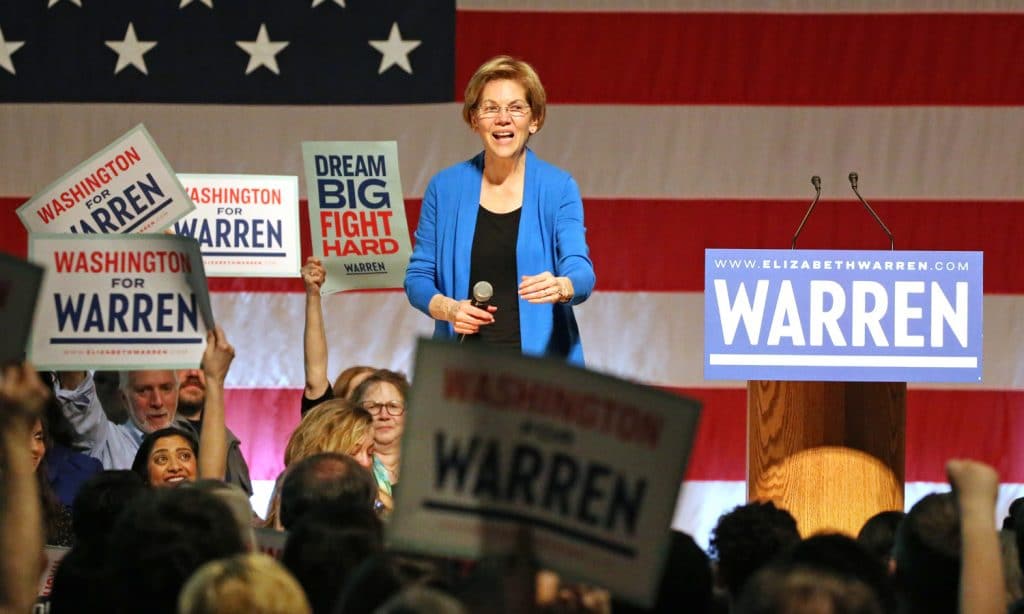
Sen. Elizabeth Warren (D-Mass) called on President Joe Biden once again to legalize cannabis and expunge the records of nonviolent marijuana offenders, and to cancel student loan debt.
In an interview on the podcast, “Pod Save America,” Warren stressed that both of these actions are the best ways to bridge racial inequality and support the economy.
Photo by Karen Ducey/Stringer/Getty Images
On non-violent marijuana charges, Warren said she’d like to see records expunged and incarcerated non-violent pot prisoners go free. She stressed the importance of expungement.
“They have a better chance of getting jobs, they have a better chance of getting promotions, they can apply for scholarships that would otherwise be denied them. In other words, what’s your best resource as a nation? It’s your people,” Warren said. “These people who should be part of our economy, part of our society.”
She added that marijuana enforcement has disproportionately affected people of color. “It’s time for us to acknowledge that and just admit the error of our ways,” Warren said.
.@ewarren on using executive privilege to cancel student loan debt and legalize marijuana: “This is the single best opportunity for the president of the United States to close the Black/white wealth gap.” pic.twitter.com/auboy4cTtR
A sizable group of top cannabis company CEOs recently called on President Biden to issue pardons to non-violent pot prisoners as well.
Student Debt
The Massachusetts Senator stressed that student debt is also a racial justice issue, citing a study, which revealed that statistically, 20 years out of college, white people owe on average about 6% of what they borrowed.
But if you’re Black, Warren said, you owe 95% of what you borrowed when you were in school 20 years out.
Photo by Element5 Digital via Unsplash
Indeed, a Brookings report concluded that “new evidence that racial gaps in total [student] debt are far larger than even recent reports have recognized… and correlated with troubling trends in the economy and in the for-profit sector.”
Student loan debt holds tens of millions of people back from starting small businesses, buying their first homes and being “full participants” in the U.S. economy, Warren said.
“Part of me wants to say, ‘damn 20 years and you’re still paying on this stuff’, but end is in sight,” she noted, adding, “This is the single best opportunity for the president of the United States to help close the Black/white wealth gap for people who have student loan debt.”
When asked why Biden hasn’t done either yet, Warren said she hopes that it’s just that he hasn’t had the time.
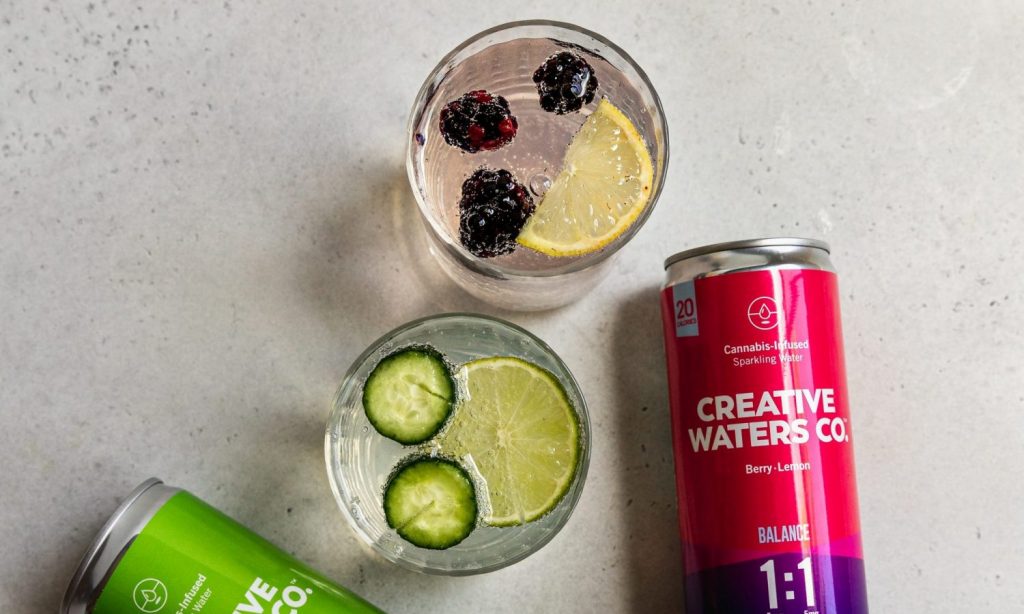
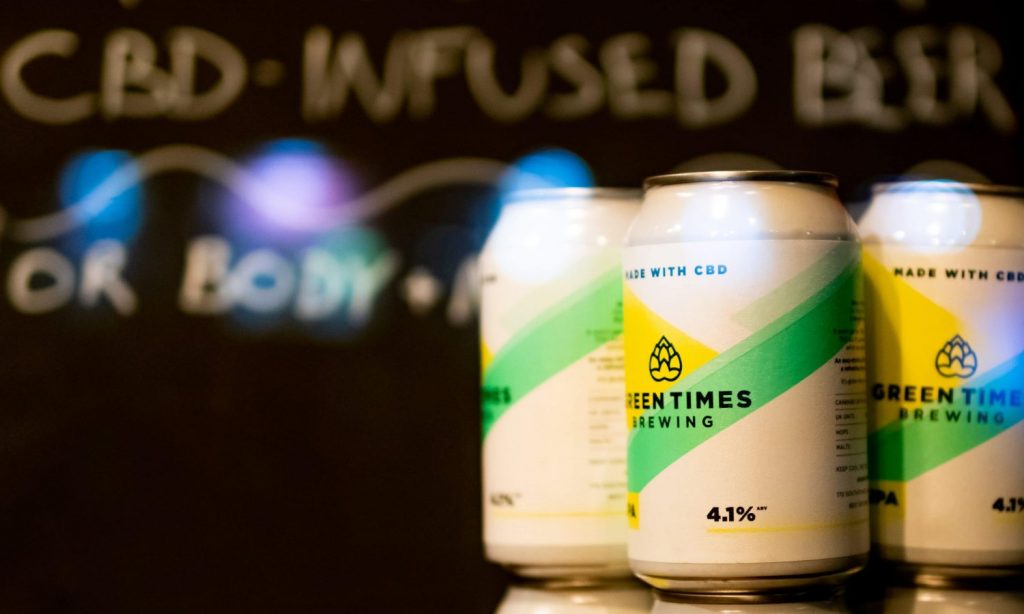
In places where recreational cannabis is legal, THC-infused beverages often share shelves with beer, wine and other drinks. But, should alcoholic beverage producers worry about competition from weed-infused beverages? Experts in these industries answered these questions in a recent report published by winemag.com
Colleen McClellan, regional director of client solutions for Datassential, a leading food and beverage insights platform, expects business opportunities in the THC-infused drinks space. “I think as more states relax the regulations, we will continue to see an increase in interest and use,” said McClellan, who is a trained sommelier.
Photo by Elsa Olofsson via Unsplash
“The critical aspect to adoption is going to be the taste of the product. Taste is extremely important for repeat purchase,”notedMcClellan who predicts brand consolidation in the cannabis beverage space.
The data expert highlighted that “there are consumers who enjoy the use of cannabis or THC-infused products, as it provides a functional benefit without the hangover effect” and stressed the centrality of marketing in driving consumers to dispensaries. “Weed has never been so bespoke. You can choose the strain, strength and method of consumption as you would a bag of coffee beans.”
Purpose-driven products are the wave of the future
Michelle Mendoza, head grower at Sweet Flower, a California dispensary, said, “I think the most interesting development for infused drinks as of late is the expansion of minor cannabinoids that are being featured in these drinks. We are only going to continue to see more of these minor cannabinoids as the star of the sector.”
Meanwhile, Travis Tharp, CEO of Keef Brands, a Colorado-based cannabis beverage company, said purpose-driven products are the wave of the future.
“These products are based on extensive data and appeal to consumers and patients looking for specific intended effects. We’re starting to see beverages move beyond THC to incorporate lesser known, but therapeutically promising, alternative cannabinoids.”
According to Morgan McLachlan co-founder, chief product officer and master distiller at AMASS, a beverage company specializing in botanics-based adaptogenic drinks, “the adult-use of recreational marijuana is a fast-growing market, and non-alcoholic beverages have an even more meteoric rise. No- and low-ABV sectors have grown 506% since 2015, and are anticipated to reach $280 million in revenue this year.”
Despite what seems like meteoric market growth, Jim Higdon, cofounder and chief communications officer of Cornbread Hemp, a Kentucky-based company that produces full-spectrum hemp oils, doesn’t think traditional wine, beer and alcohol producers need to worry.
“THC beverages have their place, but that place is probably not in the hand of a wine lover with a sophisticated palate,” Higdon opined.
He notes that the ideal customer for a THC beverage is either someone trying to cut down on drinking alcohol or a new consumer wanting a non-smoking cannabis option.
“There’s no sense of the terroir of the cannabis flower in the finished beverage product,” Higdon said. “For a wine aficionado looking to savor the full complexity of a cannabis strain’s terpene profile, there’s no substitute for a well-cured flower.”
Given the talented crop of actors in Hollywood who would excel in stoner comedy roles, fans should continue to hold out hope that major movie studios will eventually reinvest resources back into this genre.
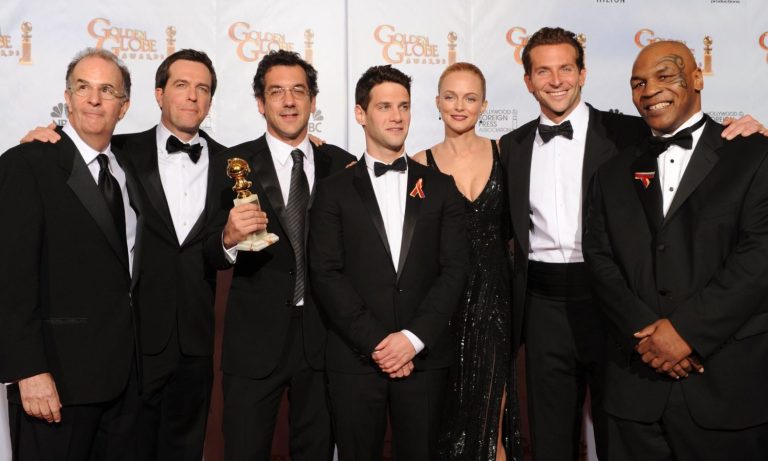
Over the course of the past several years, the lack of cult classic stoner comedies like Superbad and The Hangover have become rarities. The lack of these types of comedies is surprising, and disappointing for many moviegoers especially considering the fact that 10 years ago this genre was a force.
The Hangover II grossed $581 million in global ticket sales, on just an $80 million dollar budget. Unfortunately, the writing has been on the wall for stoner comedies for a while now. Here are just a few reasons why Hollywood left stoner comedies by the wayside.
Image by Amit Kumar from Pixabay
Superhero Movies Have Replaced Them
Since Phase One of the Marvel Cinematic Universe (MCU) kicked off with Iron Man back in 2008, it’s been no secret that superhero movies would be the next big blockbuster movie genre. On just a $141 million dollar budget, Iron Man took in more than $585 million globally. The public’s appetite for new stories and characters on the silver screen doesn’t appear to be waning any time soon either. In 2021 alone, the MCU released three different films. Making matters worse for comedy fans is that many of the films incorporate enough humor to fill the void for most casual moviegoers.
Writers Haven’t Adjusted to Politically Charged Times
Another reason stoner comedies aren’t as popular as they once were is because the times are so much different from the genre’s peak. Movies throughout the past couple of decades have the benefit of being created during a calmer social climate.
Simply put, writing comedies has become more difficult and writers haven’t been able to adjust writing styles to fit the times while still making audiences laugh like they used to. That has led to more emphasis being placed on other genres like action, horror and romance. While those genres are thriving, stoner comedy fans are left to wonder how long they’ll have to wait for the next cult classic.
Image by Jan Vašek from Pixabay
It’s Harder for Writers to Pitch Ideas to Major Studios
Since major studios have put their focus and investment into other genres, it’s harder for writers who are attempting to create them to get the traction necessary for their films to go into production. That relegates them to streaming platforms like Hulu and Netflix. While it’s great that there’s an alternative, the problem with being limited to streaming is that most people are likely going to scroll right past those films, which perpetuates the narrative that people just aren’t that interested in funny movies anymore. That continues to make fans wonder how long it will take before major studios refocus their attention on the stoner comedies that introduced moviegoers to beloved personalities like Seth Rogan and Jonah Hill.
Since the public appetite for stoner comedies continues to build, the best thing moviegoers can do is reminisce on the classics that are available to watch on streaming. Given the talented crop of actors in Hollywood who would excel in stoner comedy roles, fans should continue to hold out hope that major movie studios will eventually reinvest resources back into this genre.
The reason this bill is important is because it’s Republican sponsored, meaning the very factor that Dems have been warring against for the past few years can potentially come to a resolution.
The other week I wrote about how the Biden administration was squandering their cannabis-ace, which was reflected in cannabis stocks and the apparent loss of confidence in the Democratic Party when it comes to issues of legalization.
It seems that the Republicans have also been paying attention and, as a result, a Republican sponsored pro-cannabis bill has spurred an increase in the value of cannabis stock since the document was leaked to the public.
Photo by Samuel Corum/Getty Images)
It’s no secret that Democrats have been pushing major cannabis reform for quite some time now, however, they didn’t have the Republican vote for several reasons. Some of these reasons include that the bills (according to Republicans) is too far reaching and large scale which makes some of the Republican base a bit uncomfortable.
Is the bill dead-in-the-water with a freshman Republican Senator introducing it and without Mitch McConnells support? We shall see, but be careful making financial moves thinking this bill is a sure thing to get passed.
Especially since Republicans believe they want small government (at least in theory). The bill, sponsored by Rep. Nancy Mace (R-SC), is entitled States Reform Act, which balances out States rights, business interests and includes some of the social reforms that the democratic bills aim to rectify.
The reason this bill is important is because it is Republican sponsored, meaning the very factor that Democrats have been warring against for the past few years can potentially come to a resolution.
Let’s take a look at what the bill currently looks like. It’s important to note that this is still in circulation and getting feedback before being officially made public later this month.
Basics of the Republican Sponsored Bill
Here’s what the Republican Bill wishes to achieve;
Cannabis is to be removed from the Controlled Substance Act and would be treated in a similar fashion to alcohol.
3.75% excise tax would be placed on cannabis sales with the purpose of creating support for grant programs that would focus on community reentry, law enforcement and small business administration assistance for newly licensed businesses.
The Treasury Department that currently regulate alcohol and tobacco would be the main regulator of cannabis as well, especially in relation to interstate commerce.
The FDA would be limited in their authority except when it comes to medical cannabis. They would essentially be able to suggest serving sizes, certify state medical cannabis products, but would not be able to ban any of the product derivatives, whether for medical, recreational, dietary supplements, foods, beverages, etc.
Raw Cannabis would be considered an agricultural commodity and would be regulated by the Department of Agriculture
All current cannabis license holders would be grandfathered into the federal system to ensure there would be no disruption for patients.
While federal agencies construct the framework of legalization, these companies would be protected as well as consumers until everything is in place.
People with non-violent cannabis convictions would be eligible for expungement of their criminal records.
The age limit of cannabis consumption would be raised to 21 to deter the youth from consuming it, which would also affect cannabis advertisement.
SBA would treat cannabis the same as other industries.
Veterans would not be able to be discriminated against for cannabis use and Veterans hospitals would be allowed to prescribe cannabis.
Federal Agencies could continue to drug test for cannabis
The Bureau of Labor Statistics would need to issue a report about the cannabis industry.
While this is only the tip of the iceberg, we are seeing a very sensible approach to legalization that would appeal to both Democrats and Republicans. Of course, all of these points are subject to change, and as the initial preliminary topics are discussed among other sponsors, we could see a very different bill reach the floor.
Nonetheless, let’s analyze what we know so far.
A Bill that Appeals to Both Sides
Bipartisan appeal has been the major issue for cannabis legalization and even though the MORE Act does provide some strong points – the social justice aspect of the bills typically deter Republicans from getting on board.
As you can see, there is minimal “social justice” when it comes to the Republican bill. It seems far more concerned with States, small and medium business and the end consumer. Within the Democratic bills, we are seeing a huge portion of it dedicated to “rectifying the negative effects of the War on Drugs” as a means to undo the injustices that has negatively affected a large portion of the population.
While ethically, this is probably the best thing to do, but it does pose a problem in that it is a sense of affirmative action. When you say, “x% of licenses must go to people of color”, you are creating a system where the best candidate may not be eligible to participate simply because of the color of their skin.
Photo by Kevin Dietsch/Getty Images
Conversely, if the Republicans are attempting to legalize cannabis in a similar fashion to alcohol, it would mean that the licensing schemes of cannabis could greatly diminish. It would no longer require these “extensive” requirements and high price tags we are currently seeing when it comes to licensing and ensuring you follow regulatory practices.
Personally, I think that low-balling the licensing and providing “grants” to the disenfranchised would actually provide greater impact than to forcibly give a group of people favor to the industry simply due to the past criminality of the plant.
It’s far better to remove their criminal records and create a grant system that can enable entrepreneurs to lift themselves up within their communities.
Furthermore, the 3.9% excise tax seems very reasonable and most businesses would find that it would only slightly increase the cost of operation, most of which would be outsourced to the consumer either way.
While this bill is still in its infancy, if it does gain traction — and it seems that the cannabis industry is smiling at the sound of it — we can possibly see a Republican bill make it across the finish line.
If that is the case, then the Democrats would have completely screwed the pooch when it comes to legalization, especially since they held the majority in Congress and the Senate. Doubling down on COVID mandates and ignoring cannabis reform could even cost them the presidency in 2024.
Hopefully, we don’t see a Trump vs Biden in 2024. If that’s the case, then the U.S. has not learned its lesson and is bound to repeat another four years of disenfranchisement. One thing is certain: the delay in legalization didn’t help the DP cause.
Does the booster shot mean the pandemic is over? As most things are in this pandemic, it’s kind of complicated.
Over the past couple of years, the word “normal” has sort of lost its meaning. Every time we get vaccinated, or a new COVID-19 strain appears, we start to ask ourselves when our lives will go back to the way they used to be, pre-pandemic. This question is personal to everyone, depending on their level of risk, where they live, and experience with the virus.
Now that booster shots are in the equation, meaning that a lot of people have started getting their third round of vaccines, what does this mean when it comes to everyday life?
The initial round of shots protect people from the virus for a period of about six months. After that, breakthrough COVID-19 is more likely, even for those mostly protected from serious illness. Here’s what experts know about the booster and what “normal” means right now.
What the booster does
Photo by Mufid Majnun via Unsplash
There’s a lot of questions surrounding the booster since we’re pretty early on in its process of administration. The COVID-19 booster should be very helpful for people with a weaker immune system or people who are older or who have to deal with comorbidities. These were the people who were first approved for the booster, reaping the most benefits.
People who received the Johnson & Johnson shot and are now getting boosters should also experience significant benefits. A study from the National Institute of Health said that these people had a 35 fold and 74 fold rise in antibodies after they either got their Pzifer or Moderna booster.
People who had their Moderna and Pfizer shots should get their booster once their six months have passed. While you won’t be invincible, it stands to reason that a booster would increase the antibodies in your system and protect you more against the virus, allowing you to hang out in public spaces — whether that’s school, the office, or wherever — with more comfort.
It’s all about your situation
Photo by Noah via Unsplash
Whether you can go back to normal or not depends on how many variables you have to deal with. If you have an immune system that’s not as robust or if you have comorbidities to contend with and live in an area with high rates of COVID-19 transmission, you should be careful when going out to crowded spaces, especially if indoors.
When meeting with others, it’s important to account for their vaccination status. If they’re unvaccinated, there’s more risk all around, whether that means you or your family members, who might be older or might be dealing with comorbidities.
Consider rapid tests
Photo by Ketut Subiyanto via Pexels
A helpful tool to consider over the holiday season would be the use of rapid tests. Before the season kicks in full gear, purchasing some of these tests can make it easier for people to spend time with others not that they know that everyone involved is safe. While they don’t completely eliminate risk, but they make the pandemic a little bit more manageable and contagion more unlikely, especially if everyone involved is vaccinated.
The policy update concerning cannabis ads is a bit confusing considering that the current marijuana law already forbids cannabis advertising “in public transit vehicles and stations.”
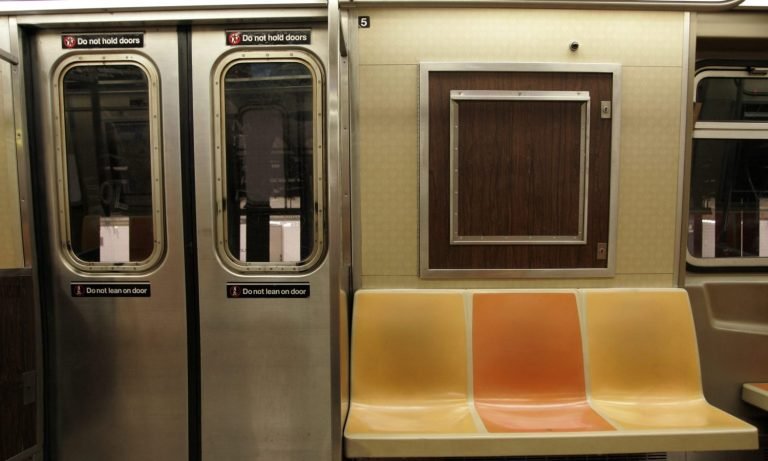
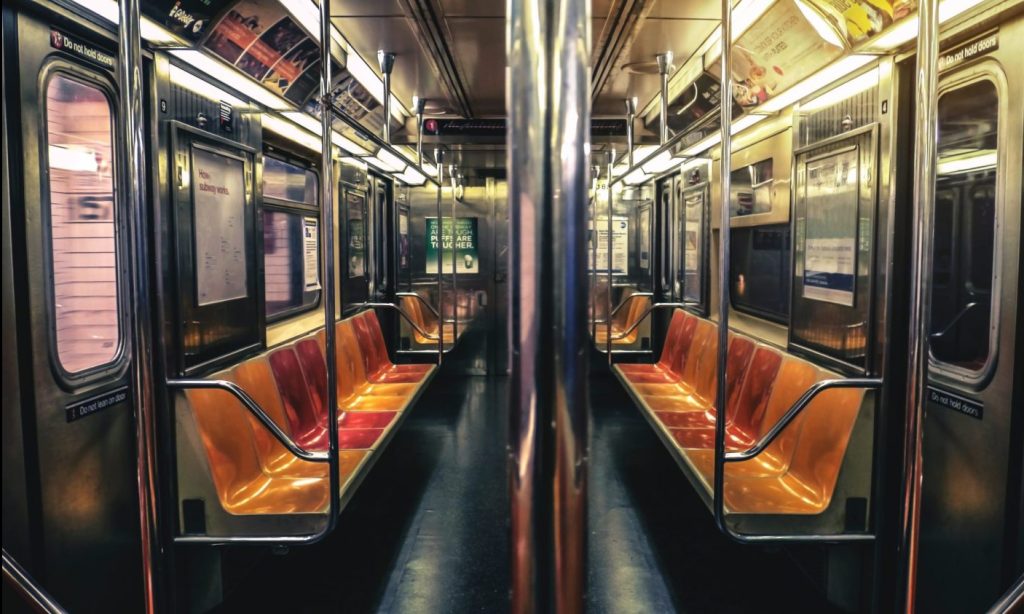
As New York continues to update on its cannabis-related rules and regs, an odd one seemed to slip into the books on Wednesday as the Metropolitan Transit Authority (MTA) banned all cannabis and psychedelic mushroom ads on subways, buses and trains, reported Marijuana Moment.
The advertising policy update comes after the MTA reached a settlement in a case related to a sexual wellness brand, Dame, which had been underway for the past three years. In that case, Dame will be permitted to advertise under certain restrictions, yet the MTA decided that weed and psychedelics are off limits.
Photo by Joshua Woroniecki from Pexels
“The revised policy includes certain provisions that were part of past policies (with some amendments), and adds new restrictions based on changed circumstances,” the MTA stated. “For example, the revised Advertising Policy explicitly bars advertising for cannabis products, following the decriminalization of recreational use of such products in New York State.”
(Un)Necessary Policy Update?
“MTA will not accept any advertisement for display in or on the Property if it falls within one or more of the following categories of prohibited advertising…
16. Promotes tobacco, nicotine, or any tobacco-related or nicotine-related product; any alcohol product; cannabis or any cannabis-related product; or hallucinogenic mushrooms or hallucinogenic mushroom-related product.”
The Big Apple Never Did Like Smoking — Or So It Seems
New York City has some of the strictest anti-smoking laws in the country. The Smoke-Free Air Act has been in effect since 2003. Ongoing legislation since then has seen the prohibition of smoking in all workplaces, bars, small restaurants and, most outdoor venues. Indeed, one would be hard-pressed to encounter someone smoking on the street in the Big Apple.
This policy update concerning cannabis ads, however, is a bit confusing considering that the current marijuana law already forbids cannabis advertising “in public transit vehicles and stations.” Psilocybin mushrooms and other psychedelics are still illegal in the state and under federal law. Therefore, one may wonder if it was a necessary update.
Photo by Robert Bye via Unsplash
Among other policy changes and updates confirmed since New York State’s legalization took effect in March, one of the most significant was the employee cannabis testing policy update. In October, New York became the first state in the Union to prohibit employers from testing most employees for cannabis.
In addition, just this week New York Senator Jeremy Cooney (D) proposed a bill that would allow transgender and non-binary people to qualify as social equity applicants under the state’s cannabis law.
It can take a while to feel the effects of edibles, but there are a few tricks that can help you get your desired results faster.
It’s a crapshoot with edibles. You never really know if you’ve consumed enough of them, because their effects don’t hit you until you’ve waited at least an hour after you’ve consumed them. This often results in the common scenario of inhaling an entire batch of delicious pot brownies only to spend the remainder of the day rocking yourself back and forth. Here are 3 trick to get cannabis edibles to kick-in faster.
Unlike other forms of cannabis that get you high within the hour, edibles require patience, timing, and the correct dosage, which is a lot to ask of someone who’s never had experience with them.
A lot of people stop themselves from enjoying the perks of infused food products because of the long wait time and their unpredictability. While these challenges are adaptable and manageable, there are some ways of making edibles affect you faster.
Fast-Acting Edibles
Photo by SageElyse/Getty Images
One of the most interesting developments within the cannabis industry are fast-acting edibles, designed to bypass the wait time. Known as “rapid delivery,” these edibles are being developed by companies who claim that you’ll start feeling their effects within 15 to 20 minutes.
In an interview with Forbes back in 2017, Peter Barsoom, founder of cannabis company 1906, explained that his company began to make rapid delivery edibles thinking about people who didn’t have six hours to wait around for their edible to hit, aka, everyone who’s not consuming an edible on a weekend. This new formula allows edibles to “bypass the stomach and get into the small intestine faster,” through a process called proprietary lipid microencapsulation.
Sublingual Edibles
Photo by Charisse Kenion via Unsplash
A trick savvy consumers can try is to purchase edibles that melt — like chocolate or mints — and then placing it under their tongue. Instead of waiting for the edible to make its way down the digestive track, this sublingual method allows the THC to be quickly absorbed by the bloodstream, much like a tincture or oil, which are among the quickest way to absorb THC.
Increase Metabolism
Photo by Fitsum Admasu via Unsplash
Tougher to hack, but just as important, is the speed of your metabolism. Although increasing it won’t be possible within a short span of time, over the long run, you can work on speeding up your metabolism by consuming enough calories, drinking water, working out, and getting plenty of sleep, which will also likely result in a healthier body and mind.
There’s a lot of perks associated with edibles, not only because you’ll stop ingesting smoke and vapor. Edible highs are strong and can be fun, especially when people learn how to manage them. Still, if you’ve never tried them, don’t be intimidated by the newness of edibles. In order to see for yourself how they work and if they’re the right fit for you, you’ll just have to experiment.
If these states do move forward with the legalization of adult use recreational cannabis, the fight for the end of nationwide cannabis prohibition could be reaching its finale.
The amount of states where people can walk into a dispensary and buy their favorite cannabis products, just like alcohol, have been steadily increasing over the course of the past decade.
Given the number of states that currently collect voter signatures in hopes of getting legalization on the ballot during the 2022 midterm elections, it seems as though the trend of legalization won’t be ending any time soon. Numerous states where the notion of legal marijuana was never considered a possibility, could introduce legalization of recreational cannabis as early as next year. Here are a few.
Fortunately for those who do support the sale and use of recreational cannabis in the state, there’s a current constitutional amendment legalizing adult use cannabis for adults who are 21 and older, and would allow for the home grow of 18 plants. In order for the amendment to reach voters on the 2022 ballot, they need to collect 891,000 valid signatures before February 1, 2022.
Ohio
Another state with a fairly conservative reputation that’s changed its tune on recreational cannabis legalization is the Buckeye State. Back in 2015, a previous ballot measure legalizing recreational cannabis, but restricting the cultivation and sales to a select few individuals failed. Research shows that 53% of Ohio voters would support the legalization of cannabis for recreational adult use, so it’s no surprise that the push to legalize it hasn’t ended with the failure of issue 3 in 2015.
A current effort to regulate marijuana like alcohol is being led by cannabis activists who are seeking to legalize cultivation, manufacturing, sales and use for Ohio adults at least 21-years-old. The proposal would also place a 10% tax, on top of local sales tax on recreational cannabis sales to support social equity and substance abuse education efforts.
In order for the ballot measure to reach voters in November 2022, the Coalition to Regulate Marijuana Like Alcohol needs over 130,000 valid signatures to present to the state legislature at the top of the year.
Photo by skodonnell/Getty Images
Maryland
Since recreational cannabis was originally legalized in the nearby District of Columbia back in 2014, it was likely only a matter of time before the discussion would begin amongst lawmakers in Maryland. Those discussions have finally begun taking place as of September 2021. There’s currently a group in the Maryland House of Delegates studying what it would take to get legal cannabis to Maryland residents within the coming year. That’s welcome news for Marylandians since a recent study shows that two thirds of them would welcome the legalization of adult-use marijuana.
The state legalized medical marijuana back in 2017, and has been received to warm reception — the program has amassed $100 million in sales since it was introduced. If that’s any indicator for how legal recreational marijuana would be received, then it’s likely that it would become big business for the entrepreneurs who get involved early.
Pennsylvania
Given the fact that both its neighbors, New York and New Jersey, have legalized cannabis for recreational adult use in recent years, it’s only natural to assume Pennsylvania to be the next domino to fall. The fact that Governor Wolf gave the green light for the legalization of marijuana use for medicinal purposes back in 2016 should only make the path to legalization for recreational purposes that much smoother.
There are multiple marijuana legalization bills that could become lawcurrently. One is led by a house republican, which lacks provisions for record expungement for nonviolent marijuana crimes while another is a bipartisan effort that includes both of those provisions. The passage of either provision would be a welcome development for Pennsylvanians, as 58% of Pennsylvania residents support legalization.
The 2022 midterms have the potential to be much more than a referendum on the Biden agenda. Election day 2022 could very well be the last bastion of prohibition in a handful of states. If those states do move forward with the legalization of adult use recreational cannabis throughout the course of 2022, the fight for the end of nationwide cannabis prohibition could be reaching its finale.
Most people who live on the street or who are hooked on drugs need stability and purpose. They don’t need the government telling them what they can and cannot consume.
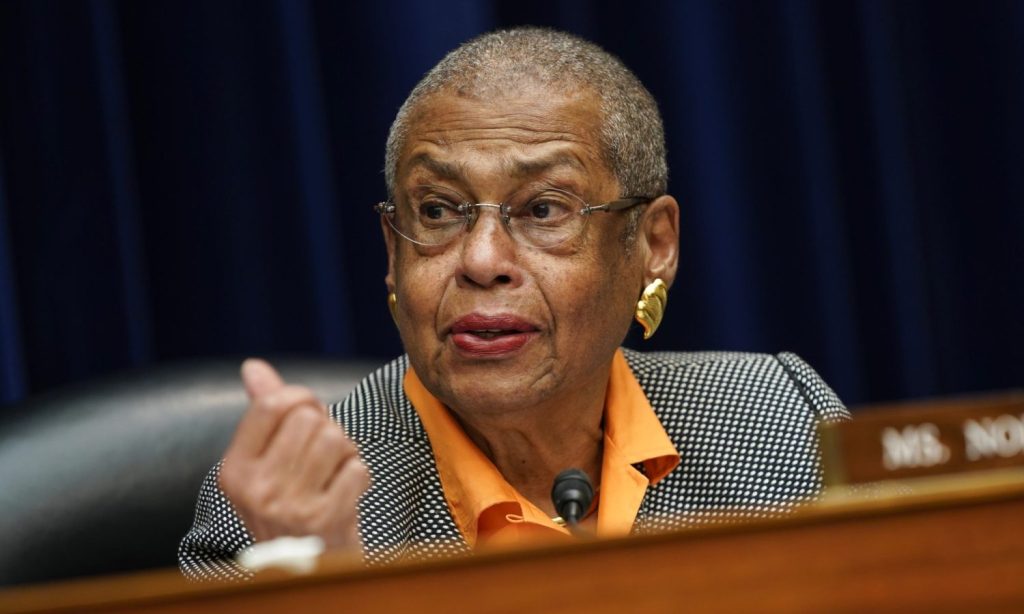
Recently, a Congresswoman sent a letter to the Department of Housing and Urban Development to encourage them to allow people to use public housing despite their cannabis use — especially in states where use is legal.
Rep. Eleanor Holmes Norton, the congresswoman who sent the letter, hopes that this would help people seeking public housing the freedom to consume a legal commodity in their state and still have shelter from the elements. Unfortunately, HUD Sec. Marcia Fudge, a Biden appointee, responded in a letter which Norton released to the public.
Photo by RODNAE Productions from Pexels
Unfortunately for people seeking public housing, it seems that the Biden Administration is going full “Soup Nazi” on the whole cannabis thing, despite them claiming that they are progressively working to reform cannabis laws.
The Department of Housing and Urban Development denies anyone who uses marijuana to live in assisted living facilities, even if it is for medical cannabis.
The problem with this position is that it seems to directly contradict all of the alleged “promises” made by the Biden Administration and seems to double down on the status quo. Of course, some people would say, “Well, it is the law!” However, that is an excuse that within the current political climate won’t go far.
There is no scientific evidence to suggest that cannabis has any impact on the moral nature of a user and to deny assisted living simply because of use seems to be arbitrary at best. Nonetheless, let’s take a closer look at the letter published by Norton.
Understanding the Spirit of the Letter
The HUD referred to the following statute as the reason why they “can’t” comply;
“(1) Notwithstanding any other provision of law, a public housing agency or an owner of federally assisted housing, as determined by the Secretary, shall establish standards that prohibit admission to the program or admission to federally assisted housing for any household with a member—
who the public housing agency or owner determines is illegally using a controlled substance.”
In other words, because cannabis is a federally prohibited drug, they are not able to do anything about it. They say that unless the law changes, they do not have the “discretion” to admit users of marijuana, including those using it for medical purposes.
U.S. Rep. Eleanor Holmes Norton (D-DC), Photo by Joshua Roberts Pool/Getty Images
“Americans are continually evolving on the issue of marijuana use, with rapidly increasing in support. This response shows even more why Congress should enact my bill that would permit marijuana use in federally assisted housing in compliance with state law.”
Activists are also disappointed that the federal government is relying on a seven-year old statute that is more of a guidance as opposed to a “rules”. Justin Strekel, the political director of NORML had the following to say on the issue:
“It is a travesty that the Biden administration would prioritize process over people when it comes to a fundamental need such as housing for those who consume cannabis,” Justin Strekal, political director of NORML, told Marijuana Moment. “With millions and millions of registered medical marijuana patients around the country, disproportionally among them veterans, action must be taken to respect the dignity of our fellow citizens.”
Banning Substances From Public housing Is Counter Productive
The idea behind the ban is to deter people from using drugs. However, people who are typically living on the streets suffer from one addiction or another. You can see in California, many people opt out of public housing for the mere fact that drug use and curfews are in place.
People who are suffering and living on the streets, have a high chance of consuming illicit drugs. Whether it’s trying to cope with the misery of living on the streets or a form of self-medication, to ban people from public housing doesn’t make them stop consuming drugs. It simply makes life more difficult for them.
Now I know some of you may be thinking, “Are we really going to pay for people doing drugs and living in public housing?” of which I would respond, “YES!”
Photo by Karla Alexander via Unsplash
Whether someone does drugs or not is irrelevant. Most people living on the streets are there for a few core reasons:
A string of unfortunate events
Mental illness
Lack of assistance from friends/family
I know, because for six months, I traveled California in a van hanging out with the homeless and getting to know them. They don’t need to be “saved from drugs” as much as they need a “leg up”.
In Switzerland, they had a problem with heroin a few years back. Their solution was to provide free clinics where addicts could get their drugs without any requirement. They could get public housing and were never told to quit or go into any type of program.
Some thought that this would encourage people to consume more drugs but the truth is that it had the opposite effect. Fewer people started doing heroin and the median age of an addict rose to the mid-thirties. In other words, new addicts stopped showing up.
Why is this? Because most people who live on the street or who are hooked on drugs need stability and purpose. They don’t need the government telling them what they can and cannot consume. If you were to give them the opportunity to choose a better life, nine time out of 10 people choose to pull though and make something of their life.
Why? Because people don’t “want” to do heroin; they do it because they are hooked and have no other choice.
Of course, weed is not heroin but that’s the point. Weed is so benign compared to the other drugs on the market that to deny people public housing is simply a declaration on how out of touch you truly are when it comes to modern society.
I’m trying to hold my punches on the Biden Administration, however, they are pretty much digging their own grave at this point. The Democrats seem to have lost touch with the common person in America.