Monday, May 4, 2026
Home Blog Page 314

4 Things Older Adults Should Know About Using Marijuana

With each passing year, older adults have been getting more and more into marijuana. With that said, there are some potential issues to be aware of.

Thanks for marijuana legalization, the herb has been going through a phase of reevaluation. People of all ages are more open to trying it, whether for recreational or medicinal purposes, especially when faced with the side effects of prescription medications. One of the fastest growing demographics are Baby Boomers.

A survey conducted on adults over the age of 55 between 2016 and 2018 found that men are increasing the amount of marijuana they consume, particularly those between the ages of 60-64. There are many reasons why this could be happening, among them, the fact that the drug has lower stigma,  making it more likely for people to be honest with their answers, that there are more options and drug availability, and more.

seniors cannabis
Photo by Westend61/Getty Images

Other contributing factors include a global leaning towards more natural medicines. This is especially effective for older adults looking for pain relief and sleep aids, preferably those that don’t come with significant side effects.

While young adults remain the largest consumers of cannabis in the U.S., the rise in older adult use and seniors is a little exciting, even if it’s of some concern to researchers. When discussing older adults and marijuana use, there are a few factors that could influence the effect that marijuana has on them. Here are four of the most pressing:

Reactions with medication

Study: Older Adults Are Using Cannabis At Higher Rates
Photo by rawpixel.com

The most pressing issue medical experts are concerned with is the possible effect marijuana can have with common medications taken by older adults. A review published in the Journal of the American College of Cardiology says that marijuana can interact with common heart medications, such as statin and blood thinners. Marijuana use can alter the time in which these medications have an effect and could also result in excessive bleeding.

RELATED: Survey: Seniors In Pain Want To Try Cannabis, But This Is Preventing Them

People should also avoid pairing marijuana with anti-seizure medications or any other substance that produces strong effects. If having surgery, it’s important for older adults to disclose marijuana use to doctors, even including the use of CBD. The compound has also been linked with altering the way in which the liver processes dosages in medications.

Higher risk of falls and accident

How CBD Helps Seniors Exercise
Photo by Caiaimage/Trevor Adeline/Getty Images

While this should concern mostly seniors, the use of marijuana could result in dizziness and in feeling out of control of your body. This in turn could increase the risk of falling and getting involved in all sorts of accidents. Falls pose serious risks for seniors, with 1 out of 5 resulting in a head injury or broken bones.

Confusion

Over The Age Of 60 And Interested In Marijuana? Here Are 4 Things You Should Know
Photo by Юлія Вівчарик via Unsplash

RELATED: 6 Ways Cannabis Can Improve The Life Of Seniors

Seniors and adults with higher risk for dementia and confusion should be careful with their marijuana intake, especially when consuming products with high THC content. THC and its psychoactive effects can result in unexpected side effects for people who’ve experienced psychiatric conditions or have a predisposition for them.

Higher odds of mental health issues

new study confirms that seniors love to spread fake news
Photo by PICNIC_Fotografie via Pixabay

According to a 2018 study published in the journal Gerontology and Geriatric Medicine, older marijuana users are more likely to experience depression than non-users. While it’s not know exactly why this occurs, it’s likely a combination of things; these users might be taking cannabis instead of seeking medical help, or maybe cannabis is interacting with the medications they’re already taking in ways that are not beneficial.

Study: Cannabis Legalization Reduces Suicide Rates Among Middle-Aged Males

This latest study found that recreational cannabis legalization is connected with a 6.29% reduction in suicide rates among males aged 40-49.

By Nina Zdinjak

Despite the ongoing marijuana legalization trend, there are still fierce opponents who insist that lifting prohibition will lead to higher rates of mental illness or even suicide.

This just isn’t true, according to a new study.

Research recently undertaken by experts at Case Western Reserve University School of Medicine, Yale Law School, Cato Institute and the Reason Foundation found that there is no correlation between cannabis use, suicide and mental illness.

depression anxiety
Photo by Maskot/Getty Images

This latest study, following up on a 2013 study that had reached the same conclusion, found that recreational cannabis legalization is connected with a 6.29% reduction in suicide rates among males aged 40-49 and that no other “mental health outcomes were consistently affected by cannabis liberalization.”

Cannabis Legalization And Mental Illness 

The new research relied on the same methodology by running “a state-level longitudinal analysis using suicide rates from the National Center for Health Statistics and mental health morbidity rates from the National Survey on Drug Use and Health.” Research data included all 50 states and Washington, D.C. from 1999 to 2019. Results will be reviewed by experts and published in a renowned scientific journal.

“Adverse mental health outcomes do not follow cannabis liberalization at the state level, confirming the findings [the 2013 study],” the new study disclosed. “In addition, there is evidence that recreational marijuana access reduces suicide rates for middle-aged males

RELATED: Health Experts Say Marijuana’s Link To Suicide Not Cut And Dry

“Critics of marijuana legalization point to studies showing correlations between heavy cannabis use and suicide, depression, and mental health disorders. However, such studies that demonstrate correlation have yet to confirm causation, which should be determined by a model’s ability to predict.”

Cannabis Legalization And Its Benefits 

The authors went even further to say that cannabis legalization can only help enable more rigorous research into the further benefits, as well as potential harms, of long-term marijuana use, noting that any drug, psychoactive or otherwise, entails certain risks along with benefits and that cannabis is no exception and should therefore continue to be rigorously studied.

RELATED: New Study Backs Claims That Cannabis Can Reduce Anxiety And Depression

What’s more, a study published by the Journal of the American Medical Association in September revealed that rates of adolescent marijuana consumption did not go up after states legalized medical or adult-use cannabis.

teens
Photo by Eliott Reyna via Unsplash

As reported by Marijuana Moment, an official from the White House Office of National Drug Control Policy’s National Marijuana Initiative admitted that, for unknown reasons, youth consumption of cannabis “is going down” in Colorado and other states where it is legal.

It seems, unsurprisingly, that for some adolescents, the temptation to consume illegal weed wanes when it becomes permitted.

Another recent study found that army recruits with past pot use render the same performance as their peers and are less likely to leave the army over health issues, providing another point for cannabis legalization proponents.

This article originally appeared on Benzinga and has been reposted with permission.

Report: CBD Content On Labels Differs From Levels Found In Actual Products

Despite widespread growth and ubiquitous consumption, CBD remains largely unregulated on a federal level.

By Nicolas Jose Rodriguez

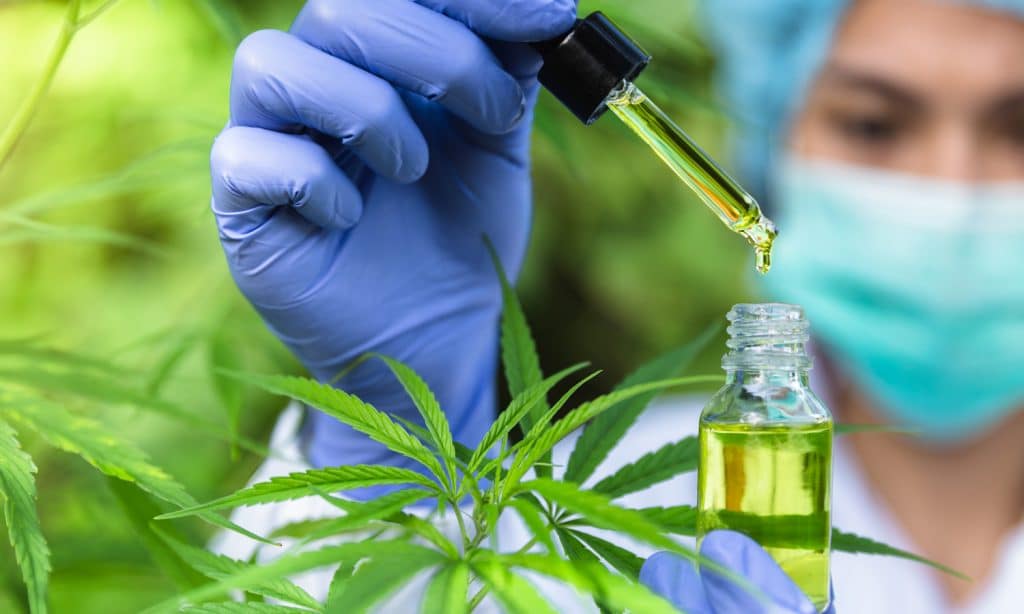
More than half of 29 hemp tea and coffee products that underwent recent analysis showed that, in the U.S., CBD levels varied widely from what was stated on the label. Israel-based CBD product review site Leafreport found products that were off by anywhere from 11.5% to 62% from the labeled CBD content.

Leafreport sent the CBD tea and coffee products to SC Labs in Santa Cruz, California, where lab technicians tested the products and recorded the results in documents called certificates of analysis (COA).

What If You're Not Feeling The Effects Of CBD?
Photo by CRYSTALWEED cannabis via Unsplash

Leafreport compared the level of CBD shown on the COAs to the advertised amount and looked at what other cannabinoids were detected by the tests, especially if the manufacturer claimed to use broad-spectrum or full-spectrum hemp extract.

The study found that out of 14 teas and coffees advertised as containing broad or full-spectrum hemp extract, 11 (79%) were “accurately” labeled while only three contained CBD, reported Hemptoday.

Key Findings

  • Out of 14 teas and coffees that were advertised to contain broad or full-spectrum hemp extract, 11 (79%) were accurate and only 3 carried CBD.
  • 14 (48%) of the tested products had CBD levels within 10% of the label, which is required for an A rating.
  • A little over half (52%) of the tested tea and coffee products had inaccurate CBD levels. They were off from the labeled CBD content by anywhere from 11.5% to 62%.
  • The most common rating was an A, (48%) given to products that were within 10% of the advertised CBD amount.

“We also found that consistency remains a major issue,” noted the report. For example, when we tested two different products from the same brand, one always performed better than the other.”

Consumer Packaged Goods Companies Are Waiting For The FDA To Approve CBD 

The global CBD market has reached a multi-billion dollar value in just a few years. Grand View Research, a leading market research and consulting company, projects the market will expand from 2021 to 2028 with a compound annual growth rate (CAGR) of 21.2%. Many attribute the unbelievable growth and popularity of CBD to its health benefits.

RELATED: 54% Of CBD Beverages Contain Less CBD Than Advertised

Even though the Farm Bill legalized the cultivation of hemp, it did not legalize CBD and it still requires those who grow hemp to be licensed. With CBD still in a gray area legally, many consumer packaged goods companies have been unable to enter the market.

The Food & Drug Administration (FDA) equated CBD in full-spectrum hemp supplements with concentrated CBD, such as that contained in Epidiolex, the only FDA-approved cannabis-based drug used for the treatment of seizures. By doing so, the FDA is suggesting such CBD supplements should be available only by prescription.

RELATED: Some CBD Pet Products Don’t Actually Contain Any CBD

Established food and beverage manufacturers such as Coca-Cola and Anheuser-Busch Inbev are looking at producing CBD products, and early this year, Molson Coors Beverage Co. and Hexo Corp. rolled out a line of nonalcoholic CBD-infused sparkling water in the United States.

On May 19, 2021, Senators Rand Paul (R-KY), Ron Wyden (D-OR), and Jeff Merkley (D-OR) introduced the Hemp Access and Consumer Safety Act of 2021, which generally provides a legal pathway for certain hemp-derived cannabidiol (CBD) products. “Despite widespread growth and ubiquitous consumption, CBD remains largely unregulated on a federal level at this time”, reported The National Law Review.

This article originally appeared on Benzinga and has been reposted with permission.

Sleeping Less Than 5 Hours May Increase Your Risk Of This

0

Poor sleep has been linked to cardiovascular conditions, mental health disorders and more. Now, a new study reveals a connection to a dangerous disease.

Getting a solid amount of sleep is a challenge for many, especially as we near the stress-filled holidays and family gatherings. According to the National Institutes of Health, it’s estimated that 50 to 70 million Americans are experiencing sleep-related problems. These problems are not only annoying, they impact factors that range from your weight to your mood.

Now, researchers have found another aspect affected by poor sleep: diabetes.

A new study, published in the journal Nature and Science of Sleep, collected data from over 80,000 adults with a median age of 62. Participants who regularly slept under 5 hours were 58% more likely to suffer from diabetes when compared to participants who slept between 7 and 8 hours a night.

3 Tricks That Can Help You Understand Your Sleep
Photo by Mert Kahveci via Unsplash


RELATED: Let’s Talk About Why Sleep Is Important — And How To Get Some

Irregular sleep patterns were linked with heart disease as well. “Those who sleep <5 hours/night are 36 percent, 25 percent, 33 percent, 27 percent, 37 percent and 36 percent more likely to have hypertensive diseases, ischaemic heart diseases, pulmonary heart diseases, cerebrovascular heart diseases, other forms of heart diseases, and diseases of arteries, arterioles, and capillaries, respectively,” explain the authors of the study.

RELATED: How Sleep Deprivation Triggers The Munchies Just Like Marijuana

Aside from this, the study also found that poor sleep correlates to an increased risk of mental health and mood disorders, by 106% and 44% respectively. These results have been echoed in a variety of studies.

According to the National Alliance on Mental Illness (AMNI), sleep issues are signs or side effects of a variety of mental health conditions, like bipolar disorder and depression. Insomnia cases are 50% of the time related to depression, anxiety, and psychological stress.

RELATED: These People Increase Their Risk Of Dementia By Sleeping Too Little

Sleep is one of those things that we tend to sacrifice when life gets in the way, putting our work and social life ahead of it in order to accomplish the things we want to get done. This is understandable. While the occasional sleepless night may not be crippling, sleep is a very delicate activity, one that’s necessary for our functioning and that can be easily disrupted. Dozens of experts have said that prioritizing it can only impact us for the better, resulting in a healthier mind and body.

US Cannabis Industry ‘Flourishing’ In Spite Of (Or Because Of?) General Economic Downturn

With or without federal reform, the meteoric rise of cannabis continues, prompting one to wonder what lawmakers and prohibitionists are thinking.

By Natan Ponieman

While the cannabis industry is known for offering investors its own mixture of tricks and treats, a new report by CNN Business is expressing new hope for the cannabis sector.

“Despite a global pandemic, discombobulated supply chains, ballooning inflation and an ongoing fight to legalize marijuana on a federal level, the cannabis industry in America is flourishing,” writes CNN Business.

How The House Approved MORE Act Would Jack Up The Economy
Photo by Hillary Kladke/Getty Images

The report pointed to data from Marijuana Business Daily, which states that cannabis sales hit $20 billion in 2020, are on pace to top $26 billion this year and are projected to jump to $45.9 billion in 2025, making the cannabis industry larger than the craft beer industry by the mid-decade.

Chris Walsh, chief executive officer and president of MJBizDaily, a cannabis analysis firm that organized the sector’s largest trade show last week, stated that “these are potentially conservative numbers with what we see playing out.”

Cannabis To The Moon

With the majority of Americans now living in a state where some form of cannabis is legal, the industry got a substantial push when dispensaries were deemed essential businesses throughout the pandemic and quickly became the worthy recipients of extra cash people had on hand from much-need stimulus checks. And this is not to mention that COVID-19 restrictions kept people at home and in front of their TVs or binging on Netflix.

RELATED: The Cannabis Industry’s ‘Essential’ Upside From COVID-19

Be that as it may, “the past 12 to 18 months show there is more to the story than a COVID bump,” Walsh said, as “sales continued to accelerate at a record pace in markets across the US — notably in established states, such as Colorado, Washington and Oregon.”

Walsh told CNN that we’re seeing the next phase of a maturing industry, which is also being reflected in expanded opportunities for private capital raising and a growing job market.

“The industry is also expanding rapidly and creating jobs. It’s estimated that there were 321,000 full-time jobs in the cannabis industry in 2020, up from 234,700 the year before,” said Karson Humiston, CEO and founder of Vangst, a company that provides job recruiting services for the cannabis sector.

RELATED: 32% Cannabis Job Growth In 2020, Despite COVID-19

As per federal cannabis reform, the jury is still out on whether the Biden administration will be the one to finally tilt the balance towards the legal cannabis market.

Walsh said that on Capitol Hill, whispers of federal marijuana reform and legalization have grown to a clamor. But because of a lack of consensus among lawmakers and industry members, change is not on the immediate horizon, he opined.

“I’m still doubtful that we’re going to see any significant federal reform next year… including in banking,” Walsh told CNN Business.

RELATED: COVID Cannabis Consumption Expected To Remain High Even After Pandemic

Benzinga’s take:  With or without federal reform, the meteoric rise of cannabis continues, prompting one to wonder what lawmakers and prohibitionists are thinking. Alexandre Auguste Ledru-Rollin, one of the leaders of the French Revolution, had it right: “There go my people. I must find out where they are going so I can lead them”

This article originally appeared on Benzinga and has been reposted with permission.

COVID-19 Vaccine & Kids — Here’s What You Should Know

0

The CDC will soon allow children to be vaccinated against COVID-19. Here’s what you should know.

Now that kids between the ages of 5 and 11 will soon be able to get vaccinated against COVID-19, a lot of parents are making plans to visit their nearest pharmacy. And while this is great news, there are some differences between the ways in which the COVID-19 vaccine affects adults and children.

According to the Centers for Disease Control and Prevention (CDC) and the Food and Drug Administration (FDA), the fact that vaccines for young children will be available soon means that after careful consideration and study, the benefits outrank the risks. Still, here are a few things you should know about the COVID-19 vaccine and its effect on kids:

COVID-19 affects children differently

When Will Kids Under 12 Be Able To Get COVID-19 Vaccine?1
Photo by MI PHAM via Unsplash

COVID-19 is rare in children, although it has increased with the rise of the Delta variant, meaning that if another variant were to appear, kids might be more exposed.

RELATED: COVID-19 Survivors May Experience These Two Newly Discovered Side Effects

While COVID-19 is less dangerous in kids than it is in adults, there have been reports of long COVID-19 affecting children, including reactions of fatigue, pain and headaches. Despite the low transmission rate in schools, children are capable of catching and passing on the disease, which is why families with children should be extra careful with the people they meet up with and their degree of exposure.

Like most vaccines, there are some risks to it

3 New Discoveries On COVID-19 Vaccines
Photo by Ed Us via Unsplash

While the COVID-19 vaccine appears to be safe, there are some side effects associated with it, mainly including pain at the site of injection, headaches and fevers. In order to minimize these side effects, COVID-19 dosages in children are smaller, yet they’re still able to produce a sufficient immune response.

RELATED: Unvaccinated? You Can Expect To Get Infected With COVID-19 This Often

When it comes to risky or strange side effects, although there are no sufficient numbers to support this theory, there is the risk of myocarditis, which has affected some teenagers who’ve received the COVID-19 vaccine. This condition that involves the swelling of the heart has appeared in boys between the ages of 16 and 17. No deaths have been linked to the vaccine.

Is Cannabis Better For Sports Injuries Than Traditional Painkillers?

By using cannabis instead of over-the-counter drugs, athletes have an opportunity to make a faster recovery from their injuries, among other benefits.

Although cannabis has been legalized for medicinal purposes throughout much of the country, there’s still a vast amount of the population that casts doubt on its healing properties. Unfortunately for athletes, in most cases, it’s the people who aren’t familiar with the healing properties of medical marijuana who still happen to be in control of many governing bodies within the sports world.

Even so, the reality is that cannabis can be equally as or even more effective than the opioids and painkillers most athletes are used to taking. There are several factors that make cannabis a more appealing choice for treating injuries than over the counter medications.  

FDA Warns CBD Companies On Opioid Addiction Treatment Claims
Photo by Darwin Brandis/Getty Images

Cannabis Isn’t As Addictive as Opioids

One of the most common ways of dealing with sports injuries is by consuming opioids like vicodin and oxycontin. It’s no secret that opioids may offer pain relief, but not without the prospect of long-term addiction. Although there is the prospect of developing a marijuana dependency, research shows that just less than 10% of consumers end up doing so. Additionally, opioid abuse can lead to fatal consequences. Although marijuana dependence can be detrimental, there are no recorded marijuana overdoses on record.

Cannabis Doesn’t Come With Side Effects of Traditional Painkillers

Along with the risk of developing long-term addiction, using traditional painkillers can lead to a host of other lifelong side effects. Some of those conditions include kidney failure, stomach bleeding and liver failure among others. Cannabis serves as an effective alternative because it can provide relief for many of the same ailments as over the counter drugs like ibuprofen. There’s also a wide variety of cannabis products to choose from that can relieve pain. From CBD tinctures and topicals to THC cartridges and edibles, there are numerous options available that can treat pain without putting the long-term health of consumers at risk.

Cannabis Can Provide Faster Relief Than Traditional Painkillers

The wide variety of cannabis products on the market today means consumers are no longer restricted to over the counter pain medications that can take varying amounts of time to take effect. In many cases, over the counter drugs like ibuprofen can take as long as 30 minutes to set in, whereas consumers who inhale cannabis pretty much feel the effects instantly. Even CBD topicals only take up to about 15 minutes to set in after application. 

RELATED: Is Marijuana The Next Recovery Revolution For Pro Athletes?

Photo by FatCamera via Getty Images

How Cannabis Can Help Lead to Faster Recovery

People unfamiliar with marijuana aren’t usually aware that it has so many healing properties, mainly its anti-inflammatory effect. Inflammation can result after an injury either on the field or due to conditions like arthritis. CBD is especially effective when it comes to fighting chronic pain caused by inflammation because the compound can easily communicate with the receptors within the endocannabinoid system. 

RELATED: Pucks & Pot: How The NHL Became A Pioneer In Pro Sports Cannabis Use

The sooner the sports world accepts cannabis for its medicinal properties, the better life will be for everyone involved. By using cannabis instead of over the counter drugs, athletes have an opportunity to not only make a faster recovery from their injuries, but to also benefit from being able to return to their sport without ingesting drugs that could potentially put their post-sport future at risk.

How Effective Is CBG For Pain Relief?

0

Cannabigerol (CBG) shows great promise as a potential analgesic to manage pain in some medical conditions.

Pain is a common symptom in almost all diseases in the world. Since the dawn of civilization, medical workers have looked for ways to effectively manage pain, and have been successful in finding some. But, the quest is still on for better treatments to relieve pains.

The widespread acceptance of cannabis, as well as the new legislation supporting the plant’s use, has paved a way for scientists to discover what compounds make cannabis an effective therapeutic. Now, the world has learned that most cannabinoids are responsible for the medical abilities of cannabis.

The recent clinical studies and experiments being carried out on cannabis plants have revealed that one of its minor cannabinoids can be a better and more effective treatment for pain. This compound is cannabigerol (CBG).

What Is CBG And Why Is Everyone Comparing It To CBD?
Photo by Lukas Dvorak/EyeEm/Getty Images

Compared to tetrahydrocannabinol (THC) and cannabidiol (CBD), cannabigerol is a fairly ignored compound. There is a lesser demand for it and like other minor cannabinoids, phytochemicals, and terpenes, very little research has been carried out on it.

To meet the demand for THC and CBD cannabis products, breeders have pushed aside the notion of trying to improve the other compounds that make up the plant. Growers are also focused on primarily cultivating cannabis plants for their THC and CBD contents.

Studies have shown that CBG may be a better treatment to provide pain relief, calm and balance in medical marijuana patients. But, just how effective can this compound be?

What Is Cannabigerol (CBG)?

Cannabigerol, commonly called CBG, is a minor cannabinoid that is non-psychoactive. It can be found in large concentrations in high-CBD and low-THC cannabis strains like hemp.

The distinction between CBG and other minor cannabinoids is that cannabigerol is the main producer of THC and CBD. This may sound confusing, but the explanation is that all cannabinoids were formed from their acidic precursors. In this case, CBGA (the acidic precursor of CBG) is produced in extreme amounts in cannabis plants, however, as the plant matures, most of it is converted to THCA and CBDA (both are acidic precursors of THC and CBD respectively). A very little amount of CBGA is converted to CBG. For this very reason, CBG is commonly referred to as the mother of all cannabinoids.

RELATED: What Is CBG And Is It Legal?

Like other cannabinoids, CBG binds with the cannabinoid receptors in the brain to elicit therapeutic responses. Rather than induce a psychoactive reaction in the user like THC does, CBG works instead to reduce the psychoactive effects brought about by THC. For example, when a cannabis user consumes products with higher levels of THC, it works to ease the induced paranoia or stress.

THC marijuana
Photo by Catherine Falls Commercial/Getty Images

Scientists claim that cannabigerol has the capabilities to fight pain, nausea, inflammation, and even has anti-cancerous properties. Clinical studies show that the compound was effective against glaucoma, as it was observed to significantly lower intraocular eye pressure associated with the condition. With CBG, conditions like Crohn’s disease, inflammatory bowel disease, and cancer can be managed effectively.

Effects of Cannabigerol

This rare cannabinoid has shown potential in treating a host of symptoms and disease conditions. Some of the symptoms it has shown effective in providing relief include

  • Pain
  • Inflammation
  • Oxidative stress
  • Anxiety
  • Stress

Cannabigerol and Pain

As stated earlier, cannabigerol is a rare and versatile cannabinoid that has the potential of managing a bunch of ailments, and a handful of studies have been published to corroborate these claims. When ingested, CBG is immediately broken down in the body to THC, CBD, and CBD compounds.

Exploring the Relationship Between Cannabigerol and Pain

A recent experiment studied the connection between chronic pain and cannabigerol. Patients who identify as frequency consumers of high-CBG products volunteered in numbers for the survey/study.

The researchers reported that this was the first clinical study in the use of cannabigerol. The survey documented the effectiveness of high-CBG cannabis in treating depression, chronic pain, anxiety, and insomnia. Over half of the volunteers reported that the drug was more efficenting than traditional pharmacotherapy. They also noted that there was a mild adverse effect that occurred. In addition to this, some respondents claim they had issues trying to withdraw from the products.

RELATED: What You Need To Know About The Healing Benefits Of Marijuana’s CBG

At the end of the survey, the researchers established that high-CBD cannabis and by-products are available in some dispensaries and are being sold in high numbers by cannabis patients. They also added that there is a need for more controlled trials of CBG-based cannabis medications to be precisely studied. More tests and research will assess the efficacy and safety of using CBG to treat symptoms like pain and stress. Researchers will also be able to establish a standard dosage for administration as well as the therapeutic implications of using the drug.

study people who purchase recreational marijuana are also looking for pain relief and sleep
Photo by Seth Ryan/EyeEm/Getty Images

CBG or THC: Which Is a Better Pain Reliever?

It is still too early to conclude on the best pain reliever. But, studies are being done to determine which is.

In the early 2000s, multiple clinical kinds of research were carried out to test the effectiveness of THC in relieving pain. Several of these studies reported that THC has more anti-inflammatory qualities than regular aspirin and hydrocortisone. It was also found to not pose the same risks of bleeding as observed in NSAIDs.

RELATED: These Are The Next Big Cannabinoids To Go Mainstream

The downside of THC is that it is a psychoactive drug, and as such might make it difficult for patients to adapt without the risk of addiction.

On the other hand, CBG and CBD which are non-intoxicating cannabis components may be better options. A 2017 study observed that CBG has even more potent anesthetic quantities than THC. Another study which was published in the 1970s, referenced in this 2008 research, stated that CBG could be used for conditions like chronic pain and anxiety disorders.

Conclusion

Cannabigerol shows great promise as a potential analgesic to manage pain in some medical conditions. Before it can be approved for clinical use, long-term clinical studies have to be carried out to fully observe the potentials of the compound. There are at least a dozen other minor cannabinoids that have also shown therapeutic potential. Some of them are CBCTHCV, and CBN. This shows that cannabinoids research has to progress from this limiting infant stage.

This article originally appeared on Cannabis.net and has been reposted with permission.

What Happened To The 100K In Cannabis Seized In San Fran Area Bust

The disappointing aspect of this successful raid is that it is not enough to stop these illicit operators from setting up shop again.

Millions of dollars in cash and over 100,000 cannabis plants were confiscated in late September in the Bay Area of San Francisco. Law enforcement officials in cannabis legal states are clamping down hard on illicit cannabis operations. Although these illegal operators keep springing up every other day.

Black Market Production Of Cannabis In Alameda

The law enforcement officers in Alameda were able to put an end to multiple cultivation sites in the area in a raid that spanned over 48 hours. These sites had one thing in common: they were all unlicensed cultivation sites operating something the police forces termed ‘modern-day bootlegging’. The massive raid is now regarded as one of the biggest illegal cannabis cultivation site busts in California.

The Alameda County sheriff’s office dutifully carried out these operations across the East Bay and they were able to successfully confiscate millions of dollars in cash, while also seizing cannabis plants worth tens of millions of dollars in probable black market sales. This estimation was made by the law enforcement department.

The public information officer for the town’s county sheriff’s office, Ray Kelly, said that the raided sites were organizations operating outside the law, and working around the normal protocols of cannabis governance in the state. These operators were making millions of dollars in profits all because they refused to obtain licenses and remit tax to the government.

Kelly added that upon inspecting the raided sites he found out that these operations made use of high-tech and extremely sophisticated farming practices. The operations weren’t shabby in any way but were rather profit-oriented while being motivated by greed. He also added that several suspects were arrested during the raids on the sites; the names of the arrested individuals have not been released yet. The establishments were built solely for cash grabs.

Raid Had Been In The Works For Several Months

Last week’s raid was successful because over a hundred personnel and agents working in the sheriff’s county devoted the last eighteen months of their lives to the mission. Investigations about the raided sites started around March 2020. As expected, the law enforcement officers did not run into the scene at the first complaint they got. The 100 staff worked together with the Alameda county narcotics task force. The team served search warrants at 18 different cannabis sites in East Oakland, Castro Valley, San Leandro, and Hayward.

Hemp Farmers Really Need A Break In 2020
Photo by Bloomberg Creative/Getty Images

Alameda county’s narcotics detectives were the first to commence investigations in this area when they received a tip from undisclosed sources about the existence of illicit cannabis grow operation in the Bay area. In addition to the cash and pot Which were confiscated onsite, the agents also seized Rolex watches as well as other jewelry pieces.

In his speech, Kelly disclosed that the raid yielded over 12,000 pounds of marijuana products that have been processed and harvested. If the raid had taken place a day or two later those products would have been transported for sale in other areas or states.

It’s not surprising how much money these illicit operations have on-site because the black market cannabis industry is way larger than the legal market. The raid at a cultivation site in Oakland yielded about $10 million in cash. The officers also obtained evidence of a money-laundering operation at the raided warehouse.

RELATED: Illicit Cannabis Farm So Huge, It Was Visible From Space

All these could have been avoided if the owners of these cultivation sites had done the legal thing by applying for a license. Now, the police action may as well have cost them everything, because as experienced in the past, the owner of these sites never show up.

Applying for proper permits, paying the required fees for licenses and taxes would have prevented everything that occurred last week in Alameda. At the press conference which was held at the Oakland warehouse, Kelly showed the reporters a bag that had about $1 million in cash. He revealed that the bag was one of the seized props gotten during the raid. In his speech, he disclosed that the raid helped bring down some of the largest illegal cannabis farms ever detected in recent years.

Emerald Triangle: Does The Best Weed In The World Really Grow There?
Photo by Olena Ruban/Getty Images

The raided cultivation sites were compared to the cannabis operations which operated in the 1920s. Those were also more interested in bootlegging operations. There is no sense in investing that many millions in a business that has not been licensed. The county revealed that they believe that these illicit grow operations have about 500k square feet of farmland which they use to grow more cannabis.

RELATED: Green Rush Blues: Why The Illicit Market Will Thrive In California

The entire business operations of these raided sites are even more sophisticated than some legal cannabis grow sites within California. These operators thought everything through, from infrastructure to storage houses, to other necessary buildings and the needed handymen. Everything was in place, except for the papers that would have legalized the entire business.

Weed Worth Millions Turned To Ash

In case you’re wondering what happened to the seized pot, it would interest you to know that they were moved to a site in California’s Central Valley and then burnt. That’s about 12 truckloads of cannabis up in smoke because some operations wanted to get all their cash to themselves without remitting tax.

The sheriff’s spokesman also announced that the office believes forensic accountants had a role to play in the business run by the illicit operations. Search warrants are still being processed to search more areas for evidence that might help the case.

The organization is starting to look like one that exists in Utopia because they were so sophisticated and organized. At least each week they made tens of millions of dollars in profits alone. The Alameda sheriff county announced on Facebook that it had seized more than $10 million in cash alone, not counting the highly expensive equipment, infrastructure, supplies, and even generators that were seized across the raised areas.

At least seven suspects are currently behind bars and more will be getting arrested as soon as the agents are linking the pints and solving the main puzzles.The disappointing aspect of this successful raid is that it is not enough to stop these illicit operators from setting up shop again. The black market has a very lucrative business, hence, this sort of bust will do little to serve as a deterrent.

New Marijuana Users Need To Know About Weed’s Sensitization Period

0

If you’re just starting to experiment with marijuana, it’s important that you understand why you may not be getting high right off the bat.

The first time people smoke weed is usually a weird experience. While some might get paranoid, giggly, or instantly stoned, there’s a large group of people who smoke weed and feel… nothing. Despite what we know of marijuana tolerance (basically, the more you’re exposed to cannabis, the less it affects you), this phenomenon of not feeling anything the first few times you toke affects more people than you might imagine.

Experts have different theories as to why this happens. But one of the most prominent theories states that in order for people to experience weed properly, they must first learn how to do it correctly. People need to be exposed to the drug repeatedly until their body understands what it’s supposed to feel. Experts call this a “sensitization period,” when THC interacts with the cannabinoids in your system a few times in order to activate them and to produce that high feeling.

It may take a couple of sessions before you smoke and know that you are actually high versus feeling what you think you should be experiencing.

Formula For Friendship
Photo by Matheus Ferrero via Unsplash

First-timers could also have an issue with the smoking part of things, maybe inhaling cannabis but keeping the smoke in their mouths, which prevents the THC from making its way to your bloodstream.

RELATED: 5 Common Problems That Plague Marijuana Users And How To Fix Them

Another important factor is how you view cannabis. Over the years we’ve all taken an approach to weed that functions in binaries, between the states of being not high and being very high. With the vast amount of strains and cannabis consumption methods that are available, this is limiting to what cannabis can do and disregards a variety of cannabis compounds that aren’t exclusively related to THC. A lot of people prefer CBD options, which these don’t make you feel traditionally high. It’s okay for there to be a gray area when consuming weed, for you to not know if you’re high or not.

There’s no definitive answer when it comes to cannabis and its effect on our bodies, but it’s almost always challenging to successfully accomplish a goal the first time you take a stab at it. Your expectations, the people you’re with, and your biology will have a hand in your first couple of experiences with weed, which is why it’s important to be patient and open-minded.

 RELATED: What If You’re Not Feeling The Effects Of CBD?

When first using marijuana, start off slow, surrounded by people you trust. Put your phone on silent to minimize extra sources of stress. Once you start smoking, pause between puffs for 20 to 30 minutes and monitor your feelings closely, that way you can make sure you get high but not too high. Because that sucks, too. If one method fails, try another one; there’s never been a better time to choose from a wide variety of cannabis products.

Don't Miss Your Weekly Dose of The Fresh Toast.

Stay informed with exclusive news briefs delivered directly to your inbox every Friday.

We respect your privacy. Unsubscribe anytime.