A recent Canadian study demonstrates how CBD blocks the negative side effects caused by marijuana’s THC.
A common refrain from those who abstain from marijuana consumption is that smoking weed gets them paranoid. The green stuff turns their brain red, blasting their synapses with anxiety and panic. Neil Young has some pretty good advice if this happens to you. “Try black pepper balls if you get paranoid. Just chew two or three pieces,” Young told Howard Stern back in 2014. “I just found this out myself.”
But a recent study published in the Journal of Neuroscience suggests there’s something even more helpful you can consume — cannabidiol, or CBD. Using rat models, researchers discovered those paranoid thoughts you might experience while smoking marijuana is no apparition. THC, the psychoactive cannabinoid in marijuana, stimulates a molecule located in the brain’s hippocampus, where memory, learning, and emotional associations are often stored.
Photo by seksan Mongkhonkhamsao/Getty Images
When that molecule is triggered, the study found, it can have side effects of anxiety, depression, and addictive behaviors.
Scientists then tried giving rats CBD and THC simultaneously and discovered lower levels of anxiety and paranoia. In addition, the molecule in the hippocampus, called extracellular-signal regulated kinase (ERK), maintained normal levels of activity. To put it more clearly, CBD blocked the negative side effects that marijuana’s THC can typically cause.
“Our findings have important implications for prescribing cannabis and long-term cannabis use. For example, for individuals more prone to cannabis-related side-effects, it is critical to limit use to strains with high CBD and low THC content,” said researcher and professor Steven Laviolette.
That said, these scientists didn’t find lower levels of ERK and anxiety when administering CBD on its own. As the Western University researchers told Global News, CBD and THC are a combination that operate best in unison.
“However, by co-administering CBD and THC, we completely reversed the direction of the change on a molecular level,” the study’s lead author Roger Hudson said, adding that “CBD was also able to reverse the anxiety-like behavior and addictive-like behavior caused by the THC.”
The CDC claims it’s safe for vaccinated people to stop wearing masks outdoors. Here’s what you should know.
The Centers for Disease Control and Prevention (CDC) issued new face mask guidelines that specifically address fully vaccinated people. According to health experts, these people no longer need to wear masks in small outdoor gatherings and a variety of other situations.
Updated face mask guidelines include not having to wear face masks when dining outdoors with friends (unvaccinated people should still wear their masks) and when gathering indoors with other people who have also been vaccinated.
In order to be considered “fully vaccinated,” two weeks must have passed after you’ve had your Johnson & Johnson single shot or the second dose of the Pzifer and Moderna vaccines.
Photo by Ella de Kross via Unsplash
The CDC provided clarification for a variety of situations. They said that vaccinated people were able to do different outdoor activities like working out with members of their household or attending a small gathering with other vaccinated family members and friends, all without having to wear a face mask.
If unvaccinated people attend, they can remain without face masks as long as they comply with social distancing measures.
Vaccinated people can also dine outside with friends and family of other households.
Things get murky outdoors when there’s large amount of people involved. The CDC still requires the use of masks for “crowded, outdoor event, like a live performance, parade, or sports event.” According to CNN Medical Analyst Dr. Leana Wen, this is due to the amount of people you’ll likely encounter and interact with.
Photo by Helena Lopes via Pexels
“This is asking people to use common sense. A few people from different households at an outdoor barbecue poses a much lower risk than a few hundred people at a packed concert,” said Wen.
For the most part, outdoor activities are safe. Still, factors like community transmission; length of the gathering; and amount of unvaccinated people in attendance; should be kept in mind, since they can increase risk.
Now that we’re over a year into the pandemic with the majority of people being able to get their shot, it’s important to remind ourselves of all that we’ve learned over the previous months. Activities where there’s shouting, singing or heavy breathing are riskier. So are large gatherings.
As long as you use common sense and slowly ease into normalcy you’ll do your part in keeping yourself and others safe.
Philip Morris is looking beyond smoking to stay better situated in the market, there’s probably a reason for it.
Ever since cannabis legalization started taking hold across the United States, advocates have spun a wealth of concerns shrouded in conspiracy theories about how their precious plant would one day be owned by the tobacco companies.
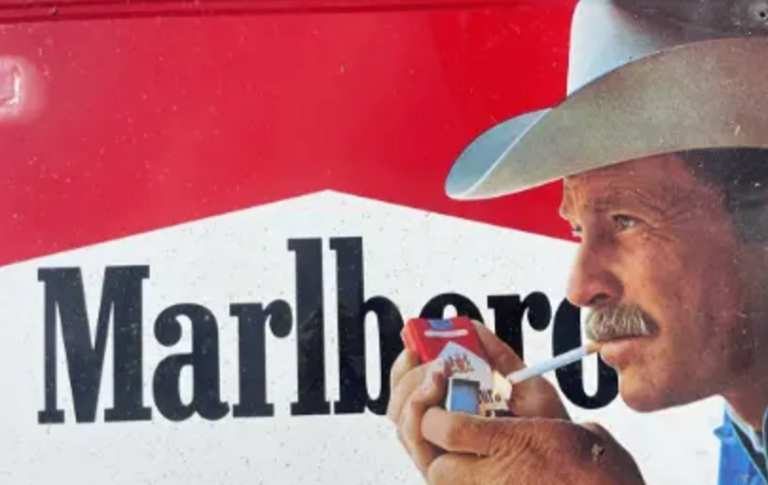
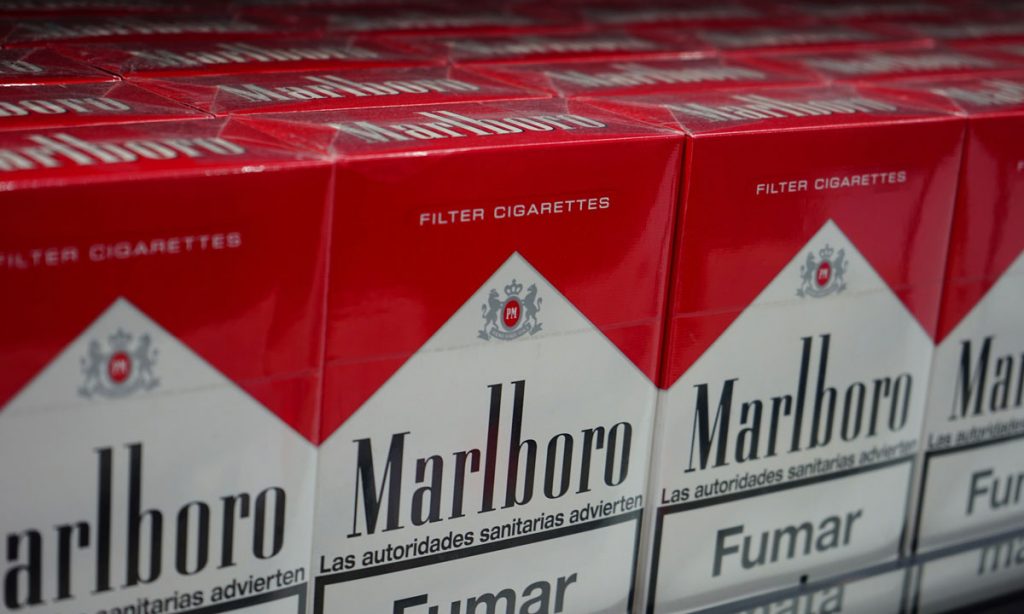
Several fake news stories surfaced years ago suggesting that Marlboro had already jumped into the cannabis game and was selling joints in legal states. None of that was true, of course, but the scenario wasn’t too far-fetched. It turns out Philip Morris, maker of Marlboro, is presently eying the cannabis industry to see where it fits in.
In a recent interview with Bloomberg, Philip Morris CEO Andre Calantzopoulos said the company was carefully monitoring the cannabis market and watching how regulations unfold. “We are doing all this work and will determine one day what avenues to pursue,” he said. “But our priority is what we’re doing with our smoke-free products, and that’s where I would stay on cannabis.”
Unlike the cannabis industry itself, Philip Morris seems to understand that “smoking” is being phased out by health-conscious individuals and governmental controls. Cigarettes are no longer as prevalent in civil society, forcing tobacco companies to explore smoke-free products for the sake of longevity.
Meanwhile, the Biden Administration is expected to take action soon against the tobacco companies by banning menthol cigarettes. Although tobacco sales are declining, the consumption of these products remains one of the leading causes of health issues. Sure, the anti-tobacco movement is something that’s going to take years to get sorted out, not to mention countless court battles. But this fight is without a doubt one that will be fought to the bitter end. It’s just a matter of time before similar targets are placed on the back of smoked cannabis.
Photo by Mathew MacQuarrie via Unsplash
To be fair, the cannabis industry is not all joints and blunts these days. Smokeless products like edibles, oils and beverages are gaining more popularity on the scene. Still, research shows that the average pot consumer still prefers smoking as a primary method of consumption. So we will not likely see a day anytime soon when cannabis companies abandon smokable cannabis products.
Health advocates, however, could eventually step in and make life hard for weed. Some are already on it, saying that smoke is smoke, it’s all unhealthy and could increase the risk of cancer.
“Smoke from marijuana combustion has been shown to contain many of the same toxins, irritants and carcinogens as tobacco smoke,” according to a report from the American Lung Association.
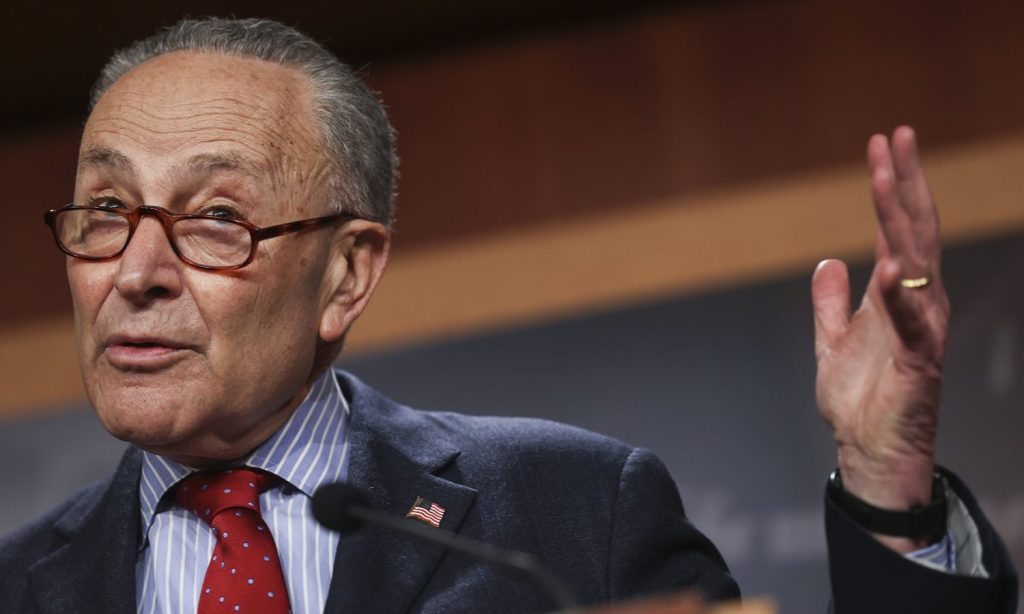
Federal lawmakers hope to design a national cannabis policy that prevents Big Tobacco and Big Alcohol from getting involved with cannabis. Senate Majority Leader Chuck Schumer said recently that his bill to end federal marijuana prohibition would cater to small businesses, not large corporations.
“We don’t want the big tobacco companies and the big liquor companies to swoop in and take over,” he said.
Photo by LordHenriVoton/Getty Images
National cannabis advocates are right there with him. They want to stop this intermingling from happening before it gets out of hand. In a recent article, NORML said the alcohol and tobacco companies have already banded together to create a powerful lobby group to ensure national cannabis policy goes in their favor. “These corporate interests are seeking to swoop in and shape the landscape in a manner that works best for them, not for you,” the organization wrote.
This attitude doesn’t seem to scare Philip Morris. It has actually been dabbling in cannabis for some time. Around five years ago, the company invested in an Israeli cannabis firm called Syque Medical to pursue consumption technologies that are less harmful to the user. It is all part of their “Beyond Nicotine” strategy.
We’re going out on a limb and saying that if Philip Morris is looking beyond smoking to stay better situated in the market, there’s probably a reason for it. Cannabis firms wanting to rise to that level once the U.S. goes entirely legal will need to carry that wisdom and thoughtfulness as they break ground on a whole new way of selling weed. Because rest assured, if it goes legal federally, there will be more regulations to contend with.
Cannabis consumers, especially newcomers hoping to find a cure for their specific condition, should manage their expectations when using this plant.
It is safe to say by now that most of those who follow the what’s what in the grand scheme of the marijuana movement have encountered just about every fathomable medical claim associated with cannabis. All one needs to do is get into a quick Google search to find several sources suggesting that medical marijuana is useful in the treatment of severe health conditions from Alzheimer’s disease to pain.
And there always seems to be a new study emerging onto the scene, telling the tale about how legal marijuana “might” have all sorts of secondary benefits like curbing the opioid epidemic, reducing minor consumption rates, and increasing property values.
But at the end of the day, while the majority of the United States population appears open to the possibility that cannabis might be a miracle plant, there still isn’t much evidence showing it is. So we have to ask: Do cannabis products over promise and under deliver?
The cannabis industry spends a lot of time trying to convince their customers that marijuana is something they can use to be more productive during their waking hours as well as help them get uninterrupted sleep once the day is done. Many cannabis companies have developed a variety of strains and products, promising that they will either increase the user’s energy level or toss them into the ultimate state of relaxation.
The desired effect, or so they say, really comes down to two cannabis classifications: Sativa or Indica. Sativa strains are known for providing users with a chatty, take over the world buzz, while Indica is supposed to be its ultra-chill counterpart.
But is this real?
Researchers from the University of British Columbia say, probably not. They published a study in the fall of 2018 showing that cannabis strains, regardless of their names and purported effects, are all basically the same. Surprisingly, after both classes of weed were put under a microscope, researchers found that THC and CBD ratios had very little to do with the effects of the strain. Many times, they said, Indica strains have just as much THC as those breeds claiming to be Sativa.
“The THC content can be identical between these two classification groups,” the study authors wrote.
Okay, so, if cannabis strains do not have distinguishing characteristics like we’ve been told are so important — we need THC to feel it, and CBD to do everything else — how could they be producing different effects?
Researchers said that we might not be giving enough credit to the 100 or so other cannabinoids in any given strain. The study suggests that unsung cannabinoids like Cannabichromene (CBC) and Cannabinol (CBN) might be responsible for more of the therapeutic benefits than anything else. But nobody sells cannabis based on these silent components.
Legal states only require pot producers to publish the THC and CBD content on their packaging. Therefore, it is safe to say that the average budtender doesn’t have enough plant knowledge to guide the customer into the perfect strain for his or her specific condition. It is almost as though the industry is out here guessing and hoping for the best.
And that’s probably true.
Photo by Esther Kelleter/EyeEm/Getty Images
What we know so far is that cannabis has the potential to treat minor (we repeat, minor) health conditions. The National Academies of Sciences, Engineering and Medicine, which consists of some of the country’s leading scientific minds, came forward last year with a detailed analysis over the health effects associated with the use of cannabis. After examining some 10,000 studies on the subject of medical marijuana, the group concluded that cannabis is beneficial in the treatment of some pain conditions, nausea associated with chemotherapy, spasms and insomnia.
But that’s about it. They found no evidence that it can cure cancer or even ease the symptoms of epilepsy. Furthermore, the research also showed that smoking cannabis comes with an increased risk of heart disease and stroke. Americans are being promised a “safer” medicine with cannabis, but are we really getting it?
Well, we just need to calm down a little and perhaps stop being so quick to buy into the hype. Much more research is needed before we have a grip on the healing powers of cannabis. We could one day learn that the therapeutic reach of medical marijuana is stronger than we ever imagined. On the other hand, we could just as easily find out that the herb possesses no more medicinal superpowers than a can of beer.
Cannabis consumers, especially the newcomers hoping to find a cure for their specific condition, should manage their expectations when using this plant. Because all of the exciting promises made by the cannabis companies might not deliver as advertised.
The only way Senate Democrats have been able to bypass Republican opposition so far this year and move forward with its agenda is through budget reconciliation.
Cannabis advocates are still waiting to see the bill that the Democratic Senate has promised to throw down in an effort to legalize marijuana at the federal level. They are excited about the possibilities. After all, the Democrats have control of Congress this year, so getting marijuana matters pushed through should be a piece of cake. Only that’s not entirely true.
There are still immense challenges in getting any cannabis reform measure through the halls of Congress this year, and some of the roadblocks for legalization begin with the Democratic party itself.
Photo by Darren415/Getty Images
Although Democrats have majority rule in the U.S. Senate, it is only by a slim majority. This means they will need every bit of support from their own part, not to mention some backing from Republicans to get any pot-related measure beyond a discussion. A marijuana bill would need 60 Senators to sign off on it to beat the filibuster, an old Senate rule that demands a super majority on controversial issues.
But Senate Majority Leader Chuck Schumer won’t even be able to count on the whole of the Democratic Party to help pass marijuana legislation in 2021. Not every one of them favors such action. Senator Jeanne Shaheen of New Hampshire recently told Politico that “I do not support marijuana legalization.” Senator Jon Tester of Montana concurred. Marijuana legalization would “cause more problems than it solves,” he said. These are two votes that Schumer can’t afford to lose.
Nevertheless, Schumer is brainstorming ways to get the cannabis issue recognized in this Congress. He’s adamant about getting something passed, saying during his recent 420 speech on the Senate floor that “hopefully the next time this unofficial holiday 420 rolls around, our country will have made progress in addressing the massive over-criminalization of marijuana in a meaningful and comprehensive way.” The word on the street is that he’s even willing to make some concessions with his approach (allowing a less comprehensive measure if he thinks it will pass) to ensure some level of pot reform lands on the books. Still, even with compromise there are no guarantees.
It doesn’t even look like a measly cannabis banking bill known as the SAFE Banking Act is earning enough support to fly through the Senate. The bill recently passed the U.S. House of Representatives and is now lingering around the entrance of the upper chamber, waiting for its time to shine. But standing there in the way is Ohio Senator Sherrod Brown, chair of the Banking, Housing and Urban Affairs Committee, and he’s not allowing SAFE Banking to get a fair shake. “This committee’s been too much about Wall Street and not enough about housing, not enough about rural and urban affairs and people’s everyday economic lives, and that’s my focus,” Brown told Cleveland.com. “I will look at this seriously. We’re not ready to move on it.”
The only way Senate Democrats have been able to bypass Republican opposition so far this year and move forward with its agenda is through budget reconciliation. This process is filibuster-proof, as it only requires a simple majority on financial issues. Cannabis advocates have asked Schumer if he will consider using the budget reconciliation to pass his comprehensive cannabis reform bill. And it sounds like he might try. “You will hear in a few weeks the legislation that’ll answer,” Schumer said. But try is the operative word.
Photo by Jonathan Ernst/Pool/Getty Images
Although it is perfectly fair for Senate Democrats to try to weasel their way into federal cannabis legalization by using the budget process, it probably won’t be approved. As we mentioned weeks ago, it would be up to the Senate Parliamentarian to decide if marijuana legalization could pass in this manner. But considering that the parliamentarian is responsible for nixing the Senate’s attempts to pass the $15 minimum wage earlier this year, marijuana legalization probably doesn’t stand a chance. Still, Democrats are going to push the envelope to see what sticks.
Meanwhile, Senate Minority Leader Mitch McConnell has promised that any measure Democrats strongarm through Congress with budget reconciliation will be repealed as soon as the power structure changes. That could be as soon as 2022. It will be interesting to see what happens in the next few weeks. One thing is sure, Democrats will have to move carefully if they want to see cannabis reform land in a way that doesn’t end up a casualty of a savage political dust-up.
This particular strain is very popular, as it is a pure and classic sativa strain. It is sought after in the cannabis market all over the world.
Year in year out, new sativa strains are being developed, while the already existing ones are being improved. Experienced cannabis smokers already know which strains to go for if they want a classical or newly developed strain. Newbie smokers might however be confused on which to go for.
As we all know, the cannabis market is littered with different products. This is why this list has been carefully researched and put together to help everyone know the most potent sativa strains on the market this year.
To curate this list, the energizing, euphoric, and creative effects of several sativa strains were observed, along with their THC level.
The Green Crack strain is well known for extreme stress levels going down to zero after just a few puffs. This sativa strain has a harsh but sweet flavor that combines with a fruity and herbaceous note to leave an unforgettable taste in your mouth. It produces an energizing and creative feeling in the user that’s almost unbelievable.
It leaves a long-lasting high during which users are still mentally aware and focused on happenings around them. With these features and a THC level of 17%, Green Crack is a must-have sativa strain of 2021
One can hardly smoke the Durban Poison strain without falling in love with it. It has extraordinary effects that uplifts the mood of the user while inducing a burst of energy. It can be smoked whenever a person is feeling depressed and has no appetite. Medically, it is used to treat patients with chronic pains and nausea.
It has an appealing flavor and aroma that gives off spicy and creamy vanilla notes. Durban poison is not poison at all, but rather a life-saver.
This strain is very popular, as it is a pure and classic sativa strain. It is sought after in the cannabis market all over the world.
With Amnesia Haze, you’re sure to have a better mood with heightened creativity. It has also been observed to relieve stress and other mental disorders in its users.
With a THC that ranges from 17–22%, the Amnesia haze is very potent. Thanks to its long-lasting buzz, a stick of this strain are enough to sustain you through an energetic day.
This is a sweet and very potent sativa strain whose origins have not been traced yet. This floral cannabis strain will induce a high level of happiness while you’re smoking it.
Whenever you’re feeling overwhelmed, just get strawberry cough to induce euphoric cerebral effects that would certainly uplift your mood. It has a THC content of about 20% and can be used medically to treat symptoms.
Named after the powerful emperor, Jack Herer is a cannabis strain that is right for any recreational activity you have planned this year.
It is perfect for artists and writers searching for a burst of energetic creativity. After a few puffs, a feeling of clarity is induced with all the other attributes of being ‘high’. However, the user remains focused on the task at hand.
Not smoking Hulk Berry in 2021 is a mistake you don’t want to make. Named after the superhero Hulk, the Hulk Berry strain is a must for smokers looking to experience a buzz that’s more like a fantasy.
It is well acclaimed for its long-lasting effects that stimulate mood-elevating effects.
Any party planned for this year will be made better with the Hulk Berry strain.
This strain is living up to the legacy of its parents (OG Kush and Strawberry Diesel).
One of the Greatest Of All Time, the purple haze is more than worthy to be on this list. If you can recall, Jimi Hendrix has a song dedicated to this legendary strain.
It has a THC content of 20% that leaves smokers with a long-lasting high. It not only has energizing and euphoric reactions, but it also helps to manage and treat anxiety, stress, chronic pain, and other mental disorders.
This is a favorite strain globally. It is impossible to take the super lemon haze and not taste and smell the zesty feel of citrus. It is kike sour lemon mixed with sweets. Even the smoke has a citrus aroma.
The effects of this strain include intense euphoria, reduced level of stress, and other mood uplifting effects. As soon as you start cracking this strain, a creative feeling bursts out in you with increased focus. It also has a high THC level that makes it suitable for treating her symptoms of certain ailments.
Though not a pure sativa, the blue dream is a sativa-dominant strain. It yields a potent high that has a perfect balance between its energizing and sedative effects.
With a significantly high THC level, this strain is preferable for both experienced and new smokers.
Even its fruity and sweet taste induces a higher feeling of bliss and euphoria.
If you ever need to relieve stress and be happy, Blue Dream is the right strain to pick.
I hope you use this list to make better decisions when choosing a sativa strain to buy. If you’re thinking of growing them, they’re all highly resistant and average-yielding plants with mostly feminized buds.
Have fun cultivating or puffing these extremely potent sativa strains and may 2021 be your highest year yet!
Pro growers often try to get way too scientific with the cultivation process because they believe that it will help produce a higher quality product. But it’s really not necessary.
Now that marijuana is being legalized in more parts of the country, the majority of the weed is being grown in sophisticated indoor cultivation houses. This is where technology and horticulture collide to produce optimal conditions for that precious plant to flourish into the buzz-inducing monstrosity it has become. But there was a time, not so long ago, when this plant was raised just like any other crop in the American landscape — outside.
There were no computers to control lighting and water, no real barriers to protect the plants from animals or other invaders of the space, just some seeds, nature and a little personal care to ensure proper yields were made. Because here’s the thing about the cannabis plant: it wants to grow, but it doesn’t need all of that expensive equipment to do it. And it doesn’t take a scientist to produce it either. Anyone who has ever grown a tomato plant has what it takes to grow weed in an outdoor garden at home.
Here are a few tips to get you started.
Photo by Marco Jimenez via Unsplash
As we mentioned earlier, marijuana wants to grow. It has a way of adapting to the bizarre climate changes that can occur. But, just like humans, it is not a big fan of extreme weather conditions. If it gets too hot or cold outside, the cannabis plant just isn’t going to respond positively. The plant (during the vegetative stage) enjoys temperatures between 70-85 °F. If you live in a spot where the heat lingers anywhere above the mid-80s for extended periods, the plant runs the risk of damage and even death. In the flowering stage (the phase where your plant is producing buds), marijuana enjoys temperatures around 65-80°F. But remember, these temperatures are just its preference. A few 90-degree days does not mean that your pot crop is doomed.
When selecting a spot for your outdoor marijuana garden — regardless of whether you plant in the ground or in containers — it is best to choose a location where the plants can get as much direct sunlight as possible. Just like tomatoes, cannabis plants need around 8 hours of continuous sunlight a day. Some grow pros suggest structuring outdoor gardens to face the archway of the sun. The plants should be positioned in a relatively open area, allowing plenty of air circulation throughout the day. But if high winds are prevalent in your neck of the woods, you may have to consider stationing the garden near a barrier of some sort, just to keep the brutality of the breeze to a minimum.
Photo by Remedy Pics via Unsplash
Of course, there are unscrupulous people out there that will try to steal your plants if they get a chance. So, setting the garden up in a private, secure spot is always advised. We recommend using portable containers to have some flexibility. This allows you to experiment with locations during the vegetative phase. It also gives you the freedom to bring the plants indoors in the evening to keep them safe and cool until morning.
If you plant seed directly in the ground, some work needs to be done first. It is recommended that you till up the spot several weeks before planting and mix in soil enhancements. You can do this the old fashioned way by making your own compost or simply purchase a variety of compost products from your local gardening center.
Again, this isn’t rocket science. If your dirt at home is not very good — you’ve planted things before, and it has been a lost cause — it may be best just to go the individual container route. If this is the case, pick up some breathable pots (between 5 and 10 gallons). Select the 5-gallon for medium size plants and 10-gallon for larger. While you are at it, purchase some high performance potting soil like Fox Farms Ocean Forest Soil or Roots Organic. Marijuana growers have had a lot of success with these kinds of products.
Once you’ve got some plants in the ground (or in containers) and they are resting easy under the sun, the next most crucial step is keeping them watered. Hopefully, it is raining plenty in your part of the world and nature will just do its thing — even though most pro growers try to avoid rain because of mold and other potential problems. But typically during the summer months, we see some dry spells.
Photo by Bloomberg Creative Photos/Getty Images
You want to keep the soil moist, so depending on the size of the plant, it is going to need between 1 and 10 gallons of water a day in areas with higher temperatures. Giving them a solid watering in the morning should do the trick. Remember, keep the soil moist without drowning the plants. So if you notice that water is collecting above the ground for extended periods, it’s time to back off the hose a little. Water them again once the top layer of soil gets dry.
It is probably going to be necessary to protect your plants from animals and other hungry creatures. As with any garden crop, this can be done with a small fence. Insects can be a problem, as well. The three most common detriments to cannabis plants are spider mites, fungus gnats and root aphids. There are some natural insecticides on the market that can stop these critters from ruining your crop.
Pro growers often try to get way too scientific with the cannabis cultivation process because they believe that it will help produce a higher quality product. And we’re not saying they are wrong. But it’s really not necessary to obsess over every little detail when growing marijuana. As we mentioned several times before, cannabis wants to grow. It’s one of the reasons why it is often referred to as weed. You know, as in growing like a weed? Just make sure your plants have sun, good soil and water and have fun with the process. You will be surprised with the results.
The trend on public support for legalization of marijuana in Pennsylvania is clear, with support growing for the eighth year in a row.
Pennsylvania has only legalized medical marijuana, but the numbers make it look as if it is adult use cannabis driving the sales. Cannabis data company Headset recently expanded its reach into Pennsylvania and published its first full market report based on consumer insights and real-time market data.
The report found that over the past twelve months, Pennsylvania’s medical cannabis sales have escalated, and between April 2020 and March 2021, Pennsylvania’s medical markets brought in $909.4 million. Medical sales grew 120% in the first quarter of 2021 to $267.8 million from last year’s $121.5 million for the same time period.
Photo by Ethan Miller/Staff/Getty Images
The report also determined that Pennsylvania stands out among other U.S. markets with the largest average basket sizes so far this year, at $123.88 per basket. In addition, Pennsylvania’s average basket size was two times as high as Michigan’s and one-and-a-half times as high as Oregon’s.
“With close to $1B in sales in the last 12 months and growing at an incredible pace, we are thrilled to bring unprecedented insight into this exciting market, ” said Cy Scott, Founder and CEO of Headset. “As cannabis operators continue to make significant investments into Pennsylvania having access to extensive analysis, forecasts and a comprehensive understanding of this complex market as it continues to grow will be critical to success.
Provided by Headset
Flower Is The Winner
Like most cannabis consumers, flower is the form factor of choice — despite being medical patients. It is even growing in market share. Flower had taken 38% of the market in March 2020 and has grown to 45% as of March 2021. Vape pens have dropped in market share, but still remain in second place taking 35% of the market. Concentrates had the highest average item price at $61, and tinctures, flower and vapor pens followed closely behind with an average item price of more than $50.
Legalization Outlook
Pennsylvania is the 5th largest state by population and is expected to be a big market with rapid growth. A new survey from Muhlenberg College’s annual public health poll found residents want full legalization.
“The trend on public support for legalization of marijuana in Pennsylvania is clear, with support growing for the eighth year in a row,” Chris Borick, director of the college’s Institute of Public Opinion, said in a statement accompanying the survey results. “As the state government considers this policy option, the public is increasingly coming to the conclusion that they support legalization.”
A record level (58%) of adult Pennsylvanians support the legalization of marijuana in the Commonwealth, marking the 8th consecutive wave of this survey that support for legalization has increased in the state.
New data highlights a particular side effect that may indicate whether the person who got the vaccine suffered from COVID-19 in the past.
The COVID-19 vaccines are no stranger to side effects. Now that more than 200 million people have received at least one dose of the vaccine, large percentages of them have reported reactions such as headaches, sore muscles, chills and a light fever. According to new research, there’s one vaccine side effect that might indicate whether you’ve already had COVID-19.
The study analyzed over 947 people who’d received their COVID-19 vaccine and were monitored for side effects. Out of this group, 265 participants had suffered from COVID-19.
Photo by rawpixel.com
Out of all the participants, those who’d suffered from COVID-19 in the past were more likely to have experience swollen lymph nodes. Less than 1% of participants that had experienced COVID-19 reported these changes versus 4% of participants who had had COVID-19.
While swollen lymph nodes were the most prominent side effect associated with people who’d already experienced COVID-19, other symptoms were also recurring, including fever, muscle pain, fatigue and joint pain.
Overall, participants who had COVID-19 were more likely to report side effects when compared to people who hadn’t had the illness before. Still, despite this data, when patients were analyzed 15 minutes after receiving their vaccine, health care workers weren’t able to spot any differences in symptoms between people who’d had COVID-19 and people who hadn’t.
As we learn more about the disease and more data is available, we learn more about the vaccines and their effect on our bodies, topics that have provided ample room for discussion and speculation. Despite new variants of the virus and new batches of information, the vaccine remains a safe and efficient way of curbing the spread of the virus and finding our way back to normal.
Canada has already legalized pot; Mexico is likely to legalize it soon. The U.S. must not fall behind.
By Lauri Kibby
President Biden is not there yet. Neither are Republicans in Washington. But the wave of momentum toward nationally legalized cannabis only continues to mount. It is time lawmakers in the Capital get on board with what a majority of the American citizens they represent want.
There are signs of progress. The U.S. House recently passed a bill to decriminalize cannabis at the federal level, the first of its kind. When Democrats won control of the Senate this year, the change paved a potential path for legislation in that chamber as well. Senate Majority Leader Chuck Schumer (D-NY) said this month he intends to soon introduce a federal cannabis legalization bill.
Photo by Fokusiert/Getty Images
At the state level, the pace of acceptance is escalating. November ballots in Arizona, Montana, New Jersey and South Dakota all approved the legalization of recreational use – though South Dakota’s law is currently held up in the courts. More states are following suit this year, including New York, where legalization was signed into law in March.
Already, 35 states and Washington, D.C. regulate the production, sale and use of marijuana for medical purposes. Fifteen of these states also allow adult recreational use, according to the National Conference on State Legislatures.
Change has developed quickly. A decade ago, no states permitted recreational use. Today, more than 40% of the U.S. population lives in a state where some form of cannabis is legal.
A Gallup poll this year showed that 68% of U.S. adults support federal legalization. Strengthening public support is reflected in soaring cannabis sales.
The U.S. marijuana industry is now valued at more than $18 billion, supporting the equivalent of at least 300,000 full-time jobs, according to the 2020 Marijuana Business Factbook. The legal market in California, the nation’s largest, reached $4.4 billion in sales, up from $2.8 billion a year earlier.
Photo by Ivan-balvan/Getty Images
Sales in Colorado topped $2 billion last year, up from $1.7 billion in 2019, while Washington state exceeded $1.4 billion, up from $1.1 billion. Oregon and Illinois each eclipsed the $1 billion threshold as well.
States’ need for new sources of tax revenue amid the pandemic provides an extra incentive to increase the size of the legal sector. The same argument applies to the debt-laden federal government.
In addition to tax revenue, medicinal benefits, and freedom to choose, legalization would enable law enforcement to focus on serious crimes. Federal regulation would also refocus oversight to consumer-related issues like product safety.
Based on our discussions with capital markets, we are confident that a growing pool of prominent investors and lenders would enter the cannabis space when nationally legal, expanding its scope, creating more opportunities for cannabis companies, expanding public markets, and contributing to the U.S. economy. We currently see acceptance in the debt markets as competition to lend increases resulting in more competitive terms.
Canada has already legalized pot; Mexico is likely to legalize it soon. The U.S. must not fall behind.
And while Republicans in D.C. are still publicly opposed, legalization efforts indicated a different sentiment with three deep-red states voting approval: Alaska, Montana and South Dakota.
Photo by strelov/Getty Images
Legalization’s success at the ballot box so far will lead to more success; it is clear Americans stand for it, jobs now increasingly depend on it, and there are clear taxation benefits.
To be sure, Kings Garden would benefit from federal legalization. I do not apologize for that. We have invested in developing safe, high-quality products that the consumer wants. Opening up free markets, a mainstay of the U.S. economy, will only ensure fair and balanced competitive markets.
It is time lawmakers do their part.
Lauri Kibby is co-founder and chief financial officer of Kings Garden, California’s preeminent cannabis cultivation, processing, distribution and manufacturing company.