

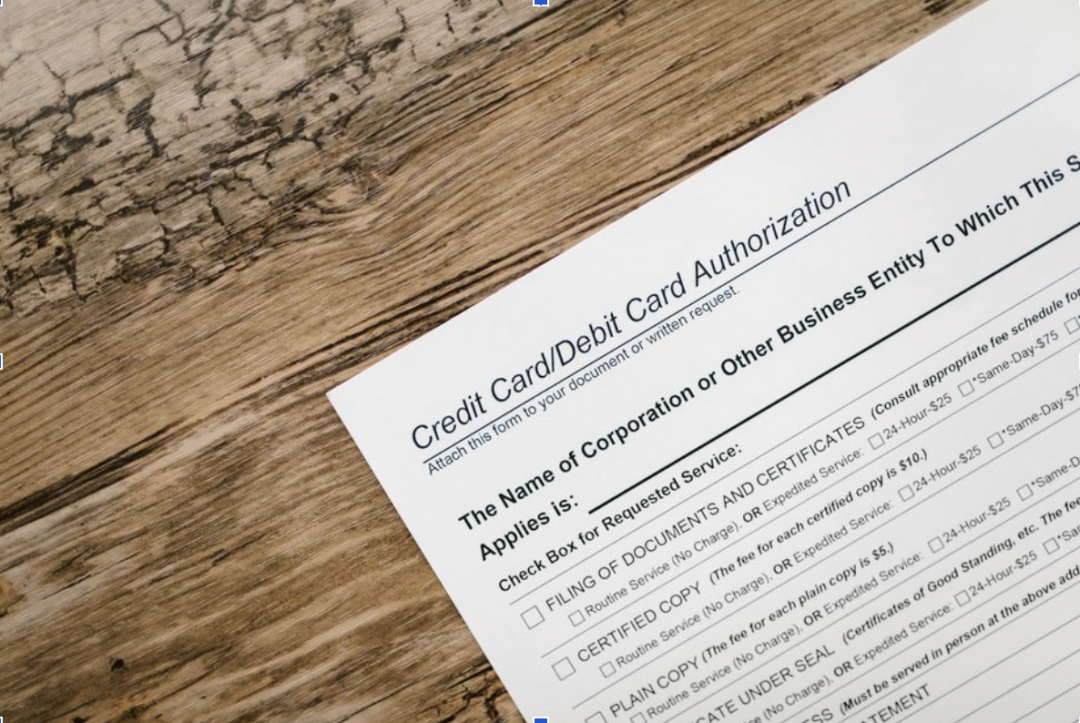
Rising chargeback ratios can trigger higher fees, frozen funds, or account termination, making proactive dispute management essential for CBD businesses.
One number decides how long a CBD merchant keeps the ability to accept cards. It is the chargeback ratio, the share of a store’s transactions that customers dispute. Every card processor tracks it for every account, and they act on it long before a merchant senses trouble.
For most retailers the figure stays low enough to forget. In a high-risk category it climbs faster and counts for more, because the account already draws closer scrutiny than an ordinary shop would. Here is how chargebacks affect CBD payment processing accounts.
RELATED: Cannabis and CBD May Help Patients With Alzheimer’s and Dementia
A chargeback starts when a cardholder disputes a charge with the issuing bank instead of the merchant. The bank reverses the payment, and the merchant loses the sale plus a processing fee. Card networks set limits on how often this can happen before a merchant enters a monitoring program. The limits combine a raw monthly count with a percentage of sales, so both a small shop with a bad month and a large seller with a steady leak can end up in the same category.
CBD sellers reach those limits faster than most. Their customers include first-time buyers unsure of what they ordered, subscription holders surprised by a renewal, and shoppers who read the label after the box arrives. Each of those situations can end in a dispute rather than a return. A category that starts with a higher baseline of confusion produces a higher baseline of chargebacks.

Visa’s Move to Acquirer Monitoring
The rules changed in 2025. On March 31, 2025, Visa retired its long-running Dispute Monitoring Program and Fraud Monitoring Program. It replaced them with the Visa Acquirer Monitoring Program, which began enforcement on October 1, 2025. The new program folds fraud reports and standard disputes into one ratio measured against total sales. A card flagged as fraudulent now counts the same as a customer who simply changed their mind. Acquiring banks face their own ceiling under the program, treated as above standard between 0.5% and 0.69% and excessive at 0.7% or higher. An acquirer approaching that limit has every reason to drop the merchants driving the number, and a CBD account is an easy one to drop.
The threshold matters for anyone in a high-risk sector. Through March 2026, a merchant in the United States, Canada, Europe, or the Asia-Pacific region is treated as excessive at a 2.2% ratio, once it reaches a floor of 1,500 disputes. From April 2026 that ceiling drops to 1.5%. Mastercard runs a parallel program with its own monthly count and ratio triggers. A CBD account that sat comfortably under the old limits can breach the new ones without changing anything about how it sells.
The True Cost of a Single Dispute
The lost sale is the smallest part. A merchant pays a fee for every dispute, and that fee applies even when the merchant wins the case. The product is often gone as well, shipped and unrecoverable. Staff time goes into gathering evidence and responding within the network’s deadline. Some disputes are not honest at all. Businesses lose an estimated $100 billion a year to friendly fraud, where a buyer disputes a charge for goods they received and kept.
RELATED: Can CBD Help Fight Cancer in Dogs
The larger cost is in the ratio itself. Each dispute nudges the percentage upward, and a percentage near the threshold invites a reserve increase or a pricing change from the processor. A cluster of disputes in one month can move an account from acceptable to flagged, and a flagged account attracts the review that ends in termination. The money lost on any single chargeback is minor next to what a rising ratio costs the whole relationship.
Providers Built for Volatile Volume
A merchant leaving a mainstream processor usually moves to a firm whose core business is regulated goods. A specialist in CBD payment processing prices for the dispute rates the sector actually produces and does not flinch when they arrive.
Their underwriting assumes chargebacks will happen and builds tools to limit them. A merchant that picks such a partner early keeps its account stable before a ratio problem forces the move under worse terms.
The Escalation Path Before Termination
Termination rarely arrives without warning. A processor that sees a ratio climbing usually issues a notice first, then asks for a remediation plan describing what the merchant will change. During that window the network may charge the acquirer per-dispute fees, and the acquirer passes them down. A reserve increase often follows, with a larger share of each sale held back to cover expected losses.
The account survives this stage only if the ratio falls. A merchant who treats the warning as a formality, or who cannot lower disputes fast enough, moves to the final step. The processor closes the account and reports the merchant to the terminated-merchant file, a shared record acquirers pull before approving anyone new, which makes the next approval harder to win. Each closure adds to the wider pattern of debanking that has spread across high-risk sectors. Reading the first notice as a deadline rather than a suggestion is what separates a recovered account from a terminated one.
RELATED: US Medicare Potentially Adding Coverage For CBD
Common Triggers Behind a Dispute Spike
Most disputes trace to a handful of causes, and each has a fix. An unrecognizable billing descriptor is the frequent one. A customer who does not recognize the name on the statement files a dispute instead of asking. A plain descriptor that matches the store name removes that reason. Subscription renewals cause the next batch, so a reminder email before each charge and a simple way to cancel subscriptions cut the surprise that drives a dispute.
Delivery gaps produce more. A package that arrives late or without tracking gives the buyer grounds to claim the order never came. Tracking numbers uploaded to the processor answer that claim before it becomes a chargeback. Product complaints round out the list, and honest labeling with an easy refund path keeps an unhappy customer from going to the bank first.
The Metric Worth Protecting
The chargeback ratio is the one figure a CBD merchant should watch every week. It matters more to a processor than revenue or growth, because it is the number the card networks force the processor to answer for. A business that treats the ratio as its main compliance metric gives itself the longest runway.
Prevention beats cleanup here. Dispute handling built into daily operations keeps the ratio quietly low without a month-end scramble. A processor that sees a steady ratio has no reason to look closer, and for a high-risk account, not being looked at closely is the whole game.
