


Cannabis and CBD for Alzheimer’s and Dementia: Understanding the Differences Between the Conditions and the Emerging Science Behind Medical Marijuana
Every three seconds, someone in the world develops dementia, making memory disorders one of the fastest-growing health challenges facing aging populations. As families search for ways to improve quality of life for loved ones, many are asking a question which would have seemed unlikely just a decade ago: can cannabis and CBD may help patients with Alzheimer’s and dementia.
The answer isn’t simple—but it is becoming increasingly hopeful.
While cannabis is not a cure for Alzheimer’s disease or other forms of dementia, a growing body of research suggests certain cannabis compounds may help ease some of the symptoms making the diseases so difficult for both patients and caregivers. Better sleep, reduced anxiety, less agitation, improved appetite and relief from chronic pain are among the benefits researchers are continuing to investigate.
RELATED: Can Cannabis Help Relieve Back Pain
Before looking at cannabis, it’s important to understand Alzheimer’s disease and dementia are not the same thing.
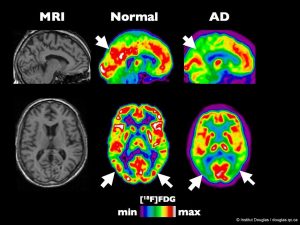
Dementia is an umbrella term describing a decline in memory, thinking and reasoning severe enough to interfere with everyday life. Alzheimer’s disease is the most common cause of dementia, accounting for roughly two-thirds of all cases. Other forms include vascular dementia, Lewy body dementia and frontotemporal dementia, each with its own underlying cause and progression.
Although the diseases differ, many share common symptoms—including confusion, behavioral changes, disrupted sleep, anxiety and loss of appetite—which is where cannabis researchers believe cannabinoids may offer meaningful support.
CBD, or cannabidiol, has attracted particular attention because it doesn’t produce the intoxicating “high” associated with marijuana. Instead, researchers are studying its anti-inflammatory and antioxidant properties, along with its interaction with the body’s endocannabinoid system, which helps regulate mood, sleep, pain and immune function.
For many patients, CBD may help reduce anxiety, improve sleep quality and lessen chronic discomfort without causing significant cognitive impairment. This makes it an appealing option for older adults who may already be taking multiple medications.
THC, the better-known psychoactive compound in cannabis, presents a more complicated picture. In larger amounts, THC can increase confusion or dizziness in older adults. But in carefully controlled, physician-guided doses, several studies suggest it may reduce agitation, aggression and the late-day confusion commonly known as “sundowning” affecting many people living with dementia.
Those behavioral symptoms are often among the most exhausting challenges for caregivers, and they frequently contribute to the decision to move a loved one into assisted living or memory care.
Researchers also note low-dose THC may stimulate appetite and improve sleep, helping patients who have begun losing weight or experiencing nighttime restlessness.
RELATED: Cannabis Can Help The Wellness Trend Nervous System Regulation
Many clinicians believe the greatest potential may come from combining CBD with very small amounts of THC. This approach, sometimes called the “entourage effect,” suggests the naturally occurring compounds in cannabis work better together than they do individually. Products higher in CBD and lower in THC are often recommended for older adults because they may provide symptom relief while minimizing psychoactive effects.
Scientists are also exploring whether cannabinoids could one day play a larger role in Alzheimer’s treatment itself. Laboratory studies have shown cannabinoids may reduce inflammation in the brain, protect nerve cells from oxidative stress and influence the buildup of amyloid plaques and tau proteins associated with Alzheimer’s disease. While those findings are encouraging, they have yet to be confirmed in large human clinical trials.
For now, experts caution cannabis should be viewed as a tool for symptom management—not as a treatment stopping or reverses Alzheimer’s disease or other forms of dementia.
RELATED: How TV Shows Are Redefining Marijuana in Modern Life
Still, for many families, improving daily life is a meaningful goal in itself. A calmer evening, a full night’s sleep or reduced anxiety can make an enormous difference for both patients and the people caring for them.
As research continues and medical cannabis becomes more widely accepted, doctors hope to better identify which cannabinoids, dosages and formulations work best for different patients. Until then, anyone considering cannabis or CBD for Alzheimer’s or dementia should speak with a healthcare provider experienced in medical cannabis, particularly because older adults may be more sensitive to medication interactions and side effects.
For families navigating these challenging diseases, cannabis may not offer a cure—but it could provide something almost as valuable: greater comfort, improved quality of life and a little more peace during an incredibly difficult journey.
