

Why Gen Z Drinks Less: The Rise of Mocktails, Micro-Cocktails, Wellness Culture, and Cannabis Alternatives
For decades, alcohol was a cornerstone of American social life. Happy hours, college parties, and weekend bar crawls were considered rites of passage for young adults. But Generation Z—those born roughly between 1997 and 2012—is rewriting the rules.
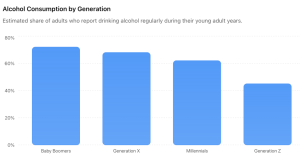
A growing body of research shows Gen Z is drinking significantly less alcohol than Millennials, Generation X, and Baby Boomers did at the same age. The trend is so pronounced beverage companies, restaurants, and nightlife venues are rapidly adapting to a new generation who values wellness, moderation, and alternative ways to socialize.
While exact figures vary by survey, the overall direction is clear: Gen Z drinks less frequently, binge drinks less often, and is more likely to abstain entirely compared with previous generations.
RELATED: Is Cannabis Helpful With Wrinkles
One major driver is the growing emphasis on physical and mental health. Unlike previous generations who often viewed drinking as a social necessity, Gen Z is highly aware of alcohol’s potential effects on sleep, fitness, anxiety, and productivity.
Social media has also played a role. Platforms such as TikTok and Instagram have helped popularize fitness culture, longevity practices, and wellness trends often discouraging excessive drinking. Many young adults now track sleep quality, monitor workouts, and prioritize recovery, making heavy alcohol consumption less appealing.
The rise of sophisticated mocktails has further accelerated the shift.
Gone are the days when non-drinkers were limited to soda or water. Today’s mocktails feature premium ingredients, complex flavor profiles, fresh herbs, botanical infusions, and alcohol-free spirits. Upscale bars and restaurants increasingly dedicate entire sections of their menus to zero-proof beverages.
For Gen Z consumers, mocktails offer the social experience of drinking without the hangover, calories, or health concerns associated with alcohol.
Industry analysts report the non-alcoholic beverage sector has become one of the fastest-growing categories in the hospitality industry, with new brands launching alcohol-free beers, wines, and spirit alternatives every year.
Even when Gen Z chooses to drink, moderation is often the goal.
Enter the “micro-cocktail“—smaller, lower-alcohol beverages designed to provide flavor and social enjoyment without excessive intoxication. These drinks typically contain less alcohol than traditional cocktails and are often served in smaller portions.
The trend reflects a broader “drink better, drink less” philosophy is increasingly popular among younger consumers.
RELATED: How TV Shows Are Redefining Marijuana in Modern Life
Another factor influencing alcohol sales is the growing acceptance of cannabis.
As legalization expands across the United States, many young adults report using cannabis as an alternative to alcohol. Some consumers prefer cannabis because they perceive it as producing fewer negative side effects than drinking, while others simply view it as a more modern recreational option.
Cannabis-infused beverages are also becoming more common, creating additional competition for traditional beer, wine, and spirits. These products appeal to consumers seeking relaxation or social experiences without consuming alcohol.
For alcohol producers, bars, and restaurants, Gen Z’s changing habits represent both a challenge and an opportunity. Businesses embracing alcohol-free options, low-ABV beverages, and wellness-focused experiences are increasingly finding success with younger audiences.
The shift may ultimately prove to be more than a temporary trend. Gen Z appears to be redefining what socializing looks like in the 21st century—favoring moderation, intentional consumption, and personal well-being over excess.
As this generation gains purchasing power, its preferences are likely to influence everything from beverage menus to nightlife culture, making lower alcohol consumption one of the most significant consumer shifts of the decade.
