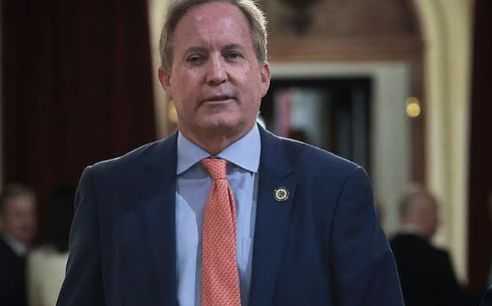
Ken Paxton is fighting marijuana decriminalization in Texas cities, challenging voter-backed reforms and keeping cannabis criminalization at the center of the state’s political battles.
Like the rest of the country, Texans have relaxed and embraced the concept of legal marijuana. Texas is the third largest market of The Fresh Toast readers, so people are interested. Voters in several of the state’s cities have tried to ease penalties for possessing small amounts of marijuana. But embattled Attorney General Ken Paxton’s unrelenting war on cannabis continues with lawsuits and dicey rhetoric.
When Dallas voters backed fewer arrests for small amounts of marijuana, Ken Paxton sued. The Texas attorney general has made it clear cannabis reform won’t get a free pass on his watch.
In 2024, Paxton sued Austin, San Marcos, Killeen, Elgin and Denton over policies limiting enforcement of low-level marijuana offenses. Dallas followed after voters approved a measure restricting arrests and citations for possession of up to four ounces. About 67% of Dallas voters supported it.
RELATED: The Facts On Marijuana, Crime and Guns
Paxton’s response was hardly subtle. He called the cities’ approach a “backdoor attempt” to violate the Texas Constitution and warned any city trying to constrain police enforcement would “be met swiftly with a lawsuit by my office.” In announcing the earlier cases, he described local officials as “pro-crime extremists” and accused them of promoting illicit drugs.
It is tough rhetoric for policies aimed at reducing arrests for minor marijuana offenses. Reform supporters argue police should focus on more serious crime and local voters deserve a say in how their cities enforce the law. Paxton insists state law takes precedence.
The cannabis cases fit a larger pattern. Paxton has filed a stream of politically charged lawsuits, including challenges to policies pursued by Democratic administrations, making the attorney general’s office a prominent player in national political battles.

Meanwhile, a recent investigation by ProPublica and The Texas Tribune found Paxton had taken nearly 1,000 trips with state-funded security during his tenure, costing taxpayers $3.3 million. The newsrooms could connect only 138 trips, accounting for $553,000 in security costs, to state business. Records documenting the purpose of many trips were unavailable. He feels comfortable spending for his goals, but is he short sighted over the potential $555 million tax windfall for the state with legal cannabis. Could come in handy for a state struggling with a crumbling infrastructure.
Those findings raise questions about public spending and accountability. They also provide a striking contrast: Paxton has shown a willingness to devote state legal resources to fighting policies he opposes, while the public record leaves significant gaps about the purpose of much of his travel.
The cannabis campaign has produced its own legal setbacks. Courts initially dismissed cases involving Austin and San Marcos, although appeals courts later overturned those rulings. The litigation shows how far Paxton is willing to push the issue, even when cities resist.
Texas still bans recreational marijuana, though qualifying patients can access limited medical cannabis through the state’s Compassionate Use Program. Paxton has also backed tighter restrictions on intoxicating hemp-derived THC products, another front in the state’s cannabis crackdown.
RELATED: Older Politicians Still Fighting Marijuana Hard
Texas still bans recreational marijuana, though qualifying patients can access limited medical cannabis through the state’s Compassionate Use Program. Paxton has also backed tighter restrictions on intoxicating hemp-derived THC products, another front in the state’s cannabis crackdown.
In an October 2026 interview with The Texas Tribune, however, Paxton said he did not know the details of the state’s THC restrictions when asked about them.
For Texans who voted to ease marijuana enforcement, the message is clear: A ballot victory can bring a lawsuit rather than a change in police practice. Paxton is betting his version of state law will prevail. Voters who want a different approach will have to keep fighting, too.