


New Supreme Court Decision Highlights Changing Views On Cannabis And Public Safety
The U.S. Supreme Court’s unanimous decision this week limiting the federal government’s ability to prosecute some marijuana users for possessing firearms is fueling a broader debate about cannabis and public safety. But what is fiction and what are the facts on marijuana, crime and guns?
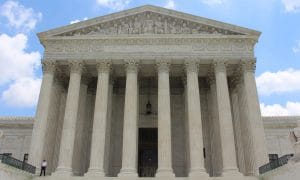
In a 9-0 ruling, the Court found the government failed to show prosecuting Texas marijuana user Ali Hemani under a federal gun law was consistent with the Second Amendment. Writing for the Court, Justice Neil Gorsuch emphasized constitutional rights cannot be restricted simply because someone falls into a broad category without evidence they are dangerous.
RELATED: 5 Ways Medical Marijuana Can Help You Deal With Chronic Pain
The case arrives as legal cannabis has become increasingly mainstream across the United States. More than three dozen states now allow medical marijuana, and many permit recreational use. As public attitudes continue to evolve, researchers and policymakers are increasingly examining whether marijuana’s association with crime has been overstated.
One reason the Court’s decision has attracted attention is the longstanding assumption marijuana use naturally belongs in the same category as alcohol abuse, methamphetamine addiction, heroin use, or other substances frequently associated with criminal activity.
Yet decades of crime statistics paint a more complicated picture.
Alcohol remains one of the substances most commonly linked to violent crime, domestic violence, assaults, and disorderly conduct. Law enforcement agencies routinely report alcohol as a contributing factor in violent incidents and arrests.
Hard drugs such as methamphetamine, fentanyl, heroin, and cocaine are also frequently connected to organized crime, addiction-driven theft, trafficking networks, and repeat criminal behavior.
Cannabis presents a markedly different pattern. While marijuana can impair judgment and should never be used before driving or handling firearms, researchers generally find a weaker connection between cannabis use and violent behavior. Unlike alcohol, marijuana is rarely identified as a primary driver of aggression. Many users report the opposite effect, describing relaxation and reduced stress.
Supporters of legalization argue regulated cannabis markets may actually reduce certain categories of crime.
RELATED: Republican Attorney Generals Plan to Block The President’s Marijuana Rescheduling
Before legalization, marijuana sales largely occurred through illicit markets. Today, licensed cannabis businesses operate under testing requirements, age restrictions, tracking systems, and state oversight. Advocates contend moving sales into regulated channels weakens black-market activity while reducing marijuana-related arrests once consumed law enforcement resources.
The Supreme Court’s ruling was ultimately about constitutional rights, not cannabis policy. But it underscores a growing reality: courts, lawmakers, and researchers are increasingly treating marijuana differently from substances more commonly associated with violence and criminal behavior.
As legalization expands and evidence continues to accumulate, the national conversation is shifting away from decades-old assumptions and toward a more evidence-based examination of cannabis and public safety
