

Tariffs And Visa Add To The Cannabis Industry’s Misery, squeezing profits, talent, and innovation nationwide.
The U.S. legal cannabis industry has been suffering over the last two years under an indecisive federal government — and now it’s getting squeezed from two unexpected angles: Tariffs and Visas add to the cannabis industry’s misery. For businesses and workers alike, what once looked like a budding success story is showing greater turbulence.
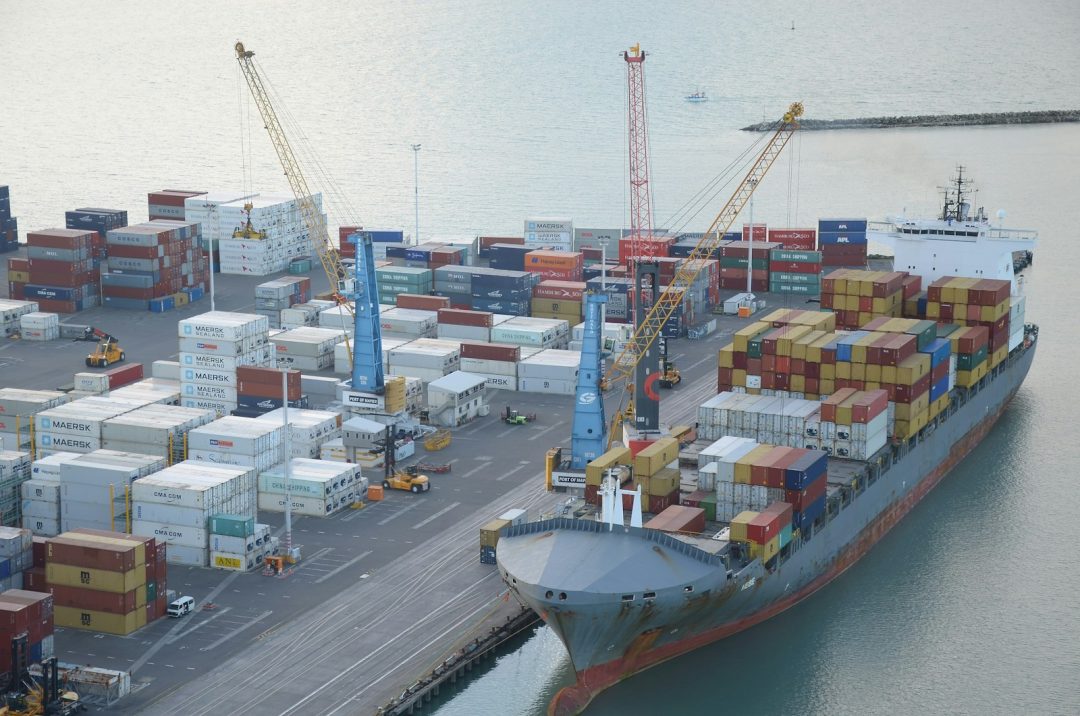
The first punch comes via international trade policy. Many cannabis-adjacent businesses — from vape cartridge manufacturers to packaging suppliers and cultivation equipment importers — rely heavily on overseas inputs, especially from China. Recent U.S. tariffs on Chinese goods — in some cases raising rates to 30–50% or more — have forced costs up, and the ripple is hitting weed-industry players hard.
RELATED: The VFW Stands Up For Marijuana

What makes this especially tough for cannabis businesses: margins are already razor-thin, regulatory burdens are high, and the domestic supply chain just isn’t built out. Switching suppliers takes time; finding U.S.-based manufacturers meeting regulatory compliance is even harder.
Now consider the human side of the workforce. The immigration and “visa” side of the equation rarely gets front-page attention in cannabis, but it’s quietly important. The federal government still classifies cannabis (marijuana) as a Schedule I controlled substance, despite many states legalizing it. That creates complications for foreign nationals trying to work in or invest in cannabis-related businesses.
For example, non-U.S. citizens on visas or applying for visas risk denial or revocation if they have past cannabis use, or if they’re working or investing in the cannabis industry—even when it’s legal in the state. This means companies would otherwise recruit international talent, or rely on global investment, may find restrictions.
RELATED: Cannabis Mogul Appointed Ambassador To Middle East Country
At the same time, broader visa policy changes are making the environment more uncertain. Recent shifts on H-1B visas, fees, and work permits are complicating cross-border mobility for skilled workers.
The combination of higher input costs and a more restrictive workforce/immigration pipeline is a double whammy for cannabis entrepreneurs. It means:
- Higher retail prices or slimmer margins
- Supply chain disruption (imports delayed, domestic alternatives still catching up)
- Caution around hiring international talent or tapping global investment due to immigration uncertainty
- Potential slowdown in growth or innovation as more resources are diverted to coping
For millennial cannabis consumers and industry watchers: yes, you might start seeing slightly steeper prices or less product innovation. And for workers and founders: borders, visas, and trade policy are no longer side conversations — they’re central to whether the business thrives.
In short: the cannabis boom isn’t immune to macroeconomics and immigration policy. If anything, it’s among the more vulnerable sectors, since it straddles imports, regulation, and workforce mobility all at once.
