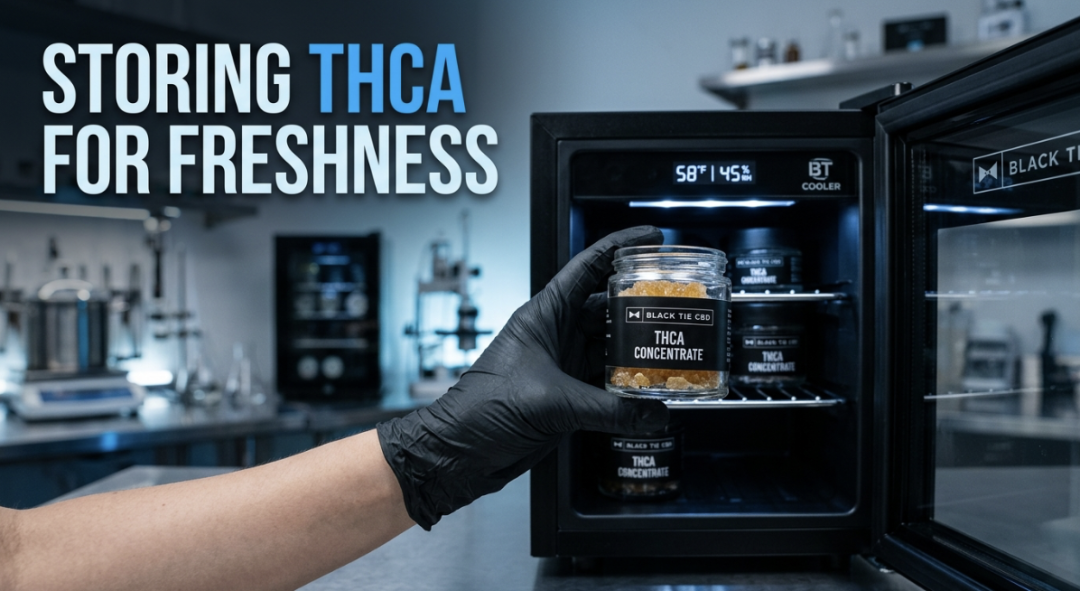
Tips to make sure you concentrates are fresh and ready whenever you want them
Concentrates are a bit more delicate than people expect. If you have ever opened a jar after a few months and noticed a change in texture, color, or smell, you already know that storage matters more than most people realize.
The good news is that keeping your concentrates fresh doesn’t require anything fancy. A few simple habits can make a big difference in how well your product holds up over time. Here is how to store THCA concentrates properly for long-term freshness. This guide walks you through the basics so you can protect quality and get the most out of every purchase.
Why Storage Conditions Matter So Much
Concentrates are sensitive to their environment. Exposure to heat, light, and air can gradually break down the compounds responsible for potency, flavor, and aroma. This process, often called degradation, happens slowly but steadily if conditions aren’t right.
Unlike flower, concentrates have a more exposed surface area and a stickier consistency, which makes them even more reactive to their surroundings. That’s why understanding a few core storage principles goes a long way.
RELATED: Gen Z Is More Similar To Boomers In A Surprising Way
The Biggest Enemies of Freshness
Heat
Warm temperatures speed up the breakdown of active compounds. Storing concentrates near windows, heaters, or in a hot car can cause noticeable changes within weeks.
Light
Ultraviolet light, especially direct sunlight, accelerates degradation. Even indoor lighting over long periods can have a mild effect, which is why opaque or dark containers are usually recommended.
Air Exposure
Oxygen interacts with the surface of concentrates, slowly altering their texture and potentially affecting flavor. Leaving a container open, even briefly, adds up over time.
Humidity
Too much moisture in the air can affect consistency, especially with drier concentrate types. A stable, moderate environment is generally best.
Best Practices for Everyday Storage
Use Airtight, Non-Reactive Containers
Glass jars with tight seals are one of the most reliable storage options. Silicone containers are also popular because concentrates don’t stick to them as easily, though they aren’t always airtight.
Avoid plastic containers not specifically designed for concentrates, as some plastics can react with sticky extracts over time.
Keep It Cool and Dark
A cool, dark cupboard or drawer works well for most people. Some prefer refrigeration for longer-term storage, though this comes with its own considerations.
Cold Storage Considerations
Refrigerating concentrates can slow degradation, but temperature swings from repeated opening and closing can introduce moisture. If you choose to refrigerate, try to minimize how often you take the container in and out.
Freezing is sometimes used for very long-term storage, but concentrates can become harder to handle at freezing temperatures, so this method works better for those who don’t need frequent access.
RELATED: People Who Use Weed Also Do More Of Another Fun Thing
Parchment Paper and Wrapping Tips
Many concentrates come wrapped in parchment paper, which is a good storage material because it doesn’t stick and allows a small amount of breathability. If you’re transferring product into your own storage, using food-grade, non-stick parchment is a simple and effective option.
Avoid wax paper, as it tends to stick and can be harder to work with once concentrates soften slightly.
Labeling and Rotation
It’s easy to forget how long a product has been stored, especially if you buy in larger quantities. Labeling containers with purchase dates helps you keep track of freshness and use older stock first.
This is especially useful for anyone who tends to buy THCA concentrates in bulk, since rotating older batches to the front ensures nothing sits unused for too long. A simple first in, first out approach makes a noticeable difference in maintaining consistent quality.
RELATED: People Who Use Weed Also Do More Of Another Fun Thing
Common Storage Mistakes to Avoid
- Leaving containers open for extended periods
- Storing near stoves, windows, or heat vents
- Using containers that aren’t airtight
- Repeatedly moving concentrates between hot and cold environments
- Touching the product directly with hands instead of proper tools
Small adjustments in these areas can meaningfully extend how long your concentrates stay in good condition.
Tools That Help With Handling
Using a dab tool instead of fingers helps avoid introducing oils, moisture, or bacteria into the container. This small habit not only supports hygiene but also helps maintain consistency over time.
Keeping tools clean between uses is another easy step that prevents unwanted buildup inside storage containers.
Signs Your Concentrate May Have Degraded
While concentrates don’t necessarily become unsafe simply from age, you may notice changes such as:
- A duller color compared to when it was purchased
- A weaker or altered smell
- A change in texture, such as becoming overly hard or unusually soft
- Reduced stickiness in products that are normally tacky
These signs generally point to quality changes rather than safety concerns, but they’re worth paying attention to if freshness is a priority for you.
Final Thoughts
Proper storage doesn’t have to be complicated. Keeping concentrates in airtight containers, away from heat, light, and excess air, is the foundation of long-term freshness. Simple habits like labeling, rotating stock, and using the right tools can make a noticeable difference over time.
Whether you’re storing a small amount or a larger supply, a little consistency in how you store your concentrates goes a long way in preserving their quality.
References
- General guidelines on material degradation from heat, light, and oxygen exposure, commonly referenced in consumer storage and preservation practices
- Standard foo
RELATED: People Who Use Weed Also Do More Of Another Fun Thing
FAQs
- Is refrigeration necessary for storing concentrates?
Not always. Many people successfully store concentrates in a cool, dark space without refrigeration. Cold storage is an option for longer-term freshness but isn’t required for everyone.
- Can I store concentrates in plastic containers?
It’s better to use glass or silicone containers designed for concentrates, since some plastics may react with sticky extracts over time.
- How can I tell if my concentrate has gone bad?
Look for changes in color, texture, or smell. These usually indicate reduced quality rather than a safety issue.
- Does freezing extend shelf life significantly?
Freezing can slow degradation, but it may make the product harder to handle, so it works best for long-term storage rather than everyday use.