

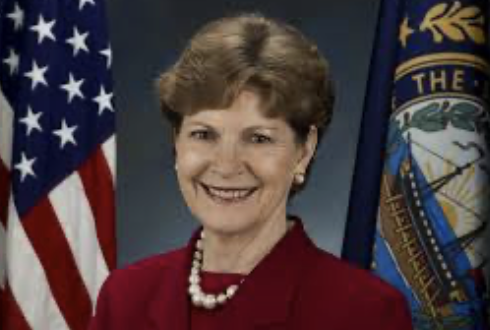
The Democratic 8 Also Knifed The Hemp Industry — siding with prohibitionists to gut veterans’ healthcare and hemp innovation.
They are the buzz on the internet and politics worlds over their betrayal to their political party, but did you know the Democratic 8 also knifed the hemp industry? In a dramatic turn of events, 8 Senate Democrats have quietly helped push through a deal both re-criminalizes intoxicating hemp-derived THC products and strips out key medical-marijuana provisions previously cleared both chambers of Congress. The implications for both healthcare and cannabis policy are significant.
Under the newly negotiated spending package, negotiators agreed to ban “intoxicating hemp-based or hemp-derived products, including Delta-8,” while preserving non-intoxicating CBD and industrial hemp. At the same time, the legislation omits the provisions the House and Senate earlier this year passed to enable physicians at the Department of Veterans Affairs (VA) to recommend medical marijuana to veterans — language now excluded from this deal.
RELATED: Study Reveals Stance By Physicians And Public About Cannabis
From a healthcare standpoint, this is a two‐fold blow. First: healthcare access for veterans. The VA‐doctor recommendation language was seen as a breakthrough for veteran patients who seek alternatives to opioids or other pain management tools. Now it’s gone. Second: the broader THC market. By re-criminalizing intoxicating hemp THC products — despite their existence in a previously lawful grey-zone post-Agricultural Marketing Act of 2018 (the “2018 Farm Bill”) environment — Congress has signalled certain “hemp-derived” cannabinoids are being pulled back under prohibition.
the group of eight Senate Democrats who broke from the caucus to vote in favour of advancing a funding deal to end the government shutdown include:
- Catherine Cortez Masto (D-Nev.)
- Dick Durbin (D-Ill.)
- John Fetterman (D-Pa.)
- Maggie Hassan (D-N.H.)
- Tim Kaine (D-Va.)
- Jacky Rosen (D-Nev.)
- Jeanne Shaheen (D-N.H.) – whose daughter is also running for Congress
- Angus King (I-Maine, caucuses with Democrats)
What stands out is the ban on intoxicating hemp THC products came in the same spending package, even though earlier this year the House and Senate had passed language to allow VA doctors to recommend medical marijuana for veterans. The new deal reverses earlier momentum.
For advocates of veteran healthcare this is a cold shower in addition to the failed promise to help with healthcare premiums. It is also a deliberate smack at any real cannabis policy reform. The exclusion of VA-doctor recommendation language means veterans may have to continue navigating patchy state laws and federal prohibitions without help from the federal agency meant to serve them. Meanwhile, hemp business operators say the ban threatens a multibillion‐dollar industry built around hemp-derived cannabinoids.
RELATED: The Feds Foul Play Around Cannabis
The timing is also politically striking. By tying these policy reversals to a must-pass government-funding measure, negotiators effectively placed them in the envelope of “budget compromise” rather than standalone reform. This means Democrat 8 can gut healthcare in two separate ways at the same time…with the hemp being a hidden negative for veteran with PTSD, cancer patients and others who the American Medical Association say could benefit.
On the hemp side, the language undercuts previous regulatory efforts by Democratic senators. In September, eight Senate Democrats had sent a letter urging party leaders not to re-criminalize hemp THC products. But given the opportunity the deal they signed onto does exactly did re-criminalize hemp. You wonder if their early comments were just for votes and optics.
The deal pushed by Democratic negotiators didn’t just fail to extend healthcare protection, it actively reversed course on veteran access to medical cannabis and tightened federal restrictions on hemp-derived intoxicants. Whether this will spark further legislative fights, or judicial ones, remains to be seen. What is clear is a policy moment earlier this year looked like progress has now been shunted aside hidden under cover of a budget compromise.
