
It’s a delicious journey exploring the difference between bread made in France and the US — crusty passion meets convenience.
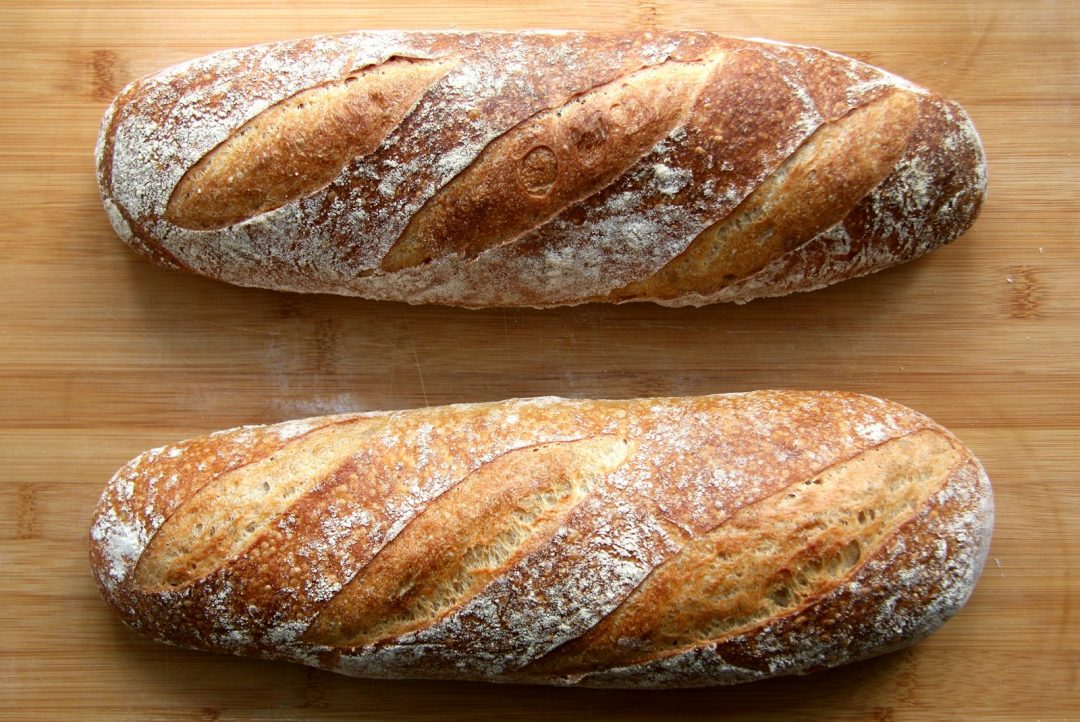
Ask anyone who has torn into a still-warm baguette on a Paris street corner — French bread doesn’t just taste different, it feels different. There’s something unmistakably alive about it: the crackle of the crust, the tender crumb within, the faint tang of fermentation. For many, the first bite answers the question before it’s asked but what is the difference between bread made in France and the US. Is it because bread in France simply has a soul.
RELATED: What About A Cannabis Cocktail/ Holiday Party
The difference between French and American bread begins with philosophy. In France, bread is viewed as a living thing, the product of patience, craft, and regulation. The country’s Décret Pain — literally, the Bread Decree — restricts a baguette de tradition française to just four ingredients: flour, water, salt, and yeast. No preservatives, no sugar, no shortcuts. Each baker (boulanger) relies on long fermentation times which coax out deep flavor and create the unmistakable chew.
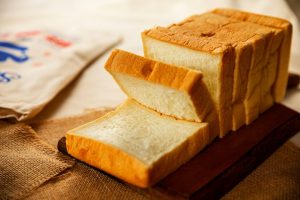
In the United States, bread followed a different path — one prizing convenience and uniformity. The rise of industrial baking in the 20th century, followed by the invention of pre-sliced bread in 1928, transformed the humble loaf into a symbol of modern life. Soft, sweet, and shelf-stable, American bread was built to last, not to linger. Its neat slices made lunch quicker and life easier — “the best thing since sliced bread” became part of the national lexicon for good reason.
Buying bread in France, though, remains an art of daily ritual. Most people stop at their local boulangerie once, sometimes twice a day. There, the baker knows the regulars by name, and customers cradle their baguettes like fragile treasures as they walk home. Bread is bought for the meal, not for the week — it’s a practice preserving freshness and a sense of community.
RELATED: The History Of The Cocktail Party
Even as France clings proudly to its traditions, it isn’t immune to change. The demand for gluten-free and whole-grain loaves is growing, particularly in Paris and other cosmopolitan cities. While no gluten-free baguette will ever replace the classic, French bakers are exploring new flours — chestnut, buckwheat, rice — to meet modern dietary needs without sacrificing flavor.
Ultimately, the story of bread in France versus America is more than culinary — it’s cultural. French bread celebrates time, craft, and connection. American bread celebrates innovation, efficiency, and accessibility. Both feed their people — but only one still inspires a daily pilgrimage for something as simple, and as sacred, as a loaf.
