


Who is Rep Andy Harris and why does he hate cannabis, his role in blocking rescheduling and shaping federal marijuana policy debates.
While the marijuana industry holds its breath on whether the President will finally take long promised action, a new foe has emerged. Who is Rep Andy Harris and why does he hate cannabis. Harris (R-Md.) is a physician-turned-congressman who has represented Maryland’s 1st District since 2011. A staunch social and fiscal conservative, Harris has made a name for himself as a showdown-willing member of the House Freedom Caucus and one of Congress’s most vocal opponents of loosening federal marijuana rules.
RELATED: Officials Cling To Personal Moral Codes Despite Public Opinion
His opposition has become especially visible as the federal government weighs reclassifying cannabis under the Controlled Substances Act. Harris has repeatedly pushed back against rescheduling, arguing the change would be a public-health mistake even if it helped his party politically — famously telling reporters he “doesn’t care whether it’s good for the party or not” and his personal beliefs drive his position. He has used his medical credentials and committee access to press the DEA and Justice Department to reconsider or slow any move to move cannabis out of Schedule I.
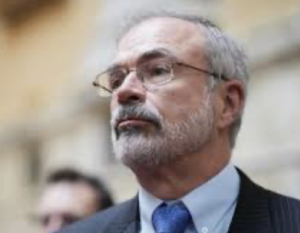
His stance has put Harris at odds with many in both parties who frame rescheduling as modest administrative relief — a shift to would mainly ease research barriers and allow ordinary tax deductions for state-legal businesses rather than instant national legalization. Harris has been among the Republicans publicly urging caution and in some cases urging rollback, saying he would prioritize what he sees as public safety over political convenience even if the president favors change.
Beyond cannabis, Harris has a long record of blocking or resisting measures on several fronts. In the Maryland Senate he led a lengthy filibuster against anti-discrimination protections for same-sex couples; in Congress he’s pushed amendments to limit federal funding for wind-farm projects, opposed mask and lockdown policies during COVID-19, promoted unproven treatments early in the pandemic, and used appropriations levers to press social-policy goals. As Freedom Caucus chair, he’s also been a key dissident voice on spending and budget negotiations, at times voting “present” or leading objections making compromise more fraught.
What the combination means politically is straightforward: Harris is less a moderating institutionalist and more an ideological gatekeeper. When the nation debates incremental steps on cannabis policy — rescheduling which could ease research, banking and taxes for state legal businesses — he’s been a high-profile obstacle. For advocates and entrepreneurs who say rescheduling would relieve tax and regulatory burdens on thousands of small, mom-and-pop cannabis operators, Harris’s resistance signals administrative changes alone may not be enough; legislative and political fights will persist.
RELATED: The VFW Stands Up For Marijuana
Whether Harris’s position will bend depends on the balance of power in Congress and the White House. For now, his mix of medical credentials, social conservatism and Freedom Caucus influence makes him one of the most consequential critics of any federal move to ease cannabis restrictions — and a reminder rescheduling debates are as much political theatre as they are technical.
