

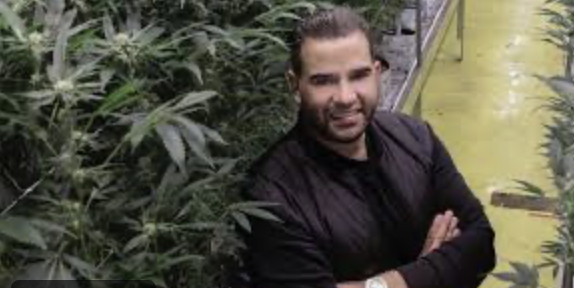
Washington surprised as cannabis mogul appointed ambassador to Middle East Country amid tension
RELATED: Zohram Mamdani And NYC’s Legal Marijuana
Savaya’s rise is the kind of American-story headline editors love. An Iraqi-born Chaldean who built a visible cannabis brand in Metro Detroit, he became a local celebrity for aggressive billboard marketing and a social-media presence pushing his products — and his persona — into the public eye. His Leaf & Bud outlets and “Mark Savaya Collection” branding have been the subject of local debate and municipal attention.
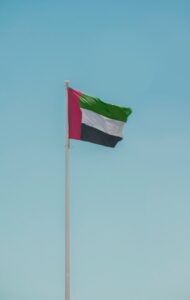
The background matters for two reasons. First, Savaya has been politically active in Michigan and a visible backer of the current presideent’s campaign efforts in the state — a factor the White House explicitly referenced when explaining the appointment. Second, his cannabis ties present an awkward optics clash: the U.S. appointee’s business is legal under Michigan state law but remains illegal under federal law, while Iraq enforces some of the region’s toughest drug penalties.
Why Iraq makes this appointment a high-stakes headline: U.S.–Iraq ties are layered and fragile. The role of a special envoy historically carries weight — envoys have been central to reconstruction, counterterrorism coordination and high-stakes diplomacy since 2003 — and Baghdad’s politics are a mosaic of sectarian factions, foreign influences, and security challenges. The choice of a non-career political appointee with no formal diplomatic resume has prompted questions in both Baghdad and Washington about what the administration expects Savaya to accomplish.
And then there’s the cannabis angle. Iraq’s law is unforgiving: recreational and medical cannabis are illegal, and penalties for possession, trafficking and cultivation can be severe under Iraqi statutes and long-standing narcotics laws. That stark legal contrast — an American envoy whose public brand is tied to cannabis, representing U.S. interests in a country who criminalizes it — is likely to be raised in Baghdad’s briefings and in public reaction.
RELATED: The Rise Of The Zillennial
What to watch next: how Baghdad and Baghdad’s partners (including the Kurdistan Regional Government) publicly receive Savaya; whether his appointment is purely symbolic outreach to Iraqi-American communities and voters in Michigan, or whether he’ll be given a clear, policy-driven brief; and how the White House manages the optics of a cannabis entrepreneur handling sensitive Middle East diplomacy. For young readers and beat-followers, this is less a culture-war curiosity and more a case study in modern patronage diplomacy — where brand, social capital, and partisan loyalty can land you in a geopolitically delicate job.
The appointment is real, it’s provocative, and it underscores how unconventional pathways to influence are reshaping U.S. diplomacy — for better or worse — at a moment when Iraq’s stability and the U.S. role there remain anything but settled.
